Small Wine Cellar Under Stairs: The Essential Guide

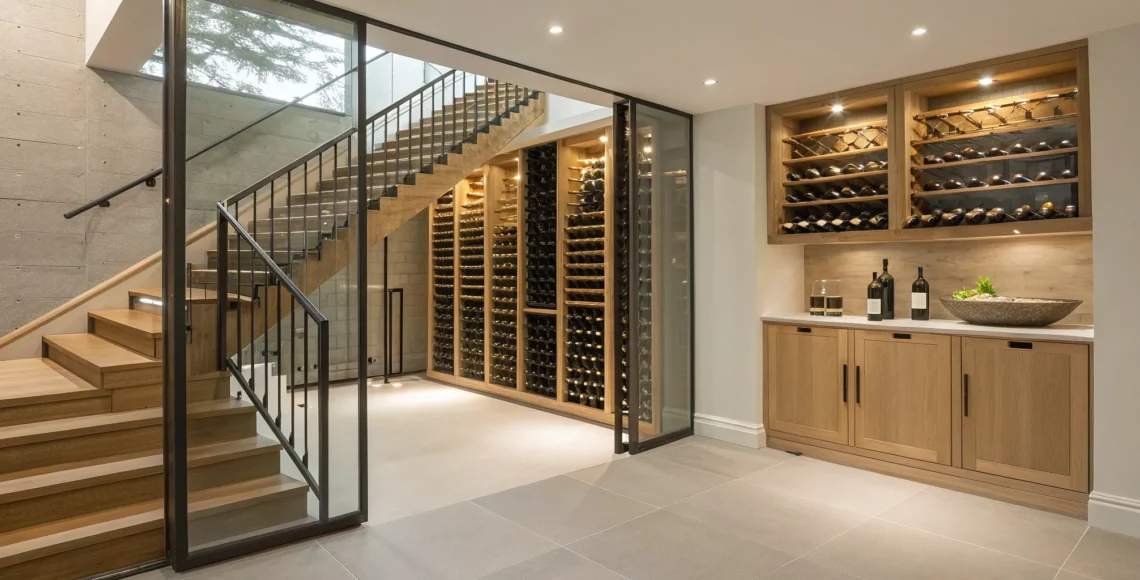
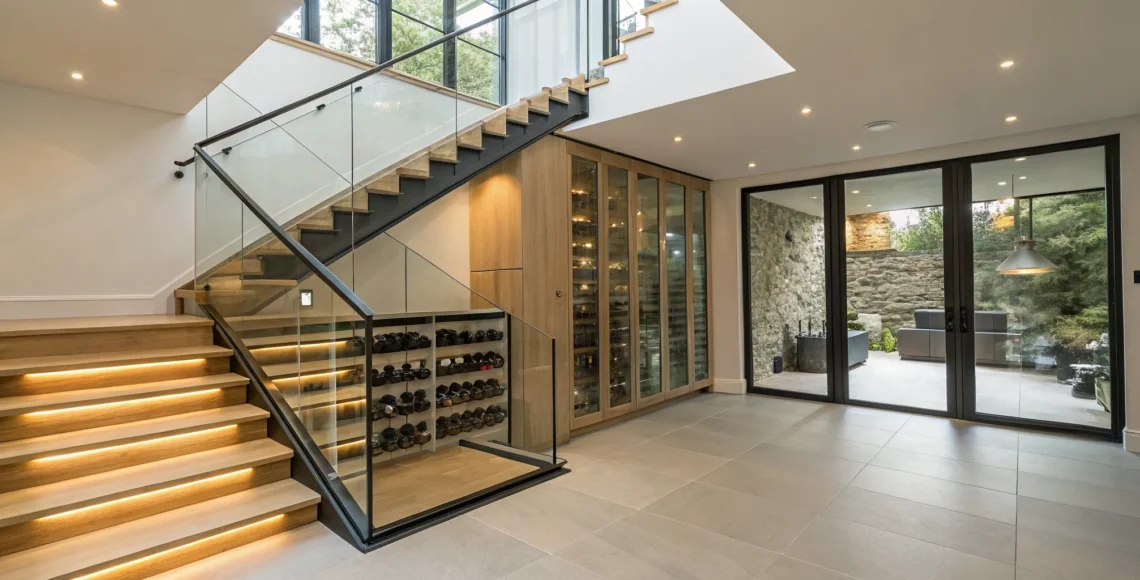
Small modern wine cellar under stairs with glass doors and built-in wooden wine racks.

Small Wine Cellar Under Stairs: The Essential Guide

A home should be a reflection of the people who live in it, filled with details that speak to their passions. If you appreciate fine wine, why not make your collection a central feature of your home’s design? That often-ignored space beneath the staircase offers the perfect canvas. A beautifully crafted small wine cellar under stairs can become a stunning focal point, a piece of functional art that sparks conversation and showcases your taste. From sleek glass enclosures to traditional wood-and-stone designs, this custom feature adds a layer of personal luxury that feels completely integrated into your living space, turning a simple nook into a statement.

Key Takeaways

  • Prioritize the technical essentials: A functional wine cellar is a sealed, climate-controlled environment. Invest in a dedicated cooling unit, proper insulation, and a vapor barrier to ensure your collection is perfectly preserved.
  • Maximize your space with smart design: The unique angles of an under-stair area require a custom approach. Plan a layout with tailored racking that uses every inch efficiently and leaves room for your collection to grow.
  • Make it a seamless design feature: Your cellar should be more than just storage; it should enhance your home’s aesthetic. Select materials and a style, whether modern glass or traditional wood, that integrate beautifully with your existing decor.

Why Build a Wine Cellar Under Your Stairs?

That small, often-overlooked space beneath the stairs holds so much potential. Instead of letting it become a forgotten closet for odds and ends, you can transform it into a stunning and functional feature of your home. A custom wine cellar is more than just storage; it’s a statement piece that reflects your taste and a practical solution for protecting your wine collection.

For wine enthusiasts, it’s the perfect way to integrate your passion into your home’s design. For those who love to entertain, it becomes an elegant focal point and a fantastic conversation starter. Building a wine cellar under the stairs is a brilliant way to add a personalized, luxurious touch to your home, turning an awkward nook into a sophisticated showcase. It’s an investment in your lifestyle and in the character of your home, ensuring every square foot is used beautifully and intentionally.

Transform Unused Space

Let’s be honest, the space under the stairs is one of the most underutilized areas in any home. It’s often an awkward shape, making it difficult to furnish or use for conventional storage. This is exactly why it’s the perfect candidate for a custom project. By converting this nook into a wine cellar, you’re not just adding a new feature; you are reclaiming unused square footage and giving it a distinct purpose. This clever use of space adds significant value and functionality to your home without requiring a large-scale renovation or addition. It’s a smart, efficient way to enhance your living area.

Add a Touch of Luxury

A beautifully designed under-stair wine cellar instantly adds a layer of sophistication to your home. Imagine a sleek, glass-enclosed display with subtle lighting that highlights your collection, turning it into a piece of living art. Whether your style is modern, traditional, or something in between, the cellar can be designed to seamlessly blend with your existing decor. These customized designs serve as a stunning visual anchor in a hallway or living area, making a memorable impression on guests. It’s a feature that speaks to a refined lifestyle and an appreciation for the finer things.

Create the Perfect Environment for Your Wine

Beyond its aesthetic appeal, a dedicated wine cellar serves a critical function: protecting your wine. To age properly and maintain its intended flavor profile, wine requires a stable environment with specific temperature and humidity levels. Simply putting a rack under the stairs isn’t enough. A true cellar is insulated, sealed, and equipped with a climate-control system to create the ideal conditions. This ensures your collection, whether it’s a few special bottles or a growing investment, is perfectly preserved. It’s the best way to guarantee every bottle you open will be at its absolute best.

Find the Right Design Style for Your Cellar

Your wine cellar is a personal statement. It should seamlessly blend with your home’s existing character while reflecting your unique style. The space under your stairs offers a fantastic canvas to create a feature that is both functional and beautiful. Whether you lean toward the timeless appeal of a classic European grotto or the clean lines of a contemporary display, the right design will turn this often-overlooked area into a sophisticated focal point. Think of it as an opportunity to add a layer of custom luxury that feels completely integrated with your home’s design story. Let’s explore a few popular styles to get your inspiration flowing.

Traditional: Stone and Wood

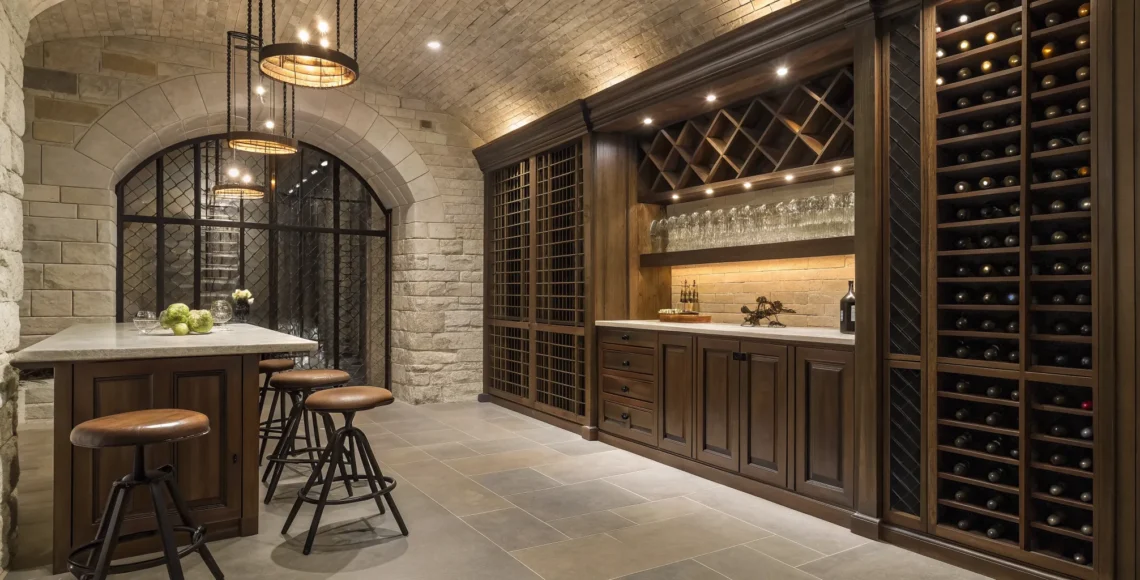
A traditional design creates a warm, inviting atmosphere reminiscent of a classic European cellar. This style relies on natural materials like stone and rich woods to build a sense of history and character. Imagine walls lined with textured stone paired with custom mahogany or walnut racking. This approach feels both rustic and refined, turning your collection into a cozy retreat. It’s a timeless look that adds substantial warmth and texture to your home, making the space feel like it has always been there. This style is perfect for creating an intimate tasting area, even in a compact space.

Modern: Glass and Metal

For a sleek, contemporary statement, a modern design using glass and metal is an excellent choice. This style puts your wine collection on full display, treating it like a curated gallery of fine art. Frameless glass walls or doors create a sense of openness and allow the cellar to integrate with the surrounding room without visual interruption. Accents of steel or wrought iron add a sharp, industrial edge that feels clean and sophisticated. This minimalist approach is ideal for showcasing prized bottles and complements a modern home aesthetic beautifully.

The Wine Wall: A Statement Piece

If your under-stair area is more shallow, a wine wall is a brilliant solution that maximizes vertical space. This design turns your collection into a stunning visual feature by mounting racks directly onto the wall. Often enclosed by a glass door, a wine wall acts as a piece of functional art, drawing the eye and starting conversations. It’s a space-efficient option that doesn’t sacrifice style. You can customize the back panel with unique lighting, tile, or wood to create a dramatic backdrop that highlights every bottle and transforms a simple wall into a dynamic focal point.

The Room Divider: Functional and Chic

In homes with open floor plans or floating staircases, a wine cellar can serve as an innovative and elegant room divider. This design uses a glass-enclosed cellar to create a subtle partition between two spaces, like a dining room and a living area. It defines the zones without closing them off, maintaining an open and airy feel. This approach is both practical and visually striking, offering storage while enhancing the architectural flow of your home. It’s a clever way to integrate your collection into your daily life, making it a central feature of your home’s design.

Get the Wine Storage Essentials Right

A truly luxurious wine cellar is more than just beautiful shelving; it’s a precisely controlled environment designed to protect and preserve your collection. Getting the technical details right from the start is the key to creating a space that is both functional and breathtaking. These foundational elements work behind the scenes to ensure every bottle matures perfectly, so you can focus on enjoying your wine.

Control the Temperature

The primary job of your wine cellar is to protect your collection, and that starts with temperature. Wine is sensitive, and its complex flavors can be spoiled by fluctuations. The goal is to maintain a consistent temperature, ideally around 55°F, to allow for graceful aging. A standard home air conditioner simply isn’t built for this kind of precision. You’ll need a dedicated wine cellar cooling unit that is correctly sized for your under-stair space. Investing in the right system ensures your cellar not only looks incredible but functions perfectly for years, safeguarding every bottle you add to it.

Manage Humidity Levels

Just as critical as temperature is humidity. The ideal range for a wine cellar is between 50% and 70%. If the air becomes too dry, corks can shrink and crack, allowing oxygen to seep in and ruin the wine. This is another reason why regular air conditioners are a poor choice, as they are designed to remove humidity from the air. A proper climate control system is engineered to maintain both temperature and humidity, creating a stable environment for your collection. Getting this right prevents the disappointment of discovering a prized bottle has been spoiled by a dried-out cork.

Insulate and Add a Vapor Barrier

Before you even think about racking or lighting, you need to perfect the enclosure itself. Proper insulation is non-negotiable for creating an airtight seal that keeps the cool air in and the warm air out. This allows your cooling system to work efficiently without being overworked. Paired with insulation, a vapor barrier is absolutely essential. This plastic sheeting is installed on the “warm” side of the insulation to prevent condensation from forming inside your walls. Skipping this crucial step can lead to mold and mildew, which can damage your home’s structure and your wine labels.

Choose Wine-Safe Lighting

Lighting sets the mood in your cellar, but it must also be safe for your wine. Exposure to UV light, even from standard household bulbs, can degrade and age wine prematurely. Heat from lighting can also create temperature instability in your carefully controlled space. That’s why low-heat, UV-free options are the only way to go. LED lighting is the perfect solution, offering beautiful illumination without the risk. You can use LED strip lights to create a soft glow behind your racks or spotlights to highlight specific bottles, ensuring your cellar is both a stunning showcase and a safe haven.

How to Plan the Perfect Layout

A successful under-stair wine cellar is all about smart planning. Before you even think about racking or lighting, you need a solid layout that makes the most of your unique space. This is where meticulous attention to detail pays off, turning a potentially awkward nook into a functional and stunning feature of your home. A great layout considers everything from the slope of the ceiling to the placement of electrical outlets. By thinking through these elements upfront, you create a foundation for a cellar that not only looks beautiful but also perfectly preserves your collection for years to come.

Measure and Assess Your Space

First things first, grab a tape measure. You need to know exactly what you’re working with. Measure the length, width, and height of the under-stair area, paying close attention to the changing ceiling height. Think about how much of this space you can realistically dedicate to wine storage. Will it be purely for your collection, or do you need to leave room for other items? It’s also a good idea to consider any future home projects. Planning ahead ensures your new cellar fits seamlessly into your home’s long-term vision and doesn’t become an obstacle later on. This initial assessment of your space is the blueprint for everything that follows.

Work with Awkward Angles and Ceilings

The defining feature of an under-stair space is its unique geometry, complete with sloped ceilings and tight corners. Instead of seeing these as limitations, view them as opportunities for a truly custom design. The key is to embrace the angles. Custom shelving and racking can be designed to fit perfectly into these tricky spots, maximizing every inch of storage from floor to ceiling. This is where a custom wine cellar design truly shines, transforming an irregular space into a seamless and efficient storage area. A well-designed layout will make the cellar feel like it was always meant to be there.

Address Structural Requirements

Beyond the dimensions, you need to consider the structure itself. To protect your wine, the space must be properly prepared. This means thinking about insulation and creating a vapor barrier to seal it from temperature fluctuations and humidity. These elements are critical for maintaining the stable environment your wine needs to age gracefully. Without them, you risk compromising your entire collection. It’s essential to address these structural needs early in the planning process, as they form the protective shell of your cellar and are much harder to add later. Proper wine cellar insulation is not a step you want to skip.

Integrate Electrical and HVAC

Proper climate control is the heart of any wine cellar. A dedicated cooling system will keep your wine at the ideal temperature and humidity, so you need to plan for its placement and power source from the start. You’ll also need electrical wiring for lighting. Think about where you want outlets and light fixtures to go for both function and ambiance. Integrating these systems into your initial layout prevents common problems like uneven temperatures or inconvenient electrical access. Planning your wine cellar climate control and electrical needs ensures your cellar operates flawlessly and looks polished.

Choose the Best Racking and Storage

The right racking system is the heart of your wine cellar. It’s not just about holding bottles; it’s about showcasing your collection, protecting your investment, and making the most of a unique space. For an under-stairs cellar, where every inch counts, your storage choice defines both the function and the feel of the room. You want a solution that fits the slanted ceilings and awkward corners perfectly while reflecting your personal style.

Whether you prefer a modern, minimalist display or a classic, library-like atmosphere, the racking sets the tone. It’s a major design element that should integrate seamlessly with the rest of your home. Think about how you want to interact with your collection. Do you want to see every label at a glance? Do you need flexibility for different bottle shapes and sizes? Answering these questions will help you find a system that is as practical as it is beautiful. From sleek wall-mounted units to fully custom creations, let’s look at the best options for your under-stairs cellar.

Go Vertical with Wall-Mounted Racks

When you’re working with limited floor space, the best direction to go is up. Wall-mounted racks are a brilliant way to use the vertical height of your under-stairs area. This approach keeps the floor clear, making the space feel larger and less cluttered. More than just a space-saver, wall-mounted systems turn your wine into a stunning visual feature. You can create an aesthetically pleasing display that presents your bottles like works of art. This is an especially great choice if you have a glass-enclosed cellar, as it allows for an unobstructed view of your collection from the outside.

Stay Flexible with Modular Systems

If you know your wine collection is going to grow, a modular system offers incredible versatility. These systems are like building blocks for your cellar. You can start with a few units and add more as you acquire new bottles. This flexibility is perfect for the unconventional shape of an under-stairs space, as you can arrange the components to fit around slopes and angles. Modular wine storage can be reconfigured whenever you like, giving you the freedom to adapt the layout to your changing needs without starting from scratch. It’s a smart, adaptable solution for the evolving collector.

Opt for Custom Built-Ins

For a truly seamless and luxurious finish, nothing compares to custom built-ins. This is where you can transform an ordinary space into an extraordinary feature of your home. Tailored solutions are designed to fit the exact dimensions of your under-stairs area, ensuring no space is wasted. We can work with you to design racking that accommodates your specific collection, integrates lighting perfectly, and matches your home’s aesthetic down to the last detail. Customization allows you to create a wine cellar that is uniquely yours, blending flawless function with sophisticated design for a truly high-end result.

Consider Stackable and Adjustable Racks

Practicality is key in any well-designed space. Stackable and adjustable racks provide the flexibility needed to store a diverse wine collection. Not all wine bottles are the same size; Champagne and Pinot Noir bottles, for example, are often wider than standard Bordeaux bottles. Adjustable racks allow you to customize the spacing to fit various shapes comfortably. This adaptability also ensures there is proper air circulation around each bottle, which is essential for maintaining a consistent temperature and preserving the quality of your wine. It’s a thoughtful detail that makes a big difference in the long-term health of your collection.

How to Organize Your Wine Collection

Once your under-stair cellar is built, the real fun begins: filling it with your favorite wines. But a stunning design can quickly become cluttered without a smart organizational strategy. The goal is to create a system that lets you find the exact bottle you’re looking for, whether you’re grabbing a weeknight Chardonnay or a special occasion Cabernet. A well-organized collection not only looks impressive but also makes managing your wine simple and enjoyable. It protects your investment by ensuring older bottles are enjoyed at their peak and newer ones are allowed to mature properly. By thinking through your organization from the start, you can create a functional and beautiful home for your wine that works for you.

Sort by Type, Region, or Vintage

The first step to an orderly cellar is deciding on a sorting method that fits how you think about wine. There’s no single right way, so choose what feels most intuitive to you. You could group your bottles by varietal, keeping all the Pinot Noirs in one section and the Sauvignon Blancs in another. Another popular approach is to organize by region, which is perfect if you have a passion for wines from Bordeaux or Tuscany. For serious collectors, sorting by vintage is essential for tracking which bottles are reaching their ideal drinking window. Whichever method you choose, consistency is key to making your cellar easy to use.

Create Different Temperature Zones

Different wines have different needs. While a general temperature of 55°F is a good baseline, you can refine your storage by creating subtle temperature zones within your cellar. Since cool air sinks, the lower racks will naturally be slightly colder, making them the perfect spot for sparkling wines and crisp whites. Red wines, which prefer a slightly warmer environment, can be stored on the middle and upper racks. A dual-zone cooling unit can also create distinct climates, giving you precise control. This thoughtful approach ensures every bottle is stored in its optimal conditions, preserving its flavor and character for years to come.

Set Up a Labeling and Inventory System

A great inventory system is your best friend for managing your collection. It prevents you from forgetting about hidden gems and helps you know when it’s time to restock. You can go classic with elegant, reusable bottle tags that display the wine’s name, vintage, and ideal drinking window. For a more modern approach, a dedicated wine inventory app lets you scan labels and track your collection from your phone. Even a simple, well-organized spreadsheet can do the trick. The goal is to create a clear record of what you have and where it’s located, making it effortless to pull the perfect bottle for any occasion.

Plan for a Growing Collection

It’s a tale as old as time: a wine collection rarely stays the same size. What starts as a few dozen bottles can quickly grow into a hundred or more. When designing your under-stair cellar, it’s wise to plan for the future. A good rule of thumb is to build about 25% more storage than you think you currently need. This foresight saves you from having to reconfigure your space down the road. Working with a designer can help you maximize your layout, incorporating modular or custom racking that can easily expand as your passion for collecting wine grows.

Avoid These Common Design Mistakes

Creating a wine cellar under your stairs is an exciting project, but it’s also a highly technical one. It’s easy to get swept up in the aesthetics, envisioning beautiful racking and ambient lighting, but the success of your cellar hinges on getting the fundamentals right. This space is more than just a closet for bottles; it’s a specialized environment designed to protect a valuable and delicate collection. A few small missteps in the design or construction phase can lead to big problems down the road, from spoiled wine to structural issues like mold and mildew. Getting it right from the start is key to creating a space that is not only beautiful but also perfectly functional for years to come.

Let’s walk through some of the most common design mistakes we see so you can sidestep them entirely. Thinking about these details ahead of time will ensure your investment is protected and your under-stair cellar becomes the stunning feature you envision. From climate control and insulation to lighting and layout, every element plays a crucial role in the health of your wine. By understanding and avoiding these potential pitfalls, you’ll be well on your way to building a cellar that works flawlessly and lets you enjoy your collection without worry.

Forgetting Proper Climate Control

One of the most critical errors is treating a wine cellar like any other room in your house. A standard air conditioner is not designed to maintain the consistent temperature and humidity wine needs. These systems often create an environment that is too dry, which can cause corks to shrink and let air spoil the wine. The solution is to use a cooling system designed specifically for wine cellars. These units are built to hold a steady temperature and maintain the ideal humidity level, ensuring your collection ages gracefully. Make sure the unit is properly sized for your space, accounting for insulation and any glass features.

Skimping on Insulation

A wine cellar should be a completely sealed, self-contained environment. Inadequate insulation or a missing vapor barrier will allow outside air to seep in, forcing your cooling unit to work overtime and creating condensation. This moisture can lead to mold and mildew, which can damage your labels, racking, and even the structure of your home. To prevent this, your cellar needs to be fully insulated with a high-quality material like closed-cell spray foam. A continuous vapor barrier should also be installed on the “warm” side of the insulation to keep moisture out. Every joint, crack, and opening must be perfectly sealed.

Using the Wrong Lighting

While you want to showcase your collection, the wrong lighting can be incredibly damaging to wine. Any light that emits UV rays, including natural sunlight, can degrade and prematurely age your wine. Likewise, bulbs that produce a lot of heat, like incandescent or halogen lights, can slowly raise the cellar’s temperature and disrupt the aging process. The best choice is to install LED lighting made for wine cellars. These lights are energy-efficient, produce almost no heat, and are UV-free, making them a safe and stylish way to illuminate your collection without putting it at risk.

Ignoring Accessibility and Flow

It’s easy to design a cellar that perfectly fits the bottles you have right now, but what about the ones you’ll acquire next year? A common mistake is failing to plan for a growing collection. You might find yourself quickly running out of room or struggling to fit different bottle shapes and sizes, like Magnums or Champagne bottles. When planning your layout, think about the future. Incorporate a mix of racking styles to accommodate various bottle types and ensure the design is flexible enough to evolve with your collection. Good flow is also key, so make sure you can easily see and access every bottle without having to move others.

Plan Your Installation and Setup

With your design finalized, it’s time for the installation phase. This is where planning meets craftsmanship to create your beautiful and functional wine cellar. A successful setup depends on a few key decisions, from who will do the work to the final touches that ensure your cellar performs perfectly. Thinking through these steps helps you create a space that protects your wine collection for years to come.

Decide Between Pro and DIY Installation

One of the first decisions is whether to handle the installation yourself or hire a professional. A DIY approach can be rewarding, but technical aspects like installing a vapor barrier and cooling system require precision. If you prefer to leave it to the experts, a professional installer ensures every component is fitted correctly for optimal performance. Many companies offer a free design consultation to help you map out the details, which is a great first step for any project.

Ensure Proper Ventilation

Proper ventilation is critical for your cellar’s health. Without it, you risk issues like condensation, mold, and an overworked cooling unit. The goal is to create a stable environment where your cooling system can operate efficiently without struggling against trapped hot air. A poorly ventilated system can lead to equipment failure and inconsistent temperatures. Getting this right from the start helps you avoid the most common cellar problems and protects your investment.

Select the Right Access Door

Your cellar door is more than an entryway; it’s a critical part of the climate control system. It needs to be exterior-grade with a solid core and excellent weather stripping to create a tight seal. Glass doors are a popular choice for showing off a collection, but make sure they are double-paned and thermally insulated. For safety and a touch of custom flair, consider adding a subtle etching or frosting to a clear glass door. This makes the door more visible while adding a unique design element.

Set a Timeline and Budget

A clear timeline and budget are essential for a smooth project. Be realistic about costs, which include materials, the climate control system, lighting, and labor. It’s always better to invest in a smaller, high-quality cellar than a larger one with subpar components. Remember, your cellar should be designed to grow with your needs, so building a solid foundation is key. When planning your timeline, factor in lead times for any custom elements and build in a buffer for unexpected delays.

How to Maintain Your Under-Stair Wine Cellar

Your under-stair wine cellar is more than just storage; it’s a feature that protects your valuable collection and adds a unique touch to your home. To ensure it continues to function beautifully for years to come, a little regular maintenance goes a long way. Think of it as protecting your investment. By staying on top of a few key tasks, you can prevent common issues and keep your wine in perfect condition, ready for your next special occasion. A well-designed cellar should look great and work perfectly, and consistent care is the key to making that happen.

Establish a Maintenance Routine

A consistent routine is the secret to a healthy wine cellar. You don’t need to spend hours on it; just a few minutes each month can make a huge difference. Create a simple checklist: check the temperature and humidity readings weekly, inspect the door seal for a tight fit, and listen for any unusual sounds from your cooling unit. A quick visual scan for leaks or condensation can also help you catch problems early. This proactive approach ensures your cellar remains a stable, protective environment for your collection to mature gracefully.

Care for Your Cooling Equipment

Your cellar’s cooling unit is its heart, and it needs specific care. Unlike a standard air conditioner, a wine cellar cooling system is designed to maintain both consistent temperature and humidity. Using the wrong type of unit can lead to dry air, which ruins corks and spoils your wine. Check the manufacturer’s guidelines for how often to clean or replace the filter and schedule an annual professional service. This ensures the equipment runs efficiently, preventing the temperature fluctuations that are a wine collection’s worst enemy.

Keep Your Cellar Clean

A clean cellar is a healthy cellar. Regular, gentle cleaning prevents dust from settling on your bottles and allows you to spot potential issues before they become serious. Once a month, lightly dust the racks and bottles with a soft cloth. Keep the floor clear of debris to maintain good airflow and discourage pests. This is also the perfect opportunity to do a quick inventory and make sure your organization system is working for you. A tidy space not only looks better but also helps you protect your wine from contaminants and damage.

Related Articles

Frequently Asked Questions

Do I really need a specialized cooling unit, or is a regular air conditioner enough? A dedicated wine cellar cooling unit is absolutely essential. Standard air conditioners are designed to cool a room and remove humidity, which is the exact opposite of what your wine needs. That dry air can cause corks to shrink, letting oxygen seep in and spoil your collection. A proper wine cooling system maintains both a consistent temperature (around 55°F) and the ideal humidity level (between 50-70%), creating the stable environment your wine needs to age perfectly.

My under-stair space seems too small or oddly shaped. Can it still be converted into a functional cellar? Yes, almost any under-stair space can be transformed with the right approach. In fact, those awkward angles and sloped ceilings are perfect opportunities for a truly custom design. Instead of trying to fit pre-made racks into a unique space, a custom solution is built to the exact dimensions of your nook. This ensures every inch is used efficiently for storage while creating a seamless, integrated look that feels like it was always meant to be there.

How long does a project like this typically take from design to completion? The timeline can vary quite a bit depending on the complexity of your design and the lead time for custom elements like racking or glass doors. Generally, you can expect the process to take several weeks. This includes the initial design and planning phase, preparing the space with proper insulation and a vapor barrier, and finally, the installation of the racking, cooling system, and lighting. A clear plan from the start helps keep everything moving smoothly.

Is a custom wine cellar a good investment for my home’s value? A well-designed wine cellar is a luxury feature that adds significant character and appeal to a home. Much like a gourmet kitchen or a spa-like bathroom, it’s a sophisticated upgrade that speaks to a refined lifestyle. While it may not have a direct dollar-for-dollar return like adding a bedroom, it can be a powerful differentiator that makes your home more memorable and attractive to discerning buyers who appreciate custom, high-end details.

I’m not a huge collector yet. Is it still worth building a dedicated cellar? Definitely. Building a cellar is about creating the perfect environment from the start, whether you have twenty bottles or two hundred. It allows you to buy wines you want to age and know they are being stored correctly. We often recommend planning for about 25% more space than you think you need. This gives you a beautiful, functional feature that you can enjoy now and that has the capacity to grow with your collection over time.

A unique ceiling idea for a modern hallway with recessed lighting and bold linear patterns.

How Ceiling Design Feel Defines Your Space

We spend so much time picking the perfect sofa or statement art, but often forget the “fifth wall” right above our heads. A thoughtfully designed ceiling can be the most impactful feature in a room, completely defining the space. It has the power to draw the eye upward, creating a sense of drama, elegance, or cozy warmth. The right ceiling design feel can make a room feel truly complete. From intricate architectural details to bold material choices, the right design turns a functional surface into a work of art. If you’re ready to move beyond a simple coat of white paint, we’ve gathered our favorite ideas to make your ceiling the star of the show.

Key Takeaways

  • View your ceiling as a design opportunity: The most successful projects treat the ceiling as an integral part of the room. Select a style that complements your home’s architecture and the room’s purpose to create a cohesive, polished look.
  • Incorporate texture for visual interest: Materials like wood, plaster, or even patterned wallpaper add depth and sophistication. Using texture is a powerful way to make your ceiling a deliberate and impactful part of the room’s design.
  • Use lighting to highlight your design: A well-planned lighting strategy can turn your ceiling into a true focal point. A dramatic chandelier can serve as a centerpiece, while recessed or cove lighting can create a warm, ambient glow that enhances the room’s architecture.

How a Ceiling Design Changes the Feel of a Room

When designing a room, it’s easy to focus on the four walls around you, but what about the fifth one right above your head? A ceiling is often the largest uninterrupted surface in a space, yet it’s frequently overlooked. What makes a ceiling design truly unique is the decision to treat it as an integral part of the room’s architecture and style, rather than just a functional necessity. It’s about giving your ceiling as much thoughtful consideration as you give your walls and floors.

A unique ceiling has the power to completely transform the atmosphere of a room. By incorporating specific materials, colors, or architectural details, you can make a space feel more expansive, intimate, luxurious, or modern. It’s an opportunity to add depth, character, and a layer of custom sophistication that sets your home apart. There are so many creative ways to decorate a ceiling that go far beyond a simple coat of white paint or traditional crown molding.

Ultimately, uniqueness comes from intentionality. It’s about choosing a design that complements your home’s aesthetic and your personal vision. Whether it’s through the warm, natural grain of wood paneling, the rich texture of Venetian plaster, or the clean lines of a modern geometric pattern, a standout design turns an ordinary surface into a stunning focal point. There are countless ceiling ideas that can make you look forward to looking up, proving that the most impactful design elements are sometimes right above us.

Inspiring Ceiling Designs for Every Room

Thinking about your ceiling as a fifth wall opens up a world of design possibilities. The right approach can completely change the feel of a room, making it feel cozier, grander, or more personal. Let’s look at how you can tailor a ceiling design to fit the unique function and style of different spaces in your home.

Living Room: Make a Statement from Above

Your living room is where you entertain guests and relax with family, so it’s the perfect place for a ceiling that makes an impression. A well-designed ceiling can tie the entire room together without feeling overwhelming. For a modern and sophisticated look, consider adding unique geometric patterns or elegant pleats. If you want to introduce a bit of drama, a metallic finish like silver leaf can capture the light beautifully. These thoughtful details create a polished, complete look that shows off your personal style. You can find plenty of inspiration for ceiling ideas that range from subtle to show-stopping.

Bedroom: Design a Ceiling for Total Relaxation

The bedroom should be your personal retreat, and the ceiling plays a big role in setting a relaxing tone. You can create a “statement ceiling” by using a bold paint color, adding rustic wood beams, or applying a rich texture to make a strong visual impact. Imagine a soft gold-leaf ceiling paired with a beautiful light fixture that casts a warm glow upward, creating an instant sense of luxury and calm. This approach turns your ceiling into a key part of the room’s decor, helping you craft a space that feels like a true sanctuary.

Kitchen: Where Style Meets Function

In the kitchen, you need a ceiling that is both beautiful and practical. Faux wood beams, planks, and panels are fantastic choices because they offer the warmth of wood with added durability. These materials are incredibly versatile; they can be painted or stained to match your cabinetry and used to highlight interesting architectural details, like a vaulted ceiling or an asymmetrical roofline. Using ceiling decor ideas like beams or planks can add character and definition to your kitchen, proving you don’t have to choose between style and function.

Bathroom: Smart, Moisture-Resistant Ideas

Moisture is the biggest challenge for any bathroom surface, including the ceiling. That’s why choosing the right material is so important for a design that lasts. Faux wood is an excellent option here, as it resists the damage that humidity can cause over time, preventing issues like warping or mildew. This means you can get the high-end look of natural wood without the worry. By selecting a moisture-resistant material, you ensure your bathroom ceiling remains a beautiful and seamless part of your design for years to come, maintaining that spa-like feel you love.

Exploring Architectural Ceiling Styles

Beyond color and texture, the actual structure of your ceiling can become a powerful design element. Architectural styles add dimension, shape, and a sense of history or modernity to a room, turning a flat plane into a dynamic feature. These designs are deeply integrated into the room’s framework, creating a cohesive and intentional look that feels both custom and timeless. Instead of simply decorating a surface, you’re shaping the space itself, which is a hallmark of truly thoughtful design. Let’s look at a few classic architectural styles that can bring a unique character to your home and make a lasting statement.

Vaulted Ceilings: Barrel and Groin

Vaulted ceilings are a fantastic way to add height and drama to a space. A barrel-vaulted ceiling, with its continuous arch, is perfect for long rooms or hallways, as it draws the eye forward and makes the area feel more expansive and open. It creates a soft, flowing line that can soften the feel of a room. For a more intricate and classical look, a groin-vaulted ceiling is a stunning option. This style is created where two barrel vaults intersect at a right angle, forming an elegant X-shape that becomes a natural focal point. This design makes a space feel incredibly light and airy, adding a touch of grandeur that is both impressive and welcoming. You can explore great ceiling details to see how these styles can be implemented.

Coved and Rounded Ceilings

If you’re looking for a subtle way to add sophistication, a coved ceiling is an excellent choice. Instead of the sharp, 90-degree angles where walls meet the ceiling, a coved design features a gentle, curved transition. This simple change has a surprisingly powerful effect, making a room feel softer, calmer, and more polished. It’s a detail that doesn’t demand attention but contributes to an overall sense of refined elegance. Because it’s a more understated architectural feature, it works beautifully in almost any room, from a serene bedroom to a formal dining area, enhancing the space without overwhelming it. This is the kind of meticulous detail that creates a truly custom and high-end feel.

Beadboard and Tongue-and-Groove Planks

For a ceiling that adds texture and warmth, consider beadboard or tongue-and-groove planks. These materials bring a classic, inviting feel to a room and are incredibly versatile. They can be painted a crisp white for a clean, coastal look or stained to a rich, dark tone for a more rustic or traditional aesthetic. Beyond their visual appeal, planks are also a practical solution for hiding minor imperfections in an existing ceiling. This style is a perfect example of how to add interest to ceilings, creating a cozy and finished look that feels both thoughtful and welcoming.

Choosing the Best Material for Your Ceiling

The material you choose for your ceiling does more than just cover the surface; it sets the entire tone for a room. It can define the style, influence the atmosphere, and turn an ordinary space into something extraordinary. Think of it as the fifth wall, an expansive canvas ready for the perfect touch. Whether you want to create a cozy retreat or a modern masterpiece, the right material is key. Let’s look at a few options our design team loves for their ability to add warmth, drama, or rich texture to any room.

Wood Ceilings for a Warm, Natural Feel

Nothing brings a sense of organic warmth to a room quite like wood. A wooden ceiling, whether it features rich oak planks or reclaimed timber, instantly makes a space feel more inviting and balanced. It’s a classic choice that connects your interior to the natural world. For a more versatile option, faux wood beams, planks, and panels offer incredible flexibility. They can be customized and painted to match any design scheme, allowing you to achieve that rustic charm or modern warmth with ease.

Metal for a Sleek, Modern Look

If you want to make a bold, glamorous statement, a metallic ceiling is an unforgettable choice. Finishes like silver leaf, gold leaf, or copper can introduce a touch of drama and luxury that elevates a room’s aesthetic. The reflective quality of metal bounces light around the space, creating a subtle shimmer and a sense of opulence. This approach is perfect for dining rooms or primary bedrooms where you want to create a sophisticated and memorable impact. It’s a surefire way to add a layer of shine and grandeur from above.

Exposed Concrete for an Industrial Edge

For a look that’s both raw and refined, an exposed concrete ceiling delivers a powerful industrial edge. This material choice brings an authentic, modern feel to a room, creating a backdrop that is minimalist yet full of character. The beauty of concrete lies in its ability to create a striking contrast; its cool, utilitarian texture pairs beautifully with softer elements like rich textiles, warm woods, and sleek metal fixtures. This balance adds incredible depth and visual interest, preventing the space from feeling cold. It’s a bold move that speaks to a confident design vision, perfect for anyone looking to incorporate stylish ceiling details that are both unexpected and sophisticated.

Plaster for Rich Texture and Depth

Texture is a designer’s secret weapon for adding depth, and the ceiling is the perfect canvas. Using materials like plaster or even a high-quality textured wallpaper can create a unique visual experience that draws the eye upward. Anaglypta paper, for example, offers intricate, paintable patterns that add an architectural element to a plain surface. Similarly, exposed wooden beams can break up a flat ceiling, bringing in a textured, airy feel that enhances the room’s character. These details ensure your ceiling is a thoughtful part of the room’s design story.

Modern Applications with POP and Gypsum

For a truly custom and seamless look, Plaster of Paris (POP) and gypsum are incredible materials. They allow designers to move beyond flat surfaces and create fluid, sculptural forms that integrate directly into your home’s architecture. Think of elegant, curved transitions where the wall meets the ceiling, or recessed sections designed specifically for hidden cove lighting that casts a soft, ambient glow. These materials are perfect for crafting a sophisticated atmosphere because they can be molded into nearly any shape, offering a clean, high-end finish. The result is an intentional design that feels both modern and timeless, turning your ceiling into a subtle yet impactful feature that complements the entire room. You can find many examples of modern POP ceiling designs that showcase just how versatile this approach can be.

Playing with Texture and Pattern

If you want to make a significant design statement, look up. Moving beyond a simple coat of paint, adding texture and pattern to your ceiling introduces a layer of architectural interest that can define an entire room. This approach turns the “fifth wall” into a canvas for creativity, whether you’re aiming for subtle elegance or a bold, dramatic effect. It’s a fantastic way to add character and a custom feel to your home, making the space feel complete and thoughtfully designed from top to bottom. These techniques are especially effective in homes with high ceilings, where they can help make a large space feel more intimate and detailed.

By incorporating these elements, you create depth and complexity that paint alone can’t achieve. Think of it as the finishing touch that ties the entire design together, reflecting a commitment to quality and craftsmanship in every corner of the room. From the classic grandeur of coffered ceilings to the modern appeal of geometric patterns, these designs show a level of intention that discerning homeowners appreciate. It’s a move that transforms a room from simply being decorated to being truly designed, creating a lasting impression and a space that feels uniquely yours.

Try Bold Geometric Patterns

Geometric patterns are a surefire way to give your ceiling a contemporary edge. Think bold lines, repeating shapes, or intricate latticework that draws the eye upward and creates a sense of movement. You can achieve this look with high-quality wallpaper, a meticulously painted design, or even custom millwork for a three-dimensional effect. In a living room or entryway, a geometric ceiling can act as a piece of art, setting a modern and sophisticated tone for the rest of your home. It’s a design choice that feels both intentional and impactful, perfect for making a strong first impression.

Add Depth with Coffered or Tray Ceilings

For a touch of classic grandeur, coffered and tray ceilings are unmatched. A coffered ceiling, with its grid of recessed panels, adds a rich, traditional texture that brings a sense of history and sophistication to a space. A tray ceiling features a single raised central section, which is a great technique for making a room feel taller and more open. Both options are considered premium architectural details that add significant value and a luxurious feel, perfect for dining rooms, primary bedrooms, or formal living areas where you want to create an elegant atmosphere.

Get an Organic Feel with Natural Textures

Bringing natural textures to the ceiling is an excellent way to ground a room and add inviting warmth. Exposed wooden beams are a classic choice, lending a rustic yet refined character to kitchens and living spaces. For a more modern or coastal vibe, you could consider wood paneling or shiplap. If you want the look without the structural work, high-quality faux wood beams offer a lightweight and versatile alternative that looks incredibly realistic. These organic elements create a connection to nature and make a space feel more comfortable and authentic.

Emerging Ceiling Design Trends

While classic architectural details are timeless, it’s always exciting to see what’s new in the world of design. The latest ceiling trends are moving away from rigid, straight lines and toward more organic, dynamic forms that add a layer of artistry to a room. These forward-thinking approaches are all about creating a custom, immersive experience that feels both modern and deeply personal. At Freddie Ramon, our design philosophy is built on blending innovative techniques with timeless aesthetics, and these emerging trends are perfect examples of how to achieve that balance. They show a commitment to craftsmanship and a willingness to treat the ceiling as a primary feature, not an afterthought.

Exploring these new ideas can completely redefine a space. Instead of just a flat plane overhead, your ceiling can become a flowing, sculptural element or a textured surface that changes with the light. These designs are particularly impactful in open-concept living areas or entryways where you want to make a memorable statement. They reflect a shift toward more personalized, artful interiors where every surface is an opportunity for creative expression. Let’s look at a couple of the most interesting trends we’re seeing right now.

The Fluidity of Curved Ceilings

One of the most beautiful emerging trends is the use of curved and rounded forms. Moving away from sharp angles, designers are creating ceilings with smooth, flowing lines that make a room feel softer and more dynamic. This can be achieved with gentle arches, barrel vaults, or custom plasterwork that creates a seamless, sculptural effect. This approach adds a sense of movement and grace to a space, guiding the eye through the room in a natural, fluid way. It’s a sophisticated technique that feels both modern and classic, perfect for creating a serene and elegant atmosphere in a primary bedroom or a formal dining room. These ceiling design trends are all about breaking the mold of the traditional boxy room.

Creative Uses for Wooden Battens

Wooden battens—thin, vertical strips of wood—are being used in incredibly creative ways to add texture and dimension to ceilings. Instead of simple, parallel arrangements, designers are creating intricate geometric patterns or dynamic, peak-like shapes that change depending on your viewing angle. This technique turns the ceiling into a piece of interactive art, adding depth and architectural interest without overwhelming the space. It’s a perfect way to introduce the warmth of natural wood in a contemporary context. The meticulous placement required for these designs highlights a commitment to craftsmanship and results in a truly custom feature that feels both unique and intentional.

Techniques to Make a Low Ceiling Feel Taller

Not every home is blessed with soaring, vaulted ceilings, but that doesn’t mean you have to settle for a space that feels cramped or confined. With a few strategic design choices, you can create the illusion of height and make any room feel more open, airy, and spacious. These are the kinds of clever solutions our team loves to implement because they make a huge impact on the feel of a room without requiring major structural changes. It’s all about tricking the eye and drawing it upward. By carefully considering everything from paint to window treatments, you can transform a low-ceilinged room into a space that feels grand and inviting.

These techniques work by creating strong vertical lines and minimizing any horizontal breaks that might visually chop up the wall. The goal is to create a seamless transition from the floor to the ceiling, making the walls appear longer than they actually are. Whether you’re working with a historic home with naturally lower ceilings or a modern condo, these designer-approved tips can help you maximize your space. Here are a few of our favorite, go-to methods for making a ceiling look taller.

Draw the Eye Up with High Curtain Rods

This is one of the simplest and most effective tricks in the book. Instead of placing your curtain rod just above the window frame, install it as high as possible—just a few inches below the ceiling or crown molding. Then, make sure your curtains are long enough to skim the floor. This simple adjustment creates a long, uninterrupted vertical line that draws the eye upward, instantly making the walls and windows feel taller. It’s a small change that has a massive visual impact, lending an air of elegance and spaciousness to any room. You can find more designer tips to make your ceiling look taller that are just as easy to implement.

Use Low-Profile Furniture

The amount of empty space between your furniture and the ceiling can significantly influence how tall the room feels. By choosing low-profile furniture—think a sleek, low-slung sofa, a modern platform bed, or low-backed accent chairs—you increase that vertical space. This simple shift in proportion makes the ceiling feel higher by comparison. Keeping furniture closer to the ground prevents the room from feeling top-heavy and cluttered, allowing the space to breathe. It’s a subtle but powerful way to create a more open and balanced environment, even when you’re working with limited height.

Create a Seamless Look with “Color Drenching”

“Color drenching” is a technique where you paint the walls, trim, baseboards, and even the doors all in the same color. By eliminating the visual breaks that contrasting trim colors create, you allow the eye to travel smoothly up the wall without interruption. This creates a seamless, monolithic look that makes the walls appear to stretch upward, enhancing the sense of height. This approach is particularly effective with soft, light colors, but it can also create a dramatic, cozy effect with darker shades. It’s a modern and sophisticated strategy for making a space feel both taller and more cohesive.

Choose the Right Paint Finish

The finish of your ceiling paint matters more than you might think. While you might assume a glossy finish would reflect light and make a space feel bigger, it can actually have the opposite effect on a low ceiling by creating distracting reflections that draw attention to the surface. Instead, opt for a flat or matte finish. A matte finish diffuses light softly and evenly, which helps the ceiling recede and feel less prominent. This creates a smooth, uniform appearance that blends the ceiling into the background, making the entire room feel more open and expansive. It’s a subtle detail that makes a significant difference.

Extend Vertical Elements to the Ceiling

Reinforce the illusion of height by extending vertical elements all the way to the ceiling. If you’re installing kitchen cabinets, take them right up to the ceiling line instead of leaving a gap at the top. In a bathroom, run your shower tile from the floor to the ceiling. The same principle applies to built-in bookshelves, a board-and-batten feature wall, or even a tall, narrow piece of art. Each of these elements creates a strong vertical line that naturally draws the eye upward, making the walls feel longer and the ceiling higher than it actually is.

Easy DIY Ceiling Updates for a Weekend

You don’t always need a full-scale renovation to make a significant impact. If you’re looking for a satisfying weekend project that adds a custom touch to your home, look no further than the ceiling. These updates are manageable for a DIY enthusiast and can completely redefine the character of a room.

Refresh Your Space with Paint

Paint is one of the most effective tools for transforming a space, and the ceiling is no exception. Moving beyond standard white can dramatically change a room’s ambiance. A dark, moody color in a bedroom can create a cozy, intimate retreat, while a high-gloss finish in a dining room adds a touch of unexpected glamour. You can also use creative patterns to make a statement. Consider painting wide stripes for a classic look or a soft color block to define a specific area, like a reading nook. Don’t be afraid to experiment with cool ceiling ideas that reflect your personal style.

Add Character with Molding and Trim

Adding decorative molding is a timeless way to introduce architectural character and a sense of thoughtful design. This simple update creates a polished, complete look that makes a room feel more luxurious. Crown molding is a classic choice that beautifully frames the ceiling, but you can also apply trim directly to the ceiling surface to create geometric patterns or a coffered effect. This technique adds depth and sophistication, drawing the eye upward and making the space feel more grand. It’s a subtle detail that speaks volumes about craftsmanship and attention to detail.

Incorporate Classic Ceiling Medallions

A ceiling medallion is a classic detail that adds a touch of elegance, especially when used to frame a beautiful light fixture. This single decorative element anchors a chandelier or pendant light, creating a polished focal point that makes the fixture feel like a deliberate part of the room’s architecture. It’s a simple update that adds significant architectural interest and sophistication, giving the space a more finished, custom look. Best of all, you can find ceiling medallions in countless styles—from ornate and traditional to sleek and modern—so it’s easy to choose one that perfectly suits your home’s character.

Look Up: Try Wallpaper or Stencils

Treating your ceiling as a “fifth wall” opens up a world of design possibilities. Using wallpaper or stencils is an innovative way to introduce patterns and textures without overwhelming your walls. In a powder room or home office, a bold wallpapered ceiling can become a stunning focal point. As some of the best ceiling ideas show, botanical or geometric designs can add a dynamic touch that feels both fresh and sophisticated. If you prefer a more subtle approach, a stencil with a tone-on-tone paint color can create a delicate, textured effect that adds quiet elegance to the room.

Get the Rustic Look with Faux Beams

If you love the character of exposed beams but don’t have them in your home, faux beams are a fantastic alternative. Modern faux wood beams are lightweight, affordable, and much easier to install than their solid wood counterparts. They are a versatile option for adding rustic warmth or modern structure to your ceiling. You can find them in various finishes, from a weathered, reclaimed look to a smooth, dark stain that complements a contemporary interior. This is one of those ceiling decor ideas that can be customized to fit nearly any style, adding instant charm and architectural interest.

How Lighting Can Transform Your Ceiling

Lighting is one of the most powerful tools in a designer’s kit, and it’s especially effective when it comes to your ceiling. The right lighting strategy does more than just illuminate a room; it directs the eye, creates a mood, and can turn a plain surface into a stunning architectural feature. By layering different types of light, you can add depth, drama, and sophistication to your space, making the ceiling an active participant in your home’s design story.

Think of your ceiling as a blank canvas. A dramatic fixture can serve as a central art piece, while hidden lights can cast a soft, ambient glow that makes the entire room feel more inviting. The interplay of light and shadow can highlight architectural details, create the illusion of height, or define different zones within an open-concept layout. Whether you want to create a bold statement or a subtle, elegant atmosphere, a well-planned lighting design is key. It’s about finding the perfect balance between function and style to make your ceiling an integral part of your home’s overall aesthetic.

Make an Impact with Statement Lighting

A beautiful light fixture can completely transform a room, acting as a piece of jewelry that draws everyone’s attention upward. Think of a sculptural chandelier in the dining room or a modern pendant cluster over a grand staircase. These pieces are more than just sources of light; they are the main attraction. A unique light fixture serves as a focal point, setting the tone for the entire space and reflecting your personal style.

When selecting a statement fixture, consider the scale of the room and the height of the ceiling. A fixture that is too small can get lost, while one that is too large can overwhelm the space. The goal is to find a piece that feels intentional and balanced, creating a sense of drama and elegance that complements your existing decor.

Create a Seamless Look with Recessed Lighting

For a clean, modern look, recessed and hidden lighting offers incredible versatility. These lights are built directly into the ceiling, providing seamless illumination that can be tailored to any mood or occasion. You can use them to wash a wall with light, highlight a piece of art, or provide general ambient lighting without cluttering the visual space.

The true magic of recessed lighting lies in its subtlety. When planned correctly, it can make a room feel brighter and more spacious. By placing lights strategically and using dimmers, you can create different moods for everything from a lively party to a quiet evening at home. This approach allows you to control the atmosphere of your room with the simple touch of a button, adding a layer of sophisticated functionality.

Set the Mood with Cove Lighting

Cove lighting is a beautiful technique where light fixtures are hidden within a ledge, trough, or recess in the ceiling. This placement directs light upward, casting a soft, diffused glow across the ceiling and down the adjacent walls. The result is a warm, inviting ambiance that adds a touch of luxury and dimension to any room. It’s an excellent way to highlight architectural details like a tray ceiling or crown molding.

A well-designed ceiling should make a room feel complete without being visually overwhelming. Cove lighting achieves this perfectly by providing gentle, indirect illumination that enhances the space without creating harsh shadows or glare. It’s a sophisticated method for adding depth and warmth, making your ceiling a subtle yet impactful design element.

What to Know Before You Start Your Project

Before you start sketching out designs or picking paint swatches, it’s smart to lay some practical groundwork. A little planning at the beginning ensures your project goes smoothly and that the final result is everything you hoped for. Thinking through the key details now saves you from headaches and unexpected costs later. The most successful design projects always start with a clear understanding of the budget, the scope of work, and any structural or safety rules that might apply.

This planning phase is where your vision starts to take real shape. It’s the moment you decide how your creativity and your resources will come together. Are you picturing a simple, elegant coat of paint or a more complex architectural feature? Will this be a weekend project you tackle yourself, or is it a job for a seasoned professional? And most importantly, how can you make sure your beautiful new ceiling is also safe and structurally sound? Taking the time to answer these questions will give you the confidence to move forward and turn your ceiling into a true work of art.

How to Budget for Your New Ceiling

First, let’s talk about your budget. A stunning ceiling doesn’t always require a massive investment. In fact, some of the most impactful designs are surprisingly affordable. A fresh coat of paint in a dramatic color, elegant moldings from a local hardware store, or a beautifully patterned wallpaper can completely transform a room without a hefty price tag. The key is to align your vision with your budget from the start. This allows you to explore creative options that work for you, whether you’re planning a simple refresh or a full-scale renovation. Thinking about material costs early on helps you make informed decisions and find the perfect balance between style and spending.

DIY vs. Hiring a Pro: Which Is Right for You?

Next, consider whether this is a project you want to handle yourself or if it’s time to call in a professional. Many ceiling updates, like painting or installing simple crown molding, can be satisfying weekend projects for a confident DIYer. However, for more intricate or structural designs, such as installing heavy beams or creating a complex coffered ceiling, working with an expert is often the best choice. A professional brings the skill, experience, and precision needed to execute a flawless design, ensuring the final result is polished and perfect. Knowing when to hire an interior designer can be the most important decision you make for your project.

Don’t Forget Safety and Structural Checks

Finally, always put safety first. Before you begin, it’s essential to think about your home’s structural integrity. If you’re considering adding elements like beams or planks, think about their weight. Faux wood beams, for example, offer the same rustic charm as real wood but are much lighter, putting less stress on your home’s structure. This is an especially important consideration for safety. It’s also a good idea to familiarize yourself with local building codes to ensure your project is compliant. This step protects your home and gives you peace of mind as you bring your new design to life.

Consider Your Local Climate

Your local environment plays a bigger role in your design choices than you might think, especially in a climate like Las Vegas. The intense dry heat and temperature fluctuations can be tough on certain materials. Natural wood, for example, can be prone to shrinking or cracking over time as it responds to the arid conditions. That’s why it’s so important to select materials that are not only beautiful but also built to last right here. High-quality engineered woods or premium composites can give you that warm, natural look you love while offering superior stability and resistance to the effects of a dry climate, ensuring your design remains flawless for years.

Plan for Long-Term Maintenance

A truly luxurious design is one that continues to look stunning with minimal effort. When choosing your ceiling material, think about the long-term upkeep. Investing in high-quality materials from the start is one of the smartest decisions you can make, as it almost always means less work for you later on. A smooth, durable finish will be far easier to keep clean than a deeply textured surface that might trap dust. By considering maintenance early in the process, you can choose a design that not only fits your aesthetic vision but also complements your lifestyle, giving you more time to simply enjoy your beautiful home.

Functional Benefits of False Ceilings

A thoughtfully designed ceiling can do more than just look good; it can make your home more comfortable and efficient. A false ceiling, also known as a drop ceiling, creates a gap between the structural ceiling and the new surface. This trapped layer of air acts as an excellent insulator, which can help reduce your cooling costs during our hot summers. Beyond energy savings, this design is also a brilliant way to conceal unsightly wiring, plumbing, or HVAC ducts, creating a clean, uncluttered look. It can even improve a room’s acoustics, making it a smart and stylish solution for a modern home.

How to Choose the Right Ceiling Design

With so many incredible options, selecting the perfect ceiling design can feel like a big decision. The key is to think of the ceiling not as a separate surface, but as an integral part of the room’s overall design story. It’s the fifth wall, the element that ties everything together, from the walls to the floors to the furniture. A well-chosen ceiling can completely transform a space, making a small room feel spacious, a large room feel intimate, and a simple room feel luxurious.

Before you fall in love with a specific look, take a step back and consider the space as a whole. Think about how you use the room, the atmosphere you want to create, and the architectural bones of your home. The most successful designs are those that feel intentional and harmonious. Modern ceiling design is about choosing what truly fits the room’s style and purpose, not just adding popular features. It’s about creating a balanced and thoughtful environment. For example, a dramatic, dark ceiling might be perfect for a cozy media room but could feel oppressive in a bright, airy kitchen. By focusing on cohesion and function first, you can narrow down your choices and select a design that feels both beautiful and perfectly suited to your home and lifestyle.

Match the Ceiling to Your Home’s Style

Your ceiling should be a seamless extension of your home’s existing aesthetic. A design that looks stunning in a sleek, contemporary loft might feel out of place in a traditional Spanish-style villa. Take cues from your home’s architectural style, existing millwork, and overall decor. For a modern home, you might consider clean lines, geometric patterns, or a smooth, unadorned finish. If your style is more rustic or traditional, exposed wood beams, beadboard, or intricate plasterwork could be the perfect fit. The goal is to create a cohesive look where the ceiling complements, rather than competes with, the rest of your space, making the entire room feel complete.

Factor in Ceiling Height and Room Size

The size and height of your room play a huge role in determining which ceiling designs will work best. Think about the room’s height and what it’s used for. Choose a design that makes the room feel the way you want it to. In a grand living room with high ceilings, a coffered or vaulted design can add architectural interest and prevent the space from feeling cavernous. Conversely, in a room with lower ceilings, it’s best to stick with simpler designs and lighter colors to create a sense of openness. A lower ceiling in a dining room can make it feel cozier for people sitting down, enhancing the intimate atmosphere for gatherings.

Coordinate with Floors and Walls for a Cohesive Look

The most successful projects treat the ceiling as an integral part of the room, creating a dialogue between it, the walls, and the floor. This doesn’t mean everything has to match; it’s about creating balance. If your walls feature a bold, patterned wallpaper, a simple, elegant ceiling in a complementary color will feel more intentional than one that competes for attention. On the other hand, if your walls and floors are neutral, the ceiling offers a perfect opportunity to introduce a dramatic color or rich texture. You can create a cohesive look by pulling a subtle color from your area rug and using a lighter shade on the ceiling, or by echoing the warm tones of your hardwood floors in exposed wooden beams. This thoughtful approach ensures every surface works together to build a polished, harmonious space.

Related Articles

Frequently Asked Questions

How do I make a low ceiling feel taller? The key is to draw the eye upward without adding visual weight. Lighter paint colors are a great start, but a high-gloss finish can also work wonders by reflecting light and creating an illusion of depth. You can also use vertical elements, like thin crown molding or subtle striped wallpaper, to create a sense of height. For lighting, recessed fixtures or low-profile lights are better choices than large, hanging pendants that can visually lower the ceiling.

Will a bold ceiling design go out of style? A truly great design is always timeless. Instead of chasing a fleeting trend, focus on choosing a design that complements your home’s architecture and your personal style. A coffered ceiling, for example, is a classic architectural element that adds lasting value. Similarly, a ceiling painted in a rich color that ties into your room’s decor will feel intentional and sophisticated for years to come. The goal is to create a cohesive look, not just a temporary statement.

How do I make sure a statement ceiling doesn’t overwhelm the room? Balance is everything. If you opt for a dramatic ceiling with a bold pattern or dark color, keep the other elements in the room more restrained. Think neutral walls, simple window treatments, and furniture with clean lines. The ceiling becomes the main focal point, and the rest of the room acts as a beautiful supporting cast. You can also use lighting, like a simple, elegant fixture, to illuminate the design without competing with it.

Can I have different ceiling designs in different rooms? Absolutely. In fact, tailoring the ceiling design to the function and mood of each room is a hallmark of thoughtful design. You might want a grand, coffered ceiling in your formal dining room but a cozy, wood-planked ceiling in your bedroom. The key is to maintain a sense of flow throughout your home. You can achieve this by using a consistent color palette or repeating certain materials, like a specific wood tone or metal finish, in subtle ways from room to room.

Are faux wood beams a good choice for a high-end home? Yes, high-quality faux beams are an excellent choice and are frequently used in luxury design. They offer the same warmth and architectural character as real wood but are much lighter, which puts less stress on your home’s structure and makes installation far simpler. Modern faux beams are incredibly realistic and can be customized to match any wood tone or paint color, giving you complete design flexibility without compromising on a sophisticated look.

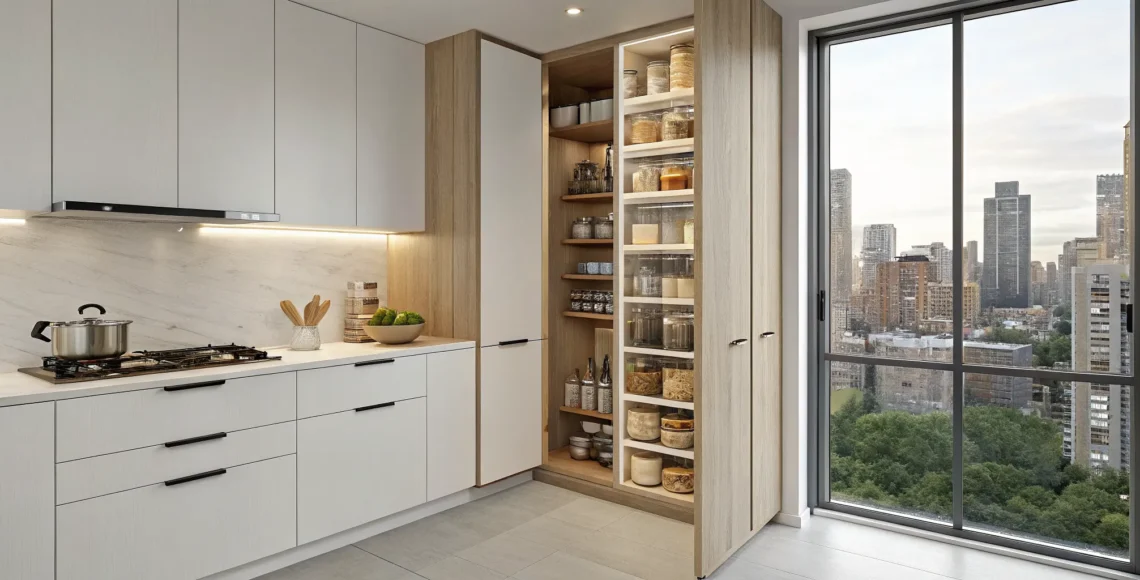
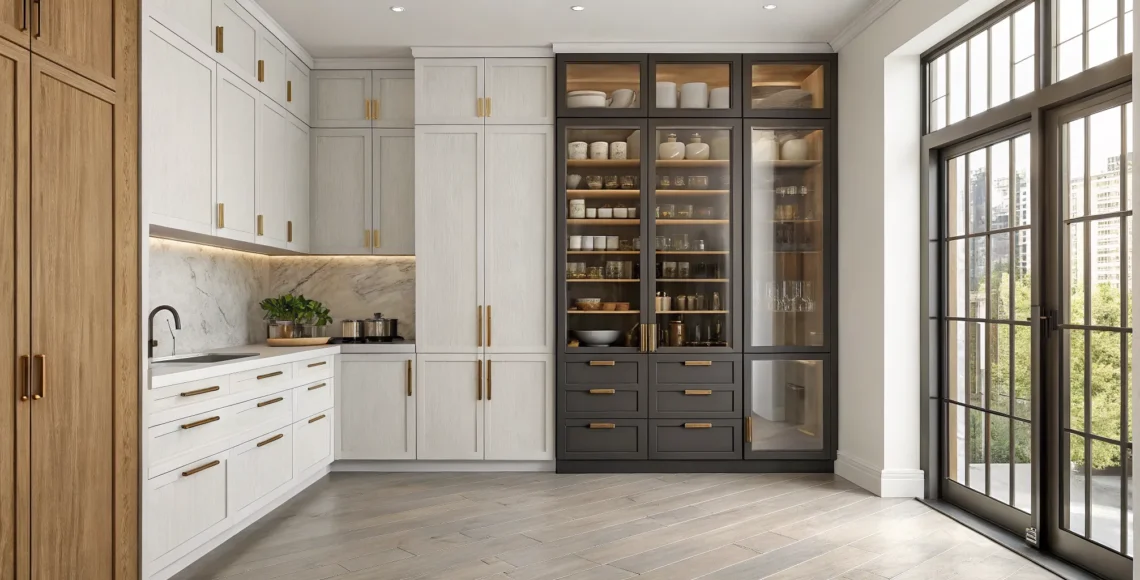
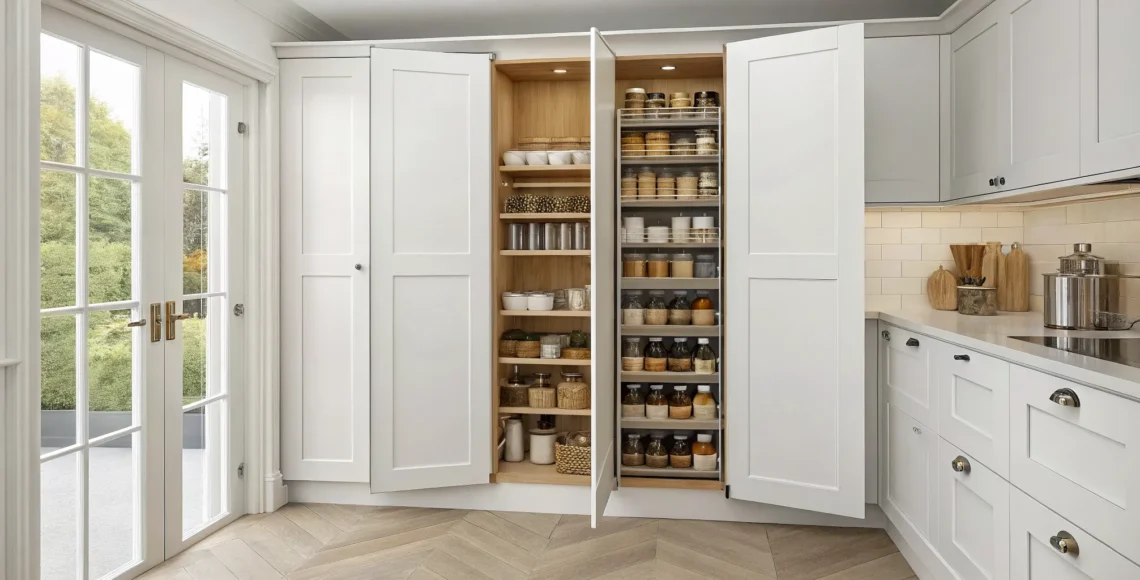
A small pantry design featuring a functional layout with organized shelves and clear containers.

Small Pantry Design: A Designer’s Secrets

A small pantry is more than a design challenge—it’s an opportunity to create a special, jewel-box space in your home. Too often, these areas become an afterthought, leading to frustration and clutter. With a strategic approach, your pantry can become a highlight of your kitchen, blending seamless function with sophisticated style. A successful small pantry design is the foundation. It allows you to maximize every inch, incorporate smart storage, and choose materials that reflect your home’s character. The result is a space that’s both beautiful and incredibly practical.

Key Takeaways

  • Design for Your Daily Life: Before choosing a single container, map out your pantry. Measure the space, consider your cooking habits, and inventory your items to create a functional foundation that makes your routine easier.
  • Think Vertically and Inward: Make the most of a small footprint by using its full height with adjustable shelves. Solve the problem of deep, hard-to-reach corners by installing pull-out drawers and sliders that bring everything into view.
  • Organize with Style and Intention: Create a cohesive and beautiful space by grouping similar items into zones, using clear containers with simple labels, and selecting high-quality materials and lighting that match your kitchen’s aesthetic.

How to Plan Your Small Pantry Layout

A beautifully organized pantry doesn’t happen by accident; it’s the result of thoughtful, meticulous planning. Before you get carried away with custom shelving or elegant containers, taking the time to map out your layout is the most critical step you can take. A well-designed plan ensures every inch of your small space is both highly functional and visually stunning, tailored perfectly to your lifestyle. This is where true luxury design begins, transforming a simple storage area into a seamless and sophisticated extension of your kitchen. A pantry that works is one that was designed with intention from the very start.

By focusing on three key areas, you can create a solid foundation for a pantry that feels spacious, intuitive, and effortlessly chic. First, you’ll need to accurately measure your space to understand its potential and limitations. Next, you’ll consider your daily workflow to ensure the layout supports your habits, making everyday tasks feel easier. Finally, you’ll define your specific storage needs to select the right solutions for every single item you own. Let’s walk through how to approach each of these essential planning stages to create a pantry you’ll love using.

Grab Your Tape Measure

The first rule of any design project is to know your canvas. Grab a tape measure and get the precise dimensions of your pantry: height, width, and depth. Don’t forget to note the location of any existing features like light switches or outlets that might influence your design. Once you have your numbers, sketching a simple floor plan can be incredibly helpful. This visual guide will prevent you from buying shelves that are too deep or containers that won’t fit. It allows you to experiment with different layouts on paper, helping you visualize the flow and make informed decisions before committing to a final design. This foundational step ensures every element you introduce will fit perfectly.

How Do You Use Your Kitchen?

A pantry should work for you, not against you. Think about how you move through your kitchen and what you reach for most often. Do you bake frequently? Your flour, sugar, and mixing bowls should be easily accessible. Are you always making smoothies? Perhaps a dedicated station with an outlet for your blender makes sense. The most successful pantry designs prioritize function. Good pantry lighting is also essential, ensuring you can always see what you have, even in the back corners. By planning for your daily habits, you create a space that feels intuitive and makes your daily routines smoother and more enjoyable.

Take a Pantry Inventory

Take an inventory of what you need to store. Are you buying in bulk, or do you prefer smaller quantities? Do you have a collection of spices, oils, or small appliances that need a home? Answering these questions helps you determine the right mix of storage solutions. You might need deep shelves for large cereal boxes, pull-out drawers for bags of snacks, and narrow racks for spices. Using a variety of containers, like clear airtight canisters for dry goods and woven baskets for produce, can keep things organized and visually appealing. Planning your storage this way ensures every item has a designated, logical place.

Smart Storage Solutions to Maximize Space

A well-designed pantry isn’t about how much space you have, but how you use it. With a thoughtful approach, even the most compact pantry can become a model of efficiency and elegance. The key is to implement smart storage solutions that work together to create a seamless, organized system. By thinking creatively about every drawer, shelf, and empty wall, you can design a space that feels both functional and luxurious, making it easy to find exactly what you need, right when you need it.

Go Vertical with Adjustable Shelves

One of the best ways to increase your pantry’s capacity is to look up. Using vertical space is a game-changer, especially in smaller closets or nooks. Instead of standard, fixed shelves, consider a custom system with adjustable shelving. This gives you the flexibility to store everything from tall cereal boxes and olive oil bottles to short cans and spice jars without wasting precious inches. A floor-to-ceiling shelving unit not only maximizes storage but also creates a clean, built-in look that feels intentional and high-end. By tailoring the shelf height to your specific items, you ensure every bit of space serves a purpose.

Make Everything Accessible with Pull-Outs

Deep pantry shelves can quickly become a frustrating black hole where items get lost and forgotten. Installing pull-out drawers and sliding shelves completely solves this problem. These mechanisms bring the back of the shelf to you, giving you a clear view and easy access to everything you own. Imagine smoothly gliding out a drawer filled with snacks or a sliding rack holding all your cooking oils and vinegars. For tricky corner pantries, a Lazy Susan or a custom pull-out system can make that awkward space fully functional. These thoughtful additions are a hallmark of custom pantry design and make daily kitchen tasks feel effortless.

See Everything with Clear Containers

For a pantry that is as beautiful as it is functional, trade mismatched packaging for a cohesive set of clear containers. Decanting dry goods like pasta, grains, flour, and cereal into airtight, transparent containers has multiple benefits. First, it helps you see exactly what you have at a glance, which prevents you from buying duplicates and reduces food waste. Second, it keeps your food fresher for longer. Finally, the uniform look creates a sense of calm and order that instantly elevates the space. Grouping these containers in labeled bins or baskets adds another layer of organization, making your pantry feel like a curated boutique.

Don’t Forget Your Doors and Walls

Don’t let any surface go to waste. The back of your pantry door and any open wall space are prime real estate for extra storage. An over-the-door rack is perfect for holding spices, jars, and other small items that can clutter up your main shelves. You can also install shallow shelves or ledges on a free wall to line up cans or display your favorite cookbooks. These wall-mounted organizers are brilliant for grabbing frequently used items quickly. By using these often-overlooked areas, you can free up valuable shelf space for bulkier products and keep your pantry feeling open and uncluttered.

Rethink Your Pantry Door

If your pantry has bifold doors, you’re missing out on a significant storage opportunity. These doors fold in on themselves, making their back surfaces unusable. By simply replacing them with a standard swinging door, you instantly create a new, functional surface. This allows you to add slim spice racks, organizers for foils and wraps, or even a small message board for grocery lists. It’s a straightforward change that transforms a purely structural element into an active part of your storage system. This kind of thoughtful detail is what turns a standard pantry into a meticulously planned space where every component serves a distinct and useful purpose.

Consider a Space-Saving Door Style

In kitchens where every inch counts, the swing of a traditional door can create an awkward obstruction. A sliding barn door is an excellent alternative that addresses this issue with style. Because it glides along a track parallel to the wall, it requires zero floor space to open, making it ideal for tight corners or narrow hallways. Beyond its practical benefits, a barn door can also serve as a beautiful design feature, adding texture and character that complements your kitchen’s aesthetic. This choice not only solves a spatial problem but also introduces a custom, high-end feel, proving that functional solutions can also be the most visually appealing.

Install a Peg or Hanging Rail

For a touch of timeless utility, consider adding a peg rail or a simple hanging rod to an open wall inside your pantry. This classic storage solution is incredibly versatile and keeps frequently used items visible and within easy reach. You can install a rail to hang aprons, cutting boards with leather straps, kitchen towels, or mesh bags filled with onions and garlic. This method not only frees up shelf and drawer space but also adds a layer of warmth and personality to the pantry. It creates an organized, lived-in look that feels both charming and incredibly practical, turning a simple wall into a hub of activity.

Use Shelf Risers and Can Dispensers

To prevent items from getting lost in the back of your shelves, think in layers. Simple shelf risers are a brilliant way to create tiers, giving you a clear view of everything from canned goods to jars of sauce. It’s like creating stadium seating for your pantry staples, so you’ll never have to blindly reach behind a row of beans again. For canned goods specifically, you can use a dispenser that stacks them vertically and feeds them forward as you take one. This not only saves a surprising amount of shelf space but also helps you rotate your stock naturally. These small additions bring a huge amount of order and make it much easier to see what you have at a glance.

Incorporate Rolling Bins for Heavy Items

Storing heavy, bulky items like bags of potatoes, onions, or even pet food on the floor can feel messy and make them difficult to access. A fantastic solution is to use rolling bins. These containers, often made from wood or wire, are fitted with small wheels that allow you to effortlessly slide them out when you need something. This approach keeps heavy items neatly contained and off the floor, making your pantry easier to clean. It’s a perfect example of how a practical storage choice can also add a touch of rustic charm or industrial chic, depending on the material you choose. This is an especially great idea for families with kids, as it makes it easy for them to grab their own snacks.

Keep a Step Stool Handy for High Shelves

When you’re making use of every vertical inch, you need a safe and easy way to reach the top shelves. Keeping a step stool inside or near the pantry is essential. Forget the clunky, industrial-looking ones; there are many stylish and compact options available that can complement your kitchen’s design. Look for a slim, foldable stool that can be tucked away in a narrow space between a cabinet and the wall, or even hung on a hook. Choosing a well-designed step stool in a material like wood or painted metal means you won’t mind having it visible, turning a purely functional item into a thoughtful part of your kitchen’s decor.

A Simple System for Pantry Organization

A beautifully designed pantry is only as good as its organization. Once your layout and storage solutions are in place, the final step is to arrange everything for maximum efficiency and ease. A thoughtfully organized pantry streamlines your cooking process, reduces food waste, and brings a sense of calm to your kitchen. The goal is to create a system so intuitive that you can find what you need without a second thought. This isn’t just about tidiness; it’s about designing a space that supports your daily life with grace and simplicity. By implementing a few key strategies, you can transform your pantry into a perfectly functional and accessible part of your home.

Group Like Items Together

Start by taking everything out of your pantry and sorting it into logical categories. Think about how you cook and live. Common groupings include baking supplies, breakfast items, pasta and grains, canned goods, snacks, and oils and vinegars. Once you have your piles, use clear containers, bins, or baskets to keep each category together. This approach makes it easy to see what you have at a glance, preventing you from buying duplicates. It also makes grabbing what you need for a specific meal much faster. For example, you can pull out a single “baking” bin instead of searching for flour, sugar, and vanilla extract separately.

Set Up Your Pantry Zones

Take your categories a step further by creating dedicated zones within your pantry. This is where you can truly customize the space to fit your lifestyle. If you start every morning with a latte, set up a cozy coffee station with your machine, beans, mugs, and syrups all in one place. If you have kids, create a snack zone on a lower, accessible shelf where they can grab their own treats. You can also establish zones for weeknight dinner staples or special occasion ingredients. Thinking in zones helps you design a pantry that feels less like a storage closet and more like an extension of your kitchen.

Put Everyday Items Within Reach

Arrangement is everything when it comes to accessibility. Keep the items you use most frequently at eye level and within easy reach. This might include daily cooking oils, your favorite spices, or go-to breakfast foods. Less-used items, like bulk supplies or specialty appliances, can go on the highest or lowest shelves. Heavier items, such as bags of flour or large jars, should always be stored on lower shelves for safety. This simple hierarchy saves you time and frustration, ensuring your most-needed ingredients are always right where you expect them to be.

The Power of a Good Label

Labels are the finishing touch that makes your organizational system last. After you’ve decanted dry goods into clear containers and sorted items into bins, add a clean, simple label to everything. This not only helps you identify items quickly but also ensures everyone in the household knows where things belong. You can choose a labeling style that matches your kitchen’s aesthetic, from modern printed labels to elegant handwritten ones. A consistent labeling system is a small detail that makes a significant impact, maintaining order and adding a polished, custom feel to your pantry.

Common Small Pantry Design Mistakes to Avoid

Designing a small pantry is an exciting project, but a few common missteps can turn a dream space into a daily frustration. Knowing what to watch out for from the start helps ensure your pantry is as functional as it is beautiful. By sidestepping these frequent design errors, you can create a pantry that works seamlessly with your lifestyle and enhances your kitchen’s overall design. Let’s walk through the key mistakes to avoid so your pantry becomes a highlight of your home, not a headache.

Giving Your Items Room to Breathe

It’s easy to think that more space is always better, but that’s not the case with pantries. A pantry that’s too deep can become a black hole where items get lost and forgotten. On the other hand, one that’s too small won’t hold what you need. The key is finding the right balance. Aim for a depth that allows you to see everything at a glance, preventing food from expiring in the back. Thoughtful pantry organization is about creating accessible, visible storage, not just cramming as much as possible into one area.

Why Your Shelving Choice Matters

One of the most common mistakes is failing to plan your shelf sizes carefully. Standard shelving might not accommodate your specific needs, leaving you with wasted space or items that just don’t fit. Before you install anything, take inventory of what you store. Measure your tallest cereal boxes, widest appliances, and largest jars. This information allows you to create a custom shelving solution with varied heights and depths, ensuring every inch of your pantry is put to good use and every item has a designated home.

Don’t Get Left in the Dark

A dark, shadowy pantry makes finding what you need a frustrating task. Lighting should never be an afterthought; it’s a fundamental part of a functional design. Plan for good lighting from the very beginning to ensure the entire space is well-lit. Integrated LED strip lighting under shelves can illuminate items from front to back, while a stylish ceiling fixture adds a touch of elegance. Proper kitchen lighting not only improves visibility but also makes the space feel more inviting and cohesive with the rest of your kitchen.

Keeping Your Kitchen Flow Smooth

Where you place your pantry is just as important as what’s inside it. A poorly positioned pantry can seriously disrupt your kitchen’s workflow. Placing it directly within the main work area, often called the kitchen work triangle between the sink, stove, and refrigerator, can create a bottleneck. This forces you to walk around the pantry door while you’re cooking, making the process feel clumsy and inefficient. Instead, position your pantry just outside this primary zone for easy access that doesn’t interfere with your movement.

Inspiring Layouts for Small Pantries

A small pantry doesn’t have to feel like a compromise. With a thoughtful layout, even the most compact space can become a powerhouse of organization and style. The key is to move beyond standard shelving and think about how the pantry’s structure can serve your kitchen’s unique flow and your family’s needs. A smart pantry design maximizes every inch, transforming your kitchen into a more efficient and enjoyable space. From clever corner solutions to multi-functional nooks, the right layout can make all the difference.

Let’s explore some creative approaches that blend form and function, proving that a small pantry can be just as luxurious and practical as a large one. These ideas are designed to inspire a custom solution that feels seamlessly integrated into your home.

Making the Most of a Corner

Unused corners are often the most underutilized areas in a kitchen. A corner pantry is a brilliant way to claim that space and turn it into deep, accessible storage. These designs are perfect for tucking away bulk items or small appliances that you don’t use every day. To make everything easy to reach, we can incorporate custom solutions like Lazy Susans or curved shelving that bring items from the back to the front with a simple spin.

An L-shaped layout is another fantastic option, especially for slightly larger nooks. By running shelving along two adjacent walls, you create an open, walk-in feel without sacrificing storage capacity. This design keeps everything visible and within arm’s reach, preventing items from getting lost in the back. It’s an elegant solution that makes the most of every available inch.

The Efficient Galley-Style Pantry

If your pantry is more of a narrow closet, a galley layout is your best friend. This design features two parallel walls of shelving, creating a streamlined and highly efficient corridor of storage. The secret to making a galley pantry work is to think vertically. By installing floor-to-ceiling shelving, you draw the eye upward and use the full height of the room.

We can maximize storage capacity with a combination of deep shelves for bulk goods at the bottom and shallower shelves for everyday items at eye level. Pull-out drawers and baskets are also essential in a galley layout, as they allow you to access everything stored in the back without having to unload the entire shelf. This approach keeps your pantry organized and makes finding what you need effortless.

Have a Nook? You Have a Pantry

Sometimes the best place for a pantry isn’t obvious. A nearby coat closet or an awkward architectural nook can be transformed into a beautiful and functional storage space. The idea of a perfect pantry is different for everyone, and a custom conversion allows us to create something that is perfectly tailored to you. This approach is ideal for homes where kitchen space is at a premium.

By repurposing an existing closet, you can gain a surprising amount of storage without undertaking a major renovation. We can design custom shelving, add stylish lighting, and select a door that complements your kitchen’s aesthetic. This turns a forgotten space into a deliberate and sophisticated design feature that adds both character and convenience to your home.

The Pantry That Does It All

Your pantry can be more than just a place to store food. With a little creativity, even a small pantry can become a multi-purpose hub that makes your kitchen run more smoothly. Imagine a dedicated station for your coffee maker and espresso machine, complete with mugs and supplies, freeing up valuable counter space. Or consider a hidden charging station for phones and tablets to keep your main kitchen counters clear of clutter.

For those who love to bake, we can even incorporate a small countertop made of marble or butcher block for rolling out dough. Adding a workspace turns your pantry into a true extension of your kitchen. It’s a luxurious touch that enhances organization and creates a seamless, stress-free cooking experience.

Integrate Appliances to Save Kitchen Space

A pantry can also serve as a clever appliance garage, helping you maintain a clean, uncluttered look on your main kitchen counters. By adding a small countertop inside your pantry, you can create a dedicated home for items like your coffee maker, toaster, or blender, keeping them accessible but out of sight. Imagine a beautifully organized coffee station with narrow shelves for your favorite mugs and supplies, all tucked away. This thoughtful design choice not only frees up valuable workspace in your kitchen but also contributes to a more serene and streamlined aesthetic, making your daily routines feel more intentional and less chaotic.

Design a Dedicated Pet Feeding Station

For many of us, pets are part of the family, but their bowls and food bags can create clutter in the kitchen. A custom pantry design offers the perfect solution: a dedicated feeding station. By incorporating a low shelf or a pull-out drawer for food and water bowls, you can keep them off the floor and out of high-traffic areas. This not only makes your kitchen safer and tidier but also contains any spills. We can even design built-in storage for pet food right above the station, creating a seamless and organized system that considers every member of your household.

Small Pantry, Big Luxury

A small pantry doesn’t mean you have to compromise on style. Think of it as an opportunity to create a jewel-box space that feels intentional and sophisticated. Designing a luxury pantry is less about size and more about thoughtful details, premium materials, and a seamless integration with your kitchen’s aesthetic. It’s about transforming a purely functional closet into a beautifully crafted feature of your home. By focusing on quality over quantity, you can create a small pantry that is both incredibly practical and a joy to use every day.

It’s All in the Finishes

The materials you choose set the tone for your entire pantry. Swapping standard wire shelving for custom-built wood cabinetry in walnut or white oak instantly adds warmth and character. Consider a small countertop slab of marble or quartzite for a durable and elegant surface to place items on. As design experts note, a pantry should support your daily routines, not just follow fleeting trends. We partner with you to select timeless and premium materials that not only look stunning but are also built to last, ensuring your pantry is a functional and beautiful space for years to come.

Add Character with Wallpaper or Paint

A small pantry is the perfect place to make a bold design statement without overwhelming your kitchen. Think of it as a hidden gem waiting to be discovered. Applying a vibrant wallpaper or a deep, moody paint color can instantly give the space a unique personality and a touch of unexpected delight. Because the area is contained, you can experiment with patterns and shades that might feel too daring for a larger room. For those who prefer flexibility, peel-and-stick wallpaper offers a beautiful, low-commitment way to add charm and character, turning a simple closet into a thoughtfully curated feature.

Incorporate Custom Millwork like Beadboard

To give your pantry a truly custom and sophisticated feel, consider incorporating custom millwork. Details like beadboard paneling or elegant trim work add texture and architectural interest, transforming a standard closet into a bespoke space. This type of craftsmanship introduces a sense of history and permanence, whether you’re aiming for a classic, cottage-inspired look or a clean, modern aesthetic. It’s a subtle detail that speaks volumes about quality and attention to detail, ensuring the pantry feels like a seamless and intentional extension of your kitchen’s design rather than a separate, utilitarian afterthought.

Choose Stylish and Durable Flooring

The pantry floor is a detail that shouldn’t be overlooked. While continuing your kitchen’s flooring into the pantry creates a cohesive flow, choosing a different material can define the pantry as its own distinct space. A beautiful patterned tile or a classic checkerboard design can add a touch of personality from the ground up. Since the pantry is a high-traffic area, it’s important to select a material that is not only stylish but also durable and easy to clean. This thoughtful choice ensures your pantry is as practical as it is beautiful, blending function with high-end design.

Hang Curtains to Artfully Conceal Shelves

For a softer and more charming approach to concealing pantry shelves, consider hanging a custom curtain instead of a traditional door. This solution adds a layer of texture and color while artfully hiding any items you prefer not to have on constant display. A beautiful linen or patterned fabric can act as a design feature, complementing your kitchen’s decor and adding a touch of warmth. This is an especially great option for open-concept pantries or nooks, as it keeps the space feeling accessible and light while still maintaining a sense of order and tidiness.

Add Sophisticated Integrated Lighting

Proper lighting is essential in any pantry, but in a luxury design, it becomes a key feature. You should always “plan for good lighting from the beginning.” Instead of a single, harsh overhead bulb, a layered approach creates ambiance and improves functionality. We recommend combining recessed ceiling lights for overall brightness with integrated LED strips under each shelf. This ensures every corner is well-lit, making it easy to find exactly what you need. This thoughtful illumination not only makes the space more usable but also highlights the quality of your chosen materials and finishes.

Install Hands-Free Motion-Sensor Lighting

For a small detail that makes a huge difference in your daily routine, consider hands-free motion-sensor lighting. This simple upgrade adds a touch of modern luxury, instantly illuminating your pantry the moment you open the door. A poorly lit pantry is one of the most common pantry design mistakes, turning a simple task into a frustrating search. By installing lights that anticipate your needs, you can say goodbye to fumbling for a switch with your hands full. It’s a thoughtful, client-centered detail that makes every trip to the pantry feel seamless and effortless, supporting the natural flow of your life in the kitchen.

Incorporating motion-activated LED strips under your shelves ensures every corner is bright, making it easy to read labels and find exactly what you’re looking for. This isn’t just about practicality; it’s a sophisticated touch that contributes to a high-end, custom feel. Proper lighting is a key feature in any luxury design, transforming a simple storage area into a well-organized and enjoyable part of your kitchen. With this simple addition, you can easily see everything you have, which helps reduce food waste and makes your daily routines just a little bit smoother and more pleasant.

The Finishing Touches: Custom Details

The final touches are what truly personalize a space and give it a high-end feel. As one expert puts it, “the idea of a perfect pantry is really a moving target because the term means different things to different people.” This is where custom details come in. Selecting unique cabinet hardware in finishes like unlacquered brass or polished nickel can tie the pantry’s design to the rest of your kitchen. We can also incorporate special features like leather-lined drawers for delicate items or a small, artfully tiled backsplash. These bespoke elements reflect your personal style and turn a simple storage area into a thoughtfully designed space.

What’s the Best Shelving for Your Pantry?

The right shelving is the backbone of a functional and beautiful pantry. It’s what transforms a simple closet into a highly organized, accessible space. Your choice will impact everything from how you store your groceries to the overall aesthetic of your kitchen. When planning your design, you’ll encounter a few key decisions. Thinking through how you’ll use the space will help you select a system that not only fits your pantry’s dimensions but also supports your daily life. Let’s walk through the main options to find the perfect fit for your home.

Adjustable or Fixed: Which Is Right for You?

The debate between adjustable and fixed shelving comes down to one thing: flexibility. Adjustable shelves give you the freedom to change your pantry layout as your needs evolve. Effective pantry layouts should easily accommodate everything from tall cereal boxes and bulk items to small spice jars and cans. With an adjustable system, you can move shelves up or down to minimize wasted vertical space and ensure every item has a perfect home. Fixed shelves, on the other hand, are built directly into the pantry structure. They offer incredible stability for heavy appliances or large containers but lack the versatility of their adjustable counterparts.

Wire vs. Solid: Pros and Cons

When it comes to shelf material, you’re typically choosing between wire and solid surfaces like wood or melamine. Wire shelving allows for better air circulation, which can be a plus for storing items like onions and potatoes. However, its open grid design can cause smaller items to tip over or fall through. A simple solution is to use clear liners to create a solid surface where needed, giving you the best of both worlds. Solid shelves provide a stable, flat surface that’s easy to wipe clean. They offer a more finished, high-end look and prevent any frustrating spills or wobbles.

Should You Go Custom or Modular?

For a truly seamless and luxurious pantry, nothing compares to custom built-ins. Working with a designer ensures your pantry is tailored specifically to your lifestyle and storage needs. A bespoke pantry design supports your daily routines with thoughtful details, rather than just following a passing trend. Custom solutions can integrate specialized drawers, vertical dividers for baking sheets, and wine racks. Modular systems offer a more standardized approach. While they can be effective, they often don’t utilize the space as efficiently as a custom build and may not provide the same level of craftsmanship or cohesive style that defines a luxury home.

Popular Design Styles for Small Pantries

Your pantry, no matter its size, is an opportunity to extend your kitchen’s personality. Choosing a distinct design style ensures this hardworking space feels intentional and cohesive, rather than like a forgotten closet. A well-designed pantry is a small luxury that makes daily life smoother and more beautiful. The key is to select a style that not only complements your kitchen but also supports your organizational needs. Whether you prefer clean, modern lines or a warm, rustic touch, a clear design direction will transform your pantry from a purely functional area into a thoughtfully curated feature of your home.

By focusing on specific materials, color palettes, and organizational tools that align with a chosen aesthetic, you can create a space that feels both personal and polished. This approach allows you to blend high-end finishes with practical solutions, proving that great design can happen in the most compact of spaces. Let’s look at a few popular styles that work exceptionally well for small pantries.

Sleek and Simple: The Modern Style

A modern and minimalist pantry is all about clean lines and an uncluttered feel, where the organization itself becomes the art. This style follows a “less is more” philosophy, focusing on high function and a sleek, seamless appearance. With smart planning, the goal is to prioritize how everything works and where it’s stored, allowing the aesthetic to emerge from that order. Think flat-panel custom cabinetry, integrated hardware, and a neutral color palette of crisp whites, deep grays, and blacks. Materials like metal, glass, and smooth laminates enhance the clean look, while uniform clear containers create a visually quiet and organized space.

Cozy and Charming: The Farmhouse Pantry

The farmhouse style brings a sense of warmth, history, and texture to your pantry. It’s perfect for creating a cozy and inviting atmosphere. This look celebrates natural materials, so consider using reclaimed wood for open shelving, shiplap for wall paneling, and woven baskets for storing produce or linens. If your kitchen lacks a built-in pantry, a freestanding storage piece like a vintage armoire can create a charming, custom feel. Details like oil-rubbed bronze hardware and classic label holders complete the look, making the space feel both practical and full of character.

Bright and Airy: Scandinavian Design

Inspired by Nordic principles, a Scandinavian design approach makes a small pantry feel bright, airy, and effortlessly functional. This style uses light colors, natural materials, and simplicity to create a serene and organized space. To make the area feel larger and more welcoming, opt for a palette of soft whites, light grays, or even a calming sage green for the walls and shelves. Light-toned woods like birch or pine are perfect for open shelving, keeping the space from feeling heavy. The focus is on functional, beautiful objects and maintaining a clutter-free environment that feels both peaceful and practical.

Earthy and Eclectic: The Boho Pantry

The Bohemian style transforms your pantry into a warm and inviting space that celebrates personality. This look is all about an eclectic mix of textures, colors, and patterns. Start by incorporating natural materials like reclaimed wood for shelving and wicker or seagrass for storage baskets. These elements add an earthy, tactile quality, with some designs even featuring elegant rattan doors that bring rustic charm. Don’t be afraid to mix vibrant patterns through decorative containers or a unique wallpaper. The goal is to create a curated look that feels personal, so display unique pieces like handmade pottery or vintage finds. This approach thrives on individuality, turning your pantry into a lively focal point that tells your story.

Calm and Collected: Neutral-Toned Design

For those who prefer a serene and orderly environment, a neutral-toned pantry is an ideal choice. This design promotes a sense of calm by sticking to a soft palette of whites, beiges, and grays, creating a clean and sophisticated backdrop. The focus is on a minimalist approach, using clear, uniform containers and simple labels to declutter and organize. A beautifully organized pantry streamlines your cooking process and brings a sense of calm to your kitchen. To complete the look, choose high-quality materials like wood or stone for shelving and countertops. These elements add a touch of quiet luxury, while integrated lighting enhances the serene atmosphere, making it easy to find what you need without overwhelming the senses.

Ready to Design? A Step-by-Step Plan

With a clear vision, you can transform even the smallest pantry into a functional and beautiful space. Breaking the design process down into a few key steps will help you create a plan that is both practical and perfectly tailored to your home. This simple framework ensures every detail is considered, from the basic layout to the finishing touches.

Put It on Paper: Your Floor Plan

When you’re working with a small pantry, function comes first. The key is to focus on how you’ll use the space before you think about aesthetics. A great way to start is by using the full height of your pantry instead of just its depth. This approach helps you see everything at a glance, so you won’t have to dig around for that one specific spice jar. A thoughtful floor plan is the foundation for a pantry that feels spacious and organized, helping you make the most out of tight spaces. Measure everything carefully, from wall to wall and floor to ceiling, to create a precise blueprint for your design.

Decide on Your Non-Negotiables

Once you have your layout, think about what you need to store. Take stock of your current pantry items and group them by how often you use them. Your daily essentials, like coffee, cereal, or cooking oils, should be in the most accessible spots, right at eye level or within easy reach. Less-used items can go on higher or lower shelves. This is where smart storage solutions come into play. Using clear containers, sliding shelves, and turntables can completely change how your pantry functions. These creative small kitchen pantry ideas make items easy to find and grab, keeping your workflow smooth and simple.

Design a Pantry That Grows with You

A truly luxurious design is one that adapts to your life over time. As you plan your pantry, think about how your needs might change. The best modern pantry layouts are efficient and flexible, often incorporating adjustable shelving that can be reconfigured as needed. Looking ahead, you might also consider integrating smart technology to help track inventory or using beautiful, sustainable containers that are both eco-friendly and stylish. By designing a pantry that is easy to modify, you create a space that will serve you well for years to come, blending timeless form with forward-thinking function.

Related Articles

Frequently Asked Questions

I feel overwhelmed by the clutter. What’s the single most important first step to take? Before you think about containers or shelving, the best first step is to take everything out. It sounds like a big task, but it’s the only way to get an honest look at the space you have and what you truly need to store. This process gives you a clean slate, allowing you to sort, categorize, and plan with intention rather than trying to organize around existing clutter.

Is it better to have open shelving or closed cabinetry in a small pantry? This really depends on your personal style and organizational habits. Open shelving can make a small space feel more airy and keeps everything you need in plain sight, which is great if you enjoy the look of uniform containers. Closed cabinetry, on the other hand, is perfect for creating a clean, seamless appearance by hiding visual clutter. A custom design can even blend both, giving you a perfect balance of display and concealed storage.

My pantry is an awkward shape, not a simple closet. How can I make it functional? Awkwardly shaped spaces are often the most rewarding to design because they require creative, custom solutions. For a deep corner, a Lazy Susan or a pull-out shelving system can make every item completely accessible. For a narrow nook, focusing on vertical storage with floor-to-ceiling shelves makes the most of the room’s height. The key is to view the unique shape as an opportunity for a tailored design, not as a limitation.

Are custom built-ins really worth the investment for such a small space? Absolutely. In a small space, every inch is valuable, and custom built-ins are the best way to ensure none of it is wasted. Unlike modular systems, a custom design is tailored precisely to your items and your daily routines. It allows for varied shelf heights, integrated drawers, and solutions for tricky corners that off-the-shelf products simply can’t match. It’s an investment in perfect function and a seamless, high-end finish.

How can I make my pantry feel like a cohesive part of my kitchen design? Think of your pantry as a small extension of your kitchen, not just a separate closet. You can create a cohesive feel by carrying over key materials and finishes from your main kitchen space. Use the same style of hardware you have on your kitchen cabinets, consider using a countertop remnant for a small work surface, or paint the interior in a complementary color. These thoughtful details are what tie the two spaces together beautifully.

Cozy home interior with a plush sofa and warm wood accents creating an inviting design.

How to Make Your Space Feel Genuinely Cozy

Think a cozy home means you’re stuck with a rustic cabin aesthetic? Think again. That deep feeling of warmth and comfort can belong to any style—from a sleek modern apartment to a free-spirited bohemian loft. Coziness isn’t about a specific set of rules; it’s about making thoughtful choices. The secret to how you create space feel genuinely welcoming is all in the details. It’s about layering textures, choosing the right colors, and arranging furniture to invite connection. This guide breaks down the universal elements of warm, cozy interior design, giving you actionable steps to make any room feel like a true sanctuary.

Key Takeaways

  • Establish a warm foundation with color and materials: Use a palette of earth tones and incorporate organic elements like wood and stone to create a serene, grounding backdrop that makes any room feel instantly more intimate.
  • Create depth by layering light and texture: Move beyond a single overhead light by mixing lamps and ambient sources for a soft glow. Then, introduce a variety of textiles like plush rugs, soft pillows, and warm blankets to add physical comfort and visual interest.
  • Arrange your space for connection and personality: Position furniture to encourage conversation, making your home feel centered around people. Complete the space by displaying meaningful art, photos, and personal treasures that tell your story.

How to Make Your Space Feel Genuinely Cozy

A truly warm and cozy home is more than just a collection of beautiful things; it’s a feeling. It’s that sense of calm that washes over you when you walk through the door, the feeling of being completely at ease in your own personal sanctuary. This atmosphere doesn’t happen by accident. It’s created through a thoughtful combination of color, texture, and light that speaks to our innate need for comfort and security. Let’s explore what makes a space feel so inviting and how you can cultivate that feeling in your own home.

Why We’re Drawn to Cozy Spaces

At its core, our desire for coziness is a desire for safety and comfort. Your home should be a retreat from the demands of the outside world, a place where you can truly relax and recharge. A cozy environment fosters this by creating a sense of security and well-being. It’s about more than just soft blankets; it’s about curating a space with good energy. This often means prioritizing elements like abundant natural light to connect us with the outdoors, comfortable seating that encourages lingering conversations, and personal touches that tell your story. When these elements come together, they create a haven that feels uniquely yours.

The Psychology of Safety and Comfort

The pull toward cozy spaces is deeply rooted in our psychology. At a fundamental level, we seek environments that signal safety and allow us to relax. A cozy home is a sanctuary where our brains can switch off high-alert mode and enter a state of calm. This is why the way a space is designed has such a direct impact on our feelings and mental health. Thoughtful design choices create a supportive atmosphere that nurtures well-being. For instance, breaking up a large room into smaller, defined areas for conversation or reading can make the entire space feel more intimate and secure, encouraging you to unwind.

Specific elements work together to build this sense of security. Warm lighting from lamps, rather than harsh overhead fixtures, mimics the gentle glow of a sunset, which we instinctively find comforting. Color also plays a huge role; deep browns and rich greens are grounding and welcoming. Beyond that, keeping your space organized is crucial, as clutter can contribute to feelings of stress. Finally, personalizing your space with meaningful art or photos is what truly makes it feel like your own. These items reinforce your identity and sense of belonging, which is the ultimate foundation of comfort.

Start with These Cozy Foundations

Creating a warm interior starts with a foundation of thoughtful design choices. Think of it as layering different sensory experiences. Begin with a palette of warm colors, like terracotta, soft beige, or deep olive, which instantly make a room feel more intimate. Next, introduce natural materials. Wood elements, whether in your flooring, furniture, or ceiling beams, bring an organic, grounding quality to a space. Soft lighting from fireplaces, candles, and dimmable lamps adds a gentle glow that flatters everything it touches. These building blocks are versatile and can be adapted to any style, from a modern loft to a classic estate, proving that warmth is a universal language in design.

The Importance of Decluttering

A cozy atmosphere requires a sense of calm, and it’s difficult to feel at ease in a space that’s visually noisy. This isn’t about adopting a strict minimalist lifestyle; it’s about creating intentionality. When every object has a designated home, your most cherished pieces of furniture and décor have room to breathe, making the entire space feel more serene and expansive. Think of it as curating your environment. By clearing away the excess, you allow the items that truly reflect your story and style to take center stage. This simple act of organizing your home can transform a room from chaotic to comfortable, establishing a peaceful foundation for everything else.

Improving Room Acoustics

Have you ever noticed how a room with high ceilings and bare walls can feel cold and impersonal? That’s often due to poor acoustics. Hard surfaces cause sound to bounce around, creating an echo that makes conversations feel less private and the space less intimate. You can soften this effect by introducing materials that absorb sound. Plush area rugs, thick draperies, upholstered furniture, and even large-scale canvas art can dramatically improve a room’s acoustics. These elements work to dampen noise, creating a quieter, more private sanctuary. By improving the sound of your space, you enhance its overall feeling of comfort and create an environment that encourages you to settle in and stay awhile.

What Colors Make a Room Feel Warmer?

Color is the foundation of a room’s mood. It’s one of the most powerful tools for transforming a space from stark to welcoming, wrapping you in comfort the moment you walk through the door. It’s not just about picking colors you like; it’s about understanding how they work together to create a specific feeling. Let’s explore the color strategies that build a warm, inviting, and truly personal sanctuary.

The Psychology of Color and Mood

Color has a direct line to our emotions, and choosing the right palette is about creating a specific psychological response in your space. To cultivate a sense of comfort and security, lean into warm, earthy tones. Colors like deep browns, rich greens, and terracotta feel grounding and natural, making a room feel like a warm embrace. On the other hand, if you’re aiming for a tranquil retreat, cooler shades like soft blues and muted pastels can promote relaxation. This is why deep blues and maroons are often recommended for bedrooms, as they help signal to your mind that it’s time to unwind. Understanding the basics of color psychology allows you to be more intentional with your design, turning your home into a true reflection of how you want to feel.

Start with Warm, Earthy Neutrals

Think of the colors from a relaxing walk in nature: sandy beige, terracotta, soft greens, and deep browns. These earth tones are inherently calming and grounding, making them a perfect foundation for a cozy interior. You can use them generously on walls, for large furniture pieces like sofas, or in natural wood finishes. These colors create a serene backdrop that allows other elements to shine. You can find endless inspiration for warm living rooms that master this organic and sophisticated look.

Use Jewel Tones as Rich Accents

For a touch of luxury and drama, introduce rich jewel tones. Think of emerald green, sapphire blue, and ruby red. These saturated hues add incredible depth and character to a room. While a full wall might feel bold, you can incorporate them through accent pieces. A velvet armchair, silk pillows, or a statement rug can bring a space to life. Pairing these rich tones with your neutral base creates a dynamic yet cohesive design that feels both opulent and incredibly inviting.

Finding the Right Balance of Warm and Cool Tones

Creating a cozy atmosphere doesn’t mean avoiding cool colors. In fact, a touch of blue or gray can provide a beautiful contrast that makes your warm colors feel even richer. The key is balance. Use warm shades as the dominant force in your color scheme, then sprinkle in cooler tones as accents. For example, in a living room with a warm camel sofa and terracotta pillows, a few navy blue books on the coffee table can create a sophisticated and harmonious look. This thoughtful mix prevents the space from feeling one-dimensional.

The Secret to Coziness? It’s All About Texture

Beyond color, the materials and textures you choose are the soul of a cozy room. Think about how a space feels to the touch. A room filled with only sleek, hard surfaces can feel cold and uninviting, no matter the color palette. The secret to creating genuine warmth lies in layering a rich variety of textures that appeal to our senses and make us want to stay awhile. It’s about creating a dynamic conversation between different materials, from the organic grain of wood to the plush softness of a velvet cushion.

This tactile experience is what transforms a beautifully designed house into a comfortable, welcoming home. By thoughtfully combining different elements, you add visual weight, depth, and character. A well-layered room tells a story and feels curated over time, reflecting a sense of history and personality. It’s not about cluttering a space, but about intentionally selecting pieces that work together to build a cohesive and deeply comforting atmosphere. Let’s explore the essential materials that will help you craft that perfect cozy retreat.

Why Texture Is Essential for a Comfortable Space

Texture is what bridges the gap between a room that looks good and one that *feels* good. A space filled with only sleek, hard surfaces can feel cold and impersonal, regardless of the color palette. By introducing a variety of materials, you engage the sense of touch, which is fundamental to our feeling of comfort and security. Think about the contrast between a rough-hewn wooden beam, a soft cashmere throw, and a smooth leather armchair. Each element invites a different tactile experience, making the room more interesting and dynamic. This thoughtful layering adds visual weight and character, creating a space that feels curated and deeply personal, telling a story without saying a word. It’s this rich sensory experience that truly makes a house feel like a home.

Bring in the Warmth of Natural Wood

There’s an undeniable warmth that natural wood brings into a home. Its organic patterns and earthy tones connect us to the outdoors, creating a grounding and serene environment. You can introduce wood in large applications, like hardwood flooring or dramatic ceiling beams, to establish a warm foundation for the entire room. For a more subtle approach, focus on furniture pieces like a reclaimed wood coffee table or a classic walnut credenza. Even smaller wooden accents, such as picture frames, bowls, or lamp bases, can make a significant impact. The key is to let the natural beauty of the wood grain shine through, adding timeless character to your space.

Layer with Soft, Touchable Fabrics

Soft textiles are essential for creating a room you can truly sink into. They absorb sound, soften hard edges, and provide immediate comfort. Think about layering different fabrics to add dimension. A plush wool rug underfoot, a soft linen sofa, and a few velvet or bouclé throw pillows can completely transform the feel of a living room. In the bedroom, a cushioned headboard, high-quality cotton sheets, and a chunky knit blanket invite rest and relaxation. Don’t be afraid to mix different textiles and patterns; the contrast between a smooth silk and a nubby wool, for example, adds sophisticated visual interest.

Add Character with Stone and Brick

While soft fabrics are an obvious choice for coziness, don’t overlook the power of harder, natural materials. An exposed brick wall or a natural stone fireplace surround can become a stunning focal point that radiates warmth and rustic charm. These elements add a sense of history and permanence to a space, making it feel solid and secure. The rough, imperfect texture of brick or the unique veining in a slab of marble provides a beautiful contrast to softer furnishings. This balance between hard and soft materials is what creates a truly dynamic and interesting interior that feels both refined and incredibly inviting.

Your Guide to Layering Textures

Layering is the art of combining all these different materials to create a rich, multi-dimensional space. The goal is to create contrast and depth. Start with your largest surfaces, like a wooden floor or a brick wall. Then, add your main furniture pieces, perhaps a leather sofa or a linen armchair. From there, you can introduce softer elements. Drape a cashmere throw over the arm of the sofa, place a plush rug on the floor, and add pillows in various fabrics. A great designer knows how to balance these elements so the room feels curated, not chaotic. Imagine a smooth marble coffee table topped with a rough ceramic vase and a stack of fabric-bound books; it’s these small vignettes that make a room feel complete.

How Lighting Can Create a Cozy Space

Lighting is one of the most powerful tools in our design toolkit for transforming the entire feel of a room. It’s not just about being able to see; it’s about creating an atmosphere. The right lighting strategy can wrap a space in warmth, making it feel intimate and inviting. By moving beyond a single, harsh overhead light, you can craft a layered, glowing environment that encourages you to settle in and relax. Think of light as another texture in your room, one that can soften hard edges and highlight your favorite features, turning your home into a true sanctuary.

Why Light Bulb Temperature Matters

The color of your light bulbs makes a huge difference in how a room feels. Light temperature is measured on a scale from cool to warm, and for a cozy atmosphere, you’ll want to lean into the warm end of the spectrum. Look for bulbs labeled “soft white” or “warm white.” These cast a gentle, yellowish glow that mimics candlelight or the golden hour just before sunset. As Architectural Digest points out, warm colors are key to making a room feel energetic and cozy. Installing dimmers on your main light fixtures is another fantastic way to control the mood, allowing you to lower the intensity for a softer, more relaxing ambiance in the evening.

How Warm Light Affects Our Brains

That comforting feeling you get from warm lighting isn’t just in your head—it’s in your biology. Our brains are programmed to respond to the color of light, using it as a cue for our internal clock. The soft, yellowish glow of a warm bulb is very similar to the light of a sunset, which historically signaled the end of the day and the time for rest. This warm light helps your body produce melatonin, the hormone that governs your circadian rhythm and eases you into a state of relaxation. It also taps into a primal sense of security, reminiscent of gathering around a campfire. By layering warm light in your home, you’re using a powerful, ancient tool to craft a space that feels genuinely safe and restorative.

Layer Your Lighting for a Softer Glow

Layering your light sources is the secret to creating a rich, dynamic, and comfortable space. Instead of relying on one central fixture, aim to use a mix of three types of lighting. Start with ambient light, which is the overall illumination from overhead fixtures. Next, add task lighting, like a floor lamp by your favorite armchair for reading. Finally, incorporate accent lighting to draw attention to artwork or architectural details. This combination eliminates harsh shadows and creates pockets of warm light throughout the room. The goal is to achieve a soft, enveloping glow that emphasizes comfort, much like the design ideas for warm living rooms you might see from top designers.

A Practical Lighting Strategy

A thoughtful lighting plan is what truly shapes the mood of a room, transforming it from a simple space into an inviting atmosphere. To get that warm, comfortable feeling, the secret is to layer your light sources. Instead of relying on a single, harsh overhead fixture that can cast unflattering shadows, a well-designed space incorporates a mix of three distinct types of lighting. You’ll want to combine ambient light for overall illumination, task lighting for specific activities, and accent lighting to highlight your favorite features. This layered approach is fundamental to creating a rich, dynamic environment that feels both functional and incredibly comfortable, wrapping the room in a soft glow.

Start with your ambient lighting, which provides the room’s general illumination from sources like ceiling fixtures or wall sconces; this is your foundational layer. Next, bring in task lighting to create functional, cozy spots that encourage you to settle in. A floor lamp next to a reading chair, a small lamp on a side table, or under-cabinet lighting in the kitchen are perfect examples. Finally, use accent lighting to draw the eye to artwork, plants, or architectural details, which adds depth and personality to the room. This combination is what creates that soft, enveloping glow, eliminating stark shadows and building pockets of warmth throughout the space.

The type of light bulb you choose also makes a huge difference in how a room feels. For a truly cozy atmosphere, stick to the warm end of the spectrum. Look for bulbs labeled “soft white” or “warm white,” as they cast a gentle, yellowish light that feels much like candlelight or a warm fire. At Freddie Ramon, this is one of the first details we specify for our clients because it has such a profound impact. Installing dimmers on your main fixtures is another non-negotiable. They give you complete control over the intensity, allowing you to soften the ambiance in the evening and create a perfectly relaxing mood for any occasion.

Set the Mood with Candles and Dimmers

Nothing creates an instantly cozy and intimate mood quite like the soft flicker of a candle. Their gentle, dancing light is perfect for winding down in the evenings, adding a touch of romance to a dining table, or making a bubble bath feel extra luxurious. As many designers will tell you, candles are a go-to for creating a soft, warm ambiance. You can group them on a tray on your coffee table, line them up on a mantelpiece, or place them in elegant lanterns for a contained glow. Beyond traditional candles, consider other sources of soft ambient light, like string lights or a Himalayan salt lamp, to add another layer of warmth to your personal retreat.

Find Your Perfect Cozy Decor Style

While you can bring warmth to any design aesthetic, some styles have coziness woven right into their fabric. These approaches naturally create an atmosphere that feels like a warm embrace. If you’re looking to build a foundation of comfort from the ground up, exploring these styles is a wonderful place to start. They each offer a unique blueprint for creating a space that feels both beautifully designed and deeply inviting.

Get Inspired by Rustic and Farmhouse Charm

Rustic and Farmhouse designs pull their inspiration from the countryside, creating a feeling of peace and authenticity. These styles celebrate natural, raw materials, especially wood. Think of reclaimed timber beams, a sturdy farmhouse dining table, or a stone fireplace that serves as the heart of the home. The beauty lies in the imperfections: the grain of the wood, the texture of the stone, and the handcrafted quality of the furniture. This connection to nature makes a space feel grounded and serene. By emphasizing simplicity and organic materials, you can design warm living rooms that feel like a true escape from the hustle of modern life.

Learn from Scandinavian Hygge

You’ve likely heard of hygge, the Danish concept of finding contentment and coziness in life’s simple moments. This philosophy is the soul of Scandinavian interior design. While often minimalist, this style is far from cold. It achieves warmth through a careful balance of simplicity, functionality, and comfort. The palette is typically light and airy, using soft neutrals to maximize natural light. Coziness comes from layering in an abundance of soft textures: chunky wool blankets, faux fur pillows, and plush rugs. Warm, ambient lighting from candles and thoughtfully placed lamps is essential to creating that signature hygge glow. It’s a perfect example of how cozy living room design ideas can be both clean and incredibly comforting.

Channel Warmth with Bohemian Style

Bohemian, or Boho, style is for the free-spirited collector. It’s an eclectic and personal aesthetic that creates warmth through layers, patterns, and stories. This style encourages you to mix textiles, colors, and objects that you love. Think layered oriental rugs, a collection of throw pillows in different patterns, and macrame wall hangings. Natural elements are key, so fill your space with an abundance of houseplants, rattan furniture, and wooden decor. A Boho room feels lived-in and loved, reflecting the personality of its owner. It’s less about following rules and more about curating a relaxed, earthy vibe that makes you and your guests feel instantly at ease.

Capture the Comfort of a Classic Cottage

Cottage style is the definition of quaint and cozy. It evokes the feeling of a charming countryside retreat where you can curl up with a good book and a cup of tea. This aesthetic is built on comfortable, inviting furnishings like overstuffed sofas and plush armchairs. Architectural details such as wooden beams and a welcoming fireplace are classic features that add instant warmth. The decor often includes vintage pieces, floral patterns, and soft, touchable fabrics like cotton and linen. A cottage-inspired home feels snug, timeless, and deeply comforting, creating a perfect sanctuary from the outside world. It’s a style that prioritizes feeling good over looking formal.

Choosing Furniture That Invites You to Relax

The right furniture does more than just fill a room; it sets the entire mood. Creating a cozy vibe is all about choosing pieces that invite you to slow down, relax, and connect with others. It’s less about following a specific trend and more about selecting furniture that prioritizes comfort, warmth, and human connection. Think plush sofas, inviting armchairs, and tables that feel like they have a story to tell.

The key is to think about how you want to feel in the space. Do you want to curl up with a book, host intimate conversations with friends, or simply have a beautiful, serene place to unwind after a long day? The furniture you choose and how you arrange it are the foundational elements that make those moments possible. By focusing on conversational layouts, natural materials, and the right proportions, you can transform any room into a warm and welcoming retreat.

Why Curved Furniture Feels Calming

There’s a reason we’re so drawn to furniture with soft, rounded edges—it speaks to a fundamental part of our psychology. Our brains are wired to perceive curves as safe, gentle, and natural, reminiscent of rolling hills or a calm shoreline. In contrast, sharp angles and straight lines can subconsciously register as harsh or even threatening. This instinctual response to shapes directly influences how a room feels. A plush, curved sofa or a circular coffee table breaks up the rigid geometry of a space, creating a softer, more organic flow. These pieces encourage a sense of intimacy and ease, making your living room feel less like a formal showroom and more like a comfortable retreat designed for connection.

Arrange Seating to Encourage Conversation

A truly cozy living room is one that encourages people to connect. Instead of arranging all your furniture to face the television, try creating a layout that fosters conversation. Position sofas and chairs to face one another, perhaps centered around a coffee table or an area rug. This simple shift creates an intimate setting where conversation can flow naturally. If you have a large, open-concept space, you can use furniture to design smaller zones, like a main seating area and a separate, smaller spot with two chairs for a quiet chat. The goal is to make the room feel welcoming and centered around people, not just screens.

Opt for Furniture in Natural Materials

Furniture crafted from natural materials brings an inherent warmth and texture into a space that manufactured materials often can’t replicate. Think of the timeless appeal of a solid oak dining table, the soft touch of a leather armchair, or the organic feel of a woven rattan cabinet. These pieces connect us to the natural world and add a layer of authenticity to your home. Incorporating furniture made from wood and other organic elements introduces visual warmth and a tactile quality that makes a room feel grounded, comfortable, and lived-in. Even small touches, like a reclaimed wood side table, can make a significant impact.

How Furniture Scale Creates Intimacy

The size of your furniture relative to the size of your room plays a huge role in how cozy it feels. This is what designers refer to as scale. A massive, overstuffed sofa might feel wonderfully plush, but in a small room, it can feel overwhelming and cramped. Conversely, delicate furniture can feel lost and cold in a large, high-ceilinged space. The key is to choose pieces that are proportional to your room’s dimensions. Properly scaled furniture helps define the space, making it feel intentional and snug rather than empty or crowded. This creates a sense of intimacy and comfort, turning your room into a perfectly balanced sanctuary.

The Role of Side Tables

A side table is the unsung hero of a cozy living room. It’s the practical surface that holds your cup of tea or favorite book, making relaxation effortless. By placing one next to an armchair or at the end of a sofa, you create a self-contained nook that invites you to settle in. It’s also the perfect stage for personal touches—a scented candle, a small vase of flowers, or a framed photo—that make a space feel uniquely yours. Choosing a table in a warm material like wood or stone adds another layer of texture, completing the comfortable and inviting scene.

A Simple Guide to Layering Cozy Textiles

Think of textiles as the final, comforting layer that turns a beautifully designed room into a home. Layering different fabrics is one of the most effective ways to add warmth, depth, and personality to your space. It’s not just about adding a blanket here or a pillow there; it’s a thoughtful curation of textures and patterns that work together to create a rich sensory experience. The right combination of textiles can soften hard lines, absorb sound to make a room feel quieter, and provide a visual softness that invites you to relax and stay awhile. By strategically layering pillows, rugs, blankets, and curtains, you can build a cohesive and inviting atmosphere that feels both luxurious and deeply personal. This process allows you to play with different textures in interior design to craft a space that truly envelops you. It’s an art form that balances visual appeal with tactile comfort, ensuring every surface contributes to the overall feeling of sanctuary. When done correctly, layering textiles makes a room look complete and thoughtfully assembled, reflecting a high level of care and attention to detail that is the hallmark of a well-designed interior.

Style Your Throw Pillows with Intention

Throw pillows are an easy and impactful way to introduce color, pattern, and comfort. To create a sophisticated look, move beyond matching sets and instead curate a collection of pillows in varying sizes, shapes, and textures. A mix of velvet, linen, and chunky knit pillows, for example, adds instant visual interest. The key is to ensure they all work within your room’s color story. For a truly cohesive feel, select pillows that share the same warm color palette as your area rug. This intentional connection ties the room together, making the design feel deliberate and polished while adding a plush, welcoming touch to your seating.

Drape Blankets and Layer Rugs

Nothing says “cozy” quite like a soft rug underfoot and a warm blanket within reach. An area rug is essential for grounding a seating arrangement and adding a layer of softness and warmth to hard flooring. A patterned rug can also introduce a beautiful design element that anchors the room. To complete the effect, drape a soft throw blanket over the arm of a sofa or the corner of a chair. This simple touch breaks up the solid lines of the furniture and creates an inviting look that encourages you to curl up and get comfortable. Blankets and rugs are also perfect for introducing a pop of rich, warm color, like a deep red or burnt orange, into a mostly neutral space.

Soften Your Space with the Right Curtains

Bare windows can leave a room feeling exposed and unfinished. The right window treatments not only provide privacy but also frame your view and add a crucial layer of softness. Curtains made from materials like velvet, heavyweight linen, or a wool blend are excellent choices for creating a warm and insulated feeling. They help soften the natural light that streams in and can make a significant impact on the room’s overall ambiance. If you’re not ready to commit to painting an entire room in a warm hue, selecting curtains in a rich, inviting color is a fantastic way to add that warmth on a smaller, more manageable scale, completing the room’s cozy embrace.

Make It Yours: Adding Personal Touches

A beautifully designed space is one thing, but a home that feels uniquely yours is another. This is where your personality comes to life. Personal touches are the soul of a home, transforming it from a collection of well-appointed rooms into a sanctuary that tells your story. It’s about more than just filling shelves; it’s about curating a collection of memories, passions, and moments that bring you joy every time you walk through the door. By thoughtfully incorporating items that hold meaning, you create an environment that is not only warm and inviting but also a true reflection of who you are. This final layer of design is what makes a house feel like a home.

Tell Your Story with Art and Photos

Art and photography are powerful tools for infusing a room with personality and warmth. The key is to choose pieces that you genuinely connect with, whether it’s a large abstract painting that energizes your living room or a quiet landscape that brings a sense of calm to your bedroom. Consider creating a gallery wall with a mix of professional photographs, family snapshots, and small prints to tell a visual story of your life. For a more dramatic effect, a single, oversized piece of art can serve as a stunning focal point. Don’t be afraid to select works with rich, warm colors like terracotta, mustard, or deep reds to instantly make a space feel more intimate and welcoming.

Put Your Favorite Collections on Display

Your home should be a gallery of your life’s adventures and passions. Displaying your collections and treasured items is a wonderful way to share your story and surround yourself with things that have personal significance. This could be a curated set of pottery you’ve collected on your travels, a library of your favorite books, or cherished family heirlooms placed on a mantel or console table. The goal is to style these objects with intention, grouping them in a way that feels cohesive and thoughtful rather than cluttered. These displays create small moments of discovery throughout your home, adding layers of interest and personal history that make your space truly one-of-a-kind.

Add Life and Warmth with Houseplants

Nothing breathes life and warmth into a room quite like a touch of nature. Incorporating plants is one of the easiest and most effective ways to make a space feel more vibrant, serene, and inviting. The organic shapes and lush greens of houseplants soften hard lines and add a natural texture that complements any design style. You can make a statement with a large, architectural plant like a Fiddle Leaf Fig in a corner or add smaller arrangements of succulents and ferns to shelves and side tables. Beyond their beauty, plants also help purify the air and create a healthier environment. Choosing the right indoor plants for your space ensures they will thrive and continue to bring you joy for years to come.

How to Create Cozy Zones in Any Room

Even the most open floor plan can feel more intimate and inviting by creating dedicated cozy zones. This isn’t about building walls; it’s about using furniture, lighting, and textiles to carve out small, intentional spaces for specific activities. Think of it as designing little destinations within a room. A well-placed armchair and lamp can become a reading retreat, while a strategically arranged pair of chairs can encourage quiet conversation. These zones give a room purpose and a sense of order, making the entire space feel more thoughtful and comfortable. By defining areas for relaxation and connection, you transform a single room into a multi-functional environment that supports your lifestyle.

Why Defined Spaces Help Us Relax

There’s a simple psychological reason why we feel more at ease in well-defined spaces: our brains are wired to seek shelter and safety. Think about the feeling of sitting under a large tree; the branches create a natural boundary that feels protective. In the same way, creating smaller, defined areas within a larger room gives your brain a sense of security. When a space has clear boundaries and a distinct purpose, whether it’s for reading or conversation, our minds don’t have to work as hard to make sense of the environment. This sense of order allows us to fully relax and feel at ease, turning a simple room into a true personal sanctuary. By carving out these intimate zones, you’re not just organizing furniture; you’re creating an environment that supports your well-being and helps you recharge.

Carve Out a Cozy Reading Nook

Every home deserves a special corner dedicated to quiet moments. Whether you’re diving into a good book or catching up with a friend, a designated nook makes the experience feel more intentional. Find an underused corner, perhaps by a window with plenty of natural light, and build your zone around a comfortable chair. An upholstered armchair or a small chaise lounge works perfectly. Add a small side table for your coffee or tea, and anchor the space with a soft rug. Good lighting is key, so include a floor lamp for evening reading. A few green houseplants can complete the space, adding life and a sense of calm energy.

Make Your Bedroom a True Retreat

Your bedroom should be the ultimate retreat, a place where you can truly unwind and recharge. The key is to focus on creating a soft, serene atmosphere. Start with your bed, layering it with high-quality linens, a plush duvet, and a variety of pillows in different textures like velvet or linen. A chunky knit throw blanket draped at the foot of the bed adds instant coziness. Swap out harsh overhead lighting for warmer, layered options. Think dimmable bedside lamps or elegant wall sconces that cast a soft glow. Stick to a calming color palette and keep clutter to a minimum to maintain a peaceful, sanctuary-like feel.

How to Make Your Kitchen Feel Cozier

The kitchen is often the heart of the home, and it deserves to feel as warm and welcoming as any other room. You can easily infuse coziness into this functional space. Consider adding a soft runner to the floor, displaying wooden cutting boards against the backsplash, or placing a bowl of fresh fruit on the counter. In the dining area, upholstered chairs invite guests to linger longer after a meal. Don’t be afraid to play with color. While kitchens are often neutral, adding pops of warm colors like terracotta, deep red, or mustard yellow through dish towels, artwork, or even a feature wall can create a vibrant, inviting atmosphere.

Balancing Cozy with Open: How to Make a Room Feel Larger

Creating a cozy atmosphere doesn’t have to mean making a room feel small or crowded. The goal is to strike a beautiful balance, crafting a space that feels intimate and inviting while also maintaining a sense of openness and light. It’s a common design challenge, but with a few strategic choices, you can have the best of both worlds. It’s about using clever visual techniques to trick the eye and maximize the perception of space without sacrificing any of the warmth you’ve worked to build. By being intentional with how you place furniture, treat your windows, and select your decor, you can make any room feel both wonderfully snug and surprisingly spacious.

Furniture Placement and Sizing

One of the most common instincts is to push all your furniture against the walls, but this can actually make a room feel smaller. Instead, try pulling your sofa and chairs away from the walls to create what designers call “breathing room.” As design expert Emily Henderson explains, this simple shift creates a more planned look and makes the entire space feel more expansive. Also, consider the scale of your furniture. While it might seem counterintuitive, one or two larger, well-proportioned pieces can make a room feel bigger and less cluttered than several small ones. A larger sofa, for example, can anchor the room beautifully, creating a clear focal point.

Create Height with Curtains

A simple trick to make your ceilings feel higher is to hang your curtains correctly. Instead of placing the curtain rod just above the window frame, mount it several inches higher. A great rule of thumb is to hang the rod about two-thirds of the way between the top of the window and the ceiling. Extend the rod a few inches wider than the window on each side as well. This technique draws the eye upward, creating a powerful illusion of height and making the entire room feel taller and more open. It’s a small adjustment that delivers a significant and sophisticated impact.

Ground the Space with the Right Rug

The right area rug can unify a room and make it feel larger, but the wrong one can have the opposite effect. A rug that’s too small will make your furniture arrangement feel cramped and disjointed. The goal is to choose a rug that is large enough for at least the front legs of your main furniture pieces, like your sofa and armchairs, to rest comfortably on it. This visually connects all the elements in your seating area, grounding the space and making it feel more cohesive and expansive. A properly sized rug defines the zone without boxing it in.

Use Large-Scale Art and Mirrors

When it comes to wall decor, think big. Instead of a scattering of small frames, which can create visual clutter, opt for one large, impactful piece of art. A single, oversized piece gives your eyes a place to rest and makes the wall feel grander and more intentional. Mirrors are another fantastic tool for creating a sense of space. A large mirror can create an optical illusion of depth while also bouncing light around the room, making it feel brighter and more open. For maximum effect, try placing a large mirror on a wall opposite a window to reflect the natural light and the view.

Want a Cozier Home Now? Try These Quick Fixes

Creating a warm and inviting home doesn’t always require a complete redesign. Sometimes, the smallest adjustments can make the biggest difference in how a space feels. If you want to make your home more comfortable right now, here are a few simple and effective changes you can make in just a few minutes.

Do a Quick Textile Swap

The fabrics in a room have a huge impact on its overall feeling. Take a look at your current throw pillows and blankets. Could you trade them for something with a richer, more inviting texture? Think about materials like chunky knits, soft wool, or a faux fur throw to add instant warmth and comfort. A plush area rug underfoot can also completely change the feel of a living room or bedroom, grounding the space and making it feel more intimate. These simple swaps are an easy way to introduce soft textures and make your home feel instantly more welcoming.

Adjust Your Lighting Instantly

Lighting is one of the most effective tools for setting a mood. Instead of relying on a single, bright overhead light, which can feel harsh, try to create layers of light throughout the room. Turn on a floor lamp in a dim corner or place a small table lamp on a side table to create soft pools of illumination. This approach feels much more inviting and dynamic. In the evenings, lighting a few candles adds a gentle, flickering glow that makes any space feel more serene and intimate. If you have them, use dimmers on your main light sources to give you complete control over the room’s ambiance.

Add a Welcoming Scent

Our sense of smell is deeply connected to our feelings of comfort and home. Introducing a subtle, warm scent can completely transform your space. You can use an essential oil diffuser with calming scents like sandalwood or vanilla, or light a scented candle with notes of cinnamon or pine. For a simple, natural option, try simmering a pot of water on the stove with citrus peels and cloves. Bringing in small seasonal touches, like a bowl of pinecones in the fall or fresh flowers in the spring, also helps your home feel alive and welcoming, creating that good energy we all crave.

Related Articles

Frequently Asked Questions

My style is very modern and minimalist. How can I make it feel cozy without adding a lot of clutter? This is a great question because it gets to the heart of intentional design. For a minimalist space, warmth comes from texture and light, not stuff. Focus on high-quality, sensory materials. You can introduce a single, beautifully crafted wool rug to anchor the room, or a soft cashmere throw draped over a clean-lined sofa. Layering your lighting is also key. Instead of a single overhead fixture, use a combination of soft, warm lamps to create inviting pools of light that make the space feel intimate without compromising its clean aesthetic.

If I can only change one thing to make my home feel warmer, what gives the most impact? Without a doubt, I would focus on lighting. It’s the fastest and most effective way to completely change the mood of a room. Start by swapping any harsh, cool-toned light bulbs for ones that cast a warm, soft white glow. Then, add a secondary light source, like a floor lamp next to a chair or a small table lamp on a console. This creates layers and dimension, eliminating harsh shadows and wrapping the room in a much more comfortable and inviting ambiance.

My home has a lot of cool tones like gray and white. Is it still possible to create a cozy atmosphere? Absolutely. A cool-toned backdrop can actually make warm elements feel even richer and more inviting. The key is to create contrast with texture and natural materials. Introduce pieces made from warm wood, like a side table, picture frames, or a decorative bowl. A leather accent chair in a cognac or caramel color can also add incredible warmth. Finally, layer in soft textiles like a plush beige rug or pillows in earthy tones to balance the coolness of the walls.

How do I layer different wood tones in a room without them clashing? Mixing wood tones adds so much depth and character, making a space feel curated over time. The secret is to identify a dominant wood tone for your largest pieces, like the flooring or a large dining table. Then, you can treat other wood pieces as accents. To ensure they all work together, try to match their undertones. Most woods have a warm (yellow, red) or cool (gray, ashy) undertone. Sticking to one family of undertones will help the different finishes feel harmonious rather than chaotic.

My large, open-concept room feels a bit cold and impersonal. What’s the best way to create intimacy in such a big space? The best approach for a large space is to create smaller, defined zones. You don’t need walls to do this. Use a large area rug to anchor a primary seating area, arranging your sofa and chairs to face each other. This immediately establishes a clear spot for conversation. You can then create a secondary zone in another part of the room, perhaps a small reading nook with a comfortable armchair and a floor lamp. This strategy breaks up the vastness and gives every part of the room a distinct, human-scaled purpose.

Small luxury bathroom with white marble tile, a floating vanity, glass shower, and gold fixtures.

A Designer’s Guide to Marble Bathroom Design

Think a marble bathroom is only for sprawling spaces? Think again. In a compact bathroom, this luxurious material isn’t just possible—it’s a game-changer. With the right strategy, marble can actually make your room feel larger and more refined. The secret lies in using tile size, pattern, and placement to create an illusion of spaciousness. This guide is your playbook for a successful marble bathroom design in a small footprint. We’ll cover actionable tips on everything from lighting and fixtures to smart pairings that turn your vision into a stunning reality.

Key Takeaways

  • Choose large, light-colored tiles for an open feel: Using bigger marble tiles results in fewer grout lines, creating a seamless look that makes a small bathroom feel more spacious. For an extra lift, install rectangular tiles vertically on the walls to draw the eye upward and create the illusion of a higher ceiling.
  • Layer your lighting and use reflective surfaces: Combine different light sources like wall sconces and a backlit mirror to create depth and eliminate shadows. Pair this with a large mirror and a frameless glass shower enclosure to bounce light around the room, making it feel significantly brighter and larger.
  • Select complementary fixtures and accessories: The right details complete the design. Pair cool marble with the warmth of brass or gold fixtures to create balance, and choose a floating vanity to make the floor space appear larger. These thoughtful choices, combined with proper care, ensure a cohesive and luxurious result.

Why Marble is the Secret to a Luxurious Small Bathroom

When you think of luxury, what material comes to mind? For many, it’s marble. Its elegant veining and cool, polished surface can completely transform a room. This is especially true in a small bathroom, where every design choice counts. Using marble is one of the most effective ways to make a compact space feel grand and spa-like. It’s not just about the look; it’s about how the material interacts with light, its enduring quality, and the sense of history it brings. Here are the three key reasons why marble is the perfect foundation for a small but luxurious bathroom.

The Enduring Beauty of Marble

Marble has been a symbol of sophistication for centuries. Its natural beauty is simply timeless, fitting in seamlessly whether your style is modern or classic. This versatility makes it a fantastic long-term investment for your home, as it won’t feel dated in a few years. Choosing marble means you’re selecting a material with proven staying power, adding a layer of quiet confidence to your design. It works beautifully with a wide range of interior design styles, allowing you to create a space that is both luxurious and deeply personal.

A Durable and Lasting Investment

Beyond its stunning appearance, marble is a practical choice for a bathroom. It’s a highly durable natural stone that can withstand daily wear and tear. When properly cared for, it’s also resistant to water, making it ideal for wet environments like showers and vanity tops. This combination of beauty and strength is what defines true luxury: a surface that looks refined but is tough enough to last for decades. A little routine marble maintenance ensures it will continue to look incredible, making it a smart and sustainable choice for your home.

How Marble Makes Your Bathroom Look Bigger

This is where marble works its real magic in a small bathroom. Its polished surface is naturally reflective, bouncing light around the room to create a brighter, more open atmosphere. Lighter-colored marbles, like Carrara, are especially effective at this, making the space feel clean and airy. The unique veining also adds visual interest without cluttering the room. When you use light effectively by pairing marble with large mirrors, you can dramatically expand the perceived size of your bathroom, making it feel much larger than it is.

Choosing the Right Marble for Your Small Bathroom

Choosing the right marble is about more than just picking a color you like. In a smaller bathroom, the type of stone you select can completely change the perception of the space, making it feel either grand and open or cramped and busy. The key is to find a marble that complements the room’s scale while delivering that signature touch of luxury. From the pattern of the veining to the color palette and even the finish, every detail matters. Let’s look at a few options that work beautifully in compact bathrooms.

Carrara: For an Understated, Classic Look

If you’re aiming for timeless elegance, Carrara marble is a perfect choice. Known for its soft white background and subtle, light gray veining, Carrara offers a classic look that never feels overwhelming. Its delicate pattern adds texture and depth without visually cluttering the room, which is exactly what you want in a small space. This understated beauty allows it to blend seamlessly with various design styles, from modern minimalist to traditional. It provides a sophisticated canvas that lets other elements, like beautiful fixtures or plush towels, stand out.

Calacatta: For a Bold, Dramatic Feel

For those who want to make a statement, Calacatta marble is an incredible option. While it also has a white background, its veining is much thicker, bolder, and more dramatic than Carrara’s. Instead of shying away from a bold pattern in a small room, you can use it to your advantage. A single wall of Calacatta behind a vanity or in a shower can act as a stunning focal point, drawing the eye and adding a serious dose of opulence. The trick is to use it strategically so it enhances the space rather than overpowering it.

Other Varieties to Consider

Statuary, Marquina, and More

While Carrara and Calacatta are beautiful, your options don’t end there. Exploring other varieties can help you find a stone that truly reflects your personal style. Statuary marble, for instance, is a fantastic choice for a refined and polished look. It features a brilliant white background with dramatic, dark gray veining that is more distinct than Carrara’s. This contrast creates a clean, bright surface that beautifully reflects light, making it an excellent material to expand a small space visually. Its sophisticated pattern adds a layer of luxury without feeling too busy, perfect for creating a serene and elegant bathroom retreat.

If you’re drawn to something more dramatic, consider Nero Marquina marble. This stunning Spanish stone offers a deep, rich black background with striking white veining. While using a dark color in a small bathroom might seem risky, it can create an incredibly chic and intimate atmosphere when used thoughtfully. Imagine it as a feature wall in a shower or as flooring to ground the space. When you pair it with crisp white fixtures and metallic accents like brass or chrome, the result is a bold, high-contrast design that feels both luxurious and intentional.

Don’t forget that marble comes in a whole spectrum of colors. Stones like Verde Guatemala offer rich, deep green tones, while Emperador marble provides warm, earthy browns. These less common choices can introduce a unique personality and warmth to your bathroom. A colorful marble can serve as the centerpiece of your design, setting a specific mood and making the space feel custom-tailored. At Freddie Ramon, we believe your home should be a direct reflection of you, and selecting a distinctive stone is a wonderful way to begin that process. Exploring these varieties ensures your bathroom is not just beautiful, but also one-of-a-kind.

Why Lighter Marble Makes a Room Feel Bigger

Regardless of the specific type you choose, leaning toward lighter-colored marbles is a smart move for a small bathroom. Stones with white, cream, or light beige backgrounds are fantastic at reflecting light. This simple trick makes any room feel brighter, cleaner, and significantly more open. A light marble floor, for instance, can create an airy foundation that makes the entire bathroom feel larger. By maximizing both natural and artificial light, these lighter tones help you achieve that expansive, spa-like atmosphere, even with limited square footage.

Selecting the Right Veining for Your Space

When you’re designing a small bathroom, the pattern of the marble’s veining can dramatically alter the room’s entire feel. The right choice does more than just enhance the beauty of the stone; it can create an illusion of a larger, more open area. This is a detail that requires careful thought, as the lines and flow of the veins can either add subtle texture or become a powerful statement piece. Your decision here will guide the aesthetic of the space, so it’s important to align the veining with your overall design vision, ensuring it complements the scale of the room and the other materials you’ve chosen.

For a look that is both classic and understated, Carrara marble is an excellent option. Its soft white background is complemented by fine, light gray veining that provides a timeless elegance that never feels too busy or overwhelming. This delicate, feathery pattern introduces just enough depth and visual interest to keep the design from feeling flat, which is exactly what you want in a compact room. By choosing a more subtle vein, you create a serene and sophisticated backdrop that allows other design elements to stand out. It’s the perfect canvas for showcasing beautiful lighting fixtures or custom cabinetry.

If you’re hoping to create a more dramatic effect, Calacatta marble can serve as a breathtaking focal point. While it also has a white background, its veining is much thicker and bolder, often featuring shades of gray and gold. You can use this striking pattern to your advantage in a small space. Instead of covering the entire room, which could feel overpowering, consider using a single slab of Calacatta on a feature wall—perhaps behind the vanity or lining the inside of the shower. This strategic placement draws the eye, adding a serious dose of opulence and creating a sense of depth that makes the room feel more dynamic and luxurious.

Polished vs. Honed: Finding Your Perfect Finish

The finish of your marble is a final, crucial detail that impacts both look and function. A polished, or shiny, finish is excellent for walls and vanity tops because it reflects more light and creates that glamorous, high-end feel. However, for bathroom floors, a honed, or matte, finish is often the better and safer choice. A honed finish offers more grip underfoot, which is essential in a wet environment. This practical decision doesn’t mean you have to sacrifice style; a matte floor can provide a beautiful, soft contrast to polished walls, adding another layer of sophisticated design. You can learn more about the pros and cons of each finish to make the best choice for your home.

Smart Marble Placement to Maximize Space

Marble’s beauty is undeniable, but its real magic in a small bathroom lies in strategic placement. The way you arrange your tiles can completely transform the perception of a room, making it feel more open, airy, and grand. It’s not just about what marble you choose, but how you use it to guide the eye and create an illusion of spaciousness. When every inch counts, the right placement strategy can make all the difference between a room that feels cramped and one that feels expansive. By thinking carefully about tile size, orientation, and coverage, you can turn a compact bathroom into a luxurious retreat that feels anything but small. Let’s explore a few designer secrets for placing marble to make the most of your square footage. These techniques are all about creating clean lines and seamless transitions that trick the mind into seeing a larger, more cohesive space. From the floor to the ceiling, every surface is an opportunity to add depth and character, proving that luxury isn’t defined by size, but by thoughtful, meticulous design.

Go Big: Why Large Tiles Work Wonders

It might seem counterintuitive, but larger tiles are your best friend in a small bathroom. Big, expansive marble slabs or tiles mean fewer grout lines, which are the visual interruptions that can make a space feel busy and segmented. A floor or wall with minimal grout creates a smooth, continuous surface that makes the room feel more open and serene. This is especially effective with light-colored marbles on the floor, which enhance the clean, airy feeling. By minimizing visual clutter, you allow the natural beauty of the marble’s veining to become the star, creating a sophisticated and uncluttered foundation for your design.

Draw the Eye Up with Vertical Tiles

If you want to make your bathroom ceiling feel taller, think vertical. Just like wearing vertical stripes can create a taller, leaner silhouette, installing rectangular marble tiles vertically draws the eye upward. This simple trick creates an illusion of height, making the entire room feel more spacious and grand. It’s particularly effective on shower walls or a feature wall behind the vanity. This orientation emphasizes the vertical lines in the room, counteracting the confined feeling that can come with lower ceilings. It’s a subtle but powerful technique that adds a sense of lift and elegance to the space.

Create a Seamless Look from Floor to Ceiling

For a truly immersive and luxurious feel, take your marble from the floor all the way up to the ceiling. This technique, often called a “wet room” style, erases the visual boundaries between the floor and walls. When the same material flows continuously throughout the space, it creates a cohesive and seamless look that makes the room feel significantly larger. This approach creates a dramatic, cocoon-like effect that is both sophisticated and calming. It ensures the cohesion of the space and allows the marble’s pattern to create a stunning, uninterrupted work of art, turning your small bathroom into a true statement.

Add Smart Storage with Marble Niches

Storage is always a challenge in small bathrooms, but built-in niches offer a brilliant solution that is both practical and beautiful. By carving out storage space within the wall, you avoid bulky shelves or caddies that jut out and clutter the room. Cladding these niches with the same marble as the surrounding walls makes them blend in perfectly, maintaining a clean, streamlined look. A well-designed shower niche provides a designated spot for shampoos and soaps without disrupting the visual flow. This thoughtful detail not only saves space but also adds a touch of custom craftsmanship that elevates the entire design.

Incorporate a Built-in Shower Bench

A built-in shower bench is one of those details that quietly signals true luxury. It’s not just a place to sit; it’s a feature that adds spa-like comfort and practicality to your daily routine. In a small bathroom, a floating or built-in bench is far superior to a freestanding stool because it doesn’t take up precious floor space. When you clad the bench in the same marble as your shower walls, it creates a seamless, integrated look that feels custom and intentional. This approach maintains the clean lines of your design while adding a layer of function. Many high-end bathroom designs include these practical features, turning a simple shower into a more relaxing and accessible experience.

Complement Marble with Other Wall Textures

While a floor-to-ceiling marble look is stunning, pairing it with other textures can add warmth and prevent the space from feeling too cold or clinical. A popular and modern approach is to combine the elegance of marble with the comfort of wood. You can achieve this by using realistic wood-look porcelain tiles on the floor, which brings an organic, grounding element to the room that beautifully balances the cool stone on the walls. Another option is to use marble in the wet areas, like the shower, and apply a textured, waterproof finish like tadelakt or a high-quality limewash paint on the other walls. This contrast in finishes adds visual depth and a soft, tactile quality that makes the small space feel more dynamic and thoughtfully curated.

Which Marble Pattern is Right for You?

The pattern you choose for your marble is a powerful design tool. It can make your bathroom feel classic and serene or modern and dynamic. The right pattern directs the eye, creates a sense of movement, and adds a layer of texture that brings the entire space to life. Let’s look at a few popular options and how they can work in your small bathroom.

The Classic Appeal of Subway Tile

You can never go wrong with a classic. Marble subway tiles offer a timeless appeal that feels both elegant and clean, which is perfect for a small space. The simple, rectangular shape creates clean lines that don’t overwhelm the room. For a touch of extra detail, consider a tile with a beveled edge. This adds a subtle dimension and catches the light beautifully, enhancing the marble’s natural luster. Whether you choose a soft Carrara or a more defined Calacatta, the subway pattern provides a sophisticated backdrop that allows other elements, like your fixtures and vanity, to shine.

Add Movement with a Herringbone Pattern

If you want to add a little energy to your design, the herringbone pattern is a fantastic choice. By laying rectangular tiles in a zigzag arrangement, you create a sense of movement and visual interest that can make a small floor feel more expansive. This pattern is a beautiful way to introduce texture without adding clutter. It’s a statement that feels intentional and artistic, turning your floor into a focal point. The dynamic lines of a herringbone layout draw the eye across the room, which can help a compact bathroom feel more spacious and thoughtfully designed.

Get a Modern Vibe with Hexagon Tiles

For a more contemporary look, hexagon tiles are a go-to. This geometric shape adds a playful yet sophisticated touch to any bathroom. Especially in a crisp white marble, hexagon tiles create a clean, graphic pattern that feels fresh and modern. You can use them on the floor for a honeycomb effect or on a feature wall to create a stunning backdrop for your vanity or shower. The repeating pattern offers a unique visual texture that stands out from more traditional tile shapes, giving your small bathroom a dose of personality and modern flair.

Make a Statement with Book-Matched Slabs

To create a truly show-stopping moment, consider book-matching. This technique involves using two adjoining marble slabs that are cut and polished to mirror each other, like the pages of an open book. The result is a stunning, symmetrical pattern that turns your wall into a piece of art. In a small bathroom, a book-matched feature wall can serve as a dramatic focal point, drawing the eye upward and creating an incredible sense of luxury. When paired with well-placed mirrors and lighting, this effect is amplified, making the space feel both grand and luminous. It’s a bold choice that delivers an unforgettable design statement.

Exploring Marble Alternatives and Combinations

While authentic marble is the pinnacle of luxury, its beauty can be captured in other materials or enhanced through thoughtful pairings. Sometimes, the most sophisticated design comes from a creative combination of textures and tones. If you love the look of marble but need a more practical solution for a high-traffic family bathroom, or if you simply want to add a layer of warmth to your design, there are some incredible options available. These alternatives and pairings allow you to achieve that coveted high-end feel while tailoring the space to your specific lifestyle and aesthetic preferences, ensuring the final result is both beautiful and perfectly suited to you.

The Practical Elegance of Porcelain

If you’re looking for a material that offers the stunning look of marble with a little less maintenance, porcelain is your answer. Modern manufacturing has made it possible to create porcelain stoneware that mimics natural marble so realistically, it’s often difficult to tell the difference. This material gives you the best of both worlds: the sophisticated veining and elegance of marble, combined with the practical benefits of being incredibly durable, water-resistant, and easy to clean. It’s a fantastic choice for floors and shower walls, providing a seamless and luxurious look without the worry of staining or scratching, making it a smart and stylish long-term investment.

Pairing Marble with Wood-Look Tile for Warmth

One of the most beautiful ways to balance the cool elegance of marble is by introducing the warmth of wood. Combining marble with wood-look tiles is a popular and effective design strategy that creates a space that feels both luxurious and inviting. Imagine a floor laid with rich, wood-look porcelain tiles that leads to a shower encased in brilliant white marble. This contrast in textures brings a wonderful sense of comfort and grounding to the bathroom. It’s a perfect way to achieve a spa-like atmosphere, blending the sleekness of stone with the organic, calming presence of wood for a truly balanced and harmonious design.

Popular Design Styles for Marble Bathrooms

Marble is incredibly versatile, serving as a perfect canvas for a wide range of design styles. Whether your personal taste leans toward sleek minimalism or classic opulence, marble can adapt to fit your vision. The key is to pair it with the right fixtures, vanities, and accessories to create a cohesive and intentional look. By understanding how marble functions within different aesthetics, you can craft a bathroom that not only feels luxurious but also authentically reflects your style. Let’s explore a few popular design directions that showcase just how adaptable this beautiful stone can be.

Modern and Contemporary

For a modern or contemporary bathroom, the focus is on clean lines, simplicity, and letting the marble itself be the star. This style often features large-format marble tiles to minimize grout lines, creating a seamless and uncluttered look. Pair the marble with a floating vanity, minimalist hardware in matte black or chrome, and a frameless glass shower enclosure. The goal is to create a space that feels open, airy, and sophisticated. In a contemporary design, the dramatic veining of a Calacatta or Statuario marble can act as the room’s primary artwork, proving that luxury doesn’t require ornamentation.

Traditional and Transitional

Marble is a cornerstone of traditional design, evoking a sense of timeless grandeur. In a traditional bathroom, you might see marble paired with more ornate details: a classic freestanding tub, detailed cabinetry, and elegant fixtures in polished nickel or brass. For a transitional style, you can blend these classic elements with more modern sensibilities. For example, you could pair a traditional vanity with more streamlined, contemporary lighting. This approach creates a space that feels both classic and fresh, offering a comfortable elegance that isn’t tied to a single era, making the design feel curated and personal.

Dominant Color Palettes

While marble comes in many colors, the most popular palettes for bathrooms tend to be neutral and serene. White and gray marbles, such as Carrara and Calacatta, are by far the most common choices. These lighter tones are excellent at reflecting light, which helps make a small bathroom feel brighter and more spacious. They create a crisp, clean backdrop that feels calming and spa-like. For those seeking a warmer, cozier ambiance, marbles with beige or brown undertones are a beautiful alternative. These earthy tones pair wonderfully with wood accents and brass fixtures, creating a rich and inviting atmosphere.

How to Perfectly Light Your Marble Bathroom

Proper lighting is the secret to making your marble bathroom truly shine. The right light fixtures and placement can highlight the stone’s intricate veining, create a sense of warmth, and make a small space feel open and airy. Without a thoughtful lighting plan, even the most beautiful marble can appear flat or cold. The goal is to use light to enhance the natural elegance of the stone and craft an inviting atmosphere. By combining different types of light, you can create a functional and stunning retreat that feels both luxurious and personal. Think of lighting as the final, essential touch that brings your entire design together.

Create Ambiance by Layering Light

A single overhead light just won’t do in a luxury bathroom. Instead, the key is to layer your lighting. This means using multiple light sources at different heights to build a rich, balanced ambiance. Combine a statement ceiling fixture with elegant wall sconces on either side of the vanity and consider adding subtle under-cabinet or niche lighting. This approach creates a soft, even glow that eliminates harsh shadows, which is essential for daily grooming tasks. More importantly, layered lighting adds dimension, making the marble’s patterns and textures stand out beautifully.

Amplify Light with Strategic Mirrors

Mirrors are one of the most effective tools for brightening a small bathroom. A large, well-placed mirror can work wonders by reflecting both artificial and natural light throughout the space, making it feel significantly larger and more open. They also serve a dual purpose in a marble bathroom, as they reflect both light and the marble finishes. This creates a stunning effect, almost like an echo of the beautiful stone, which enhances the room’s luxurious feel. Consider a statement mirror above the vanity to act as a focal point that bounces light and beauty around the room.

Get a Modern Glow with Backlit Mirrors

For a modern and sophisticated touch, consider installing a backlit mirror. These fixtures provide a soft, diffused light from behind the glass, which is perfect for tasks like applying makeup or shaving because it illuminates your face evenly without casting shadows. Beyond their functionality, elegant backlit mirrors add a layer of ambient light that creates a warm, spa-like atmosphere. The gentle glow highlights the wall behind it, whether it’s a stunning marble slab or classic tile, adding depth and a touch of drama to your design. It’s a simple addition that makes a significant impact.

Make the Most of Natural Light

Never underestimate the power of natural light. Sunlight brings out the true color and depth of marble in a way that artificial light simply can’t replicate. Maximizing natural light is especially important in a small bathroom, as it instantly makes the space feel larger and more welcoming. If you have a window, keep the treatments minimal and sheer to let in as much light as possible. If privacy is a concern, frosted or reeded glass is an excellent option. You can also use mirrors strategically to capture and bounce sunlight into darker corners of the room.

What Finishes and Fixtures Pair Best with Marble?

Once you’ve chosen the perfect marble, the next step is selecting the right companions for it. The fixtures and furnishings you choose can either enhance the marble’s natural beauty or compete with it, making your small bathroom feel cluttered instead of curated. The secret is to pick elements that create a sense of openness, balance, and cohesion. Think of it like accessorizing a classic outfit; the right pieces make the entire look feel intentional and sophisticated.

Pairing marble with materials that offer contrast in texture and temperature, like warm metals and clear glass, adds depth and visual interest. The goal is to create a balanced design where every element works together. From the vanity to the shower enclosure, each choice should support the overall goal: a luxurious, spacious-feeling retreat. Let’s look at a few key pairings that work beautifully with marble in a smaller bathroom.

Keep it Open with a Glass Shower Enclosure

One of the quickest ways to make a small bathroom feel cramped is by visually cutting it in half with a shower curtain or a bulky, framed shower door. A seamless, frameless glass enclosure is the perfect solution. It removes the visual barrier, allowing your eye to travel across the entire room without interruption. This simple switch creates an immediate sense of openness.

Glass also works wonders with light. It allows natural and artificial light to flow freely through the space and provides a surface that can reflect light, making the entire room feel brighter and more expansive. By letting your beautiful marble tile show through, a glass enclosure ensures your star material remains the focal point.

Create Space with a Floating Vanity

In a small bathroom, every square inch of floor space counts. A floating vanity, which mounts directly to the wall, is a brilliant design choice because it frees up the floor underneath. This creates an illusion of more space and allows the marble flooring to extend uninterrupted from wall to wall, which makes the room feel larger.

Beyond the visual benefits, a floating vanity contributes to a clean, modern aesthetic that pairs perfectly with the timeless elegance of marble. It creates a sense of lightness and flow that a traditional, floor-mounted vanity just can’t match. Plus, it makes cleaning the floor much easier, which is always a welcome bonus.

Popular Vanity and Countertop Choices

The vanity is more than just a place to store your essentials; it’s a central piece of furniture that sets the tone for the entire bathroom. In a compact space, your choice of vanity and countertop is especially important. You need a piece that feels substantial and luxurious without overwhelming the room. The right selection will complement your marble, provide necessary function, and contribute to the open, airy feeling you’re aiming for. It’s about finding that perfect balance between a beautiful focal point and a practical, space-conscious solution that supports the room’s overall design narrative.

Engineered Quartz as a Countertop Alternative

While a solid marble vanity top is stunning, it requires consistent upkeep. For a surface that combines high-end style with everyday practicality, consider engineered quartz. Unlike porous natural stones, quartz is non-porous, making it incredibly resistant to stains from cosmetics, soaps, and lotions. It’s also exceptionally durable and requires no sealing, which makes it a low-maintenance dream. You can find quartz in a wide range of subtle patterns that beautifully mimic the look of marble, allowing you to create a cohesive design that pairs perfectly with your marble walls or floors while offering a workhorse surface where you need it most.

Choosing the Right Bathtub and Shower Fixtures

Think of your fixtures as the jewelry of the bathroom. They are the finishing touches that can tie the entire design together. To create a sense of balance against the cool tones of marble, opt for fixtures in warm metals like brass, bronze, or gold. This contrast adds a layer of warmth and sophistication, preventing the space from feeling cold. In a small bathroom, space-saving designs are also key. Wall-mounted faucets are a fantastic choice because they free up counter space on your vanity, creating a cleaner, more streamlined look. These thoughtful details are what truly complete a custom, luxurious feel.

Add Warmth with Brass or Gold Fixtures

Marble often has cool undertones, which can sometimes feel a bit stark on their own. Introducing warm metal fixtures is the perfect way to create balance and add a touch of warmth and luxury. Finishes like brushed brass, soft gold, or even copper provide a beautiful contrast against the cool veining of Carrara or Calacatta marble.

This contrast adds a layer of visual depth and sophistication to the design. Use these warm tones for your faucets, shower hardware, cabinet pulls, and lighting. This creates a cohesive look that feels both classic and current. The warmth of the metal highlights the richness of the stone, resulting in a space that feels inviting and impeccably designed.

Choose Accessories That Complement, Not Clutter

When you’ve invested in a stunning material like marble, the last thing you want to do is clutter it with mismatched accessories. In a small luxury bathroom, less is truly more. The key is to be intentional with your choices. Opt for a few high-quality, elegant accessories that are as beautiful as they are functional.

Think of a sculptural soap dispenser, a tray made of a complementary material to corral small items, and a set of plush, high-quality towels in a neutral tone. These small details make a big impact. They signal a level of thought and care that defines a luxury space, ensuring that your accessories enhance the beauty of the marble rather than detract from it.

Keeping Your Marble Beautiful: A Care Guide

Marble is a stunning and durable choice for a luxury bathroom, but as a natural stone, it requires specific care to keep it looking pristine. Think of it not as high-maintenance, but as mindful maintenance. Protecting your beautiful investment is straightforward with a simple routine that prevents small issues from becoming big problems. When you choose marble, you’re choosing a material that can last a lifetime, and a little bit of attention goes a long way in preserving its elegance. By following a few key practices, you can ensure your marble surfaces remain as elegant and timeless as the day they were installed, keeping your bathroom a true retreat. Let’s walk through the simple steps to care for your marble and keep it looking its best for years to come.

Your Simple Daily Cleaning Routine

The most important rule of marble care is to be gentle. For daily cleaning, a soft cloth with warm water is often enough to wipe away water spots and soap residue. For a more thorough clean, it’s essential to use only cleaners that are pH-neutral. Marble is a calcite-based stone, which means it reacts poorly to anything acidic. Common household cleaners containing vinegar, lemon juice, or ammonia will etch the surface, leaving dull spots that are difficult to remove. Stick to products specifically formulated for natural stone to preserve its polished finish and prevent damage. A quick wipe-down after your morning routine is all it takes to maintain its natural luster.

Why Sealing Your Marble is a Must

Because marble is a porous stone, it’s susceptible to absorbing liquids, which can lead to stains and water damage. This is where a good quality sealer comes in. A sealer acts as a protective barrier, giving you more time to clean up spills before they can penetrate the stone. We recommend sealing your marble surfaces upon installation and then resealing them every six to twelve months, depending on how much use the area gets. A simple way to test if it’s time to reseal is to sprinkle some water on the surface. If it beads up, your sealer is working. If it soaks in and darkens the marble, it’s time to apply a new coat.

Act Fast to Prevent Stains

Accidents happen, but with marble, speed is your best friend. Spills from cosmetics, colored soaps, or coffee should be cleaned up immediately. Because marble is porous, these substances can quickly seep into the stone and leave a lasting stain. When a spill occurs, blot it gently with a soft cloth instead of wiping. Wiping can spread the liquid and push it deeper into the stone’s pores. For tougher spots, use your pH-neutral cleaner. This simple habit is one of the most effective ways to prevent staining and keep your marble looking flawless. Quick action ensures that a small mishap doesn’t become a permanent mark on your beautiful surfaces.

Know When to Call in the Pros

While daily care will handle most situations, some issues are best left to the experts. If you notice deep scratches, stubborn stains that won’t lift, or etching from an acidic product, it’s time to call a professional. Stone restoration specialists have the proper tools, such as diamond abrasives and polishing compounds, to refinish the surface and remove damage without harming the stone. Think of it like refinishing a hardwood floor. A professional restoration can make your marble look brand new again, correcting issues that DIY methods can’t fix. Investing in professional help when needed is a smart way to protect the long-term beauty and value of your marble bathroom.

Ready to Design Your Dream Marble Bathroom?

Creating a true bathroom retreat is about more than just selecting beautiful materials; it’s about designing an experience. Think of it as composing a piece of music. The marble is your melody, but the lighting, fixtures, and layout are the harmonies that bring it to life. Every choice should work together to create a space that feels cohesive, personal, and deeply relaxing. When you step inside, you should feel a sense of calm wash over you. This is where thoughtful design transforms a small, functional room into your own private sanctuary, a place to unwind and recharge. At Freddie Ramon, we believe this transformation begins with a clear vision and an appreciation for the details that make a space uniquely yours.

Start by Defining Your Vision

Before you fall in love with a specific slab of marble, take a moment to define the feeling you want your bathroom to have. Are you dreaming of a serene, spa-like atmosphere or a bold, dramatic space that makes a statement? Your answer will guide every decision, especially your choice of stone. The marble you select should align with the overall design direction, whether it’s clean and minimalist or timeless and classic. For smaller bathrooms, lighter-colored marbles like Carrara are fantastic because they keep the room feeling bright and open. Your vision sets the stage for a design that feels intentional and perfectly suited to your lifestyle.

Play with Light and Reflection

Lighting is one of the most powerful tools for shaping the atmosphere of your marble bathroom. Instead of relying on a single overhead light, it’s best to layer your lighting with a mix of sources. Think about combining recessed ceiling lights for general illumination, elegant wall sconces on either side of the mirror for flattering task lighting, and perhaps even subtle LED strips under a floating vanity for a soft glow. Mirrors are another key player. A large, well-placed mirror does more than just show your reflection; it can visually double your space and amplify both natural and artificial light, making the entire room feel brighter and more inviting.

Perfecting the Finishing Touches

The final details are what pull the entire design together. Think of fixtures, hardware, and accessories as the jewelry of the room. These elements should complement the marble, not compete with it. For instance, the soft warmth of brushed brass or gold fixtures can create a beautiful contrast against the cool tones of Carrara or Calacatta marble. A floating vanity can make the floor feel more open, enhancing the sense of space. When selecting these final pieces, prioritize quality and simplicity. A few elegant, high-quality accessories will feel far more luxurious than a cluttered countertop, ensuring your marble remains the star of the show.

Related Articles

Frequently Asked Questions

Is marble too overwhelming for a small bathroom? Not at all, as long as you approach it thoughtfully. The key is to use marble in a way that creates an illusion of space. By choosing lighter-colored stones like Carrara, using large tiles to minimize grout lines, and extending the tile from the floor up the walls, you create a seamless look that actually makes the room feel bigger, brighter, and more open. It’s all about strategic design.

What’s the real difference between Carrara and Calacatta marble? Think of them as two different personalities. Carrara is the understated classic, with a soft white or light gray background and delicate, feathery gray veining. It’s perfect for creating a serene and timeless feel. Calacatta, on the other hand, is bolder and more dramatic. It typically has a brighter white background with thick, striking veins that can be gray or have warmer gold tones. It’s an excellent choice for making a statement, like on a feature wall.

I’m concerned about safety. Is a polished marble floor too slippery for a bathroom? That’s a very smart question. While a polished, high-shine finish looks beautiful and is great for reflecting light on walls or vanities, it can be slippery when wet. For bathroom floors, I almost always recommend a honed finish. A honed finish is matte and has a soft, velvety feel that provides much better traction, making it a safer and more practical choice for wet environments without sacrificing any of the stone’s elegance.

Is marble a smart financial investment for a small bathroom? Absolutely. Marble is one of those rare materials that adds significant, lasting value to your home. Because of its incredible durability and timeless style, it won’t look dated in a few years, so you won’t need to renovate again anytime soon. It’s a classic material that signals quality and luxury, which is always a wise investment, regardless of the room’s size.

How much work is it to take care of marble? It’s more about mindful maintenance than hard work. The routine is quite simple: clean it with a pH-neutral cleaner instead of harsh chemicals, wipe up spills from things like makeup or soap quickly, and have it resealed every year or so to protect it from stains. A little bit of consistent care is all it takes to protect your investment and keep the stone looking beautiful for decades.

Small kitchen pantry design ideas featuring organized, adjustable shelving and clear storage containers.

A Designer’s Guide to a Small Kitchen Pantry

Luxury in a home isn’t defined by square footage; it’s found in thoughtful details and custom solutions that make daily life feel seamless. This is especially true for the small kitchen pantry. Too often, this space is treated as a purely utilitarian closet, but it holds the potential to be a stunning design feature. A well-designed pantry proves that meticulous craftsmanship and a client-centered approach can transform any area, no matter its size. It’s about creating a space that is perfectly tailored to your lifestyle, where every shelf and container works in harmony. This guide will show you how to apply high-end design principles to your pantry, creating an organized, beautiful space that feels both intentional and effortlessly elegant.

A small pantry often feels like a design challenge, a space where clutter inevitably wins. But what if we viewed it differently? Instead of a limitation, a compact pantry is an opportunity for incredible efficiency and thoughtful design. It’s a chance to create a jewel-box space where every item has a purpose and a place. The goal isn’t just to store food, but to create a system that brings a sense of calm and order to your daily routine. This guide moves beyond basic organization tips. We’ll explore sophisticated, practical small kitchen pantry design ideas that transform a cramped closet into a beautiful, functional extension of your kitchen, proving that luxury and smart design can exist in even the smallest of spaces.

Key Takeaways

  • Think vertically and make everything accessible: Maximize a small pantry by using floor-to-ceiling shelving to draw the eye up and incorporating pull-out drawers or turntables to ensure no item gets lost in the back.
  • Organize for your actual lifestyle, not an ideal one: Create a system you can truly maintain by grouping items into logical zones, keeping daily essentials at eye level, and using clear containers and labels so everyone knows where things go.
  • Treat your pantry as a design feature: Transform your pantry from a storage closet to a stylish space by using a cohesive color palette, decanting goods into elegant containers, and adding texture with materials like wood or woven baskets.

Your Small Pantry Design: Where to Start?

A small pantry isn’t a limitation; it’s an opportunity for thoughtful, creative design. When every inch counts, a clear plan can transform a cramped closet into a functional and beautiful space that serves you and your family perfectly. Instead of seeing a lack of square footage, we see the potential for a highly efficient, jewel-box space where everything has its place. The key is to start with a strategy that addresses the three most important aspects of any small space: height, organization, and accessibility. By focusing on these core principles from the outset, you can create a pantry that feels organized, spacious, and completely custom to your needs.

Why a Well-Designed Pantry Matters

Let’s be honest: a pantry is more than just a closet for food. It’s the command center for your kitchen, and when it’s disorganized, it can add a layer of stress to everything from making breakfast to hosting a dinner party. A thoughtfully designed pantry streamlines your daily routine, saving you time and frustration by making everything easy to find. But it’s not just about function. When you treat your pantry as a design feature, it becomes a beautiful, intentional part of your home. By focusing on a smart layout, proper shelf depth, and a cohesive style, you transform a purely utilitarian space into one that brings you a sense of calm and order every time you open the door. It’s about making your home work for you, beautifully.

Go Vertical: Maximize Your Pantry’s Height

One of the most common mistakes in a small pantry is ignoring the space above eye level. Your pantry’s true storage potential lies in its verticality. Installing shelving that extends from the floor to the ceiling is the single most effective way to maximize your capacity. This approach not only gives you more room for goods but also draws the eye upward, creating an illusion of height and openness. Consider how custom shelving can be tailored to the specific items you store, with taller spaces for cereal boxes and shorter ones for canned goods. This is a fundamental principle behind many creative small pantry ideas and the first step toward a truly efficient layout.

Set Up Smart Zones for Grab-and-Go Ease

A pantry without a system is just a closet. To make your space truly work for you, think like a chef and create zones for different categories. Grouping similar items together makes finding what you need intuitive and quick. You might designate a shelf for baking supplies, a bin for weeknight pasta and sauces, and a specific area for kids’ snacks. This method streamlines everything from meal prep to writing a grocery list because you can see exactly what you have at a glance. Your zones should reflect how you live and cook, creating a personalized map that makes your daily routine feel effortless.

Prioritize Easy-to-Reach Storage

What good is a beautifully organized pantry if you can’t get to what’s in the back? Accessibility is crucial, especially when space is tight. Deep, fixed shelves often become black holes where items get lost and forgotten. The solution is to incorporate clever mechanics that bring everything to you. Installing pull-out shelves or drawers is a game-changer. With a simple pull, you can see the entire contents of a shelf without having to dig around. This small touch of luxury makes a significant difference in your daily experience, ensuring no ingredient is ever out of sight or out of mind.

Use a Mood Board to Refine Your Vision

Before you start buying containers or calling a contractor, it’s essential to clarify your aesthetic. A mood board is your best friend in this process. It’s a simple, visual way to collect ideas and see how different elements work together. You can use a free tool like Canva to gather images of textures, colors, lighting, and storage solutions that catch your eye. This step helps you compare different styles and options before making any commitments. Do you prefer the clean look of all-white shelving with glass jars, or the warm, rustic feel of natural wood and woven baskets? Seeing it all in one place helps you create a cohesive design plan, ensuring your small pantry becomes a beautiful, intentional space rather than a collection of random organizational products.

Understanding Pantry Types and Dimensions

Not all pantries are created equal, and understanding the different types is the first step toward designing a space that truly works for you. The right choice depends on your kitchen’s layout, your storage needs, and your personal style. Whether you’re working with a small walk-in closet, a dedicated cabinet, or an open wall, there’s a pantry solution that can be tailored to your home. Over 80% of homeowners consider a pantry a crucial part of kitchen design, and for good reason—it’s the engine room of your culinary space. Let’s look at the most common styles and the key dimensions you need to know. This will help you make an informed decision and create a pantry that is both functional and seamlessly integrated into your home’s design.

Common Pantry Styles

When it comes to pantry design, there are three primary styles you’ll encounter: the walk-in, the cabinet or slide-out, and the open-shelf pantry. Each offers distinct advantages and is suited for different spaces and lifestyles. A small walk-in provides an immersive, dedicated storage room, while a cabinet pantry cleverly integrates into your kitchen’s existing footprint. Open-shelf pantries turn your essentials into a design feature, offering easy access and a modern aesthetic. At Freddie Ramon, we believe the best design is one that feels intuitive to your daily life. By exploring these options, you can identify the style that not only fits your space but also complements your routine, making your kitchen more efficient and enjoyable to use.

Walk-In Pantries

Even a small walk-in pantry can feel like a luxury. This style creates a separate, dedicated room for storage, allowing you to step inside and see everything at once. It offers the most space for shelving, floor storage for bulk items, and even countertop space for small appliances. The key to a successful small walk-in is smart organization that uses every square inch, from corner shelves to over-the-door racks. By designing a layout that is both efficient and visually appealing, you can create a space that feels like a tiny, curated shop right in your own home, making meal prep feel organized and inspired.

Cabinet and Slide-Out Pantries

For kitchens without a dedicated closet, a cabinet pantry is a sleek and seamless solution. These are typically tall, narrow cabinets that blend in with the rest of your kitchen’s design. The most effective versions feature slide-out mechanisms. Installing pull-out shelves or drawers is a game-changer. With a simple pull, you can see the entire contents of a shelf without having to dig around for that one can of tomatoes hidden in the back. This design is all about maximizing accessibility in a compact footprint, turning a standard cabinet into a highly functional storage powerhouse where nothing gets lost or forgotten.

Open-Shelf Pantries

An open-shelf pantry turns your storage into a stylish display. This approach is perfect for those who love an organized, airy aesthetic and want to see their ingredients at a glance. The open design helps you quickly take inventory, which is great for planning meals and making grocery lists. To keep it looking polished, use uniform containers like glass jars and woven baskets to hold grains, pastas, and snacks. This creates a cohesive, curated look that feels intentional and beautiful. It’s a functional design choice that doubles as a decorative feature, adding personality and warmth to your kitchen space.

Pantry Sizing and Dimensions

Getting the dimensions right is the foundation of a functional pantry. The right measurements ensure you can move comfortably, reach everything easily, and store your items without wasting space. While every home is unique, there are some standard guidelines that can help you plan your layout effectively. From the overall footprint of a small walk-in to the ideal depth for your shelves, these numbers provide a starting point for creating a design that is perfectly scaled to your space. A well-proportioned pantry feels balanced and intuitive, making it a pleasure to use every day. Here are the key dimensions to consider as you begin the design process.

Standard Walk-In Pantry Dimensions

Even a compact walk-in pantry needs enough room to be functional. For a small space, a footprint of around 4×5 feet is a good starting point. This size allows for shelving on one or two walls while leaving enough clearance for you to stand and turn around comfortably. The goal is to create a layout that feels efficient, not cramped. When designing a custom space, we carefully consider these dimensions to ensure every inch serves a purpose, providing ample storage without sacrificing usability. This thoughtful approach to sizing ensures your pantry is a practical and valuable addition to your home.

Optimal Shelf Depth

Shelf depth is a critical detail that can make or break your pantry’s functionality. If shelves are too deep, items get lost in the back. If they’re too shallow, you lose valuable storage space. As a general rule, a minimum shelf depth of 16 inches is ideal for holding most food items, from cereal boxes to canned goods. This depth allows you to store items two or three rows deep without creating a black hole. For smaller items like spices, a much shallower shelf of 4-6 inches is more appropriate. Customizing shelf depth based on what you store is a hallmark of thoughtful design.

Creative Pantry Alternatives

What if your home doesn’t have a built-in pantry? Don’t worry—you have plenty of beautiful and creative options. The absence of a dedicated closet is an opportunity to think outside the box and integrate storage into your kitchen in a way that feels both personal and stylish. From repurposing a beautiful piece of furniture to selecting a freestanding cabinet that complements your decor, you can create a functional pantry system without any demolition. These alternatives prove that with a bit of ingenuity, any kitchen can have an organized and accessible storage solution. The key is to find a piece that meets your needs while enhancing your home’s overall aesthetic.

Using Furniture as a Pantry

Sometimes, the best pantry isn’t a pantry at all. A non-traditional piece of furniture, like a vintage armoire, a modern bookcase, or a rustic hutch, can serve as a stunning and practical storage solution. This approach allows you to add character and personality to your kitchen while gaining much-needed space. Look for pieces with a mix of open and closed storage to display beautiful items and hide away clutter. A freestanding piece is also a great option for renters or for those who may want to reconfigure their space down the line, offering flexibility that a built-in pantry can’t.

Freestanding Pantry Cabinets

If you prefer a more traditional pantry look, a freestanding cabinet is an excellent choice. These units are designed specifically for kitchen storage and come in a huge variety of styles, sizes, and colors to fit different tastes and spaces. You can find everything from tall, narrow cabinets that mimic the look of a built-in to wider pieces that offer more counter-like space. Many retailers offer options that can be delivered right to your door, making it a convenient way to add significant storage without a major renovation. It’s a simple and effective way to create a designated pantry area in any kitchen.

Smart Storage Solutions for a Small Kitchen Pantry

A small pantry doesn’t have to feel like a compromise. With a bit of strategic thinking, you can transform even the most compact closet into a highly efficient and beautiful storage space. The key is to move beyond standard shelving and embrace solutions that are designed to maximize every square inch. By thinking creatively about drawers, doors, containers, and corners, you can design a pantry that feels spacious, organized, and perfectly tailored to your lifestyle. These clever storage ideas will help you create a system where everything has its place, making meal prep and grocery runs feel effortless and elegant. A well-designed pantry isn’t just about storage; it’s about bringing a sense of calm and order to the heart of your home.

Try Pull-Outs and Sliders for Full Access

Deep, fixed shelves often lead to a frustrating situation where items get lost in the back, never to be seen again. Installing pull-out drawers or sliding shelves is a game-changing upgrade. This design allows you to bring the entire contents of a shelf forward, giving you easy access to everything you own. Instead of digging around for that one can of tomatoes, you can simply glide the shelf out and see all your items at a glance. This solution is especially effective for lower cabinets, where bending and reaching can be a hassle. It’s a simple, custom touch that makes your pantry feel incredibly functional and thoughtfully designed.

Put Your Pantry Door to Work

The back of your pantry door is one of the most underutilized spaces in the kitchen. Instead of leaving it bare, you can turn it into a powerhouse of organization. Utilizing the back of pantry doors for additional storage is a smart way to maximize space. You can install slim, wall-mounted racks to hold spices, oils, baking supplies, or small jars. This frees up valuable shelf space for bulkier items and keeps your most-used ingredients within easy reach. Choose a door organizer that complements your kitchen’s aesthetic for a seamless, integrated look.

Why Stackable Containers Are a Game-Changer

Decanting dry goods into uniform containers is one of the best things you can do for your pantry’s form and function. Opt for clear, stackable acrylic bins for snacks and airtight containers for baking items. This approach not only saves a surprising amount of space but also keeps food fresher for longer. Using modular containers creates a clean, cohesive look that is visually calming and makes it easy to see what you have at a glance. Grouping items in matching bins and baskets also helps establish clear zones, turning your pantry into a beautifully curated collection of ingredients.

Put Awkward Corners to Good Use

Corner spaces can be tricky, often becoming a dead zone where items are hard to reach. You can transform these awkward spots into functional storage by installing rotating trays, often called Lazy Susans. These are perfect for organizing bottles, jars, and cans. With a simple spin, you can bring items from the back of the corner to the front, ensuring nothing gets forgotten. For a truly custom solution, consider corner pantry units that are specifically designed to make these spaces fully accessible. This turns a previously frustrating area into one of the most efficient parts of your pantry.

Create a Dedicated Appliance Station

A great way to reclaim precious counter space is by moving your small appliances into the pantry. Creating a dedicated station for your coffee maker, toaster, and blender not only clears up your main work surfaces but also streamlines your daily routines. Think of it as a functional hub. You can have custom shelving built to the exact dimensions of your appliances, ensuring a perfect fit and a clean, uncluttered look. For a truly seamless experience, consider having an electrician add outlets inside the pantry. This allows you to use your appliances right where they are stored, making it easy to create a streamlined coffee bar or a smoothie station that’s completely hidden from view when not in use. This thoughtful approach transforms your pantry from simple storage into a highly functional extension of your kitchen.

A Simple System for Pantry Organization

A beautifully designed pantry is a joy, but its true value comes from how well it functions day-to-day. An organized system isn’t just about looking neat; it’s about creating a seamless flow in your kitchen, saving you time and making meal prep feel effortless. When everything has a designated spot, you can find what you need instantly and see what you’re running low on with a quick glance. This is where thoughtful design meets practical living. By implementing a few key organizational strategies, you can transform your pantry into a model of efficiency that supports your busy lifestyle. These simple habits ensure your space remains as functional as it is beautiful, turning a daily chore into a simple, satisfying routine.

Create Categories: Group Like with Like

The first step to a truly efficient pantry is to create zones for different categories of food. Think of it like a well-organized grocery store, where all the baking supplies are in one aisle and all the pastas are in another. You can create zones to keep similar items together, which makes finding ingredients intuitive. Dedicate one shelf to breakfast items like cereals and oats, another to canned goods, and a specific area for snacks. Grouping oils, vinegars, and spices near each other also simplifies cooking. This method not only makes it easier to find what you need but also helps you maintain an organized space for the long haul.

Keep Your Go-To Items Up Front

Once your zones are established, arrange them based on how often you use them. Your most frequently used items should be the easiest to access, ideally at eye level and right at the front of the shelves. This might include your morning coffee, the kids’ favorite snacks, or everyday cooking oils. Items you use less often, like specialty flours for baking or bulk backup supplies, can be stored on higher or lower shelves. This simple hierarchical approach streamlines your daily routine, ensuring that grabbing what you need is always quick and convenient, without having to dig through other items.

Label Everything (Seriously, Everything)

Labels are the secret to a long-lasting organization system, especially in a household with multiple people. When you transfer items like flour, sugar, or pasta into clear containers, a simple label takes the guesswork out of identifying them. Clear labeling helps everyone in the family know exactly where to find things and, just as importantly, where to put them back. You can choose from a variety of stylish options, from custom vinyl decals to minimalist embossed labels, that complement your pantry’s aesthetic. This small detail makes a huge impact on keeping the area consistently tidy.

Rotate Your Stock to Reduce Waste

To minimize food waste and ensure you’re always using the freshest ingredients, adopt the “First In, First Out” (FIFO) method. It’s a simple concept: rotate your stock so that older items are used before newer ones. When you bring home new groceries, place them behind the items you already have on the shelf. This practice ensures you always use older food items first to avoid anything expiring. Make it a habit to periodically check expiration dates as you tidy up. It’s a smart, sustainable practice that keeps your pantry fresh and your kitchen running smoothly.

Must-Have Organizers for Your Small Pantry

Choose Adjustable Shelving for Flexibility

Fixed shelves can be a major limitation in a small pantry, often creating awkward, unusable gaps or deep spaces where items get lost. The solution is to think dynamically. Instead of static shelving, consider installing pull-out drawers or sliding shelves. This simple change allows you to bring the back of the pantry to you, making every item easily accessible without having to dig around. It’s a functional upgrade that feels incredibly luxurious and is a cornerstone of a well-designed custom pantry. By making your shelving work for you, you ensure no space is wasted and everything you need is always within arm’s reach.

Pick the Perfect Space-Saving Containers

The right containers can completely transform a cluttered pantry into a streamlined and beautiful space. Opt for clear, stackable acrylic bins for snacks and other grab-and-go items. For dry goods like pasta, rice, and flour, decanting them from their bulky original packaging into uniform, airtight containers is a game-changer. This not only keeps food fresher for longer but also creates a clean, cohesive look. You can instantly see what you have and when you’re running low, which simplifies grocery shopping. This approach turns your pantry into an organized system that is both practical and visually stunning, reflecting a thoughtful approach to kitchen design.

Find Organizers That Do Double Duty

Beyond basic containers, specialized organizers can address specific storage challenges. For example, tiered can dispensers use vertical space efficiently, keeping canned goods visible and organized much like a soda rack in a store. You can also repurpose beautiful wooden crates to group items like root vegetables or extra cooking oils, adding a rustic yet sophisticated touch. These multi-functional tools are designed to solve common pantry problems, turning potential clutter into a well-ordered collection. By selecting organizers that are as stylish as they are practical, you can add layers of function and personality to your space.

Use Turntables to Make Corners Accessible

Awkward corners and deep shelves are notorious for becoming black holes where jars and bottles disappear. This is where turntables, often called Lazy Susans, are invaluable. Placing one on a shelf allows you to spin it to find exactly what you need without knocking everything over. They are perfect for organizing collections of oils, vinegars, spices, and condiments. A well-placed turntable can make an entire corner of your pantry usable again, proving that sometimes the simplest tools have the biggest impact. It’s a small investment that delivers major returns in convenience and efficiency every single day.

Designing a Pantry You’ll Love to Look At

A pantry is more than just a storage closet; it’s an extension of your kitchen. With a few thoughtful design choices, you can transform this practical space into a stylish feature that feels cohesive and intentional. A well-designed pantry proves that function and beauty can go hand-in-hand, even in the smallest of spaces. It’s all about using color, materials, and lighting to create an area that’s not only organized but also a pleasure to use every day.

Use Color to Make Your Pantry Feel Bigger

The right color palette can dramatically change the perception of a small pantry. Light and airy colors are your best friend here, as they reflect light and create an illusion of spaciousness. Think soft whites, creamy beiges, or even a pale, calming blue. Painting the walls and shelves the same light color can make the space feel even larger by creating a seamless, uncluttered backdrop. This simple technique helps your pantry feel less like a cramped closet and more like an open, inviting nook. As Architectural Digest points out, a lighter color scheme can make a tight space feel much more welcoming.

Choose Materials That Feel Luxurious

Introducing high-quality materials is a simple way to add a touch of sophistication to your pantry. You don’t need a complete overhaul to achieve a luxurious feel. Consider upgrading basic shelves with rich wood tones or a high-quality laminate. Small details like elegant brass or matte black shelf brackets and drawer pulls can also make a significant impact. For an instant upgrade, line your shelves with a chic, durable liner in a subtle pattern. These material choices contribute to a custom, thoughtfully designed aesthetic that feels integrated with the rest of your kitchen’s style.

Light It Up: Why Good Lighting Matters

Good lighting is a non-negotiable in any functional space, and the pantry is no exception. A single, dim overhead bulb just won’t do. Instead, consider installing lighting that is both practical and stylish. LED strip lighting mounted underneath each shelf is a fantastic option. It illuminates the contents of your pantry evenly, eliminating dark corners and making it easy to find what you need. For an added touch of convenience and modern flair, you can opt for motion-activated lights that turn on automatically when you open the door. This ensures your pantry is always bright and accessible.

Use Glass to Create an Open Feel

Using glass elements can open up your pantry and add a layer of visual interest. If you want to keep the contents of your pantry concealed, a frosted glass door is an excellent choice. It obscures any potential clutter while still allowing light to pass through, which prevents the pantry from feeling like a dark, heavy box in your kitchen. If you’re confident in your organization, a clear glass door can turn your pantry into a beautiful display case. Inside, using clear glass jars and containers for dry goods not only looks tidy but also lets you see your inventory at a glance.

Aesthetic Touches for a Beautiful Pantry

A pantry is more than just a place to store food; it’s an extension of your kitchen and a reflection of your home’s overall style. Even the most compact pantry can become a beautiful, curated space that brings you joy every time you open the door. The secret is to think like a designer, focusing on materials, cohesion, and intentional choices. It’s not about hiding things away, but rather displaying them with purpose. By blending smart organization with beautiful design elements, you can transform a purely functional closet into a small-scale masterpiece that feels both luxurious and incredibly practical. These steps will guide you in creating a pantry that is as stunning as it is orderly.

Choose Containers That Double as Decor

One of the quickest ways to create a visually appealing pantry is to get rid of mismatched commercial packaging. Decanting dry goods like pasta, grains, and snacks into uniform containers creates an immediate sense of calm and order. Opt for clear glass or high-quality acrylic jars to easily see what you have, which also helps you keep track of inventory. Airtight canisters are perfect for baking supplies, keeping ingredients like flour and sugar fresh while contributing to a clean, streamlined look. Choosing a matching set of containers establishes a consistent aesthetic that feels intentional and sophisticated, turning basic staples into a beautiful display.

Add Warmth with Natural Materials

Incorporating natural materials is a simple way to add warmth, texture, and a touch of organic elegance to your pantry. Think beyond plastic and consider how different textures can make the space feel more inviting. Wicker or woven sea grass baskets are perfect for holding root vegetables or pre-packaged snacks, and they add a soft, rustic touch. You can also introduce wooden elements, like acacia turntables or bamboo drawer dividers. Even simple additions, like ceramic jars for tea or coffee, can make the shelves feel more like a curated apothecary display than a simple storage area. These materials break up the visual monotony and create a richer, more layered design.

Add Personality with Wallpaper or Trim

Think of your pantry as a small canvas, a perfect spot to experiment with a bold design choice. Adding a patterned wallpaper is a fantastic way to inject personality and style into this functional space. Because the area is small, you can choose a dynamic print without it overwhelming your kitchen. Peel-and-stick wallpaper is an especially great option, allowing you to add a pop of color or a sophisticated pattern to the back walls with minimal commitment. For a more classic, textural look, consider adding beadboard or another type of wood trim. This detail can give your pantry a charming, custom-built feel that adds a layer of architectural interest and timeless character.

Incorporate Functional Decor

In a small pantry, the most beautiful decorative elements are often the most practical ones. The concept of functional decor is about choosing items that organize your space while also enhancing its aesthetic. This starts with your storage choices. As we’ve mentioned, decanting dry goods into uniform containers is a powerful move for both form and function. Choosing a matching set of glass jars or ceramic canisters creates a cohesive, intentional look that turns your staples into a beautiful display. You can also use stylish woven baskets to corral smaller, packaged items, which hides visual clutter while adding welcome texture and warmth to the shelves.

Create a Cohesive Look and Feel

A beautiful pantry starts with a clear vision. While function always comes first, style is what ties it all together. Your pantry should feel like a natural continuation of your kitchen’s design. Choose a simple color palette that complements the adjoining space; soft, muted tones on the walls or shelves can make a small area feel larger and more serene. Whether your home’s style is modern, traditional, or somewhere in between, carry that theme into the pantry through your choice of containers, labels, and shelving. A cohesive design ensures that every element works together, creating a polished and harmonious look.

Style with Decorative Baskets and Bins

Storage baskets and bins are workhorses in any pantry, but they can also be key decorative pieces. Instead of plain plastic bins, choose options that add character and style. Woven bins are fantastic for concealing less attractive items, like bags of chips or extra paper towels, while adding beautiful texture to your shelves. For a more open feel, consider wire baskets to hold produce or linens; they offer a touch of farmhouse or industrial charm and allow for good air circulation. The key is to select baskets and bins that align with your overall design theme, turning practical storage solutions into an integral part of your pantry’s aesthetic.

Why a Custom Pantry Might Be Worth It

When you have a small pantry, off-the-shelf organizers and shelving units often create more problems than they solve. They leave awkward gaps, don’t fit your specific items, and rarely match your kitchen’s aesthetic. This is where custom design truly shines. Opting for a custom-built pantry isn’t just about luxury; it’s about smart, practical design that makes the most of every single inch you have. A bespoke approach ensures your pantry is perfectly suited to your space, your belongings, and your lifestyle.

A custom solution transforms your pantry from a purely functional closet into an intentional design feature. Even a single custom element can make a huge difference. For example, a beautiful frosted glass pantry door can make a small kitchen feel brighter and more open by borrowing light while still concealing clutter. By working with a designer, you can create a pantry that not only stores your food efficiently but also contributes to the overall beauty and flow of your kitchen. It’s the key to achieving a space that feels both organized and effortlessly elegant.

Maximize Space with Custom Built-Ins

The most effective way to handle a small pantry is to think vertically. Custom built-ins allow you to use the full height of your space, from the floor all the way to the ceiling. Unlike freestanding shelves that leave unused space at the top, built-in solutions are designed to fit the exact dimensions of your pantry, eliminating wasted corners and gaps. This approach lets you add extra shelves for less-used items up high while keeping everyday essentials at eye level. It’s a strategy that ensures no potential storage area is overlooked.

Tailor Shelving to What You Store

Standard shelving rarely accommodates the variety of items we keep in our pantries. You end up with shelves that are too deep for spice jars or too short for cereal boxes. Custom shelving solves this by letting you dictate the height, depth, and layout based on what you actually own. Consider incorporating clever features like pull-out shelves or drawers, which make it easy to see and reach items tucked away in the back. This level of personalization means your pantry works for you, not the other way around.

Create a Seamless Look with Your Kitchen

Your pantry should feel like a natural extension of your kitchen, not a hidden-away afterthought. A custom design ensures a seamless look by matching the pantry’s cabinetry, hardware, and finishes to your kitchen’s style. While storage and function are the top priorities, the aesthetic details are what create a cohesive, high-end feel. As experts at Architectural Digest note, it’s important to balance how well the space works with its style. This thoughtful integration ensures your pantry is as beautiful as it is practical, contributing to a polished and unified home design.

Considering the Cost: Custom vs. Alternatives

While off-the-shelf organizers seem like a budget-friendly fix, they often fall short in a small pantry, leaving you with awkward gaps and wasted corners that don’t quite fit your space or your needs. Investing in a custom solution is about more than just aesthetics; it’s a practical decision to make every single inch work for you. A bespoke design eliminates wasted space and is built around the items you actually use, creating a system that lasts. It transforms your pantry from a simple storage closet into a thoughtful extension of your kitchen, ensuring the design feels intentional and cohesive. This approach turns a problem area into a beautiful, highly functional feature of your home.

When to Partner with a Designer

If you want your pantry to feel like a seamless part of your kitchen, partnering with a designer is the best way to achieve that polished look. A designer does more than just plan shelving; they create a cohesive vision that considers your entire home. They help you select materials, hardware, and finishes that match your existing kitchen, ensuring the pantry doesn’t feel like an afterthought. This is where true luxury lies—in the thoughtful details that create a unified and harmonious space. At Freddie Ramon, our client-centered approach means we work closely with you to design a pantry that is not only beautiful but also perfectly tailored to your lifestyle and daily routines.

Simple Habits for a Tidy Pantry

A beautifully designed pantry is a joy, but its true value comes from how well it functions day-to-day. The secret to maintaining that picture-perfect order isn’t a massive overhaul every year; it’s about creating simple, sustainable habits that fit right into your life. Think of it as protecting your investment. You’ve created a stunning, efficient space, and these small routines will ensure it stays that way, giving you a sense of calm and control every time you open the door. An organized pantry streamlines everything from meal planning to hosting, making your kitchen the effortless hub it was designed to be. It’s not about adding more chores to your list. Instead, it’s about implementing smart systems that do the heavy lifting for you, preserving the beauty and function of your custom design for years to come. When your pantry works with you, not against you, you save time, reduce food waste, and eliminate the mental clutter that comes from a disorganized space. This is the final step in truly enjoying your custom pantry: making its upkeep as seamless as its design.

Schedule a Quick Weekly Tidy-Up

Consistency is your best friend when it comes to pantry organization. Instead of waiting for clutter to take over, schedule a brief, recurring check-in. This could be 15 minutes on the first Sunday of every month. The goal isn’t a deep clean, but a quick scan to maintain order. Pull out anything that has expired, items you know you won’t use, or things that have been put in the wrong spot. This simple practice frees up valuable space and ensures everything in your pantry is fresh and ready to use. A regular decluttering session prevents small messes from becoming overwhelming projects and keeps your pantry in a constant state of readiness.

Keep an Inventory to Avoid Overbuying

One of the best ways to prevent clutter is to stop it at the source: the grocery store. An inventory system helps you avoid buying duplicates and lets you see what you need at a glance. You can hang a small chalkboard or a sleek whiteboard on the inside of the pantry door to jot down items as you run out. If you prefer a digital approach, a shared note on your phone or a dedicated pantry inventory app works just as well. This small step saves you time and money, and it keeps your shelves from becoming overstuffed with things you don’t need, ensuring your pantry remains a model of efficiency.

The One-Minute Tidy-Up Rule

The most effective organization systems are the ones you actually use. You’ve already done the hard work of creating zones and giving every item a home; now it’s just about maintenance. Get into the habit of a quick, one-minute tidy-up. After you bring in groceries, put everything in its designated spot right away. When you grab an ingredient for dinner, put it back where it belongs. This isn’t about perfection; it’s about building small positive habits that become automatic. These tiny actions prevent chaos from creeping back in and keep your pantry looking effortlessly put-together, day after day.

Plan for a Seasonal Pantry Refresh

A few times a year, it’s worth doing a more thorough pantry reset. This is your chance to take everything out, give the shelves a good wipe-down, and reassess your system. As seasons change, so do your cooking habits. You might need to bring baking supplies to the front for the holidays or move picnic items to a more accessible spot for summer. This is also the perfect time to gather any unopened, non-perishable food you won’t use and donate it. Local organizations like Three Square Food Bank can ensure it gets to those who need it, making your seasonal reset feel even more rewarding.

Keep a Step Stool Handy

In a small pantry, using every inch of vertical space is key, which makes a step stool an indispensable tool. Having one nearby makes it much easier and safer to reach items on top shelves, ensuring nothing is ever out of reach. A slim, foldable design is ideal, as it can be tucked away without taking up precious floor space. Accessibility is everything in a compact area; without it, high shelves can quickly become a forgotten zone. A step stool ensures your entire pantry remains functional and usable from top to bottom.

A step stool is just one piece of the accessibility puzzle. When paired with other smart features like lower pull-out drawers or sliding shelves, it helps create a pantry that is effortless to use. This combination of simple tools and thoughtful design transforms your pantry from a standard closet into a highly efficient system. It’s about creating a space where every ingredient is visible and within reach, making your daily routine feel seamless and organized.

Common Small Pantry Mistakes (and How to Avoid Them)

A beautifully designed pantry is a joy to use, but even the most stylish space can fall short if it’s not practical. When working with a small footprint, a few common missteps can quickly lead to clutter and frustration. The good news is that these issues are entirely avoidable with a bit of foresight. By understanding where people often go wrong, you can create a pantry that is not only organized and efficient but also a seamless extension of your kitchen’s sophisticated style. Let’s walk through the most frequent mistakes and, more importantly, how to sidestep them for a pantry that works perfectly for you.

Mistake #1: Skipping the Planning Phase

One of the biggest mistakes is jumping straight to picking out containers and shelving without a solid plan. A pantry should be designed around your life, not an idealized version of it. Before you make any decisions, take a moment to think about how you actually live and cook. What items do you buy every week? What do you reach for daily? A pantry designed for a gourmet baker will look very different from one for a busy family that relies on quick snacks. When you plan your pantry with your real habits in mind, you create a space that feels intuitive and genuinely serves your needs, making everyday life feel just a little more effortless.

Mistake #2: Buying the Wrong Organizers

It’s easy to be tempted by standard shelving, but the wrong storage can make a small pantry feel even more cramped. To truly maximize your space, you need to think creatively. The key is to use every available inch, especially vertically. Consider installing shelves from floor to ceiling to draw the eye upward and store less-frequently used items. Instead of deep, fixed shelves where items get lost in the back, install pull-out drawers or sliding shelves. This simple change allows you to see and access everything easily, turning frustrating dead space into a functional asset. The goal is to make your pantry work for you, not the other way around.

Mistake #3: Making It Too Complicated

An overly complicated organization system is destined to fail. While perfectly decanted spices and color-coded bins look stunning, the best system is one you can realistically maintain. Start simple by grouping similar items together, like placing all your baking supplies in one area and breakfast foods in another. Use clear labels so everyone in the family knows where things go. Remember that your needs will change over time, so your pantry should be able to adapt. A great pantry system isn’t rigid; it’s flexible. It requires occasional check-ups and adjustments to keep it running smoothly, ensuring it remains a cornerstone of your organized kitchen for years to come.

Related Articles

Frequently Asked Questions

What’s the single most impactful change I can make in a small pantry? Without a doubt, it’s to think vertically and make your storage accessible. Most people only use the shelving between their waist and their head, leaving a lot of wasted space. Installing shelving that goes from the floor to the ceiling instantly multiplies your storage capacity. Combine that with pull-out drawers or sliding shelves so you can easily reach everything, even items in the very back. This two-part strategy tackles the biggest challenges of a small space: capacity and accessibility.

My pantry is organized, but it still looks messy. How can I make it more stylish? This is where design comes into play. The fastest way to create a cohesive, beautiful look is to transfer your dry goods from their original packaging into a matching set of clear containers. This simple step creates visual calm and order. You can also introduce natural textures with woven baskets to hold snacks or linens. Finally, consider painting the interior a light, soft color that matches your kitchen to make the space feel brighter and more intentional.

Is a custom-built pantry really necessary for such a small space? It’s actually in small spaces that custom solutions make the biggest difference. Off-the-shelf organizers are made for average spaces and often leave awkward, unusable gaps in a compact pantry. A custom design ensures that every single inch is put to work with shelving tailored to the exact items you own. It also allows you to perfectly match the pantry’s style, materials, and hardware to your kitchen, creating a seamless, high-end look that feels fully integrated.

What’s the best way to deal with deep shelves where everything gets lost? Deep shelves are a common frustration, but they are solvable. The ideal solution is to replace them with pull-out drawers or sliding shelves that bring the entire contents of the shelf out to you. For a simpler, non-renovation fix, use turntables (or Lazy Susans) for jars, cans, and bottles. This allows you to spin and see everything without having to dig. You can also use clear, long bins to group items; you just pull out the whole bin like a drawer to get what you need.

How do I create an organization system that my whole family will actually follow? The secret is to make the system as simple and intuitive as possible. An overly complicated system is bound to fail. Start by grouping similar items into broad categories, like “Breakfast” or “Pasta and Grains.” Place the items your family uses every day at eye level, right at the front, so they are easy to grab. Finally, use clear, easy-to-read labels on everything. When everyone knows exactly where things belong, they are far more likely to put them back.

Modern small wine cellar design idea under stairs with glass doors and built-in wooden racks.

A Homeowner’s Guide to Wine Cellar Design

You don’t need a sprawling room for an incredible wine cellar. In fact, some of the most stunning designs are born from creative constraints—that awkward closet or the empty nook under the stairs. The secret is a smart wine cellar design that transforms these forgotten corners into a true showpiece. This guide moves beyond basic racks to explore custom solutions that maximize every inch. We’ll cover everything from structural essentials to the right lighting, giving you inspiring ideas that prove luxury and function can exist in any size space.

Key Takeaways

  • Prioritize the Unseen Essentials: Before considering aesthetics, ensure your cellar has a dedicated wine cooling system, proper insulation, and a vapor barrier. These technical elements are non-negotiable for protecting your investment by maintaining a stable climate.
  • Embrace Creative Use of Space: A sophisticated wine cellar doesn’t require a large room. Thoughtful design can transform a closet, pantry, or the space under your stairs into a stunning and efficient cellar using custom solutions like vertical racks and tailored shelving.
  • Marry Style with Safety: Your material and lighting choices must serve both aesthetics and preservation. While materials like wood, glass, and stone create your desired look, it’s crucial to use low-heat LED lighting and UV-protected glass to safeguard your collection from damage.

Designing a Small Wine Cellar: Where to Start?

Thinking about adding a wine cellar to your home? The great news is you don’t need a sprawling basement to create a sophisticated space for your collection. With thoughtful planning, even a small closet, a pantry, or the nook under your stairs can be transformed into a functional and beautiful wine cellar. The key is to blend smart design with the specific needs of your wine. Before you start picking out materials, let’s walk through the most important factors to get right from the beginning.

First, think about where your cellar will live. The ideal location is away from direct sunlight and sources of heat, like your laundry room or an exterior wall that gets blasted by the Las Vegas sun. The goal is to find a spot that is naturally cool and dark to give your cooling system a head start. This is the foundation for protecting your investment.

Next is climate control, which is absolutely non-negotiable. Wine is sensitive to fluctuations in temperature and humidity. To keep your collection in perfect condition, you’ll need a dedicated wine cooling system and proper insulation with a vapor barrier. This technical step ensures the environment remains stable, preserving the flavor and integrity of every bottle.

Finally, consider how the cellar will integrate with your home’s overall aesthetic. This is where function meets form. Do you envision a modern glass enclosure that serves as a stunning focal point, or a cozy, wood-paneled retreat? The materials you choose, from the racks to the lighting, should not only store your wine effectively but also reflect your personal style and enhance your home’s design. Getting these fundamentals right is the first step to creating a space you’ll love for years to come.

Planning Your Wine Cellar: Size, Capacity, and Budget

Once you’ve identified a potential location, the next step is to map out the practical details. This is where your vision starts to take shape through numbers and logistics. Planning the size, capacity, and budget of your wine cellar is less about restriction and more about creating a framework for success. Thinking through these elements now ensures the final space is not only beautiful but perfectly suited to your collection and lifestyle. A well-planned cellar is one that functions effortlessly, protects your investment, and brings you joy for years. Let’s break down how to approach these crucial decisions.

Key Factors in Determining Cellar Size

There is no universal “right” size for a wine cellar; the ideal dimensions are entirely personal. The perfect size for you depends on your collecting habits, the space you have available, and your long-term goals. Instead of focusing on a specific square footage, think about how you want the space to function. Will it be purely for storage, or do you envision a small tasting area? A smaller, meticulously designed cellar is often a better investment than a large one that is poorly planned. The goal is to create a space that feels intentional and can grow with your collection over time, no matter its footprint.

Estimating Your Bottle Capacity Needs

To figure out how much storage you need, start by taking inventory of your current collection. Then, be honest about your buying habits. Do you purchase a few special bottles a year, or do you buy by the case? This will help you project your future needs. As a general guide, a small 5-by-5-foot cellar can hold around 500 bottles, while a much larger space can store several thousand. The key is to match the capacity to your personal collecting style. This ensures you have enough room for your favorites while leaving space for new discoveries without feeling cramped or overwhelmed.

Planning for a Growing Collection

One of the most common missteps in cellar design is planning only for the bottles you have today. Most wine collections expand over time, and you don’t want to outgrow your new space within a few years. A good rule of thumb is to plan for at least 25% more capacity than your current collection requires. This gives you the flexibility to explore new regions and vintages without worrying about storage. A forward-thinking design considers not just where your collection is, but where it’s going.

How to Budget for Your Wine Cellar

Building a wine cellar is a significant investment, and your budget will influence every decision, from the cooling system to the finishing touches. Major costs typically include framing and insulation, a vapor barrier, a dedicated cooling unit, wine racks, lighting, and a proper cellar door. It’s important to remember that a larger cellar will have higher construction and ongoing energy costs. Prioritizing quality components within a smaller, well-crafted space is always a smarter financial move than cutting corners on a larger build. This approach ensures your cellar performs correctly and protects your wine, which is the ultimate goal.

DIY Kits vs. Custom Builds

When it comes to construction, you generally have two paths: DIY kits or a fully custom build. Pre-designed kits can be a great option if you have a standard-sized room and are comfortable with a more hands-on approach. They offer a straightforward way to create a beautiful cellar. However, for unique spaces—like a closet or the area under a staircase—or for a truly seamless look, a custom build is the superior choice. At Freddie Ramon, our client-centered approach means we partner with you to design a cellar that perfectly fits your space and aesthetic, turning architectural challenges into stunning, one-of-a-kind features that reflect your personal style.

Why Quality Materials Are a Smart Investment

The materials you choose are foundational to your cellar’s success, impacting both its performance and its appearance. Investing in high-quality insulation, a reliable cooling system, and durable, moisture-resistant racking isn’t just about looks; it’s about protecting your wine for the long haul. Skimping on these core components can lead to climate control failures and costly repairs down the road. A well-built cellar should be a lasting addition to your home, and choosing the right materials from the start ensures it functions beautifully and maintains its value for many years to come. This commitment to craftsmanship is what transforms a simple storage space into a true luxury experience.

Finding the Perfect Spot for Your Wine Cellar

Choosing the right spot for your wine cellar is about more than just finding an empty corner. The location you select plays a huge role in both preserving your collection and integrating it beautifully into your home’s design. A well-placed cellar protects your wine from its enemies: heat, light, and vibration. At the same time, it can become a stunning focal point that reflects your personal style. The good news is, you don’t need a sprawling estate to create a dedicated space for your wine. With a thoughtful approach, even the most unexpected nooks can be transformed into sophisticated, climate-controlled cellars.

From classic basement retreats to sleek, modern displays, the possibilities are endless. The key is to find a location that works with your lifestyle and the unique layout of your home. Do you want a private space for quiet tastings, or would you prefer your collection to be a conversation piece for guests? Thinking through these questions will help you pinpoint the perfect home for your wine. Let’s explore some of the most popular and practical locations to help you decide which is the best fit for you.

The Classic Basement Cellar

The basement is the traditional choice for a wine cellar, and for good reason. Basements are naturally cool and dark, offering a stable environment that helps maintain the consistent temperature and humidity your wine needs to age gracefully. By working with the space’s inherent qualities, you can often create an ideal cellar with less reliance on heavy-duty climate control systems. This makes it a practical and cost-effective solution for serious collectors. A basement cellar can be your private sanctuary, a rustic tasting room, or a sleek, modern vault designed for showcasing your most prized bottles away from the daily hustle and bustle of the main living areas.

Turning a Closet into a Wine Nook

If you don’t have a basement, a spare closet offers a fantastic opportunity for a “jewel-box” wine cellar. This approach is perfect for integrating wine storage into your home in a discreet yet elegant way. Imagine opening what appears to be a simple hall closet to reveal a beautifully lit, perfectly organized collection. This element of surprise adds a custom, high-end touch to any home. While a closet conversion requires careful planning for insulation, a vapor barrier, and a compact cooling unit, the result is a seamless and highly efficient use of space that keeps your wine perfectly preserved without sacrificing a larger room.

Tucking Your Cellar Under the Stairs

The awkward, often-neglected space under a staircase is prime real estate for a show-stopping wine cellar. Transforming this area turns a forgotten nook into a dramatic architectural feature. Glass-enclosed, under-stair cellars are especially popular, as they put your collection on full display, much like a piece of art. This placement is not only a brilliant use of space but also a natural conversation starter, perfectly situated to capture the attention of guests as they move through your home. It’s a modern, stylish solution that proves you can create a functional wine cellar in even the most unexpected places.

Integrating Wine Storage into Your Kitchen

For those who love to entertain, integrating wine storage directly into the kitchen or dining room is the ultimate in convenience and style. This approach keeps your favorite bottles right where you need them, whether you’re hosting a dinner party or enjoying a quiet night in. You can opt for sleek, under-counter wine refrigerators that blend with your cabinetry, a full-height wine column that makes a bold statement, or custom cabinets designed to match your kitchen’s aesthetic. By incorporating wine storage into your kitchen design, you create a cohesive and highly functional space that caters directly to your lifestyle and passion for food and wine.

Locations to Avoid in Your Home

Just as important as finding the perfect spot is knowing which areas to avoid. The biggest threats to your wine collection are heat, light, and vibration, so you’ll want to rule out any location that exposes your bottles to these elements. This includes rooms with exterior walls that bake in the afternoon sun—a major consideration in Las Vegas—as well as laundry rooms with their fluctuating heat and humidity. Garages that experience extreme temperature swings are also unsuitable. Even a beautiful spot near a large window can be a problem, as UV light can degrade your wine over time. Vibrations from appliances or heavy foot traffic can also disturb the sediment in aging bottles. Choosing a naturally cool, dark, and stable location is the first step in protecting your investment and avoiding the most common mistakes in cellar design.

What’s Your Wine Cellar Design Style?

Your wine cellar is more than just storage; it’s a personal statement and an extension of your home’s character. Choosing a design style is one of the most exciting parts of the process because it’s where your vision truly starts to take shape. The right aesthetic will not only complement your collection but also integrate seamlessly with the rest of your living space, turning a functional area into a beautiful focal point. Whether you lean toward clean, modern lines or prefer a warm, traditional feel, the design should reflect your personality.

Think about the atmosphere you want to create. Do you envision a sleek, gallery-like space where each bottle is displayed like a piece of art? Or perhaps you’re drawn to a cozy, rustic retreat that feels like a hidden gem from a European vineyard. We can explore a range of interior design styles to find the perfect match for you. Below are four popular directions to consider as a starting point. Remember, these are just ideas, and we can always blend elements to create a custom look that is uniquely yours.

Sleek and Minimalist

If you love clean lines and uncluttered spaces, a contemporary or minimalist style is a perfect fit. This approach focuses on functionality and simplicity, letting the wine collection itself be the star. Think sleek metal racking, frameless glass doors, and smooth, polished surfaces. The color palette is often neutral, with whites, grays, and blacks creating a sophisticated backdrop. Minimalist design is especially effective in small areas because it creates a sense of openness and order. You can find beautiful examples of wine cellars that use this style to make a powerful visual impact without overwhelming the space.

Earthy and Rustic

For a warm and inviting atmosphere, a rustic design is an excellent choice. This style brings an organic, earthy feel to your cellar, often using materials like reclaimed wood, natural stone, and textured finishes. It’s about creating a space that feels grounded and connected to the winemaking tradition. Imagine your collection housed among the rich textures of aged wood and the cool touch of stone walls. This aesthetic is perfect for creating a cozy and intimate environment where you can relax and enjoy your wine. The goal is to build a space that feels both timeless and deeply personal.

Timeless and Traditional

A traditional wine cellar emphasizes classic elegance and meticulous craftsmanship. This style often features rich, dark woods like mahogany or walnut, detailed moldings, and library-style rolling ladders. The design is meant to feel established and luxurious, creating a sophisticated space that is both functional for storage and visually stunning. It’s a timeless look that speaks to a deep appreciation for quality and heritage. A traditional cellar can become a true showpiece in your home, reflecting a classic taste that will never go out of style and making the space both useful and appealing.

Cozy Modern Farmhouse

The modern farmhouse style blends rustic charm with clean, contemporary elements for a look that is both cozy and chic. This popular aesthetic combines the warmth of natural wood with the simplicity of modern design. Think light-colored wood cabinets, shiplap walls, and black metal accents for a fresh yet comfortable feel. Floor-to-ceiling racks can provide ample storage while contributing to the style’s signature blend of rustic and modern looks. This approach creates a cellar that feels welcoming and stylish, making it a perfect spot for both storing and sharing your favorite wines with friends and family.

Choosing the Right Materials for Your Cellar

The materials you choose for your wine cellar do more than just look good; they play a crucial role in creating the right environment for your collection. From the racks to the flooring, each element contributes to the cellar’s climate, durability, and overall aesthetic. Selecting the right combination of materials is key to designing a space that is both beautiful and functional, ensuring your wine ages gracefully. By blending textures and finishes, we can create a custom cellar that reflects your personal style while meeting the specific needs of wine storage.

The Warmth and Function of Wood

Wood is a classic choice for a reason. It brings a natural warmth and timeless elegance to any wine cellar, whether you’re aiming for a rustic, traditional, or even a modern look. Materials like redwood, mahogany, and pine are popular not just for their beauty but also for their ability to handle the cool, moist environment of a cellar without warping. Wood racks offer incredible versatility; you can opt for classic floor-to-ceiling shelving for maximum storage or choose diagonal cube racks to add visual interest and a custom touch. It’s a material that feels both luxurious and inviting, creating the perfect backdrop for your collection.

Popular Wood Choices for Racking

When it comes to racking, a few types of wood consistently stand out for their beauty and resilience. Redwood is a fantastic choice because it naturally resists humidity and decay, ensuring your racks stay beautiful for years. For a truly classic and luxurious feel, Mahogany is hard to beat; its rich, deep color adds a layer of sophistication that complements a high-end collection. Other great options include Walnut for its dramatic grain and Pine, which offers wonderful versatility as it can be stained to match any design style, from rustic to modern. The right choice ultimately depends on the aesthetic you want to create and how it integrates with your home’s overall character.

A Modern Touch with Metal and Glass

If your home has a contemporary aesthetic, metal and glass can create a stunning, gallery-like wine display. A seamless glass enclosure turns your collection into a striking focal point, making the space feel open and sophisticated. This approach is perfect for integrating a wine cellar into a living or dining area. When paired with sleek metal framing and racking systems, the look is clean, minimalist, and undeniably chic. Glass wine cellars not only showcase your bottles beautifully but also allow you to appreciate your collection without disturbing the carefully controlled climate inside.

The Durability of Stone and Tile

For a touch of old-world charm and exceptional durability, consider incorporating stone and tile. Natural stone walls or a slate tile floor can give your cellar a sense of permanence and history, reminiscent of a European grotto. These materials are naturally cool and easy to maintain, making them a practical choice for a cellar environment. You can also use tile to create a unique backsplash or countertop for a small tasting area within the space. From the rich texture of stacked stone to the polished elegance of marble, these materials add a layer of sophistication that is both beautiful and built to last.

The Insulating Power of Concrete

While it might sound industrial, concrete is a fantastic material for a modern wine cellar, offering superior insulation and a sleek, minimalist backdrop. Polished concrete floors are not only stylish but also incredibly durable and moisture-resistant, which is essential for preventing mold and mildew. It’s important to use a proper sealant to create an impermeable surface, protecting your cellar from any moisture issues. Unlike wood or carpet, sealed concrete won’t absorb moisture, helping you maintain a stable climate. This makes it a smart, functional foundation for a cellar designed for serious collectors who value both form and function.

Making Every Inch Count: Smart Storage Solutions

A small space presents a fantastic design challenge: how to create something that is both beautiful and highly functional. When it comes to your wine cellar, limited square footage doesn’t mean you have to limit your collection. It simply calls for smarter, more creative storage solutions that make the most of every inch. Instead of seeing the constraints, we can see the opportunity to build a truly custom, jewel-box space that feels intentional and thoughtfully designed.

The key is to think beyond standard, off-the-shelf racks and consider how custom solutions can transform an awkward nook or a tiny closet into a sophisticated cellar. By focusing on vertical space, multi-functional elements, and tailored shelving, you can store your bottles efficiently while creating a stunning feature in your home. A well-designed small cellar proves that luxury isn’t about size; it’s about meticulous craftsmanship and a design that perfectly suits your lifestyle and your collection. We’ll explore a few ways to achieve just that.

Go Vertical with Wall-Mounted Racks

One of the simplest ways to gain storage in a small room is to draw the eye upward. Installing wall-mounted wine racks allows you to use vertical space that would otherwise go to waste, freeing up the floor and making the room feel more open. This approach turns your collection into a piece of wall art, with labels on display for easy viewing and selection. Whether you prefer sleek metal pegs for a contemporary look or rich wood racks for a more traditional feel, this is a practical solution that combines efficient storage with an elegant display, making it perfect for narrow closets or under-stair cellars.

Modern Racking: Cable, Peg, and Panel Systems

For a contemporary feel that turns your wine into a focal point, look beyond traditional shelving to systems that display your collection like art. Modern options like cable, peg, and panel systems offer a minimalist aesthetic that is perfect for small spaces. Cable wine racks create a “floating” effect, suspending your bottles in mid-air for a sleek, almost invisible look that maximizes visual space. Peg systems provide ultimate flexibility, allowing you to create a custom layout on a wall panel that can be easily reconfigured. These options are not just about storage; they are about creating a dynamic and sophisticated display that highlights the beauty of your collection.

Modular Kits for Future Expansion

If you anticipate your collection growing, modular racking is a practical and stylish solution. These systems are designed to expand with you over time. You can start with a setup that fits your current space and number of bottles, and as your collection grows, you can simply add more racks and parts later. This provides incredible flexibility and ensures your cellar can adapt to your needs without a complete overhaul. This adaptable design makes it a smart and sustainable investment for any collector, whether you’re just starting out or have been curating for years.

Add Visual Flair with Diagonal Racks

While straight, horizontal racks are a classic choice, incorporating diagonal or diamond-bin racks can add a wonderful layer of texture and visual interest to your cellar design. These X-shaped shelves break up the monotony of uniform rows, creating a dynamic pattern that catches the eye. Beyond their aesthetic appeal, diamond bins are also incredibly practical for storing larger quantities of the same wine or for holding irregularly shaped bottles that don’t fit in standard racking. Mixing these with single-bottle racks gives you a versatile and customized storage system that is both beautiful and functional.

Shelving That Does Double Duty

Your wine cellar can be more than just a place to store bottles. By integrating multi-functional elements, you can create a space that is both useful and a joy to be in. Think about adding a small ledge or floating shelf that can serve as a tasting counter for decanting and pouring. You could also incorporate display niches for your favorite glassware, decanters, or special large-format bottles. The goal is to design a space that fits seamlessly into your home’s style and your life, making it a destination rather than just a storage closet.

Custom Shelving for a Perfect Fit

In a small or unusually shaped space, pre-made shelving units rarely fit perfectly. This is where custom and modular shelving truly shines. A custom-built solution is designed to fit your space precisely, turning every corner and alcove into valuable storage. You get to choose the materials, style, and configuration that best suit your collection and your home’s aesthetic, whether that’s modern and minimalist or rustic and warm. This tailored approach ensures there is no wasted space and results in a cohesive, high-end look that feels completely integrated with your home’s design.

The Importance of Horizontal Bottle Storage

While the type of racking you choose is a matter of style, the way you position your bottles is a matter of science. Storing wine bottles horizontally is one of the most critical rules for long-term preservation, and it’s all about the cork. Laying a bottle on its side keeps the wine in constant contact with the cork, ensuring it remains moist. A dry cork can shrink, allowing oxygen to seep into the bottle and spoil the wine through oxidation. This simple practice is fundamental to protecting your investment and making sure every bottle is in perfect condition when you’re ready to open it.

Getting the Climate Control Just Right

Beyond the beautiful racks and elegant lighting, the single most important element of your wine cellar is something you can’t see: the climate. An unstable environment is the fastest way to ruin a prized collection. Proper climate control isn’t just about keeping things cool; it’s about creating a consistent, predictable sanctuary where your wine can age gracefully. Getting this right from the start protects your investment and ensures every bottle you open is exactly as the winemaker intended. Think of it as the functional heart of your cellar. Without it, even the most stunning design is just a wine-themed room. We’ll walk through the three pillars of perfect climate control: the cooling system, the room’s seal, and humidity management.

Choosing the Right Cooling System

A common misstep is thinking a standard air conditioner or a mini-split will do the job. Unfortunately, they aren’t designed for the specific needs of a wine cellar. Residential AC units are built to cool a space quickly and then shut off, causing temperature swings that can damage wine. They also strip humidity from the air, which can dry out corks. You need a wine-specific cooling system designed to maintain a constant temperature and the right level of humidity. These units run consistently at a low level to prevent fluctuations, creating the stable environment your collection needs to thrive. Choosing a system with the proper capacity for your cellar’s size and location is a critical first step.

Understanding Heat Load Calculations

Before you can choose a cooling system, you need to know exactly how much power it needs. This is determined by a “heat load calculation,” which sounds technical but is really just a way to measure all the factors that can warm up your cellar. Think of it as a simple energy audit for the space. The calculation considers the cellar’s size, the quality of its insulation, the type of lighting you use, and even its location in your home. For example, a small, well-insulated cellar below ground will require far less cooling power than a glass-enclosed cellar on an exterior wall that gets the afternoon Las Vegas sun. Getting this number right ensures you select a unit that runs efficiently without being overworked, protecting your wine and your energy bill.

Leading Cooling System Brands

Once you have your heat load calculation, you can start looking at specific brands. The market is full of options, but a few names consistently stand out for their reliability and performance in residential cellars. Brands like WhisperKOOL and CellarPro are trusted by collectors and builders for creating systems specifically designed for the unique demands of wine storage. Many of these top-tier companies offer online tools, like sizing calculators, to help you match their products to your cellar’s specific heat load. While these resources are a great starting point, working with a designer can help you choose a unit that not only functions perfectly but also fits seamlessly into your cellar’s aesthetic.

Creative Ways to Conceal the Cooling Unit

The cooling unit is the functional heart of your cellar, but it’s rarely the most attractive component. Luckily, you don’t have to sacrifice your design for it. A popular solution is to house the unit within custom cabinetry or behind a decorative grille that matches your racking. This keeps the machinery hidden while allowing for essential airflow. For a truly seamless look, we often design the system to be ducted from an adjacent utility room or closet, so there is no visible equipment in the cellar at all. By integrating the unit’s concealment into the overall design, we can even create multi-functional elements, like a soffit that hides the mechanics while also housing elegant accent lighting.

Don’t Forget Insulation and Vapor Barriers

Your cooling system can only do its job if the cellar is properly sealed. This means treating the space like a walk-in refrigerator. Every wall, as well as the ceiling and floor, needs to be insulated to a high standard. More importantly, a continuous vapor barrier must be installed on the “warm” side of the insulation (the side facing outside the cellar). This plastic sheeting prevents condensation from forming inside your walls, which can lead to mold and structural damage. Neglecting proper wine cellar construction features like thermal insulation and vapor barriers will undermine even the best cooling unit, forcing it to work overtime and eventually fail.

Why Closed-Cell Foam Insulation is a Top Choice

When it comes to insulating your cellar, closed-cell spray foam is the superior choice. Unlike traditional batt insulation, it serves as both insulation and a vapor barrier in a single application. When applied, the foam expands to fill every tiny crack and crevice, creating a seamless, airtight seal that is incredibly effective at preventing heat transfer. This monolithic barrier ensures your cooling unit isn’t constantly fighting temperature fluctuations from the outside—a critical factor here in Las Vegas. Because it creates a completely airtight and watertight seal, it also eliminates the risk of condensation, which is the primary cause of mold and mildew. It’s a smart investment that provides the ultimate protection for your collection by creating the perfectly stable environment wine needs to thrive. This type of insulation is ideal for its high R-value and moisture resistance, making it the gold standard for serious cellars.

Keeping Humidity in Check

Temperature is only half the battle; humidity is just as crucial for long-term storage. The ideal humidity level for a wine cellar is between 55% and 75%. If the air is too dry, corks can shrink and let oxygen seep into the bottle, spoiling the wine. If it’s too damp, you risk mold growing on the corks and labels. A dedicated wine cooling system helps manage this, but design choices also play a role. For instance, it’s best to avoid large windows or direct sunlight, as they can affect temperature and humidity. We always recommend low-UV emitting lights or LED bulbs to protect your collection from heat and light damage while maintaining the perfect atmospheric balance.

Lighting Your Cellar Without Harming Your Wine

Lighting in a wine cellar does more than just illuminate the space; it sets the mood and protects your investment. The wrong kind of light can be detrimental to your collection. Exposure to direct sunlight or even harsh artificial light can generate heat and emit UV rays, which can alter the complex compounds in wine, affecting its flavor, aroma, and aging process. Think of it as a subtle, slow-cooking process you definitely want to avoid.

The goal is to create a beautiful display without compromising the integrity of your bottles. This means choosing light sources that produce minimal heat and are free of UV radiation. By carefully selecting your fixtures and bulbs, you can highlight your collection and create an inviting atmosphere while ensuring your wine remains in perfect condition. It’s a delicate balance, but with the right approach, you can achieve a stunning look that is also perfectly functional.

LED Lighting Options

When it comes to wine cellar lighting, LED bulbs are the undisputed champion. They emit virtually no ultraviolet rays and produce very little heat, making them the safest choice for your collection. Unlike incandescent or fluorescent bulbs, which can raise the ambient temperature and damage your wine over time, LEDs keep conditions stable. They are also incredibly energy-efficient and have a long lifespan, so you won’t have to worry about frequent replacements. With a wide range of color temperatures and dimming capabilities, LED lighting offers complete design flexibility to create the perfect ambiance for your space.

Protecting Your Collection from UV Light

If your wine cellar design includes glass doors or walls, protecting your collection from natural light is a top priority. Sunlight is the biggest threat to wine, so any glass in your cellar must be treated to block harmful UV rays. Opt for dual-pane, tempered glass with a UV-protective coating or film. This solution allows you to have that sleek, modern look of a glass-enclosed cellar without exposing your bottles to damaging light. This is a non-negotiable step for any cellar located near a window or in a brightly lit area of your home.

Creating Ambiance with Soft Lighting

Creating the right atmosphere is all about layering light. Instead of using a single, bright overhead fixture, consider a more subtle approach with strategically placed lighting. Low-UV bulbs combined with accent lighting can create a warm, dramatic effect. Think about installing LED ribbon lights along your racking to gently backlight the bottles or using small spotlights to highlight specific parts of your collection. Installing a dimmer switch is also a great idea, as it gives you full control over the brightness, allowing you to create an intimate setting while keeping light exposure to a minimum.

Creative Ways to Display and Store Your Collection

Your wine collection is a reflection of your taste and experiences, so its storage should be just as personal and thoughtfully designed. The way you display your bottles can transform a simple storage area into a stunning feature that complements your home’s aesthetic. Instead of hiding your collection away, you can integrate it into your living space as a piece of functional art. Whether you have a handful of special bottles or a growing assortment, the right display strategy makes your collection feel curated and intentional. This is where design moves beyond simple function and becomes a true expression of your lifestyle.

Thinking beyond standard racks opens up a world of design possibilities. You can use light, texture, and materials to create a display that feels both personal and luxurious. The goal is to find a solution that not only preserves your wine correctly but also brings you joy every time you see it. A well-designed wine display doesn’t just hold bottles; it tells a story and enhances the atmosphere of the room it’s in. It can be a quiet, elegant statement in a dining room or a bold, modern feature in an entertaining space. From sleek, contemporary showcases to warm, rustic arrangements, let’s look at a few creative ways to store and display your wine with style.

Make a Statement with Glass Doors

One of the most elegant ways to showcase your wine is with a glass door cabinet. This approach turns your collection into an immediate focal point, much like a curio cabinet filled with treasured objects. For a truly seamless look, consider replacing a standard closet door with a custom glass one, instantly converting an underused space into a sophisticated wine display. Pairing the glass with thin metal frames adds a contemporary, high-end touch that feels both light and structured. This method not only keeps your collection visible but also protects it from dust while adding a layer of polished design to the room, making it feel like an intentional part of your home’s architecture.

Treat Your Wine Bottles Like Art

Why not treat your favorite bottles like the works of art they are? You can create a gallery wall effect using displays that position bottles with their labels facing forward. Special panels and peg systems are designed specifically for this purpose, turning a blank wall into a dynamic and colorful feature. This is an excellent solution for smaller, often-overlooked areas, like a narrow hallway or a niche in your dining room. By presenting your wine this way, you celebrate the story and artistry of each bottle, creating a beautiful and personal conversation starter for you and your guests. It’s a modern take on the cellar that prioritizes aesthetics without sacrificing organization.

Mix and Match Materials

Combining different materials is a fantastic way to add texture, depth, and personality to your wine storage. Imagine the beautiful contrast of warm, rich wood shelving against a cool, smooth stone wall, or sleek metal wine racks mounted on exposed brick for a more industrial feel. You can mix wood cabinets with glass shelves or integrate metal hangers for a modern look. This approach allows for complete customization, ensuring your wine cellar perfectly matches your home’s unique style. Blending materials creates a layered, bespoke design that feels both timeless and completely your own, transforming a simple storage solution into a sophisticated design statement.

Common Wine Cellar Design Mistakes (and How to Avoid Them)

Creating a beautiful space to store your wine is exciting, but a functional cellar is about more than just aesthetics. A few common missteps can compromise your entire collection. By understanding the technical requirements from the start, you can design a cellar that not only looks stunning but also protects your investment for years to come. Let’s walk through the most frequent design mistakes we see and, more importantly, how you can sidestep them.

Forgetting the Structural Basics

One of the biggest errors is treating a wine cellar like a standard closet or room. A true cellar is a highly controlled environment, and that starts with its bones. Without the right foundation, you’ll constantly battle temperature and humidity fluctuations. This means focusing on proper wine cellar wall construction from day one. Your design must include a vapor barrier to prevent moisture from seeping in, along with high-quality thermal insulation to keep the cold air where it belongs. If you’re incorporating glass doors or walls, they need to be double-paned and sealed to maintain integrity.

Getting Location or Climate Control Wrong

Where you place your cellar matters just as much as how you build it. Avoid locations that get direct sunlight or are near heat sources like a furnace room or laundry room. An interior, windowless space is always your best bet. Just as crucial is the cooling system. A standard air conditioner is not designed to handle the specific needs of a wine cellar; it will dry out the air, ruin your corks, and struggle to maintain a consistent temperature. You need a wine-specific cooling system built to hold a steady temperature between 50 and 60 degrees and humidity between 55% and 75%.

Choosing the Wrong Lighting

While you want to showcase your collection, the wrong lighting can be its worst enemy. UV rays from sunlight or fluorescent bulbs can damage wine, causing it to age prematurely and altering its flavor profile. This is why you should never have a large, unprotected window in your cellar. Instead, opt for low-UV emitting lights to create a beautiful ambiance without harming your bottles. LED bulbs are an excellent choice because they produce very little heat and no UV rays. Using dimmers and motion sensors can also help limit the wine’s exposure to light, keeping it safe and sound until you’re ready to enjoy it.

Overlooking Key Technical Details

Beyond the big-ticket items like insulation and cooling units, several smaller technical details can make or break a wine cellar. These are the subtle elements that often get missed in DIY projects but are second nature to experienced designers. Things like imperceptible vibrations or the lack of a backup plan for your thermostat might seem minor, but they can have a significant impact on the long-term health of your collection. Paying attention to these finer points is what separates a simple wine closet from a true, preservation-focused cellar. It’s about creating an environment that is not just cool and dark, but also stable and serene.

Ignoring Vibrations from Cooling Units

Wine, especially older vintages, needs a quiet, still environment to age properly. Constant vibrations, even subtle ones from a cooling unit, can disturb the fine sediment in the bottle, which can negatively affect the wine’s texture and maturation process. When selecting and installing a cooling system, it’s crucial to consider its operational smoothness. A quality design will not only account for the unit’s cooling capacity but also its placement and mounting to minimize vibrations. This ensures your cellar remains a tranquil resting place, allowing your collection to develop as it should without any unwanted agitation.

Forgetting Monitoring and Backup Systems

Relying on a single thermostat to protect a valuable collection is a significant risk. If that one component fails while you’re away, you could return to a room of cooked wine. A robust cellar design includes redundant monitoring and alert systems. Modern smart sensors can track both temperature and humidity, sending an immediate notification to your phone if conditions fall outside the optimal range. Think of it as an insurance policy for your wine. This simple addition provides immense peace of mind, ensuring you’re always aware of your cellar’s environment and can act quickly if something goes wrong.

Choosing Racks Based on Looks Alone

It’s easy to get swept up in the beauty of different racking styles, but their primary job is functional. Choosing racks solely for their aesthetic appeal without considering their practicality is a common mistake. The right racking system should securely hold your bottles, allow for proper air circulation around them to maintain a consistent temperature, and make it easy to view labels without having to handle multiple bottles. A design that looks stunning but forces you to pull out half a row to find the bottle you want isn’t a good design. The goal is to find a solution that marries form and function, creating a beautiful display that serves the needs of your collection first.

Waiting Too Long to Consult a Design Expert

Perhaps the most critical mistake is waiting until you’ve already started construction to bring in a design professional. Integrating the essential technical elements—like a vapor barrier, proper insulation, dedicated electrical wiring, and drainage for the cooling unit—is far more complex and costly to do as an afterthought. At Freddie Ramon, we believe in a collaborative process from day one. By involving a specialist early, we can work alongside your builder or architect to ensure every structural and technical requirement is seamlessly woven into the design from the very beginning. This proactive approach prevents expensive revisions, guarantees a flawless result, and ensures your cellar is built correctly the first time.

Related Articles

Frequently Asked Questions

What is the most important factor to consider for a small wine cellar? Without a doubt, the most critical element is creating a stable environment. This means focusing on the technical details before you even think about aesthetics. A proper wine cellar needs a dedicated cooling system, full insulation, and a vapor barrier to maintain a consistent temperature and humidity. Getting these structural components right is the foundation for protecting your wine for years to come.

Do I really need a special cooling unit for such a small space? Yes, absolutely. It’s a common question, but a standard air conditioner just won’t work. Residential AC units are designed to cool a room quickly and remove humidity, which is the exact opposite of what your wine needs. A wine-specific cooling system is engineered to maintain a constant, cool temperature and the ideal humidity level (between 55% and 75%), preventing the temperature swings and dry air that can ruin your collection.

My home gets a lot of natural light. Can I still have a glass-enclosed cellar? You certainly can. A glass cellar is a stunning feature, and we can absolutely make it work, even in a bright home. The key is to use the right materials. We would use dual-pane, tempered glass that has a special UV-protective coating. This blocks the harmful rays that can damage wine while still giving you that beautiful, open look you want.

How many bottles can a “small” cellar typically hold? The capacity really depends on the specific dimensions of your space and the racking style you choose. A small closet conversion might hold around 100 bottles, while a more creatively designed under-stair space could hold several hundred. The beauty of a custom design is that we can maximize every inch to fit your collection perfectly, whether you have 50 prized bottles or 500.

What is the first step I should take to start this process? The best place to start is by thinking about your collection and your lifestyle. Consider how many bottles you currently have and how you see your collection growing. Then, think about where a cellar might fit into your home and how you’d like to use the space. Once you have a general idea, the next step is to talk with a designer who can help you refine that vision and handle all the technical details.

Rustic wine cellar design idea with natural stone walls, custom wood wine racks, and warm lighting.

How to Create Your Dream Rustic Wine Cellar

Forget the image of a dark, sprawling cavern deep underground. While that’s one take on a rustic wine cellar, it’s far from the only one. Many of us hesitate to create a space for our collection, believing common myths about cost, size, and style. The truth? A beautifully designed rustic cellar is more attainable than you might think. It doesn’t have to be enormous, and it definitely doesn’t have to be hidden away. We’ll show you how versatile rustic wine cellar ideas can be, adapting perfectly to modern homes and unique spaces.

Key Takeaways

  • Layer Natural Materials for an Authentic Feel: Create a rich, timeless atmosphere by layering different textures. Combine the warmth of reclaimed wood with the earthy feel of natural stone or brick, then add wrought iron accents to build a space with genuine character.
  • Balance Ambiance with Preservation: Use warm LED lighting to set an inviting mood that highlights your cellar’s best features. At the same time, ensure the space functions perfectly with precise temperature and humidity control to protect your wine investment for years to come.
  • Design a Space for Enjoyment, Not Just Storage: Transform your cellar into a personal retreat by tailoring it to your lifestyle. Incorporate custom racking that showcases your favorite bottles and add a dedicated tasting area to create a destination for relaxing and entertaining.

What Gives a Wine Cellar That Rustic Feel?

A rustic wine cellar is more than just a place to store your collection; it’s an experience. It feels warm, authentic, and grounded, telling a story with every detail. This style leans heavily on natural materials and textures to create an atmosphere that is both timeless and inviting. Think less of a sterile storage room and more of a cozy retreat inspired by historic European vineyards. It all comes down to a few key elements and a commitment to old-world character.

Key Ingredients for Rustic Charm

The heart of a rustic cellar lies in its materials. We focus on natural, unrefined textures that feel authentic and warm. Reclaimed woods like oak, alder, or pine are perfect, as their unique grains and imperfections add so much character. We often pair these woods with natural stone flooring, such as terracotta or slate, and exposed brick walls to create a rich, layered look. Even the storage becomes part of the aesthetic, with a mix of diamond bins and horizontal display racks creating visual interest. These are the foundational components of classic rustic wine cellar designs that feel both functional and beautifully curated.

How to Capture Old-World Charm

To truly capture that rustic feeling, we often look to the old-world cellars of Tuscany and France for inspiration. The goal is to create a space that feels like it has been there for centuries. This means incorporating architectural details like simple arches, barrel-vaulted ceilings, and cozy wall niches for displaying special bottles. The color palette stays earthy, with rich browns and warm tones dominating the space. By blending these elements, we can design a cozy, cave-like atmosphere that feels both historic and deeply personal. It’s about creating a nostalgic escape where you can enjoy your collection, surrounded by timeless charm and plenty of rustic wine cellar ideas.

How to Choose Your Rustic Materials

The soul of a rustic wine cellar lies in its materials. This is where the story begins, with textures and tones that feel grounded, authentic, and timeless. Forget sterile, uniform surfaces; rustic design celebrates the beauty of natural imperfections. The key is to layer different materials to create a space that feels like it has evolved over time. Think about how the cool, rough texture of stone plays against the warmth of aged wood, or how the dark, solid feel of iron can define a doorway.

Choosing your core materials is the most important step in establishing the foundation of your cellar’s design. It’s not just about picking one element, but about creating a harmonious blend that feels both curated and completely natural. We’ll walk through the three pillars of rustic design: wood, stone, and metal. By thoughtfully combining these elements, you can build a cellar that is not only a perfect environment for your wine collection but also a deeply personal and inviting retreat. This is your chance to create a space that speaks to a rich history, even if it’s brand new.

Popular Material Choices and Finishes

Common Flooring Materials

Your flooring choice is foundational in creating an authentic rustic atmosphere. It sets the tone for the entire space. We often recommend starting with reclaimed woods like oak, alder, or pine because their natural grains and imperfections tell a story, adding instant character and warmth. Natural stone is another excellent option; materials like terracotta or slate provide an earthy, grounded feel that is reminiscent of historic European cellars. You can even use brick pavers to achieve a classic, time-worn look. Each of these materials works beautifully on its own, but the real magic happens when you begin to layer them with other textures you’ll find in various rustic wine cellar ideas.

Creating a rich, timeless atmosphere is all about layering different textures. We love to combine the warmth of reclaimed wood with the cool, earthy feel of natural stone or brick. This contrast not only adds significant visual interest but also makes the cellar feel more inviting and historically accurate. For example, a slate floor paired with reclaimed wood racking creates a beautiful balance of color and texture that feels both curated and completely natural. This approach is one of the key ingredients for rustic charm, ensuring the space feels grounded and connected to old-world traditions.

Bring in Warmth with Reclaimed Wood

There’s a certain magic to reclaimed wood. Each piece comes with its own history, adding a layer of character that you simply can’t replicate with new materials. It’s a perfect choice for creating warm, inviting rustic wine cellar designs. Woods like Alder are especially popular because their distinctive knots and grain patterns bring so much personality to shelving, ceilings, and accent walls. Using reclaimed timber is a wonderful way to ensure your cellar feels unique and established, giving it an immediate sense of warmth and permanence. It’s about building a space that feels like it has stories to tell.

The Importance of Odor-Free Wood

While the visual warmth of wood is essential for a rustic feel, its functional properties are just as critical. Wine is like a sponge for aromas, easily absorbing scents from its surroundings through the cork. This is why selecting odor-free wood is one of the most important decisions we make in a cellar design. Woods with strong natural perfumes, like cedar, or any timber treated with chemical finishes can slowly impart unwanted notes into your collection, compromising its flavor. We prioritize materials like Redwood, which is naturally equipped to resist decay and insects without releasing strong scents. A well-designed cellar should be a stable, odor-free environment that protects your investment, ensuring every bottle tastes exactly as the winemaker intended.

Add Texture with Natural Stone and Brick

To achieve that classic, old-world feel, nothing compares to natural stone or brick. These materials instantly ground the space, providing a cool, earthy contrast to the warmth of wood. Using natural stone or brick walls and flooring creates a cellar that feels like a true European grotto. When paired with high-quality wooden wine racks, the effect is stunning. Materials like stone and terracotta tiles don’t just look authentic; they also help create a stable, cool environment for your collection. This combination of textures creates a warm and welcoming atmosphere that invites you to linger and enjoy your wine.

Finishing with Wrought Iron Accents

Wrought iron and other metal accents are the finishing touches that tie a rustic design together. Think of them as the jewelry of your wine cellar. A custom wrought iron door with a beautiful glass enclosure, for example, can serve as a dramatic and elegant focal point for the entrance. These details add a touch of handcrafted artistry that complements the natural wood and stone. Beyond doors, consider metal for hardware, light fixtures, or even as part of your racking system. Special features like arched display areas or hidden cabinets can also be highlighted with metal details, adding another layer of custom sophistication to your space.

Find Your Perfect Rustic Style

Rustic design isn’t a one-size-fits-all concept. It’s a spectrum of styles, each with its own unique character and charm. Finding the right fit for your home means exploring which version of rustic speaks to you and aligns with your home’s existing aesthetic. Do you envision the sun-drenched warmth of the Italian countryside, the clean comfort of a modern farmhouse, or the dramatic intimacy of an old-world cave? Understanding the nuances between different interior design styles is the first step. Let’s look at three distinct approaches to help you define your vision and create a space that feels both timeless and deeply personal.

Dreaming of a Tuscan Cellar?

If you dream of a wine cellar that feels warm and inviting, a Tuscan-inspired design might be perfect for you. This style captures the romantic charm of the Italian countryside, using earthy materials and rich textures. It features warm tones, terracotta tiles, and stone arches, creating an inviting and rustic atmosphere for you and your guests. Exposed wood beams on the ceiling and textured plaster walls add layers of authenticity. The goal is to build a space that feels like a generations-old cellar, perfect for savoring a bottle with friends and family. It’s a celebration of rustic elegance and the simple pleasures of life.

Prefer a Modern Farmhouse Vibe?

For those who love a blend of traditional comfort and contemporary simplicity, the modern farmhouse style is an excellent choice. This approach focuses on creating a space that feels clean, cozy, and uncluttered. It pairs rustic wood with neutral tones and simple, cozy layouts, making it a perfect choice for those who appreciate a blend of traditional and contemporary design elements. The layout is often functional, with clean lines in the racking and fixtures. This style proves that rustic doesn’t have to mean dark or heavy. It’s a sophisticated take that feels both current and timeless, making it a versatile fit for many modern homes.

Want an Authentic Wine Cave Look?

To create a truly dramatic and intimate setting, consider the authentic wine cave. This style is all about embracing the cool, subterranean feel of a traditional European cellar. It utilizes dark, enclosed spaces with stone or brick, often found in basements, to create a dramatic and intimate setting for wine storage. A barrel-vaulted ceiling can enhance the cave-like ambiance, while minimal, warm lighting adds to the moody and sophisticated atmosphere. This look is perfect for the serious collector who wants a space dedicated entirely to the preservation and appreciation of their wine, creating a powerful statement of refined taste.

Incorporate Unique Architectural Elements

Stone Archways and Barrel Ceilings

To capture that authentic, old-world feeling, we often look to the historic cellars of Tuscany and France for inspiration. Incorporating architectural details like simple stone archways and barrel-vaulted ceilings can make a space feel like it has been there for centuries. These elements do more than just add to the aesthetic; they help create a cozy, cave-like atmosphere that invites you to relax and enjoy your collection. When you combine these features with an earthy color palette of rich browns and warm tones, your cellar becomes a true nostalgic escape. This is a cornerstone of our approach to custom cellar design.

Regional Styles: From French Normandy to Gothic

Rustic design can also reflect a variety of regional styles, each bringing its own unique charm. The French Normandy style, for instance, uses natural materials like stone and wood to create a warm, inviting environment. If you prefer something more dramatic, Gothic influences can introduce grand arches and intricate details that add a sense of historic grandeur. By blending these architectural styles, you can design a rustic wine cellar that is both a functional storage area and a beautiful representation of your personal taste. Looking at different rustic wine cellars is a great way to find inspiration for your own home.

Set the Mood with Lighting

Lighting is one of the most powerful tools in a designer’s kit, and in a wine cellar, it’s absolutely essential to get it right. It’s the element that can completely transform the space, shifting its mood from a simple storage area into an intimate, relaxing retreat. The right lighting does double duty here. It not only sets the perfect atmosphere for uncorking a special bottle but also plays a crucial role in preserving the integrity of your collection. A well-designed lighting plan can highlight the beautiful, rugged textures of reclaimed wood and natural stone, making the entire space feel warm and full of character. It’s what draws the eye to your favorite vintages and creates pockets of soft light for a tasting area. Getting this right is all about creating a thoughtful balance between stunning aesthetics and the practical, non-negotiable needs of your wine. A cellar should be a destination in your home, a place you want to spend time in, and lighting is the key to achieving that. Let’s walk through how to use warm artificial light to create that perfect ambiance and how to manage natural light safely so your collection stays protected.

Create Ambiance with Warm LEDs

For that cozy, intimate feel in your rustic cellar, warm-toned LEDs are your best friend. You’ll want to look for lights in the 2700K to 3000K range, which cast a soft, golden glow that feels similar to candlelight. This type of light is perfect for enhancing the natural textures of wood and stone, bringing out their warmth and making the space feel rich and authentic. You can create wonderful depth and drama by placing these lights strategically. Think about tucking them behind stone arches to create a gentle wash of light or installing them under shelves to spotlight your favorite bottles. This approach makes your wine cellar a beautiful and functional part of your home.

How to Handle Natural Light (the Right Way)

While a sun-drenched room is usually a design goal, it’s a major hazard for a wine cellar. Natural light introduces two things your wine can’t handle: heat and damaging UV rays that can degrade the wine over time, compromising its flavor and quality. But that doesn’t mean your cellar has to be a dark, windowless cave. If you love the idea of glass doors or a small window, you can absolutely incorporate them as long as you do it safely. Any glass you use must be insulated, double-paned, and airtight to maintain temperature control. Most importantly, it needs a UV-blocking treatment to protect your collection. This lets you enjoy the view without putting your prized bottles at risk.

How to Store Your Wine in Rustic Style

How you store your wine is just as important as the materials and lighting you choose. The right racking and display system does more than just hold bottles; it becomes a central design element that tells the story of your collection. Think of it as the furniture of your wine cellar. It should be functional, of course, but it also needs to complement the rustic aesthetic and turn your collection into a stunning visual feature.

Whether you have a few dozen special bottles or a collection numbering in the thousands, your storage should be a reflection of your personal style. We can move beyond basic racks to create a system that showcases your most prized vintages, accommodates various bottle sizes, and makes organizing and accessing your wine simple. The goal is to design a space that is not only perfect for aging wine but also a beautiful and personal part of your home. By thoughtfully planning your storage, you create a cellar that is both a practical asset and a source of pride.

Choosing Classic Wood Racks and Bins

Wood is the quintessential material for rustic wine racking, and for good reason. It brings a natural warmth and timeless character that stone and metal alone cannot. Using materials like reclaimed wood for your racks instantly adds a sense of history and authenticity, creating a rustic feel that feels both cozy and established.

For storing larger quantities of wine, classic diamond bins are an excellent choice. These crisscross racks allow you to stack bottles efficiently while still maintaining the rustic charm. They break up the monotony of endless individual slots and add visual depth to the cellar design. Combining standard racks with diamond bins gives you a practical and aesthetically pleasing storage solution that feels classic and curated.

Go Custom: Designing Your Own Racks

A truly exceptional wine cellar is tailored to the collection it holds. Custom racking allows us to design a storage system that fits your space and your bottles perfectly. We can create solutions for oversized magnums, delicate splits, and even original wooden cases. This bespoke approach ensures every bottle has a proper home and eliminates the limitations of pre-made racks.

By designing different types of storage within a single, cohesive system, we can add layers of visual interest. Imagine a feature wall with high-reveal display rows that show off your favorite labels, mixed with individual bottle cubbies and bulk storage. This thoughtful combination makes your collection easier to manage and turns your cellar into a personalized gallery of your finest wines.

Planning for Your Future Collection

It’s easy to design a cellar for the bottles you have right now, but one of the most common mistakes is underestimating how quickly a collection can grow. A wine collection is a living, evolving part of your home, and planning for its future is essential for long-term enjoyment. Building a space that only fits your current inventory can lead to cramped, disorganized storage down the road. Instead, we work with you to think ahead, designing a cellar that not only looks beautiful today but also has the capacity to accommodate future acquisitions gracefully. This might mean incorporating modular racking that can be expanded or simply allocating dedicated space for growth from the start. A thoughtful, custom storage solution ensures your cellar remains a functional and sophisticated retreat for many years, protecting your investment as it matures alongside your passion for collecting.

Carve Out a Space for Tasting

Why should your wine cellar only be for storage? Transforming a part of the space into a tasting area makes it an experience, a destination within your home where you can relax and entertain guests. You don’t need a massive room to make this happen. A simple stone-topped barrel, a narrow tasting ledge with a few bar stools, or a small, intimate seating nook can completely change the function of your cellar.

Integrating wine tasting rooms or custom home bars makes the cellar a place to enjoy your collection, not just look at it. With the right design, we can carve out a comfortable spot for you to savor a glass right where it’s stored, surrounded by the rich atmosphere you’ve created.

Smart Ways to Get an Authentic Look

Creating a rustic wine cellar that feels genuine is all about the details. You don’t need to start from scratch to capture that timeless, earthy charm. With a few smart material choices and a bit of creativity, you can build a space that feels both authentic and deeply personal. It’s about choosing elements that tell a story and add character, whether you’re working with a designer on a full build-out or just looking for ways to infuse rustic warmth into your existing space. These approaches focus on materials and features that bring that old-world feel home in a way that is both beautiful and practical.

Easy DIY Details You Can Add

The right materials are foundational to an authentic rustic look. Wood choice, in particular, sets the entire mood. Consider using Alder for its beautiful, distinctive knots, or incorporate reclaimed wood to bring a sense of history and texture to your racks and walls. Paired with natural stone or slate flooring, these woods create a rich, organic palette. If you’re looking for a more budget-conscious option that doesn’t sacrifice style, Pine is a fantastic choice. It offers a warm, rustic feel and can be stained to achieve the perfect aged look, giving you a custom aesthetic that feels both cozy and classic.

Get Creative with Repurposed Barrels

To give your cellar a truly unique identity, look for opportunities to repurpose materials with a past. Old wine barrels are perfect for this, easily transformed into stunning tasting tables, countertops, or accent pieces that serve as natural conversation starters. This approach is not only sustainable but also adds a layer of storytelling to your space. Beyond barrels, we can design other special features that blend form and function, like arched display nooks for your favorite bottles, built-in storage for glassware, or discreet cabinets to house your decanters and tools. These thoughtful touches make the cellar uniquely yours.

How to Create the Perfect Climate for Your Wine

A beautiful rustic cellar is a treat for the eyes, but its true purpose is to protect your investment and allow your collection to mature perfectly. The materials and design choices we’ve discussed are only half the story. The other half is creating a stable, controlled environment where your wine can thrive. This means getting serious about the technical details that turn a beautiful room into a functional cellar. It’s less about how the space looks and more about how it performs. Let’s walk through the essential environmental factors you need to manage to ensure every bottle ages exactly as it should.

Getting Temperature and Humidity Just Right

Think of your wine cellar as a sanctuary for your collection. The two most critical guardians of this sanctuary are temperature and humidity. The optimal temperature for wine storage is a consistent 55 to 59 degrees Fahrenheit. This cool, steady climate allows your wine to age gracefully, preserving its complex flavors and aromas for the long term. Just as important is humidity, which should be kept between 55% and 75%. This prevents the corks from drying out and shrinking, a common issue that can let air seep in and spoil the wine. Getting these two elements right is the foundation of a successful cellar.

Finding the Ideal Temperature and Humidity Range

Maintaining the right climate is the most important job of your wine cellar. The sweet spot for temperature is a steady 55 to 59 degrees Fahrenheit. This isn’t just a random number; it’s the ideal climate that allows your wine to age gracefully, developing its intended flavors and aromas over time. Consistency is everything. Wild temperature swings can cause the wine to expand and contract inside the bottle, which can push the cork out and let damaging oxygen seep in. This is why a dedicated cooling system designed specifically for wine cellars is so essential—it keeps the environment stable year-round.

Humidity is the other half of the equation, and you’ll want to keep it between 55% and 75%. This range is crucial because it keeps the corks from drying out. A dry cork can shrink, crack, and fail, letting air spoil the wine inside. On the flip side, too much humidity can encourage mold growth on the corks and cause the labels to peel, which is something you definitely want to avoid. Achieving this perfect balance is a technical challenge, but it’s the key to ensuring your collection is protected and can be enjoyed for many years to come.

Why Ventilation and Insulation Are Crucial

To maintain that perfect temperature and humidity, you need a well-insulated and ventilated space. Proper ventilation and insulation are the unseen heroes of a great wine cellar, working behind the scenes to prevent damaging fluctuations. When converting a space, it’s smart to frame the walls with 2×6 wood instead of the standard 2x4s. This extra depth allows for thicker insulation, which is key for maintaining a stable environment and improving energy efficiency. Sealing the room with a vapor barrier is also essential to control moisture and prevent mold, ensuring your cellar remains a safe haven for your collection for years to come.

Common (and Costly) Wine Cellar Mistakes to Avoid

Building a wine cellar is an exciting project, but it’s also a significant investment that requires careful planning. Unfortunately, many common issues arise from small details that are overlooked in the early stages. These seemingly minor missteps can lead to major problems down the road, compromising the integrity of your collection and costing you a fortune to fix. A well-designed cellar should not only look beautiful but also function flawlessly for years to come. To help you protect your investment, we’ve outlined some of the most frequent—and costly—mistakes we see, so you can be sure your cellar is built right from the very beginning.

Choosing the Wrong Location

The location of your wine cellar is the single most important decision you’ll make. Placing it in an area with direct sunlight, near a heat source like a furnace, or in a room with significant temperature swings will force your cooling system to work overtime, leading to higher energy bills and potential equipment failure. Most wine cellar problems happen because of these kinds of details missed during the initial planning phase. An ideal spot is naturally cool and dark, like a basement, but any interior space can work with the right preparation. The key is to choose a location that can be properly sealed and insulated to create a stable environment from the start.

Using an Incorrect Cooling System

One of the most critical errors is assuming a standard air conditioner can do the job of a specialized wine cellar cooling unit. It can’t. Regular AC systems are designed to cool a room and remove humidity, which is the exact opposite of what your wine needs. A proper wine cooling system maintains a precise temperature while ensuring the humidity stays in the ideal range to keep corks from drying out. Using cooling systems that are undersized or not built for this purpose will lead to uneven temperatures and dry air, which can ruin your entire collection over time.

Overlooking Glass and Insulation Details

Glass walls and doors are a beautiful way to showcase your collection, but they can be a major liability if not handled correctly. Glass is a poor insulator, and large panes can let a significant amount of heat into the cellar, putting a massive strain on your cooling unit. If you want to incorporate a lot of glass, it’s essential to use double-paned, insulated panels with a UV-protective coating. You also need to account for this in your cooling plan; as experts note, adding lots of glass without strengthening the cooling system is a recipe for failure. Proper insulation throughout the rest of the cellar is just as crucial for maintaining a stable climate.

Forgetting About Vibrations and Monitoring

Wine is sensitive, and two of its biggest enemies are vibration and light. Constant vibrations, even subtle ones from a cooling unit, can disturb the sediment in aging wines, negatively affecting their flavor and maturation process. Similarly, UV light from the sun or even harsh interior bulbs can damage the wine. When planning your cellar, it’s important to choose a cooling system designed for quiet, vibration-free operation and to use low-heat LED lighting. A well-designed cellar will protect your wine from these invisible threats, ensuring it ages undisturbed.

Prioritizing Aesthetics Over Function in Racking

It’s easy to get caught up in the visual appeal of different wine racks, but function should always come first. Choosing racks based solely on looks without considering practicality can lead to a host of issues. You need to think about bottle capacity, whether you can easily see the labels, and if there’s enough room for air to circulate around the bottles. Some trendy designs might look great but can’t accommodate different bottle shapes or sizes. A functional design balances beauty with usability, ensuring your collection is not only well-displayed but also properly stored and accessible. The best approach is a custom one that considers the specific needs of your collection.

Waiting Too Long to Consult a Design Expert

The most effective way to avoid all these mistakes is to bring in a specialist early in the process. A wine cellar expert can work alongside your builder and designer from day one to ensure every technical detail is correctly planned. This is where a client-centered approach really shines. At Freddie Ramon, we partner with you from the very beginning, coordinating the complex requirements of insulation, vapor barriers, wiring, and cooling to create a seamless plan. When you get a wine cellar specialist involved early, you prevent costly retrofitting and ensure your cellar is built to last.

Modern Trends in Rustic Wine Cellar Design

While the core principles of rustic design—natural materials, warm textures, and a timeless feel—remain the same, the way we interpret them is constantly evolving. Today’s rustic wine cellars are blending old-world charm with modern sophistication, creating spaces that are both functional and breathtakingly beautiful. Homeowners are moving away from the idea of a dark, hidden-away cellar and embracing designs that are integrated into their living spaces. These modern interpretations are lighter, more open, and designed not just for storage, but for living. Let’s look at a few of the top trends shaping the future of rustic wine cellar design.

The “Jewel Box” Glass Enclosure

One of the most popular trends is the “jewel box” cellar, which uses floor-to-ceiling glass walls to put the entire collection on display. This approach turns your wine into a stunning piece of art and a focal point of your home. While it feels open and modern, the design still relies on rustic elements inside, like reclaimed wood racking or a stone accent wall. The key is using high-performance, insulated glass to ensure the climate remains perfectly controlled. This design makes the collection feel like a ‘jewel box’ that you can admire from your dining room or living area, blending rustic character with sleek, contemporary transparency.

Creating Curated Displays

Modern cellars are moving beyond simple, uniform rows of bottles. Instead, the focus is on creating curated displays that tell a story. This involves designing special “curation zones” that highlight your most prized bottles, showcase labels forward, or group wines by region. We can use different racking styles, integrated lighting, and unique materials to draw attention to these areas. This approach makes the collection more visually interesting and much easier to browse. It transforms the cellar from a static storage space into a dynamic gallery that reflects your personal taste and passion as a collector.

Designing a “Living” Cellar for Entertaining

The modern wine cellar is no longer just a place for storage; it’s a destination for living and entertaining. More and more, we are designing wine rooms that are becoming places where people spend time. This means incorporating comfortable seating areas, a tasting table, or even a full bar. By making the cellar a functional part of your home’s social spaces, you create a unique and intimate setting for hosting friends and family. This trend is all about making your collection an active part of your lifestyle, a place to create memories surrounded by the bottles you love.

Mixing Warm Woods with Sleek Metals

Another key trend is the artful combination of rustic and modern materials. Designers are pairing the warmth of traditional woods with the clean, sleek lines of metal. Imagine dark wood racks accented with steel or brass hardware, or a stone wall contrasted with a minimalist metal-and-glass door. This blend creates a sophisticated look that feels both inviting and contemporary. This combination of warm woods with sleek metals bridges the gap between classic rustic charm and modern elegance, resulting in a space that is truly timeless.

Don’t Skip the Finishing Touches

The soul of a rustic wine cellar lives in its finishing touches. This is where you move beyond the basic structure and infuse the space with personality, history, and warmth. The right details and textures are what make your cellar feel like a timeless escape, a place that has been part of your home for generations. Let’s look at how to select the architectural elements and surfaces that will complete your vision.

Pick the Right Decorative Details

The details are what tell your cellar’s story. For the woodwork, consider using Alder wood, which has beautiful, distinctive knots, or choose reclaimed wood to bring a sense of history into the space. These materials add instant character. Think about creating a focal point, like a tasting table made from a repurposed wine barrel or a striking wrought-iron door that makes a statement before you even step inside. Small touches, like a custom wine map centerpiece or unique lighting fixtures, can also tie the entire design together, making the room feel uniquely yours.

How to Choose Flooring and Wall Textures

The surfaces you choose set the foundational tone for your cellar. For flooring, materials like stone or slate provide a naturally cool and earthy feel that’s perfect for a rustic space. They offer durability and an authentic, old-world charm. You can extend that same material to the walls to create a cohesive, cave-like atmosphere. Many rustic wine cellar designs use natural stone or brick on the walls to build a classic, inviting environment. If you prefer a warmer touch, woods like oak or pine can be used for paneling, adding a cozy, cabin-like feel to your personal wine retreat.

Debunking Common Rustic Cellar Myths

The idea of a rustic wine cellar can bring to mind some pretty specific, and sometimes intimidating, images. You might picture a sprawling, stone-walled cavern tucked deep beneath a sprawling estate. While that’s certainly one version, it’s far from the only one. Many homeowners hesitate because they believe a few common myths about what it takes to create an authentic rustic space for their collection.

Let’s clear the air on a couple of the biggest misconceptions. The truth is, a beautifully designed rustic cellar is more attainable than you might think. It doesn’t have to be enormous, and it definitely doesn’t have to be a maintenance headache. With a thoughtful approach and the right design partner, you can create a space that is both functional and perfectly suited to your home and lifestyle, regardless of its size or your desire for a low-maintenance setup. It’s all about smart planning and creative solutions.

Myth: You Need a Huge, Inaccessible Space

One of the most persistent myths is that a proper wine cellar requires a massive, dedicated room hidden away from the rest of the house. This simply isn’t true. Today’s wine cellars come in various sizes and configurations, designed to fit different homes and storage needs. We can transform a small closet, an under-utilized nook beneath the stairs, or even a segment of a larger room into a stunning and efficient cellar. The goal is to integrate the space into your home’s design, making it a beautiful feature you can enjoy, not just a storage unit you hide.

Myth: Rustic Means High-Maintenance

Another common concern is that a rustic aesthetic, with its natural wood and stone, will require constant upkeep. While any properly built wine cellar needs careful planning to manage temperature and humidity, the materials themselves don’t have to be demanding. Modern design offers many options that deliver that warm, earthy feel with less maintenance. By selecting durable materials like high-quality reclaimed wood, sealed stone, and resilient flooring from the start, we can create a space that stands the test of time without demanding yours. The key is choosing the right materials for the job, ensuring your cellar is as practical as it is beautiful.

Related Articles

Frequently Asked Questions

Do I need a basement to build a proper rustic wine cellar? Not at all. While a basement provides a naturally cool, dark environment, you can create a perfect rustic cellar in almost any dedicated space. We can transform a spare closet, a nook under the stairs, or part of a larger room into a fully functional and beautiful cellar. The key isn’t the location, but rather creating a perfectly sealed and insulated environment with a reliable climate control system to protect your collection.

How can I make a rustic design work in my modern home? A rustic cellar can blend beautifully into a modern home by acting as a warm, textural feature. The key is to borrow rustic elements without recreating a historic cave. For example, you could pair clean, simple wine racks with a stunning reclaimed wood accent wall or a natural stone floor. This approach, often seen in modern farmhouse designs, creates a sophisticated contrast that feels both current and timeless.

What’s the first decision I should make when planning my cellar? Your first and most important decision is choosing your core materials. The combination of wood, stone, and metal will define the entire look and feel of your cellar. Deciding whether you prefer the warmth of reclaimed Alder, the earthy feel of slate floors, or the classic touch of wrought iron will guide all subsequent choices, from the racking style to the lighting fixtures.

Besides storage, what makes a wine cellar feel special? A truly special cellar is more than just storage; it’s an experience. Thoughtful lighting and a dedicated tasting area are what transform the space into a personal retreat. Using warm, soft lighting highlights the textures of the wood and stone, creating an inviting mood. Adding a small tasting table or a simple ledge with a couple of stools makes the cellar a destination where you can relax and enjoy your collection.

Are natural materials like wood and stone difficult to maintain in a cellar environment? This is a common concern, but the answer is no, not when they are chosen and installed correctly. Materials like sealed stone, high-quality reclaimed wood, and durable tile are incredibly resilient and well-suited to a cellar’s cool, controlled climate. We select materials specifically for their ability to stand the test of time, ensuring your cellar remains beautiful with minimal effort.

Modern pantry design for small spaces with floor-to-ceiling glass door cabinets.

A Designer’s Guide to Small Pantry Design

A sophisticated pantry shouldn’t just store your goods—it should work for you. This is especially true in a compact space, where every feature needs a purpose. Think of your pantry not as a limitation, but as a small, hardworking jewel box in your home. With the right approach to pantry design small areas can become incredibly efficient and feel luxurious. We’ll show you how to use clever, multi-functional elements to transform a simple storage closet into a seamless part of your daily routine, making your life easier and your home more beautiful.

Key Takeaways

  • Think vertically to maximize your space: Use floor-to-ceiling shelving and door-mounted racks to make the most of your pantry’s height. You can also add more utility by integrating multi-functional features, like a small built-in prep counter for a coffee station.
  • Keep everything in sight with smart storage: Use pull-out drawers, corner carousels, and clear containers to make every item easy to find. This approach helps you keep an accurate inventory and makes your daily kitchen tasks feel effortless.
  • Create an open feel with the right design choices: Make your pantry feel larger by choosing a light color palette, reflective surfaces, and a strategic mix of open shelving and closed cabinets. These elements work together to build an airy, uncluttered look that is both organized and stylish.

Planning Your Perfect Small Pantry

A truly exceptional pantry begins long before the first shelf is installed. It starts with a thoughtful plan centered entirely around you and your lifestyle. The most beautiful pantry is useless if it doesn’t function for your daily needs, which is why we always begin by understanding how our clients live. Do you buy in bulk? Are you an avid baker who needs space for specialty flours and sugars? Do you have small children who need easy access to healthy snacks? Answering these questions helps create a blueprint for a space that is not just organized, but intuitive. A well-designed pantry should feel like a natural extension of your kitchen, making meal prep and daily routines feel seamless and simple.

Beyond your current habits, a great plan also looks to the future. It’s about creating a flexible space that can adapt as your life changes. This means considering elements like proper ventilation to protect your food, prioritizing accessibility so nothing gets lost in the back, and designing for your long-term needs. By focusing on these foundational principles, you can build a small pantry that offers lasting value and sophistication. It’s this meticulous, forward-thinking approach that transforms a simple storage closet into a cornerstone of a well-managed and beautiful home, proving that luxury is found in the details that make your life easier.

Consider Your Long-Term Needs

When designing a pantry, it’s tempting to focus only on your immediate storage problems. However, the best designs are built to last. It’s wise to think about how you’ll use the space in the next five to ten years. For example, a growing family might need more room for bulk items and snacks, while empty nesters may want to convert some space for small appliance storage. A truly custom pantry can accommodate these shifts with features like adjustable shelving or modular components that can be reconfigured as your needs evolve. This foresight ensures your pantry remains a perfectly functional and relevant part of your home for years to come, making it a smart and sustainable investment.

Ensure Proper Ventilation

One of the most critical yet often overlooked aspects of pantry design is ventilation. A pantry is a small, enclosed space where you store food, and without proper airflow, it can become a breeding ground for moisture, mold, and pests. Good ventilation helps maintain a consistent, cool temperature and low humidity, which is essential for preserving the freshness of dry goods like flour, pasta, and spices. Simple solutions like a louvered door, a small air vent connected to your HVAC system, or even strategically placed gaps in shelving can make a significant difference. Ensuring your pantry can breathe is a fundamental step in protecting your food and maintaining a healthy home environment.

Prioritize Accessibility and Safety

A pantry is only as good as its accessibility. If you can’t see or reach what you have, you’re more likely to end up with expired food and duplicate purchases. Deep shelves are a common culprit, creating a dark abyss where items get lost forever. To solve this, install shelves that slide out or replace them entirely with deep drawers. This simple change allows you to bring the entire contents of a shelf into view with a gentle pull. For corner spaces, turntables or carousels are perfect for making every item reachable. Additionally, consider safety by storing heavy items like bulk bags of flour or stand mixers on lower, reinforced shelves to prevent accidents.

What is a Good Size for a Small Pantry?

Many homeowners believe they need a large, walk-in space to have a functional pantry, but that’s simply not true. There is no magic number when it comes to size; the focus should be on efficiency, not square footage. In fact, even a compact 4×4 foot closet can be transformed into an incredibly organized and useful pantry with smart design. The key is to move beyond standard, off-the-shelf solutions and embrace a custom approach that maximizes every available inch. A well-designed small pantry can easily outperform a larger, poorly planned one by using vertical space, clever storage mechanisms, and a layout tailored to its contents.

The beauty of custom design is its ability to adapt to any space. A narrow but deep nook can become a highly effective pantry with full-extension pull-out shelving. A shallow wall can be fitted with floor-to-ceiling racks perfect for spices, cans, and jars. At Freddie Ramon, we specialize in creating these bespoke solutions, turning awkward corners and small closets into hardworking, elegant pantries. Ultimately, a “good size” is any size that is thoughtfully designed to meet your specific needs. Don’t let limited space discourage you; with the right plan, you can create a small pantry that feels spacious, organized, and perfectly suited to your home.

Why Modern Design is Perfect for a Small Pantry

A small pantry doesn’t have to feel like a compromise. In fact, it’s the perfect canvas for modern design, which thrives on clean lines, smart functionality, and an uncluttered aesthetic. The goal isn’t just to store your goods; it’s to create a space that feels organized, accessible, and completely integrated into your kitchen’s flow. Modern pantry design is less about cramming everything in and more about thoughtfully curating a system that works for you. It’s where meticulous craftsmanship meets everyday practicality.

By focusing on a few core principles, we can transform a compact closet into a highly efficient and beautiful feature of your home. It’s about making every square inch count, from the floor to the ceiling, and choosing features that serve a distinct purpose. This approach ensures your pantry is not only a storage workhorse but also a space that feels calm and orderly. With the right design strategies for small spaces, you can create a pantry that feels surprisingly spacious and looks effortlessly chic.

Key Principles for Compact Design

When designing for a small pantry, we focus on three key ideas. First, we utilize vertical space. Instead of just thinking about how deep your shelves are, we draw the eye upward, using the full height from floor to ceiling. This not only gives you more storage but also makes everything easier to see and grab. Second, we integrate smart storage solutions. Features like sliding drawers make it simple to reach items tucked away in the back, so nothing gets lost or forgotten. Finally, we design for an open feel. Using light-colored walls, shelves, and cabinets can make the entire space feel bigger and brighter, turning a purely functional area into an inviting one.

Smart Features to Maximize Your Space

To bring those principles to life, we select features that are both clever and elegant. Pull-out shelves and pantry units are game-changers, allowing you to access the entire contents of a shelf without having to dig around. We also think about how to use every available inch with custom organizers and space-saving cabinets. While open shelving can create a beautiful, airy look, it requires careful organization to prevent a cluttered appearance. For a cleaner aesthetic, closed cabinetry keeps everything neatly tucked away. It’s all about choosing the right combination of features to fit your lifestyle and make your daily routine a little smoother.

Exploring Popular Pantry Styles

Once you have the layout and functional elements planned, you can think about the fun part: the style. Your pantry’s design should feel like a natural extension of your kitchen and home. Whether you prefer a sleek, streamlined look or something with a bit more rustic charm, the right aesthetic can make this small space feel special and intentional. Let’s look at a couple of popular directions you can take.

Modern and Minimalist

A small pantry is the perfect canvas for a modern, minimalist approach. This style is all about clean lines, smart functionality, and a beautifully uncluttered look. Instead of trying to hide everything away, a modern pantry design focuses on creating a curated system where every item has its place. Think smooth, handleless cabinets, integrated lighting, and a simple color palette that makes the space feel open and bright. We often use materials like glass, metal, and sleek wood veneers to create a look that is both sophisticated and incredibly practical. It’s where meticulous craftsmanship meets everyday life, resulting in a calm, organized space that simplifies your routine.

Farmhouse and Boho

If you’re drawn to a warmer, more textured aesthetic, a farmhouse or boho style might be the right fit. The farmhouse look brings in rustic charm with elements like natural wood shelving, shiplap or beadboard walls, and woven baskets for storage. It feels cozy, lived-in, and welcoming. The boho style shares that warmth but adds a layer of eclectic personality. You might see more patterns, a mix of vintage and new containers, and unique personal touches. Both styles encourage you to display items you love, turning everyday goods into part of the decor and making your pantry feel like a true reflection of your home’s character.

Clever Storage Ideas for a Small Pantry

A small pantry isn’t a limitation; it’s an opportunity to get creative. The right storage solutions can transform a compact space into a model of efficiency and style, making everything you need easy to find and access. By thinking strategically about how you use every drawer, shelf, and corner, you can create a pantry that feels organized and spacious. These clever solutions are designed to make the most of your space, proving that a well-appointed pantry is achievable regardless of its square footage. It’s all about implementing smart systems that work for you and your lifestyle. From simple additions to custom built-ins, the goal is to create a seamless experience where every item has its place. This approach not only reduces clutter but also brings a sense of calm and order to your kitchen, turning a purely functional area into a thoughtfully designed feature of your home.

Use Pull-Out Drawers and Sliding Shelves

One of the biggest challenges in a small pantry is reaching items tucked away in the back. Pull-out drawers and sliding shelves completely solve this problem. Instead of digging through layers of cans and boxes, you can simply slide the shelf forward, bringing everything into clear view. This small touch of custom cabinetry adds a layer of luxury and convenience to your daily routine. It makes finding ingredients effortless and helps you keep a better inventory of what you have, preventing forgotten items from expiring in the dark corners of your pantry.

Make Corners Accessible with Lazy Susans

Corners and deep shelves can quickly become black holes where jars and spices disappear. A Lazy Susan is a simple yet brilliant fix. These spinning trays allow you to access items with a quick turn, ensuring nothing gets lost in the back. They are perfect for organizing oils, vinegars, canned goods, and spice jars. For a more integrated solution, consider multi-level rotating systems built directly into your corner cabinets. This approach turns an awkward, hard-to-reach space into one of the most functional spots in your pantry, keeping everything organized and within easy reach.

See Everything with Stackable, Clear Bins

Decanting dry goods like pasta, grains, and snacks into clear, stackable containers is a true game-changer. Not only does it create a clean, uniform look, but it also allows you to see exactly what you have at a glance. This visual clarity helps with meal planning and grocery shopping. Stacking containers vertically makes the most of your shelf height, freeing up valuable space. Grouping smaller items like seasoning packets or tea bags into clear bins also helps contain clutter, keeping your shelves looking tidy and streamlined.

Don’t Forget Your Door Space

Don’t forget about the back of your pantry door. This is prime real estate that often goes unused. Installing a door-mounted organizer or a set of slim racks gives you a perfect spot for spices, small jars, cooking oils, or even rolls of foil and plastic wrap. By moving these items off your main shelves, you free up space for bulkier goods like cereal boxes and flour canisters. It’s a simple adjustment that can dramatically increase your pantry’s storage capacity without taking up any additional floor or shelf space.

Make the Most of Awkward Corners

Corners are notoriously tricky, but with the right design, they can become highly efficient storage zones. Instead of letting this space go to waste, think about custom solutions that fit the unique angle. Many modern pantry designs focus on maximizing these often-overlooked areas with specialized corner shelving, pull-out systems, or even small walk-in configurations that wrap around the corner. A custom approach ensures that every inch is put to good use, transforming a challenging spot into a storage powerhouse that is both beautiful and functional.

Add Levels with Risers and Baskets

Flat shelves can make it difficult to see what’s hiding in the back, but you can easily fix this by creating different levels. Tiered risers act like stadium seating for your canned goods, jars, and spices, ensuring every label is visible. This simple addition means you’ll never buy a third jar of paprika by mistake again. To take organization a step further, use baskets to group similar items together. Designate one for baking supplies, another for snacks, and a third for breakfast items. This system not only keeps your pantry looking neat but also makes it incredibly functional—just grab the basket you need without searching through a cluttered shelf.

Use Dispensers and Bins on Wheels

For bulk goods and heavy items, smart storage is essential. Decant cereals, grains, and pastas into clear dispensers for a uniform look that also keeps food fresh and makes portioning simple. For heavier supplies like bags of potatoes, onions, or pet food, wooden or wire bins on wheels are a fantastic solution. Instead of straining to lift a heavy bag from a low shelf, you can effortlessly roll the bin out to access what you need. This approach is especially useful for storing heavy items neatly on the pantry floor, keeping your shelves free for everyday essentials while preventing spills and messes.

Get Creative with Peg Rails and Hanging Organizers

Don’t let your wall space go to waste. A peg rail is a stylish and practical addition that can hold everything from aprons and cutting boards to small wire baskets filled with garlic and shallots. It adds a touch of custom charm while keeping frequently used items within easy reach. Similarly, hanging organizers are perfect for produce like fruits and vegetables, allowing for air circulation to keep them fresh longer. By using these vertical solutions, you can maximize your pantry’s vertical space and free up valuable shelf real estate for boxes, cans, and other staples, creating a system that is both efficient and beautiful.

How to Use Vertical Space in Your Pantry

When designing a small pantry, the most common mistake is only thinking horizontally. We focus on shelf depth and width, but the real opportunity often lies above eye level. Shifting your perspective to include the full vertical plane of your pantry walls can completely transform the space from cramped to capacious. Using vertical space isn’t just about adding more storage; it’s about creating a smarter, more intuitive system where everything has a place and is easy to find. This is where thoughtful design truly shines, turning a challenge into a statement of efficiency and style.

This approach allows you to store less-frequently used items up high and everyday essentials within easy reach, creating a natural workflow. Custom solutions, from floor-to-ceiling shelving units to clever wall-mounted racks, ensure that no inch is wasted. By drawing the eye upward, you also create an illusion of height and openness, making the entire pantry feel larger and more integrated with your kitchen’s design. It’s a simple principle that delivers a significant impact, turning a purely functional area into a beautifully organized feature of your home.

Go Vertical with Floor-to-Ceiling Shelves

One of the most effective ways to use vertical space is with floor-to-ceiling shelving. This strategy immediately draws the eye upward, making a small room feel taller and more spacious. Instead of stopping your shelves at a standard height, extending them all the way up gives you valuable storage for items you don’t use every day, like seasonal serveware or bulk backstock. This approach also ensures you can see everything at a glance, reducing the chances of items getting lost in the back. Custom-built shelving is ideal here, as it can be tailored to the exact dimensions of your space and the specific items you need to store, creating a truly seamless and efficient design that maximizes storage capacity.

A Note on Optimal Shelf Depth

While we love using the full height of a pantry, the depth of your shelves is just as important. It’s tempting to think deeper shelves mean more storage, but they often create the opposite effect: a cluttered space where items get lost in the back. A good rule of thumb is to keep shelves shallow enough to see and reach everything easily—typically no deeper than an arm’s length. This simple adjustment ensures nothing gets forgotten and helps you maintain a clear inventory of your supplies. By combining vertical storage with thoughtful shelf depth, you create a truly functional system where every item is visible and accessible.

Get Creative with Wall-Mounted Storage

Your pantry walls and the back of the door are prime real estate for storage. Instead of letting this space go to waste, consider installing slim, wall-mounted storage systems to hold smaller items. Over-the-door racks are perfect for organizing spices, condiments, and jars, keeping them visible and accessible without cluttering your main shelves. Wall-mounted rails with hooks can hold utensils, while shallow baskets are great for produce or grab-and-go snacks. By moving these smaller items off your shelves, you free up valuable room for larger boxes, appliances, and containers, making your entire pantry feel more organized and less crowded.

Look Up: Smart Overhead Storage

The highest point in your pantry is perfect for items you only need occasionally. Think specialty baking pans, large serving platters, or extra paper towels. Open shelving works beautifully for this, especially when you use stylish baskets or bins to conceal items and create a clean, curated look. This not only provides practical storage but also adds a decorative element to the space. By thoughtfully planning your overhead storage, you ensure that every cubic inch of your pantry is working for you, keeping your most-used items within easy reach and everything else neatly tucked away yet still accessible when you need it.

Choosing the Right Door for Your Pantry

Space-Saving Doors like Pocket or Barn Doors

The door to your pantry is more than just a way to close it off; it’s a key part of your kitchen’s workflow. If your pantry is in a tight corner or opens into a busy walkway, a traditional swinging door can create a bottleneck. This is where space-saving options like pocket or barn doors come in. A pocket door slides discreetly into the wall, completely disappearing when open and creating a seamless, uncluttered look. Similarly, a barn door glides along a track, offering a stylish statement without demanding floor space. Both are excellent choices for maintaining an open feel. For an even brighter space, you can choose designs with glass panels that bring natural daylight into a windowless pantry, making it feel more inviting and efficient.

Maximizing Storage with a Standard Swinging Door

While space-saving doors are fantastic, don’t overlook the classic swinging door. Its main advantage is the storage potential it offers on its interior side—prime real estate that pocket and barn doors can’t provide. By installing slim, door-mounted racks, you gain the perfect spot for spices, oils, and small jars, freeing up valuable shelf space for bulkier items. This simple addition can significantly increase your pantry’s capacity. When paired with smart interior solutions like pull-out shelves, a standard swinging door still allows for excellent accessibility and organization, making it a highly practical and effective choice for any pantry design.

Open Shelving vs. Closed Cabinets: What’s Right for You?

The choice between open shelves and closed cabinets is a classic design dilemma, and it’s especially important in a small pantry. One approach gives you an open, airy feel, while the other offers a clean, streamlined look. There’s no single right answer; the best solution depends entirely on your personal style, how you use your pantry, and your tolerance for tidiness. Let’s walk through the pros and cons of each so you can decide what fits your home and lifestyle perfectly.

Why Choose Open Shelving?

Open shelves are fantastic for making a compact pantry feel larger and more breathable. By removing cabinet doors, you create uninterrupted sightlines that add depth to the space. This style puts your beautiful glassware, matching spice jars, and favorite cookbooks on display, turning everyday items into decor. Of course, this means everything is visible, which encourages you to keep things organized. For some, this is a welcome motivation to stay clutter-free. Plus, you can see and grab what you need in an instant, making your daily routine a little smoother.

When to Use Closed Cabinets

If the thought of having everything on display makes you a bit anxious, closed cabinets are your best friend. They create a calm, uncluttered look by tucking everything neatly behind a door. This is the perfect choice if you prefer a minimalist aesthetic or simply want the freedom to store items without worrying about how they look. Half-empty cereal boxes and mismatched containers are no problem. While it can sometimes be tricky to find items hidden in the back, this is easily solved with smart cabinet organization systems like pull-out trays or tiered risers, ensuring everything remains accessible.

How to Get the Best of Both Worlds

You don’t have to choose just one. In fact, some of the most beautiful and functional pantries feature a mix of open and closed storage. This hybrid approach gives you a personalized solution that caters to both style and utility. Consider using open shelving for your most-used items or for displaying a collection of beautiful ceramic bowls. Below, you can install closed cabinets or deep drawers to store bulkier appliances, less attractive packaging, and backstock items. This balanced kitchen design creates visual interest while keeping your pantry practical for everyday life.

Consider Glass-Front Cabinet Doors

If you love the airy feel of open shelving but want a bit more polish, glass-front cabinet doors are a perfect solution. They offer a beautiful middle ground, allowing you to see what’s inside without leaving everything completely exposed. This creates a sense of openness and light, making your pantry feel larger while still keeping items protected from dust. It’s also a wonderful way to turn your storage into a display, showcasing beautiful glassware, matching containers, or stacks of your favorite dishes. The visibility encourages you to keep things tidy, turning organization into a natural part of your routine.

Of course, you don’t have to put everything on display. A popular strategy is to use a hybrid approach, mixing glass-front doors with solid ones. This allows you to showcase your prettiest items while keeping less attractive packaging neatly tucked away. For even more subtlety, consider using frosted or reeded glass. These options obscure the contents just enough to maintain a clean look while still contributing to that light, open aesthetic. It’s a custom touch that gives you the best of both worlds: the structure of a cabinet and the style of open shelving.

Colors and Materials That Make a Small Pantry Look Bigger

The right colors and materials can completely transform a small pantry, making it feel spacious, organized, and even luxurious. It’s a design secret that goes beyond simple storage solutions. By making thoughtful choices, you can create an illusion of depth and openness that turns a purely functional nook into a beautiful extension of your kitchen. The key is to select finishes that reflect light and minimize visual clutter. This approach not only makes the space feel larger but also adds a layer of sophistication, ensuring every corner of your home aligns with your elegant aesthetic. From the paint on the walls to the finish on your shelves, every detail contributes to the final look and feel.

Brighten Up with Light Colors

One of the most effective ways to open up a small space is with a light color palette. As noted by design experts, “Light colors can significantly enhance the perception of space in small areas.” By painting your pantry walls, shelves, and any cabinetry in shades of soft white, light gray, or even a pale beige, you create a bright, airy environment. These hues are excellent at reflecting light, which instantly makes the pantry feel less confined. This simple change can make a world of difference, turning a cramped closet into an inviting and organized space. For more inspiration, you can explore other small pantry ideas that use color to create a sense of spaciousness.

Popular Pantry Color Palettes

While a simple coat of white paint is effective, you can create a more custom feel with a few timeless color palettes. A monochromatic scheme using soft grays and crisp off-whites is a classic for a reason; it delivers a seamless, sophisticated look that feels both clean and expansive. If you prefer a warmer aesthetic, consider layering creamy neutrals like taupe and beige. These tones add a gentle, inviting feel while still keeping the space bright. For a subtle touch of personality, a whisper of color like a pale sage green or a muted sky blue can make the pantry feel like a thoughtful extension of your kitchen, reflecting your unique style without overwhelming the small footprint.

Choose Sleek, Modern Materials

The materials you choose are just as important as the colors. Modern design often leans toward materials that feel light and uncluttered. For instance, opting for open shelving instead of bulky, traditional cabinets can make a pantry feel much larger. This design choice removes heavy cabinet doors, creating clean lines and a more spacious atmosphere. Consider materials like light-grained wood for a warm, organic feel, or sleek metal for a more contemporary look. The goal is to select finishes that contribute to an open, streamlined aesthetic rather than weighing the space down.

Selecting Countertops and Backsplashes

If your pantry design includes a small prep counter—perfect for a coffee station or for setting down groceries—the material you choose can add a significant touch of luxury. Durable and beautiful options like quartzite, quartz, or even a warm butcher block provide a functional surface that stands up to daily use. These materials bring a custom, high-end feel to the space. For the backsplash, a simple, light-colored tile can help reflect light, while using a continuous slab of the same material as your countertop creates a seamless, sophisticated look. You can find many pantry ideas that show how these finishes can work together beautifully.

Don’t Overlook Your Flooring

Flooring is a foundational element that can either unify your pantry with the kitchen or give it a distinct personality. Continuing your kitchen’s flooring into the pantry is a great way to create a seamless flow, making the entire area feel more open and cohesive. Alternatively, you can use flooring to make a statement. A classic checkerboard pattern or a beautiful geometric tile can turn the pantry into a hidden gem, adding an element of surprise and style. Thinking about different flooring options early in the design process ensures this small space feels just as thoughtfully considered as the rest of your home.

Add a Little Shine with Reflective Surfaces

To really make your pantry feel bigger, introduce elements that bounce light around the room. “Reflective surfaces, such as glossy finishes and glass elements, can amplify light and create a sense of openness in your pantry.” You can achieve this by choosing a backsplash with a subtle sheen, using glass canisters to store dry goods, or selecting hardware with a polished finish. Even a high-gloss paint on your shelves can make a significant impact. These materials not only help visually expand the space but also add a touch of modern elegance, making your pantry feel both functional and refined.

How to Add Style to a Small Pantry

A pantry is more than just a place to store food; it’s an extension of your kitchen and a reflection of your home’s overall design. Even the most compact pantry can become a stylish feature with a few thoughtful touches. The key is to focus on the details that transform a purely functional space into one that feels intentional and beautiful. By carefully selecting your containers, hardware, and lighting, you can create a small pantry that is as elegant as it is efficient. These elements work together to build a cohesive look, proving that great design can happen in any space, no matter its size.

Choose Containers That Are Stylish and Functional

One of the quickest ways to add a sense of order and style is to decant dry goods into beautiful, uniform containers. Transferring items like flour, pasta, and cereal into clear glass jars or sleek ceramic canisters instantly creates a clean, curated look. This approach isn’t just about aesthetics; it also helps you keep track of your inventory at a glance. Choose containers that complement your kitchen’s style, whether that’s minimalist glass, warm wood lids, or modern white ceramic. Adding custom labels provides a polished finishing touch that makes your pantry feel like a bespoke part of your home.

Tip: Use Wide-Mouth Jars for Easy Access

When you’re decanting bulk goods like flour, sugar, or even large pastas, the opening of your container makes all the difference. Opting for storage containers with a wide mouth is a small detail that has a huge impact on daily use. It allows you to easily scoop out exactly what you need without making a mess on the counter. This simple, practical choice also helps you store more at once, making it an efficient way to organize your pantry. It’s a perfect example of how thoughtful design choices can make everyday tasks feel a little more seamless and refined.

Select Hardware That Makes a Statement

Think of hardware as the jewelry for your cabinetry. The knobs, pulls, and handles you choose can have a significant impact on the overall feel of your pantry. This is a perfect opportunity to introduce a touch of luxury and personality. Consider finishes like brushed brass, matte black, or polished nickel to coordinate with your kitchen fixtures and create a seamless design flow. Even the brackets for open shelving can become a decorative element. Upgrading your hardware is a simple change that adds a custom, high-end feel, turning simple doors and drawers into a thoughtful design feature.

Use Lighting to Set the Mood

Good lighting is essential in any space, and the pantry is no exception. The right light not only makes it easier to find what you need but also creates a warm and inviting atmosphere. If you have the option, a small window or a glass-paneled door can bring in beautiful natural light. For artificial lighting, consider adding LED strips under your shelves to illuminate your goods and reduce shadows. A small, stylish flush-mount fixture or even a miniature pendant can serve as a beautiful focal point. Thoughtful lighting design makes the pantry feel like an integrated and well-planned part of your home, rather than a forgotten closet.

Add Personality with Wallpaper and Murals

Your pantry is the perfect place for a surprise pop of personality. Since it’s a small, enclosed space, you can be more adventurous with pattern and color than you might be in a larger room. A beautiful wallpaper or a custom mural can turn a simple storage closet into a hidden gem. Think of it as lining a jewelry box with a gorgeous fabric—it’s an unexpected touch of luxury. If you’re hesitant to commit, peel-and-stick wallpaper offers a fantastic way to experiment with a bold print without a long-term commitment, allowing you to add charm and character that can be updated whenever you wish.

Incorporate Architectural Details like Beadboard

To give your pantry a sense of permanence and character, consider adding architectural details. Paneling like beadboard or shiplap can introduce texture and a custom, built-in feel that speaks to meticulous craftsmanship and thoughtful design. Painted in a crisp white or a soft, muted tone, beadboard can create a classic, cottage-style charm. Alternatively, a coat of dark, moody paint can give it a sophisticated, modern edge. This small detail bridges the gap between a purely utilitarian closet and a beautifully integrated feature of your home.

Soften the Look with Curtains

If you have an open pantry or want to conceal the contents of a few shelves, a curtain can be a soft and stylish solution. Instead of a solid door, a beautiful fabric curtain adds texture, color, and a touch of charm. Choose a high-quality material like linen or a custom block-printed cotton that complements your kitchen’s decor. A simple cafe curtain can hide everyday essentials while still feeling light and airy. This approach is perfect for adding a layer of visual interest and softness, turning a practical storage area into a thoughtful design moment.

A Simple System for an Organized Pantry

A beautifully designed pantry is a joy to behold, but its true value lies in its function. When your pantry is thoughtfully organized, it transforms your daily routine, making meal prep smoother and your kitchen feel more serene. The secret isn’t about having a massive space; it’s about creating smart systems that work for you. By implementing a few key strategies, you can turn even the most compact pantry into a model of efficiency that supports your lifestyle.

An organized pantry saves you time and money. You’ll know exactly what you have at a glance, which means fewer duplicate purchases and less food waste. More importantly, it brings a sense of calm to your kitchen. Instead of searching through cluttered shelves, you can find what you need instantly, allowing you to focus on the joy of cooking. We’ll walk through four simple steps to get your pantry in perfect order: grouping similar items, using the right containers, creating a clear labeling system, and adopting simple habits to keep it that way. These aren’t just organizing tips; they are foundational practices for maintaining a graceful and functional home.

Create Zones for Different Categories

The first step to a streamlined pantry is creating logical zones. Think of it like a boutique grocery store where everything has its place. When you group similar items, you create an intuitive flow that makes finding ingredients effortless. For example, keep all your baking supplies together, or dedicate one shelf to your morning coffee and tea ritual. This simple act of categorizing eliminates frantic searching and helps you take a quick inventory before your next shopping trip. Common zones include breakfast items, pasta and grains, snacks, canned goods, and oils and vinegars. Arranging your pantry this way makes cooking feel less like a chore and more like a creative process.

Pick the Perfect Containers

Decanting dry goods into uniform containers is a true game-changer for both aesthetics and function. Using clear, stackable containers for items like pasta, rice, and cereal allows you to see exactly what you have while creating a clean, cohesive look. As design experts at Houzz note, when you “put dry foods like flour or oatmeal into clear glass jars or bins,” it not only helps you see your inventory but also makes the pantry look incredibly neat. This approach is especially effective in small spaces, as stacking containers maximizes vertical storage. Opt for high-quality, airtight containers to keep your food fresh and your pantry looking polished and orderly.

Create a Simple Labeling System

Even with clear containers, a simple labeling system is essential for peak efficiency. Labels eliminate guesswork, especially for similar-looking ingredients like all-purpose flour and bread flour, or sugar and salt. A clear label helps you grab the right item quickly and confidently. Your labeling system can also become a subtle design element. Whether you prefer minimalist printed labels, elegant script, or a simple label maker, consistency is key. You can also add expiration dates to your labels to ensure you’re always using the freshest ingredients. This small detail adds a layer of order that makes a significant difference in your daily kitchen routine.

Try Color-Coding for Quick Identification

To take your organization a step further, try color-coding. This system adds a visual shortcut to your pantry, making it even easier to find what you need in a hurry. The idea is simple: assign a specific color to each food category. For example, you could use blue labels for all your grains and pastas, green for snacks, and yellow for baking supplies. This visual cue helps you quickly identify items at a glance, which is especially helpful for containers stored on high shelves. Instead of reading every label, you can just look for the right color. This not only saves time but also makes your cooking process feel more streamlined and less chaotic. You can implement this with colored dot stickers on your lids, different colored labels, or even by choosing containers with colorful accents. It’s a simple but powerful trick that adds another layer of efficiency to your beautifully organized pantry.

How to Keep Your Pantry Organized for Good

A beautifully organized pantry will only stay that way if you build simple habits to maintain it. First, always store the items you use most often in the easiest-to-reach places, like on shelves at eye level. Less-used or specialty ingredients can go on higher or lower shelves. Second, make it a rule to put things back in their designated zones immediately after use. As any designer will tell you, “without careful organization, open shelves can look messy fast.” A quick weekly reset, taking just five minutes to tidy up, can prevent clutter from building up and keep your pantry looking pristine.

Smart Multi-Functional Features for Small Pantries

A truly sophisticated pantry does more than just store your goods; it works for you. In a compact space, every feature should serve a purpose, and ideally, more than one. By integrating multi-functional elements, we can create a pantry that feels both luxurious and incredibly efficient. Think of it as a small, hardworking jewel box in your home, where smart design transforms a simple storage area into a seamless part of your daily routine. It’s about looking beyond simple shelves and asking how your pantry can actively contribute to the flow of your kitchen. Can it also be a prep space? A coffee bar? A beautifully organized display?

This approach is especially powerful in smaller homes where every square inch counts. Instead of seeing a small pantry as a limitation, we see it as an opportunity for clever, custom design. The goal is to create a space that is not only perfectly organized but also a pleasure to use. By incorporating furniture that pulls double duty, storage that adapts to your needs, and even small prep areas that add incredible convenience, your pantry becomes an extension of your kitchen’s functionality and style. These features are about making your life easier and your home more beautiful, proving that you don’t need a large footprint to have a major impact.

Choose Furniture with More Than One Job

Why settle for simple shelving when your pantry can feature pieces that are both beautiful and practical? A hybrid approach is a perfect solution for a small space. Imagine elegant, open cabinet shelving on top to display your favorite ceramics or glassware, creating a sense of openness and personal style. Below, closed cabinets or deep drawers can hide away less-sightly bulk items, keeping the overall look clean and uncluttered. This combination gives you the best of both worlds: a place to showcase beautiful objects while maintaining practical, concealed storage for everyday necessities.

Try Convertible and Collapsible Storage

Flexibility is key in a small pantry. Your storage needs can change over time, so your pantry should be able to adapt. Convertible solutions, like adjustable shelving, allow you to reconfigure the space as needed, whether you’re storing tall cereal boxes or short cans. Open shelves are a fantastic choice here, as they eliminate the visual bulk of cabinet doors and make the pantry feel more spacious. Having everything on display also encourages you to keep items tidy and organized, turning your pantry staples into a curated collection.

Carve Out a Small Prep Area

Transform your pantry from a simple closet into a functional prep station. A small, built-in countertop can become a dedicated coffee bar, a baking station, or a place to keep your stand mixer and other small appliances off your main kitchen counters. This clever use of space adds immense value and streamlines your workflow. Paired with deep sliding drawers underneath, you can easily access everything you need without having to dig through the back of a dark cabinet. It’s a small luxury that makes a big difference in how you use your kitchen every day.

Integrate Built-in Appliances

To truly make your pantry a hardworking extension of your kitchen, consider integrating small, built-in appliances. This is where a pantry transforms from simple storage into a seamless part of your daily routine. Imagine a dedicated spot for your coffee maker, complete with mugs and supplies, or a small microwave tucked away in a custom appliance garage to keep your main countertops clear. You could even incorporate a wine fridge or a beverage center. As we often say, a well-designed pantry is like a “small, hardworking jewel box in your home.” By thoughtfully planning for these features, you create a space that is not only organized but also incredibly efficient, adding a layer of custom luxury that simplifies your life.

Designate a Nook for Pets

For many of us, pets are part of the family, but their food and water bowls can create clutter in the main kitchen. A custom pantry design offers the perfect solution. We can carve out a dedicated nook at the base of your cabinetry for food and water dishes, keeping them neatly contained and out of the way. Another elegant option is a low pull-out drawer that holds the bowls, allowing you to slide them away when not in use. Above this station, you can use vertical storage for airtight pet food containers and treats. Creating a special spot like this is a thoughtful detail that shows how a client-centered approach can cater to every member of your household.

Common Pantry Design Mistakes (and How to Avoid Them)

A thoughtfully designed pantry is a true luxury, but creating one that is both beautiful and functional requires careful planning. It’s easy to get swept up in stunning inspiration photos, but a few common missteps can turn your dream pantry into a daily frustration. The difference between a pantry that works and one that doesn’t often comes down to small details that have a big impact on your daily life. A truly successful design is one that feels intuitive and supports your lifestyle, not just one that looks good on the surface. It should anticipate your needs, making meal prep smoother and grocery runs more efficient. A well-designed pantry isn’t just about storage; it’s about creating a system that brings a sense of calm and order to your home. By sidestepping these frequent design mistakes, you can create a space that feels effortless, organized, and perfectly tailored to you. Let’s walk through the most common pitfalls we see and, more importantly, how to avoid them so your pantry becomes a cornerstone of your kitchen, not a source of clutter.

Mistake #1: Trying to Fit Too Much In

When you have a small pantry, the instinct is often to maximize every single inch of storage. However, filling a space to its absolute capacity can backfire, making it feel cramped and chaotic. This is especially true with open shelving, where a lack of careful organization can quickly lead to visual clutter. A crowded pantry makes it difficult to find what you need, leading to duplicate purchases and expired goods. The solution isn’t about having less, but about creating a system. Implement smart storage solutions like clear bins and tiered shelves that allow you to see everything at a glance, ensuring your pantry remains functional and serene.

Mistake #2: Forgetting to Measure Twice

The old saying “measure twice, cut once” is critical in pantry design. This goes beyond simply making sure shelves fit. It’s about ensuring the entire space is usable. For example, with closed cabinets, it can be a real challenge to locate and access items stored in the back or on high shelves. Before you finalize a layout, measure your largest containers, your favorite small appliances, and bulk items. This ensures your shelving depth and height are truly practical. Thoughtful measurements guarantee that every item has an accessible home, preventing things from getting lost in the back of a deep, dark cabinet.

Mistake #3: Ignoring How You Actually Use It

Your pantry should be designed around your life, not the other way around. A beautiful design is useless if it doesn’t align with your daily routines. Think about how you cook and live. If you’re an avid baker, your flour, sugar, and spices should be within easy reach. If your kids grab their own after-school snacks, place them on a lower, accessible shelf. This is where you must honestly assess your habits. For instance, open shelving can provide a clean, curated look, but it also requires a bit of extra upkeep to stay tidy. A pantry that balances functionality and aesthetics is one that makes your daily life simpler and more enjoyable.

Related Articles

Frequently Asked Questions

I want to redesign my small pantry, but I’m overwhelmed. Where’s the best place to start? The best first step is to think about how you actually use the space every day. Before you think about colors or containers, consider your daily flow. What items do you reach for most often? What frustrates you about your current setup? Answering these questions will help you create a design that is truly functional for your lifestyle, ensuring that your most-used items are accessible and the layout feels intuitive.

Is open shelving a good idea if I’m not naturally a tidy person? That’s a great question, and it’s something you should be honest with yourself about. While open shelving looks beautiful and can make a space feel larger, it does require you to keep things organized. If you prefer to not worry about how every box and bag looks, you might be happier with closed cabinets. A perfect compromise is a hybrid design, using a few open shelves for your most beautiful items and closed cabinets to conceal everything else.

What’s the most important thing to consider to make a small pantry feel high-end? To give a small pantry a luxurious feel, focus on cohesion and quality materials. This means choosing hardware, like cabinet pulls and shelf brackets, that complements your kitchen fixtures. It also means investing in uniform, high-quality containers for your dry goods. These details create a sense of intention and custom craftsmanship, turning a simple storage closet into a sophisticated feature of your home.

How can I add more storage without making the space feel crowded? The key is to think vertically. Instead of focusing on deep shelves that can become cluttered, draw the eye upward with floor-to-ceiling shelving. This uses the full height of the room and makes the space feel taller. Also, use clever solutions like pull-out drawers and door-mounted racks to make every inch accessible without adding visual bulk.

Do I need a full custom build-out, or can I improve my pantry with smaller changes? You can absolutely make a big impact with smaller changes. Swapping out old containers for a matching set, adding a door rack for spices, or upgrading your cabinet hardware can instantly make the space feel more organized and stylish. A full custom build-out, however, is the best way to solve fundamental layout problems and truly maximize every available inch for a seamless, perfectly tailored solution.

Modern master bedroom furniture featuring a low-profile platform bed and sleek nightstands in a neutral palette.

Your Guide to Timeless Modern Bedroom Furniture

When you hear “modern design,” do you picture cold, sterile rooms? Let’s clear that up. True modern style is about warmth, texture, and creating a space that is deeply personal and comfortable. It’s a philosophy where beautiful form meets everyday function, resulting in a room that is both uncluttered and inviting. This guide is here to debunk the myths. We’ll show you how to select the perfect modern bedroom furniture to curate a sophisticated retreat that feels both timeless and uniquely you.

Key Takeaways

  • Prioritize Clean Lines and Smart Function: Modern design is defined by its focus on simplicity and purpose. Select furniture with uncluttered forms and integrated storage to create a bedroom that feels both spacious and serene.
  • Layer Textures and Finishes for Warmth: Create a sophisticated and inviting atmosphere by thoughtfully combining different materials. Mix natural woods with sleek metal accents and soft fabrics like velvet or linen to add depth and prevent the space from feeling cold.
  • Curate a Personal and Timeless Space: Avoid the one-note look of a matching set by investing in a few high-quality anchor pieces. Build your room around a statement bed or dresser and complement it with simpler accents for a balanced, thoughtfully designed sanctuary that reflects your personal style.

What *Really* Defines Modern Bedroom Furniture?

When we talk about modern bedroom furniture, we’re describing more than just a passing trend. It’s a design philosophy rooted in simplicity, functionality, and intentionality. Think of it as a curated approach where every piece serves a purpose and contributes to a calm, uncluttered atmosphere. Modern design strips away the unnecessary, focusing instead on strong geometric shapes, natural materials, and innovative forms that feel both current and timeless. This style isn’t about creating a cold or sterile space; it’s about crafting a serene retreat that feels sophisticated and deeply personal.

It’s a departure from the ornate and overly decorative, favoring instead a ‘less is more’ mentality that allows the quality of the materials and the craftsmanship to shine. The result is a room that feels intentional and harmonious, where the furniture itself becomes a quiet statement of style. This focus on clean aesthetics and thoughtful function is what makes modern design so enduring. By understanding its core principles, you can select pieces that not only look beautiful but also enhance how you live in your most private space, creating a sanctuary that is both visually restful and perfectly suited to your needs.

Prioritize Clean Lines and Simple Forms

At the heart of modern design is a love for clean lines and uncomplicated shapes. This means furniture with smooth surfaces, straight edges, and gentle curves, free from ornate carvings or heavy embellishments. The beauty lies in the purity of the form itself. This approach has a wonderful effect on a room, helping it feel more organized, spacious, and full of light. A dresser with flat-front drawers or a bed with a simple, unadorned frame can make even a smaller bedroom feel more open and airy. This focus on minimalist principles creates a tranquil backdrop, allowing you to rest and recharge without visual distraction.

Opt for Smart, Multi-Functional Storage

Modern design champions the idea that form should always follow function. This is especially true when it comes to storage. Clutter is the enemy of a peaceful bedroom, so modern furniture often incorporates clever, integrated storage solutions. Look for nightstands with deep drawers, spacious dressers that keep your wardrobe organized, and platform beds with hidden compartments underneath. The goal is to maintain a tidy, streamlined look where everything has its place. These smart storage solutions are designed to be as beautiful as they are practical, ensuring your sanctuary remains serene and functional.

Why Platform Beds Are a Modern Staple

The platform bed is a signature piece in the modern bedroom, and for good reason. With its low profile and solid base, it creates a grounded, stable focal point without overwhelming the space. Most modern designs use a slat system or a solid platform to support the mattress, which means you don’t need a bulky box spring. This not only contributes to the bed’s sleek silhouette but also simplifies the overall look. Whether you choose a frame in warm walnut, a soft upholstered fabric, or a minimalist metal, a platform bed instantly establishes a contemporary and sophisticated tone for the entire room.

Integrate Smart Tech Seamlessly

True modern design evolves with the way we live, and today, that means seamlessly integrating technology into our furniture. This isn’t about adding gadgets for their own sake, but about enhancing convenience in a subtle, thoughtful way. You’ll find nightstands with built-in USB ports and wireless charging pads, eliminating the need for messy cables on your surfaces. Some headboards feature integrated reading lights that you can adjust with a simple touch. These thoughtful details blend modern style with everyday utility, making your bedroom not just a place for rest, but a space that works perfectly for your lifestyle.

Emerging Trends in Modern Bedroom Design

Modern design is anything but static; it’s constantly evolving to reflect how we want to live and feel in our homes. While the core principles of simplicity and function remain, the aesthetic is becoming warmer, more organic, and deeply personal. The latest trends are moving away from sharp, minimalist edges and toward designs that prioritize comfort, sustainability, and a quiet sense of luxury. It’s about creating a space that feels both sophisticated and incredibly livable. These shifts are making modern bedrooms more inviting than ever, blending clean lines with soft textures and natural elements for a perfectly balanced retreat.

Soft, Curved Silhouettes

One of the most noticeable shifts in modern furniture is the move toward softer, more rounded shapes. For a long time, modern design was associated with rigid, angular forms, but today, there’s a clear preference for pieces with gentle curves. Think of a bed with a gracefully arched headboard or a dresser with rounded corners. This trend emphasizes comfort and creates a welcoming, relaxed atmosphere. These curved silhouettes break up the straight lines in a room, adding visual interest and a sense of gentle movement that makes the space feel more inviting and serene.

Natural and Sustainable Materials

There’s a growing desire to bring the outdoors in, reflected in the materials we’re choosing for our bedrooms. Natural and sustainable options like cane, rattan, and warm woods such as walnut and white oak are becoming incredibly popular. These materials add texture and an organic warmth that can make a modern space feel more grounded. Beyond aesthetics, there’s a conscious choice to invest in pieces made from environmentally friendly materials that are built to last. This focus on sustainability and quality craftsmanship ensures your furniture is not only beautiful but also a responsible addition to your home.

The Influence of Italian Modern Design

Italian design has long been celebrated for its effortless blend of sophistication and function, and its influence on modern bedrooms is undeniable. This style is defined by its meticulous attention to detail, use of high-quality materials, and commitment to impeccable craftsmanship. Italian modern design isn’t about being flashy; it’s about a quiet, confident elegance that feels both luxurious and timeless. Incorporating elements of this style—like a sleek leather headboard or a beautifully lacquered nightstand—can bring a layer of refined chicness to your personal retreat, creating a space that feels both curated and deeply comfortable.

Your Modern Bedroom Furniture Checklist

Creating a modern bedroom is about more than just following trends; it’s about curating a personal sanctuary. The furniture you choose sets the tone for the entire space, acting as the foundation for a room that feels both serene and sophisticated. Instead of simply filling the room, think of each piece as a deliberate choice that contributes to a cohesive vision. The goal is to strike a perfect balance between clean, minimalist aesthetics and the practical needs of your daily life. Every item, from the bed you sleep in to the chair in the corner, should serve a purpose while reflecting your personal style.

The core of a modern bedroom rests on a few essential pieces that define its character. The bed is the undeniable focal point, storage solutions like dressers and wardrobes keep the space uncluttered and calm, and thoughtful accents like a bench or armchair add a layer of comfort and personality. When selected carefully, these elements work together to create a harmonious environment. It’s not necessary to purchase a matching set; in fact, a more curated and luxurious feel often comes from blending complementary textures, materials, and forms. By focusing on high-quality, beautifully designed essentials, you can build a timeless retreat that you’ll love for years to come.

Start with a Statement Bed or Headboard

The bed is the anchor of your bedroom, so it deserves to make a statement. In modern design, this often means a platform bed, which features a low profile and clean lines that create a grounded, serene feeling. Because they don’t require a box spring, platform beds maintain a sleek silhouette that feels effortlessly chic. The headboard, however, is where you can truly express your style. Consider a tall, upholstered headboard in a rich velvet or textured boucle to add softness and drama. Alternatively, a minimalist wood or metal frame can provide a more understated, architectural look. Think of your bed as the room’s primary art piece and choose a design that you find both restful and inspiring.

Add Sleek Dressers and Nightstands

Modern storage is all about clean lines and seamless integration. Your dressers and nightstands should be as beautiful as they are functional, providing essential space while enhancing the room’s minimalist aesthetic. Look for pieces with simple geometric shapes, flat-front drawers, and minimal or integrated hardware. Materials like warm walnut, high-gloss white lacquer, or matte black can create a sophisticated look. While a matching bedroom set can provide an instantly cohesive feel, we often prefer to mix materials for a more dynamic, custom-designed space. For example, pairing a wooden dresser with sleek, metallic nightstands can add visual interest and a touch of personal flair.

Organize with a Minimalist Wardrobe

An uncluttered space is a calm space, which makes effective storage non-negotiable in a modern bedroom. Minimalist wardrobes and armoires are designed to blend into the room, offering generous storage without adding visual bulk. Floor-to-ceiling built-in closets with flat-panel doors create a completely seamless look, making the room feel larger and more organized. If you prefer a freestanding piece, choose an armoire with a simple, unadorned design. The true luxury lies inside, where you can create a customized storage system tailored to your exact needs, with dedicated spots for everything from shoes to jewelry.

Finish the Space with an Accent Chair or Bench

The final layer of a well-designed bedroom often comes from a perfectly chosen accent piece. A stylish chair or bench can add function, color, and personality to your space. Consider creating a cozy reading nook with a sculptural armchair and a small side table. A sleek bench at the foot of the bed is another classic choice, offering a convenient spot to sit while getting ready and adding a polished, hotel-like finish to the room. This is a great opportunity to introduce a new texture or a pop of color. Our design team can help you select the ideal piece that complements your existing furniture and completes your vision for the room.

Complete the Room with Mattresses, Pillows, and Rugs

Your furniture lays the groundwork, but the mattress, pillows, and rug are what truly transform the space into a sanctuary. A high-quality mattress is non-negotiable, providing the foundation for restful sleep while maintaining the clean, low profile of your platform bed. From there, you can layer in warmth and personality. A well-placed rug grounds the entire room, adding a soft texture underfoot that contrasts beautifully with the sleek lines of your furniture. When it comes to choosing a rug, consider both size and material to define the space without overwhelming it. Finally, a curated collection of pillows in complementary fabrics—think linen, velvet, or boucle—adds a final layer of comfort and visual interest, completing the sophisticated yet inviting atmosphere.

A Guide to Modern Materials and Finishes

The materials and finishes you select are what bring a modern bedroom design to life. They create the tactile experience of the room, influencing everything from how light plays off surfaces to how the space feels to the touch. This is your opportunity to build layers of sophistication and personality, creating a room that is not just visually stunning but also deeply personal and inviting. By thoughtfully combining different elements, you can craft a sanctuary that feels both contemporary and timeless.

Bring in Warmth with Natural Wood

Modern design often gets a reputation for feeling cold, but incorporating natural wood is the perfect way to add warmth and organic beauty. Woods like white oak, rich walnut, or even teak introduce natural texture and grounding energy to a space. Consider a bed frame with a simple, elegant wooden headboard or nightstands that showcase a beautiful grain. These pieces serve as a warm counterpoint to cleaner lines and cooler tones, creating a balanced and welcoming atmosphere. A great design often uses natural materials to make a room feel more connected and serene.

Consider Engineered Wood Options

While solid hardwood has its classic appeal, engineered wood is a fantastic choice for a modern bedroom, offering a perfect blend of beauty and resilience. Its unique structure, which consists of a real wood veneer over layers of high-quality plywood, makes it incredibly stable and more resistant to warping or cracking than solid wood. This durability ensures your flooring remains pristine for years. Beyond its practical strengths, engineered wood opens up a world of design possibilities, available in a vast array of species, colors, and finishes. This variety allows you to introduce rich texture and warmth, creating a sophisticated foundation that beautifully complements the clean lines of your modern furniture.

Contrast High-Gloss and Matte Surfaces

Creating visual interest in a modern bedroom is all about subtle contrast, and playing with different finishes is a fantastic way to achieve it. High-gloss surfaces, like lacquered dressers or side tables, reflect light and add a sleek, polished feel that feels distinctly contemporary. In contrast, matte finishes absorb light, offering a soft, understated elegance that can make a space feel calm and sophisticated. The real magic happens when you combine them. Imagine a high-gloss nightstand set against a wall with a matte finish; the interplay between the two adds depth and a dynamic quality to the room.

Explore Unique Finishes: Veneer, Lacquer, Concrete, and Stone

While natural wood is a beautiful foundation, exploring more unique finishes can add a truly custom and luxurious feel to your bedroom. Finishes like veneer and lacquer open up a world of possibilities for creating a chic and polished look. A high-quality wood veneer can give you the appearance of exotic grains without the cost or environmental impact, while lacquer offers a flawless, durable surface. You can choose a high-gloss lacquer to reflect light and create a glamorous, modern vibe, or opt for a soft matte lacquer for a more subdued, sophisticated feel. These finishes allow for a level of precision and smoothness that can make a simple dresser or nightstand feel like a piece of art.

For a more textural and unexpected approach, consider incorporating materials like concrete and stone. These elements introduce a raw, organic quality that beautifully contrasts with softer textiles in the room. A nightstand with a concrete top or a dresser with a stone inlay can add a subtle industrial edge or a touch of earthy luxury. These materials are not only visually interesting but also incredibly durable. At Freddie Ramon, we love sourcing unique pieces that play with these materials, as they add a grounding element to the design and create a space that feels both sophisticated and thoughtfully curated.

Layer Textures Like Boucle, Velvet, and Linen

Texture is essential for making a modern bedroom feel cozy and luxurious. Soft, touchable fabrics invite you to relax and unwind. Boucle, with its looped, nubby texture, is perfect for an accent chair or a headboard, adding instant comfort and visual softness. Velvet brings a sense of plushness and opulence, ideal for throw pillows or a bench at the foot of the bed. For a more relaxed, airy feel, consider linen for your bedding or curtains. These textural fabrics prevent the room from feeling flat and create a rich, layered environment you’ll love spending time in.

Don’t Forget Sleek Metal Accents

Think of metal accents as the jewelry of your bedroom; they provide the finishing touch that pulls the entire look together. Sleek metal details can introduce a different texture and a hint of shine, reinforcing the modern aesthetic. Consider matte black for a bold, graphic look on drawer pulls or lamp bases. Brushed brass or bronze can add a touch of warmth and elegance to mirror frames or the legs of a nightstand. These metal hardware elements should be used thoughtfully to complement the other materials in the room, adding a final layer of refinement and polish.

How to Find Your Perfect Modern Color Palette

The color palette of your master bedroom does more than just fill the walls; it sets the entire mood for your personal sanctuary. A modern color scheme is all about creating a sophisticated and tranquil atmosphere where you can truly unwind. While many people associate modern design with stark whites and cool grays, today’s approach is much more nuanced and personal. It’s about building a layered, intentional space that feels both clean and comfortable.

Think of your color palette as the foundation upon which all your furniture and decor will rest. The right combination of hues can make your room feel more spacious, highlight architectural details, and tie your entire design together. By focusing on a solid neutral base, introducing pops of high-contrast color for visual interest, and carefully balancing warm and cool tones, you can create a bedroom that feels like a bespoke retreat. This thoughtful approach ensures your space is not just stylish, but also a perfect reflection of your taste and a haven for relaxation.

Build a Foundation with Neutrals

A neutral foundation is the secret to a timeless and versatile modern bedroom. It creates a serene backdrop that allows your furniture and accent pieces to truly shine. But neutral doesn’t have to mean boring or cold. The latest neutral paint color trends are shifting away from cool grays and toward warmer, more organic hues. Think of soft, earthy tones that feel grounding and peaceful.

Colors like sage green, warm beige, and muted greige (a mix of gray and beige) can make a room feel incredibly soothing. These shades have a natural depth that adds sophistication without overwhelming the space. Using a warm neutral on the walls gives you the flexibility to layer in different textures and materials, creating a rich, inviting environment that you’ll love coming home to.

Incorporate On-Trend Upholstery Shades

While your walls provide a neutral canvas, your upholstered furniture is the perfect place to introduce rich, sophisticated color. Think beyond basic gray and consider shades that add warmth and personality. Rich colors like camel, terracotta, and deep navy are becoming increasingly popular for headboards, benches, and accent chairs. These hues look especially luxurious in materials like plush velvet or textured boucle fabrics, creating a focal point that feels both cozy and chic. Choosing an on-trend shade for your upholstery is a simple way to make your bedroom feel current and thoughtfully designed without committing to a bold color on all four walls.

Add Drama with High-Contrast Colors

Once you have your calming neutral base, you can add personality and depth with high-contrast colors. This is where you can make a statement and prevent the room from feeling one-dimensional. A touch of drama creates visual interest and a sense of curated luxury. The key is to be intentional with your choices, using darker or bolder shades as accents rather than covering the entire room.

Consider painting an accent wall behind your bed in a deep charcoal, navy, or even a rich forest green. You can also introduce contrast through furniture, like a dark wood dresser against a light wall. The growing popularity of earthy color palettes offers beautiful options, such as pairing a deep terracotta or rust color with soft cream or beige. This dynamic interplay between light and dark makes the space feel both modern and incredibly inviting.

Strike a Balance Between Warm and Cool Tones

Achieving a perfectly balanced atmosphere in your bedroom often comes down to harmonizing warm and cool tones. This thoughtful blend is one of the most important bedroom trends because it directly impacts how a room feels. Warm tones, like natural wood finishes, soft golds, and muted reds, create a sense of coziness and comfort. They make a space feel welcoming and intimate.

On the other hand, cool tones like soft blues, gentle grays, and crisp whites bring a feeling of freshness and calm. They can make a room feel more spacious and airy. The magic happens when you layer them together. Imagine cool gray walls warmed up by a natural oak bed frame, or a crisp white duvet topped with plush, warm-toned velvet pillows. This balance creates a sophisticated, layered look that feels both relaxing and complete.

Practical Steps Before You Buy

With your color palette decided, the exciting part begins: choosing the furniture. But before you click ‘add to cart,’ a little preparation can make all the difference between a good purchase and a great one. Taking a few practical steps ensures that your new pieces will not only look beautiful but will also fit perfectly into your space and your life. This isn’t about adding stress to the process; it’s about making confident, informed decisions so you can build your dream bedroom without any regrets. Think of it as the final checklist before creating your perfect modern retreat.

Measure Your Bedroom Carefully

This might sound basic, but you’d be surprised how often it’s overlooked. Before you fall in love with a king-size platform bed, you need to know exactly what your room can handle. Grab a tape measure and get the dimensions of your bedroom, but don’t stop there. Measure the width of your doorways, hallways, and any tricky corners in your stairwell. The most beautiful dresser in the world is useless if you can’t get it into the room. Once you have your numbers, use painter’s tape to mark the footprint of your potential furniture on the floor. This simple trick helps you visualize the scale and ensures you leave plenty of space to walk around, maintaining that open, airy feel that is so essential to modern design.

Read Customer Reviews

Online photos are styled to perfection, but customer reviews tell the real story. They are an invaluable resource for understanding the true quality, color, and durability of a piece. Look for furniture with a significant number of reviews, as this gives you a more reliable consensus. I always recommend paying close attention to reviews that include photos from other buyers; this gives you a much better sense of how the item looks in a real home with normal lighting. Notice any recurring themes. While a single negative comment might be an outlier, several people mentioning that the color is different than expected or that assembly was a nightmare is a clear red flag. This due diligence helps you shop with confidence and avoid any unwelcome surprises when your new furniture arrives.

Check for Floor Sample Discounts

Here’s an insider tip for acquiring high-end pieces without the high-end price tag: ask about floor samples. Showrooms regularly update their displays and sell their gently used floor models at a significant discount. These pieces are often from top-tier brands, giving you the chance to invest in superior craftsmanship that will last for years. Of course, you’ll want to inspect the item carefully for any noticeable scratches or wear before you commit. A minor scuff on the back of a nightstand might be a worthy trade-off for a great price. This is also where working with a design firm like ours can be a huge advantage; we have established relationships with showrooms across Las Vegas and often get first access to these kinds of opportunities for our clients.

4 Modern Furniture Myths, Busted

Modern design is often misunderstood, surrounded by myths that can keep you from creating the serene, sophisticated bedroom you envision. Let’s clear up some of the most common misconceptions. The truth is, modern furniture is incredibly versatile, comfortable, and built with your lifestyle in mind. By understanding what truly defines this style, you can confidently select pieces that are both beautiful and perfectly suited to your space. It’s all about thoughtful design, quality materials, and a focus on creating a room that feels uniquely yours.

Myth: “Modern” Is Just Another Word for Uncomfortable

Many people associate the clean, sharp lines of modern furniture with a lack of comfort. It’s easy to see a sleek sofa or a minimalist bed frame and assume it prioritizes style over coziness. However, the opposite is often true. Great modern design is rooted in ergonomics, focusing on how a piece supports the human body. High-quality materials like supportive memory foam, plush boucle fabrics, and soft, supple leathers are frequently used to ensure every piece feels as incredible as it looks. True luxury never asks you to sacrifice comfort for aesthetics; it seamlessly blends them.

Myth: You Need a Huge Room for Modern Furniture

Another common belief is that modern furniture is too substantial for anything but a large, open-concept room. In reality, its signature characteristics, like clean lines, uncluttered forms, and a lack of fussy ornamentation, can make a smaller bedroom feel more spacious and airy. Because modern pieces don’t have a lot of visual weight, they prevent a room from feeling crowded. Smart choices like floating nightstands or platform beds with integrated storage can maximize your floor space and reduce clutter, helping you avoid common bedroom furniture mistakes that can make a room feel cramped.

Myth: Modern Pieces Won’t Stand the Test of Time

Because of its often delicate and streamlined appearance, some worry that modern furniture isn’t durable enough for daily life. This couldn’t be further from the truth. Reputable modern furniture is crafted with longevity in mind, using high-quality materials like solid hardwoods, steel, and resilient finishes. The focus on simplicity often means that the construction itself is incredibly strong and well-engineered. When you invest in a piece from a trusted designer or craftsman, you’re getting furniture that is built to withstand the test of time, proving that minimalist design and robust durability can go hand in hand.

Myth: You Have to Buy a Matching Bedroom Set

The idea that you must purchase a complete, matching bedroom set is an outdated rule. Modern design actually encourages a more curated and personal approach. The beauty of this style lies in its versatility, allowing you to mix and match individual pieces to create a look that reflects your personality. Pairing a warm wood dresser with a metal-framed bed or mixing different textures can add depth and character to your room. This approach helps you avoid common bedroom decor mistakes and results in a space that feels collected and thoughtfully designed, not pulled straight from a catalog.

The Case for a Coordinated Bedroom Set

While mixing furniture is a fantastic way to build a layered, personal space, there’s also a strong case for choosing a coordinated bedroom set. This approach isn’t about following outdated rules; it’s about embracing simplicity and guaranteed harmony. A well-designed set ensures that the scale, proportions, and finishes of your bed, nightstands, and dresser are all perfectly complementary, removing the guesswork from the design process. This can be a huge relief if you feel overwhelmed by endless choices or simply want a clean, cohesive foundation to build upon. Think of it as a smart design strategy that provides a unified canvas, allowing you to then add your personality through unique textiles, lighting, and art.

Where to Find the Best Modern Bedroom Furniture

Once you have a clear vision for your modern master bedroom, the next step is finding the right pieces to bring it to life. Sourcing furniture can feel like a huge task, but it’s really about knowing where to look. Whether you prefer browsing curated collections at high-end retailers, discovering unique items from boutique brands, or commissioning a one-of-a-kind piece, there are several paths to furnishing your perfect sanctuary. The key is to find sources that align with your aesthetic, quality standards, and budget. By exploring different avenues, you can assemble a collection of furniture that not only looks beautiful but also feels deeply personal and tailored to your lifestyle. Think of it as a treasure hunt where each discovery adds another layer of character and sophistication to your space. Let’s look at a few reliable strategies for sourcing furniture that will stand the test of time.

Start Your Search at High-End Retailers

When you want to see a wide range of stylish options in one place, high-end retailers are an excellent starting point. These stores often curate collections that reflect current trends while maintaining a standard of quality and luxury. Some retailers, like Modani Furniture, specialize in modern and contemporary designs that aim for a high-end look without an inaccessible price tag. This approach makes it possible to achieve a sophisticated, polished aesthetic on a more manageable budget. Visiting these retailers, either online or in person, can help you visualize how different pieces work together and refine your own personal style.

Check for In-Stock vs. Pre-Order Items

As you browse, make it a habit to check the availability of each piece. You’ll usually find items marked as either “in-stock” or “pre-order,” and the difference can significantly impact your timeline. In-stock furniture is ready to go, meaning it can be delivered relatively quickly, allowing you to set up your new space without a long wait. Pre-order items, however, are not yet available and often come with longer lead times that can stretch for weeks or even months. Knowing this upfront helps you make an informed decision. If you fall in love with a pre-order bed, you can plan the rest of your room’s installation around its arrival, ensuring a smooth and stress-free process.

Discover Hidden Gems from Boutique Brands

For pieces that feel more exclusive and unique, boutique brands are a fantastic resource. These smaller, often design-led companies offer furniture that you won’t see in every other home. For example, Modloft provides modern bedroom furniture that balances striking visuals with practical functionality. Their mission is to help you create a comfortable, serene space that encourages relaxation and restful sleep. Exploring boutique brands is a great way to find statement pieces with distinct character, from an artfully designed dresser to a uniquely upholstered bed frame, that can become the centerpiece of your room.

Go Custom with an Interior Designer

If you’re looking for something truly tailored to your space and vision, nothing compares to custom furniture. Working with an interior designer allows you to create pieces that fit your room’s exact dimensions and meet your specific functional needs. While some retailers offer professional design consultation services to help you select items, a dedicated designer can oversee the creation of bespoke furniture from concept to installation. This collaborative process ensures every detail, from the wood finish to the hardware, is chosen by you. The result is a piece that is not only beautiful and functional but also a true reflection of your personal style.

How to Invest in Bedroom Furniture That Lasts

Creating a modern master bedroom is more than just picking out furniture; it’s about making a long-term investment in your comfort and personal sanctuary. When you choose pieces thoughtfully, you build a space that not only looks beautiful but also stands the test of time. Instead of chasing fleeting trends, focus on a strategy that prioritizes quality, personal expression, and a cohesive vision. This approach ensures every dollar you spend contributes to a room you’ll love for years to come. A well-furnished bedroom is a daily luxury, and making smart, lasting choices is the key to achieving that feeling. Here’s how to invest wisely in your bedroom furniture.

Prioritize Timeless, High-Quality Pieces

The most important pieces in your bedroom, like the bed frame and dressers, are worth investing in. Opting for high-quality modern furniture means it will continue looking great and functioning perfectly for many years, even if your personal style evolves. Look for solid wood construction, smooth-gliding drawers, and durable finishes, as these are the hallmarks of furniture built to last. A timeless design with clean lines and a simple silhouette will serve as a beautiful foundation that you can easily update with new bedding, lighting, or accessories over time. This focus on quality ensures your core pieces remain stylish and sturdy, saving you from having to replace them every few years.

Look for Kiln-Dried Hardwood Frames

When you’re evaluating the quality of a piece, the frame is the first place to look. The best modern furniture is built with kiln-dried hardwood frames, a detail that signals superior craftsmanship and durability. This process involves drying the wood in a controlled environment to remove moisture, which is crucial for preventing the frame from warping, shrinking, or cracking over time. It’s a step that cheaper manufacturing often skips, but it’s what ensures your furniture maintains its structural integrity and beauty for years. This commitment to using strong materials is a key differentiator between a piece that just looks good and one that is truly built to last.

Understanding the Cost of Quality

It can be tempting to opt for a less expensive piece, but investing in high-quality furniture is one of the smartest long-term decisions you can make for your home. While the initial cost may be higher, a well-crafted item will look beautiful and function perfectly for many years, making it a much better value than cheaper alternatives that often need replacing. The price reflects superior materials, meticulous craftsmanship, and thoughtful design. Think of it not as a splurge, but as an investment in your daily comfort and the lasting beauty of your personal sanctuary. This is the kind of quality that forms the foundation of a truly luxurious and timeless space.

Consider Delivery and Protection Plans

Once you’ve found the perfect pieces, it’s important to think about the logistics of getting them home and keeping them pristine. Many retailers offer white-glove delivery, which is well worth it for large, heavy items. This service typically includes assembly, placement in your room, and removal of all packaging materials, protecting both your new furniture and your home from damage. Additionally, consider a protection plan. These plans can cover accidental damage like stains, scratches, or spills, giving you peace of mind that your investment is safe. It’s a small extra step that ensures you can fully enjoy your beautiful new furniture without worry.

Why Custom Craftsmanship Is Worth It

Off-the-shelf furniture can be convenient, but it rarely offers the perfect fit or unique character that custom pieces provide. Working with a designer to commission custom furniture allows you to tailor every detail, from the dimensions and materials to the finish and hardware, to your exact specifications. This ensures the piece not only fits your space perfectly but also reflects your individual style. High-end brands often feature designs, like the luxurious and comfortable Bond Bed’, that showcase what’s possible with superior craftsmanship. A custom piece is more than just furniture; it’s a functional work of art designed exclusively for your home.

Mix Statement Pieces with Simple Accents

A well-designed room has a clear focal point. Instead of filling your bedroom with attention-grabbing furniture, choose one or two statement pieces to anchor the space. This could be a bed with a dramatic headboard, a uniquely shaped dresser, or a beautiful accent chair. Let these items shine by pairing them with simpler, more understated accents. This creates a sense of visual balance and sophistication, preventing the room from feeling cluttered or overwhelming. While a matching bedroom set can create a cohesive look, mixing a statement piece with complementary items often results in a more curated and personal design.

Think Ahead with a Long-Term Design Plan

Before you buy a single item, take the time to create a comprehensive plan for your bedroom. Think about how you want the space to feel and function. A great first step is to create a mood board with images of furniture, color palettes, and textures that inspire you. This visual guide will help you make cohesive decisions and avoid impulse purchases that don’t align with your vision. Establish a realistic budget and decide which pieces to prioritize. Planning ahead allows you to invest in the right items at the right time, building your dream bedroom thoughtfully and intentionally.

Related Articles

Frequently Asked Questions

How can I make a modern bedroom feel warm and inviting, not cold or sterile? This is a common concern, but creating warmth is actually central to good modern design. The key is to layer textures and natural materials. Start by incorporating woods like white oak or walnut for your bed frame or dressers to add an organic, grounding element. Then, introduce soft fabrics. Think about an upholstered headboard in a nubby boucle fabric, velvet accent pillows, or a soft linen duvet. These touchable materials prevent the space from feeling flat and add a sense of comfort and luxury.

If I have a limited budget, which piece of furniture should I prioritize investing in? Without a doubt, your bed. It’s the functional and visual anchor of the entire room. A high-quality, well-designed bed frame will set a sophisticated tone and last for years, serving as a solid foundation you can build around. A quality mattress is also a non-negotiable part of this investment for your well-being. After the bed, I would focus on a durable, functional dresser that provides the storage you need to keep the room feeling calm and uncluttered.

Do all my furniture pieces need to match to create a modern look? Absolutely not. In fact, a room often feels more luxurious and personally curated when the pieces don’t match perfectly. The goal is to create harmony, not uniformity. You can achieve a cohesive look by mixing materials and finishes thoughtfully. For example, you could pair a warm wood dresser with sleek nightstands that have metal accents. As long as the pieces share a similar design language, like clean lines and simple forms, they will work together beautifully to create a dynamic and interesting space.

Is modern furniture a good choice for a smaller bedroom? Yes, it’s an excellent choice. The core principles of modern design, like clean lines, uncluttered surfaces, and a lack of heavy ornamentation, are perfect for making a smaller room feel more spacious. A platform bed, for instance, has a low profile that creates more visual openness than a traditional bed with a bulky box spring. Look for pieces with smart, integrated storage to minimize clutter, which is essential for helping a compact space feel serene and organized.

How do I choose a color palette that feels modern but also personal and relaxing? The best approach is to build your palette in layers. Start with a warm, neutral foundation on the walls, like a soft greige or a muted sage green, to create a soothing backdrop. Then, introduce a single element of high contrast for a touch of drama. This could be a dark charcoal accent wall behind the bed or a deep navy dresser. Finally, balance the room by weaving in both warm and cool tones through your furniture and decor, like a natural wood bed frame paired with crisp white bedding and soft blue pillows.

Get a Quote for Your Project. Click Here.