The Ultimate Guide to Henderson Interior Design

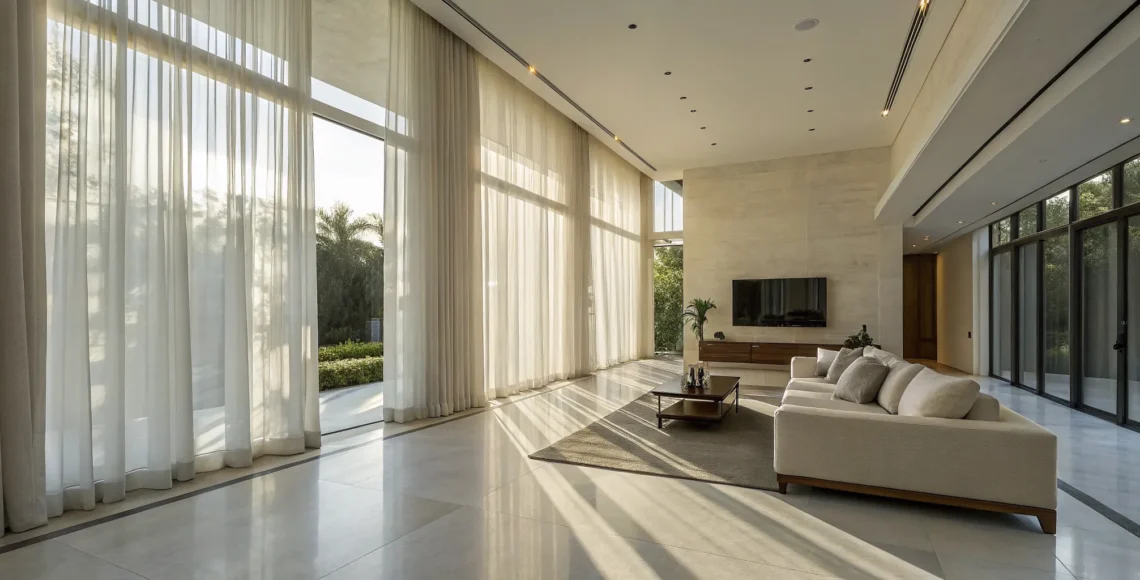
Bespoke interior design by Shawn Henderson in a calm, sophisticated living room with a neutral palette.

The Ultimate Guide to Henderson Interior Design

It’s the ultimate design challenge: creating a home that is both stunningly beautiful and genuinely comfortable. So often, high-design spaces can feel more like museums than places to actually live. This is where the genius of Shawn Henderson’s work truly shines. He has perfected the art of crafting interiors that are impeccably designed yet remain warm and inviting. His secret lies in a client-centered process that prioritizes your story and lifestyle above all else. The work of bespoke interior designer Henderson proves you don’t have to choose between sophistication and comfort; you can have a space that is both a work of art and a perfect sanctuary for everyday life.

Key Takeaways

  • Let your story lead the design: A truly personal home is a reflection of your life. Focus on curating meaningful art and objects that tell your story, creating a space that feels authentic instead of just trendy.
  • Create calm with a touch of drama: Use a foundation of serene, neutral colors to create a tranquil space. Then, strategically add personality and depth with rich textures, bold art, or a single statement piece of furniture.
  • Invest in quality, not trends: Focus on acquiring well-crafted, timeless pieces that you truly love. This approach builds a more sustainable and meaningful home, as quality craftsmanship endures long after fleeting trends have faded.

Hiring an Interior Designer: What to Expect

Bringing a professional designer into your home is about more than just picking out furniture; it’s a partnership. The goal is to collaborate with an expert who can translate your vision into a functional, beautiful reality. A great designer acts as your creative partner and project manager, saving you time and stress by handling all the complex details, from sourcing materials to coordinating with contractors. They bring a wealth of knowledge, industry connections, and a trained eye that can help you avoid costly mistakes and see possibilities you might have missed. At its best, the process is a creative dialogue that results in a space that is uniquely yours, but refined with professional polish. It’s about finding someone who understands your lifestyle and can build a design around it.

The Pros and Cons of Working with a Professional

Deciding to hire a designer is a big step, and it’s smart to weigh the benefits against the potential drawbacks. On the plus side, you gain access to expert knowledge and creative solutions you wouldn’t have thought of on your own. Designers save you an incredible amount of time by managing the entire project and have access to trade-only sources and discounts. A professionally designed home can also significantly increase its resale value. However, the cost is a major consideration. You also might worry about feeling disconnected from the creative process or that the final result won’t feel like *you*. The key is to find a firm with a client-centered approach, ensuring your voice is heard every step of the way and that the design truly reflects your personality and story.

Tips for a Smart and Savvy Design Budget

A successful design project starts with a clear and realistic budget. Before you begin, be upfront with your designer about what you’re comfortable spending. This transparency prevents scope creep and ensures everyone is on the same page. A great strategy is to prioritize the most important elements first—like foundational furniture or architectural changes—and then layer in luxury items if your budget allows. Don’t be afraid to mix high and low; a savvy designer knows where to invest and where to save. Finally, do your homework. When choosing a designer, compare their pricing models and read reviews to find someone whose fees and process align with your expectations for a fair and collaborative partnership.

Breaking Down Interior Design Costs

Understanding how interior designers structure their fees can feel confusing, but it doesn’t have to be. Getting familiar with the common pricing models will empower you to have confident conversations and make informed decisions for your project. Most designers use one of a few standard methods, each with its own benefits depending on the scope and scale of the work. Whether it’s an hourly rate for consultation or a flat fee for a full-service project, the goal is to find a structure that provides clarity and value. Knowing these details helps you and your designer establish a transparent financial framework from the very beginning, ensuring there are no surprises along the way and you can focus on the creative journey.

Common Pricing Models Explained

Designers typically charge for their services in one of four ways. Some may offer a combination, but understanding the basics will help you anticipate costs. The most common structures are hourly rates, flat fees, cost per square foot, and a percentage of the total project cost. Each model is suited for different types of projects. For instance, an hourly rate might be perfect if you just need a few hours of professional advice, while a flat fee is often better for a large-scale renovation where the scope is clearly defined from the start. Let’s look at what each of these means for your budget.

Hourly Rates

Charging by the hour is a common practice, especially for smaller projects or design consultations. Rates can vary widely based on the designer’s experience and location, typically ranging from $50 to over $500 per hour. This model is flexible and works well when the scope of work isn’t fully defined. You pay for the exact amount of time the designer spends on your project, whether it’s creating floor plans, sourcing furniture, or managing installations. To avoid unexpected costs, it’s a good idea to ask for an estimated number of hours upfront.

Flat-Fee Projects

For projects with a clear and well-defined scope, many designers offer a flat fee. This single price covers all the design work outlined in your contract, from initial concept to final reveal. A flat fee can range from a few thousand dollars for a single room to tens of thousands for a full-home renovation. The biggest advantage of this model is its predictability; you know the total design cost from the outset. This approach is ideal for clients who want budget certainty and is often used by full-service firms for comprehensive projects.

Cost Per Square Foot

Some designers calculate their fees based on the size of your space, charging a set rate per square foot. This model is straightforward and often used for new construction or large-scale remodels where measurements are easily defined. Rates typically fall between $5 and $17 per square foot, but this can change depending on the project’s complexity and the designer’s expertise. It’s a simple way to estimate costs for the design service portion of your budget, especially when you’re in the early planning stages of a major project.

Percentage-Based Fees

In this model, the designer’s fee is a percentage of the total project cost, including furniture, materials, and contractor services. This markup usually ranges from 10% to 45%. This structure is common for large projects where the designer is responsible for purchasing all goods and managing the entire budget. It incentivizes the designer to manage the project efficiently, as their fee is tied to the overall cost. This works best when there is a strong foundation of trust between you and your designer.

How Finish Levels Impact Your Budget

The materials and finishes you choose have one of the biggest impacts on your total budget. A basic finish level, using standard, readily available items, is the most cost-effective. A mid-range finish mixes standard pieces with some custom elements and higher-quality materials for a more personalized look. For a truly luxurious and bespoke space, a high-end finish is the way to go. This involves premium materials, custom-made furniture, and intricate, detailed craftsmanship. While it costs more—often over $17 per square foot—investing in high-end finishes means you are paying for superior quality, durability, and a design that is tailored specifically to you, which is the hallmark of a truly custom home.

Exploring Online Design Services

For those with smaller projects or more limited budgets, online design services have become a popular alternative. Platforms like Havenly or Decorilla offer room design packages starting at around $99 to $549 per room. These services are convenient and provide an accessible entry point to professional design advice. You typically fill out a questionnaire, upload photos of your space, and collaborate with a designer remotely to receive a concept board and shopping list. While it lacks the hands-on, personalized touch of a full-service firm, it can be a great option for getting a quick refresh or tackling a single room on your own time.

Who is Shawn Henderson?

If you follow the world of high-end interior design, you’ve likely come across the name Shawn Henderson. He’s a New York-based designer celebrated for creating spaces that feel both sophisticated and deeply personal. What makes his work so compelling is his commitment to a client-centered process, where the homeowner’s story is the true foundation of the design. He doesn’t just decorate a room; he curates an environment that is a direct reflection of the people who live there. His approach is less about imposing a signature style and more about drawing out his client’s unique vision to create something truly one-of-a-kind. This focus on collaboration and bespoke detail has made him a leading voice in the industry.

His Rise in the World of Interior Design

Every great designer has an origin story, and Henderson’s is refreshingly down-to-earth. His passion for design began simply by rearranging furniture in his own home, a pastime that grew into a celebrated career. Today, he runs a successful design studio in Manhattan, where he and his team bring their thoughtful design approach to life. His journey from a curious homeowner to an industry leader is a testament to his innate talent and dedication. This hands-on beginning seems to inform his work still, which always feels grounded and livable, no matter how luxurious the final result is.

What Is Shawn Henderson’s Design Philosophy?

Henderson’s design philosophy is built on a foundation of collaboration. He believes that the most successful interiors are born from a true partnership between designer and client. His process often begins by discussing a client’s personal tastes, especially their connection to art, and using that as a starting point to plan the space. According to a Phaidon interview, this ensures every project is tailored to the individual’s lifestyle. He aims to create environments that feel balanced and calm by expertly mixing colors, textures, and styles. Yet, he isn’t afraid to encourage experimentation with layouts and bold statement pieces to give a room personality and a touch of drama.

Where You’ve Seen His Designs

Over the years, Henderson has become a go-to designer for those who appreciate understated luxury and personalized interiors. He has designed homes for notable figures like actress Glenn Close, NASCAR champion Jimmie Johnson, and actor Will Ferrell, each project reflecting the client’s distinct personality rather than a cookie-cutter aesthetic. His incredible work has earned him features in premier design magazines, including Architectural Digest and Elle Decor. This widespread recognition highlights his ability to consistently create spaces that are not only beautiful and functional but also newsworthy.

Meet Another Henderson: Emily Henderson’s Eclectic Style

While Shawn Henderson masters serene, art-focused interiors, another designer with the same last name has captured the hearts of design lovers with a completely different, yet equally personal, approach. Emily Henderson champions a style that is vibrant, accessible, and full of personality. She rose to fame as a relatable expert who believes that a home should be a direct reflection of the people living in it, quirks and all. Her work is a fantastic lesson in how to mix styles, play with color, and create a space that feels lived-in and loved from day one. She proves that you don’t need a massive budget to have a stylish home, just a clear vision and a willingness to let your personality shine through.

From HGTV Star to Design Author

Many of us first met Emily Henderson when she won Season 5 of HGTV Design Star, which quickly led to her own show, Secrets from a Stylist. On screen, she became known for her bubbly personality and her knack for breaking down design principles in a way that felt easy and fun. Since her television debut, she has built a design empire, including her incredibly popular blog, Style by Emily Henderson, and a successful design business. Her journey from TV host to best-selling author and design mogul has solidified her as a leading voice in creating homes that are both beautiful and functional, without being overly precious.

Her “Perfectly Imperfect” Design Philosophy

At the core of Emily’s work is her “perfectly imperfect” design philosophy. She firmly believes that every room needs something with a bit of history—like an antique or a vintage find—to give it a “soul.” This prevents a space from feeling sterile or looking like a page from a catalog. For Henderson, every object should earn its place by being useful, beautiful, or deeply meaningful. When an item hits all three, she calls it “design magic.” While comfort is her top priority, she never sacrifices style. Instead, she encourages mixing different aesthetics to create an eclectic look that feels unique to the homeowner.

Emily’s Advice for Aspiring Designers

One of the most refreshing things about Emily Henderson is her encouraging advice for anyone interested in design. She urges aspiring designers and home enthusiasts alike to simply start creating and sharing their work, even if it’s just styling a corner of their living room and posting it online. She believes that the more you practice and experiment, the faster you will discover your unique point of view and refine your skills. This hands-on approach is a great reminder that developing your personal style is a process of discovery. It’s about trying things out, seeing what you love, and building a home that tells your story, one piece at a time.

What Defines a Shawn Henderson Interior?

Shawn Henderson’s work is instantly recognizable, not for a repeated formula, but for a feeling. His spaces are serene yet soulful, meticulously curated yet deeply personal. What makes his style so distinct is a commitment to a few core principles that guide every project. It’s less about a specific look and more about an approach that places the client at the center of the creative process. This results in homes that are not just beautiful, but are true reflections of the people who live in them. His design is a masterclass in creating environments that feel both aspirational and completely authentic.

Collaborating to Create Your Perfect Space

At the heart of Henderson’s method is a genuine partnership with his clients. He doesn’t arrive with a rigid vision to impose; instead, he builds the design from the ground up, based on your life and personality. The process begins with conversation, exploring your tastes, especially in art, to understand what moves you. As he explained in an interview with Phaidon, his philosophy is centered on collaboration to ensure every project is tailored to the client’s unique lifestyle. This dialogue-driven approach guarantees that the final space isn’t just a “Shawn Henderson interior” but a home that feels uniquely yours, because you helped create it.

Letting Your Personal Story Shine Through

For Henderson, a home should be a biography of its owner. He believes the objects, art, and furniture within a space should tell a story, reflecting your personal journey and character. This means moving beyond trends to select pieces with history and meaning. It’s about curating a collection over time, where each item holds a memory or sparks a feeling. This storytelling approach is what gives his interiors such incredible depth and soul. The goal is to create a space that feels lived-in and loved, filled with pieces that speak to who you are and where you’ve been.

Designing Custom Furniture and Lighting

You’ll rarely find off-the-shelf solutions in a Henderson-designed home. A key element of his work is the emphasis on custom-designed furniture and lighting. This commitment to bespoke pieces ensures that every element is perfectly scaled and suited to the space. His interiors are celebrated for their meticulous craftsmanship, where every detail, from the joinery on a cabinet to the finish on a light fixture, is thoughtfully considered. This focus on custom work allows for a level of personalization that is impossible to achieve otherwise, resulting in a cohesive and truly one-of-a-kind environment that is both functional and beautiful.

Balancing Sophistication with a Touch of Drama

Henderson is a master of creating spaces that are both tranquil and exciting. He often starts with a calm, neutral palette, using soft whites, warm grays, and earthy tones to create a serene backdrop that feels inviting and easy to live in. But his rooms are never boring. He strategically introduces moments of drama through bold art, a sculptural piece of furniture, or a vibrant pop of color. This masterful balance is on full display in his own Manhattan apartment, where minimalism meets powerful, dramatic statements. The result is a sophisticated space that feels both peaceful and dynamic.

How to Get the Shawn Henderson Look

Shawn Henderson’s interiors feel both impeccably designed and deeply personal. It’s a balance that seems effortless, but it’s achieved through a thoughtful and deliberate process. He doesn’t just decorate a room; he composes it. By focusing on a few key principles, he builds spaces that are serene, sophisticated, and full of character. Let’s look at the specific techniques he uses to bring his signature look to life, from layering materials to integrating meaningful art.

Layer Textures to Add Depth and Warmth

A Henderson-designed room invites you to touch and feel. He masterfully layers different textures and materials to create a sense of depth and warmth that a flat, one-note design can’t achieve. Think of a soft wool rug under a smooth leather armchair, with a rough-hewn wooden table nearby and a sleek metal lamp overhead. This mix of materials makes a space feel rich and considered. He often uses custom-made furniture and unique lighting to ensure every element contributes to this layered, sophisticated look, resulting in a balanced and calm environment that still feels dynamic.

Use a Calm Palette with Bold Accents

Henderson is known for his serene and inviting color schemes. He typically starts with a foundation of calm, neutral tones like soft grays, warm whites, and earthy beiges. This creates a tranquil backdrop that allows the room’s architecture and furnishings to shine. But his spaces are never boring. The magic happens when he introduces strategic pops of color and bold statement pieces. A vibrant piece of art, a jewel-toned velvet pillow, or a dramatically shaped chair can add personality and energy without overwhelming the senses. This approach creates interiors that feel both timeless and modern, sophisticated yet livable.

Choose Art That Reflects You

For Henderson, art isn’t an afterthought; it’s a core part of a home’s soul. He believes that the art you live with should be a true reflection of your personality and story. That’s why his process always begins with a conversation, getting to know his clients’ tastes and passions. As he explained in an interview about art in the home, this collaborative approach ensures the final selections feel authentic. By carefully curating pieces that resonate with the homeowner, he transforms a beautifully designed house into a deeply personal sanctuary, making the experience of living there richer and more meaningful.

How to Adapt His Style for Your Home

While his work is high-end, Henderson’s core principles can be adapted to any space because they are rooted in personal storytelling. He believes a home should reflect the client’s unique journey, filled with objects and art that hold meaning. This philosophy is about more than just aesthetics; it’s about creating an environment that supports and inspires you. As seen in his own masterfully designed Manhattan apartment, the goal is to build a space that feels authentic to the people who live there. It’s a reminder that great design isn’t about following trends, but about discovering and expressing your own style.

Core Interior Design Rules to Guide You

While mastering a designer’s intuitive sense of style takes years, there are foundational rules that can help guide your decisions. These aren’t rigid laws but rather time-tested principles that create balance and visual harmony. Think of them as your framework for making confident choices, whether you’re arranging a bookshelf or planning a whole room. By understanding these core concepts, you can start to build a space that feels as thoughtfully composed as a Shawn Henderson interior, ensuring every element works together to create a cohesive and sophisticated home.

The 70/30 Rule for Color and Style

If you’ve ever wondered how designers make a room feel so put-together, the 70/30 rule is often the secret. This guideline is all about creating a balanced, harmonious space by dedicating 70% of the room to a dominant color or style and the remaining 30% to an accent. For example, 70% of your room might feature serene, neutral tones on the walls, sofa, and rug. The other 30% is your chance to add personality with a contrasting color in your pillows, a bold piece of art, or a unique accent chair. This prevents a room from feeling either chaotic or flat, giving it just the right amount of visual interest.

The 3-5-7 Rule for Grouping Decor

When it comes to styling surfaces like coffee tables, consoles, or shelves, grouping items in odd numbers is a simple trick that always works. The 3-5-7 rule suggests arranging decor in clusters of three, five, or seven to create a display that feels dynamic and natural. An even number of items can look static and staged, while an odd number creates a sense of movement that is more pleasing to the eye. Try grouping a tall vase, a short stack of books, and a small decorative object together. This technique helps you curate vignettes that look intentional and collected, not cluttered.

Your Action Plan for a Henderson-Inspired Home

Shawn Henderson’s approach is a masterclass in creating spaces that feel both sophisticated and deeply personal. While his projects are high-end, the core ideas behind his work can be adapted to any home. It’s less about a strict set of rules and more about a mindset focused on intention, quality, and personal expression. Applying his principles means looking at your space as a canvas for your own story, where every object and arrangement contributes to a feeling of calm, comfort, and quiet confidence. This philosophy moves beyond simple decoration and into the realm of true interior design, where a home becomes a sanctuary tailored to its inhabitants.

The goal is to create a home that feels collected and curated over time, not decorated overnight. It’s about finding the right balance between clean, modern lines and the warmth of personal touches that make a space feel lived-in and loved. By focusing on layout, thoughtful details, quality pieces, and your own narrative, you can begin to shape a space that has that signature Henderson feel: understated, elegant, and completely your own. It’s an invitation to slow down, to be more deliberate with your choices, and to consider what truly makes a house feel like a home. This thoughtful process is what transforms a room from a simple space into a personal statement.

Rethink Your Furniture Layout

One of the most effective ways to refresh a room doesn’t cost a thing. Henderson encourages playing with furniture arrangements to discover new possibilities within a space. Don’t feel locked into the first layout you try. Move a sofa off the wall, angle a pair of chairs to create a conversation nook, or swap the placement of a desk and a bookshelf. As Henderson demonstrates in his own Manhattan apartment, the right layout can completely alter a room’s flow and feeling. Use different colors and textures to create a sense of balance and comfort, making the room feel both intentional and inviting.

Focus on Small, Surprising Details

A truly personal home is filled with what Henderson calls “small, happy surprises.” These are the unexpected elements that add character and reveal the personality of the people who live there. Think of a vibrant piece of art tucked away in a hallway, a unique vintage object on a side table, or a bold color painted on the inside of a bookshelf. These details break up the predictability of a space and create moments of delight. It’s not about clutter; it’s about curating a few special items that make you smile and give your home a sense of history and charm.

Opt for Quality Craftsmanship Over Trends

In a world of fast-moving trends, Henderson’s work is a testament to the enduring value of quality. Instead of filling your home with disposable decor, he advocates for investing in pieces with meticulous craftsmanship that are built to last. This means prioritizing well-made furniture, natural materials, and custom finishes. A beautifully crafted wooden table or a hand-upholstered chair will not only stand the test of time but will also bring a deeper sense of substance and permanence to your home. This approach is more sustainable and ultimately results in a space that feels more grounded and authentic.

Design a Home That Tells Your Story

Your home should be a reflection of who you are, where you’ve been, and what you love. Henderson believes that people want to tell a story with the things they own. Before you buy something new, ask yourself if it connects to your personal narrative. Surround yourself with meaningful objects, whether it’s a piece of art from a favorite trip, a family heirloom, or a book collection that speaks to your passions. This collaborative approach ensures your space is more than just a collection of nice things; it’s a living expression of your unique vision and lifestyle.

Why a Bespoke Design Approach is Worth It

Choosing an interior designer is about more than just picking out furniture or selecting a paint color. It’s about crafting a space that truly tells your story. A bespoke design approach, like the one Shawn Henderson champions, moves beyond fleeting trends to create a home that is uniquely and authentically yours. This method is built on a deep partnership between designer and client, resulting in a space that is not only beautiful but also deeply personal and built to last. It’s an investment in your daily life, ensuring your environment supports and inspires you for years to come. This isn’t about creating a showroom; it’s about creating a sanctuary.

When you opt for a bespoke design, you are choosing a path of intention. Every element is considered in the context of your life, your habits, and your aspirations. The process is collaborative and thoughtful, ensuring the final result is a cohesive reflection of your identity. Instead of a home filled with objects, you get a home filled with meaning. This approach prioritizes longevity, both in style and in substance. By focusing on quality craftsmanship and timeless principles, a bespoke interior becomes a lasting legacy, a personal backdrop for all the moments, big and small, that make up your life. It’s the ultimate expression of personal style, translated into a living, breathing space.

The Lasting Value of a Personalized Space

A bespoke design process begins and ends with you. Instead of imposing a pre-set style, this approach is rooted in understanding your personality, lifestyle, and vision. Henderson’s design philosophy centers on collaboration, often starting with conversations about your passions, like your taste in art, to inform the entire plan. This ensures every choice, from the overall layout to the smallest decorative object, feels intentional and meaningful. The result is a home that doesn’t just look like a magazine feature; it feels like a genuine extension of who you are. It’s a space where you are truly seen, understood, and comfortable in your own surroundings.

Investing in Sustainable, High-Quality Pieces

Opting for a bespoke design is a commitment to quality over quantity. It’s about moving away from disposable trends and investing in pieces that will stand the test of time. Henderson’s interiors are recognized for their meticulous craftsmanship, with a sharp focus on custom furnishings, unique finishes, and thoughtful styling. By prioritizing high-quality materials and working with skilled artisans, you create a home filled with items that are not only beautiful but also durable. This approach is inherently sustainable, as it favors longevity and reduces waste. It’s about building a collection of meaningful pieces that will bring you joy for a lifetime, not just for a season.

Create a Home That Can Evolve with You

Your home should be a backdrop for your life, ready to adapt as you grow and change. A bespoke design provides a timeless foundation that allows for this evolution. It’s not about creating a static, museum-like space. Instead, it’s about designing a comfortable and flexible environment that can accommodate new memories, art, and experiences. Henderson believes in adding small, happy surprises throughout a home, those little details that continue to delight you years later. A thoughtfully designed space serves as a calm, personal sanctuary that grows with you, making it feel like home no matter what chapter of life you’re in.

Finding Your Daily Dose of Design Inspiration

Inspiration isn’t something you can force, but you can create the conditions for it to find you. Following Shawn Henderson’s philosophy means shifting your focus from what’s trendy to what’s meaningful to you. True design inspiration comes from your own life—the places you’ve traveled, the art that moves you, and the stories you want to tell. It’s about noticing the details in your daily life that bring you joy. Think about the serene feeling of a quiet art gallery, the rich textures in your favorite coat, or the warm, inviting atmosphere of a local cafe. These personal connections are the building blocks of a home that feels authentic and alive, a principle we hold dear in our own design work.

A great way to start is by becoming a collector of inspiration. Create a digital or physical mood board where you can gather images, fabric swatches, and color palettes that resonate with you. Don’t limit yourself to interiors; pull from fashion, nature, and photography. The goal isn’t to copy a specific look but to identify a feeling or an aesthetic that you’re drawn to. This collection becomes a visual diary of your taste, a powerful tool that helps clarify your vision. When you have this foundation, you can start to see patterns and themes emerge, giving you a clear direction for your space and making the design process feel much more intuitive.

This is where a collaborative design process becomes so valuable. Your collection of personal inspiration is the perfect starting point for a conversation with a designer. At Freddie Ramon, our client-centered approach is built on this exact idea. We partner with you to dive into your mood board and your stories, helping to translate those abstract feelings and ideas into a cohesive, sophisticated design plan. We believe that the most luxurious spaces are the ones that reflect a client’s unique vision, blending your personal narrative with our expertise in craftsmanship to create a home that is truly and completely yours.

Our Favorite Luxury Interior Design Blogs

While your personal story is the most important source of inspiration, seeing how world-class designers and architects bring their ideas to life can be incredibly motivating. Following a few high-quality design blogs is a great way to stay informed about new materials, innovative layouts, and timeless aesthetics. To get you started, here are a few of our team’s go-to sources for sophisticated design inspiration:

  • Architectural Digest: The definitive source for seeing inside the world’s most beautiful homes. It’s perfect for understanding how high-end design comes together in a finished, polished space.
  • Yellowtrace: This online magazine offers a highly curated look at interior design, art, and architecture. It’s a fantastic resource for finding inspiration that feels artistic and ahead of the curve.
  • Dezeen: If you’re drawn to modern and contemporary design, Dezeen is essential. It showcases cutting-edge projects from around the globe, offering a glimpse into the future of architecture and interiors.

Related Articles

Frequently Asked Questions

What is the main idea behind Shawn Henderson’s design philosophy? At its core, his philosophy is about creating a true partnership with the client. He believes a home should be a direct reflection of the people living in it, telling their personal story through carefully chosen art, furniture, and objects. It’s less about imposing a specific look and more about drawing out your unique personality to create a space that feels authentic and deeply personal.

Is Shawn Henderson’s style only suitable for minimalist spaces? Not at all. While he often uses calm, neutral color palettes to create a serene foundation, his work is known for its incredible depth and character. He masterfully balances this tranquility with moments of drama, using bold art, sculptural furniture, or surprising pops of color. The goal is a sophisticated and soulful space that feels both peaceful and full of life, not empty or stark.

How can I apply his principles without starting a major renovation? You can start small by focusing on personal storytelling. Begin curating objects that have meaning to you, like a piece of art from a trip or a vintage find that catches your eye. Another simple but effective step is to experiment with your furniture layout. Moving pieces around can completely change a room’s energy and function, helping you see your space in a new light.

Why is there such an emphasis on custom furniture in his work? Custom pieces are essential to his approach because they ensure every element in a room is perfectly suited to the space and the client’s lifestyle. Off-the-shelf furniture can’t always meet the specific scale or functional needs of a room. Custom design allows for a level of personalization and quality craftsmanship that results in a cohesive, one-of-a-kind environment where every detail feels intentional.

What does a “client-centered” design process actually look like? It’s a collaborative dialogue from start to finish. A designer using this approach won’t just show up with a finished plan. Instead, they will spend time getting to know you, your tastes, and how you live. The design evolves from those conversations, blending your vision with the designer’s expertise. The final result isn’t just the designer’s work or the client’s ideas, but a true fusion of both.

A designer's interior featuring carefully sourced art and decor.

Art and Decor Sourcing 101: A Designer’s Guide

Your home is more than just furniture and paint colors; it’s your story told visually. While the big pieces build the foundation, art is what gives your space its soul. It’s a direct reflection of your tastes, travels, and passions. This is where art and decor sourcing comes in. It’s not about filling empty walls or chasing trends. It’s about finding pieces you have a real, emotional connection with—art that makes your home feel more vibrant and uniquely yours. Think of it less as decorating and more as curating a personal gallery of joy.

Key Takeaways

  • Start with your personal vision, not trends: Before you begin sourcing, take time to understand your own aesthetic by exploring different art styles and creating mood boards. This ensures you build a collection that feels authentic to you and your home.
  • Look beyond galleries for unique pieces: Discover meaningful art by exploring a variety of sources, including local artist studios, curated online marketplaces, and art fairs. This approach helps you find one-of-a-kind works that tell a personal story.
  • Thoughtful display completes the design: The impact of your art depends heavily on its presentation. Pay close attention to scale, hang pieces at eye level, and invest in professional framing and lighting to make your collection a true focal point.

What is Art Sourcing? (And Why It’s Key to a Personal Home)

Think of art sourcing as the thoughtful process of finding and choosing artwork that truly speaks to you and complements your home. It’s about more than just filling an empty wall; it’s the final, personal layer that transforms a beautifully designed house into a home with a soul. The right piece of art can tie a room together, introduce a surprising pop of color, or set a specific mood. In fact, a single piece can even inspire the whole design of a room, serving as the anchor for your color palette and furniture choices.

Of course, the search for the perfect art can feel a bit overwhelming. With endless options available in galleries, online, and directly from artists, it’s easy to feel lost. That’s why approaching it with intention is so important. Art sourcing is a journey of discovery, helping you connect with pieces that tell your story and reflect your personality. It’s a crucial step in creating a space that feels not just luxurious and well-appointed, but uniquely and authentically yours. By curating a collection over time, you build a visual narrative that brings you joy every single day.

Building a Home That Reflects You

Before you even start looking for art, the first step is to get to know your own taste. If you’re not sure what you like, begin by gathering images of different art styles that catch your eye. Save photos from magazines, create a Pinterest board, or screenshot pieces you see online. This simple practice helps you identify patterns in what you’re drawn to, whether it’s abstract expressionism, modern photography, or classic portraiture. This visual collection becomes your personal guide, making it much easier to source and style art with confidence.

Once you find a piece you love, don’t overlook the importance of its presentation. A high-quality frame does more than just protect the artwork; it enhances its character and integrates it seamlessly into your decor. The right frame can make a simple print look like a gallery-worthy piece, adding another layer of texture and sophistication to your space.

The 80/20 Rule of Creativity

You’ve likely heard of the 80/20 Rule, also known as the Pareto Principle, in a business context—the idea that 80% of results come from just 20% of the effort. This concept is incredibly effective when curating art for your home. It suggests that a few key pieces will do most of the heavy lifting in defining your space’s personality. Instead of feeling pressured to fill every wall, you can focus your search on finding that vital 20%: the one or two artworks that truly capture your story and anchor the room’s design. Understanding how to apply this principle helps you invest your time and budget where it matters most, creating a collection that feels both impactful and deeply personal.

Tying Your Room Together with Art

Creating a harmonious look is all about thoughtful placement and balance. One of the most common missteps is overcrowding walls or choosing art that is out of scale with the room. To avoid these common mistakes, give each piece enough space to breathe and ensure its size is proportional to the wall and surrounding furniture. A tiny painting will get lost on a large wall, while an oversized canvas can overwhelm a small room.

Strive for a cohesive theme or story with your collection, connecting pieces through color, subject matter, or style. This doesn’t mean everything has to match perfectly, but there should be a visual thread that ties them together. Finally, remember the power of lighting. A well-lit piece of art can become a stunning focal point. Use layered lighting, including ambient overhead lights, task lamps, and accent spotlights, to make your artwork truly shine.

How to Pinpoint Your Personal Art Style

Choosing art for your home is an incredibly personal process. It’s about discovering what speaks to you and finding pieces that reflect your story and personality. Your art style isn’t something you find overnight; it’s something you cultivate through exploration and intuition. Instead of chasing trends, focus on what genuinely moves you. Think of your home as a gallery of your life, where every piece contributes to a cohesive, inspired atmosphere. The following steps will help you tune into your unique taste and select art with confidence, ensuring your space feels authentic and deeply personal.

Get Inspired by Different Art Movements

The first step is to simply look at a lot of art. Give yourself permission to explore without the pressure of making a purchase. Visit local Las Vegas galleries, spend an afternoon at a museum, or browse digital collections online. Finding distinctive art websites can be a game-changer for anyone looking to explore new styles and techniques. Pay attention to what catches your eye. Are you drawn to the soft, dreamy landscapes of Impressionism, the bold colors of Fauvism, or the clean lines of Minimalism? Don’t overthink it. Just notice what you like and what you don’t. This initial exploration is all about exposure and gathering inspiration from a wide range of sources.

Let Your Space Guide Your Art Choices

The art you choose should feel connected to the room it lives in. Take a look at your existing decor. What is your home’s color story? Do you prefer warm, earthy tones, or cool, calming blues and grays? You might look for art that complements this palette or choose a piece that provides a dramatic, intentional contrast. Think about the mood you want to create. A serene bedroom might call for abstract art with a muted palette, while a lively dining room could handle a vibrant, energetic piece. By considering your space, you can create a visually pleasing and harmonious environment that showcases your artwork beautifully.

Bring Your Vision to Life with a Mood Board

A mood board is a fantastic tool for clarifying your aesthetic. Start a board on Pinterest or gather physical images of rooms and art that you love. As Amy Kartheiser Design notes, “If you’re not sure what art you like, gather pictures of different art styles. This helps you figure out what you’re drawn to.” Don’t edit yourself at first; just collect anything that resonates. After a while, you’ll start to see patterns emerge. You might notice you’ve pinned a dozen black-and-white photographs or several abstract paintings with similar brushstrokes. This process helps you move from a vague idea of what you like to a concrete understanding of your personal art style.

Mixing Timeless Art with Modern Trends

A well-curated home often includes a mix of classic and contemporary elements. When it comes to significant art investments, choose pieces you have a strong emotional connection to, as these will stand the test of time. As one art advisor puts it, “Art should look good on its own but also fit well with the room’s design and the owner’s personality.” You can still play with trends through more accessible items like prints, textiles, or decorative objects. This balanced approach ensures your home feels current yet timeless. It allows you to build a meaningful, lasting art collection while still having fun with evolving design ideas.

Where to Source Art and Decor

Once you have a sense of your personal style, the real fun begins: the hunt for the perfect pieces. Finding art and decor is a creative process in itself, and there are so many avenues to explore beyond traditional retail stores. Whether you’re looking for a statement painting from an established artist or a unique sculpture from a local talent, the key is to know where to look. These sourcing strategies will help you build a collection that is personal, sophisticated, and truly reflective of your home’s character.

Check Out Local Galleries and Studios

There’s something special about connecting with art in your own community. Las Vegas has a vibrant and growing art scene, and exploring local galleries is a wonderful way to discover regional artists and pieces that tell a story about the place you call home. Visiting an artist’s studio offers an even more intimate experience, giving you a behind-the-scenes look at their creative process. This approach not only supports local talent but also allows you to find art with a personal connection. You’re not just buying a piece of decor; you’re investing in a local creator and bringing a piece of your city’s culture into your space.

Explore Online Art Marketplaces

The digital world has opened up a global gallery that you can browse from the comfort of your home. Online marketplaces are fantastic resources for discovering a vast range of art from around the world. Websites like Artsy partner with galleries globally, curating incredible selections of work from both established and emerging artists. These platforms make it easy to filter by style, medium, and price point, simplifying your search for that perfect piece. Whether you’re looking for a specific artist or just seeking inspiration, online art marketplaces provide access to a nearly endless inventory that can help you find something truly unique.

Discovering Artists on Tappan Collective

If you’re just starting to build your collection, online platforms can be a fantastic resource. For those looking to discover new talent, websites like Tappan Collective are an excellent place to begin. It’s a curated space that focuses on supporting emerging artists, which means you can find fresh, contemporary work that feels both current and timeless. As noted by design experts, it’s a great starting point for beginners because the selection is thoughtfully vetted, removing some of the guesswork. This approach helps you explore new artists with confidence, knowing that each piece has been chosen for its quality and artistic merit, making it easier to find something that truly resonates with your personal style.

Sourcing Prints from Getty Images

For high-quality photography and prints, think beyond traditional art sources and consider a platform like Getty Images. While often associated with commercial use, Getty is a massive archive of stunning, high-resolution images from world-class photographers and illustrators. Professional art sourcing services often turn to trusted partners like Getty, which offers millions of pictures to choose from. You can license an image you love—whether it’s an iconic black-and-white portrait, a breathtaking landscape, or a unique abstract graphic—and have it professionally printed and framed. This is a brilliant way to source a piece that is perfectly tailored to your space and aesthetic vision, giving you access to a nearly limitless library of visual art.

Discover Art at Fairs and Exhibitions

For an immersive experience, nothing beats an art fair. These events bring together dozens of galleries and artists under one roof, offering an efficient way to see a wide array of high-quality work in a single day. Art fairs are the perfect place to gauge current trends, discover new artists before they hit the mainstream, and speak directly with gallerists. It’s a dynamic environment that’s buzzing with creative energy. Attending an exhibition allows you to see art in person, which is crucial for understanding its true scale, texture, and impact in a way that photos simply can’t capture.

Visiting Fairs like Expo Chicago

Take a major event like Expo Chicago, for example. Attending a fair of this scale is an incredible opportunity to immerse yourself in the contemporary art world. It’s about so much more than just viewing art; it’s about the energy of the space and the chance to connect directly with gallerists and even the artists themselves. This direct interaction gives you a deeper understanding of the work and the story behind it. Seeing art in person allows you to appreciate its true scale, texture, and presence in a way a screen never can. It’s an invaluable experience for building your confidence as you curate a collection that genuinely reflects your personal story and style.

When to Work with an Art Advisor

If the thought of sourcing art feels overwhelming, or if you simply want an expert opinion, partnering with an art advisor or your interior designer is an excellent choice. An advisor acts as your personal curator, taking the time to understand your taste, budget, and the specific needs of your space. They use their industry connections and expertise to streamline the sourcing process, presenting you with a curated selection of pieces that align with your vision. This collaborative approach saves you time and helps ensure you invest in art that you will love for years to come, making the entire experience feel effortless and enjoyable.

Leveraging an Advisor’s Experience

Working with an advisor or your interior designer is a fantastic way to make the art sourcing process feel focused and enjoyable. At Freddie Ramon, we see this as a natural extension of our client-centered design philosophy, partnering with you to find art that completes your space. An experienced designer acts as your personal curator, using their industry knowledge to source pieces that resonate with your taste and fit your home’s aesthetic perfectly. This collaborative approach saves you countless hours of searching and gives you the confidence that you’re investing in art you’ll cherish for years to come.

Finding Services with No Minimum Order

You don’t need to be curating an entire gallery wall to benefit from professional guidance. It’s a common misconception that art sourcing services are only for large-scale projects, but many companies are happy to help you find a single, perfect piece for a specific spot. Services like Skyframe, for example, are designed to help with projects of any size, making the process easy and accessible. The focus should always be on finding art that speaks to you and enhances your space, whether that means one statement sculpture or a collection of small prints. It’s about quality and personal connection, not quantity.

Don’t Overlook Estate Sales and Auctions

For those who love the thrill of the hunt, estate sales and auctions can be treasure troves of unique finds. These venues offer pieces with history and character that you simply won’t find in a gallery or online store. You might discover a vintage sculpture, a mid-century painting, or a one-of-a-kind decorative object that adds a layer of soulfulness to your home. While it can take patience, the reward is finding a truly distinctive piece that has a story to tell. Keep an eye on local auction houses and estate sale listings for opportunities to uncover a hidden gem.

Collecting Art While You Travel

Some of the most meaningful pieces in a home are the ones tied to a memory. Collecting art while you travel is a beautiful way to build a collection that tells your personal story. When you’re exploring a new city, make a point to visit local galleries or even an artist’s studio. This is where you’ll find authentic work that captures the true culture of a place. This approach helps you find art with a deep personal connection, turning a simple souvenir into a cherished part of your home’s narrative. Over time, your home becomes a personal gallery of your adventures, with each piece holding a story. Most galleries are well-versed in shipping, so you can purchase with confidence.

Connect with Up-and-Coming Artists

Collecting art from emerging artists is an exciting way to build a collection that feels fresh and contemporary. Platforms like Instagram and dedicated art websites are incredible tools to discover and support new talent. Following artists whose work resonates with you allows you to watch their careers grow, and you get to invest in a piece early on. This is a fantastic way to acquire original art that reflects current creative conversations. Plus, you’re directly supporting an artist’s livelihood, which makes the piece you bring into your home even more meaningful. It’s a chance to become a patron of the arts in your own right.

Emerging Artists to Watch

While it would be impossible to create a definitive list of every talented artist on the rise, the real joy is in the discovery. The best way to start is by exploring curated online platforms that are specifically designed to showcase new talent. On social media, follow hashtags related to the styles you love, like #contemporarypainting or even location-specific tags like #lasvegasartist, to see what’s happening in our own backyard. When you find an artist whose work resonates with you, follow their account. This gives you a front-row seat to their creative process and ensures you’re among the first to see new pieces. This approach allows you to acquire original art that feels deeply connected to current creative conversations while directly supporting an artist’s livelihood, which makes the piece you bring home all the more meaningful.

How to Choose the Right Art for Your Space

You’ve found a piece of art that speaks to you, but how do you know if it’s the right fit for your home? The final selection process is a thoughtful blend of intuition and strategy. It’s about ensuring the piece not only resonates with you personally but also harmonizes with the space it will inhabit. From size and color to budget and framing, each detail plays a role in creating a cohesive and impactful design. Let’s walk through the key considerations to help you choose with confidence.

Getting the Scale and Proportion Right

One of the most common missteps in placing art is getting the scale wrong. A piece that’s too small can feel lost on a large wall, while one that’s too large can overwhelm the room. The goal is to give your art enough breathing room to be appreciated. Think about the artwork’s relationship to the furniture around it. For instance, a piece hung above a sofa should typically be about two-thirds the width of the sofa. If you’re creating a focal point, a single, substantial statement piece can anchor the entire space. Understanding these principles of scale and proportion helps you avoid common mistakes and ensures your art feels intentional and perfectly placed.

Choose Art That Complements Your Room

Art is a powerful tool for influencing a room’s mood and energy, and color is at the heart of that. You can choose a piece with a palette that complements your existing decor for a serene, cohesive look, or you can select something with contrasting colors to create a dynamic and vibrant statement. Think about the visual journey your eyes take through the room. The right artwork can guide that flow, connecting different zones and creating a sense of harmony. Even the wall color itself can be chosen to enhance the art’s visual impact. When arranging multiple pieces, consider whether a symmetrical or asymmetrical layout best suits the room’s style and your personal aesthetic.

Setting Your Art Budget (and Sticking to It)

Building an art collection doesn’t have to break the bank. It’s more important to buy what you love than to spend a certain amount. Before you begin your search, it’s helpful to set a budget. This allows you to focus your efforts and make decisions more easily. Remember that great art comes at every price point, from prints by emerging artists to original works by established names. There are many fantastic online sources where you can find stylish, original pieces that fit your budget and aesthetic. Prioritize what matters most to you, whether it’s supporting a local artist, investing in an original painting, or simply finding a print that brings you joy.

How to Check for Quality and Authenticity

When you’re investing in original art, it’s important to know what you’re buying. For significant purchases, ask for a certificate of authenticity and do some research on the artist’s background and exhibition history. Quality extends beyond the artwork itself; it also involves how the piece is presented. As professional designers know, sourcing art that is appropriately sized and of high quality is critical to the success of a project. Look for well-crafted pieces and be wary of anything that seems too good to be true. Trustworthy galleries and dealers will always be transparent about the work they represent, giving you confidence in your purchase.

Factor in Framing Costs and Timelines

Framing should never be an afterthought. The right frame is like the perfect setting for a diamond; it protects the artwork and enhances its beauty. A high-quality frame can elevate even a simple print, adding character and a polished finish to the piece. When you purchase art, factor the cost and time for framing into your plan. Custom framing can take several weeks, so it’s important to account for this in your project timeline. As the experts at Amy Kartheiser Design note, investing in good framing is a crucial step that makes your art look its absolute best. It’s the final touch that integrates the piece seamlessly into your home.

How to Display Your Art & Avoid Common Mistakes

Once you’ve sourced the perfect piece of art, the final step is bringing it to life in your home. How you display your collection is just as important as the art itself. Thoughtful placement and presentation can transform a beautiful object into a breathtaking focal point, while a few common missteps can make even the most stunning piece feel out of place. By paying attention to details like height, framing, and lighting, you can ensure your art integrates seamlessly with your decor and truly reflects your personal style. Let’s walk through the best practices for displaying your art and how to sidestep the errors that can diminish its impact.

The Golden Rule: Hang Art at Eye Level

One of the most frequent design mistakes is hanging art too high. When a piece is positioned far above the furniture, it feels disconnected from the rest of the room. The goal is to create a cohesive visual line that feels natural and inviting. A simple rule of thumb is to hang art at eye level, which generally means the center of the piece should be about 57 to 60 inches from the floor. This standard ensures the art is in a comfortable viewing position for most people. When hanging art above a sofa or console, leave about six to eight inches of space between the top of the furniture and the bottom of the frame to create a unified vignette. Avoiding these common wall art mistakes makes your space feel more balanced and professionally designed.

Why Professional Framing Is Worth It

A frame does more than just protect your art; it’s an essential part of the presentation that can dramatically enhance its appearance. While it might be tempting to use a standard, off-the-shelf frame, custom framing is an investment that pays off. A professional framer can help you select materials, matting, and a style that complements both the artwork and your home’s interior design. A well-chosen frame can make a simple print look like a high-end piece and add character to your decor. When you invest in good framing, you’re not just finishing the piece, you’re preserving its quality and giving it the polished look it deserves.

Mixing Frame Styles

Don’t feel like you have to stick to one uniform frame style, especially when creating a gallery wall. Mixing different frames can add so much personality and create a sophisticated, collected-over-time look. The key to making it work is to establish a common thread. You could unify the collection with a consistent color, like all black or gold frames in various styles, or by material, such as mixing different wood tones. The goal is to create harmony without being too matchy. As one art advisor explains, the final arrangement should fit well with the room’s design and your personality. A thoughtful mix of frames—perhaps a sleek modern frame next to a more ornate vintage one—can tell a richer story than a perfectly uniform set.

Choosing the Right Mat

The mat is the border between the art and the frame, and it serves two important functions: it gives the artwork visual breathing room and prevents the piece from touching the glass, which is crucial for preservation. Choosing the right mat is a detail that makes a huge difference. While a crisp white or off-white mat is a timeless choice that lets the artwork be the star, a colored mat can be used to pull out a subtle hue from the piece. The most important rule is that the mat and frame should always serve the art first. As the team at Amy Kartheiser Design points out, proper framing should match the art, not just your decor. This ensures the entire presentation enhances the artwork’s beauty.

Create a Gallery Wall That Tells a Story

Deciding between a single statement piece or a gallery wall depends on the art you have and the space you’re working with. A large, compelling piece can serve as a powerful focal point, anchoring the design of an entire room. If you choose this route, select a statement artwork that you truly love and place it in a prominent location, like over a fireplace or bed. Alternatively, a gallery wall is a wonderful way to display a collection of smaller pieces. The key to a successful gallery wall is cohesion. Mix different sizes, orientations, and even frame styles, but find a common thread, such as a consistent color palette or theme, to tie everything together.

Matting Tips for Gallery Walls

Matting is one of those details that can make a huge difference in how your gallery wall comes together. It’s not just a border; it’s a tool for creating balance and giving each piece the right amount of breathing room. A great rule of thumb is to play with proportions. For smaller pieces of art, a wider mat can give them more presence and prevent them from getting lost in the arrangement. Conversely, larger artworks often look best with a thinner mat that doesn’t compete with the piece itself. When you’re creating a dense gallery wall with many pictures, you might even opt for very thin mats or no mats at all to create a more seamless, collective look. The most important thing is to create a sense of unity. Sticking to a consistent mat color, like a classic white or cream, is an easy way to achieve cohesion, even if your frames and art styles vary.

How to Light Your Artwork Correctly

Proper lighting can completely change how your art is perceived, making colors appear more vibrant and details more pronounced. Poor lighting, on the other hand, can leave your favorite pieces looking flat and lost in the shadows. The best approach is to use layered lighting. While ambient light fills the room, accent lighting, such as a picture light mounted above the frame or an adjustable spotlight from the ceiling, is designed specifically to illuminate your art. This dedicated light source draws the eye directly to the piece and gives it the importance it warrants. Be mindful to avoid placing art in direct sunlight, as UV rays can cause fading and damage over time.

The 3-to-1 Brightness Ratio

To make your art a true focal point, you need to manage the contrast between the artwork and its surroundings. This is where the 3-to-1 brightness ratio comes into play. This guideline, borrowed from professional photography, suggests that your accent light should be three times brighter than the room’s general ambient light. This creates just enough contrast to draw attention to the piece without making the effect feel overly dramatic or staged. The goal is to achieve a balanced look that enhances the visual interest of your art, allowing its colors and textures to stand out naturally. It’s a subtle but powerful technique that separates a professionally lit space from an average one.

Using a 30-Degree Angle to Reduce Glare

Nothing ruins the experience of viewing art more than a distracting glare from a glass frame or a glossy finish. The solution is surprisingly simple: position your accent light at a 30-degree angle relative to the artwork. This specific angle is an industry standard for a reason—it directs light onto the piece in such a way that the reflection bounces downward, away from the viewer’s line of sight. At Freddie Ramon, this is a detail we never overlook, as it ensures the art is seen exactly as the artist intended. By angling your lights correctly, you can highlight every intricate detail and texture of your collection while completely avoiding that frustrating sheen.

Get an Expert Opinion on Placement

When you’re unsure about the best way to display a new acquisition, don’t hesitate to seek an expert opinion. If you purchased a piece directly from an artist, they can often provide valuable insight into their work and how it’s best viewed. For a more comprehensive approach, collaborating with a design professional can be a game-changer. Art advisors and interior designers specialize in integrating art into a home’s overall aesthetic. We can help you with everything from placement and grouping to selecting the right lighting, ensuring your collection not only looks beautiful but also feels like a natural and intentional part of your space.

Related Articles

Frequently Asked Questions

I love the idea of collecting art, but I’m worried about making an expensive mistake. Where should I start? That’s a completely normal feeling. The best way to begin is by simply looking at art without any pressure to buy. Visit local galleries, browse online collections, and save images of things that catch your eye. This helps you build confidence in your own taste. When you are ready to purchase, start with something accessible, like a print from an emerging artist. The most important thing is to choose a piece that you have a genuine emotional connection with, because that feeling will always be a good investment.

Does my art have to match my furniture and decor perfectly? Not at all. In fact, a home where everything matches perfectly can sometimes feel a bit flat. Instead of matching, think about creating harmony. Your art should complement your space, not blend into it. It can do this by picking up on a subtle color from your decor, or it can create an exciting contrast that adds energy to the room. The goal is for your art to feel connected to the space while still having its own distinct personality.

Is it better to invest in one large statement piece or create a gallery wall with smaller works? This really depends on the room and your personal collection. A single, large-scale piece can create a powerful and sophisticated focal point, anchoring a space like a living room or dining area. A gallery wall, on the other hand, is perfect for telling a more complex story and displaying a collection you’ve built over time. It works beautifully in more personal spaces like hallways or home offices. Neither is better than the other; it’s about choosing the approach that best suits the wall you’re decorating and the art you love.

What’s the most common mistake you see people make when displaying art? Hands down, the most frequent mistake is hanging art too high. It’s an easy error to make, but it can leave a piece feeling disconnected from the furniture and the rest of the room. As a general guide, the center of the artwork should be at eye level, which is roughly 57 to 60 inches from the floor. This simple adjustment makes a huge difference, creating a space that feels more balanced, intentional, and professionally styled.

I’m not sure I have a defined ‘art style.’ How can I find pieces I won’t get tired of? Your personal style isn’t something you have to find; it’s something you develop over time by trusting your intuition. Instead of worrying about a specific label like “minimalist” or “abstract,” focus on the feeling a piece gives you. If you feel a strong connection to it, that’s a great sign it will have lasting power in your home. Start a mood board with images you’re drawn to, and soon you’ll see patterns emerge that reveal the colors, subjects, and moods you truly love.

A Las Vegas commercial interior design firm's modern office lobby with sleek furniture.

How to Find the Best Design Firm in Las Vegas

Every business has a story to tell, and your physical space is one of the most powerful ways to share it. From the layout to the lighting, every detail helps create a cohesive narrative. But are you telling the right story? Translating your unique brand into a three-dimensional experience is a challenge. This is where a professional design firm in Las Vegas becomes your brand’s storyteller. We craft a space that not only functions perfectly for your needs but also resonates deeply with everyone who walks through your door, turning visitors into loyal customers.

Key Takeaways

  • Treat Design as a Business Strategy: Effective commercial design is more than aesthetics; it’s about creating a functional space that embodies your brand, improves workflow, and strengthens the customer experience.
  • Vet Your Design Partner Thoroughly: Select a firm whose portfolio aligns with your brand and who has proven experience in your industry. Prioritize clear communication and local expertise to ensure a smooth process and a final result that meets your vision.
  • Understand the Process and Budget: Familiarize yourself with the design journey, from initial concept to final installation. A clear understanding of the stages and associated costs allows you to set a realistic budget and collaborate effectively with your design team.

What Can a Las Vegas Design Firm Do for Your Business?

When you decide to partner with a commercial interior design firm, you’re bringing on a strategic partner dedicated to your business’s success. This goes far beyond choosing paint colors and furniture. A great commercial designer in Las Vegas understands that your physical space is a powerful asset. It’s an extension of your brand, a tool for productivity, and a critical part of your customer experience. They offer a comprehensive suite of services designed to transform an empty shell or an outdated office into a purpose-built environment that works for you, your team, and your clients.

These firms manage the entire project lifecycle, from the first conceptual sketch to the final, polished walkthrough. They are experts in translating your business objectives into a functional and beautiful design. Whether you’re opening a new restaurant on the Strip, designing a corporate headquarters, or creating an inviting retail boutique, a professional firm provides the expertise to ensure the project is completed on time, within budget, and to the highest standard. They handle complex logistics like building codes, vendor management, and construction oversight, allowing you to focus on running your business. The following services are the cornerstones of what a top-tier commercial design firm can deliver.

What Services Do Las Vegas Design Firms Offer?

High-End Residential Design

Your home should be more than just a place to live; it should be a sanctuary tailored to your lifestyle. High-end residential design is the art of creating that personal haven, whether it’s a sprawling custom estate or a sophisticated penthouse overlooking the city. This is a deeply personal process, built on a client-centered partnership between you and your designer. It involves translating your unique vision into a functional, beautiful reality, ensuring every choice—from the architectural flow to the texture of the fabrics—aligns with how you want to live. It’s about crafting a space that feels authentically yours, where every detail is a reflection of your personality and aspirations.

Luxury and Custom Homes

Building a custom home is an incredible opportunity to create a space that is perfectly suited to you. A design firm specializing in luxury homes acts as your guide and advocate through this complex process. They collaborate with you, your architect, and your builder to ensure your vision is executed flawlessly. As firms like SCA Design have shown, the goal is to deliver a home that not only meets the highest standards of quality but also truly reflects your family’s unique tastes and lifestyle. From initial space planning to selecting the final finishes, your design team manages the countless details, ensuring the project stays on track and results in a home that is both a work of art and a comfortable, livable environment.

High-Rise Condos

Designing for a high-rise condo presents a unique set of challenges and opportunities. The focus shifts to maximizing space, light, and those spectacular city views. An experienced designer knows how to make a compact footprint feel spacious and luxurious. This involves clever space planning, custom built-ins for seamless storage, and a thoughtful selection of materials that create an open, atmospheric feel. Drawing inspiration from firms like KGA Architecture, which focuses on creating spatially rich environments, the design for a condo is about precision and ingenuity. It’s about transforming a unit within a larger building into a private, sophisticated retreat that feels expansive and entirely your own.

Commercial and Hospitality Projects

Beyond private residences, Las Vegas design firms are instrumental in shaping the city’s vibrant commercial and hospitality landscape. For any business, the physical environment is a critical component of the brand experience. A well-designed space tells your story, supports your team’s workflow, and creates a memorable impression on your clients. Whether it’s a dynamic restaurant, a serene spa, or a productive corporate office, the design must be both beautiful and purposeful. A commercial designer dives deep into your business goals to create a purpose-built environment that functions perfectly for your specific needs, ensuring that every square foot is working to support your success and resonate with everyone who walks through the door.

Perfecting Your Space and Layout

One of the most fundamental services a commercial design firm offers is strategic space planning. This is the art and science of arranging your interior to achieve maximum efficiency and flow. A designer’s goal is to find the perfect harmony between how a space looks and how it actually functions for the people using it. They will carefully analyze your daily operations, customer traffic patterns, and team workflow to develop a layout that makes sense. This thoughtful approach ensures every square foot serves a purpose, turning potential challenges like awkward corners or limited space into functional assets. Excellent space planning can make a workplace feel more collaborative or a retail store more intuitive to shop.

Designing Workplaces That Inspire

Your office is more than just a place to work; it’s the heart of your company culture. Commercial interior designers specialize in creating corporate environments that are both inspiring and highly functional. They design everything from dynamic open-plan offices and private executive suites to welcoming reception areas and collaborative break rooms. A skilled firm has the experience to manage and design projects for a wide range of industries, ensuring your new workspace not only reflects your brand but also supports your team’s well-being and productivity. An experienced team like KME Architects can deliver a polished, professional environment on schedule and within your budget.

Crafting Memorable Hospitality and Restaurant Designs

In a city like Las Vegas, the design of your restaurant, bar, or hotel is a critical ingredient for success. The guest experience begins the moment someone walks through your door. Hospitality designers are experts at crafting unique, memorable atmospheres that capture your brand’s essence and keep customers coming back. They meticulously consider every detail, from the lighting and acoustics to the seating arrangements and material choices, to build a cohesive and immersive environment. The result is a thoughtfully designed space that not only looks incredible but also supports operational efficiency, helping your business stand out in a competitive market.

Casino and Entertainment Venues

Nowhere is design more integral to the business model than in Las Vegas’s casinos and entertainment venues. The goal is to create a completely immersive world that captivates guests from the moment they arrive. A skilled design firm understands that this is about more than just spectacle; it’s about psychology. Every choice—from the layout of the gaming floor that encourages exploration to the specific lighting that creates a sense of timeless excitement—is intentional. Crafting these emotionally engaging spaces requires a deep understanding of how to blend your brand’s unique story with an unforgettable guest experience. It’s about using texture, sound, and flow to build an atmosphere that ensures your venue is not just a place to visit, but a destination people remember and return to.

Quick-Service Restaurants, Coffee Shops, and Bakeries

While large-scale venues get a lot of attention, thoughtful design is just as crucial for quick-service restaurants, coffee shops, and bakeries. For these businesses, the focus shifts to operational efficiency and creating a strong brand identity within a smaller footprint. The right layout can streamline the ordering process, prevent crowding, and create a pleasant, seamless customer journey. Beyond function, the design communicates the quality of your product. Whether you’re aiming for a cozy, artisanal vibe for your bakery or a sleek, modern feel for a fast-casual spot, the materials, lighting, and branding work together to build an atmosphere that invites customers in and turns a quick stop into a regular habit.

Building Retail Experiences That Captivate Customers

For any retail business, a well-designed interior is one of your most effective sales tools. Commercial design firms create engaging and intuitive shopping environments that guide the customer’s journey and beautifully showcase your products. They work within all types of commercial spaces, from flagship stores to intimate boutiques, to build experiences that forge a strong connection with your customers. By strategically planning the layout, lighting, and displays, a designer can encourage discovery, simplify the purchasing process, and make shopping at your location a truly enjoyable experience. This transforms your physical store into a powerful extension of your brand.

Specialized Project Services

Beyond the core services of planning and design, many firms offer specialized expertise to handle unique project needs. These services address specific challenges and opportunities, from building a new commercial space from the ground up to navigating the complexities of local regulations. Think of a full-service firm as your dedicated partner, equipped with the knowledge and skills to manage these intricate tasks. Having a single, expert team oversee everything allows you to stay focused on your business goals while they handle the detailed work of bringing your vision to life, ensuring every aspect of the project is executed flawlessly and without costly surprises.

Ground-Up Construction and Master Planning

For businesses embarking on the exciting journey of creating a brand-new building, a design firm’s involvement from day one is invaluable. This service, known as ground-up construction and master planning, covers the entire project lifecycle, from the initial conceptual sketches to the final walkthrough. A designer works alongside architects and contractors to ensure your business objectives are translated into a physical structure that is both beautiful and highly functional. This holistic approach guarantees that the final building not only meets your operational needs but also establishes a powerful brand presence from the moment it’s built. It’s about creating a cohesive vision and seeing it through to completion.

Tenant Improvements

When you lease a commercial space, it rarely comes perfectly suited to your needs. This is where tenant improvements (TIs) come in. A commercial designer specializes in transforming these blank canvases into environments that are a true extension of your brand. They understand that your physical space is a powerful asset for productivity and the customer experience. By redesigning the layout, updating finishes, and installing custom fixtures, a design firm can turn a generic office or retail unit into a space that is uniquely yours. This process is essential for creating a functional and branded environment that supports your business operations and welcomes your clients from day one.

Home Staging and Custom Paint Design

It’s amazing how the same principles that make a commercial space inviting can be applied to maximize a property’s appeal. Services like home staging and custom paint design are all about creating a specific mood and highlighting a space’s best features. Whether preparing a home for sale or crafting a unique color story for a boutique, a designer uses their expertise to make an immediate and positive impression. At Freddie Ramon, our client-centered approach means we focus on the small details that tell a larger story, ensuring the design resonates with its intended audience and achieves your goals, whether that’s a quick sale or a memorable brand experience.

Assistance with Building Code Violations

Navigating the web of local regulations can be one of the most stressful parts of any construction or renovation project. An experienced design firm provides critical assistance with building codes, helping you avoid costly fines and delays. They manage the complex logistics of permits and inspections, ensuring every aspect of the design is fully compliant from the start. This expertise is especially valuable in a place like Las Vegas, where regulations can be intricate. By handling this oversight, your design partner allows you to focus on running your business with the confidence that your project is in capable and knowledgeable hands.

Weaving Your Brand into Custom Furniture and Fixtures

To create a truly unique space, your brand’s identity must be reflected in every detail. A key service design firms provide is the curation and creation of furniture, fixtures, and finishes that align with your brand story. This often includes designing custom pieces that are tailored to your specific functional needs and aesthetic vision. A talented designer will help you create the image you’re looking for by selecting materials and products that are not only stylish but also durable enough to withstand the demands of a commercial environment. This bespoke approach ensures your space is a genuine and memorable reflection of your brand.

Championing Sustainable and Green Design

As businesses increasingly prioritize environmental responsibility, sustainable design has become a core offering for leading interior design firms. Implementing green principles into your commercial space can reduce your operating costs, lessen your environmental footprint, and create a healthier atmosphere for your employees and customers. This can involve specifying non-toxic, recycled, or locally sourced materials, integrating energy-efficient lighting and appliances, and designing layouts that maximize natural daylight. A forward-thinking firm will guide you through these options, ensuring your project is as sustainable as it is stunning, from the initial concept to final completion.

How to Find the Right Design Firm in Las Vegas

Selecting the right commercial design firm is one of the most critical decisions you’ll make for your business. This partnership will shape your brand’s physical identity, influence your team’s productivity, and define your customer’s experience. The right firm acts as more than a designer; they become a strategic partner invested in your success. To find a team that truly understands your vision and can execute it flawlessly, it’s helpful to follow a structured approach. By focusing on your goals, their portfolio, communication style, and experience, you can confidently choose a firm that will bring your commercial space to life. These steps will guide you through the process of finding the perfect design partner in Las Vegas.

First, Define Your Project Goals and Budget

Before you begin searching for a design firm, take the time to clearly define what you want to achieve. Think beyond just aesthetics. Are you trying to improve workflow in an office, create a more inviting atmosphere for a restaurant, or design a retail space that tells your brand’s story? Commercial interior design focuses on designing interior spaces for business needs, so having specific goals is essential. Alongside your goals, establish a realistic budget. A clear budget gives potential firms a framework to work within, allowing them to propose creative solutions that are both beautiful and financially feasible. This initial clarity will save you time and ensure everyone is aligned from the very first conversation.

Check Out Their Portfolio and Design Style

A design firm’s portfolio is its visual resume. As you browse their past projects, look for a style that resonates with your own brand identity. Do their designs feel innovative, timeless, or sophisticated? Pay attention to whether they have experience in your specific industry, whether it’s hospitality, corporate, or retail. While a versatile firm is a great asset, seeing examples of their work in a similar context can give you confidence in their capabilities. The most talented Interior Designers are shaping the aesthetics of the city, and their portfolio should demonstrate a clear vision and a high standard of execution that aligns with what you want for your own space.

Verify Their Experience and Reputation

A stunning portfolio is a great starting point, but a firm’s reputation is built on consistency, reliability, and proven expertise. In a dynamic city like Las Vegas, you want a partner with a track record of turning ambitious visions into reality. Digging a little deeper into a firm’s history and standing within the industry will give you the confidence that you’re not just hiring a designer, but a team of seasoned professionals who can handle every aspect of your project with precision and grace. Look for these key indicators of a trustworthy and experienced firm.

Decades of Industry Experience

Experience is more than just a number; it’s a deep well of knowledge that ensures your project runs smoothly. Firms with designers who have spent decades in the industry bring an invaluable understanding of project management, local building codes, and a network of trusted artisans and suppliers. This extensive background means they’ve encountered and solved nearly every challenge imaginable, allowing them to anticipate problems before they arise. A team with a history of working on high-end residential and commercial projects has honed its process, ensuring that every detail, from initial concept to final installation, is executed with meticulous craftsmanship and a steady, confident hand.

Prestigious Awards and Recognition

While a beautiful space is its own reward, industry accolades can serve as a powerful third-party endorsement of a firm’s talent and professionalism. Awards from respected organizations signal that a designer’s work is not only loved by their clients but is also considered exceptional by their peers. Looking for firms that have received design awards for categories like “Best Corporate Interior” or “Interior Designer of the Year” can help you identify the true leaders in the field. This type of recognition often points to a firm that is committed to innovation, quality, and pushing creative boundaries, ensuring your space will be nothing short of extraordinary.

A History of High-Profile Clientele

A firm’s client list can tell you a lot about its ability to deliver excellence under pressure. When a designer has a history of working with discerning clients—such as Fortune 500 CEOs, celebrities, or prominent community figures—it demonstrates a proven capacity to meet the highest standards of quality, service, and discretion. These projects often come with complex demands and high expectations, and a firm’s ability to consistently satisfy such clientele is a strong testament to their capabilities. It shows they have earned the trust of those who expect the very best, making them a reliable choice for your own significant investment.

Gauge Their Communication and Collaboration Style

A successful design project is built on a foundation of strong communication. During your initial conversations, pay close attention to how the team interacts with you. Do they listen carefully to your ideas? Are they asking thoughtful questions about your business and goals? This is a long-term partnership, so you want to work with a team you connect with. Ask about their process and who your primary point of contact will be. A firm that values collaboration and keeps you involved in all phases of the design process is more likely to deliver a final result that truly reflects your vision and meets your functional needs.

Confirm Their Local Experience and Expertise

Commercial design isn’t one-size-fits-all. A firm with deep experience in your industry will understand its unique challenges and opportunities, from specific building codes to customer flow patterns. Whether you need a design for an office, restaurant, or retail store, look for a firm that can provide full service interior design tailored to your sector. Equally important is their local knowledge. A Las Vegas-based firm will have established relationships with local contractors, artisans, and suppliers, which can be invaluable for keeping your project on schedule and on budget. They will also be experts at handling local regulations and permitting processes, ensuring a smoother project from start to finish.

National and International Project Capabilities

While deep local roots are a huge advantage, the capabilities of a top-tier Las Vegas design firm don’t stop at the city limits. The most accomplished designers are masters at translating a brand’s core objectives into a physical environment, a skill that is valuable anywhere in the world. Think of them as your brand’s strategic partner, capable of leading projects on a national or even international scale. For businesses looking to expand, this is a massive asset. A firm that truly understands your vision can replicate that success in new markets by collaborating with local architects and contractors, ensuring brand consistency while respecting regional nuances. Their expertise lies in creating a functional and beautiful design that serves your business goals, no matter the zip code.

Schedule Consultations to Compare Proposals

Once you’ve narrowed your list to a few top contenders, it’s time to schedule consultations. This meeting is your opportunity to discuss your project in detail and see if the chemistry is right. Come prepared with your project goals, budget, and any inspiration you’ve gathered. After the consultations, you’ll receive proposals from each firm. When comparing them, look beyond the total cost. A thorough proposal will detail the full scope of work, project timelines, and a clear breakdown of fees. The goal is to find a partner who will help you create a commercial interior design that not only looks incredible but also functions perfectly for your business.

Your Commercial Design Process: What to Expect

Bringing a commercial space to life is an exciting journey, but it can feel overwhelming without a clear roadmap. A professional design process turns your vision into a tangible reality through a series of structured, collaborative steps. Think of your design firm as your partner, guiding you from the initial spark of an idea to the final, stunning reveal. Each phase is designed to ensure your project stays on track, on budget, and perfectly aligned with your business goals. Understanding these stages helps demystify the experience, allowing you to feel confident and involved every step of the way.

Starting with a Consultation and Site Visit

This first step is all about connection and discovery. It typically begins with a conversation where we get to know you, your business, and your aspirations for the space. We’ll discuss your project goals, functional needs, brand identity, and what you hope to achieve. Following this initial chat, we’ll conduct a site visit to see the space firsthand. This allows us to take measurements, assess the existing conditions, and understand the architectural context. It’s a crucial part of the process that helps us identify both opportunities and potential challenges. This meeting is foundational, setting the stage for a successful design partnership built on clear communication and a shared vision.

Moving into Concept and Design Development

Once we have a deep understanding of your goals, our creative work begins. In this phase, we translate our conversations into a cohesive design concept. This isn’t just about picking colors; it’s a comprehensive approach that includes planning, engineering, and budgeting to ensure the final design is both beautiful and practical. You can expect to see initial ideas presented through mood boards, sketches, and preliminary floor plans that illustrate the proposed layout and flow. We might also create 3D renderings to help you visualize the space. This stage is highly collaborative, giving you a clear picture of the design direction before we move into the finer details of space planning and aesthetics.

Refining the Design and Selecting Materials

With a solid concept approved, we move on to refining the details that will truly define your space. This is where we select the specific materials, finishes, and furnishings that bring the design to life. We’ll guide you through choosing everything from flooring and lighting to furniture and textiles, always focusing on quality, durability, and brand alignment. As specialists in commercial design, we help you select materials that are not only beautiful but also appropriate for your project’s specific needs, whether it’s a high-traffic retail store or a serene corporate office. Your feedback is essential here as we finalize every element to create a polished and cohesive environment.

Overseeing Construction and Implementation

This is where the vision starts to become a physical reality. A great design firm doesn’t just hand over a blueprint; we manage the project from start to finish. Our team will coordinate with contractors, suppliers, and artisans to ensure the design is executed flawlessly, on time, and within your budget. We handle the day-to-day logistics, oversee the construction process, and solve any challenges that arise along the way. This comprehensive project management frees you from the stress of coordinating complex schedules and details, allowing you to focus on your business while we bring your new space to life with precision and care.

The Final Walkthrough and Project Handover

The final phase is one of the most rewarding. Once construction is complete and the furnishings are installed, we’ll schedule a final walkthrough with you. Together, we will tour the finished space to ensure every detail aligns with the approved design and meets our shared standard of excellence. This is your opportunity to see your vision fully realized and point out any minor items that may need adjustment, which we’ll compile into a final punch list. Our ultimate goal is to deliver a space that not only looks incredible but also functions perfectly for your business. This final step ensures your complete satisfaction and marks the successful completion of our creative journey together.

How Much Does Commercial Design in Las Vegas Cost?

Budgeting for a commercial interior design project in Las Vegas can feel complex, but it doesn’t have to be overwhelming. The key is understanding where your money is going. Costs aren’t just about furniture and paint; they cover the expertise, planning, and management required to transform a space into a true reflection of your brand. A successful project depends on a clear, well-structured budget that accounts for every detail, from initial concepts to the final installation. By breaking down the primary cost drivers, you can approach your project with confidence and clarity, ensuring your investment creates a space that is both beautiful and functional.

How Project Scope and Size Impact Your Budget

The single biggest factor influencing your project’s cost is its scope and complexity. A simple cosmetic update for a small boutique will naturally have a different price tag than a full-scale renovation of a multi-level restaurant. Commercial design is about more than just aesthetics; it involves a deep dive into your business to define what sets it apart and how to translate your brand’s identity into the physical environment. The more intricate the vision, the more it will influence the budget. Custom millwork, structural changes, integrated technology, and specialized lighting all add layers of complexity that require more intensive design, planning, and skilled labor, which is reflected in the final cost.

From Modest Updates to Multi-Million Dollar Projects

Commercial design projects are not one-size-fits-all, and neither are their budgets. A project can range from a focused cosmetic refresh for a boutique to a complete, multi-million dollar build-out for a new restaurant or corporate headquarters. The investment required directly reflects the project’s scale and complexity. At Freddie Ramon, we approach every project, regardless of size, with the same meticulous, client-centered process. We understand that even a modest update is a significant investment in your brand. Our role is to manage the entire project lifecycle, ensuring that whether the budget is for a specific update or a full-scale transformation, the result is a powerful extension of your brand and a critical part of your customer experience.

The Role of Materials and Finishes in Your Budget

Your choice of materials, finishes, and furniture will significantly shape your budget. From flooring and wall coverings to lighting fixtures and seating, every selection carries a cost. High-end materials like natural stone, custom-fabricated metals, and designer furniture create a luxurious atmosphere but come at a premium. It’s important to make choices that align with your brand’s positioning and durability needs. Beyond the visible elements, your budget must also cover essential but less glamorous costs, including demolition, contractor fees, and permits. A comprehensive interior design budget accounts for every layer of the project, ensuring there are no surprises along the way.

Considering Timelines and Market Conditions

Time and market forces play a crucial role in your project’s overall cost. An accelerated timeline might require rush orders on materials or overtime for contractors, both of which can increase expenses. The Las Vegas market also has its own rhythm, with fluctuating labor costs and material availability that can impact your budget. Unforeseen supply chain disruptions can also lead to delays and price adjustments. This is why building a detailed and flexible budget is so important. A well-planned budget includes a contingency fund to absorb these unexpected variables, allowing your project to adapt to changing conditions without compromising the final vision.

A Breakdown of Design and Management Fees

When you partner with a design firm, you’re investing in comprehensive expertise that goes far beyond selecting finishes. Design and management fees cover the full spectrum of professional services needed to bring your project to life. As KME Architects notes, you are hiring a team to “plan, design, engineer, and budget the work that will best fit your specifications and needs.” This includes initial consultations, concept development, detailed space planning, creating 3D renderings, sourcing materials, and obtaining quotes. It also covers the critical work of project management, which involves coordinating with architects, contractors, and vendors to ensure a seamless and efficient process from start to finish.

How a Top Design Firm Handles Common Challenges

An experienced design firm provides immense value by anticipating and addressing the challenges inherent in any commercial project. Successful outcomes are built on a foundation of precise planning and proactive problem-solving. A skilled team knows how to get ahead of potential issues, whether it’s a permitting delay with the city, a material that’s on backorder, or a scheduling conflict between vendors. By managing these details, a firm protects your investment of time and money. This foresight and expertise are what transform a potentially stressful renovation into a smooth, controlled process, ensuring the final space is exactly the environment you set out to create.

Why Freddie Ramon is the Right Las Vegas Design Firm for You

Choosing a design firm is about finding a partner who understands your vision and has the expertise to bring it to life. Your commercial space is a direct reflection of your brand, a physical touchpoint for your clients, and a functional environment for your team. It requires a delicate balance of artistry and strategy. At Freddie Ramon, we approach every commercial project as a unique opportunity to tell your story through thoughtful design, ensuring the final space is not only beautiful but also perfectly aligned with your business goals. We handle the complexities so you can focus on what you do best.

Our Client-First Design Approach

We believe the most successful designs start with you. Your brand’s identity, your operational needs, and your unique vision are the foundation of our entire process. We partner closely with you from the very beginning, creating a collaborative environment where your ideas are heard and valued. Our goal isn’t just to design a space; it’s to create an environment that feels authentically yours. This client-centered approach ensures that every choice, from the layout to the final finishes, is a true reflection of your company’s heart and soul, resulting in a space that is both personal and professional.

A Dedication to Luxury and Craftsmanship

Luxury, to us, is found in the details. It’s about the quality you can see and feel, the result of meticulous craftsmanship and an unwavering commitment to excellence. We redefine luxury by blending innovative techniques with timeless design principles, creating spaces that feel both current and enduring. Our team is dedicated to sourcing the finest materials and working with skilled artisans to ensure every element is executed flawlessly. This focus on quality and exclusivity means your commercial space will not only impress clients but will also stand the test of time as a testament to sophisticated design.

Balancing Bold Creativity with Everyday Function

A stunning design is only half the equation in a commercial setting. The space must also function seamlessly to support your daily operations. We excel at finding the perfect balance between creative expression and practical application. Our team thoughtfully considers workflow, customer experience, and operational efficiency in every design plan. We integrate innovative solutions that enhance both the look and the utility of your environment. By focusing on a full range of design services, we ensure your new space is a powerful asset that works as hard as you do.

End-to-End Project Management and Support

Embarking on a commercial design project can feel overwhelming, which is why we offer comprehensive support from concept to completion. We manage every detail, coordinating with architects, contractors, and other top professionals to ensure a smooth and efficient process. Our team keeps you informed and confident at every stage, providing clear communication and expert guidance. You can explore our past projects to see how our hands-on management style leads to exceptional results. We handle the logistics and problem-solving, allowing you to enjoy the creative journey without the stress.

Related Articles

Frequently Asked Questions

How long does a commercial design project typically take? The timeline for any project depends heavily on its scope and complexity. A simple cosmetic refresh might take a few months, while a full-scale renovation or new build can take much longer. We establish a detailed project schedule early in the process, factoring in design development, material lead times, and construction. Our comprehensive project management ensures we keep things moving efficiently to meet key deadlines without ever compromising on quality.

What is my role as the client during the design process? Your role is to be our partner and the expert on your business. We rely on you for insights into your brand, your operational needs, and your vision for the space. Your most active involvement will be during the initial discovery and concept development phases, where your feedback is essential. Once the design is approved, we handle the day-to-day management, keeping you updated so you can focus on running your business with confidence.

Can you incorporate our existing branding or furniture into the new design? Absolutely. Our approach is entirely client-centered, which means we start with your unique brand identity. We can thoughtfully integrate your existing logos, color palettes, and key furniture pieces into a new, cohesive design. We can also help you decide which elements to keep and where new, custom pieces might better serve your functional needs and aesthetic goals, ensuring the final space is a true reflection of your company.

What’s the main difference between a commercial interior designer and an architect? While we often collaborate closely, our roles are distinct. An architect primarily focuses on the building’s structure, shell, and core systems. As commercial interior designers, we focus on the interior environment and how people experience it. We handle everything from space planning and workflow efficiency to selecting materials, finishes, and furniture that support your brand and business operations. We make the building’s interior functional, safe, and beautiful.

Is hiring a design firm worth it for a smaller commercial space? Yes, professional design is valuable for a business of any size. For a smaller space, strategic design is even more critical. We specialize in maximizing every square foot to improve functionality, create an impactful customer experience, and reflect your brand’s quality. A well-designed space, regardless of its size, can directly contribute to your team’s productivity and your business’s success.

Chic modern apartment kitchen interior design with clean lines and minimalist wood accents.

How to Design a Modern Kitchen Apartment

Let’s bust a myth: modern design is not cold or impersonal. A well-designed modern kitchen apartment can be incredibly warm, inviting, and full of character. The secret is balancing clean, minimalist lines with rich textures and natural materials that tell your story. It’s about creating a space that’s uncluttered but not empty, simple but not boring. By layering finishes like matte cabinetry with polished stone and adding the warmth of wood and plants, you can craft a kitchen that feels both sophisticated and welcoming. We’ll show you how to find the perfect color palette and add meaningful decor to create a space that is uniquely yours.

Key Takeaways

  • Build a Foundation of Simplicity and Function: A truly modern kitchen starts with a commitment to clean lines, an intuitive layout, and smart storage. Focus on creating a streamlined space where everything has a purpose, which makes the kitchen feel calm, organized, and effortless to use.
  • Create Visual Interest with Thoughtful Materials: Define your kitchen’s personality by layering textures and finishes. Combine sleek surfaces like quartz countertops with the warmth of natural wood, or use a monochromatic color scheme with varied textures to add depth and sophistication without sacrificing a minimalist feel.
  • Personalize with High-Impact Details: Add character without the clutter by making strategic choices. Select appliances that either integrate seamlessly or act as a stylish focal point, and introduce personal touches through functional items like beautiful cutting boards, unique hardware, or statement pendant lights.

What Defines a Modern Apartment Kitchen?

A modern kitchen is more than just a look; it’s a feeling. It’s about creating a space that is calm, efficient, and beautifully simple. Forget the clutter and ornate details of traditional kitchens. Instead, modern design focuses on clean lines, smart layouts, and a seamless flow that makes your kitchen the true heart of your apartment. It’s a design philosophy that blends form and function, proving that a practical space can also be a stunning one.

When we design a modern kitchen, we focus on three core principles that work together to create that signature sophisticated and uncluttered aesthetic. It starts with embracing minimalism and sleek surfaces. Then, we ensure the layout is built around how you actually live and cook. Finally, we integrate the kitchen with your living areas to create an open, airy, and welcoming environment. Let’s explore what these ideas look like in practice.

Focus on Clean Lines and Minimalism

The foundation of any modern kitchen is a commitment to clean lines and a minimalist approach. This means focusing on strong horizontal and vertical lines, which you can see in flat-panel cabinet doors, simple hardware, and streamlined countertops. The goal is to create a smooth, uncluttered look where everything has its place. Think less about what you can add and more about what you can thoughtfully take away. A tidy, organized space is inherently calming and allows the quality of your materials to stand out.

To achieve this, keep your countertops as clear as possible by storing small appliances out of sight. This approach isn’t about having an empty kitchen; it’s about intentionality. Every item left on display should be both beautiful and useful. This focus on simplicity is what gives modern kitchens their signature serene and sophisticated feel.

Design a Function-First Layout

A truly modern kitchen is as practical as it is beautiful. The layout should be intuitive, making your daily routine feel effortless. We design with function at the forefront, considering how you move through the space when you’re preparing a meal, entertaining guests, or just grabbing a morning coffee. It’s about creating an efficient workflow that minimizes unnecessary steps and maximizes your enjoyment of the space.

In an apartment, this often means getting creative with every square inch. We think about how to use all available space, from vertical walls to tricky corners. A peninsula, for example, can act as a subtle divider between the kitchen and living area while also providing extra counter space and seating. The best modern layouts feel custom-built for your lifestyle because they are.

Create an Open-Concept Flow

Modern apartment living is all about open, connected spaces, and the kitchen is no exception. An open-concept design removes walls between the kitchen and living areas, creating a seamless flow that makes your entire apartment feel larger and more inviting. This layout is perfect for entertaining, as it allows you to interact with guests while you cook. It also brings more light into the kitchen, enhancing the bright and airy feel that is central to modern design.

To further this sense of openness, we often incorporate features like a kitchen island or open shelving. An island can serve as both a food prep station and a casual dining spot, becoming a natural gathering place. Open shelving is another great tool; it prevents the kitchen from feeling boxed in by heavy upper cabinets and gives you a chance to display your favorite dishes or glassware, adding a touch of personal style to the minimalist design.

Current Trends in Modern Kitchen Design

While the core principles of modern design are timeless, the specific materials and layouts that bring it to life are always evolving. Staying current doesn’t mean chasing every fleeting trend; it means understanding what’s popular right now and why, so you can make choices that feel fresh yet lasting. We’ve looked at recent design data to see what homeowners are gravitating toward, and a few clear patterns have emerged. These trends all point toward creating kitchens that are not only beautiful and streamlined but also incredibly livable and personal. It’s about finding that perfect balance between a clean aesthetic and a warm, inviting atmosphere that truly feels like home.

Popular Materials and Finishes

The materials you choose are the building blocks of your kitchen’s personality. They set the tone, add texture, and need to stand up to daily life. In modern design, the focus is on high-quality, durable materials that offer a clean, sophisticated look. Right now, we’re seeing a strong preference for surfaces that are both elegant and easy to maintain, proving you don’t have to sacrifice style for practicality. These choices form a tactile foundation that feels both luxurious and effortlessly functional, allowing the quality of the craftsmanship to speak for itself.

Engineered Quartz and Ceramic Tile

Engineered quartz has become the go-to for modern countertops, and for good reason. It delivers that sleek, polished look of natural stone but with incredible durability and almost no maintenance—no sealing required. This makes it a practical choice that aligns perfectly with the minimalist ethos of keeping things simple and functional. For backsplashes, classic ceramic tile continues to be a favorite. Its versatility is unmatched; you can use it to introduce a subtle pattern, a touch of color, or a unique texture without disrupting the kitchen’s clean lines. A recent study from Houzz shows that homeowners are overwhelmingly choosing these materials for their blend of sleek aesthetics and everyday practicality.

Light and Medium Hardwood Floors

To balance the cool, sleek surfaces of a modern kitchen, nothing beats the warmth of hardwood floors. They add a natural, organic element that makes the space feel grounded and inviting. Light hardwood is especially popular, as it enhances the bright, airy atmosphere that modern design is known for. It creates a beautiful, soft foundation that lets other design elements stand out. If you prefer a bit more depth and richness, medium hardwood offers a classic, sophisticated feel that still complements a minimalist aesthetic. Both choices are timeless and provide a durable surface that prevents a minimalist kitchen from feeling sterile.

Trending Colors and Layouts

Beyond materials, the right color palette and layout are essential for creating a kitchen that feels both spacious and intuitive. The current trends lean toward palettes that maximize light and layouts that support an open, connected lifestyle. It’s all about designing a space that not only looks cohesive but also functions seamlessly for everything from daily meal prep to hosting friends and family. These foundational choices dictate the flow and feeling of the entire room, making them some of the most important decisions in the design process.

The Dominance of White

White remains the undisputed champion of modern kitchen colors. It’s a classic choice that instantly makes a space feel larger, brighter, and cleaner—a huge advantage in any apartment. A white palette acts as a perfect blank canvas, allowing the textures of your countertops, the warmth of your wood floors, and the metallic finish of your fixtures to really shine. It’s not about creating a sterile environment, but rather a serene and sophisticated backdrop. Data from Houzz shows that white is the top choice for both overall kitchen color and cabinet color, proving its enduring appeal in creating a timeless, modern look.

L-Shaped Layouts and Kitchen Islands

When it comes to layout, efficiency and flow are key. The L-shaped kitchen is a popular and practical choice because it creates a natural work triangle, making movement between the sink, stove, and refrigerator feel effortless. This layout also opens up the room, which is ideal for connecting the kitchen to the living area. At the center of it all is the kitchen island. More than just extra counter space, the island has become the social hub of the modern home—a place for food prep, casual meals, and conversation. This powerful combination of an L-shaped layout with an island is a go-to for a reason; it’s a functional and inviting setup that perfectly suits contemporary living.

How to Make a Small Apartment Kitchen Feel Bigger

A smaller kitchen doesn’t mean you have to compromise on style or function. In fact, a compact space often inspires the most creative and elegant design solutions. With a thoughtful approach, you can transform a cozy kitchen into a highly efficient and beautiful hub of your home. It’s all about smart planning and making every inch count, ensuring your kitchen feels open, organized, and perfectly tailored to you.

Rethink Your Kitchen Layout

The flow of your kitchen is everything. A well-designed layout makes cooking and entertaining feel effortless, even in tight quarters. Many modern apartments feature kitchens that connect to living areas, where a peninsula can act as both a divider and extra counter space. This creates a more open, sociable atmosphere. When planning your layout, consider the classic kitchen work triangle—the path between your sink, stove, and refrigerator. Adapting this principle to your space will streamline your movements and make the kitchen feel intuitive and uncluttered.

Choose Multi-Functional Furniture

In a small kitchen, every piece should earn its place. Look for furniture that can pull double or even triple duty. A beautiful kitchen island, for instance, can serve as your primary prep area, a casual dining spot, and a storage unit all in one. A rolling butcher block island is a fantastic choice because it adds prep space and character, and you can move it aside when you need more floor space. Think about a sleek bar cart that can hold spirits but also serve as extra counter space during parties, or a dining bench with hidden storage underneath.

Consider Banquette Seating

If you want to maximize both seating and style, consider banquette seating. It’s one of my favorite ways to make the most of a small dining area. By building a bench along a wall or tucking it into a corner, you eliminate the need for the space you’d normally leave behind chairs, which instantly makes the room feel larger. This setup creates a cozy, restaurant-style nook that feels intimate and inviting—perfect for morning coffee or dinner with friends. Plus, many banquettes are designed with hidden storage underneath the seats, giving you a clever spot to tuck away linens or seasonal items. It’s a custom-built feature that adds architectural character and makes your kitchen feel truly unique.

Think Vertically with Wall Storage

When floor space is limited, look up. Using your walls effectively is the key to a tidy and visually spacious kitchen. Open shelving is a wonderful way to make a small kitchen feel bigger and lighter, allowing you to display your favorite ceramics or glassware as part of the decor. For a clean, minimalist look, install sleek metal bars or racks to hang utensils, pots, and pans. This frees up valuable drawer and counter space while keeping your most-used tools within easy reach. This approach turns everyday items into a design feature, blending practicality with personal style.

Use Mirrors and Reflective Surfaces

One of the most effective ways to create a sense of space is to play with light. Mirrors and reflective surfaces are your best friends in a compact kitchen because they bounce light around the room, making it feel instantly brighter and more open. Think beyond just hanging a decorative mirror. A backsplash made of mirrored or antique-mirrored glass can add a touch of glamour while visually doubling your counter space. High-gloss cabinet finishes, polished chrome hardware, and even shiny glazed tiles work wonders. These surfaces catch the light and create subtle reflections that add depth and movement, preventing the kitchen from feeling static or cramped. It’s a simple but powerful technique that enhances the atmosphere and makes the entire room feel more expansive.

Choosing Your Modern Kitchen Materials and Finishes

The materials you choose are the building blocks of your kitchen’s personality. In a modern design, the interplay between different textures and finishes is what creates that signature, sophisticated feel. It’s less about ornamentation and more about letting the inherent beauty of the materials shine through. By thoughtfully layering surfaces, you can craft a space that feels cohesive, intentional, and uniquely yours. Let’s look at the key surfaces that will define your kitchen’s aesthetic.

Modern Countertop Ideas: Quartz, Concrete, and Steel

Your countertops are a major visual element, so selecting the right material is key to achieving a chic, modern look. Quartz is a fantastic choice for its durability and non-porous surface, offering a clean, uniform appearance that comes in countless styles. For a more industrial or minimalist edge, consider polished concrete or stainless steel. These materials make a strong statement and pair beautifully with warmer elements like wood. Don’t be afraid to mix different materials to add depth; a marble backsplash behind a sleek quartz counter, for example, can create a stunning focal point.

Modern Cabinet Finishes: Matte Surfaces and Mixed Textures

Modern kitchen design favors simplicity, which is why flat-panel cabinet doors are a go-to choice. They create a smooth, uninterrupted surface that feels clean and uncluttered. When it comes to finishes, matte surfaces are incredibly popular for their soft, velvety look that resists fingerprints and reduces glare. While classic white, gray, and black are always in style, consider pairing them with natural wood tones to add warmth and texture. You can introduce wood on an island, in open shelving, or as an accent to keep the space from feeling too sterile. This combination of finishes adds visual interest without sacrificing the minimalist aesthetic.

Experiment with Two-Tone Cabinets

Using two different cabinet finishes is one of the best ways to add personality to a modern kitchen without creating clutter. This approach creates visual depth and allows you to play with contrast in a really intentional way. A popular combination is pairing dark lower cabinets with lighter uppers, which can make the room feel taller and more open. Imagine rich, natural wood on the bottom to ground the space, with crisp white or soft gray matte cabinets above. This works especially well with the flat-panel doors we just talked about, as their simple form lets the color and texture do all the talking. It’s a strategic way to introduce character and warmth, ensuring your minimalist design feels layered and thoughtful, not cold or one-dimensional.

Smart Flooring to Enhance Your Space

Flooring grounds your entire kitchen design, so it needs to be both beautiful and practical. Hardwood floors remain a classic choice, bringing natural warmth that can soften the clean lines of a modern kitchen. For a more industrial feel, polished concrete is a durable and seamless option that looks incredibly sleek. Another excellent choice is large-format tile, which minimizes grout lines and contributes to a spacious, unbroken look. When selecting your flooring, think about how it will flow with the rest of your apartment and choose a durable kitchen flooring material that complements your overall design vision while standing up to daily life.

Backsplash and Wall Treatments

Your backsplash is more than just a functional surface to protect your walls; it’s a canvas for expressing your kitchen’s personality. In a modern design, this is where you can introduce texture, color, and pattern without adding clutter. A well-chosen backsplash can tie all the elements of your kitchen together, from the countertops to the cabinets, creating a cohesive and polished look. Whether you prefer a bold, seamless statement or a subtle, light-reflecting texture, the right wall treatment can make a significant impact, turning a simple kitchen into a thoughtfully designed space.

Go for a Seamless Slab Backsplash

For a truly high-impact and luxurious look, consider extending your countertop material up the wall to create a seamless slab backsplash. This technique creates a continuous, unbroken surface that is both dramatic and incredibly easy to clean. Using a material like quartz for both the counter and backsplash results in a clean, monolithic look that feels incredibly sophisticated. This approach minimizes grout lines and visual noise, reinforcing the minimalist principles of modern design. It’s a bold choice that makes a statement by focusing on the pure beauty of the material itself, creating a stunning focal point in your kitchen.

Use Glazed Tiles to Reflect Light

If you want to add texture and make your kitchen feel brighter, glazed tiles are an excellent choice. Tiles with a glossy finish, like handcrafted Zellige tiles, reflect light beautifully, which can make a small apartment kitchen feel larger and more open. The subtle variations in color and texture in these tiles add a layer of warmth and character that contrasts perfectly with sleek, flat-panel cabinets. This option allows you to introduce a touch of artisanal charm without straying from a modern aesthetic. The way the light plays across the uneven, glossy surface adds a dynamic quality to the space, keeping it from feeling flat or one-dimensional.

Find Your Perfect Color Palette

Color is one of the most powerful tools in interior design. It sets the mood, influences your perception of space, and tells a story about who you are. In an apartment kitchen, your color palette is especially important, as it can make a compact area feel open and inviting or cozy and dramatic. The right combination of hues and finishes will tie your entire design together, creating a space that feels both personal and polished. Whether you’re drawn to serene neutrals, vibrant pops of color, or a sophisticated, single-color look, the key is to choose a palette that resonates with your lifestyle. We believe your home should be a direct reflection of you, and the colors you choose are the foundation of that vision. Let’s explore three distinct approaches to help you find the perfect color story for your modern kitchen. Each strategy offers a unique way to express your style while keeping the principles of modern design at the forefront.

Use Light Colors to Create Space

If you want your kitchen to feel larger, brighter, and more open, a light color palette is your best friend. Hues like crisp white, soft cream, and light gray are fantastic at reflecting light, which instantly creates an illusion of spaciousness. This is why so many stunning modern apartment kitchens feature white cabinets as a popular starting point. They provide a clean, airy backdrop that feels fresh and timeless. To maximize this effect, pair light-colored walls and cabinetry with ample natural light whenever possible. You can keep the look from feeling sterile by introducing subtle variations in tone and incorporating natural materials like light wood or stone.

Add Bold Accents to a Neutral Base

A neutral kitchen doesn’t have to be boring. In fact, a calm, neutral base is the perfect canvas for showcasing your personality with bold pops of color. This approach gives you the space-enhancing benefits of a light palette while allowing you to inject energy and character into the room. Think about adding a vibrant tile backsplash, choosing bar stools in a saturated jewel tone, or displaying a colorful piece of art. Even small details, like bright red or blue small appliances, can create a fun, dynamic contrast. This strategy is especially effective in mid-century modern designs, where playful color is celebrated. It’s a wonderful way to make a statement without overwhelming the space.

Try a Monochromatic Scheme with Texture

For a truly sophisticated and cohesive look, consider a monochromatic color scheme. This involves using various tints, tones, and shades of a single color. While it might sound simple, the result can be incredibly chic and layered. The secret to a successful monochromatic design is texture. By layering different materials and finishes, you create depth and visual interest that prevent the space from feeling flat. Imagine pairing sleek, matte gray cabinets with a polished concrete countertop, stainless steel appliances, and warm wood shelving. Each element is in the same color family, but their unique textures make the design feel rich and intentional. This method allows the quality of the materials to truly shine.

Try Specific Color Combinations

While broad strategies like using light colors or monochromatic schemes are excellent starting points, sometimes the magic is in the details of specific pairings. Certain color combinations have a timeless appeal because they strike a perfect balance between different elements—warmth and coolness, nature and modernity, simplicity and depth. These thoughtful pairings can instantly define the atmosphere of your kitchen, turning it from a functional room into a space with a distinct mood and personality. At Freddie Ramon, we love exploring these combinations with our clients to find the one that truly speaks to their vision. It’s about more than just picking colors; it’s about crafting an experience. Let’s look at a classic pairing that beautifully illustrates this idea.

Pair Natural Woods with Soft Greens or Blues

For a look that feels both grounded and fresh, consider pairing the warmth of natural wood with the tranquility of soft greens or blues. This combination is a beautiful way to bring a touch of nature indoors, which instantly makes a kitchen feel more inviting. Imagine light oak or walnut cabinets set against a sage green backsplash, or a wooden island that provides a focal point against dusty blue cabinetry. The organic grain of the wood offers a rich, natural texture that contrasts beautifully with the smooth, calming color. This pairing creates a balanced and sophisticated atmosphere that feels both timeless and completely current. It’s a perfect example of how modern design can be full of warmth and personality, crafting a space that is perfect for quiet mornings and lively gatherings alike.

Get Creative with Storage Solutions

A truly modern kitchen feels effortless, and that feeling comes from smart, seamless storage. When every pot, pan, and spice has a designated home, you eliminate visual clutter and maintain those clean lines that define contemporary design. This isn’t just about hiding things away; it’s about creating an intuitive system that makes your kitchen a joy to use. By thinking creatively, we can design storage solutions that are both beautiful and highly functional, turning everyday organization into a form of art. These custom touches ensure your space feels open and serene, no matter its size.

Install Pull-Outs and Corner Organizers

Deep cabinets and awkward corners can quickly become black holes for your kitchenware. Instead of getting on your hands and knees to find a lost pot lid, make your cabinets work for you. As design experts note, organization is key in smaller kitchens. Installing pull-out shelves and corner organizers brings everything into the light and within easy reach. Imagine smoothly sliding out a shelf that displays all your spices or rotating a lazy Susan that presents your entire collection of mixing bowls. These mechanisms transform frustrating spaces into functional assets, making it simple to access exactly what you need, when you need it.

Add Hidden and Under-Shelf Storage

Some of the most effective storage solutions are the ones you don’t immediately see. Hidden compartments, like toe-kick drawers for baking sheets or slim pull-outs for cooking oils next to the stove, make use of every available inch. You can also add stylish utility with under-shelf storage. Designer Emily Henderson suggests that adding “rails or hooks under open shelves” can be a game-changer for keeping countertops clear. We can take this a step further by designing custom metal rails that match your cabinet hardware, creating a cohesive and sophisticated spot to hang mugs or utensils. This approach keeps essentials accessible while preserving a clean, uncluttered aesthetic.

Use Walls, Doors, and Magnetic Strips

When you’re short on cabinet space, look up. Utilizing vertical space is essential for maximizing storage in a compact kitchen. Rather than cluttering your drawers, consider installing sleek metal bars or a pegboard system to hang your most-used tools. This not only frees up valuable drawer real estate but also adds a chic, chef-inspired element to your decor. A magnetic knife strip mounted on the wall is another fantastic way to save counter space while displaying your cutlery like functional art. Even the inside of a pantry door can be fitted with slim racks for spices or jars, proving that a thoughtful design leaves no surface overlooked.

Optimize Your Sink and Prep Space

In any kitchen, but especially in an apartment, counter space is prime real estate. Every square inch dedicated to prep work is valuable, and a cluttered surface can make the entire room feel cramped and chaotic. The key to a functional modern kitchen is maximizing this workspace without sacrificing style. By rethinking standard layouts and incorporating multi-functional elements, you can create a prep area that feels expansive and organized. These clever adjustments ensure your kitchen works harder for you, making daily tasks feel more streamlined and enjoyable.

Turn the Sink Sideways

One of the most innovative ways to reclaim counter space is to challenge the traditional sink placement. Instead of installing a standard sink parallel to the counter’s edge, consider turning it sideways. This simple rotation can be transformative in a narrow cabinet run. It creates a deeper, more usable stretch of counter behind the faucet, perfect for keeping soap, sponges, or a small plant. This orientation also shifts the plumbing and garbage disposal to one side underneath, freeing up a more significant portion of your under-sink cabinet for storage and organization.

Use a Cutting Board Over the Stove

When you need a little extra room to chop vegetables or assemble a dish, look to your stovetop. A large, beautifully crafted cutting board can be placed over the burners to instantly create a temporary work surface. This is a fantastic trick for small kitchens where every inch counts. Choose a board made from a material that complements your design, like a rich walnut or a sleek marble, turning a practical tool into a stylish accessory. Just remember to remove it before you turn on the heat. This simple addition makes your kitchen more versatile and ready for any culinary task.

Install Creative Shelving

Thoughtful shelving is the secret to a kitchen that feels both organized and personal. While closed cabinets are essential for hiding clutter, open shelving can make a small space feel lighter and more expansive. It’s an opportunity to display items that add character—your favorite mugs, beautiful glassware, or a collection of cookbooks—while keeping them within easy reach. The right shelving solution strikes a perfect balance between storage and style, contributing to the clean, curated aesthetic of a modern kitchen.

Add Thin Shelves and Brass Rails

To add storage without overwhelming the room, opt for thin, shallow shelves. They provide just enough space for everyday items without protruding too far and making the kitchen feel crowded. For an extra layer of function and style, install a sleek metal rail underneath. As designers often recommend for small spaces, these rails are perfect for hanging utensils, mugs, or even small pots with S-hooks. Choosing a finish like brushed brass or matte black that matches your cabinet hardware creates a cohesive, custom look that frees up valuable counter and drawer space.

How to Light Your Modern Kitchen

Lighting is one of the most transformative elements in kitchen design, moving far beyond a simple overhead fixture. A well-planned lighting scheme can make your kitchen feel larger, highlight your beautiful materials, and create an inviting atmosphere for both cooking and entertaining. In a modern apartment kitchen, a thoughtful approach to lighting is what separates a good design from a truly stunning one. It’s all about creating layers that work together to serve different functions, from prepping weeknight dinners to hosting a cocktail party. Let’s look at how to build a lighting scheme that is both functional and beautiful.

Layer Your Lighting: Ambient, Task, and Accent

Think of your kitchen lighting in three distinct layers. First, you have ambient lighting, which provides the overall illumination for the room. This could be recessed ceiling lights or a stylish flush mount. Next is task lighting, which is focused light for specific work zones like your countertops, sink, and stove. Finally, accent lighting adds a touch of drama, highlighting architectural details or your favorite design features. Combining these three types creates a balanced and versatile space. You can find plenty of inspiration from modern kitchen ideas that master this layered approach.

Add Pendants and Under-Cabinet LEDs

Pendant lights are a fantastic way to add personality and focused light over a kitchen island or breakfast bar. They act as functional jewelry for your space, drawing the eye and defining the area. For a clean, modern look, under-cabinet LED strips are a must. They wash your countertops in bright, even light, making food prep easier and safer. Plus, they create a beautiful glow that can double as soft ambient light in the evenings. These smart lighting solutions are key to many successful apartment kitchen ideas because they add style without taking up valuable space.

Make the Most of Natural Light

Never underestimate the power of natural light. It makes any space, especially a smaller apartment kitchen, feel more open, airy, and welcoming. If you’re designing your kitchen from scratch or planning a remodel, consider how you can maximize your windows. Even if you can’t make structural changes, you can enhance the light you have. Opt for sheer window treatments that offer privacy without blocking the sun. Keeping your windows clean and unobstructed can also make a surprising difference. A sun-drenched kitchen is always a more pleasant place to be, connecting your indoor space with the outdoors.

Choosing Appliances for Your Modern Kitchen

Appliances are the workhorses of your kitchen, but they also play a huge role in its overall look and feel. Choosing the right ones is about balancing high performance with a design that fits your aesthetic. In a modern kitchen, the goal is to create a cohesive, streamlined environment where appliances either blend in seamlessly or act as deliberate, stylish focal points. Think of them not just as tools, but as integral pieces of your design puzzle. The right refrigerator, oven, and dishwasher can tie the entire room together, reinforcing those clean lines and minimalist principles we love. It’s about making intentional choices that support your vision, whether that means hiding appliances away for an ultra-clean look or selecting statement pieces with striking finishes. We’ll walk through how to select appliances that not only meet your culinary needs but also perfectly complement your sophisticated, modern kitchen design.

Opt for Integrated and Built-In Appliances

For a truly sleek and uninterrupted look, consider integrated appliances. These are designed to be fitted with custom cabinet panels, allowing them to disappear completely into your cabinetry. Imagine a refrigerator and dishwasher that look just like any other cupboard, creating a clean, uniform wall of beautiful millwork. This approach is the secret to achieving that high-end, minimalist aesthetic where function is elegantly concealed. It transforms your kitchen from a purely utilitarian space into a polished, cohesive part of your living area. Built-in appliances offer a similar streamlined effect, fitting flush with your counters and cabinets for a tailored, custom finish.

Choose Stainless Steel or Matte Finishes

The finish of your appliances can define your kitchen’s character. Stainless steel remains a classic choice for modern designs, offering a professional look that’s both durable and easy to coordinate with other elements. It reflects light, which can help a smaller apartment kitchen feel brighter and more open. For a softer, more contemporary alternative, explore matte finishes. Available in black, white, and even slate gray, matte surfaces absorb light for a velvety, sophisticated appearance. A huge plus is that they are much better at resisting fingerprints and smudges, keeping your kitchen looking pristine. These modern appliance finishes allow you to add subtle texture and personality to your space.

Look for Smart Tech and Space-Saving Models

In an apartment kitchen, every inch counts, and modern appliance technology is designed with efficiency in mind. Look for space-saving models like slim-profile refrigerators, drawer dishwashers, or combination microwave-and-wall ovens that perform multiple functions in one unit. This frees up valuable counter and cabinet space without sacrificing capability. Beyond size, smart kitchen appliances offer a new level of convenience. Imagine preheating your oven from your phone on your way home or getting an alert when your dishwasher cycle is finished. These smart features not only simplify your daily routine but also add a futuristic, cutting-edge feel that is right at home in a modern kitchen.

Invest in a 5-in-1 Oven

If you want to truly maximize your kitchen’s functionality while maintaining a minimalist aesthetic, a 5-in-1 oven is a brilliant investment. This single appliance can replace your microwave, convection oven, air fryer, and more, freeing up an incredible amount of counter and cabinet space. Instead of cluttering your beautiful quartz countertops with multiple gadgets, you get one sleek, built-in unit that does it all. It’s the ultimate example of how multi-functional appliances can transform a compact kitchen. By choosing a single, high-performance piece, you streamline both your cooking process and your kitchen’s design, creating a space that feels open, organized, and effortlessly sophisticated.

Add Personal Touches Without the Clutter

A modern kitchen’s beauty lies in its simplicity, but that doesn’t mean it has to be impersonal. The key is to add character intentionally, choosing pieces that reflect your style without creating chaos. This is where the art of curation comes in. Instead of filling countertops with purely decorative items that gather dust, think about how you can infuse personality through the things you use every day. This approach ensures your kitchen remains a clean, functional, and sophisticated space that still feels like home. It’s about making deliberate choices that blend form and function seamlessly, so every object has a purpose and a place.

This philosophy is especially important in an apartment, where space is at a premium. Clutter can quickly make a small kitchen feel cramped and disorganized. By focusing on personal touches that are integrated into the kitchen’s daily use, you maintain that sleek, modern aesthetic while making the space uniquely yours. It’s not about having less; it’s about making what you have more meaningful. By selecting functional decor, creating a strong focal point with high-quality materials, and balancing beautiful objects with practical necessities, you can achieve a look that is both curated and welcoming, proving that minimalism can be warm and full of life.

Find Decor That’s Also Functional

In an apartment kitchen, every item should earn its keep. Look for pieces that are as useful as they are beautiful. For example, a striking wooden cutting board can be leaned against the backsplash as art, a set of copper measuring cups can hang from a rail, or a unique ceramic utensil holder can add a pop of color to your counter. You can also show off your style with easily changeable hardware on your cabinets or a vintage-inspired spice rack. Think of your high-quality tools, beautiful dishes, and elegant glassware as part of the decor. When your functional items are thoughtfully chosen, they naturally contribute to a cohesive and personal aesthetic without adding any clutter.

Create a Focal Point with Sustainable Materials

To make a significant impact in your kitchen, focus on one standout feature. A backsplash or countertop made from a large slab of quartz or marble creates a sleek, dramatic look that anchors the entire room. These materials are not only stunning but also durable and timeless, making them a wise investment. You can also layer textures and materials to add depth and visual interest. Imagine the interplay of warm wood shelving against a cool concrete countertop or the reflection of light on stainless steel appliances next to matte black cabinetry. By letting high-quality, sustainable materials define the space, you create a sophisticated focal point that speaks for itself.

Select the Right Window Treatments

Window treatments are often overlooked, but they play a crucial role in setting the mood of your kitchen. The right choice can make your space feel larger and more inviting by maximizing sunlight. We always emphasize the power of natural light because a sun-drenched kitchen is a more pleasant place to be, connecting your indoor space with the outdoors. To achieve this, look for treatments that offer privacy without sacrificing brightness. Simple roller shades in a light-filtering fabric, sleek Roman shades, or minimalist blinds give you control while maintaining a clean, modern aesthetic. If privacy isn’t a major concern, leaving your windows bare is a beautiful way to keep the room feeling open and bright.

Balance Art, Plants, and Practical Items

Open shelving is a fantastic way to make a small kitchen feel lighter and more spacious while offering a canvas for your personality. The trick is to strike the right balance between your everyday items and decorative touches. Curate your shelves by displaying your most attractive dishes and glassware alongside a small piece of art, a favorite cookbook, or a trailing plant. A well-placed mirror can also work wonders, bouncing light around the room to make it feel bigger. Don’t feel pressured to fill every inch of space. Leaving some breathing room is essential for maintaining a clean, modern look and ensuring your personal style shines through without overwhelming the kitchen.

Make High-Impact, Budget-Friendly Updates

A stunning modern kitchen doesn’t always demand a full-scale renovation. You can achieve a high-end, custom feel by making strategic updates that deliver a major visual impact without the massive price tag or timeline. It’s all about identifying the elements that will give you the most significant return on your investment, transforming your space with thoughtful, targeted changes. By focusing on key details and materials, you can refresh your kitchen’s entire look and feel, making it more functional and beautiful. These smaller projects are perfect for creating a space that feels intentionally designed and uniquely yours.

Swap Out Hardware and Finishes

Some of the most effective updates are also the simplest. Changing out small details can completely alter the character of your kitchen. Simply swapping your old cabinet knobs or pulls for something more modern and sleek can instantly give the space a fresh, updated look. The same goes for lighting. Replacing a dated fixture with eye-catching pendant lights over an island or sink can serve as a new focal point and dramatically shift the room’s ambiance. If you’re looking for a bigger change, consider your backsplash. A wall of colorful, geometric tiles can add a playful, mid-century modern feel, while a single, large slab of quartz creates a seamless and sophisticated backdrop.

Add Warmth with Brass Accents

One of the easiest ways to bring warmth and a touch of luxury into a modern kitchen is by introducing brass accents. This beautiful metal acts as a perfect counterpoint to the cool tones often found in minimalist designs, like crisp whites, deep grays, or sleek stainless steel. Think of it as jewelry for your kitchen. Replacing standard silver-toned cabinet pulls and knobs with elegant brass hardware is a simple swap that makes a huge difference, instantly making the space feel brighter and more inviting. You can also add warmth by coordinating your faucet or a statement light fixture in a matching brass finish to create a cohesive, high-end look.

Renter-Friendly Kitchen Upgrades

Living in a rental doesn’t mean you have to live with a kitchen you don’t love. There are plenty of creative, non-permanent ways to infuse your personal style into the space and make it feel like your own. The key is to focus on changes that are easily reversible and won’t damage the property. For any updates that feel a bit more involved, it’s always a good idea to have a conversation with your landlord first. By balancing your design vision with the home’s existing character, you can make impactful upgrades that you—and even future tenants—will appreciate. Let’s explore a few clever solutions that can completely transform your rental kitchen.

Use Temporary Countertop Covers

If you’re dealing with dated or damaged countertops, you don’t have to just live with them. Temporary covers are a brilliant solution for a high-impact, low-commitment upgrade. You can have custom plywood covers cut to fit perfectly over your existing countertops, giving you a beautiful, butcher-block-style surface that also protects the original material underneath. For an even simpler approach, high-quality, removable contact paper now comes in incredibly realistic finishes like marble, soapstone, or concrete. It’s a budget-friendly way to test out a new look and completely change the feel of your kitchen without making any permanent alterations.

Apply Peel-and-Stick Floor Tiles

Dated flooring can really bring down the look of an otherwise stylish kitchen. Luckily, peel-and-stick vinyl floor tiles are a fantastic and affordable way to give your floors a modern makeover. The quality and design options available today are a world away from the flimsy tiles of the past. You can find everything from chic geometric patterns to tiles that mimic high-end stone or wood. They are designed for easy application directly over your existing flooring and, most importantly, can be removed without leaving a sticky residue when it’s time to move out. This simple project can be completed in a weekend and offers a dramatic visual upgrade.

Create an Open-Shelving Look

Open shelving is a signature element of modern kitchen design because it makes a space feel lighter, larger, and more personal. If your rental kitchen is filled with bulky upper cabinets, you can still achieve this airy aesthetic. A simple, reversible trick is to carefully remove some of the cabinet doors. Be sure to wrap them and store them somewhere safe so you can easily reattach them before you move. This instantly opens up the space, giving you the perfect spot to showcase your favorite dishes, glassware, and cookbooks, turning everyday items into a stylish display.

Invest Strategically for Lasting Value

Modern kitchens are defined by their clean lines, smooth surfaces, and incredible usefulness. When you’re deciding where to allocate a larger portion of your budget, think about investments that enhance both style and daily function. If you have the space, adding a kitchen island is a fantastic strategic move. A long island with bar stools can act as your primary food prep area and a casual spot for meals, making it a multifunctional workhorse. Another crucial investment is smart storage solutions. Good organization is key to maintaining a tidy, minimalist aesthetic. Pull-out pantry shelves, corner cabinet organizers, and deep drawers make your kitchen more efficient and enjoyable to use, which is a luxury that pays off every single day.

Related Articles

Frequently Asked Questions

I love the clean look of modern design, but I’m worried my kitchen will feel cold or sterile. How can I add warmth? This is a common concern, but a modern kitchen can absolutely feel warm and inviting. The key is to introduce texture and natural materials. Think about pairing sleek, matte cabinets with the organic grain of wood, either in your open shelving, flooring, or even a butcher block island. Plants are also wonderful for adding life and a touch of color. Finally, choose personal items that are also functional, like a beautiful ceramic utensil holder or a collection of your favorite cookbooks, to make the space feel lived-in and uniquely yours.

My apartment kitchen is tiny and has a challenging layout. Can it still be a functional, modern space? Absolutely. In fact, the principles of modern design are perfect for small or unconventional spaces because they prioritize function and efficiency. The solution often lies in custom-built storage that uses every available inch, from corner pull-outs to slim cabinets next to the stove. Thinking vertically is also crucial. Wall-mounted racks for pots, magnetic knife strips, and open shelving can free up counter space and make the kitchen feel more open and organized. A thoughtful layout can make even the smallest kitchen a joy to cook in.

I want a modern kitchen but don’t know where to start. What’s the most important first step? Before you pick out a single color or material, think about how you actually use your kitchen. Consider your daily routine: where do you make coffee, where do you chop vegetables, and how do you move between the sink, stove, and fridge? Understanding your personal workflow is the most important first step. A beautiful kitchen that doesn’t function for your lifestyle will only cause frustration. Once you have a clear idea of the layout you need, all the other design decisions will fall into place more easily.

The post mentions neutral palettes and bold accents. How do I combine them without making my kitchen look chaotic? The best way to approach this is to build a strong, neutral foundation first. Choose a calm color like a soft white, gray, or even a deep charcoal for your main elements, such as the cabinets and walls. This creates a cohesive backdrop. Then, be very intentional about where you add a pop of color. Choose one or two places for a bold statement, like a vibrant tile backsplash, colorful bar stools, or a single piece of art. This focused approach ensures the accent color adds energy and personality without overwhelming the serene, modern feel.

I’m not ready for a full renovation. What are one or two changes I can make that will have the biggest impact? You can make a huge difference with just a couple of strategic updates. The two areas that offer the most impact for your effort are hardware and lighting. Swapping out dated cabinet pulls for sleek, modern handles can instantly change the entire look of your cabinetry. Similarly, replacing an old overhead light with a beautiful set of pendant lights over your island or peninsula creates a new focal point and completely transforms the room’s atmosphere. These two changes alone can make your kitchen feel significantly more custom and sophisticated.

A planning table with material samples and floor plans for an all-in-one home renovation package.

What Is an All-in-One Renovation Package?

A luxurious home should feel cohesive, with a design story that flows beautifully from one room to the next. But getting that seamless look is tough when you’re managing separate designers and builders. You become the go-between, hoping every finish and fixture aligns with your vision. This is the exact problem an all-in-one renovation package is built to solve. By placing your entire project under a single, unified team, we ensure every element works together. The result is a balanced, sophisticated space and a smoother process that turns your house into a thoughtfully crafted home.

Key Takeaways

  • Simplify with a Single Point of Contact: An all-in-one package means one team handles everything from design to construction, ensuring clear communication, total accountability, and a seamless process for you.
  • Gain Control Over Your Budget: Packaged renovations typically use a fixed-fee structure, which gives you a clear, comprehensive cost upfront and helps prevent the unexpected expenses common in traditional projects.
  • Get a Truly Custom Design: A renovation package is a framework for the process, not a limit on creativity; it provides an organized path to achieve a high-end, personalized space that is a perfect reflection of your unique style.

What Is an All-in-One Home Renovation Package?

Think of an all-in-one home renovation package as your single source for transforming your space. Instead of you having to find, hire, and coordinate an architect, an interior designer, and multiple contractors, a single firm handles everything from the first sketch to the final walkthrough. This integrated approach is designed to make the entire renovation process smoother, more cohesive, and far less stressful for you as the homeowner. It’s about turning a complex, multi-stage project into a seamless experience managed by one dedicated team.

This model is built on the idea that design and construction should work hand-in-hand. When your design team and build team are part of the same company, communication flows freely, and everyone is aligned on the same vision: yours. This synergy helps prevent the common miscommunications and budget surprises that can happen when working with separate entities. Ultimately, an all-in-one package gives you a trusted partner to guide you through every decision, ensuring the final result is a beautiful, meticulously crafted space that truly reflects your lifestyle.

What Services Are Typically Included?

At its heart, an all-in-one package covers the full spectrum of a renovation. It starts with an in-depth design consultation and moves into detailed space planning, where every inch of your room is thoughtfully considered. From there, the service typically includes sourcing and selecting all materials, fixtures, and finishes. You can expect comprehensive project management, which means the firm handles all scheduling, permits, and coordination of skilled tradespeople. These packages are flexible and can be tailored for a variety of remodeling projects, whether you’re redesigning a kitchen, updating a primary bathroom, or transforming your entire home.

Core Construction and Finishing

Beyond the initial design, an all-in-one package manages the essential construction work that brings your vision to life. This includes foundational services like professional painting, intricate electrical work, and flawless flooring installation. The team handles everything from preparing surfaces for a perfect paint finish to running new wiring for custom lighting plans. When it comes to flooring, they ensure every plank or tile is laid with precision. These core services are managed under one umbrella, guaranteeing that the quality of the craftsmanship matches the quality of the design, creating a seamless and polished foundation for your newly designed space.

Specialized Room Renovations

These packages are particularly effective for complex, multi-faceted projects like kitchen and bathroom renovations. For a kitchen, the service would cover everything from installing custom cabinetry and countertops to managing the plumbing for a new sink and the electrical for high-end appliances. In a bathroom remodel, the team coordinates waterproofing, tile setting, and the installation of vanities and fixtures. This integrated approach ensures that every specialized trade, from the plumber to the cabinet maker, works in harmony from a single, unified plan. This coordination is crucial for creating functional yet beautiful spaces, especially when dealing with the unique challenges of custom kitchen renovations.

Who Is on an All-in-One Team?

The beauty of an all-in-one team is that it brings all the necessary experts together under a single, coordinated effort. Think of it as your personal renovation ensemble. You’ll have a dedicated design consultant who works with you to translate your vision into a tangible plan, ensuring every detail reflects your style. Then there’s the project manager, who acts as the director of the entire production. This person is your main point of contact, responsible for coordinating all the moving parts—from managing the skilled craftspeople and installers to making sure the project stays on schedule and within budget. Because everyone is part of the same company, communication is seamless, and the entire team is aligned with one shared goal: bringing your dream space to life with precision and care.

Starting with Design and Planning

This is where your vision begins to take shape. The design and planning phase is a deeply collaborative process between you and your design team. It involves creating a cohesive plan that captures your aesthetic and functional needs. You’ll explore layouts, color palettes, and material options, often with the help of 3D renderings that allow you to visualize the final space before any demolition begins. A key advantage of this phase within a package is that everything is planned at once. This ensures a harmonious look throughout your home and can lead to significant cost savings compared to renovating in separate stages.

From Construction to Installation

Once the design is perfected and approved, the project moves into the construction phase. With an all-in-one package, this transition is seamless because the same team that designed your space now oversees its creation. A dedicated project manager becomes your single point of contact, handling all the logistics and ensuring the build stays on schedule and on budget. This design-build approach minimizes disruptions and allows for greater efficiency, as potential issues are often identified and solved quickly by a team that understands the project inside and out. From managing subcontractors to the final installation of fixtures and furniture, every detail is handled with precision, bringing your vision to life.

What Kinds of Renovation Packages Are There?

When you hear the term “renovation package,” it’s easy to picture a one-size-fits-all solution. In reality, these packages are all about structuring a project to fit your specific goals, timeline, and lifestyle. Think of them as different roadmaps to your dream home. Whether you’re planning a complete overhaul or focusing on a single, perfect space, there’s a package designed to streamline the process and deliver a beautiful, cohesive result. Let’s look at the most common types.

Packages for a Complete Home Makeover

This is the most comprehensive approach, where your entire home is reimagined and renovated in a single, coordinated project. A full transformation is often a smart investment because it allows for greater efficiency. We can purchase materials in bulk and schedule tradespeople for one continuous period, which helps manage costs and timelines. This package is ideal if you’ve just purchased a home that needs a complete update or if you’re ready to create a seamless, harmonious design that flows through every room. It ensures a consistent aesthetic and quality from the front door to the back patio, turning your entire house into a unified, luxurious retreat.

Focusing on One Room at a Time

If you prefer to update your home in stages, a room-by-room package offers a more gradual approach. This option allows you to focus your budget and attention on one area at a time, like the kitchen or primary bathroom, while you continue living in your home. The key to success with this method is maintaining design consistency across phases. A great design partner will create a master plan for your entire home first. This way, even if the work is completed over several years, each renovated room will feel like it belongs to the same thoughtfully designed story, preventing a disjointed or mismatched look down the line.

When You Want a Custom, High-End Look

Sometimes, you need the creative vision and detailed plans without the construction management. A custom design package focuses entirely on the creative and architectural phase of your project. We partner with you to develop every detail, from floor plans and material selections to lighting and bespoke cabinetry. This is perfect for clients who already have a trusted builder or prefer to manage the construction process themselves. We provide a complete, build-ready blueprint for designing kitchens, bathrooms, home offices, or any other space. You get the full benefit of our design expertise, ensuring your vision is perfectly articulated and ready for execution.

Packages for Specific Projects

This type of package is tailored to a specific, large-scale project that isn’t quite a full-home renovation. Think of a primary suite addition, a basement-to-entertainment-lounge conversion, or an outdoor living space overhaul. The package covers the project from the initial concept to the final installation. A key part of this service is our ability to find and hire the right general contractor and artisans from our network of vetted professionals. We serve as your single point of contact, managing the entire process to ensure it aligns with the design vision, budget, and timeline. It’s the ideal solution for complex projects that require seamless coordination between design and construction.

All-in-One vs. Traditional Renovations: What’s the Difference?

Choosing how to approach your home renovation is one of the most significant decisions you’ll make. The path you take determines not just the final outcome but your entire experience along the way. A traditional renovation involves hiring individual architects, designers, and contractors, placing you at the center of coordination. An all-in-one package, on the other hand, bundles design, materials, and construction under a single, expert team. Let’s look at how these two approaches compare in the areas that matter most: management, budget, design, and the construction process itself.

One Point of Contact, Less Stress

With a traditional renovation, you often become the de facto project manager. This means you’re responsible for finding, vetting, and hiring every professional, from the architect to the plumber. You’ll also have to coordinate their schedules to ensure the project flows logically, which can quickly feel like a full-time job. If one trade is delayed, it creates a domino effect that you have to manage.

An all-in-one package simplifies this entirely. You have one dedicated point of contact who handles all the project coordination for you. This team manages the timeline, oversees every contractor, and ensures that communication is clear and consistent. Instead of juggling multiple contacts, you work with a single partner who is accountable for the entire project.

The Alternative: Hiring an Architect and Contractor Separately

Of course, the all-in-one approach isn’t the only way to create a beautiful home. The traditional method involves hiring an architect or designer first to create a complete set of plans, and then taking those plans to several general contractors to bid on the construction work. This is known as the design-bid-build model. It separates the creative process from the construction process, giving you two distinct phases and two separate primary contacts. For some homeowners, especially those with very complex or historically sensitive projects, this separation can offer a unique set of advantages.

Potential Benefits of the Traditional Approach

One of the biggest benefits of this approach is the level of detail in the planning phase. An architect’s primary role is to translate your vision into a comprehensive blueprint. These detailed plans ensure that every contractor bidding on your project is quoting for the exact same scope of work, which makes it easier to compare bids accurately. This method also gives you a high degree of control over the design. You can perfect every detail with your architect before a single wall comes down, and many homeowners feel this upfront investment prevents costly mistakes and changes later on, ultimately saving them stress in the long run.

Potential Drawbacks of the Traditional Approach

However, this separation can also create challenges. A common issue is a disconnect between the design and the actual construction budget. An architect may design a stunning space that, once bid out to contractors, ends up being far more expensive to build than you anticipated. This can send you back to the drawing board for costly revisions. Furthermore, you become the main line of communication between the design team and the build team. If a problem arises on-site, it can sometimes lead to finger-pointing, with the contractor blaming the plans and the architect blaming the execution, leaving you to sort it out.

Budgeting: Packaged vs. Traditional Costs

A traditional, piecemeal approach can seem more budget-friendly at first, but costs can easily become unpredictable. You might get separate quotes for design, labor, and materials, but unexpected issues or miscommunications between different contractors can lead to costly delays and rework. It’s much harder to keep a firm grip on the total financial picture when it’s split across so many different vendors.

In contrast, an all-in-one package typically offers a more transparent and comprehensive cost structure from the start. Because one team manages the entire scope of your project, they can plan more efficiently, secure better pricing on materials, and minimize expensive surprises. This often results in a more predictable budget and can even lead to long-term savings.

Get a Seamless, Cohesive Look

When you hire separate designers and contractors for different parts of your home, achieving a unified look can be a challenge. Each professional brings their own style and interpretation, which can result in a space that feels disjointed rather than harmonious. You become the sole guardian of the overall vision, trying to ensure every finish, color, and fixture aligns.

This is where an all-in-one approach truly shines. A single design-build team works with you to create a holistic vision for your entire home. They ensure that every element, from the flooring and lighting to the architectural details, works together to create a balanced and sophisticated aesthetic. This integrated process is the key to achieving a truly cohesive design that flows seamlessly from one room to the next.

Why the Build Process Is Less Chaotic

Living through a renovation is inherently disruptive, but a traditional project can amplify the chaos. With multiple independent crews coming and going, scheduling conflicts are common, and the timeline can stretch out indefinitely. This can add significant stress and uncertainty to your daily life.

An all-in-one package is designed for efficiency. The entire project is meticulously planned and scheduled by one team, which means the construction process is far more organized and streamlined. Trades are scheduled back-to-back, reducing downtime and ensuring the project moves forward smoothly. This leads to a more predictable timeline, less disruption for your family, and a much more pleasant renovation experience from start to finish.

Understanding the Renovation Timeline

One of the biggest questions on every homeowner’s mind is, “How long will this actually take?” It’s a completely valid concern. You’re not just changing your home; you’re temporarily changing your life. While every project is unique, understanding the typical phases and potential hurdles can help you set realistic expectations. A well-managed project follows a structured path, but it’s also important to be prepared for the unexpected. Knowing what’s ahead makes the entire process feel much more manageable.

Typical Project Phases and Duration

Most home renovations follow four main phases: planning, design, pre-construction, and construction. The planning and design stages are where we define your vision and create a detailed blueprint. Pre-construction involves all the behind-the-scenes work, like finalizing material orders and securing permits. Finally, the construction phase is when the physical transformation happens. The timeline for a full home renovation can range from six months to over a year, depending entirely on the scope and complexity of the work. A single-room project, like a bathroom, might take a few months, while a multi-room overhaul will naturally require more time.

Common Factors That Can Cause Delays

Even with the most meticulous plan, delays can happen. One of the most common hold-ups is waiting for permits to be approved by the city. Another is material lead times; custom cabinetry or imported tile can take weeks or even months to arrive. Any design changes you make after construction has started can also push back the timeline, as it may require reordering materials or rescheduling trades. These are the kinds of variables that a good design-build team will factor into your initial schedule, building in buffers to account for them from the very beginning.

Then there are the true unknowns, like discovering unexpected structural or plumbing issues once the walls are opened up. This is precisely why having an experienced project manager is so valuable. A great team anticipates potential roadblocks and has the expertise to solve problems quickly and efficiently, keeping your project on track and minimizing stress for you. They turn a potential crisis into a manageable task, ensuring the project continues to move forward smoothly without compromising on quality or the final vision.

How Much Does a Renovation Package Cost?

One of the biggest sources of stress in any home project is the budget. An all-in-one renovation package is designed to bring clarity and predictability to your investment from the very beginning. Instead of juggling separate quotes from designers, contractors, and suppliers, you get a comprehensive proposal that outlines the total cost. This approach allows you to make informed decisions with a clear understanding of where every dollar is going, turning a potentially overwhelming process into a manageable one.

At Freddie Ramon, our client-centered process begins with a deep dive into your vision and budget. We believe financial transparency is the foundation of a great partnership. While every custom project has a unique price point, the way we structure the cost is designed to be straightforward and easy to understand. We work with you to establish a realistic budget that aligns with your goals, ensuring the final result is a perfect reflection of your lifestyle, without any financial surprises along the way. This collaborative approach to renovation budgeting helps ensure the entire process feels seamless and controlled from start to finish.

How Are Renovation Packages Priced?

With an all-in-one package, pricing is typically presented as a fixed fee for the entire scope of the project. This is a significant departure from the traditional model, where you might be billed hourly for design services and receive separate, often fluctuating, quotes for construction and materials. A fixed-fee structure bundles everything, from the initial design concepts and material selections to project management and final installation, into one clear number. This gives you a firm grasp on the total investment required upfront, allowing you to plan your finances with confidence. It’s a modern, transparent approach that puts you in control and eliminates the guesswork.

What Influences the Final Cost?

Several key factors shape the final cost of your renovation package. The most significant is the scope of your project; a complete kitchen overhaul will naturally require a different level of investment than a primary bathroom refresh. The complexity of the design, such as custom millwork or structural changes, also plays a major role. Finally, while we meticulously plan every detail, any changes you decide to make mid-project can impact the budget. We always aim to accommodate your evolving vision, but it’s important to understand how scope adjustments can lead to additional costs for materials and labor.

How Materials and Labor Affect the Price

The materials you select and the artisans who install them are the heart of your renovation’s cost. Your choices in finishes, from Italian marble countertops to hand-scraped hardwood floors, directly influence the budget. We guide you through selecting high-quality, beautiful materials that fit your aesthetic and financial parameters. Similarly, the cost of labor reflects the expertise of the craftspeople bringing your vision to life. An all-in-one package ensures you have a dedicated team of vetted, skilled professionals whose workmanship meets the highest standards. This investment in quality materials and expert labor is what transforms a space into a truly luxurious home.

How to Choose the Right Renovation Partner

Choosing a renovation partner is one of the most significant decisions you’ll make for your home. This isn’t just about hiring someone to build walls or install cabinets; it’s about finding a team that understands your vision and can translate it into a living space that feels uniquely yours. The right partner acts as your guide, your advocate, and your creative collaborator from the initial sketch to the final walkthrough. A successful project hinges on trust, clear communication, and shared standards of quality.

Your goal is to find a firm that not only has the technical skills but also aligns with your personal style and expectations. This relationship will last for months, so it’s essential to ensure you’re working with professionals who respect your home, your time, and your investment. Taking the time to carefully evaluate your options will pay off, resulting in a smoother process and a final design you’ll love for years to come. The following steps will help you identify a partner who can deliver the exceptional quality and sophisticated design your home deserves.

Check Their Credentials and Past Work

Before you commit, it’s important to do your homework. A reputable design and renovation firm will have a strong portfolio of past projects and be transparent about their qualifications. Start by reviewing their work to see if their aesthetic aligns with your own. Look for consistency in quality and attention to detail. Don’t hesitate to ask for references from past clients to hear about their experiences firsthand. You should also confirm that the company is licensed and insured in your area. Working with a team of vetted professionals gives you the confidence that your project is in capable and trustworthy hands from the very beginning.

Find a Partner Who’s Easy to Talk To

A successful renovation requires a constant flow of clear and open communication. During your initial conversations, pay close attention to how the team interacts with you. Do they listen carefully to your ideas and concerns? Are they able to explain complex processes in a way that is easy to understand? The ideal partner will establish a regular rhythm for updates, whether through scheduled meetings, emails, or phone calls. You want a team that provides consistent support and guidance, making you feel like a valued collaborator throughout the entire project. This ensures there are no surprises and that the final result truly reflects your vision.

Insist on Clear Pricing and Timelines

Transparency is non-negotiable when it comes to your budget and schedule. A professional renovation partner will provide a detailed proposal that breaks down all the costs, from materials and labor to permits and fees. Avoid single-line estimates, as they often hide unexpected expenses. Instead, look for a comprehensive plan that outlines each phase of the project and its associated costs. Some firms offer structured packages for specific rooms, which can make budgeting more predictable. A clear timeline with key milestones will also help you understand the project’s flow and manage your expectations for completion.

Get Recommendations from Your Network

One of the best ways to find a renovation partner you can trust is through word-of-mouth. Start by talking to friends, family, and colleagues whose homes you admire. A personal recommendation gives you insight that goes beyond a polished portfolio; it tells you about the actual experience of working with a team. Ask specific questions about their project: Was the communication clear and consistent? Did the firm respect the budget and timeline? How did they solve problems when they came up? Hearing about someone else’s positive experience can give you the confidence you need to take the next step and vet a potential partner for your own project.

Ask About Warranties and Support

The relationship with your renovation partner shouldn’t end the moment the last piece of furniture is in place. A firm that stands behind its work will offer warranties on its craftsmanship and the materials used. Before signing a contract, be sure to ask what kind of post-project support they provide. What happens if an issue arises a few months down the road? Knowing that your partner is committed to your long-term happiness provides invaluable peace of mind. A satisfaction guarantee is a strong indicator that you’re working with a team that prioritizes quality and is confident in its ability to deliver exceptional results.

Post-Project Maintenance and Repairs

Once the dust has settled—literally—your role in preserving your beautiful new space begins. It’s a good idea to focus on ventilating your home thoroughly to clear out any lingering particles or odors from fresh paint and materials. Beyond that initial refresh, establishing a routine for regular upkeep is key to protecting your investment. Simple tasks like servicing your HVAC system or inspecting plumbing can prevent small issues from becoming costly problems down the road. It’s also a smart move to update your home insurance policy, ensuring your coverage reflects the increased value of your home and giving you complete peace of mind.

Best Practices for a Smooth Renovation

A successful renovation isn’t just about beautiful results; it’s about a calm, organized process. While some level of disruption is unavoidable, you can sidestep the most common sources of stress with smart preparation. The key is to shift as much of the work as possible to the planning stage, before a single hammer is swung. By making thoughtful decisions upfront and building a solid financial plan, you can create a clear path forward, ensuring your project stays on schedule and on budget.

Finalize Decisions Before Construction Starts

One of the most effective ways to ensure a smooth project is to make all your design and material choices during the planning phase. It can be tempting to leave some decisions for later, but changing your mind after construction has begun can create significant delays and budget overruns. For example, switching a tile selection might seem simple, but it can halt progress while you wait for the new material to be ordered and delivered, throwing off the entire schedule for your plumber and electrician. Finalizing every detail beforehand—from cabinet hardware to paint colors—allows your team to create a precise timeline and order materials well in advance, keeping the project moving forward efficiently.

Plan for the Unexpected

Even the most meticulously planned renovation can encounter surprises, especially when you open up walls in an older home. That’s why it’s wise to set aside a contingency fund—typically 5% to 10% of your total project cost—to cover unforeseen issues like hidden plumbing problems or outdated wiring. This financial cushion gives you peace of mind and prevents a small hiccup from derailing your budget. An all-in-one renovation package is also designed to bring predictability to your investment. By providing a comprehensive proposal that outlines the total cost from the start, this approach helps you make informed decisions with a clear understanding of where every dollar is going, turning a potentially overwhelming process into a manageable one.

Debunking Common Myths About Renovation Packages

The idea of an all-in-one renovation package can sound incredibly appealing, but it often comes with a few common misconceptions. If you’ve ever wondered whether a streamlined process means cutting corners or sacrificing your personal style, you’re not alone. Many homeowners worry that bundling services might lead to a generic, one-size-fits-all result or that a faster timeline is just another term for a rushed job. These are valid concerns, but they usually stem from a misunderstanding of how a truly integrated, client-focused renovation package works.

A well-designed package isn’t about limiting your options; it’s about creating a seamless and efficient path to bring your vision to life. It replaces the chaos of coordinating multiple contractors with the clarity of having a single, dedicated team. Let’s clear the air and look at some of the biggest myths surrounding all-in-one renovations. Understanding the truth behind these packages will help you see how they can deliver exceptional quality, deep personalization, and a timeline that respects both your schedule and our shared commitment to craftsmanship.

Myth: You Sacrifice Quality for Convenience

There’s a persistent myth that you have to sacrifice quality for the convenience of a packaged approach. The truth is, the opposite is often the case. When a single team manages your entire project from the initial design to the final installation, you get a level of cohesion and accountability that’s difficult to achieve when hiring separate contractors. This integrated process allows for superior quality control, as every person working on your home is aligned with the same plan and standards. Instead of a trade-off, you get the best of both worlds: a smooth, stress-free experience and a meticulously crafted final result.

Myth: There’s No Room for Customization

Another common worry is that an all-in-one package will result in a cookie-cutter design that doesn’t reflect your personal taste. This couldn’t be further from the truth. At its core, a renovation package is a framework for the process, not a restriction on creativity. Our entire approach is built around your unique vision. We use the package structure to manage the logistics efficiently so we can focus more energy on what truly matters: designing a space that is a perfect reflection of you. True luxury design is always personal, and a packaged approach simply provides a more organized way to achieve it.

Myth: The Timeline Isn’t Flexible

Because all-in-one renovations are often completed more quickly than traditional projects, some people assume the work must be rushed. In reality, the efficiency comes from smart planning and seamless coordination, not from cutting corners. With one team overseeing everything, we can schedule demolition, construction, and installations to happen concurrently or in a logical sequence without the typical delays. This prevents the frustrating stop-and-start momentum of managing multiple independent contractors. A well-managed project timeline ensures every detail receives the attention it deserves, delivering a high-quality result on a predictable schedule.

Is an All-in-One Package Right for You?

Deciding between an all-in-one renovation package and a traditional, phased approach is a significant choice. There’s no single right answer; the best path depends entirely on your vision, budget, and how involved you want to be in the day-to-day process. An all-in-one package offers a streamlined, cohesive experience where every detail is managed for you, from the initial design concepts to the final installation. This route is ideal if you value a single point of contact and a clear, upfront plan for transforming your entire space.

On the other hand, a traditional renovation, tackled one room at a time, gives you the flexibility to spread costs out and adjust your plans as you go. This approach might be a better fit if you prefer to focus your budget on one area at a time or if you need to remain in your home throughout the construction. Let’s look at the key considerations to help you determine which style of renovation aligns with your goals for your home.

Why a Packaged Approach Is a Smart Investment

One of the most compelling reasons to choose an all-in-one package is the financial efficiency. While the initial investment is larger, remodeling your home all at once can often cost less in the long run. By bundling design, materials, and labor, you can secure better pricing and reduce redundant costs. Think of it as an economy of scale. Completing all the work in a single, coordinated timeline also minimizes disruptions to your life. Instead of enduring multiple start-and-stop construction phases, you experience one streamlined process that gets you to your dream home faster. This comprehensive approach also ensures a perfectly cohesive design that flows beautifully from room to room.

When to Consider a Traditional Renovation

A traditional, room-by-room renovation can be the right choice if you need more flexibility. This approach allows you to focus your budget and attention on one space at a time, which can feel more manageable financially. It also means you can often remain in your home throughout the process, which is a major benefit if moving out temporarily isn’t an option. However, this method can lead to a longer overall project timeline and potentially higher costs over time due to separate contracts and scheduling. It can also be challenging to maintain a consistent design vision when projects are spread out over months or even years.

How to Make the Right Choice for Your Home

Your final decision should come down to your priorities. If you value efficiency, cost-effectiveness, and a cohesive, professionally managed transformation, an all-in-one package is likely the ideal solution. It removes the burden of coordinating different contractors and making endless decisions on your own. Keep in mind that managing a renovation yourself can be as demanding as a full-time job, requiring significant preparation and project coordination. If your goal is to create a harmonious, luxurious space without the stress of piecing it together yourself, partnering with a firm that offers a comprehensive package will give you the peace of mind and stunning results you’re looking for.

Related Articles

Frequently Asked Questions

Will I lose creative control with a renovation package? Not at all. In fact, it’s quite the opposite. A package is designed to handle the complex logistics of a renovation, like scheduling and project management, so you and your design team can focus entirely on the creative vision. Think of it as a partnership where your style and preferences are the foundation of the entire project. The structure of the package supports the creative process; it doesn’t limit it.

Are all-in-one packages more expensive than hiring contractors myself? While the initial proposal for a package might seem larger, it’s because it’s a comprehensive and transparent figure. When you hire professionals separately, you often face unexpected costs from miscommunications, scheduling delays, or rework. An all-in-one approach provides a more predictable budget from the start, often leading to better value because of efficient planning and material sourcing. It protects you from the financial surprises that can derail a traditional renovation.

Do I have to renovate my entire house to use a package? Absolutely not. Renovation packages are flexible and can be tailored to fit the scale of your project. Whether you’re planning a complete kitchen transformation, a primary bathroom update, or a full home remodel, the all-in-one model can be applied. The core idea is to provide a seamless design and build experience for a clearly defined scope, no matter the size.

What is the single biggest advantage of this approach? The greatest benefit is having a single, dedicated partner who is accountable for your entire project. Instead of you having to coordinate between a designer, an architect, and various contractors, you have one point of contact. This streamlines communication, minimizes stress, and ensures that your original design vision is executed flawlessly without anything getting lost in translation.

How do I know if a design firm is the right partner for me? Beyond reviewing their portfolio and credentials, focus on how they communicate. During your initial conversations, you should feel heard, understood, and respected. The right partner will be a great listener and a clear communicator, making you feel confident and supported. A successful renovation is built on a strong relationship, so trust your gut and choose a team you genuinely connect with.

3D rendering of modern residential developments with realistic exteriors and landscaping.

3D Rendering for Residential Developments: A Home Guide

Building a custom home is a massive investment, both financially and emotionally. You pour so much into it. The last thing you want are expensive surprises or second-guessing your choices once construction starts. This is where 3D rendering becomes your best friend. It helps you spot and solve design problems in the digital stage, long before they become costly on-site changes. It’s an investment in your peace of mind. This proactive approach is why professional 3D rendering for residential developments is so essential—it protects your budget and ensures the home you build is exactly the home you approved.

Key Takeaways

  • Visualize your design with absolute clarity: 3D rendering creates a shared visual language, turning complex plans into realistic images. This allows you to approve every detail, from material textures to lighting, with complete confidence before construction starts.
  • Safeguard your investment and timeline: By resolving design questions and catching potential issues digitally, you prevent expensive on-site changes. This proactive step ensures your project stays on schedule and protects your budget from unforeseen costs.
  • Understand the feel and flow of your home: Go beyond flat drawings to virtually walk through your future space. This immersive preview helps you grasp the true scale, proportions, and atmosphere of each room, confirming the layout functions perfectly for your lifestyle.

So, What is 3D Rendering?

Have you ever tried to imagine your dream home based on a flat floor plan? It can be difficult to truly picture the flow of the rooms or the height of the ceilings. This is where 3D rendering comes in. Think of it as a sophisticated process that transforms architectural plans and design concepts into stunning, photorealistic visuals. It’s like getting a high-definition preview of your future home before construction even begins. This technology allows us to show you exactly how the morning light will pour into your kitchen or how the texture of a stone accent wall will feel in the space. It turns abstract ideas into a clear, tangible reality, ensuring the design we create together is precisely what you envision.

How It Turns Blueprints into Realistic Images

The real power of 3D rendering lies in its incredible attention to detail. This isn’t just about creating a simple digital model; it’s about building a lifelike scene that accurately captures every element of your design. We can illustrate how different materials, from a silk rug to a reclaimed wood beam, will look under specific lighting conditions. This immersive preview helps you understand the scale, depth, and atmosphere of each room in a way blueprints never could. It makes our design conversations more productive and collaborative, as we can both see and discuss the same realistic image, making the entire process smoother and more efficient.

The Professional Software Behind the Magic

To create these incredibly detailed visuals, we rely on powerful and specialized 3D software that serves as our digital canvas. Programs like 3ds Max, V-Ray, and SketchUp are the industry standards for a reason; they allow us to build every component of your home with mathematical precision. We can model the exact dimensions of a custom-built island, simulate how sunlight will interact with a specific marble countertop, and test different lighting fixtures to see how they cast shadows in the evening. This level of detail is what separates a professional rendering from a simple sketch. It’s a technical process that requires artistry and expertise, ensuring that the final image is not just beautiful but also a completely accurate representation of the architectural plans.

Can AI Create Architectural Renderings?

With the rise of AI image generators, you might be wondering if they can produce the same results. While AI is a fantastic tool for generating initial concepts and mood boards, it doesn’t replace the precision required for architectural visualization. A professional rendering is a direct translation of a specific, approved design—every measurement, material, and finish is intentional. AI, on the other hand, creates interpretations. The process of achieving true photorealistic detail and accuracy still requires the skill of a trained artist working with sophisticated software. This meticulous approach ensures that what you see in the rendering is exactly what will be built, preventing miscommunication and costly changes down the line.

Why It’s a Game-Changer for Custom Homes

For a custom home, every choice is a personal one. But it can be challenging to translate your vision from technical drawings into a real-world feel. While floor plans are essential for the build, they often fall short in conveying the true character and function of a space. 3D rendering bridges this critical gap. It helps you visualize your future home in a way that feels real, allowing you to walk through the layout and get a sense of how your family will live in it. This is especially important in custom projects where personalization is key, as it gives us the freedom to refine every detail until it perfectly aligns with your lifestyle.

A Modern Alternative to Physical Models

In the past, architects often relied on physical scale models to help clients visualize a project. While charming, these models were time-consuming to build and nearly impossible to modify. 3D rendering offers a far more dynamic and detailed solution. It creates a shared visual language, turning complex plans into realistic images that allow you to see exactly how light will interact with different surfaces or how a specific marble will look on your countertops. This digital approach gives us the flexibility to explore options and make changes instantly, ensuring you can approve every detail with complete confidence before a single nail is hammered.

Helps with Faster Regulatory Approvals

Getting building plans approved by local governments or homeowner associations can sometimes slow down a project’s timeline. These committees often review dozens of plans and need to quickly understand how a new home will fit into the existing community. Instead of asking them to interpret complicated blueprints, 3D renderings provide a clear, unambiguous picture of the final design. This helps them see the project’s scale, materials, and overall aesthetic at a glance, which can significantly speed up the architectural review process and get your project moving forward sooner.

Why Use 3D Rendering for Your Home Design?

Bringing a custom home to life is an exciting process, but translating the vision in your head into a final product can be challenging. Traditional blueprints and mood boards are helpful, but they often leave too much to the imagination. This is where 3D rendering completely changes the game. Think of it as a detailed preview of your future home, allowing you to step inside and experience the space before a single foundation is poured.

This technology empowers you to see, feel, and refine every detail with absolute certainty. Instead of guessing how a certain material will look or if a layout will feel right, you can see it for yourself in a photorealistic model. This level of insight is invaluable in a custom design process, ensuring the final result is a perfect reflection of your vision. It bridges the gap between abstract ideas and tangible reality, making the entire experience more collaborative, efficient, and ultimately, more successful. By using 3D rendering, you can move forward with confidence, knowing exactly what to expect.

See Your Vision in Perfect Detail

One of the biggest hurdles in home design is ensuring everyone is on the same page. What you describe as “warm and inviting” might look different to your designer or builder. 3D renderings serve as a universal language, creating a shared understanding that words alone cannot achieve. These highly detailed representations show you exactly how light will interact with different surfaces, how textures will complement each other, and how the scale of furniture will feel within the room. This clarity eliminates ambiguity, ensuring that the design you approve is the home you’ll get. It transforms technical plans into a clear, visual story that you can easily connect with.

Make Design Decisions with Confidence

Indecision can be a major source of stress and delays in any design project. When you’re trying to choose between two different countertop materials or flooring styles based on small samples, it’s easy to feel uncertain. 3D rendering allows you to see these choices implemented in your virtual home, making the decision process much simpler. You can compare options side-by-side in a realistic context, giving you the confidence to make firm choices and move the project forward. This improved communication between you and your design team makes approvals more efficient and keeps the project on track, saving both time and energy.

Approve the Final Look Before You Build

Flat floor plans are essential for mapping out a home’s structure, but they don’t convey how a space will actually feel to live in. It’s difficult to grasp the flow from one room to another or the true height of a vaulted ceiling from a 2D drawing. 3D renderings help you visualize your home as a complete environment. You can take a virtual walk-through, experiencing the layout and proportions as if you were really there. This immersive preview helps you catch potential issues, like an awkward corner or a blocked view, long before you commit to the build. It’s your chance to fine-tune the design until it feels just right.

Avoid Costly Changes and Save Money

Changes made during the construction phase are expensive and can cause significant delays. Discovering that a kitchen island is too large or a window placement feels wrong after the walls are up is a homeowner’s nightmare. 3D rendering is one of the most effective tools for preventing these costly revisions. By identifying and resolving design issues in the digital stage, you can avoid the expense of making changes on-site. Think of it as an investment in peace of mind. A small upfront cost for a detailed rendering can save you thousands of dollars and countless headaches down the line, protecting your project budget from unexpected surprises.

What Can You See with 3D Rendering?

When you hear “3D rendering,” you might picture a static, computer-generated image of a room. But the technology offers so much more. It’s a comprehensive visualization tool that allows you to explore every facet of your future home before a single foundation is poured. Think of it as the ultimate preview, a way to step inside your design and understand how it will look, feel, and function in the real world. From the way the morning sun will hit your kitchen island to the texture of the stone on your outdoor fireplace, 3D rendering makes the abstract tangible.

It’s not just about seeing a single room; it’s about experiencing the entire property. You can see how the landscaping complements the architecture, how the interior lighting changes from day to night, and how your furniture will fit within the space. This technology serves as a universal language, translating complex architectural plans into clear, photorealistic visuals that everyone can understand. It removes the guesswork and ambiguity, creating a direct line between your vision and the final build. This detailed preview is what empowers you to make informed, confident decisions throughout the design process, ensuring the final result is exactly what you envisioned from the very beginning.

Exterior Finishes and Landscaping

Your home’s first impression starts with its exterior. 3D rendering transforms technical CAD drawings into stunningly realistic images of your home’s facade and surrounding landscape. This allows you to see exactly how different materials, from stucco to stone, will look together. We can model how the structure will appear in the bright Nevada sun, showing realistic lighting and shadows that bring the design to life. You can visualize everything from the driveway approach to the backyard oasis, ensuring the architecture and landscaping work in perfect harmony. This process helps you perfect your home’s curb appeal long before construction begins.

Interior Layouts and Furnishings

Step inside your future home with detailed interior renderings. This is where you can truly fine-tune the atmosphere of every room. We can create lifelike images of spaces that showcase everything from furniture arrangements and color palettes to the specific textures of flooring and fabrics. Wondering if that marble countertop pairs well with dark cabinetry? Or how a certain light fixture will illuminate the dining room? 3D rendering lets you see it all. You can experiment with different layouts and finishes, ensuring the flow, scale, and style of each room feels just right before making any final commitments.

Aerial and Contextual Views

A home is more than just its four walls; it’s part of a larger environment. 3D rendering allows you to see the complete picture of your property before it’s built, showing how the architecture will look with specific materials, lighting, and the surrounding landscape. These computer-made pictures show how your home will sit on its lot, how the driveway will approach the entrance, and how the outdoor living spaces will integrate with the natural terrain. This is especially important for capturing the unique views and dramatic landscapes we have here in Las Vegas. It ensures the final design not only looks beautiful on its own but also feels perfectly situated within its surroundings, creating a seamless connection between your home and its environment.

3D Floor Plans

While a traditional blueprint shows you the layout, a 3D floor plan lets you understand the home’s flow and volume. This technology transforms abstract architectural plans into clear, photorealistic visuals that give you a true sense of scale and proportion. You can see how the morning light will pour into your kitchen or how spacious the great room will feel with soaring ceilings. It turns abstract ideas into a tangible reality, allowing you to virtually walk through the space and confirm that the layout works for your lifestyle. This top-down, three-dimensional view helps you grasp the relationship between rooms, making it easier to spot potential issues and refine the design until it feels just right.

Take a Virtual Tour of Your Future Home

Beyond static images, 3D rendering can create immersive virtual tours that let you “walk” through your home. This dynamic experience gives you a true sense of scale, proportion, and flow that you can’t get from a 2D floor plan. As you move from room to room, you can see how spaces connect and how the views from your windows will look. These tours are a powerful tool for understanding the design, bridging the gap between a technical concept and the feeling of being in the space. It’s an immersive experience that allows for real-time feedback and adjustments, making the design process collaborative and clear.

See How Light Will Fill Your Space

For an even more comprehensive view, architectural animations bring your home design to life with motion. These short videos can illustrate how natural light will move through a room during the day, showcase the functionality of an open-concept living area, or provide a cinematic fly-through of the entire property. Think of it as a movie trailer for your future home. These animations are a sophisticated communication tool that helps everyone involved, especially you, visualize the final product in a dynamic and engaging way. It’s perfect for understanding the overall flow and energy of your home before it’s built.

Common 3D Rendering Myths vs. Reality

When it comes to designing your custom home, new technologies can sometimes feel a bit intimidating or mysterious. 3D rendering is an incredibly powerful tool in our design toolkit, but it’s also surrounded by a few common misconceptions. I want to clear the air and walk you through what’s really involved in bringing your vision to life digitally. My goal is for you to feel completely confident and excited about the design process, from our very first conversation to the final reveal. This technology is a cornerstone of our client-centered approach, allowing for a transparent and collaborative journey where your ideas are seen and understood with perfect clarity.

Understanding the reality behind this service helps you appreciate its true value in creating a home that is not only beautiful but also meticulously planned. It’s about more than just pretty pictures; it’s a foundational step that ensures every detail aligns with your lifestyle and aesthetic. Think of it as the bridge between imagination and reality. It allows us to explore possibilities, refine concepts, and make informed decisions together before a single nail is hammered. By demystifying the process, we can focus on what truly matters: collaborating to design a space that is a perfect reflection of you. Let’s look at some of the most common myths and separate the fiction from the facts, so you can see how this tool truly supports a seamless and enjoyable design experience.

Myth #1: The Process Takes Too Long

A common misconception is that 3D rendering happens in an instant. While it’s true that creating a detailed, photorealistic model isn’t a simple click of a button, the time invested is a crucial part of a thoughtful design. This is where meticulous craftsmanship begins. The process involves building a digital model of your home, applying textures, setting up lighting, and refining every detail to match your vision. This upfront time commitment is an investment that pays off by preventing misunderstandings and saving significant time during the construction phase. It ensures every decision is made with clarity, avoiding delays and changes down the road.

Myth #2: It’s Too Expensive

Many people assume that 3D rendering is a luxury reserved only for multi-million dollar commercial projects, but that’s simply not the case. Think of it as an investment in certainty. Making a change to a digital model is far less expensive than tearing down a newly built wall or replacing custom-ordered materials that don’t look right in the space. By helping you make confident decisions before construction begins, rendering actually prevents costly mistakes. It’s a smart, value-driven step that gives you a clear picture of your future home, ensuring the final result is exactly what you dreamed of and that your budget is respected.

Myth #3: The Renders Look Fake

Perhaps you’ve seen clunky, video-game-like renderings in the past and assume that’s the standard. However, modern rendering technology has made incredible leaps. Today’s architectural rendering software can produce images so lifelike they are often mistaken for actual photographs. We can accurately simulate the way morning light will fill your kitchen, the texture of the stone on your fireplace, and the exact shade of your hardwood floors. This level of realism allows you to truly experience the atmosphere and feel of your space, ensuring the design connects with you on an emotional level long before it’s built.

Myth #4: It’s Only for Large Residential Developments

Another frequent myth is that 3D rendering is only useful for designing an entire home from the ground up. In reality, its benefits are completely scalable. Whether you are planning a complete custom build, a kitchen remodel, or simply want to visualize a new furniture layout in your living room, rendering provides invaluable clarity. This technology is a flexible tool that adapts to the scope of your needs. For any project, big or small, it helps answer critical questions about scale, flow, and aesthetics, confirming that every element works in harmony. It’s about making sure every detail is perfect, no matter the size of the project.

How to Choose the Right 3D Rendering Partner

Selecting the right design partner is the most critical step in bringing your vision to life. This is the team you’ll trust to translate your ideas, manage complex details, and create a space that feels uniquely yours. Beyond a beautiful portfolio, you need a partner with technical expertise, clear communication, and a commitment to your timeline. Asking the right questions upfront ensures you find a firm that not only understands your aesthetic but also has the process to execute it flawlessly.

Does Their Portfolio Match Your Style?

Before you even start a conversation, spend time with a designer’s portfolio. Do their past projects resonate with you? Look for a consistent level of quality and an aesthetic that aligns with your own vision for your home. A strong portfolio demonstrates a designer’s ability to visualize and present ideas clearly. Think of their 3D renderings as a universal language; they should speak to you and make you feel confident that the designer can understand and execute your specific style. If their work doesn’t excite you, they likely aren’t the right fit, no matter how skilled they are.

Finding the Right Artistic Approach

A designer’s artistic approach is more than just creating beautiful images; it’s about their method for translating your vision into a tangible plan. The best partners use 3D rendering as a collaborative tool, not just a final presentation piece. This process creates a shared visual language, allowing you to see, feel, and refine every detail with absolute certainty. Instead of trying to describe an abstract feeling, you can point to a photorealistic image and discuss specifics, from the texture of a material to the way light fills the room. This ensures the design process is a true partnership where your feedback is clearly understood and integrated, leading to a final space that perfectly reflects your lifestyle.

Do They Have the Right Technical Skills?

A stunning rendering is one thing, but technical precision is another. Your design partner should use 3D rendering as more than just a way to create pretty pictures; it’s a sophisticated communication tool that ensures accuracy throughout the project. Ask about the software they use and how they integrate renderings into the construction process. A technically proficient team can create models that are not only beautiful but also buildable, helping architects and contractors identify potential issues before they become expensive problems on-site. This technical skill is what separates a good designer from a great one.

The Advantage of Architectural Expertise

A beautiful rendering is one thing, but its real value comes from the expertise behind the software. A true design professional uses 3D rendering not just to show you a pretty picture, but to proactively solve design challenges in the digital stage. This architectural knowledge is what turns a simple visual into a reliable blueprint for your home. It creates a shared visual language, allowing you to approve every detail with complete confidence before construction starts. This blend of artistry and technical skill ensures the final design is not only stunning but also practical and buildable, protecting your investment and your peace of mind.

What’s Their Process for Communication and Revisions?

Creating a custom home is a deeply personal and collaborative process. Your partner’s communication style should reflect that. Ask about their process for feedback and revisions. How will they keep you updated? Who will be your main point of contact? A great designer will welcome your input and have a structured system for making changes to the 3D model. This open dialogue prevents misaligned expectations and ensures the final design is a true reflection of your vision. The goal is to feel like a valued collaborator, not just a client.

Why Local Expertise Matters

While any designer can create a beautiful image, a local partner brings an understanding that technology alone can’t replicate. A firm based in Las Vegas understands the unique quality of the desert light, the native landscape, and the architectural styles that define our community. This deep-seated knowledge translates directly into more accurate and meaningful 3D renderings. We can show you precisely how the afternoon sun will filter through your windows or how a specific exterior material will hold up to the climate. This local insight also extends to a practical understanding of local building codes and community guidelines, ensuring the design is not only stunning but also viable from the very beginning.

Can They Work with Your Project Timeline?

Design delays can have a ripple effect, causing stress and pushing back your entire construction schedule. A professional design partner respects your time and understands how their work fits into the larger project. Ask potential partners how they manage their project timelines and coordinate with other teams, like architects and builders. They should be able to provide a clear schedule for the rendering phase and explain how they prevent bottlenecks. A firm that prioritizes strong coordination is essential for keeping your project moving forward smoothly and efficiently.

What to Expect: Cost and Timeline

When planning a custom home project, two of the most important questions are, “How much will it cost?” and “How long will it take?” 3D rendering is a valuable investment in your design process, and understanding the factors that shape its price and timeline will help you plan with confidence. Because every project is a unique reflection of its owner, these elements can vary. However, we can outline the key components so you know exactly what to expect as we bring your vision to life. This transparency ensures a smooth, collaborative process from the very first conversation to the final, stunning visual.

What Factors Influence the Price?

The cost of 3D rendering is tailored to the specifics of your project, much like a custom piece of furniture. The final price is primarily shaped by the level of detail and complexity involved. A simple, conceptual rendering of a single room will naturally cost less than a photorealistic visualization of an entire home with intricate architectural features, custom textures, and dynamic lighting.

The scope of the project also plays a significant role. Are you looking for a few key images, or do you want a complete set of interior and exterior views? The number of renderings and the rounds of revisions needed will influence the overall investment. While it is a time-consuming process, the value it adds through improved communication and confident decision-making is immeasurable.

Project Complexity and Detail

There isn’t a standard price tag for 3D rendering because no two custom homes are alike. The investment directly reflects the complexity and detail of your unique project. For instance, visualizing a single, minimalist living room requires a different level of effort than creating a comprehensive model of a multi-level home with intricate ceiling details, custom millwork, and expansive glass walls. The more architectural elements and unique features we need to build digitally, the more time and skill are involved. Think of it as commissioning a piece of art; the final cost is a direct reflection of the intricacy and craftsmanship required to bring your specific vision to life with absolute precision.

Custom Models and Lighting Scenarios

To achieve true photorealism, we go beyond standard digital libraries. If your design includes a specific piece of designer furniture or a one-of-a-kind light fixture, we create a custom 3D model from scratch to ensure it’s represented perfectly. The same meticulous attention is given to lighting. We can simulate how natural light from a Las Vegas sunrise will pour through your windows and interact with different materials, or how a room will feel under a specific evening lighting scheme. This level of customization and artistry takes more time but is essential for creating a render that feels authentic and truly captures the atmosphere of your future home.

Average Costs for Different Render Types

While the final cost is always tailored to your project, it’s helpful to have a general idea of industry averages. These figures can give you a starting point for planning your budget. Keep in mind that these are ballpark estimates, and the price will vary based on the complexity, detail, and turnaround time we’ve discussed. The goal is always to provide a clear and transparent quote based on your specific needs, ensuring the investment aligns perfectly with the value and clarity you receive. Here’s a look at what you might expect for individual, high-quality images:

Exterior and Interior Images

Exterior renderings, which typically range from $1,000 to $3,000 per image, are focused on perfecting your home’s curb appeal. They showcase how materials like stone and wood will look together and how the architecture interacts with the surrounding landscape. Interior renderings, often costing between $800 and $1,800 per image, are all about capturing the feel of the inside spaces. These images allow you to finalize everything from furniture layouts and color palettes to the textures of fabrics and flooring, ensuring every room reflects your personal style and functions beautifully for your lifestyle.

Floor Plans and Aerial Views

For a clearer understanding of your home’s layout, a rendered floor plan is an excellent tool, with costs generally falling between $600 and $1,200. Unlike a flat blueprint, a 3D floor plan provides a top-down view with depth, making it easier to see how rooms flow into one another. For a broader perspective, aerial views, which can range from $1,500 to $4,000, show your entire property in context. This is perfect for visualizing how your home sits on its lot, the layout of the driveway, and the relationship between the main house, pool, and outdoor living areas, giving you a complete picture of your estate.

3D Animations and Walkthroughs

If you want the most immersive experience possible, a 3D animation or virtual walkthrough is the ultimate visualization tool. These dynamic videos allow you to move through your home as if you were actually there, providing an unparalleled sense of scale, flow, and proportion. This is where you can truly feel the height of a vaulted ceiling or understand the sightlines from the kitchen to the living room. Because they are significantly more complex to produce, animations are a larger investment, but they provide a level of insight and confidence that static images simply cannot match, making them an invaluable part of the decision-making process.

Understanding Service Tiers and Packages

Finally, it’s important to know that rendering services are not one-size-fits-all; they can be tailored to your specific goals. For example, the level of detail needed for an internal design review might be different from that required for a high-resolution image intended for a real estate marketing brochure. Many firms offer different service tiers or packages based on the intended use, resolution, and overall level of polish. This flexibility ensures you are investing in exactly what you need. As part of our client-centered approach, we discuss your goals upfront to determine the right level of rendering for your project, ensuring the final product serves its purpose perfectly.

How Long Does a Typical Project Take?

While timelines can shift based on a project’s complexity, the average time to receive a polished rendering is typically two to three weeks. This schedule allows our team to move through each meticulous step of the creation process. It begins with gathering all necessary information, including your architectural plans, material selections, and inspirational images. From there, we build the 3D model, apply textures and lighting, and finally, render the high-resolution images.

Your feedback is a crucial part of this timeline. We build in stages for your review and approval, ensuring the design stays perfectly aligned with your vision. Prompt communication helps keep the project moving forward smoothly. For those with tighter deadlines, some house 3D rendering services may offer expedited options, which is a great point of discussion during your initial consultation.

Standard vs. Priority Timelines

We understand that your time is valuable, and we structure our process to align with your overall project schedule. For most standard renderings, you can expect to see the initial detailed images within five to seven business days. This gives us the time needed to meticulously craft every detail. For projects on a more compressed schedule, we can often arrange a priority service, which typically shortens the delivery time to three to five business days. We will discuss your specific timeline during our initial consultation to ensure our process integrates seamlessly with your construction plan and keeps everything moving forward efficiently.

How Revisions Work

Our design process is built on collaboration, and your feedback is essential to creating a space that feels perfect for you. We include structured revision rounds to ensure we capture every detail of your vision. To make this process as efficient as possible, we start by sharing basic views to confirm camera angles and general layout before we add the fine details like textures and lighting. This ensures the foundation is right from the start. While we welcome refinements, it’s important to note that making significant design changes after the detailed rendering work has begun can add costs and cause delays. Our goal is to finalize the core concepts with you early on, making the revision stage a smooth process of perfecting the little things.

Tips for Budgeting Your Project

A little preparation can go a long way in managing your 3D rendering budget effectively. First, be as clear as possible about your expectations from the start. The more information you can provide, from mood boards to specific material choices, the more accurate our initial quote will be. This clarity minimizes the need for extensive changes later on.

Next, consider which areas of your home are the highest priority to visualize. You might want to invest in a highly detailed rendering of your kitchen and living area, while a simpler version may suffice for a secondary bedroom. Finally, always review a design partner’s portfolio. This ensures their aesthetic aligns with yours, which is the best way to avoid misaligned expectations and costly revisions down the road.

Focus on High-Impact Views

To make the most of your budget, concentrate on the areas of your home that will have the biggest impact on your daily life. You don’t necessarily need a photorealistic rendering of every single closet and hallway. Instead, prioritize the spaces where design details are most critical, like the kitchen, the great room, or the primary suite. For these high-end residential projects, the goal is to visualize your designs with absolute clarity. Focusing on these key rooms allows you to approve every detail, from material textures to lighting schemes, with complete confidence before construction starts, ensuring the most important spaces in your home are perfected.

Ask About Package Deals for Multiple Images

If you know you’ll need several renderings for your project—for example, the kitchen, exterior, and primary bathroom—don’t hesitate to ask about package deals. Since the designer is already building a comprehensive 3D model of your home, creating multiple views from that same model is often more efficient than producing single images at different times. Many firms offer discounts for bundling these services together, which can significantly lower the cost per image. This makes the overall investment in 3D rendering more budget-friendly and allows you to get a complete picture of your home while being smart with your resources.

How 3D Rendering Makes for a Smoother Project

Embarking on a custom home project is an exciting journey, but it can be hard to imagine the final result when you’re looking at flat, technical blueprints. This is where 3D rendering completely changes the game. It’s not just about creating pretty pictures; it’s about building a bridge between the initial concept and the finished space, ensuring every detail aligns perfectly with your vision. By transforming abstract plans into vivid, lifelike images, 3D rendering makes the entire design process more collaborative, intuitive, and transparent. It gives you the power to see, feel, and refine your future home long before construction begins, providing clarity and confidence at every step. This technology is fundamental to our client-centered approach, as it ensures we are perfectly in sync and that the final outcome is exactly what you dreamed of. It allows us to explore different material combinations, test lighting schemes, and perfect spatial layouts together, turning what could be a stressful process into an inspiring and creative partnership. You get to be a true co-creator in your home’s design, making informed choices with a clear understanding of their impact.

Finalize Your Design Choices with Certainty

One of the biggest challenges in any design project is translating ideas into a shared reality. What I might describe as “warm and inviting” could look different in your mind. 3D renderings act as a universal language, moving beyond technical jargon and sketches to show you exactly how materials, lighting, and spatial arrangements will come together. Instead of trying to interpret complex floor plans, you can see a highly detailed and realistic representation of your future living room or kitchen. This visual clarity allows us to have more productive conversations, ensuring every choice, from the texture of a fabric to the finish on a cabinet, is made with complete understanding and confidence.

Get a True Feel for Your Home’s Flow

A floor plan can show you the dimensions of a room, but it can’t capture its soul. It’s difficult to get a true sense of scale, flow, and atmosphere from a 2D drawing. 3D renderings offer an immersive experience, allowing you to virtually step inside your home and understand how it will actually feel to live there. You can see how the morning light will filter through a window, how the furniture will fill the space, and how different rooms connect to one another. This virtual walkthrough helps you make informed decisions about everything from layout to decor, ensuring the final space is not only beautiful but also perfectly functional for your lifestyle.

Share Your Vision Clearly with Your Builder

Throughout the design process, countless decisions are made. Keeping track of every detail can be overwhelming, but 3D renderings provide a clear and comprehensive visual record. More than just a design tool, these images become a definitive guide for the entire project, documenting every agreed-upon element, from paint colors to fixture selections. This visual documentation ensures that everyone involved, from our design team to the builders and contractors, is working from the same playbook. It creates a single source of truth that minimizes confusion and keeps the project moving forward smoothly, with every detail perfectly executed according to plan.

What Files to Provide Your Designer

To create a precise and beautiful 3D model of your home, we begin with your architectural plans. The best starting point is always the digital files from your architect, as they provide the exact measurements and layout we need to build upon. If your architect has already created a digital model, providing us with 3D file formats like STL or OBJ is incredibly helpful. Think of these as the digital blueprints that define the shape and structure of your home in three dimensions. However, you don’t need to worry if you only have 2D plans, such as PDF drawings. Our team is skilled at transforming these flat blueprints into a fully detailed and immersive 3D environment from the ground up.

Receiving High-Resolution Final Images

Once you’ve given your final approval on the design, you’ll receive the finished renderings. While we may share drafts as easy-to-view JPG or PNG files during the revision process, the final deliverables are provided in a much higher quality. For truly photorealistic results, we deliver images in high-resolution formats like EXR or other HDRI (High Dynamic Range Imaging) formats. These professional file types capture a significantly wider range of light, color, and detail than standard image files. This is what gives the final images their incredible depth and realism, ensuring they are perfect for any use, from detailed examination on a screen to large-scale printing.

Eliminate Surprises During Construction

The last thing anyone wants during a home build is an unexpected and costly surprise. Because traditional 2D plans can be open to interpretation, they sometimes lead to misunderstandings that only become apparent during construction. 3D renderings help reduce these risks by providing an unambiguous preview of the final product. By exploring the design in three dimensions, we can spot potential issues, like an awkward door swing or a misplaced outlet, long before they become real-world problems. This proactive approach saves time and money, but more importantly, it gives you peace of mind, knowing that the home being built is the exact home you approved.

Related Articles

Frequently Asked Questions

How is a 3D rendering different from a standard floor plan? Think of a floor plan as a map. It’s essential for showing you the layout, dimensions, and structural details of your home. A 3D rendering, on the other hand, is like a collection of photographs from your destination. It shows you what it will actually feel like to be in the space. You get to see how the morning light will fall across the room, how the texture of the materials will look, and how the scale of your furniture will feel, which is something a flat drawing simply can’t convey.

Can I request changes after seeing the initial 3D rendering? Absolutely. In fact, that’s one of the most important parts of the process. The initial rendering is a starting point for our conversation, not a final decision. Seeing your vision come to life in a realistic way allows you to spot details you might want to adjust. We use renderings as a collaborative tool to refine the design together, ensuring you are completely confident and excited about every choice before any construction begins.

Is 3D rendering only for building a brand new home? Not at all. While it’s invaluable for new builds, 3D rendering is just as powerful for remodels and renovations. It can help you visualize how a new kitchen layout will connect to your existing living space or see how different finishes will look in a bathroom update. For any project, big or small, it provides the clarity needed to ensure every new element works in perfect harmony with your home.

How realistic will the final images be? Modern rendering technology is incredibly advanced, allowing us to create images that are often mistaken for actual photographs. We can accurately simulate specific materials, from the veining in a marble slab to the grain of a wood floor. We also model how natural and artificial light will interact with these surfaces, giving you a true-to-life preview of the atmosphere and character of your future home.

What information do you need from me to get started? To begin, we typically need any architectural plans or drawings you have for the space. Just as important are your inspirational materials. This can include images you’ve saved, mood boards you’ve created, or a list of specific finishes and fixtures you love. The more we understand your vision and aesthetic preferences from the start, the more accurately we can bring your ideas to life in the first rendering.

A glass-enclosed wine cellar integrated into a sophisticated living room design.

A Practical Guide to Home Wine Cellar Design

A wine cellar in your living room is more than just a place to store bottles; it’s a powerful design tool. When thoughtfully planned, it can solve architectural challenges, define open-concept spaces, and become a stunning focal point. The goal is to create a display that feels both functional and beautiful, turning your collection into a work of art. This is where a great wine cellar design comes in. It means thinking beyond simple racks and considering how every element contributes to your home’s aesthetic. These innovative wine cellar ideas for living room applications show how custom solutions and meticulous craftsmanship can transform your space.

Key Takeaways

  • Prioritize the Technical Essentials: A stunning design begins with a foundation of proper preservation. Focus on the non-negotiable elements like a dedicated wine cooling system, correct insulation, and UV-protected glass to ensure your collection is perfectly maintained.
  • Make it a Seamless Part of Your Home: The most sophisticated cellars feel like they were always meant to be there. Look for creative opportunities in your existing layout, such as under the stairs or in an unused nook, and use materials that complement your home’s decor for a cohesive look.
  • Plan for How You’ll Actually Use It: Think beyond simple storage and design a space that fits your lifestyle. Plan for a growing collection, consider adding a small tasting counter for entertaining, and choose a style that makes the cellar a true reflection of you.

Why Bring a Wine Cellar into Your Living Room?

The days of the dusty, hidden wine cellar are long gone. Today, a wine collection is something to be celebrated and showcased, not tucked away in a basement. Integrating a wine cellar into your living room transforms it from a simple storage space into a stunning design feature. It’s a sophisticated statement piece that reflects your lifestyle and becomes a natural conversation starter when you entertain. This approach merges your passion for wine with a commitment to beautiful, functional design.

A thoughtfully designed cellar becomes the heart of your home for entertaining. Imagine effortlessly selecting the perfect bottle for your guests from a climate-controlled glass enclosure that doubles as a work of art. It creates an immediate focal point, adding a layer of luxury and ambiance to the entire room. This isn’t just about storage; it’s about creating an experience and making your collection an accessible part of your daily life and social gatherings.

The true beauty of a living room cellar lies in its seamless blend of functionality and aesthetics. Whether it’s a floor-to-ceiling glass wall, a sleek built-in cabinet, or a custom unit under the stairs, the design can be tailored to complement your home’s architecture and interior decor. It’s an opportunity to display your most prized bottles as part of your home’s story, turning your collection into a dynamic and personal art installation. By bringing your wine cellar into the living room, you create a space that is both elegant and deeply personal.

Planning Your Wine Cellar: Size and Budget Considerations

Before you get lost in the details of custom racking and ambient lighting, it’s important to ground your vision in two key areas: the size of your cellar and your budget. These two elements are deeply connected and will shape every decision that follows. Thinking through them carefully from the start ensures the final design is not only beautiful but also perfectly suited to your collection, your space, and your financial comfort zone. This initial planning is where a truly personalized approach begins, making sure the project aligns perfectly with your goals for both form and function. It’s the first step in creating a space that feels intentional and seamlessly integrated into your home.

Considering Common Cellar Sizes

The right size for your wine cellar depends entirely on your collection and your home’s layout. Are you a casual collector with a few dozen prized bottles, or are you building a collection that will grow into the hundreds? You don’t need a massive, dedicated room to create something spectacular. Some of the most creative wine cellar designs convert existing spaces, like an underutilized closet or the area beneath a staircase, into stunning, climate-controlled features. The key is to assess your available square footage and think about how a cellar can integrate into your living space, whether it’s a compact cabinet or a full-height glass enclosure that becomes a dramatic architectural element.

Setting a Realistic Budget

Your budget will guide the scope and finishes of your wine cellar, and it’s helpful to know that projects can fit a wide range of investments. The primary costs are driven by the technical components—the cooling unit, insulation, and vapor barrier—which are essential for proper preservation. From there, your choices in materials, lighting, and racking systems will determine the final cost. For instance, custom-milled wood racks, specialized display rows, and seamless glass walls will carry a higher price tag than more standard options. Exploring different wine cellar ideas can help you see how various budgets translate into finished spaces, allowing you to prioritize what matters most for your home.

Where Should You Put Your Living Room Wine Cellar?

You don’t need a sprawling basement to create a sophisticated home for your wine collection. Your living room is full of untapped potential, offering clever ways to integrate a cellar that is both beautiful and functional. The key is to identify an underutilized area and reimagine it as a bespoke feature. Whether you have a small, awkward corner or an entire wall to work with, a custom-designed wine cellar can become a stunning focal point in your home. It’s all about seeing the possibilities in your existing layout and transforming them with meticulous craftsmanship. This approach ensures your collection is not just stored, but celebrated.

A living room wine cellar is more than just storage; it’s a statement about your lifestyle and a reflection of your passion. By thoughtfully placing it within your main living space, you make it an accessible part of your daily life and entertaining routine. From the space beneath your staircase to a custom-built room divider, the right location can turn your collection into a conversation piece. A well-placed cellar not only stores your wine properly but also adds a layer of personalized luxury. Think of it as functional art. By working with your home’s unique architecture, we can design a solution that feels intentional and seamlessly integrated, making it look like it was always meant to be there.

Tuck It Away Under the Stairs

That often-overlooked space under the staircase is the perfect candidate for a dramatic wine cellar. Instead of letting it become a forgotten closet, you can transform it into a striking, climate-controlled display. With custom racking, thoughtful lighting, and a sleek glass door, this area becomes an architectural feature. You can create a beautiful wine cellar in a small space, turning what was once dead space into the highlight of your living room. It’s an efficient use of square footage that delivers a major visual impact, proving that luxury design is all about smart, creative solutions.

Transform a Corner Nook or Alcove

Every home has them: those slightly awkward corners or recessed nooks that are hard to furnish. These spots are prime real estate for a compact, elegant wine display. We can design custom, floor-to-ceiling shelving that maximizes vertical storage and turns the corner into a deliberate design moment. By adding integrated lighting to highlight your collection and perhaps a rich, dark paint to create depth, the nook becomes a sophisticated vignette. This approach is perfect for showcasing a curated selection of your favorite bottles without overwhelming the room, making it a refined addition to your living space.

Build a Custom Wall Unit

For a truly seamless look, consider integrating your wine storage directly into a built-in wall unit. This design can be part of a larger media center, a library wall, or a custom cabinetry feature. By surrounding the climate-controlled wine display with shelving for books, art, and other personal treasures, the cellar becomes a natural part of your living room’s decor. More than just storage, these built-in cellars can become a fun place to entertain guests, especially if you include a small countertop for pouring and tasting. It’s a sophisticated way to blend your passion for wine with everyday living.

Use Your Cellar as a Room Divider

If you have an open-concept living area, a wine wall can serve as a stunning and practical room divider. A floor-to-ceiling, glass-enclosed cellar can elegantly separate your living room from a dining area or entryway while maintaining a sense of openness and light. These wine walls are a modern and trendy way to display your collection, turning your best bottles into a floating art installation. This dual-purpose design is the epitome of form meeting function, creating a dramatic focal point that defines your space and showcases your collection from both sides. It’s a bold statement for any discerning wine lover.

Thinking Beyond the Living Room

While the living room offers a fantastic stage for your wine collection, some of the most creative solutions are found in unexpected places. A truly client-centered design approach means looking at your entire home to find the perfect fit for your lifestyle and collection size. Sometimes, the most underutilized spaces—like a spare closet or a section of your garage—hold the greatest potential. It’s all about reimagining what’s possible and applying meticulous craftsmanship to transform an ordinary space into something extraordinary. These areas can become discreet, functional, and deeply personal features of your home.

Converting a Closet

A spare closet is a hidden gem for wine storage. With a little creativity, you can transform this small, enclosed area into a stunning jewel-box cellar. Even without a massive footprint, you can achieve a high-end look with the right design choices. Think custom-fit racking that maximizes every inch, strategically placed LED lighting to softly illuminate the bottles, and a beautiful glass door to offer a peek inside. This approach turns a simple storage space into a sophisticated and surprising design moment, creating a stylish wine storage solution that feels both intentional and luxurious.

Utilizing Garage Space

For the serious collector, the garage offers an incredible opportunity for a spacious, custom-built cellar. While it may seem unconventional, you can convert existing spaces like a garage into a fully functional and beautiful wine room. The key is proper planning. In a climate like Las Vegas, this means impeccable insulation, vapor barriers, and a powerful, dedicated cooling system to protect your investment from the heat. Once the technical elements are in place, the design possibilities are endless. You can create a large-scale display with room for hundreds of bottles, incorporate a tasting counter, and use high-end finishes that make you forget you’re in a garage at all.

How to Create a Beautiful Wine Display

A wine cellar in your living room is more than just a place to store bottles; it’s a statement piece, a conversation starter, and a reflection of your personal style. The goal is to create a display that feels both functional and beautiful, turning your collection into a work of art. This means thinking beyond simple racks and considering how every element, from the lighting to the materials, contributes to the overall aesthetic of your home. A well-designed wine display should feel intentional and seamlessly integrated, as if it were always part of your home’s architectural vision.

When we partner with clients, we focus on creating a display that not only showcases their collection but also enhances their living space. It’s about finding the perfect balance between preservation and presentation. Whether you envision a dramatic, glass-enclosed wall or a subtle, built-in unit, the key is in the details. Thoughtful design considers how you live, how you entertain, and how your collection might grow over time. By focusing on a few key design principles, you can create a stunning wine feature that you’ll love for years to come.

Get the Lighting Just Right

The right lighting can transform your wine display from simple storage into a dramatic focal point. The key is to create ambiance while protecting your collection. Harsh lighting and the heat it generates can damage wine, so it’s crucial to choose a system designed for this specific purpose. Soft, low-voltage LED lighting is the industry standard for a reason. It beautifully highlights your bottles and the architectural details of the cellar without emitting harmful UV rays or excess heat. You can use accent lights to spotlight specific bottles or install linear lighting along shelves for a warm, consistent glow that makes the whole display feel inviting.

Pick the Perfect Shelving Style

Gone are the days of purely utilitarian wine racks. Today, shelving is an art form in itself, offering a chance to introduce unique materials and shapes into your living room. Think of your racking as a sculpture that holds your collection. Popular styles include label-forward racks that display your bottles like art, floating shelves for a minimalist look, and custom millwork that blends perfectly with your existing cabinetry. We love mixing materials like warm woods, sleek metals, and clear acrylic to add texture and visual interest. Your shelving style should be a direct reflection of your home’s aesthetic and your personal taste.

Individual Bottle vs. Bulk Storage Solutions

When designing your shelving, you’ll face a key decision: should you prioritize displaying individual bottles or maximizing your storage capacity? Individual bottle racks are perfect for creating an organized, gallery-like feel, allowing you to easily see and select specific wines. In contrast, bulk storage, like diamond bins or large rectangular openings, is the most efficient way to build capacity. These larger formats require less structural material and can accommodate more bottles in the same amount of space. The right choice depends entirely on your collection and how you want to interact with it. Often, the best solution is a custom blend of both styles, giving you dedicated space for your prized bottles and efficient storage for the rest.

Maximizing Space with Double-Deep Racks

If you’re working with a compact area like a nook or under-stair space, every inch matters. This is where double-deep racks become an incredibly smart design choice. These racks allow you to store bottles two deep, one in front of the other, effectively doubling your storage capacity without taking up any additional floor space. It’s a simple but brilliant way to make a smaller cellar highly functional. By combining this efficient racking with a design that utilizes vertical height, you can create a cellar that holds a surprisingly large collection while maintaining a sleek, uncluttered look. This is a perfect example of how thoughtful engineering can deliver both beauty and practicality in your wine storage.

Adding Unique Features like Wine Jails

For the true connoisseur, some bottles are more than just wine—they’re investments. To protect and showcase these special vintages, consider adding a custom wine jail. This is a beautifully crafted, often wrought-iron enclosure within your cellar that provides an extra layer of security and sophistication. A wine jail serves as a striking visual element, drawing the eye to your most valuable bottles while keeping them safe. It’s a feature that speaks to a deep appreciation for the art of collecting and can be designed to perfectly match your home’s aesthetic, turning a portion of your cellar into a high-end, secure display for your most treasured wines.

Should You Use Glass Walls and Enclosures?

For a truly show-stopping feature, consider enclosing your wine collection behind glass. A glass-walled cellar or wall unit turns your wine into a visible centerpiece, much like a piece of fine art. This approach creates a “jewel box” effect that is both sophisticated and modern, allowing you to enjoy your collection without compromising the climate-controlled environment inside. Using frameless or minimal-frame glass keeps the look clean and unobstructed, ensuring the focus remains on the bottles. This design choice also makes the living room feel more open and spacious, seamlessly integrating the cellar into the surrounding area.

Blend It with Your Home’s Architecture

The most successful wine displays are those that feel like a natural extension of the home’s design. A cellar shouldn’t look like an afterthought. Instead, it should be thoughtfully integrated into your living room’s architecture and decor. This means considering the flow of the room and using complementary materials, colors, and finishes. Whether it’s matching the cellar’s millwork to your kitchen cabinets or aligning a glass wall with an existing sightline, these details make all the difference. A truly custom design takes your lifestyle and collection into account, ensuring the final result is a perfect fit for you and your home.

Popular Materials, Colors, and Finishes

The materials, colors, and finishes you choose are what bring your wine cellar’s design to life. This is where we move from concept to a tangible, sensory experience, selecting the elements that will define the mood and ensure the cellar feels like a cohesive part of your home. Whether you’re drawn to the warmth of traditional wood or the clean lines of modern metal and glass, these choices are deeply personal. At Freddie Ramon, we guide you through every selection, ensuring the final result is a perfect reflection of your style, built with meticulous craftsmanship that stands the test of time.

Choosing a Color Palette

The color palette sets the entire tone for your wine cellar. Deep, rich colors are a classic choice for a reason—they create an intimate and sophisticated atmosphere that allows the wine bottles themselves to be the stars. According to design data from various home design platforms, brown and black are the most popular colors for wine cellars, lending a timeless and grounded feel to the space. These darker hues absorb light, creating a cozy and dramatic backdrop that highlights your collection beautifully. The key is to choose a palette that complements your living room’s existing decor, creating a seamless flow between the spaces.

Popular Wood Tones and Dark Stains

Wood is a foundational material in cellar design, and the right tone can make all the difference. Premium woods like redwood and grand mahogany are frequently used for their beauty and durability. Applying a dark stain to these woods enhances their natural grain and adds a layer of richness and depth. This classic finish feels both luxurious and inviting, creating a sense of permanence and quality. A dark wood tone provides a sophisticated canvas that works well with a variety of design styles, from traditional to transitional, ensuring your cellar remains a timeless feature in your home.

Selecting Materials for Racks and Flooring

Beyond color, the physical materials you select for racking and flooring play a huge role in the cellar’s overall look and feel. This is an opportunity to play with texture and create visual interest. Imagine the contrast between the smooth, dark wood of the racks and the cool, subtle texture of a natural stone floor. The materials must not only be beautiful but also durable enough to perform in a climate-controlled environment. Your choices here are a direct reflection of the quality of the build, blending aesthetic appeal with long-lasting function for a truly custom result.

From Premium Redwood to Porcelain Tile

For racking, the options extend from classic woods to modern metals. While premium redwood offers natural beauty and resilience, sleek metal or acrylic racks can create a more contemporary, minimalist look. When it comes to flooring, durability is paramount. Hardwood floors can add warmth and continuity with the rest of your living space, while materials like ceramic or porcelain tile offer incredible resilience and are easy to maintain. Each material contributes to the cellar’s unique character, and the right combination will make your collection look its best.

Creating a Feature Wall

To make your wine cellar a true showpiece, consider designing a feature wall. This is a dedicated surface behind your racking that serves as a stunning backdrop, adding depth, texture, and a personal touch to the space. A feature wall can be crafted from a wide range of materials to suit your style. For example, horizontal ship-lap wood can create a clean, contemporary look, while stacked stone or brick veneer can lend a rustic, old-world feel. This single design element can transform the entire cellar from a simple storage area into a curated, artful display.

Small Space? How to Maximize Your Wine Storage

Living with limited square footage doesn’t mean you have to compromise on life’s luxuries, like a beautifully curated wine collection. In fact, a smaller space often inspires the most creative and elegant design solutions. The key is to think vertically and multifunctionally. Instead of seeing a compact living room as a constraint, view it as an opportunity to integrate your wine storage in a way that feels intentional and completely seamless with your home’s aesthetic. It’s not about finding a spare corner to hide your bottles; it’s about making your collection a sophisticated feature that enhances your decor.

Whether you prefer to put your favorite labels on full display or keep them discreetly tucked away, there are clever ways to achieve your goals without sacrificing precious floor space. The most successful designs treat wine storage as an integral part of the room’s architecture and furnishings, not as an afterthought. From furniture that does double duty to artful wall-mounted displays, you can create a system that is both practical and beautiful. These ideas prove that with thoughtful planning, you can build a stunning and efficient wine cellar experience right in the heart of your home, no matter its size. It’s about smart, stylish integration that feels custom-made for your space and lifestyle.

Try a Stylish Wine Cabinet or Credenza

A wine cabinet or credenza is a classic choice for a reason. It’s a sophisticated piece of furniture that grounds a room while providing substantial, enclosed storage for your collection. Think of it as a functional sculpture. You can find designs ranging from mid-century modern wood pieces to sleek, contemporary units with built-in temperature controls. These pieces offer more than just bottle storage; they provide a surface for serving, displaying decanters, or placing a piece of art. Choosing a high-quality credenza makes it easier than ever to create a stunning living room wine display that feels both elegant and effortlessly integrated into your living space, protecting your wine from light while keeping it readily accessible.

Use Floating Shelves or Wall Racks

When floor space is at a premium, look up. Using your walls is one of the smartest ways to store and display your wine. Modern wall wine racks can turn your collection into a dynamic piece of art, creating a striking focal point in your living room. You can opt for minimalist metal pegs that make the bottles appear to float, or choose rustic wooden shelves for a warmer, more traditional feel. Arrange them in a geometric pattern or a simple vertical line to suit your style. This approach not only saves space but also keeps your favorite bottles within easy reach, transforming a blank wall into a conversation-starting feature that showcases your personal taste.

Go Mobile with a Bar Cart

For those who love to entertain, a bar cart offers a blend of style, function, and flexibility. It’s a chic, mobile wine station that can move wherever the party goes. You can style it with your favorite bottles, elegant glassware, and essential accessories like a corkscrew and decanter. A well-styled bar cart acts as a beautiful decorative accent, with options in brass, chrome, or acrylic to match any decor. When you’re not hosting, it can be tucked into a corner as a stylish end table. This solution is perfect for smaller collections or for keeping a rotating selection of your current favorites on hand for easy access.

Add Pull-Out Drawers for Hidden Storage

If you prefer a clean, minimalist aesthetic, hidden storage is the ultimate luxury. Integrating custom pull-out drawers into your existing living room cabinetry or a new built-in unit keeps your wine collection completely out of sight. These drawers can be fitted with specialized inserts that cradle each bottle securely, preventing them from rolling around. This method is also excellent for protecting your wine from light and temperature fluctuations. For a truly seamless look, you can install pull-out drawers that are perfectly matched to your decor, providing a clever and sophisticated storage solution that maximizes space while maintaining an uncluttered environment.

Modern Wine Cellar Design Ideas

Your wine cellar should be more than just storage; it should be a reflection of your personal style and a seamless extension of your home’s decor. The beauty of a custom design is that it can be tailored to fit any aesthetic, from ultra-modern and minimalist to warm and traditional. Whether you want your collection to be a dramatic focal point or a subtly integrated feature, there’s a design approach that will feel just right for your space.

Think about the materials, textures, and overall mood you want to create. Do you envision clean lines and gleaming glass, or do you prefer the warmth of natural wood and the edginess of industrial metal? Exploring different styles will help you pinpoint the elements that resonate with you. This is your opportunity to create a space that not only preserves your wine but also enhances your living room’s ambiance. Let’s look at a few popular design directions that can be customized to suit your vision.

The Modern Glass-Enclosed Wine Wall

If you want to make a statement, a glass-enclosed wine wall is the ultimate showstopper. This design turns your collection into a piece of art, putting it on full display for you and your guests to admire. Using floor-to-ceiling glass panels for walls and doors creates a sleek, contemporary look that feels open and airy. It’s a fantastic way to visually connect the wine cellar to your living room, making the space feel larger while adding a serious touch of luxury. This approach is a cornerstone of many modern architectural designs, transforming functional storage into a stunning visual feature.

An Industrial Mix of Metal and Wood

For a look that’s both sophisticated and a little edgy, consider blending industrial metal with the natural warmth of wood. This combination creates a dynamic, textured display that feels both modern and timeless. Think black steel racking paired with rich walnut shelves or floating metal racks mounted on a reclaimed wood wall. These evolving wine cellar design trends move beyond simple storage, treating the racks themselves as sculptural elements. This style is incredibly versatile and can be customized to feel more rustic or more contemporary, depending on the specific finishes and materials you choose.

Sleek and Simple Minimalist Built-ins

If your style leans toward clean lines and an uncluttered aesthetic, a minimalist built-in wine cellar is a perfect choice. This design integrates seamlessly into your living room architecture, often appearing as a sleek, intentional part of the wall. The focus is on simplicity and function, with hidden lighting and handleless doors that maintain a smooth, uninterrupted surface. It’s an elegant solution for those who appreciate understated luxury. Many innovative wine cellar designers specialize in these systems, which offer a sophisticated look without overwhelming the space, making them ideal for contemporary homes where less is more.

Warm and Rustic Traditional Designs

A modern home doesn’t always require a modern-looking cellar. Sometimes, the most beautiful designs create a sense of contrast and warmth. Rustic and traditional styles, featuring materials like stone, brick, and rich woods like oak or mahogany, can bring a classic, old-world charm to your living room. Imagine a cozy stone alcove or a wall of dark wood shelving that evokes the feeling of a historic European cellar. This approach proves that a wine cellar can be adapted to any home style, from farmhouse to Mediterranean. You can find endless inspiration in galleries of beautiful wine cellar pictures that showcase this incredible versatility.

Custom vs. Ready-Made Solutions

Once you have a vision for your living room wine cellar, the next step is deciding how to bring it to life. This decision often comes down to choosing between a fully custom build and a ready-made or modular solution. A custom design offers unparalleled personalization, tailored perfectly to your space and collection. On the other hand, high-quality ready-made systems provide a more accessible path to achieving a beautiful and functional display. Each approach has its merits, and the right choice depends on your budget, timeline, and how deeply you want to integrate the cellar into your home’s unique character.

The Benefits of a Fully Custom Design

A fully custom design is the ultimate expression of personalized luxury. This approach means every detail, from the specific wood finish to the angle of the bottle displays, is designed exclusively for your home and your collection. It allows us to solve unique architectural challenges and create a cellar that integrates flawlessly with your existing decor. More than just storage, custom wine cellars become beautiful, personalized spaces for entertaining and displaying your collection as a true work of art. This is where meticulous craftsmanship shines, resulting in a one-of-a-kind feature that feels as if it was always meant to be there, perfectly reflecting your lifestyle and vision.

Exploring Modular and Ready-Made Racking

If a full custom build isn’t the right fit, modular and ready-made racking systems offer a fantastic alternative. These solutions provide a high degree of flexibility and can deliver a sophisticated look without the investment of a completely bespoke project. You can choose from various styles to fit your needs, such as high-capacity bulk bins, elegant display rows to show off your best labels, or space-saving double-deep racks. High-end product lines can give you a custom look and feel with the convenience of pre-designed components, allowing you to create a polished and functional cellar that is both beautiful and budget-conscious.

Using DIY Design Tools for Initial Planning

Whether you’re leaning toward a modular system or just want to explore ideas for a custom build, online design tools can be an excellent starting point. These tools allow you to play with different layouts and configurations in a virtual model of your space. For example, some companies offer a special online tool to help you design your own wine cellar using their specific product lines of racks and cabinets. Using a tool like this can help you visualize how different racking styles will look and function, making it easier to communicate your ideas and refine your vision before committing to a final plan.

How to Maintain the Perfect Conditions for Your Wine

A stunning wine cellar is more than just a visual statement; it’s a functional space designed to protect your collection. Wine is a living thing, and its flavor profile can be easily compromised by its environment. This is especially true for a cellar integrated into a living area, where temperature and light can fluctuate more than in a traditional basement. Ensuring your cellar provides the perfect conditions is the key to preserving the quality and value of your investment, so every bottle you open tastes exactly as the winemaker intended. Let’s walk through the four essential elements you need to control.

Keep the Temperature Consistent

Consistency is everything when it comes to wine temperature. Your collection thrives in a stable environment between 50°F and 60°F. Wild temperature swings can cause the wine to expand and contract, pushing the cork out and allowing oxygen to spoil the contents. To prevent this, a standard air conditioner won’t do the trick. You’ll need a dedicated, purpose-built wine cellar cooling unit designed to maintain that perfect 55°F sweet spot. This is a non-negotiable element we integrate into every custom cellar design to ensure your collection is perfectly preserved.

Get the Humidity Level Right

Just as important as temperature is humidity. In a dry climate like Las Vegas, this is a critical factor to manage. A cellar should consistently maintain 50–70% humidity to keep corks from drying out. When a cork shrinks, it breaks its seal, letting oxygen seep in and turn your prized vintage into vinegar. On the other hand, too much humidity can lead to mold and damaged labels. A proper climate control system manages both temperature and humidity, creating a balanced ecosystem where your wine can age gracefully for years to come.

Protect Your Wine from Light Damage

Sunlight and even harsh indoor lighting can be detrimental to wine. UV rays can break down the complex compounds that give wine its unique flavor and aroma, a phenomenon known as “light strike.” This is why glass-enclosed cellars, while beautiful, require careful planning. We always use UV-protected glass and strategic, low-heat lighting like LEDs to showcase your collection without compromising its integrity. A well-engineered design will protect the wine from harmful light, ensuring the beauty of your display doesn’t come at the cost of your wine’s quality.

Why Bottle Position Matters

This might be the simplest rule of wine storage, but it’s also one of the most important. You should always store your wine bottles on their sides. This horizontal position ensures the wine is always in contact with the cork, keeping it moist and plump. A moist cork maintains a tight seal, preventing air from getting in and spoiling the wine. When we design custom racking and shelving, it’s always built to hold bottles in the correct orientation. It’s a small detail that makes a huge difference in how your wine ages over time.

Smart Features for Your Modern Wine Cellar

A modern wine cellar is more than just a storage space; it’s an experience. By incorporating thoughtful technology and design features, you can create a cellar that not only preserves your collection but also enhances your enjoyment of it. Think of it as the command center for your wine journey, blending sophisticated aesthetics with smart functionality. From climate control you can manage on your phone to integrated tasting areas that invite guests to linger, these innovative touches make your cellar a true centerpiece of your living room. Planning for these features early in the design process ensures they are seamlessly integrated, creating a space that is both beautiful and brilliantly practical for years to come.

Automate with a Smart Climate Control System

The single most important function of your wine cellar is to protect your investment. As experts often note, many wine cellars fail due to preventable mistakes in climate control. A smart climate control system is your best defense. These modern, wine-specific cooling units maintain the perfect temperature and humidity with incredible precision. You can monitor conditions from your smartphone, receive alerts if anything is amiss, and adjust settings remotely. This gives you complete peace of mind, knowing your collection is perfectly preserved whether you’re at home or away. It’s a non-negotiable feature for any serious collector.

Design an Integrated Tasting Area

Why keep your beautiful collection hidden away? A wine cellar should be a space for enjoyment, not just storage. Integrating a tasting area transforms your cellar from a passive display into an active, social hub. This doesn’t have to be a grand affair; a simple quartz countertop with a few bar stools or a small, intimate seating nook can be incredibly effective. It creates a dedicated spot to open a special bottle, savor a glass with friends, and fully appreciate your collection. A cellar is more than just racks and cooling; it’s a destination within your home.

Illuminate with LED Lighting Panels

Lighting can make or break your wine cellar’s design, but the wrong choice can also ruin your wine. That’s why LED lighting is the perfect solution. LEDs emit no harmful UV rays and produce very little heat, so they won’t damage your wine labels or affect the temperature of your bottles. From a design perspective, they offer endless possibilities. Consider back-lit panels to make your bottles glow, creating a dramatic and ultra-modern effect. You can also use discreet LED strips along your shelving to highlight specific bottles and add a warm, inviting ambiance to the space without compromising the integrity of your collection.

Use an App to Track Your Collection

As your collection grows, keeping track of every bottle can become a challenge. This is where technology can simplify your life. Modern wine inventory apps allow you to catalog your entire collection with ease. You can scan labels, add tasting notes, see ideal drinking windows, and even pinpoint the exact location of a bottle on your racks. Engaging with a design specialist early on helps ensure your cellar is planned with this technology integration in mind. It’s a simple feature that adds a layer of organization and control, letting you focus on what really matters: enjoying your wine.

Avoid These Common Design Mistakes

Creating a beautiful wine cellar is an exciting project, but a few common missteps can turn your dream display into a costly problem. A successful cellar is more than just beautiful shelving; it’s a carefully planned environment designed to protect your investment. Let’s walk through the mistakes we see most often so you can design your space with confidence and ensure your collection is preserved for years to come.

Mistake #1: Choosing the Wrong Location

The first step to a successful wine cellar is choosing the right spot. Think of it as real estate for your wine: location is everything. The most critical mistake is placing a cellar near a heat source or in a spot with fluctuating temperatures. Avoid areas that get direct sunlight, are near a fireplace, or are adjacent to rooms with heat-generating appliances like a kitchen or laundry room. An interior space, like a nook under the stairs or a cool corner of your living room, provides a much more stable foundation for building the perfect cellar environment.

Mistake #2: Skipping Insulation and Climate Control

A beautiful wine display is one thing, but a functional cellar is a precisely controlled environment. Simply chilling a room isn’t enough. Proper insulation and a vapor barrier are essential to prevent temperature swings and condensation, which can damage labels and encourage mold. A dedicated wine cooling system is also non-negotiable for maintaining a consistent temperature and the right humidity level. Skipping these technical steps is one of the most damaging mistakes you can make, as it puts your entire collection at risk of being spoiled.

Mistake #3: Storing Your Bottles the Wrong Way

Once you have the environment right, how you position your bottles matters just as much. Wine requires stability, so your cellar should protect it from light and vibration. More importantly, bottles with corks must be stored on their side. This keeps the cork moist, preventing it from drying out, shrinking, and letting air seep into the bottle. An oxidized wine is a spoiled wine. Storing bottles upright is fine for the short term, but for any bottle you plan to age, horizontal storage is the only way to go to ensure it matures gracefully.

Mistake #4: Not Planning for Future Growth

It’s a classic story: you design a cellar that perfectly fits your current collection, only to find it’s too small a year or two later. Wine collecting is a hobby that tends to grow, so it’s wise to plan for the future. A good rule of thumb is to build your cellar with at least 30% more capacity than you think you need right now. Thinking ahead saves you the expense and hassle of a renovation down the road. A well-designed cellar should accommodate not just the wine you have, but the wine you’ll one day fall in love with.

Create a Complete Wine Experience

A truly exceptional wine cellar does more than just store your collection; it creates an entire experience. Think of it as a destination within your home, a special place designed for savoring, sharing, and making memories. The goal is to move beyond simple storage and craft an environment that reflects your passion for wine and enhances your lifestyle. When designed with intention, your living room wine cellar becomes an inviting retreat for a quiet evening or the sophisticated centerpiece of your next gathering.

This is where thoughtful design transforms a functional feature into a luxurious amenity. It’s about considering how you’ll use the space. Do you envision intimate tastings with a few friends or simply a beautiful backdrop for everyday life? By focusing on the atmosphere, flow, and finer details, you can create a space that feels both personal and polished. It’s not just about displaying bottles; it’s about curating moments. From the perfect lighting to the right accessories, every element should work together to build a complete and immersive wine experience right in your living room.

Carve Out a Comfortable Seating Area

Your wine cellar can be so much more than a storage space; it can be a place to relax and connect with guests. Adding a comfortable seating area transforms it from a walk-in closet for wine into an intimate tasting lounge. Imagine a pair of plush armchairs tucked into a corner or a few elegant bar stools pulled up to a small tasting counter. This simple addition invites you and your guests to linger, enjoy a glass, and engage in conversation. The key is to choose seating that complements the scale and style of your cellar, creating a cozy and welcoming atmosphere that encourages you to slow down and savor the moment.

Don’t Forget Storage for Your Accessories

A seamless wine experience means having everything you need right at your fingertips. Integrating dedicated storage for your accessories is a small detail that makes a world of difference. Plan for a place to keep your corkscrews, decanters, aerators, and polished glassware. A small tasting table or island with built-in drawers is a perfect solution, providing both a surface for pouring and a home for your tools. Custom cabinetry can discreetly hide these items, maintaining a clean and uncluttered look. This thoughtful organization ensures you can effortlessly select and serve the perfect bottle, making every tasting feel polished and professional.

Make It a Seamless Part of Your Decor

A living room wine cellar should feel like a natural and intentional part of your home’s design, not a separate entity. The most sophisticated designs are those that blend seamlessly with the surrounding decor. We achieve this by carrying materials, colors, and finishes from your living room into the cellar itself. For example, we can match the wood of your wine racks to your flooring or use the same metal accents found in your light fixtures. This creates a cohesive and harmonious look, making the cellar an integrated architectural feature. It becomes a stylish extension of your living space that showcases your collection and enhances your home’s overall aesthetic.

Design a Space Perfect for Entertaining

If you love to host, designing your wine cellar with entertaining in mind is essential. Think about the flow of the space and what you’ll need to make your guests feel comfortable and welcome. A central tasting table or a small counter provides a dedicated spot for pouring and sampling, preventing congestion in your main living area. Consider including a small bar sink for rinsing glasses or a marble slab perfect for a charcuterie display. By anticipating these needs, you create a functional and inviting social hub that makes it easy to host a memorable tasting party. Your cellar becomes the heart of the event, a place where friends can gather and share in your passion for wine.

Related Articles

Frequently Asked Questions

My living room is my quiet space. Will a wine cellar be noisy? This is a very common and practical concern. A well-designed wine cellar should be a quiet feature in your home. We use specialized, modern cooling systems that are engineered for quiet operation, unlike a standard refrigerator or air conditioner. The key is also in the construction; proper insulation and a solid build not only maintain the perfect climate for your wine but also help dampen any sound from the cooling unit, ensuring your living room remains a peaceful retreat.

I only have a small wine collection. Is a custom cellar still worth it? Absolutely. A wine cellar is as much a design statement as it is a storage solution. For a smaller collection, we can create a stunning, compact feature like a glass-enclosed nook or a beautifully integrated cabinet that becomes a focal point in your room. It’s also smart to plan for the future. Many clients find their collection grows once they have a proper place for it, so we can design a space that accommodates your current bottles while leaving room for new favorites you’ll discover down the road.

How do you prevent a glass-enclosed cellar from creating condensation in the living room? Preventing condensation comes down to expert engineering and construction. A properly built cellar is a completely sealed environment. We use high-quality, dual-pane thermal glass and install a vapor barrier within the cellar walls and ceiling. This combination prevents the cool, humid air inside the cellar from meeting the warmer, drier air of your living room, which is what causes condensation. It ensures a clear view of your collection and protects both your home and your wine.

My home has a very specific aesthetic. Can a wine cellar really be designed to match it? Yes, that’s the entire point of a custom design. A wine cellar shouldn’t look like an add-on; it should feel like it was always meant to be there. Our process starts with understanding your home’s unique style. We select materials, finishes, and lighting that complement your existing decor, whether it’s ultra-modern, traditional, or something in between. By integrating the cellar’s design with your home’s architecture, we create a seamless feature that enhances your space.

How long does the design and installation process for a custom cellar usually take? Because every project is tailored to the client and their home, the timeline can vary. The process involves several detailed stages, including an initial consultation, concept development, material selection, fabrication of custom elements, and finally, the on-site installation. A simple built-in cabinet might take a few weeks, while a larger, more complex glass-enclosed wall could take a few months. We focus on meticulous craftsmanship, ensuring every detail is perfect rather than rushing the process.

Apartment building interior design services planning with material samples and architectural blueprints.

Building Interior Design 101: A Complete Guide

What makes a potential resident choose one apartment building over another? Often, the decision comes down to a feeling. It’s the impression they get from the lobby and the sense that the entire property is thoughtfully cared for. Creating this premium living experience is the core of great building interior design. It’s about crafting common areas that feel like an extension of home and designing units that are both beautiful and functional. When tenants feel at home, they stay longer. Our approach focuses on the resident experience, helping you reduce costly turnover and build a thriving community.

Key Takeaways

So, What Exactly Is Apartment Building Interior Design?

When we talk about apartment building interior design, we’re looking at something much deeper than just picking out new paint colors or furniture. This field focuses on the complete transformation of residential spaces like condos, co-ops, lofts, and townhomes. Think of it as a comprehensive renovation, sometimes called a gut renovation, that reimagines your home from the inside out. The goal is to create a space that is not only beautiful but also perfectly suited to your lifestyle, reflecting your personality and needs in every detail.

This process involves a meticulous blend of art and science. It’s about understanding the unique architecture of a building, working within its specific rules, and maximizing every square foot to enhance both its function and its aesthetic appeal. Whether you’re looking to modernize an outdated condo or completely reconfigure a loft layout, a full-service design-build firm handles every detail from start to finish. This integrated approach ensures the final result is a cohesive, sophisticated environment that feels custom-built just for you. It’s about turning the structural bones of your apartment into a luxurious and highly personal home where every element works in harmony.

Interior Design vs. Interior Architecture vs. Decorating

It’s easy to see why the lines between interior design, interior architecture, and decorating can get a bit blurry. While they all contribute to creating a beautiful home, they each play a distinct role. Interior architecture focuses on the “bones” of the room—the structural layout, like where walls and doors go to optimize flow and function. Interior design then takes that framework and makes the space both beautiful and livable. It’s a holistic practice that involves space planning, selecting materials, and ensuring every element works together to create a healthy, cohesive environment. Finally, decorating is the finishing touch; it’s about adding personal items like art and accessories to an already well-designed space. At Freddie Ramon, our client-centered approach often blends these disciplines, ensuring the structural integrity and the aesthetic vision of your home are perfectly aligned from the very beginning.

What Services Can You Expect?

A full-scale apartment renovation is a complex project with many moving parts. A dedicated design firm manages the entire process to ensure a smooth and successful outcome. Key services typically begin with detailed planning and budgeting to establish a clear roadmap for the project. From there, the creative work begins with designing the space, which includes everything from lighting and furniture selection to creating an optimal layout.

To bring the vision to life, the team develops architectural drawings and handles the process of obtaining necessary approvals from building boards and city departments. Once approved, they oversee all construction work, including the installation of custom cabinetry and built-ins. Throughout the project, your design partner provides constant oversight, making sure every detail aligns with the initial vision and that the project stays on track from concept to completion.

Understanding the Design-Build Process for Apartments

The design-build approach is a game-changer for apartment renovations because it streamlines the entire process. Instead of you having to hire and manage a separate designer and contractor, a design-build firm brings both services together under one roof. This integrated method fosters clear communication and collaboration from the very beginning, which helps prevent misunderstandings and ensures the project runs efficiently.

With a unified team, the design and construction phases overlap seamlessly, allowing for real-time problem-solving and a more cohesive final product. This model means you have a single point of contact responsible for the entire project, from the first sketch to the final walkthrough. For homeowners, this creates a less stressful and more transparent experience, ensuring your residential interior design project truly reflects your vision without the typical headaches of a renovation.

A Brief History of Interior Design

The way we design our homes has always been a mirror, reflecting the values, technologies, and aspirations of the time. It’s a story of how we live and who we want to be. Understanding this evolution isn’t just an academic exercise; it helps us appreciate the roots of different styles and gives us the language to define our own personal taste. From the grand halls of ancient civilizations to the clean, functional lines of the modern era, every design movement has left its mark, offering a rich palette of ideas we can draw from today to create spaces that are both timeless and deeply personal.

From Ancient Rome to the Renaissance

The concept of intentionally designing an interior space is thousands of years old. As societies have changed, so have the interiors of their buildings. Think of the ancient Romans, who showcased their wealth and status with intricate mosaic floors and grand, open halls designed for social gatherings. Following that, the Middle Ages brought a shift toward darker, heavier wood furniture and more fortified, functional structures. It was the Renaissance that reintroduced a focus on beauty and artistry indoors, bringing back large, airy rooms filled with ornate details and artistic expression, proving that a home could be a canvas for creativity and culture.

Victorian Opulence and 20th-Century Simplicity

Jumping forward, the Victorian era became known for its highly decorative and opulent designs, where every surface was an opportunity for ornamentation. But as life sped up, a counter-movement began to take hold. The 20th century saw a significant shift toward simpler styles, with movements like mid-century modern championing the idea that form should follow function. This new philosophy stripped away the unnecessary frills, focusing instead on clean lines, organic shapes, and practical use. This pendulum swing between maximalism and minimalism continues to influence design today, reminding us that style is often a reaction to what came before.

Beyond Aesthetics: The Philosophy of Great Design

Truly exceptional design goes far beyond just making a room look pretty. It’s about creating an environment that supports and enhances your life. It’s a philosophy centered on the idea that your home should be a sanctuary—a place that not only looks beautiful but feels right. This requires a thoughtful approach that considers how you move through a space, what activities take place there, and the overall atmosphere you want to cultivate. It’s about translating your personality and lifestyle into a physical form, ensuring that every design choice has a purpose and contributes to a cohesive, comfortable, and inspiring whole.

Creating Places, Not Just Spaces

The ultimate goal of any design project is to transform a generic “space” into a meaningful “place.” It’s about giving your home its own distinct personality, one that resonates with you on a deep level. This could manifest as a serene, minimalist retreat with soft, muted colors or a vibrant, eclectic home filled with bold patterns and personal treasures. Understanding different interior design styles is the first step in figuring out what you truly want for your home. It’s not about conforming to a trend but about identifying the elements that make you feel grounded, happy, and completely at ease.

Developing a Soulful and Livable Style

At Freddie Ramon, we believe the most luxurious homes are those that feel both refined and genuinely lived-in. The aim is to create comfortable spaces that are nurturing and soulful, making you and your guests feel instantly welcome. This philosophy is about creating “places, not spaces,” which means designing homes that people feel a true connection to because they reflect their unique stories and lives. A soulful style is developed through a collaborative process, where we listen closely to your vision to craft an environment that is not just aesthetically pleasing but also practical, comfortable, and an authentic extension of who you are.

Why Great Design Is a Game-Changer for Your Property

Investing in professional interior design for an apartment building is about more than aesthetics; it’s a strategic decision that directly impacts your bottom line and the building’s reputation. A thoughtful design philosophy transforms a simple property into a sought-after residence. It creates an environment where people truly want to live, which translates into tangible benefits like higher occupancy rates, increased property value, and a stronger community. From the moment a potential tenant walks into the lobby to the private comfort of their own unit, a cohesive and intentional design sets the tone for a premium living experience. This approach ensures every square foot of your property is working to attract and retain high-quality residents.

Attract Better Offers and Higher Rents

A beautifully designed apartment building naturally commands more attention and higher rents. When you partner with a design firm, you’re not just decorating a space; you’re crafting a distinct brand identity for your property that makes it stand out in a competitive market. This involves selecting durable, high-quality materials that reduce long-term maintenance costs and creating timeless interiors that won’t feel dated in a few years. A well-executed design signals quality and luxury, attracting discerning tenants who are willing to pay a premium for a superior living environment. This strategic investment directly enhances your property’s value, making it a more valuable asset.

Keep Your Tenants Happy (and Staying Longer)

Happy tenants are the cornerstone of a successful rental property, and great design plays a huge role in their satisfaction. It’s a common misconception that interior design is only about visual appeal. In reality, the best design focuses on creating spaces that are both beautiful and highly functional. By considering traffic flow, optimizing layouts for comfort, and incorporating thoughtful details, a designer makes daily life more enjoyable for residents. When a tenant’s home feels comfortable, practical, and luxurious, they are more likely to renew their lease. This focus on the resident experience helps reduce costly turnover and builds a stable, long-term community within your building.

Designing Common Areas Tenants Will Love

The common areas are often the first and last thing a resident or guest sees, making them critical to your building’s overall impression. A professional designer ensures that your lobby, hallways, fitness center, and lounges are not just afterthoughts but welcoming and useful extensions of the living space. The goal is to create a seamless flow from public to private areas, reinforcing the building’s unique character and style. Whether your property has historic Art Deco details or a sleek, modern aesthetic, a designer can create cohesive spaces that feel both intentional and inviting. These well-designed common areas encourage community interaction and make residents proud to call your building home.

Exploring Popular Interior Design Styles

Choosing an interior design style can feel like a big commitment, but it’s really just about discovering what makes you feel most at home. Think of these styles not as strict rules, but as starting points for inspiration. The most beautiful and personal spaces often borrow elements from different aesthetics to create a look that’s completely unique. Our work at Freddie Ramon is centered on this very idea; we partner with you to translate your personality and lifestyle into a cohesive design that feels authentic. It’s about understanding the core principles of a style and then adapting them to fit your life, not the other way around. Whether you’re drawn to clean, simple lines or a rich tapestry of colors and textures, there’s a design language that can express who you are. Let’s look at some popular styles to see what resonates with you.

Japandi

Japandi is the beautiful result of blending Japanese minimalism with Scandinavian functionality. This style is all about creating a calm, serene environment using a simple, uncluttered approach. It features low-profile furniture, an abundance of natural materials like light woods and bamboo, and a soft, neutral color palette. The core philosophy combines the Scandinavian concept of coziness, or hygge, with the Japanese appreciation for imperfect, natural beauty, known as wabi-sabi. Spaces are often accented with thoughtful details like paper lanterns, unique handmade ceramics, and clean-lined decor, resulting in a look that is both warm and elegantly simple.

Biophilic Design

Biophilic design is built on the idea that connecting with nature is essential for our well-being. This style goes beyond simply adding a few houseplants; it’s a holistic approach to integrating the natural world into our homes. This is achieved through features like living plant walls, an abundance of natural light, and the use of organic materials such as wood, stone, and natural fibers. The goal is to create a strong visual and physical connection to the outdoors, which has been shown to reduce stress and improve creativity. By incorporating natural colors, patterns, and textures, biophilic design fosters a restorative and peaceful atmosphere inside your home.

Midcentury Modern

Drawing inspiration from the 1940s to the early 1970s, Midcentury Modern remains a timeless favorite for its clean lines, gentle curves, and focus on function. This style celebrates simplicity, showcasing the natural beauty of materials like warm woods, which are often paired with accents of metal, glass, and plastic. Furniture is a key element, with iconic pieces from designers like Charles and Ray Eames defining the aesthetic. The color palette is typically grounded in earthy tones, brought to life with pops of saturated color like mustard yellow, olive green, or burnt orange. It’s a style that feels both nostalgic and completely current, creating a look that is sophisticated yet comfortable.

Scandinavian

Scandinavian design is cherished for its simplicity, functionality, and understated elegance. Rooted in the Nordic way of life, it prioritizes creating a bright, clean, and clutter-free environment that feels incredibly cozy and inviting. The aesthetic is defined by a light and neutral color palette, featuring shades of white, gray, and soft pastels that maximize natural light. Natural wood tones, especially light woods like pine and beech, are used extensively in flooring and furniture. To keep the space from feeling cold, texture is key—think soft wool rugs, chunky knit blankets, and linen textiles that add warmth and comfort.

Bohemian

Bohemian, or “boho,” design is for the free-spirited homeowner who loves a space filled with life, culture, and interesting objects. This eclectic style has no strict rules; instead, it’s about mixing rich colors, bold patterns, and diverse textures to create a look that is personal and relaxed. You’ll often find a mix of vintage furniture, globally-inspired textiles, and decor collected from travels. Natural and rustic materials like rattan, wicker, and macramé are common, as are an abundance of plants. The key to a successful bohemian space is creating a curated, layered look that feels intentional and tells a story about its inhabitants.

French Country

Inspired by the rustic homes of the French countryside, this style blends elegance with relaxed comfort. French Country design creates a warm and welcoming atmosphere by combining natural materials with soft, refined details. Key elements include weathered wood beams, natural stone floors, and rustic furniture with graceful, curved lines. The color palette is soft and warm, featuring shades of cream, beige, soft yellow, and pale blue. Patterned fabrics, especially toile and florals, are used generously in upholstery and curtains. It’s a style that feels both sophisticated and lived-in, perfectly balancing rustic charm with timeless elegance.

Maximalist and Minimalist

Maximalism and Minimalism represent two opposite ends of the design spectrum. Maximalism is a bold celebration of “more is more,” embracing a vibrant mix of colors, layered patterns, and a rich variety of textures. It’s about surrounding yourself with objects you love, creating a space that is deeply personal, expressive, and full of energy. On the other hand, Minimalism follows a “less is more” philosophy. It focuses on creating a serene and uncluttered environment with a clean color palette, simple lines, and a strong emphasis on functional design. Every piece is chosen with intention, resulting in a space that feels calm, orderly, and sophisticated.

Rustic

Rustic design draws its inspiration from the outdoors, emphasizing natural, unrefined beauty. This style creates a warm, cozy, and inviting atmosphere by using raw materials in their most organic state. Think reclaimed wood, unpolished stone, and rugged textiles like burlap and canvas. The focus is on handmade quality and simple, earthy forms, where the imperfections of the materials are celebrated as part of the aesthetic. The color palette is typically neutral and drawn from nature, creating a grounded and comfortable environment. Rustic design makes a space feel like a warm and welcoming retreat, full of character and timeless appeal.

Finding the Right Interior Design Firm for Your Building

Choosing an interior design firm is about more than just picking out furniture. It’s about finding a creative partner who understands your vision and can manage the complex process of transforming a space. The right team brings expertise, a refined aesthetic, and a seamless, organized experience from start to finish. When you find a firm that aligns with your goals and communication style, you’re setting your project up for success. This partnership is the foundation of a beautifully executed design that truly reflects your lifestyle and enhances your property’s value.

Check Their Portfolio for Relevant Work

A firm’s portfolio is your first glimpse into their world. As you look through past projects, pay attention to more than just style. Do you see a consistent level of quality and attention to detail? Look for experience that matches your project’s scope, especially for a multi-unit building. Selecting a partner without relevant experience can lead to costly mistakes and a result that doesn’t meet expectations. A well-curated portfolio demonstrates their design capabilities and ability to successfully manage projects like yours, ensuring a smooth and professional process.

Talk Money: Aligning on Budget and Price

Let’s talk about money. A clear, honest conversation about your budget is one of the most important steps. A professional design firm will be transparent about their fee structure and how they work within a client’s budget. Be wary of designers who are vague about costs or seem to drastically underprice their services, as this can be a red flag. Establishing a realistic budget upfront prevents misunderstandings and ensures the design plan is achievable. This alignment is key to a successful partnership and helps you understand the value professional design services bring to your property.

Look for a True Partner, Not Just a Designer

Ultimately, you are looking for a partner who puts your vision first. A great designer listens carefully and asks the right questions to understand your needs, lifestyle, and aspirations for the space. This client-centered approach means they consider every detail, from a room’s flow to the quality of the lighting. They also bring a creative perspective, sourcing unique pieces to avoid a one-note look. A firm that prioritizes collaboration will make you feel confident and involved, helping you avoid common design mistakes and turning a stressful endeavor into an exciting one.

Your Building Interior Design Process, Step-by-Step

Bringing a sophisticated design to life is a structured, collaborative journey. While every project is unique, a professional design process follows a clear path from initial ideas to the final, stunning reveal. Understanding these steps helps you know what to expect and ensures a smooth, enjoyable experience. At its core, the process is a partnership between you and your design team, built on clear communication and a shared vision for your space. It’s about translating your lifestyle, preferences, and aspirations into a tangible, beautiful environment.

From the first conversation to the final installation, each phase is designed to ensure your project stays on track, on budget, and true to your original goals. We handle the complexities so you can focus on the excitement of the transformation. Let’s walk through the three main stages you’ll encounter when working with a full-service interior design firm.

Step 1: The First Conversation

The design process begins with a conversation. During the initial consultation, we meet with you to listen and learn. This is our opportunity to understand your vision, functional needs, and personal style. We’ll discuss your goals for the property, how you envision the common areas being used, and what aesthetic you’re drawn to. This meeting is essential for establishing a strong foundation and ensuring we are perfectly aligned with your expectations. Think of it as the starting point where we begin to shape your ideas into a cohesive concept, making sure every decision from this point forward reflects your ultimate vision.

Step 2: Creating the Design Plan

After our initial meeting, we move into the creative planning phase. Here, we develop detailed floor plans, create mood boards, and begin selecting the core elements of the design, including materials, color palettes, lighting, and furnishings. A common misconception is that you need to replace everything you own. On the contrary, a skilled designer can beautifully integrate your existing pieces with new selections, creating a space that feels both fresh and deeply personal. This stage is highly collaborative, involving presentations and feedback to refine the design until it’s just right.

Step 3: Bringing the Vision to Life

Once the design plan is approved, we transition into project management and execution. This is where our expertise in coordination truly comes into play. We manage all the details, from placing orders and tracking deliveries to coordinating with contractors, architects, and tradespeople. Our team oversees the entire project from start to finish, ensuring every element of the design is implemented flawlessly and meets our high standards of craftsmanship. This comprehensive project management allows you to enjoy the process without the stress of day-to-day logistics, confident that your vision is being brought to life exactly as planned.

Dealing with Building Rules and Regulations

Designing a beautiful apartment interior involves more than just choosing paint colors and furniture. When you live in a multi-unit building, you’re part of a larger community with shared walls, plumbing, and structural elements. Because of this, renovations come with a set of rules and regulations designed to protect the building and its residents. From securing approvals from your building’s board to complying with city-wide codes, the process can feel a bit overwhelming.

This is where having an experienced design partner becomes invaluable. A seasoned firm understands the intricate landscape of building requirements and can manage the entire approval process on your behalf. They know how to prepare the necessary documents, communicate with boards and building management, and ensure every aspect of the design is fully compliant. This allows you to focus on the creative vision for your home, confident that all the technical details are being handled correctly. Your designer acts as your advocate, ensuring your project moves forward smoothly without any costly delays or compliance issues.

How to Meet Co-op or Condo Board Requirements

Before any work begins, your project plans will likely need approval from your condo or co-op board. Each building has its own unique set of bylaws and alteration agreements that outline what is and isn’t allowed. These rules can cover everything from the hours construction can take place to the specific types of materials you can use. Preparing a detailed submission package that clearly outlines the scope of work, materials, and contractor information is critical. An experienced design firm will prepare and present this package to the board, ensuring all their questions are answered and requirements are met from the start.

Working with Structural and Plumbing Constraints

When you renovate an apartment, you have to consider the building’s core systems. There are strict rules in place to protect the structural integrity and plumbing of the entire property. For example, many buildings have “wet over dry” regulations, which prevent you from relocating a kitchen or bathroom over a dry area, like a bedroom or living room, in the unit below. Your design team will be well-versed in these limitations and can create a plan that achieves your goals while respecting the building’s framework. This expertise prevents major design revisions and ensures your new layout is both beautiful and compliant.

Prioritizing Safety and Accessibility in Your Design

Beyond your building’s specific rules, all renovation work must adhere to local building codes that ensure safety and accessibility. These codes cover electrical wiring, plumbing, fire safety, and ventilation to protect you and your neighbors. A professional designer also considers how to make your space not just beautiful, but functional and easy to live in. By incorporating principles of universal design, they can create a home that is comfortable and usable for everyone, regardless of age or ability. This thoughtful approach adds lasting value and enhances your daily life in the space.

Common Mistakes to Avoid When Hiring a Designer

Selecting the right interior design firm is one of the most important decisions you’ll make for your property. The right partnership can transform your building, while the wrong one can lead to headaches and disappointment. To help you find the perfect match, let’s walk through a few common missteps that are easy to make but also simple to avoid with a little foresight. Thinking about these points will ensure you find a team that truly understands your vision.

Mistake #1: Forgetting About Function

It’s easy to get swept away by a stunning portfolio, but a beautiful space that doesn’t work for daily life is a design failure. One of the biggest misconceptions is that designers only focus on aesthetics while ignoring practicality. A great designer knows that true luxury lies in the perfect balance of beauty and usability. For an apartment building, this is even more critical. You need common areas that withstand heavy traffic and layouts that feel intuitive. Make sure your potential designer talks about how they plan to create a space that serves the functional needs of your residents.

Mistake #2: Skipping the Background Check

Hiring a design firm without thoroughly checking their background is a significant risk. As one studio notes, “selecting the wrong design partner can result in budget overruns, communication breakdowns, delayed timelines, and a final result that fails to meet expectations.” Look for a firm with a proven track record in multi-unit properties. Ask to see examples of similar projects and don’t hesitate to ask for references. A designer experienced with apartment buildings will understand the unique challenges, from working with building management to sourcing commercial-grade materials. This specialized design expertise is what separates a good result from a great one.

Mistake #3: Poor Communication and a Clashing Vision

Even the most talented designer can’t deliver your dream space if you aren’t on the same page. A successful project depends on a shared vision and clear, consistent communication. A disorganized client experience can quickly undermine the entire process, leading to frustration and a final design that doesn’t reflect your goals. Before you sign a contract, discuss the firm’s communication process. How will they present ideas? How often will you receive updates? Finding a designer who listens carefully and establishes a clear project workflow ensures you feel like a valued partner every step of the way.

Making the Most of Your Space in Multi-Unit Buildings

Designing for apartments and condos is all about smart, intentional choices. The goal isn’t just to fit everything in; it’s to create a space that feels open, functional, and luxurious, no matter the square footage. By focusing on clever planning, durable materials, and flexible layouts, we transform compact units into sophisticated homes that feel both expansive and intimate. This approach enhances daily life for residents and adds significant value to the property by showcasing its full potential. It’s about creating an environment that is as practical as it is beautiful, proving that thoughtful design can make any space feel grand. A well-designed unit stands out in a competitive market, attracting discerning tenants who appreciate quality and attention to detail. We partner with you to look beyond the floor plan and envision how each room can support a refined lifestyle, blending meticulous craftsmanship with creative solutions to make every square foot count.

Smart Layouts for Any Floor Plan

The secret to making a smaller space feel larger is intelligent planning. A skilled designer can see the hidden potential in every corner, ensuring no area goes to waste. We focus on creating custom solutions, like built-in shelving that uses vertical space or clever storage integrated into furniture, to keep clutter out of sight. It’s about designing a flow that makes the home feel intuitive and open. With strategic space planning, even the most compact apartment can become a highly functional and serene retreat. By utilizing every part of the home effectively, we ensure that even the smallest areas serve a distinct purpose, contributing to a cohesive and uncluttered living experience.

Applying Design Principles like the 3-4-5 Rule

Have you ever noticed how items grouped in odd numbers often look more appealing? That’s the idea behind the 3-4-5 rule, a simple design idea that helps create visual interest and balance. Our brains are wired to appreciate patterns, but perfect symmetry can sometimes feel a bit sterile. By arranging decor in groups of three, four, or five, you hit a sweet spot between predictable and chaotic. This could be a cluster of three vases on a mantel, four pillows on a sofa, or a gallery wall with five pieces of art. This technique makes a space feel thoughtfully curated and dynamic, adding a layer of sophistication that looks effortless but is entirely intentional.

Using a Consistent Color Palette to Unify Styles

One of the most effective ways to make an apartment feel cohesive and spacious is to use a consistent color palette. This doesn’t mean every room needs to be the same color. Instead, it’s about creating a visual thread that ties the entire home together. By selecting a primary neutral and a few accent shades to repeat throughout the space, you create a harmonious flow from one area to the next. This strategy is especially powerful in open-concept floor plans, where it helps define different zones while maintaining a unified look. A consistent palette helps different design styles blend smoothly and makes the entire home feel more intentional and pulled-together, creating a serene and sophisticated backdrop for daily life.

Choose Materials That Last (and Are Easy to Clean)

The materials you choose have a huge impact on the look and feel of a space. For multi-unit properties, durability is just as important as aesthetics. We often recommend seamless materials, like large stone slabs or continuous flooring, to create visual calm and make rooms appear larger. These cohesive finishes reduce visual clutter and are easier to maintain. Opting for high-quality, low-maintenance surfaces ensures the design remains beautiful for years, standing up to daily life while maintaining a sophisticated, polished look. This thoughtful selection not only enhances the resident’s experience but also protects your investment by reducing long-term upkeep.

Create Flexible Spaces for Today’s Renters

Life isn’t static, and your home shouldn’t be either. We design flexible layouts that adapt to your changing needs, whether you’re working from home or entertaining guests. This might involve using multifunctional furniture or creating distinct zones within an open-concept area. A common myth is that you need all new furniture, but we excel at integrating your existing pieces into a new, more functional design. Our goal is to create a layout that works for your lifestyle, maximizing comfort and utility without sacrificing style. This client-centered approach ensures the final space is a true reflection of you, tailored to how you actually live.

What’s Trending in Apartment Interior Design?

Staying ahead of design trends is about more than just aesthetics; it’s about creating spaces that feel relevant, intentional, and deeply connected to the way we want to live. In the world of apartment design, this means moving beyond temporary fads and focusing on timeless principles that enhance daily life. The most impactful trends we’re seeing today revolve around creating homes that are not only beautiful but also sustainable, highly functional, and supportive of personal well-being. These aren’t just fleeting styles, but fundamental shifts in how we view our living spaces.

These shifts reflect a collective desire for spaces that are more thoughtful and responsive to our needs. It’s about bringing natural elements indoors to create a sense of calm, making every square foot count with intelligent design, and integrating features that promote a healthier, more balanced lifestyle. For discerning residents, a home must be more than just visually pleasing; it must function flawlessly and contribute positively to their daily routines. By focusing on these core ideas, we can design apartment interiors that feel both modern and enduring, offering a true sanctuary. These trends aren’t just about looks; they’re about crafting a higher quality of life.

Embracing Sustainable and Natural Materials

The conversation around luxury design is increasingly focused on sustainability, and for good reason. More and more, clients are requesting materials that are not only beautiful but also responsibly sourced and eco-friendly. This trend is all about incorporating natural finishes that add warmth, texture, and a connection to the outdoors. Think honed oak floors, natural stone countertops, and textiles made from organic fibers. These material trends enrich a space with authentic character and create a healthier indoor environment by reducing synthetic chemicals. It’s a design choice that feels good on every level, blending sophisticated style with a commitment to conscious living.

The Power of Smart Storage and Flexible Rooms

Maximizing every inch of an apartment is key to creating a home that feels open, organized, and effortless. That’s why smart storage and multifunctional rooms have become essential elements of modern apartment design. This approach is about more than just adding closets; it’s about integrating clever, built-in solutions that hide clutter and serve multiple purposes. Imagine a sleek media unit that conceals a fold-out desk or a custom banquette with hidden drawers. These multifunctional rooms allow a single space to adapt to different needs throughout the day, whether for working, dining, or relaxing, ensuring that even compact layouts feel spacious and incredibly functional.

Smart Home Technology Integration

True luxury is about creating an environment that anticipates your needs, and smart home technology is no longer just a futuristic idea—it’s an essential part of modern, high-end living. Integrating features like automated lighting, climate control, and advanced security systems enhances the daily experience for residents, giving them effortless command over their surroundings. The key is to weave this technology into the design so it feels completely seamless, not like an afterthought. By selecting discreet devices with clean finishes and creating a centralized control system, we ensure the home’s sophisticated aesthetic is maintained. This thoughtful integration provides unparalleled convenience and comfort, making a property far more attractive to discerning tenants who expect their home to be as intelligent as it is beautiful.

Designing for Wellness and Comfort

A well-designed home should be a retreat that supports your overall well-being. This idea is at the heart of wellness-focused design, which integrates elements that promote calm, health, and a connection to nature. Key architectural principles like biophilic design are central to this trend, which involves maximizing natural light, incorporating indoor plants, and using natural materials to create a soothing atmosphere. It’s also about thoughtful space planning that encourages easy movement and functionality, reducing daily stress. By prioritizing these elements, we can craft interiors that not only look stunning but also actively contribute to a healthier and more harmonious lifestyle for residents.

How Much Does Building Interior Design Cost?

Talking about the budget for an interior design project can feel intimidating, but it’s one of the most important conversations you’ll have. The cost of designing an apartment building isn’t a one-size-fits-all number. It’s a tailored investment that depends on your property’s specific needs, your goals, and the scope of the project. Understanding the variables at play will help you set a realistic budget and see the incredible value that professional design brings to your property.

A great design firm works with you to make the most of your investment. It’s a common myth that hiring a designer means starting from scratch with all new furnishings. In reality, a skilled team can often work with what you have, which helps manage costs while still creating a fresh, cohesive look. The key is to find a partner who listens to your vision and financial goals from the very beginning.

What Factors Influence the Price?

Several key elements determine the final cost of an apartment building design project. The most significant factor is the scope of work. Are you redesigning a lobby and a few common areas, or are you planning a full renovation of every unit? The size of the spaces, the number of rooms, and the complexity of the design all play a role. The quality of materials, finishes, and furnishings you select will also have a major impact. From flooring and lighting to furniture and fixtures, every choice contributes to the overall budget. Finally, the design firm’s experience and fee structure will influence the price.

Is It Worth It? Calculating Your ROI

It’s helpful to think of interior design not as an expense, but as an investment in your property’s future. A thoughtful, well-executed design does more than just look beautiful; it delivers tangible returns. High-quality, durable materials reduce long-term maintenance and replacement costs, saving you money over time. A beautifully designed building has a stronger market appeal, allowing you to attract high-quality tenants and command higher rents. This directly impacts your property’s value and your bottom line. A great design firm focuses on delivering this value, creating spaces that reflect your brand and provide lasting benefits for you and your tenants.

Why Choose Freddie Ramon for Your Project?

Choosing an interior design firm is about finding a partner you can trust with your vision. At Freddie Ramon, we combine meticulous craftsmanship with a creative process that is built entirely around you. We don’t just design spaces; we build relationships and create environments that are a true reflection of your goals, whether for a private residence or a multi-unit property. Our commitment is to deliver a seamless experience and an exceptional result that feels both personal and luxurious.

Our Process Is All About You

Our design process begins and ends with you. We believe the most successful projects are born from a true partnership, where your vision is the foundation for everything we create. A common misconception is that designers focus only on the visual aspect of a space. We, however, know that true luxury lies in the perfect blend of aesthetics and functionality. A beautiful room that doesn’t fit your lifestyle isn’t a success in our book. That’s why we take the time to understand your needs, habits, and aspirations, ensuring the final design is not only stunning but also practical for your everyday life.

Bringing Custom Luxury to Your Building

Designing for multi-unit properties requires a unique perspective that balances a cohesive aesthetic with long-term value. Our approach is tailored to create sophisticated, desirable living spaces that attract and retain discerning tenants. We understand that for developers and property managers, durability is just as important as design. That’s why our process emphasizes smart material selection and forward-thinking solutions that reduce maintenance needs over time. By focusing on high-quality, sustainable finishes, we help you manage lifecycle costs while delivering a premium experience that adds to your property’s market appeal and ensures lasting satisfaction for residents.

Related Articles

Frequently Asked Questions

What’s the difference between interior design and just decorating my apartment? Think of decorating as the finishing touches, like choosing paint, pillows, and art. Interior design is a much deeper process. It involves space planning, architectural changes, and managing a full renovation from the ground up. A designer looks at the very structure of your home to improve its flow and function, handling everything from obtaining building permits to overseeing construction, ensuring the final space is both beautiful and perfectly suited to your life.

Do I need to have a complete vision for my space before I contact a design firm? Not at all. It’s completely normal to know you want a change without knowing exactly what that change should be. A key part of our job is to help you discover and refine your vision. Through conversation and collaboration, we translate your ideas, lifestyle needs, and personality into a clear, cohesive design concept. You just need to bring your ideas; we’ll help you shape them into a beautiful reality.

I love some of my current furniture. Does a full renovation mean I have to replace everything? Absolutely not. A great design should feel personal, and that often means incorporating pieces you already own and love. We believe a home should tell your story, and we can skillfully integrate your cherished furniture, art, or heirlooms into a fresh, updated design. Our goal is to create a space that feels new and cohesive while still feeling authentically you.

How does a design firm handle all the building rules and board approvals? Navigating building regulations and board requirements can be one of the most stressful parts of a renovation. An experienced design firm takes this completely off your plate. We act as your representative, preparing and submitting all the necessary documents, communicating with building management, and ensuring every part of the plan complies with the rules. This expertise keeps your project moving smoothly and avoids costly delays.

Is professional design a worthwhile investment for a single condo, not just a whole building? Yes, it’s a very smart investment. For a single unit, professional design transforms your daily life by creating a home that is more functional, comfortable, and beautiful. It also significantly increases your property’s market value. By optimizing the layout and using high-quality materials, we create a space that stands out and provides a strong return should you ever decide to sell.

Small home wine cellar under the stairs with a modern glass and wood design and illuminated wine racks.

The Essential Guide: Small Wine Cellar for Home

A wine cellar shouldn’t feel like an afterthought. When designed with intention, it becomes a stunning feature that enhances your home’s character and sophistication. Think of it less as an appliance and more as a piece of custom furniture or an architectural element. The goal is to create a space that not only preserves your collection but also reflects your personal style. A thoughtfully designed small wine cellar for home can transform an underutilized closet or the area beneath a staircase into a beautiful focal point. We’ll show you how to seamlessly integrate wine storage into your home’s design, matching materials and lighting to create a cohesive and elegant look.

Key Takeaways

  • Select the right cellar for your lifestyle: Countertop units are perfect for casual drinkers with small collections, freestanding models offer flexibility as your collection grows, and built-in cellars provide a seamless, high-end look for the serious enthusiast.
  • Focus on core preservation features: To protect your investment, choose a cellar that offers stable temperature and humidity control, UV-resistant glass, and vibration-dampening technology. These elements are essential for letting your wine age gracefully.
  • Make your cellar a design feature: The best location protects your wine from heat and light while complementing your home’s style. Integrating storage into your kitchen, dining room, or an underused space turns a functional item into a beautiful statement piece.

What Is a Small Home Wine Cellar?

When you hear “wine cellar,” you might picture a sprawling, stone-walled room tucked away in a European estate. But a home wine cellar is simply a dedicated space, big or small, designed to store wine in optimal conditions. Think of it as a curated home for your collection, ensuring every bottle is perfectly preserved until you’re ready to enjoy it. The great news is you don’t need a massive basement to create one. A small wine cellar can be cleverly integrated into almost any part of your home, turning an overlooked corner into a statement piece.

These compact cellars are all about smart, sophisticated design. We often transform underutilized spaces, like a closet or the area under a staircase, into stunning and functional wine storage. The beauty of a custom approach is that it can be tailored to your exact needs and aesthetic. Whether your home’s style is sleek and modern, warm and traditional, or has a rustic farmhouse feel, a small wine cellar can be designed to blend in seamlessly or stand out as a beautiful focal point. It’s a feature that not only protects your wine but also adds a touch of personal luxury and character to your living space, reflecting your passion for fine wine.

Your Home Wine Storage Options

Before you start planning, it’s helpful to know what your options are. Generally, home wine storage falls into three categories: freestanding, built-in, and custom. Freestanding units are like specialized refrigerators you can place almost anywhere. Built-in models are designed to fit flush with your cabinetry for a sleek, integrated look. For those who want something truly unique, custom wine cellars offer endless possibilities, allowing you to design a space that perfectly fits your collection and your home’s aesthetic. Each option offers a different level of flexibility and integration, so you can choose the path that best suits your vision.

The Perks of At-Home Wine Storage

Beyond the obvious convenience of having your favorite bottles on hand, a dedicated wine cellar serves a crucial purpose: preservation. Proper storage is key to letting your wine age gracefully, protecting its flavor, aroma, and overall quality for years to come. A good wine cellar maintains a consistent temperature and humidity level, shielding your collection from harmful fluctuations that can damage the wine. It also protects bottles from light and vibration, two other factors that can spoil a perfectly good vintage. Investing in a quality cooling system and well-sealed doors ensures your collection is not just stored, but properly cared for.

Finding the Best Small Wine Cellar for Your Home

Choosing the right wine cellar is about finding the perfect intersection of your collection, your space, and your personal style. It’s a feature that should not only protect your investment but also integrate beautifully into your home’s design. Whether you’re just starting to explore the world of wine or you’re a seasoned collector looking for a more accessible storage solution, there’s a small wine cellar designed to meet your needs. The key is to understand the primary types available and how each one can complement your lifestyle.

From compact units that sit on your counter to sophisticated systems built directly into your cabinetry, the options are tailored to different priorities. Some are designed for ultimate convenience and portability, while others are crafted for seamless aesthetic integration. As we explore these choices, think about how you entertain, how you plan to grow your collection, and where a wine cellar could become a natural, functional part of your daily life. We’ll look at the four main categories: countertop, freestanding, built-in, and smart wine cellars. Each offers a unique set of benefits to help you create the ideal environment for your wine.

Countertop Wine Refrigerators

If you’re just beginning your wine collection or have a small, curated selection you’d like to keep on hand, a countertop wine refrigerator is an excellent starting point. These compact units are designed for convenience, fitting easily into your kitchen or bar area without requiring any custom installation. They typically hold between six and 24 bottles, making them perfect for storing your favorite wines at the right temperature for serving. While they may not be suited for long-term aging of fine wines, they provide a dedicated, temperature-controlled space that is a significant step up from a standard kitchen fridge. Think of it as the perfect home for the bottles you plan to enjoy in the near future.

Freestanding Wine Coolers

For those who need more capacity and flexibility, freestanding wine coolers are a fantastic option. These units are self-contained and can be placed anywhere you have an outlet, giving you the freedom to position them in a kitchen, dining room, or even a home office. They come in an extensive range of sizes, from smaller models that hold a few dozen bottles to larger ones with significant capacity. Freestanding units tend to be more cost-effective than their built-in counterparts and offer a great balance of function and style. Many feature dual-zone cooling, allowing you to store both red and white wines at their ideal temperatures in the same unit.

Built-In Wine Storage Units

For a truly seamless and high-end look, a built-in wine storage unit is the premier choice. Designed to be installed directly into your cabinetry or under a countertop, these cellars become an integral part of your home’s design. This approach is perfect for creating a polished and cohesive aesthetic in a custom kitchen or entertainment space. Built-in models are engineered for maximum space utilization, offering a sophisticated solution without taking up valuable floor space. With front-facing ventilation, they fit snugly into their designated spot, providing a clean, professional finish that complements the surrounding architecture and design elements.

Smart Wine Cellars

The latest innovation in wine storage comes in the form of smart wine cellars. These technologically advanced units connect to your home’s Wi-Fi, allowing you to monitor and adjust settings directly from your smartphone. Imagine changing the temperature or humidity levels with a simple tap, no matter where you are. Many smart cellars also include features like digital inventory management, which helps you keep track of every bottle in your collection. As AI-powered technologies become more common in home appliances, these cellars offer unparalleled precision and convenience, ensuring your collection is always perfectly preserved and managed.

What to Look For in a Small Wine Cellar

Once you start exploring your options, you’ll find that not all wine cellars are created equal. Beyond simply chilling your wine, a quality unit acts as a dedicated guardian for your collection, preserving its integrity and flavor. To make the best choice for your home, you’ll want to focus on a few key features that separate a simple wine fridge from a true cellar. These elements work together to ensure every bottle you open tastes exactly as the winemaker intended, whether you’re saving it for a special occasion or enjoying it next week.

Think of it as creating the perfect micro-environment. The right wine cellar manages temperature, humidity, light, and movement with precision. It’s not just about storage; it’s about protection. A well-chosen unit will also fit seamlessly into your home’s design, reflecting your style while serving a critical function. Whether you envision a sleek, built-in unit that disappears into your kitchen cabinetry or a statement freestanding piece for your dining room, understanding the technical details is the first step. Focusing on these core functions will help you select a cellar that not only looks beautiful but also provides the ideal conditions for your wine to mature gracefully.

Temperature and Humidity Control

The single most important job of your wine cellar is to create a stable environment. Drastic fluctuations in temperature can ruin a wine collection, causing it to age prematurely. For proper long-term storage, you need a unit that can consistently maintain a temperature between 50°F and 60°F. Equally important is humidity. The ideal range is between 50% and 70%. This level of moisture keeps corks from drying out, which prevents oxygen from seeping into the bottle and spoiling the wine. A quality cellar will manage both of these factors for you, taking the guesswork out of wine preservation.

Capacity and Organization

Before you choose a cellar, take a moment to consider your collection. Think about both the number of bottles you have now and how you see your collection growing in the future. It’s often wise to select a unit with a little extra room. Capacities can range from small countertop models holding fewer than a dozen bottles to larger units that can store over 100. Also, pay attention to the shelving. Adjustable or removable shelves offer flexibility for storing different bottle shapes and sizes, like Champagne or Magnums. Good organization makes it easy to find the exact bottle you’re looking for without disturbing the others.

Energy Use and Noise Level

Your wine cellar will be running 24/7, so its energy consumption and noise level are important practical considerations. Look for energy-efficient models to keep electricity costs down over time. The noise level is especially crucial if you plan to place the unit in a living area, such as your kitchen or dining room. Cellars with compressor-based cooling systems, similar to a standard refrigerator, can sometimes produce a noticeable hum. Thermoelectric systems are often much quieter, making them a great choice for entertaining spaces. Always check the decibel (dB) rating before you buy to ensure it meets your expectations for a peaceful home environment.

UV and Vibration Protection

Sunlight is one of wine’s worst enemies. The UV rays in direct sunlight can degrade the complex organic compounds that give wine its unique flavor and aroma, a phenomenon known as light-strike. To prevent this, look for cellars with solid or UV-resistant glass doors. Many high-quality units use tinted, dual-paned glass for maximum protection. Vibration is another subtle threat. Constant shaking, even if minor, can disturb the sediment in aging wines and disrupt the delicate maturation process. A well-designed cellar will have a cooling system and shelving built to minimize vibrations, ensuring your collection can rest peacefully.

Countertop vs. Freestanding vs. Built-In: Which Is Right for You?

Choosing the right wine storage comes down to your collection, your space, and your personal style. Each type of wine cellar offers a different approach to preserving your bottles, and the best one for you will fit seamlessly into your life. Whether you’re just starting to explore the world of wine or you’re a seasoned collector, understanding the key differences between countertop, freestanding, and built-in units will help you make a confident decision. Let’s walk through how they compare in terms of capacity, installation, and cost to find your perfect match.

Comparing Storage Capacity and Use

Your wine collection is personal, and your storage should reflect its size and purpose. Countertop wine coolers are the most compact option, typically holding between 6 and 24 bottles. They are perfect if you’re a casual enthusiast who enjoys having a few select bottles perfectly chilled and ready to serve. For those with a growing collection, freestanding wine refrigerators offer incredible versatility. They come in a wide variety of sizes, from smaller units to large-capacity models that can store dozens of bottles, giving you room to expand your collection over time. Built-in units are for the collector who values a completely integrated aesthetic; they are designed to become a permanent, polished feature of your custom kitchen design.

Installation and Space Needs

Think about where your wine cellar will live and how it will fit into the flow of your home. A countertop unit is the simplest to set up: just place it on a sturdy surface and plug it in. Its main drawback is that it occupies valuable counter space. Freestanding coolers offer more flexibility in placement but require dedicated floor space and proper ventilation around the back and sides to function correctly. They can’t be enclosed in cabinetry. Built-in wine storage, on the other hand, is designed specifically to be installed flush within your cabinetry or under a counter. This creates a sleek, seamless look and is an excellent way to maximize space, though it does require professional installation and careful planning.

Cost and Functionality

Your budget and storage needs will play a big role in your final choice. Generally, countertop models are the most affordable, followed by freestanding units, with built-in cellars representing the highest investment. In terms of functionality, all three types will keep your wine at a stable temperature. However, higher-end freestanding and built-in models often provide more advanced features. This can include dual-zone temperature controls for storing both reds and whites, humidity regulation, and UV-protected glass doors. Deciding which features are essential depends on your collection. If you’re aging fine wines, these details matter. If you’re simply keeping bottles ready for dinner, a simpler model will serve you beautifully.

How Much Does a Small Home Wine Cellar Cost?

Let’s talk numbers. The cost of a small home wine cellar can vary quite a bit, depending on capacity, features, and how seamlessly you want it to blend with your home’s design. You can find a simple, effective solution for a few hundred dollars, or you can invest in a fully integrated, custom piece that becomes a stunning feature in your kitchen or entertainment space. The right choice really comes down to your collection size, your lifestyle, and your aesthetic goals.

Understanding the different price tiers will help you find the perfect balance between function and style. Whether you’re just starting your collection or you’re a seasoned enthusiast looking for a sophisticated storage solution, there’s an option that fits your budget. We’ll walk through what you can expect at each price point, from entry-level coolers to premium, built-in units that look like they were always meant to be part of your home. This way, you can make an informed decision that protects your wine and complements your decor.

Options Under $500

If you’re new to collecting or simply enjoy having a few favorite bottles ready to serve, the under-$500 range is a great place to start. In this category, you’ll primarily find countertop wine coolers. These compact units typically hold between six and 24 bottles, making them a perfect, cost-effective option for casual wine drinkers or those with limited space. While they may not have the capacity for a serious collector, they provide the essential temperature control needed to keep your wine in excellent condition. Think of them as a stylish and practical entry point into proper wine storage.

Mid-Range Selections: $500–$1,500

In the $500 to $1,500 range, you’ll find more robust and versatile freestanding wine fridges. These models offer a significant step up in capacity and features, making them ideal for growing collections. Freestanding units are more budget-friendly than built-in models and come in an extensive range of sizes and capacities, from smaller coolers to larger ones that can hold dozens of bottles. This flexibility allows you to place them in a kitchen, dining area, or basement without needing custom cabinetry. Many also include desirable features like dual-zone temperature controls for storing both reds and whites.

Premium Models: Over $1,500

For the true connoisseur who values design as much as function, premium models over $1,500 are the way to go. This category is dominated by built-in wine fridges designed for flawless integration. These units are made to fit perfectly under countertops or within custom cabinetry, creating a sleek, high-end look. They are the ideal choice if you want to integrate their wine storage into your home’s design for a truly custom feel. At this price point, you can expect superior features like advanced humidity control, vibration-dampening technology, and UV-resistant glass doors, ensuring your finest bottles are preserved in optimal conditions.

Finding the Perfect Spot for Your Wine Cellar

Choosing the right location for your wine cellar is about more than just convenience; it’s about creating the perfect environment for your collection to mature gracefully while complementing your home’s design. The ideal spot will protect your wine from its enemies: heat, light, and vibration. Whether you’re looking for a statement piece or a discreet storage solution, the perfect place is often closer than you think. Let’s explore some of the best locations to integrate a small wine cellar into your home, ensuring both function and style are in perfect harmony.

Creative Placement Ideas

You don’t need a sprawling estate to have a dedicated wine cellar. Some of the most stunning designs make use of clever, unexpected spaces. Think about areas in your home that are currently underutilized. With a bit of creativity and expert craftsmanship, you can transform these spots into beautiful and functional wine storage. Many homeowners find that small wine cellars can be built in places like closets or under staircases. These options allow you to seamlessly integrate a touch of luxury into your existing floor plan, turning a forgotten corner into a sophisticated focal point that feels both intentional and impressive.

Kitchen and Dining Room Integration

For those who love to entertain, placing your wine cellar in the kitchen or dining room is a natural choice. It keeps your favorite bottles within arm’s reach, making it easy to pair wines with meals and serve guests. You can choose a built-in unit for a sleek, integrated look that matches your cabinetry, or opt for a freestanding model. While built-ins offer a custom finish, freestanding wine fridges are often more cost-effective and flexible in their placement. Either way, integrating your wine storage into your entertaining spaces adds an element of practical elegance to your gatherings.

Basement and Utility Room Placements

If your primary goal is long-term aging and preservation, a basement or utility room might be the perfect spot. These areas are typically cooler, darker, and less trafficked than other parts of the house, providing a stable environment for your wine. The key is maintaining consistent conditions. A proper wine cellar should keep a steady temperature of 55 degrees Fahrenheit and humidity between 50% and 70%. Basements often provide a head start in achieving these conditions, making them an ideal foundation for a cellar designed for peak preservation, protecting your investment for years to come.

Choosing a Location for Peak Performance

Ultimately, the success of your wine cellar hinges on selecting the right location from the start. Many common issues with wine storage are the result of preventable mistakes in planning. Factors like proximity to heat sources (like an oven or direct sunlight), proper insulation, and the right climate control system are all critical. By carefully considering these elements, you can create a wine cellar that not only looks beautiful but also functions flawlessly. Thoughtful planning ensures your collection is protected and your cellar remains a source of pride and enjoyment.

Common Wine Storage Mistakes to Avoid

Investing in a wine collection is a rewarding experience, but protecting that investment requires more than just buying the right bottles. Proper storage is essential for allowing your wine to age gracefully and develop its intended character. Even with the best intentions, a few common missteps can compromise the quality of your entire collection. By understanding these potential pitfalls, you can create an environment where your wines will not only survive but thrive. Let’s walk through the most frequent errors we see so you can sidestep them with confidence and ensure every bottle you open is as perfect as the winemaker intended.

Temperature and Humidity Errors

The single most critical factor in wine storage is maintaining a stable climate. The ideal temperature is a consistent 50°F to 60°F. Warmer temperatures can “cook” the wine, dulling its flavors, while colder temperatures stunt its development. Just as important is humidity, which should stay between 50% and 70%. Too little humidity will dry out the corks, letting air seep in and oxidize the wine, while too much can cause mold. The key is consistency, as frequent fluctuations can do more damage to your wine than a steady but slightly imperfect condition.

Incorrect Bottle Positioning and Lighting

How you place your bottles and the light they’re exposed to can make a significant difference. Wine bottles with corks should always be stored on their side. This horizontal position keeps the wine in contact with the cork, ensuring it stays moist and expanded to create a tight seal against oxygen. Storing bottles upright is a frequent mistake that can lead to dried-out, shrunken corks and, ultimately, spoiled wine. Light, especially direct sunlight, is another enemy. UV rays can degrade and prematurely age wine. That’s why it’s best to keep your collection in a dark space and use low-UV emitting lights or specialized LED bulbs inside your cellar to prevent any unwanted exposure.

Poor Location and Overcrowding

Choosing the right spot for your wine cellar is foundational to its success. Avoid placing it near appliances that generate heat or vibrations, like a washing machine, dryer, or dishwasher. These disturbances can agitate the sediment in older wines and negatively affect their delicate chemistry. Another common oversight is not planning for the future. An overcrowded cellar restricts airflow and makes it difficult to access bottles without disturbing others. A good rule of thumb is to choose a cellar with at least 30% more capacity than you currently need to give your wine collection room to grow.

How to Maintain Your Small Wine Cellar

Once your wine cellar is beautifully integrated into your home, a little upkeep will ensure it performs perfectly for years to come. Protecting your wine collection is all about creating a stable environment, and consistent maintenance is the key to achieving that. Taking a few minutes each week for some simple checks can save you from costly future repairs and keep your cellar looking as pristine as the day it was installed. Think of it not as a chore, but as part of the ritual of collecting and enjoying fine wine. By focusing on regular cleaning, caring for the cooling system, and knowing what to look for, you can relax and trust that your collection is aging gracefully.

Regular Cleaning and Monitoring

A clean cellar is a healthy cellar. At least once a month, gently wipe down the interior surfaces and racks with a soft, damp cloth to prevent dust buildup. Avoid harsh chemical cleaners that could introduce unwanted odors. More importantly, keep a close eye on the climate inside. You’ll want to use a quality thermometer and hygrometer to regularly check that the temperature and humidity levels are holding steady. This simple step is your first line of defense against environmental fluctuations that could harm your wine. Consistent preventive maintenance helps you spot potential issues before they become serious problems, ensuring your collection remains in perfect condition.

Cooling System Care

Your cellar’s cooling system is its heart, and it deserves special attention. The ideal temperature for a wine cellar is a constant 55–58°F, as significant swings can damage your wine. To keep the unit running efficiently, check the condenser coils every few months and gently clean away any dust or debris with a soft brush or vacuum attachment. Make sure the vents are clear and unobstructed to allow for proper airflow. It’s also a great idea to schedule a professional to service your wine cellar cooling system annually. A technician can perform a thorough inspection and catch any mechanical issues early, giving you peace of mind.

Troubleshooting Common Problems

Even with diligent care, you might occasionally run into minor issues. One of the most common culprits of temperature instability is a faulty door seal. Periodically inspect the gasket around the door to ensure it’s clean, pliable, and creating an airtight seal when closed. You should also be on the lookout for any signs of mold or mildew, which can thrive in humid environments. Address these spots immediately with a solution of vinegar and water. Familiarizing yourself with a basic wine cooler maintenance guide can help you identify and solve small problems quickly, protecting both your cellar and your valuable wine collection.

How to Integrate a Wine Cellar into Your Home’s Design

A wine cellar shouldn’t feel like an afterthought. When designed with intention, it becomes a stunning feature that enhances your home’s character and sophistication. Think of it less as an appliance and more as a piece of custom furniture or an architectural element. The goal is to create a space that not only preserves your collection but also reflects your personal style and blends perfectly with your existing decor. Whether you envision a sleek, modern display or a rustic, traditional cellar, the key is to make it feel like it has always been a part of your home.

By carefully considering materials, lighting, and location, you can transform a simple storage unit into a conversation piece. A well-integrated wine cellar adds a touch of luxury and demonstrates a commitment to craftsmanship, turning a functional necessity into a beautiful focal point. It’s an opportunity to showcase your collection while adding value and elegance to your living space. With a thoughtful approach, your wine storage can become a seamless and celebrated part of your home’s design story.

Matching Your Home’s Style and Materials

Your wine cellar should be a natural extension of your home’s aesthetic, not a separate entity. To achieve this, look at the materials and finishes already present in your space. If your home has warm walnut cabinetry and brushed brass hardware, incorporate those elements into the cellar’s design. For a modern home with clean lines and a minimalist feel, consider a glass-enclosed cellar with sleek metal racking. You can design a cellar to complement many different home styles, from traditional to contemporary. The idea is to create a cohesive look that feels both intentional and effortlessly chic.

Designing a Functional Layout with Smart Lighting

The right lighting does more than just illuminate your collection; it sets the mood and protects your wine. Harsh lighting and direct sunlight are the enemies of good wine, as they can generate heat and degrade its quality over time. Instead, opt for low-UV emitting lights like LEDs, which stay cool and won’t harm your bottles. You can use them to create a dramatic effect, such as backlighting your racks or highlighting specific bottles. A well-planned layout ensures easy access to your collection while smart lighting choices create a beautiful, gallery-like display that is also perfectly functional.

Seamlessly Integrating Wine Storage

The best wine cellars feel like they were built with the house. You don’t need a massive, dedicated room to achieve this. Some of the most creative solutions turn unused spaces, like the area under a staircase or a spare closet, into beautiful and efficient cellars. By framing a built-in unit with custom millwork that matches your kitchen cabinets or paneling a wall with wine racks, you can integrate storage directly into your home’s architecture. This approach makes your collection an accessible and integral part of your daily life, blending sophisticated storage with everyday living.

Related Articles

Frequently Asked Questions

Can’t I just store my wine in a regular kitchen refrigerator? While it might seem like a good short-term solution, a standard refrigerator is actually not great for wine. Kitchen fridges are designed to be much colder and have lower humidity than a wine cellar, which can dry out corks and stunt the wine’s aging process. They also create subtle vibrations from the compressor, which can disturb the sediment in your bottles over time. A dedicated

What’s the single most important feature to look for in a wine cellar? If you have to prioritize one thing, focus on consistent temperature and humidity control. This is the core function of any true wine cellar. Look for a unit that can reliably hold a temperature between 50°F and 60°F and maintain humidity around 50% to 70%. This stability is what protects your wine from aging too quickly or spoiling, ensuring every bottle is perfectly preserved until you’re ready to open it.

I don’t have a basement. Can I still install a serious wine cellar? Absolutely. You don’t need a basement to create a fantastic wine cellar. Some of the most beautiful and effective designs are integrated into main living areas. We often transform underutilized spaces like a closet, the area under a staircase, or a section of a dining room into stunning, climate-controlled cellars. A custom approach means we can design a solution that fits your home’s layout perfectly.

How do I choose the right size for my collection? A good rule of thumb is to plan for growth. Think about the number of bottles you have now and how many you realistically see yourself acquiring in the next few years. It’s always better to have a little extra space than to run out of room. Choosing a cellar with about 30% more capacity than your current collection allows you to expand without overcrowding the unit, which helps maintain proper airflow and makes it easier to access your bottles.

Is a custom built-in unit really worth the higher price tag? For homeowners who value a seamless, high-end aesthetic, a built-in unit is an excellent investment. While freestanding models are very functional, a built-in cellar becomes an integral part of your home’s architecture. It offers a polished, professional look that feels intentional and sophisticated. It’s less of an appliance and more of a permanent, luxury feature that enhances your kitchen or entertainment space.

Modern living room interior design with a teal blue sofa, paneled wall, gold and marble accents.

Decorating with a Rich Teal Color: A Pro Guide

Choosing a color palette can feel like a huge commitment. While neutrals are safe, a truly memorable space often needs a little confidence. Enter teal. It acts as both a sophisticated neutral and a bold statement piece. A rich teal color has a complex character that pairs beautifully with everything from warm woods and creamy whites to vibrant corals and metallics. It’s a true design chameleon. I’ll show you how to find the perfect shade for your style and create balance, making teal feel less like a risk and more like the secret to a beautifully curated home.

Key Takeaways

  • Choose Your Shade Intentionally: The specific shade of teal you select sets the entire mood of a room. Lighter, airy teals create a fresh and modern feel, while deep, jewel-toned teals deliver sophisticated drama and intimacy.
  • Create Balance with Strategic Placement: To ensure this rich color enhances your space without overwhelming it, use it with purpose. Introduce teal through smaller decor accents, commit to a single statement furniture piece, or apply the 60-30-10 rule for a perfectly balanced palette.
  • Pair with Complementary Textures and Materials: Teal truly shines when combined with the right partners. Layer it with warm neutrals for a timeless look, natural woods for an organic feel, or metallics like brass and gold to add a touch of glamour and sophistication.

What Makes Teal Blue So Irresistible?

There’s something undeniably magnetic about teal. It’s a color that feels both familiar and exciting, capable of transforming a room from ordinary to extraordinary. Teal strikes a perfect balance between the calming stability of blue and the rejuvenating qualities of green, giving it a unique depth that few other colors can match. This inherent duality is what makes it so versatile and emotionally resonant in design. Whether you’re aiming for a space that feels dramatic and luxurious or serene and comforting, teal has a shade that can get you there. It’s a color that tells a story, adding a layer of sophistication and personality to any home.

How Teal Affects the Vibe of a Room

Teal is often described as a “feel-good” color, and for good reason. It pulls from the most tranquil elements of nature, reminding us of serene ocean waters and lush, hidden lagoons. This connection gives it a comforting quality, blending the peacefulness of blue with the refreshing energy of green. The feeling it creates can shift dramatically depending on its application. A deep, rich teal in a hallway or study can feel confident and sophisticated, while a softer, muted teal in a bedroom can create a cozy and intimate retreat. It’s this psychological versatility that allows it to adapt to the specific mood you want to create in your space.

Teal vs. Turquoise: What’s the Difference?

While people often use the names interchangeably, teal and turquoise are distinct colors. Think of it this way: teal is the deeper, more mysterious cousin. It’s a dark blue-green that carries more weight and saturation. Turquoise, on the other hand, is a lighter, brighter shade with a stronger blue presence. Imagine the deep, moody waters of the North Atlantic for teal, and the vibrant, clear waters of the Caribbean for turquoise. Understanding this difference is key when selecting palettes. Teal offers a sense of grounded sophistication, while turquoise provides a more energetic and playful vibe. Both are beautiful, but choosing the right one depends entirely on the atmosphere you want to build.

The Growing Popularity of Teal

If you’ve noticed teal popping up more frequently in design magazines and curated social media feeds, you’re not alone. This captivating color has officially moved from a niche favorite to a mainstream contender, and its rise is all about versatility. Teal works beautifully as a bold, dramatic statement on an accent wall or a velvet sofa, but it can also act as a sophisticated, grounding neutral when used in smaller doses. Its unique ability to complement a wide range of materials—from warm woods to sleek metals—makes it a flexible choice for almost any design style. It’s a color that feels both current and timeless, which is why so many people are looking for fresh ideas to bring it into their own spaces.

Future Color Trends and Predictions

Choosing a bold color can feel like a big commitment, but all signs point to teal having serious staying power. In fact, trend forecasters are already looking ahead, with some predicting “Transformative Teal” will be named Pantone’s Color of the Year for 2026. This kind of forward-looking endorsement suggests that incorporating teal into your home isn’t just following a fleeting trend; it’s an investment in a color that will remain relevant and stylish for years to come. It signals a collective shift toward colors that are both expressive and comforting, making teal a smart, forward-thinking choice for anyone looking to create a lasting and sophisticated interior.

What Online Searches Tell Us

The growing interest in teal isn’t just anecdotal; it’s reflected in online behavior. For example, data from Pinterest shows that hundreds of people have recently been searching for inspiration related to “rich teal.” This surge in curiosity indicates a clear demand for the color, as more homeowners and designers are actively seeking ways to use it in their projects. When a color gains this much traction online, it shows a genuine shift in public taste. People are moving beyond traditional neutrals and are ready to embrace shades that offer more personality and depth, and teal is perfectly positioned to meet that demand.

Making Teal Work in Any Room

One of teal’s greatest strengths is its incredible flexibility. It can serve as a bold focal point or act as a sophisticated neutral, pairing beautifully with a wide range of other colors. This adaptability means it can fit into almost any design style, from sleek and modern to richly layered and vintage. Teal works wonderfully with other deep jewel tones, especially dark greens and various shades of blue, creating a cohesive and luxurious feel. Because it’s a perfect blend of blue and green, it brings a unique emotional range to a room that a primary color simply can’t. It’s not just one thing; it’s many things at once.

My Favorite Ways to Use Teal at Home

Design a Welcoming Teal Living Room

The living room is the perfect place to showcase teal’s inviting nature. As a color deeply connected to the natural world, it brings a sense of calm and comfort to the heart of your home. You can use it to make a striking statement with a velvet teal sofa that acts as the room’s centerpiece, or you can paint a single accent wall to add depth without overwhelming the space. For a more subtle approach, introduce teal through decorative pillows, a cozy throw blanket, or a piece of abstract art. Teal is incredibly versatile; it can stand on its own or blend beautifully with a wide range of other colors, from warm neutrals to vibrant corals, creating a layered and welcoming atmosphere for family and guests.

Create a Serene Teal Bedroom

Your bedroom should be a sanctuary, and the right shade of teal can help create that peaceful escape. Deeper, richer teals are ideal for crafting a cozy and intimate environment perfect for rest and relaxation. Consider painting the wall behind your headboard a deep teal to create a dramatic yet soothing focal point. This technique not only adds visual interest but also makes the space feel more enclosed and secure. You can also bring this color in through luxurious textiles, like silk curtains or a linen duvet cover. A soft teal armchair in a reading nook can complete the look, offering a quiet spot to unwind. The goal is to use shades of teal that promote tranquility and turn your bedroom into a true retreat.

Add a Pop of Teal to Your Kitchen

While we often stick to neutrals in the kitchen, teal offers a fantastic opportunity to inject personality and style into this functional space. For a bold yet sophisticated look, consider painting your lower cabinets or kitchen island in a rich teal. This grounds the room with color while keeping the upper portion light and airy. If you prefer a smaller commitment, a teal tile backsplash can create a stunning focal point. As design experts suggest, teal pairs wonderfully with classic materials. It looks crisp and clean next to white marble countertops and adds a touch of modern glamour when matched with stainless steel appliances or brass hardware. Even simple additions like teal barstools can liven up your kitchen.

Make a Statement with a Teal Bathroom

Bathrooms are excellent spaces for making bold design choices, and teal is a perfect candidate for creating a luxurious, spa-like atmosphere. Imagine a walk-in shower adorned with floor-to-ceiling teal subway tiles for a truly immersive experience. A teal vanity can serve as a stunning centerpiece, especially when paired with elegant gold or brass fixtures that highlight the color’s richness. For a high-contrast, dramatic effect, you can pair teal walls with black accents and crisp white marble. This combination feels both modern and timeless. Whether you go all-in with tile or simply paint the walls, using teal is a surefire way to give your bathroom a custom-designed feel that feels both personal and incredibly chic.

What Colors Go Best With Teal Blue?

One of the best things about teal is its incredible versatility. It’s a color that plays well with others, allowing you to create a wide range of moods, from serene and sophisticated to bold and energetic. Whether you’re aiming for a timeless, neutral palette or a room that makes a dramatic statement, teal provides a stunning foundation. The key is to understand which companion colors and materials will bring your specific vision to life. By thoughtfully selecting pairings, you can highlight teal’s best qualities and design a space that feels cohesive, balanced, and uniquely you. Let’s explore some of our favorite combinations that make teal truly shine.

Pairing Teal with Neutrals for a Classic Vibe

For an elegant and enduring aesthetic, you can’t go wrong pairing teal with warm neutrals. Think creamy whites, soft beiges, and sophisticated greiges. These gentle tones provide a beautiful contrast that allows the richness of teal to stand out without feeling overwhelming. We recommend staying away from crisp, stark whites, which can create too harsh of a divide. Instead, the goal is to soften the look with colors that have warm undertones. This approach creates a welcoming and tranquil atmosphere, perfect for living rooms and bedrooms where comfort is key. Layering in textures like linen, wool, and antique fabrics will further enhance this refined and inviting feel.

Go Bold with Coral and Mustard Accents

If you’re looking to create a space with more energy and personality, consider pairing teal with vibrant, warm accents. Colors on the opposite side of the color wheel, like coral, terracotta, and mustard yellow, create a dynamic and visually exciting contrast. These pairings are perfect for making a confident design statement. Imagine a teal sofa adorned with coral throw pillows or a piece of art featuring pops of mustard against a teal wall. These warm colors bring out the yellow undertones in teal, making the entire room feel lively and bright. Use these bold hues in smaller doses through decor, textiles, or a single accent chair to ensure the look is chic and intentional.

Specific Palettes to Inspire You

Beyond the basics of neutrals and bright accents, teal can be part of some truly stunning and sophisticated color stories. These palettes are for those who want to create a space that feels deeply personal and expertly curated. By combining teal with other rich, complex colors, you can build a room with incredible depth and character. These combinations move beyond simple contrast and into the realm of harmonious, layered design. They require a bit of confidence, but the result is a space that feels both unique and timeless, reflecting a truly discerning eye for color and style.

Pairing with Pinks, Plums, and Purples

For a look that is both dramatic and incredibly chic, try pairing rich teal with shades of pink, plum, and purple. This combination creates a sense of opulence and vibrancy that feels luxurious and inviting. Imagine a deep teal accent wall as a backdrop for a plush, dusty rose sofa, or plum-colored velvet curtains framing a window in a teal-painted study. The key is to choose shades with similar depth and saturation to create a cohesive feel. This palette is perfect for creating a bold statement, as the warmth of the pinks and plums beautifully balances the cool, calming nature of rich teal, resulting in a space that feels both daring and perfectly balanced.

Expert-Curated Palettes from Dulux

If you love a layered, tonal look, consider pairing teal with other deep jewel tones. This is a favorite approach among designers for creating a cohesive and immersive atmosphere. Think of combining teal with dark emerald greens, deep sapphire blues, and rich navy. This creates a sophisticated, monochromatic-adjacent palette that feels incredibly luxurious. By layering these similar yet distinct colors, you add a level of depth and complexity that is visually stunning. This strategy works wonderfully because it allows teal to harmonize with its neighbors on the color wheel, creating a design that feels both intentional and effortlessly elegant, a hallmark of a truly well-designed space.

Warm It Up with Natural Woods

Teal has a natural, earthy quality that pairs beautifully with the warmth of natural wood. From the deep richness of walnut to the light airiness of white oak, wood tones ground teal and create a sense of balance and harmony. This combination is incredibly versatile and can suit styles ranging from modern to rustic. A rich wood credenza against a teal accent wall, for example, feels both luxurious and organic. To build on this connection to nature, incorporate other organic materials like rattan, jute, and woven textiles. These elements add texture and depth, helping you design a space that feels both calm and peaceful yet full of character.

Add a Touch of Glam with Metallics

To introduce a touch of glamour and sophistication, pair teal with warm metallics. Polished brass, brushed gold, and warm copper are stunning complements to teal’s cool depth. These metals reflect light and add a layer of luxury that instantly elevates a room. Think of gold-framed mirrors, brass light fixtures, or cabinet hardware to add that perfect finishing touch. This combination works so well because the warmth of the metal balances the coolness of the blue-green hue, creating a space that feels both rich and fancy. It’s a classic pairing that speaks to timeless elegance and is perfect for creating a polished and refined interior.

How to Use Teal Without Overdoing It

Teal is a confident color, but that doesn’t mean it has to take over your entire room. The key to using any rich hue is balance and intention. You want the color to feel like a deliberate, sophisticated choice, not an accident. Whether you’re just dipping your toes into the world of color or ready to make a big splash, there are several ways to incorporate teal into your home design gracefully. These strategies ensure the color enhances your space, creating a look that feels both curated and completely you.

Ease Into the Color with Small Accents

If you’re intrigued by teal but not quite ready to commit to a full-on feature wall, starting with accents is the perfect approach. Think of it as accessorizing your room. A few well-placed throw pillows on a neutral sofa, a patterned teal rug under your coffee table, or a striking piece of art can introduce the color in a controlled, elegant way. This method lets you live with the shade and see how it complements your existing decor and lighting. Small touches like vases, curtains, or decorative objects are easy to swap out, giving you the freedom to experiment without a major commitment.

Try a Single Piece of Teal Furniture

For a more impactful approach, consider making one piece of furniture the star of the show. A beautiful teal velvet sofa or a pair of tailored armchairs can anchor a living room and serve as a stunning focal point. This is a confident move that shows a clear design vision. Designers love using teal on furniture because it works so well as a trending color that feels both current and timeless. By concentrating the color in one significant piece, you create a dramatic effect that doesn’t overwhelm the space. The rest of the room can remain neutral, allowing your statement piece to truly shine.

Soften the Impact with Textiles

Texture plays a huge role in how we perceive color. Introducing teal through a variety of textiles can add incredible depth and warmth to your design. Imagine the rich sheen of a silk pillow, the soft comfort of a chunky knit throw, or the plush feel of a velvet headboard, all in different tones of teal. Mixing materials prevents the color from feeling flat and one-dimensional. When you decorate with teal, combining it with different textures makes the room feel more dynamic and interesting, inviting you to touch and experience the space on a deeper level.

Don’t Skip This Step: Test Your Paint

This might be the most important tip of all, especially when working with a complex color like teal. The way a color looks on a tiny paint chip is rarely how it will appear on your walls. Light is the critical factor. You must see how the natural light in your room interacts with the shade throughout the day. I always recommend painting large sample swatches on a few different walls. Observe how the color shifts from the bright morning sun to the warm afternoon glow and under your artificial lighting at night. This simple step helps you find the perfect shade and ensures you’ll love the final result.

Using Paint Visualizer Apps

Before you even head to the paint store, technology can give you a major head start. Many paint brands offer visualizer apps that let you virtually try on colors in your own space. You can simply upload a photo of your room and see how different shades of teal might transform your walls. For example, an app like the Dulux Visualizer can help you imagine what a specific hue would look like, taking some of the guesswork out of the process. While it’s not a perfect substitute for seeing the real thing, it’s an excellent tool for narrowing down your choices and deciding if you prefer a lighter, airier teal or a deep, dramatic one.

The Importance of Tester Pots

Once you’ve narrowed down your options, it’s time for the most critical step: sampling the paint in your home. A visualizer app can’t replicate the unique lighting of your space, which is why tester pots are non-negotiable. You can often buy a small tester pot for just a few dollars, and it’s the best investment you can make in your project. Paint a large swatch (at least two feet by two feet) on the main wall and a smaller swatch on an adjacent wall. Watch how the color changes with the morning light, in the afternoon, and with your lamps on at night. This is the only way to truly know if a color will work, ensuring you make a confident choice you’ll love.

Finding Your Perfect Shade of Teal

Teal is more than just a single color; it’s a spectrum of possibilities. The shade you choose can completely transform the atmosphere of a room, shifting it from bright and breezy to rich and dramatic. Finding the right teal is all about matching the color’s undertones to your personal style and the feeling you want to create in your home. Whether you’re drawn to modern minimalism, sophisticated glamour, or timeless charm, there’s a perfect shade of teal waiting for you.

For a Modern, Airy Feel: Light Teal

If you want your space to feel open, fresh, and serene, a light shade of teal is a beautiful choice. Think of a soft aqua or a pale seafoam green-blue. These lighter tones are perfect for creating a breezy, coastal-inspired atmosphere or a clean, modern look. They work wonderfully in rooms with plenty of natural light, making the space feel even brighter and more expansive. For a soft, settled look, pair these teals with warm neutrals like creamy whites, soft grays, and natural wood tones. This approach keeps the room feeling grounded and inviting, preventing the color from feeling too cold or stark.

For Sophisticated Drama: A Rich Teal Color

For a look that is bold, luxurious, and enveloping, a deep, saturated teal is the way to go. These rich, jewel-toned shades create an instant sense of drama and intimacy. Using a deep teal on the walls can make a living room, bedroom, or home office feel incredibly cozy and sophisticated without being overpowering. This is a fantastic option for creating a moody accent wall or even for color drenching an entire room for a truly immersive experience. To amplify the glamour, pair deep teal with warm metallics like brass or gold and plush textures like velvet or mohair.

Creating a Dramatic, Cocooning Atmosphere

This is where you fully commit to the color to create a space that feels like a warm embrace. Painting all four walls, and maybe even the ceiling, in a deep teal can transform a room into a dramatic and intimate retreat. These deeper shades are perfect when you want to create a cozy and intimate environment, ideal for spaces designed for rest and relaxation, like a study or bedroom. The key to making this work is layering. Texture is essential here; think about plush velvet curtains, a soft wool rug, or silk throw pillows. These rich textiles absorb light differently, adding incredible depth and preventing the color from feeling one-note. Paired with warm metallics like brushed gold, the look is pure sophistication.

For Timeless Charm: Muted Teal

If bright teals feel too energetic and dark teals too bold, a muted, dusty shade might be your perfect fit. These sophisticated teals have gray or earthy undertones, giving them a more “lived-in” and timeless quality. A muted teal can feel both confident and calming, making it versatile enough for a grand entryway or a quiet, intimate bedroom. This shade has a chameleon-like ability to adapt to its surroundings. It pairs beautifully with other muted colors, aged wood finishes, and antique brass, creating a look that feels both classic and completely current. It’s the perfect backdrop for a thoughtfully curated space that tells a personal story.

Popular Teal Paint Colors to Explore

Once you’ve decided on the mood you want to create, the fun part begins: choosing the exact paint color. The world of teal is vast, with each shade offering a distinct personality. From deep, moody hues that feel like a warm embrace to bright, energetic tones that liven up a space, the right paint can completely define your room. To help you find the perfect match, we’ve gathered some of our favorite and most trusted teal paint colors from leading brands. These are the shades we return to again and again for their beautiful complexity and reliable performance.

Exploring Different Teal Variations

Teal is a beautifully versatile color, and its character changes dramatically depending on its depth and undertones. Lighter, airy teals create a fresh and modern feel, perfect for making a space feel open and serene. On the other end of the spectrum, deep, jewel-toned teals deliver sophisticated drama and intimacy, wrapping a room in a cozy, luxurious atmosphere. As you explore different shades, think about the primary function of your room. Is it a lively social space or a quiet personal retreat? Answering that question will guide you toward the right variation for your home.

Top Picks from Brands like Sherwin-Williams and Benjamin Moore

When it comes to quality and color depth, a few brands consistently stand out. Benjamin Moore’s “Aegean Teal” is a fantastic mid-tone option that feels balanced and soothing, while their “Narragansett Green” leans darker for a more dramatic, historic feel. From Sherwin-Williams, “Oceanside” is a rich, complex teal that makes a confident statement, and “Riverway” is a slightly softer, more muted choice with gray undertones. Brands like Dulux also offer beautiful options, describing their “Rich Teal” as a bold and velvety shade perfect for creating an elegant feeling. Always remember to test samples on your walls to see how they interact with your home’s unique lighting.

How to Create Balance When Using Teal

Teal is a powerful color, but the key to a truly luxurious design is balance. You want the color to make a statement without overwhelming the room. It’s all about creating a harmonious space where every element feels intentional and cohesive. By being strategic with how and where you use teal, you can ensure it enhances your home’s elegance rather than detracting from it. These trusted design principles will help you strike the perfect balance every time, creating a look that feels both dynamic and thoughtfully composed.

Use the 60-30-10 Rule for Perfect Balance

One of the most reliable tools in any designer’s kit is the 60-30-10 color rule. This guideline helps create a balanced color palette by assigning percentages to the colors in your space. Your dominant color takes up 60% of the room (think walls), a secondary color uses 30% (furniture, curtains), and an accent color fills the final 10% (pillows, art). Teal is incredibly versatile and can play either the dominant or accent role beautifully. For a bold, immersive feel, you could paint the walls a deep teal. If you prefer a more subtle approach, use a neutral for your 60% and bring in a stunning teal velvet sofa or accent chairs as your 30% or 10%.

Create Harmony with Patterns and Textures

A room decorated with a single color in a single texture can feel flat and uninspired. The secret to creating depth and sophistication is to mix in a variety of patterns and textures. Imagine a rich teal velvet sofa paired with silk pillows, a chunky knit throw, and a glossy ceramic vase on a nearby table. Each material interacts with light differently, adding layers of visual interest that make the color feel more dynamic. By incorporating different textures and patterns, you create a space that feels curated and rich, inviting you to touch and experience every surface. This technique ensures the color contributes to a multi-sensory experience rather than just a visual one.

How to Place Teal for Maximum Impact

To make teal feel special, you need to place it where it will have the most impact. Think of it as creating a focal point that draws the eye and sets the tone for the room. Instead of painting every wall, consider a single accent wall or the back of a bookshelf. Teal kitchen cabinets can completely transform a kitchen, while a teal-tiled walk-in shower becomes a personal oasis. Designers love using this color on everything from furniture to tile because it has such a strong presence. By using strategic color placement, you can make a bold statement that feels intentional and chic, ensuring the color shines without dominating the entire design.

Ready to Go Pro? Try These Design Techniques

If you’re ready to move beyond a few throw pillows and truly embrace this captivating color, it’s time to think like a designer. Professionals use specific techniques to create spaces that feel intentional, cohesive, and full of personality. These aren’t complicated tricks, but rather thoughtful approaches to applying color in a way that shapes the entire atmosphere of a room. It’s about moving from simply adding a color you like to strategically using it to build drama, create intimacy, or add sophisticated visual interest. Whether you’re drawn to teal’s moody, dramatic side or its bright, energetic personality, these methods will help you create a space that feels custom and expertly curated.

We’ll walk through three powerful techniques that we use to bring our clients’ visions to life. First, color drenching, a bold approach that wraps a room in a single hue for a completely immersive experience. Next, we’ll look at how to use an accent wall not just to add color, but to create a powerful focal point that gives a room structure and depth. Finally, we’ll explore the art of layering different textures and finishes. This is the secret to making a monochromatic or color-focused room feel rich and dynamic rather than flat. Each one of these techniques offers a different way to harness the power of this versatile blue-green hue and achieve a truly high-end result.

Feeling Brave? Try Color Drenching

Color drenching is a daring and incredibly chic technique where you paint the walls, trim, doors, and even the ceiling in the same shade of teal. Instead of creating contrast, the goal is total immersion. This approach can make a room feel larger and more cohesive by blurring the lines where surfaces begin and end. It’s a fantastic way to design a cozy, enveloping bedroom or a dramatic dining room perfect for evening entertaining. To add a layer of subtle sophistication, consider using different finishes. For example, you could use a matte or eggshell finish on the walls and a high-gloss finish on the trim and doors to catch the light beautifully.

The Classic Teal Accent Wall

An accent wall is a classic for a reason, but its success lies in strategic placement. A thoughtfully placed teal wall does more than just add color; it creates a strong focal point and can manipulate the perception of space. Use a deep, rich teal on the wall behind your bed to anchor the room and create a luxurious backdrop for your headboard. In a living room, a teal accent wall behind the sofa can ground the main seating area. This technique is one of the best for decorating with teal because it delivers a high-impact look without overwhelming the entire space, providing a concentrated dose of color that draws the eye and adds dimension.

Layer Textures for a Richer Look

A room designed with a strong color like teal truly comes alive when you introduce a variety of textures. This is one of the most important principles for creating a space that feels rich, layered, and professionally designed. Imagine a deep teal velvet sofa paired with silk cushions, a chunky knit throw, and a high-gloss lacquered coffee table. Each material reflects light differently and adds tactile interest. You can also bring in shiny ceramics, matte metals, or thick, woven fabrics. By mixing textures, you help the color stand out and make the room feel more dynamic and inviting. This approach also provides a beautiful foundation for other teal home décor ideas, allowing you to easily incorporate complementary colors and materials.

Related Articles

Frequently Asked Questions

Is teal a timeless color, or is it just a trend? Teal has a truly timeless quality. Because it’s a blend of blue and green, it has deep roots in the natural world, which gives it an enduring appeal that outlasts fleeting trends. While specific shades might cycle in popularity, the color itself remains a classic. Its versatility allows it to adapt to any style, from modern to traditional. When paired with classic materials like natural wood, warm metals, and neutral textiles, teal feels sophisticated and permanent.

I’m nervous about using a dark color like teal. What’s the best way to start? That’s a completely normal feeling. The easiest way to introduce a rich color like teal is through textiles and decor. Think of it as accessorizing your room. Start with a few velvet throw pillows, a patterned area rug, or a piece of art that features the color prominently. These smaller touches allow you to see how teal interacts with your room’s lighting and existing furniture without the commitment of painting. It’s a perfect way to build your confidence with the color.

What are the best metallic finishes to pair with teal? Warm metals are a beautiful match for teal. The specific finish you choose can help define the room’s mood. For a glamorous, high-contrast look, polished brass or gold is a stunning choice, as it reflects light and highlights the color’s depth. If you prefer something more understated and modern, consider a brushed or satin brass finish. This offers a softer warmth that feels both sophisticated and current.

Can teal work in a room that gets a lot of natural sunlight? Yes, absolutely. In a room filled with bright, natural light, a deep and saturated teal won’t feel heavy or enclosing. Instead, the sunlight will bring out the color’s complex undertones, making it feel vibrant and rich. Lighter, airier shades of teal can make a sunny room feel even more expansive and serene. The most important step is to test large paint swatches on your walls to see how the color shifts and changes throughout the day.

I want a bold look. Should I choose an accent wall or a statement piece of furniture? This depends on where you want the focus to be. A teal accent wall creates a powerful architectural backdrop that can anchor a room and define a specific zone, like the space behind a headboard or sofa. A statement piece of furniture, such as a beautiful teal armchair or sofa, acts more like a sculptural object within the room. If you want the color to be part of the room’s foundation, go with the wall. If you want it to be the star of the show, choose the furniture.

Teal Beyond Your Walls

Teal’s appeal isn’t confined to the four walls of a room. Its incredible versatility and emotional depth make it a powerful choice in many other areas of design. When a color shows up consistently in fashion, graphic design, and even on home exteriors, it’s a clear sign of its staying power. This cross-industry presence tells us that teal isn’t just a fleeting trend; it’s a sophisticated hue with a classic foundation. Seeing how it’s used in different contexts can give you even more confidence in bringing it into your own home, reinforcing its ability to feel both current and timeless.

Using Teal for Home Exteriors

Making a statement with your home’s exterior can be a bold move, and teal offers a stunning way to do it with sophistication. A deep, rich teal front door is a classic choice that adds a pop of personality and creates a welcoming entry point. It signals a home with a confident and creative spirit inside. For a more committed approach, you can use rich teal paint on shutters or trim to create beautiful contrast against a neutral siding like white, cream, or gray. In architectural styles that embrace color, such as modern or coastal homes, painting the entire exterior in a muted or deep teal can be absolutely breathtaking, turning the house itself into a work of art.

Teal in Fashion and Graphic Design

The worlds of fashion, graphic design, and interiors are constantly in conversation, and teal is a color that speaks all three languages fluently. In fashion, teal appears in everything from luxurious velvet gowns to chic accessories, often used to convey a sense of modern elegance. Its presence as a predicted fashion trend shows its forward-thinking appeal. Similarly, in graphic design, teal is a favorite for branding because it feels trustworthy and creative. When you choose teal for your home, you’re tapping into a color that has been vetted by designers across multiple disciplines for its ability to communicate sophistication and style, ensuring your space feels both relevant and enduring.

Get a Quote for Your Project. Click Here.