Category: Remodel

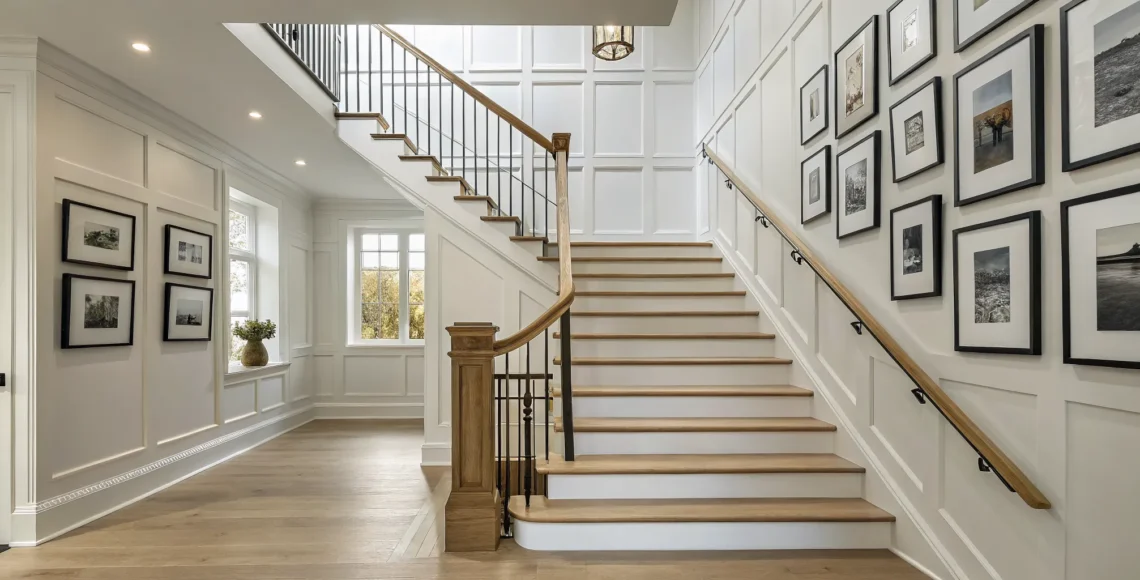
White modern wainscoting lining a staircase with wood steps and framed art.

The Modern Wainscoting Staircase: A Complete Guide

It’s the small details that truly define a home’s character. While a fresh coat of paint can brighten a room, it’s architectural elements that add real dimension and a sense of history. Your staircase is the perfect canvas for this kind of upgrade. Adding wainscoting introduces a layer of custom millwork that feels both timeless and completely current. A modern wainscoting staircase isn’t about stuffy ornamentation; it’s about clean lines, sophisticated proportions, and the subtle interplay of light and shadow. It’s a powerful way to turn a plain wall into a feature that feels intentional and thoughtfully designed.

Key Takeaways

  • Invest in both beauty and durability: Wainscoting is a smart upgrade that adds architectural elegance while protecting your walls from daily scuffs, making it a lasting and practical addition to a high-traffic staircase.
  • Tailor the style to your home: Modern wainscoting is incredibly versatile, so you can move beyond traditional looks. Choose from minimalist flat panels, classic board and batten, or a custom geometric pattern to create a design that reflects your personal aesthetic.
  • Meticulous details create a high-end finish: Achieving a polished, custom look depends on getting the proportions right. Pay close attention to the height, layout on angles, and how the design connects with your home’s existing millwork for a seamless result.

What Is Modern Wainscoting for a Staircase?

If you’re looking for a way to bring architectural interest and a touch of luxury to your home, your staircase is the perfect place to start. Staircase wainscoting is a type of wall paneling that covers the lower portion of the wall along your stairs. While it has historical roots, modern wainscoting has shed its purely traditional feel to become one of the most impactful home upgrades you can make. It’s a design element that adds elegance, protects your walls from scuffs, and contributes to the long-term value of your home.

Unlike a simple coat of paint, wainscoting introduces texture, depth, and character. It’s a custom feature that can be tailored to fit any interior style, from minimalist to transitional. Modern interpretations often play with clean lines, geometric patterns, and sophisticated finishes, turning a functional part of your home into a stunning focal point. It’s about creating a bespoke look that feels both current and timeless, perfectly reflecting your personal aesthetic.

Wainscot vs. Wainscoting: A Quick Clarification

You’ve probably heard these terms used interchangeably, and for the most part, everyone will know what you mean. But if you want to get specific, there is a small difference. Think of “wainscot” as the raw material—the wood panels, molding, or trim pieces you’ll be using for the project. “Wainscoting,” on the other hand, refers to the finished design element after those materials have been installed on the wall. It’s similar to the distinction between tile and tiling. Knowing the difference helps clarify conversations with your designer and contractor, ensuring everyone is on the same page when discussing materials versus the final architectural application.

Why Is This Trend So Popular?

Modern wainscoting is so popular because it delivers on both style and substance. It’s a smart upgrade that adds a layer of architectural elegance while also protecting your walls from the inevitable scuffs and bumps in a high-traffic area like a staircase. Unlike a simple coat of paint, wainscoting introduces texture, depth, and character, creating a custom feature that feels intentional. At Freddie Ramon, we find that its versatility is a major draw for our clients. It can be tailored to fit any interior style, from clean and minimalist flat panels to a more classic board and batten look, making it a lasting and practical addition that truly enhances your home’s value.

Modern vs. Traditional: What’s the Difference?

Wainscoting is a beautiful way to decorate staircase walls, but not all styles are the same. Traditional wainscoting, like you might see in a Colonial or Victorian home, often features ornate details, raised panels, and intricate moldings. It’s designed to feel classic and decorative.

Modern wainscoting, on the other hand, leans into simplicity and clean lines. Think flat panels, board and batten with crisp edges, or even sleek, seamless designs. The focus is less on ornamentation and more on form and proportion. This minimalist approach allows the architecture to speak for itself, creating a sophisticated backdrop that complements a contemporary home without overwhelming it. The right style for you depends entirely on your home’s character and the story you want to tell.

More Than Just Looks: The Benefits of Wainscoting

Beyond its obvious beauty, wainscoting is incredibly practical, especially in a high-traffic area like a staircase. It acts as a durable barrier, protecting your walls from the daily wear and tear of scuffs, fingerprints, and bumps. This means less time spent on touch-ups and repairs down the line.

Aesthetically, wainscoting is a powerful design tool. It can create a dramatic look, especially when you play with contrasting paint colors to make the architectural details pop. It also helps unify your space by connecting the design of your staircase with other rooms in your home, creating a harmonious flow. Best of all, this is a lasting investment. With proper care, high-quality wainscoting can look beautiful for decades, adding enduring value and style to your home.

Find Your Style: Modern Wainscoting Ideas for Stairs

Choosing the right wainscoting is about finding a style that speaks to your home’s unique character and your personal taste. Modern wainscoting isn’t a one-size-fits-all solution; it’s a versatile design element that can range from understated and sleek to bold and artistic. The beauty lies in its ability to adapt. Whether you’re drawn to clean, crisp lines or intricate, custom patterns, there’s a modern style that will transform your staircase from a simple passageway into a stunning architectural feature.

The key is to think about the overall feeling you want to create. Are you aiming for a bright, airy ambiance or a dramatic, moody one? Do you prefer subtle texture or a statement-making design? From the timeless appeal of board and batten to the custom artistry of geometric layouts, exploring these popular options is the first step toward defining your vision. Let’s look at a few styles that work beautifully in contemporary homes, each offering a distinct personality to refine your space.

The Clean Lines of Board and Batten

Board and batten is a classic for a reason. Its simple construction, featuring wide boards joined by narrow strips called battens, creates a clean, geometric pattern that feels both timeless and fresh. This style is incredibly versatile; you can adjust the spacing and size of the boards and battens to create different effects. For a truly modern look, consider wider spacing for a minimalist feel or painting it a deep, saturated color for a touch of drama. From modern board and batten to more traditional interpretations, this style provides a structured yet elegant backdrop that complements a wide range of interior designs.

Sleek and Simple: Flat Panel Wainscoting

If your aesthetic leans toward minimalism, flat panel wainscoting is an excellent choice. This style uses flat panels framed by simple, clean-edged stiles and rails, creating a smooth and uncluttered look. It’s all about subtlety and sophistication. Flat panel wainscoting offers a sleek and contemporary look that adds architectural interest without overwhelming the space. It’s the perfect canvas for showcasing statement lighting, artwork, or a beautifully crafted handrail. By focusing on clean lines and understated elegance, this style adds depth and dimension in a refined, quiet way.

The Timeless Elegance of Recessed Panels

For a look that balances traditional craftsmanship with modern sensibilities, recessed panel wainscoting is a perfect choice. This style features a central panel that is set lower than its surrounding frame, creating subtle shadow lines that add depth and dimension to your walls. It’s a more detailed look than flat panels but feels more restrained and contemporary than ornate raised paneling. This sophisticated design offers a sense of permanence and architectural integrity, making your staircase feel like a truly custom feature. The beauty of recessed panels lies in their focus on form and proportion, providing a tailored finish that complements a refined home interior.

Classic Charm with Beadboard

If you want to add texture and a touch of warmth to your staircase, beadboard is a wonderful option. Characterized by its distinctive vertical grooves, beadboard introduces a classic, charming feel that can make a space feel cozy and inviting. While often associated with cottage or coastal designs, it can be easily adapted for a modern home. Painting it a crisp, clean white can create a bright, airy look, while a deep, moody color can give it a dramatic and contemporary edge. As one of several popular wainscoting styles, beadboard is a versatile choice for adding character and visual interest to your staircase wall.

A Modern Take on Shiplap

Once associated primarily with rustic or coastal homes, shiplap has found its place in modern design. When applied as wainscoting, the horizontal lines of shiplap draw the eye upward, creating a sense of movement along the staircase. The key to making it feel contemporary is in the finish. A crisp white or light gray keeps it bright and airy, while a dark charcoal or black can create a bold, graphic statement. Shiplap provides a rustic yet chic aesthetic that introduces subtle texture and character, making it a fantastic choice for adding warmth to a minimalist space.

Go Bold with Geometric Designs

For those who want to make a true design statement, custom geometric or asymmetrical wainscoting is the ultimate expression of personal style. This approach moves beyond traditional squares and rectangles, embracing dynamic shapes like diamonds, triangles, or interlocking patterns. These designs turn your staircase wall into a piece of sculptural art, adding unique visual interest and a contemporary flair. Because this style is entirely custom, it offers an unparalleled opportunity to create something that is exclusively yours, perfectly tailored to the architecture of your home and your creative vision.

What’s the Best Material for Your Wainscoting?

The material you choose for your wainscoting does more than just look good; it sets the entire tone for your staircase. It’s about finding the perfect balance between beauty, durability, and the unique story of your home. Whether you’re drawn to the timeless warmth of natural wood or the sleek profile of modern composites, the right material will make your staircase a true architectural feature. Let’s walk through some of the best options to find the one that fits your vision.

For a Timeless Look: Premium Hardwoods

There’s a reason premium hardwoods like white oak, walnut, and mahogany are classics. They bring an unmatched warmth and character to a space, and their natural grain ensures no two installations are exactly alike. Hardwoods are incredibly durable, standing up to the daily traffic of a busy home while adding a sense of history and elegance. A solid wood wainscoting provides a substantial, high-end feel that can be stained to highlight its natural beauty or painted for a more contemporary look. This versatility makes it a fantastic investment that adds lasting value and aesthetic appeal to your home.

The Practical Choice: MDF and Engineered Wood

For a flawless, smooth finish, especially with painted wainscoting, Medium-Density Fiberboard (MDF) is an excellent choice. Because it’s an engineered product, MDF is free of knots and grain, creating a perfect canvas for paint. It’s also incredibly stable and less likely to expand or contract with changes in humidity, which means no cracked paint lines down the road. High-quality, moisture-resistant MDF is a smart and versatile option that allows for crisp, clean lines in modern designs. It’s a go-to material for achieving a polished, custom-built look without the potential imperfections of natural wood, making it one of the most reliable engineered wood products available.

For High-Traffic Areas: PVC and Composites

If you’re looking for a stylish solution with minimal upkeep, PVC and composite materials are fantastic modern alternatives. These materials are champions of durability, as they are resistant to moisture, dents, and scuffs, making them ideal for high-traffic areas or homes with kids and pets. They offer the clean, sharp look of painted wood but won’t warp, rot, or require repainting over time. Many modern composite materials are designed to convincingly mimic the look of traditional millwork, giving you the best of both worlds: timeless style and modern performance. This makes them a practical yet sophisticated choice for a busy household.

Get Creative with Mixed Materials

Why settle for just one material when you can combine them for a truly custom look? Mixing materials is a hallmark of modern design and a wonderful way to add personality and visual interest to your staircase. Imagine pairing the warmth of wood panels with the sleek, industrial edge of metal trim. Or, for a light and airy feel, you could integrate glass panels into your wainscoting design. This approach allows you to play with texture, color, and light, turning your staircase into a unique piece of art that reflects your personal style. It’s the perfect way to create a dynamic design that feels both intentional and completely original.

How Wainscoting Can Transform Your Staircase

A staircase is more than just a way to get from one floor to another; it’s a central architectural feature of your home. Wainscoting offers a brilliant way to turn this functional space into a stunning focal point. It’s a design element that adds texture, character, and a layer of sophistication that plain painted walls simply can’t match. By installing wainscoting, you’re not just decorating a wall, you’re fundamentally changing the feel of the space, making it feel more intentional, polished, and complete.

Whether your goal is to create a grand, dramatic entrance or a subtle, elegant transition, wainscoting provides the framework. It can guide the eye, protect your walls from daily wear and tear, and tie your home’s overall design story together. Let’s look at the specific ways this classic detail can completely reinvent your staircase.

Create Visual Height and Dimension

One of the most powerful effects of wainscoting is its ability to alter the perception of a space. The clean, vertical lines of paneling naturally draw the eye upward, making ceilings feel higher and the entire staircase more open and grand. This visual trick is especially effective in homes with standard ceiling heights. You can amplify this effect by playing with contrast. Imagine deep charcoal wainscoting against crisp white walls or pairing classic white panels with a rich, moody paint color above. This creates a dramatic look that adds depth and a bespoke feel to your entryway or hallway.

Making a Space Feel Bigger, Not Smaller

It might seem counterintuitive, but adding architectural detail like wainscoting can actually make your staircase feel more spacious. The key is in the visual effect. The structured lines of the paneling guide the eye, creating a sense of order and flow. When you install wainscoting, you’re not just adding to the wall; you’re fundamentally changing the feel of the space. To maximize this effect, stick to a classic rule of thumb: keep the wainscoting to the lower third of the wall. This proportion prevents the walls from feeling heavy. Painting the wainscoting and the wall above it in light, cohesive colors can further enhance the feeling of openness, making the entire area feel brighter and more expansive. It’s a sophisticated design strategy that adds character without sacrificing a sense of space, making the area feel polished and complete.

Protect Your Walls in Style

Stairwells are high-traffic zones, constantly subjected to fingerprints, scuffs from bags, and bumps from moving furniture. Wainscoting is an incredibly practical and elegant solution to this everyday problem. The durable wood or composite material acts as a protective barrier for the lower portion of your walls, which takes the most abuse. Instead of constantly touching up paint, you have a sturdy surface that’s easy to clean and maintain. This means your walls stay pristine for longer, all while adding a layer of refined, decorative style that looks intentional rather than purely functional.

Add Instant Architectural Character

A plain, unadorned staircase can feel like a missed design opportunity. Wainscoting instantly introduces architectural character and a sense of history, making your home feel more custom and thoughtfully designed. It adds layers of detail, from the clean lines of Shaker-style panels to the intricate profiles of traditional raised panels. This detail helps connect the design of your staircase to other millwork in your home, like crown molding or baseboards, creating a cohesive and harmonious flow between spaces. It’s a signature touch that signals quality craftsmanship and a commitment to detail.

Play with Light and Color

Wainscoting gives you a fantastic canvas for experimenting with light and color. The three-dimensional nature of the panels, stiles, and rails catches light in unique ways, creating subtle shadows that add texture and visual interest to a flat wall. You can use paint to create different moods. A monochromatic scheme, where the wainscoting and the wall above are the same color, offers a modern, textured look. Alternatively, using a different finish, like a semi-gloss on the wainscoting and a matte on the wall, creates a subtle yet sophisticated contrast. These wainscoting ideas allow you to infuse personality into your staircase, turning it into a true reflection of your style.

Popular Color Choices for Staircases

Choosing a paint color is where you can truly personalize your wainscoting. For a timeless and airy feel, you can never go wrong with classic off-whites, soft grays, or warm neutrals. These shades create a bright, clean backdrop that highlights the architectural details of the paneling without overwhelming the space. If you’re looking to make more of a statement, consider a deep, moody color like charcoal, navy blue, or a rich jewel tone. These dramatic hues turn the staircase into a sophisticated focal point, especially when the wainscoting’s three-dimensional panels catch the light and create subtle shadows. The key is to think about the mood you want to create and how the color will connect with the rest of your home’s palette.

Pairing Paint with Wallpaper

For a truly bespoke and layered look, consider pairing painted wainscoting with wallpaper. This combination adds texture, pattern, and personality in a way that paint alone cannot. The wainscoting provides a solid, grounding element on the lower portion of the wall, while the wallpaper above can introduce a beautiful print or a subtle texture. A great way to create a cohesive design is to pull a color from the wallpaper pattern and use it for the wainscoting paint. This technique ensures the two elements feel connected and intentional. This approach allows you to combine painted wainscoting with a pattern for a unique touch that feels both custom and timeless.

Get the Proportions Right: Height and Layout Tips

In custom design, proportion is everything. It’s the secret ingredient that makes a space feel harmonious and intentional. When it comes to wainscoting on a staircase, getting the scale and layout right is what creates that seamless, high-end finish. A staircase isn’t just a way to get from one floor to another; it’s a major architectural feature. The right wainscoting can highlight its form, but the wrong proportions can make it feel awkward and unbalanced.

Thinking through the height, angles, and transitions beforehand ensures the final result looks like it was always meant to be there. These details are what distinguish a standard installation from a truly bespoke design that complements your home’s unique character. Let’s walk through a few key considerations to help you achieve that perfectly tailored look.

How High Should Your Wainscoting Go?

One of the most common questions is how high to install staircase wainscoting. A good rule of thumb is to aim for a height between 32 and 42 inches, measured vertically from the nose of the stair tread. This range isn’t arbitrary; it’s designed to follow the natural slope of the stairs while aligning with a comfortable handrail height. This ensures the wainscoting feels balanced and integrated rather than like an afterthought. Following these design guide principles helps create a visually pleasing line that guides the eye upward.

The Traditional One-Third Rule

The one-third rule is a classic design guideline for a reason—it creates a beautifully balanced look. In a room with standard eight-foot ceilings, this means your wainscoting would typically be about 32 inches high. This proportion grounds the space, making it feel intentional and harmonious. This guideline is rooted in traditional design, where wainscoting often features ornate details and raised panels. It provides a decorative foundation for the room without overwhelming it. While modern design loves to break the rules, understanding this classic principle is the perfect starting point for making informed decisions about your own space.

Modern Approaches for Taller Ceilings

While the one-third rule is a great starting point, modern design is all about adapting principles to fit the space. In homes with taller ceilings—ten feet or more—sticking to a lower wainscoting can make it look undersized and out of scale. Instead, contemporary design often embraces taller wainscoting, sometimes reaching halfway up the wall or even higher, from 42 to 48 inches. This approach creates a more dramatic and luxurious feel that is proportional to the room’s grander scale. It works beautifully with simpler styles like board and batten or flat panels, where the height itself becomes the statement, drawing the eye upward and emphasizing the spaciousness of the room.

Getting the Proportions Right on an Angle

Installing panels on an angle presents a unique challenge. To maintain visual harmony, pay close attention to the dimensions of the rails, especially the lower one. A common recommendation is to keep the lower rail around eight inches high. It’s best to avoid installing a full-height lower rail that runs diagonally up the stairs, as this can create a heavy, overwhelming look that disrupts the staircase’s flow. Instead, the goal is to achieve a balanced composition that enhances the architecture. These expert tips for installing wainscot panels can help you manage these tricky angles.

How to Approach Slopes and Landings

The transitions between sloped sections and landings are where a meticulous layout really pays off. For a clean, professional finish, you need to establish a clear point where the top floor level meets the angled line of the staircase. This planning prevents awkward gaps or misalignments and ensures the design flows seamlessly from one area to the next. A proper layout is essential for achieving that polished, cohesive look that defines a custom-designed space. Taking the time to map this out will make all the difference in the final result.

Modern Wainscoting Trends to Watch

Wainscoting has come a long way from its traditional roots. Today, it’s a canvas for personal expression, offering endless ways to add character and sophistication to your staircase. The latest trends are all about breaking the old rules and embracing color, texture, and custom details that reflect your unique style. Whether you love a dramatic statement or a whisper of elegance, there’s a modern wainscoting approach that will feel right at home. Let’s look at a few of my favorite trends that are shaping staircase design right now.

Embracing Bold Color and Monochromatic Palettes

Forget the idea that wainscoting must be crisp white. One of the most exciting trends is the use of bold, saturated color. A deep charcoal, rich navy, or moody forest green can turn your staircase into a stunning focal point. This approach adds depth and a touch of drama, creating a luxurious and enveloping feel as you move between floors. For a more subtle yet equally chic look, try a monochromatic scheme. Painting the wainscoting and the wall above it in the same color creates a seamless, textured effect. This technique highlights the architectural detail of the panels without overwhelming the space, offering a sophisticated take on modern design. You can find plenty of wainscoting ideas to see how color can completely change the mood.

Less Is More: The Minimalist Panel Trend

Sometimes, the most powerful statement is the quietest one. Minimalist wainscoting, like flat panels or simple board and batten, champions the idea that less is more. This style focuses on clean lines and subtle dimension, adding architectural interest without any visual clutter. It’s a perfect match for contemporary homes, where it enhances the sense of openness and light. By keeping the design simple, you draw attention to the craftsmanship and the clean geometry of the staircase itself. This understated approach doesn’t just look beautiful; it also helps create a calm and serene atmosphere, proving that you don’t need ornate details to achieve a high-end look.

Experiment with Texture and Dimension

Modern wainscoting is a fantastic way to introduce another layer of texture to your home. Beyond the classic wood panels, you can explore materials with distinct grains, finishes, or even three-dimensional geometric patterns. Imagine the subtle play of light and shadow across fluted panels or the organic warmth of shiplap running up the stairs. This added element of texture gives the eye something interesting to appreciate and makes the space feel more dynamic and thoughtfully designed. Pairing a smooth, matte wall with the structured lines of wainscoting creates a beautiful contrast that feels both timeless and completely fresh.

Make It Yours with Custom Millwork

Your home should be a reflection of you, and your staircase is no exception. Custom millwork allows you to design wainscoting that is perfectly tailored to your space and vision. This is your chance to create something truly unique, whether it’s an asymmetrical geometric pattern that climbs the wall or panels designed to fit an unusually shaped staircase perfectly. Working with a designer on custom millwork ensures every detail is considered, from the proportions to the finish. It transforms wainscoting from a simple wall treatment into a bespoke piece of architectural art that makes your entire home feel more personal and refined.

Beyond Wainscoting: Broader Modern Staircase Trends

While wainscoting is a powerful tool for transforming your staircase, it’s just one piece of the design puzzle. The most stunning staircases are those where every element works in harmony, from the materials underfoot to the light that guides your way. Modern design is pushing the boundaries of what a staircase can be, blending artistry with cutting-edge technology and a renewed focus on mindful living. Thinking beyond the walls allows you to create a truly integrated and impactful feature. These broader trends are shaping the future of staircase design, offering exciting new ways to make your home feel both current and timeless.

Sustainable and Eco-Friendly Materials

Luxury is no longer just about appearance; it’s also about making conscious choices. There’s a growing appreciation for materials that are both beautiful and kind to the planet. Think reclaimed wood with a rich history, fast-growing bamboo, or even recycled metal and glass. These materials bring a unique story and organic texture to your home. This focus on sustainability isn’t about sacrificing style; it’s about creating a space that feels grounded, authentic, and thoughtfully curated. It’s a design choice that feels good and looks incredible.

Integrated LED Lighting

Lighting can completely change the mood of a space, and the staircase is no exception. Integrated LED lighting is a sleek, modern trend that is both beautiful and functional. Lights can be built directly into the stair treads, along the wall, or underneath the handrail, casting a soft, ambient glow. This not only highlights the architectural lines of your staircase but also adds a crucial layer of safety for navigating stairs at night. It’s a sophisticated touch that feels custom-built and adds a subtle sense of drama to your home.

Smart Staircases

As our homes become more connected, it only makes sense that our staircases would follow suit. Smart staircases integrate technology like motion sensors that activate lights as you approach or connect to your central smart home system. This isn’t about adding unnecessary gadgets; it’s about creating a home that is more intuitive and responsive to your needs. Imagine lights that dim automatically at night or alerts that enhance safety. This is where high-end design meets intelligent living, offering a seamless blend of convenience and modern luxury.

Hidden Under-Stair Storage

One of the smartest design trends is making the most of every square inch of your home. The space under the stairs, often overlooked, is a goldmine of opportunity. Custom-built drawers, cabinets, or even a hidden reading nook can transform this area from wasted space into a functional and stylish feature. This approach is perfect for maintaining a clean, uncluttered aesthetic. By creating clever, hidden storage, you get all the practicality you need without compromising on your home’s sophisticated, minimalist style.

Glass Balustrades for an Open Feel

If you want to create a bright, airy, and open feel in your home, glass balustrades are a game-changer. Replacing traditional wood or metal spindles with strong, clear glass panels allows light to flow freely between floors, making the entire space feel larger and more connected. This minimalist approach puts the focus on the architecture of the staircase itself, creating a clean, contemporary look. It’s a perfect choice for modern homes where maximizing natural light and maintaining an uncluttered visual line are top priorities.

Staircase Trends to Leave Behind

Just as new trends emerge, some older styles naturally fall out of favor. The shift in modern design is toward clean lines and understated elegance. Overly grand, sweeping staircases and highly ornate, detailed railings can sometimes feel dated in a contemporary home. The focus now is less on elaborate decoration and more on beautiful materials, thoughtful proportions, and impeccable craftsmanship. It’s about creating a sophisticated statement through simplicity rather than ornamentation, letting the quality of the design speak for itself.

Planning Your Project: Practical Considerations

Moving from inspiration to reality is an exciting step, but it requires careful planning to ensure the final result is everything you envisioned. A staircase renovation is a significant project, and thinking through the details beforehand will save you time, stress, and potential disappointment. From deciding who will do the work to choosing the perfect paint color, each decision plays a crucial role in achieving a high-end, professional finish. Let’s walk through some of the practical steps to help you get started on the right foot.

DIY vs. Hiring a Professional

The appeal of a DIY project is strong, but a staircase is one area where precision is non-negotiable. The complex angles, precise measurements, and seamless finish required for custom millwork are often best left to the experts. For a project where every detail contributes to the final look, partnering with a design firm like ours at Freddie Ramon ensures your vision is executed flawlessly. We specialize in creating custom solutions that are meticulously planned and crafted, handling all the complexities so you can simply enjoy the transformation of your home.

Budgeting for Your Project

Understanding the investment required for your project is a critical first step. The cost of a staircase renovation can vary widely based on several factors: the materials you choose, the complexity of your wainscoting design, and the labor involved. Premium hardwoods will naturally be a larger investment than MDF, and a custom geometric pattern will require more intricate work than simple board and batten. It’s helpful to get detailed quotes that break down these costs, so you can make informed decisions that align with both your budget and your aesthetic goals.

The “Feign-scoting” Paint Alternative

If you’re not quite ready to commit to full millwork, or if you simply want to test out a look, there’s a clever paint technique you can try. Known as “feign-scoting,” this method involves using paint to create the illusion of wainscoting. You can paint the lower portion of the wall a different color or finish and even add a thin piece of chair rail molding to define the line. It’s a low-commitment way to experiment with color and proportion and see how a two-toned wall might feel in your space before you invest in custom paneling.

Always Start with Samples

Paint colors and material finishes can look dramatically different in your home than they do online or in a showroom. Lighting, wall texture, and surrounding decor all play a role in how a color or material will ultimately look and feel. Before making any final decisions, always get samples. Paint large swatches on the wall and observe them at different times of day. If you’re considering wood or composite materials, get physical samples to see their quality and texture firsthand. This simple step is the best way to ensure you’ll love the final result.

How to Avoid Common Wainscoting Mistakes

Wainscoting can completely transform a staircase, but a few common missteps can keep it from looking its best. Achieving that polished, high-end finish is all about paying attention to the details from the very beginning. When you get the proportions, materials, and installation right, your wainscoting will feel like a natural and intentional part of your home’s architecture. Let’s walk through some key mistakes to avoid so your project looks flawless. By keeping these tips in mind, you can ensure your staircase becomes a stunning focal point for all the right reasons.

Mistake #1: Incorrect Proportions

One of the quickest ways a wainscoting project can go wrong is with incorrect proportions. If the height is off, it can make your ceilings feel lower or throw the entire staircase out of balance. A general guideline is the “rule of thirds,” where the wainscoting covers the bottom third of the wall, but this isn’t a strict rule. For staircases, the angle adds another layer of complexity. The key is to create a design that complements the scale of your space. A successful staircase design feels harmonious with the home’s overall style, so take time to map out the height and layout before you begin.

Mistake #2: Choosing the Wrong Material

The material you choose impacts both the look and longevity of your wainscoting. While solid hardwoods like oak or walnut offer timeless beauty, they can be sensitive to environmental changes. High-quality MDF is a fantastic, stable alternative that provides a perfectly smooth surface for paint. When making your decision, think about your home’s environment and lifestyle. For a busy household, a more durable material that can withstand scuffs and bumps is essential. Considering the best materials for wall paneling early on will help you find the perfect balance between elegance and practicality for your space.

Mistake #3: Overlooking Tricky Installation Spots

Installing wainscoting on a staircase requires incredible precision, especially when navigating angles, corners, and landings. Proper wall preparation is non-negotiable. Before you start, make sure the walls are smooth, clean, and completely dry to prevent any future warping or adhesion problems. The angled cuts where the panels meet the stair stringer and baseboards must be exact to avoid unsightly gaps. This is where professional craftsmanship truly shines. A meticulous trim carpentry installation ensures every piece fits together seamlessly, creating clean lines that flow beautifully up the stairs.

Mistake #4: Forgetting a Cohesive Design

For your wainscoting to feel truly integrated, it needs to connect with your home’s existing architectural style. Look at the other details in your space, like crown molding, door casings, and window trim. The style of your wainscoting should complement these elements, not compete with them. Think about how color and texture will play a role, too. You might paint the wainscoting a crisp white for a classic look or a bold, moody color for a dramatic statement. The goal is to create a cohesive interior where the staircase wainscoting enhances the overall design story of your home.

Keeping Your Staircase Wainscoting Looking Its Best

Your staircase wainscoting is more than just a beautiful design choice; it’s a hardworking element that brings both architectural grace and practical protection to one of the busiest areas of your home. Think about it: the staircase sees daily traffic, from hands gliding along the wall to the occasional bump from a suitcase or vacuum cleaner. This is where your wainscoting truly shines, guarding your walls against scuffs and wear while maintaining its elegant appearance. Keeping it looking pristine doesn’t require a complicated routine or harsh chemicals. In fact, a little consistent care is all it takes to preserve its beauty and ensure it remains a stunning focal point for years to come.

Whether your wainscoting is crafted from rich hardwood, sleek modern panels, or another custom material, the principles of care are largely the same: be gentle and be consistent. By creating a simple maintenance plan, you prevent small issues from becoming noticeable problems. This proactive approach ensures the longevity of the finish and the material itself, so you can enjoy the added dimension and character it brings to your space without worrying about premature aging. It’s about celebrating the details that make your house a home and giving them the attention they deserve. With just a few easy steps, you can keep this key architectural feature in perfect condition.

Your Day-to-Day Cleaning Routine

The key to beautiful wainscoting is regular, gentle cleaning. For most materials, especially wood, a monthly dusting with a soft microfiber cloth is all you need to prevent dust from settling into the details. If you notice smudges or grime from daily life, you can do a slightly deeper clean. Simply mix a few drops of a mild dish soap with warm water. Dip a soft sponge or cloth into the solution, wring it out well so it’s just damp, and gently wipe down the surface. This simple method for cleaning paneling is effective without being harsh. The most important step is to avoid soaking the material, which protects its finish and integrity.

Quick Fixes for Scuffs and Scratches

Life happens, and scuffs along a busy staircase are almost inevitable. Luckily, minor marks are often an easy fix without needing to call a professional. For light scratches on wood, try a simple home remedy: mix a bit of distilled white vinegar with olive or vegetable oil. Dab a small amount onto a soft cloth and gently rub it over the scuff in a circular motion. This can help diminish its appearance and blend it back into the finish. For deeper gouges, a wood filler that matches your wainscoting’s color is your best bet. It’s a straightforward way to restore a smooth, flawless surface and keep your wooden railings and panels looking their best.

Long-Term Care for Lasting Beauty

Long-term care is all about consistency and attention to detail. After any wet cleaning, always go back over the surface with a clean, dry cloth to remove any leftover moisture or cleaning solution. This simple step prevents residue from building up, which can dull the finish over time. This principle of a final wipe-down is crucial for maintaining the appearance of any material, from painted MDF to more resilient composites. Once in a while, take a moment to inspect the wainscoting for any signs of wear or damage. Catching small issues early allows you to address them quickly, ensuring your staircase remains a testament to timeless style and quality craftsmanship.

Related Articles

Frequently Asked Questions

Is wainscoting a timeless design choice, or will it look dated soon? Wainscoting is a true classic, and its modern interpretations are designed to last. Unlike fleeting trends, modern wainscoting focuses on clean lines, strong proportions, and architectural integrity, which are always in style. By choosing a simple, elegant design like flat panels or board and batten, you are adding a permanent architectural feature that enhances your home’s character for the long haul.

My home has a very minimalist style. Will wainscoting look too traditional? Not at all. This is a common misconception, but modern wainscoting is actually a perfect fit for minimalist interiors. Styles that emphasize clean lines and subtle dimension, like flat panel or shiplap, add a layer of texture and sophistication without any visual clutter. It’s a way to bring depth to your walls while honoring the simplicity of your home’s design.

What factors influence the cost of a custom wainscoting project? The final investment for a custom project depends on a few key variables. The material you select is a primary factor, as premium hardwoods will differ in price from high-quality engineered options like MDF. The complexity of the design also plays a significant role; an intricate geometric pattern, for example, requires more craftsmanship than a simple board and batten layout. Finally, the overall size and scale of your staircase will help determine the scope of the work.

How do I choose the right height for my staircase wainscoting? The key is to find a height that feels proportional to your space and follows the natural angle of the stairs. A good starting point is typically between 32 and 42 inches measured vertically from the front edge of the stair tread. However, the ideal height really depends on your ceiling height and the overall scale of your entryway. The goal is to create a visually pleasing line that feels intentional and perfectly integrated with your home’s architecture.

Besides looking beautiful, what are the practical benefits of adding wainscoting to my stairs? It’s definitely more than just a decorative element. Wainscoting is incredibly practical, especially in a high-traffic zone like a staircase. It acts as a durable shield for the lower part of your walls, protecting them from the inevitable scuffs, fingerprints, and bumps of daily life. This means you’ll spend far less time on paint touch-ups, making it a smart and stylish investment that keeps your home looking pristine.
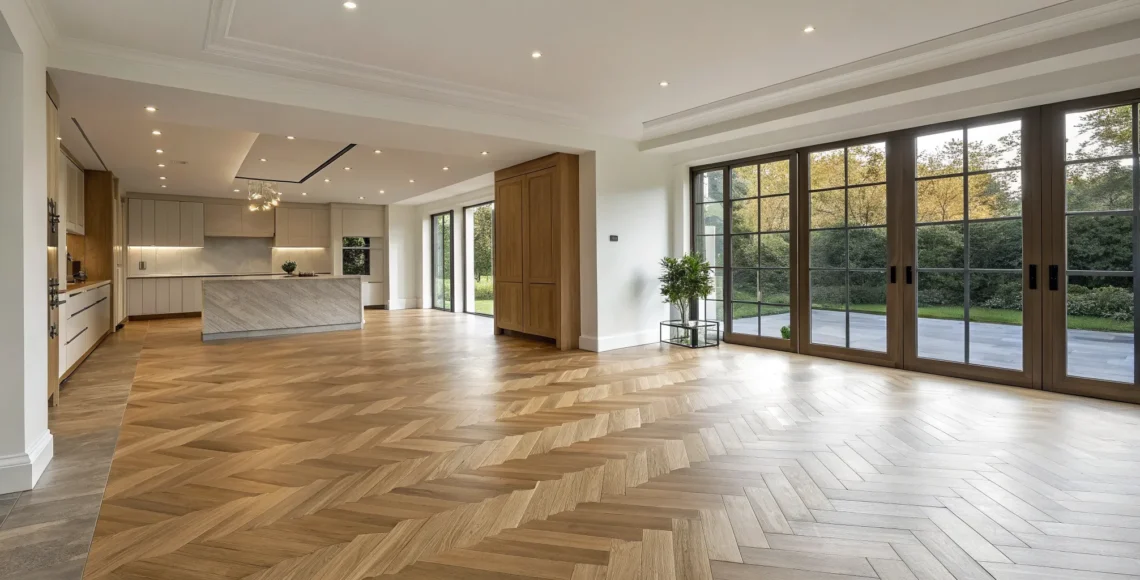
Herringbone hardwood flooring in a modern luxury open-concept design.

The Designer’s Guide to Modern Luxury Flooring

Your Las Vegas home deserves floors that are both beautiful and incredibly tough. The desert climate isn’t kind—intense sun and dry air can be brutal on the wrong materials. This is why choosing the right modern luxury flooring is so critical. It’s not just about looks; it’s about finding sophisticated designs that offer real, long-lasting durability. Forget worrying about wear and tear. We’ll guide you through the best options, from natural stone that stays cool underfoot to engineered hardwoods built for stability, ensuring your floors are a perfect fit for desert living.

Key Takeaways

  • Expand your definition of luxury flooring: High-end materials now go beyond classic hardwood and stone. Sophisticated options like luxury vinyl and large-format porcelain tile offer incredible durability and style, proving modern innovation can be just as elegant.
  • Select flooring that suits your real life: The best choice combines beautiful design with everyday practicality. Consider how natural stone stays cool in the desert heat or how waterproof luxury vinyl provides a worry-free foundation for busy kitchens and bathrooms.
  • Look beyond the material cost for true value: A smart investment includes professional installation to protect your warranty and leveraging a designer’s expertise to access better pricing and prevent costly mistakes.

So, What Exactly Is Modern Luxury Flooring?

Flooring is the foundation of your home’s design, setting the tone for every room. Modern luxury flooring is more than just aesthetics; it’s a long-term investment in quality, durability, and a style that reflects you. When you select high-end flooring, you’re not just picking a surface to walk on. You’re curating an experience and building a backdrop for your life’s moments. It’s about finding that perfect blend of artistry and function that feels both timeless and personal, creating a space that is uniquely yours.

What Makes Flooring Feel Luxurious?

What defines luxury flooring? It comes down to superior materials, exceptional craftsmanship, and lasting performance. A great luxury home begins with a thoughtful flooring plan that is both beautiful and practical. These floors are made from high-quality raw materials, whether it’s rare hardwood or advanced vinyl designed to mimic natural textures. Because they are built to last, they perform beautifully in busy areas of the home. This durability ensures your investment looks stunning for years and adds tangible value to your property.

How Today’s Flooring Styles Have Changed

Flooring design has become much more expressive. While classic neutrals remain popular, we’re seeing a wonderful shift toward more personality and texture. Homeowners are embracing bolder colors, from deep navy blues to rich olive greens, to make a statement. Texture is also playing a leading role, with options ranging from the subtle grain of white oak to the dramatic veining of marble. These textured flooring options add depth and character to a room, creating a dynamic space and letting your floors become a central feature of your design.

Is Sustainable Flooring the New Luxury?

Conscious living and luxury design now go hand in hand. There is a growing appreciation for flooring made from sustainable and eco-friendly materials, and the industry has responded with incredible options. This includes reclaimed wood with a rich history and rapidly renewable resources like cork and bamboo. Even manufactured products are part of this movement, with many luxury vinyl producers committed to sustainability. Choosing a sustainable floor means you don’t have to compromise on style to make an environmentally friendly choice for your home.

The Benefits of Cork Flooring

Cork is a fantastic choice if you prioritize comfort and sustainability. Harvested from the bark of the cork oak tree, it’s a renewable resource that brings a soft, warm feel to any room. One of its greatest strengths is its natural ability to insulate, which helps keep your home cooler during our hot Las Vegas summers and adds a cozy touch in the winter. It’s also excellent at soundproofing, making it a perfect material for bedrooms or second-floor media rooms where you want a quieter atmosphere. While cork offers a unique and comfortable surface to walk on, it’s important to know that it is softer than hardwood or tile and can show wear over time, so it’s best suited for lower-traffic areas.

Why Choose Bamboo?

For those who love a clean, contemporary look, bamboo flooring is an excellent eco-friendly option. As a rapidly growing grass, bamboo is a highly sustainable material that regenerates quickly after harvesting. It offers a distinct visual style with its straight, narrow grain, creating a sleek and modern foundation for your design. Available in a variety of natural and stained finishes, bamboo can adapt to different color palettes. While it provides a beautiful and unique aesthetic, it’s generally not as durable as traditional hardwoods or stone. This makes it a wonderful choice for spaces where you want to make a stylish, environmentally conscious statement, but perhaps not the best fit for high-traffic zones like your main entryway or kitchen.

Which Luxury Flooring Material Is Right for You?

The right flooring does more than just support your furniture; it sets the entire tone for your home. It’s the canvas on which your life unfolds, and choosing the perfect material is one of the most impactful decisions in any design project. When we partner with clients, we focus on options that blend impeccable style with lasting performance. From the timeless warmth of exotic woods to the sleek, modern appeal of large-format tiles, today’s luxury materials offer incredible versatility. Let’s look at some of our favorite choices that consistently deliver that perfect foundation for a sophisticated space.

Why We Still Love Hardwood Floors

There’s an undeniable warmth and character that comes with hardwood flooring. For a truly distinct look, we often turn to exotic hardwood flooring, which includes stunning varieties like Brazilian cherry or Tigerwood. These materials bring a depth of color and intricate grain patterns you just can’t find in standard oak or maple. They create a rich, textured foundation that feels both classic and worldly. Choosing an exotic wood means your floor becomes a statement piece in its own right, adding a layer of bespoke elegance that complements a custom-designed home beautifully. It’s a choice that grounds your space in natural luxury and timeless appeal.

Hand-Scraped Wood for a Textured Look

For a floor with incredible depth and personality, hand-scraped wood is a fantastic choice. This style is crafted to look as though it was shaped by hand tools, giving each plank a unique, undulating texture that you can see and feel. It’s perfect for adding a touch of rustic character to a modern home, creating a beautiful contrast with clean lines and contemporary finishes. The inherent imperfections, like subtle scrapes and knots, aren’t flaws—they’re the very details that make the floor so charming. This style is also incredibly forgiving in high-traffic areas, as everyday wear and tear simply blends into its existing character, making it a strong and durable option for a busy household.

The Character of Reclaimed Hardwood

If you love design with a story, reclaimed hardwood is an unparalleled option. Sourced from old structures like barns, factories, and warehouses, this wood brings a rich history right into your home. Because it repurposes existing materials, it’s an inherently sustainable choice that prevents the need to harvest new trees. Each plank is truly one-of-a-kind, bearing the marks of its previous life through nail holes, saw marks, and a weathered patina. This isn’t just flooring; it’s a piece of history that adds immense character and a sense of soul to a space. Choosing reclaimed hardwood ensures your home’s foundation is as unique as you are.

Sustainable Sourcing and FSC Certification

Whether you choose new or reclaimed wood, making an environmentally conscious choice is a hallmark of modern luxury. When selecting new hardwood, it’s important to look for materials that are sustainably sourced. The best way to ensure this is by choosing products certified by the Forest Stewardship Council (FSC). This certification guarantees that the wood comes from forests that are managed responsibly, protecting ecosystems, wildlife, and the communities that depend on them. Opting for FSC-certified hardwood means you are investing in a high-quality material that is not only beautiful and durable but also ethically harvested, aligning your home’s design with a commitment to environmental stewardship.

Using Hardwood with Heated Floors

Many of our clients in Las Vegas love the comfort of heated floors, and the good news is you don’t have to sacrifice the beauty of hardwood to have them. While it requires careful planning, wood flooring is compatible with radiant heating systems. The key is selecting the right type of wood—engineered hardwood is often preferred for its stability—and ensuring a proper installation that allows for the wood’s natural expansion and contraction with temperature changes. This is where professional guidance is essential to maintain the integrity of both your flooring and the heating system. When done correctly, you can enjoy the timeless appeal of wood floors with the added touch of uniform, gentle warmth underfoot.

Making a Statement with Natural Stone

For a look that is both grand and enduring, nothing compares to natural stone. Materials like marble, granite, and travertine have been symbols of luxury for centuries for a reason. Each slab is completely unique, with its own veining and color variations, ensuring your floor is a one-of-a-kind work of art. Beyond its stunning appearance, natural stone flooring is incredibly durable and easy to maintain. Here in Las Vegas, it offers another distinct advantage: it stays pleasantly cool underfoot, providing a refreshing escape from the desert heat. It’s a practical choice that feels anything but, lending a sense of permanence and sophistication to any room.

Granite vs. Marble: Pros and Cons

Choosing between granite and marble is a classic design dilemma, as both offer a distinct sense of luxury. The best fit often comes down to the room’s function. Granite is a powerhouse known for its incredible strength and resistance to scratches and heat, making it an excellent choice for busy kitchens and grand entryways. It can handle daily wear and tear with grace. In contrast, marble offers an unmatched softness and elegance. While it’s perfect for creating a serene, spa-like atmosphere in a primary bathroom, it is a softer stone and more prone to scratching and etching. We guide our clients to think about their lifestyle—if you have a bustling household, granite’s resilience might be the better choice for common areas, while marble can be a stunning, delicate touch in more private spaces.

Exploring Durable Quartzite

If you love the look of marble but need the toughness of granite, quartzite is a fantastic solution. This natural stone beautifully bridges the gap between the two. Quartzite is as tough as granite and is suitable for busy areas, offering the aesthetic appeal of softer stones while maintaining incredible durability. It often features the delicate, sweeping veins associated with marble, giving you that high-end look without the worry. Because it’s so resilient, quartzite is an excellent material for kitchen floors, countertops, and other high-traffic zones where you want to make a sophisticated statement without compromising on performance. It’s a choice that truly delivers both form and function.

The Outdoor Appeal of Sandstone

Creating a seamless flow between your indoor and outdoor living areas is key to the Las Vegas lifestyle, and sandstone is a perfect material for the job. With its naturally slip-resistant texture and earthy tones, sandstone is particularly well-suited for outdoor spaces, making it a great option for patios, pool decks, and walkways. It has a warm, organic feel that complements desert landscaping beautifully, helping to create a tranquil and inviting oasis. When properly sealed, it stands up well to the elements while providing a safe, comfortable surface underfoot. Using sandstone allows you to extend your home’s luxurious feel into your outdoor retreat, blurring the lines between inside and out.

The Surprising Elegance of Luxury Vinyl

Luxury vinyl has completely transformed in recent years, becoming a top contender for sophisticated, modern homes. Forget the vinyl of the past; today’s high-end planks and tiles are engineered to flawlessly mimic the appearance of natural wood or stone. The key difference is the feel. Luxury vinyl tiles offer a warmer, more comfortable surface underfoot than their natural counterparts. They are also exceptionally durable, slip-resistant, and simple to clean, making them a perfect fit for busy households that don’t want to compromise on style. It’s a smart, practical material that delivers a high-end aesthetic with everyday livability.

Types of Luxury Vinyl Tile (LVT, VCT, SVT)

When we talk about luxury vinyl in a residential setting, we are almost always referring to LVT, or Luxury Vinyl Tile. This is not the sheet vinyl you might remember from decades past. Modern LVT is a high-performance product engineered to look and feel remarkably like natural materials, from the warm grain of white oak to the cool veining of marble. It offers a more comfortable, cushioned feel underfoot than ceramic tile and has a slip-resistant surface, making it a safe and practical choice for any area of the home. Because it’s so durable and easy to clean, we often recommend it for high-traffic or moisture-prone spaces like kitchens, bathrooms, and home gyms. It’s a material that truly delivers on both sophisticated style and everyday functionality.

The Practicality of Patterned Vinyl

A patterned floor is a fantastic way to introduce personality into a room, but its benefits go far beyond aesthetics. From a practical standpoint, patterned LVT flooring is incredibly forgiving. The designs are excellent at hiding the minor dust, scuffs, and spills that are a part of daily life, making them a smart choice for busy households. This makes them ideal for spaces that see a lot of action, like laundry rooms, mudrooms, or even a playful powder room. A subtle geometric or a classic checkerboard pattern can add a layer of visual interest while simplifying your cleaning routine, proving that a stylish design choice can also be the most practical one.

Go Big with Large-Format Porcelain Tile

If you love a clean, seamless, and contemporary look, large-format porcelain tile is an excellent choice. Using oversized tiles creates fewer grout lines, which makes a room feel more spacious and visually uncluttered. This sleek effect is perfect for modern and minimalist design schemes. Porcelain is also one of the strongest and most durable materials available, resisting scratches, stains, and moisture with ease. Plus, advanced manufacturing techniques mean large-format porcelain tiles can replicate the look of expensive marble or textured stone without the demanding upkeep, giving you both high style and high performance.

The Artistry of Designer and Glass Tiles

For a truly personalized touch, designer tiles offer a canvas for creativity right at your feet. Think of them as functional art. Whether you prefer intricate handmade patterns, the rich history of reclaimed tiles, or the luminous quality of glass, the options are nearly limitless. High-quality designer ceramic floor tiles are not only beautiful but also incredibly practical—they are strong, water-resistant, and easy to clean, making them ideal for kitchens, bathrooms, and entryways. We love working with clients to create custom mosaics or select unique tile combinations that tell a story and reflect their personal style, turning a simple floor into a stunning focal point of the home.

The Sleek Look of Polished Concrete

Polished concrete delivers a clean, minimalist aesthetic that feels both industrial and incredibly chic. It’s a fantastic choice for creating a seamless flow throughout a modern home, especially in open-concept spaces. Beyond its sleek appearance, polished concrete is exceptionally strong and simple to maintain, which is a huge plus for a busy lifestyle. In our warm Las Vegas climate, it provides a cool surface underfoot during the summer months. And for those cooler desert nights, it pairs beautifully with radiant heating systems, offering a comfortable warmth that radiates through the space. It’s a versatile foundation that is both stylish and built to last.

The Timeless Beauty of Terrazzo

There is a special kind of charm to terrazzo that feels both nostalgic and completely current. This composite material, made by mixing chips of marble, glass, or stone into a binder and polishing it smooth, creates a surface that is truly one-of-a-kind. Each installation has a unique pattern and color combination, offering a bespoke finish that can be tailored to any design palette. Terrazzo is also incredibly hard and durable, making it a wonderful long-term investment for high-traffic areas. Its timeless appeal and custom nature make it a favorite for clients who want a floor that is as much a piece of art as it is a functional surface.

Who Makes the Best Modern Luxury Flooring?

Finding the right flooring manufacturer is about more than just picking a brand; it’s about finding a partner in quality and craftsmanship. The “best” supplier truly depends on your home’s unique needs, your lifestyle, and the specific aesthetic you want to achieve. Over the years, we’ve built strong relationships with a select group of artisans, manufacturers, and suppliers who consistently meet our high standards for excellence. This curated network allows us to source exceptional materials that not only look beautiful but also perform beautifully for years to come. Instead of you having to sort through endless options, we connect you directly with the makers and materials best suited for your project, ensuring every detail is perfect.

The Brands We Trust and Recommend

Choosing the right flooring is a foundational decision in any luxury home design. It sets the tone for the entire space and must balance stunning aesthetics with practical durability. That’s why we don’t work with just anyone. Our partners are carefully selected based on their commitment to craftsmanship, material quality, and innovative design. By collaborating with a trusted network, we ensure a seamless process from selection to installation. This approach gives you access to premier materials and artisans you might not find on your own, guaranteeing your flooring is a true reflection of sophisticated, modern living.

The Best Brands for Artisan Hardwood

There is a timeless warmth and character to hardwood that is hard to replicate. We partner with artisan specialists who treat wood as an art form, from sourcing rare and exotic hardwoods with rich colors and unique grain patterns to crafting high-performance engineered planks. For the Las Vegas climate, engineered hardwood is an excellent choice, as its stable core resists the warping that can occur with extreme temperature shifts. Our partners are masters at their craft, delivering custom finishes and layouts that transform a simple floor into a statement piece for your home.

Our Go-To Stone and Tile Makers

For a look that is both dramatic and enduring, natural stone and high-end porcelain are unparalleled. We source these materials from premier manufacturers known for their exceptional quality and breathtaking designs. Natural stone, like marble or travertine, offers an old-world elegance and is incredibly durable, making it a lasting investment. For a more contemporary feel, we often recommend large-format porcelain tiles, which create a clean, seamless look with minimal grout lines. Our connections with top-tier suppliers give us access to the finest slabs and tiles, ensuring your floors have a truly luxurious and custom feel.

Who’s Leading the Way in Luxury Vinyl?

Modern luxury vinyl is a testament to how far flooring technology has come. The leading manufacturers today are true innovators, creating products that are nearly indistinguishable from natural wood and stone. We work with brands that are at the forefront of this technology, offering incredibly realistic visuals and textures combined with exceptional durability. High-end vinyl is waterproof, scratch-resistant, and comfortable underfoot, making it a practical yet sophisticated choice for any room. By debunking the myths around vinyl, we can show you how it offers a modern, attractive, and resilient alternative for a luxury home.

Recognizing Quality with Industry Awards

When you’re investing in your home, you want assurance that you’re choosing the best. While marketing can make any brand sound impressive, industry awards provide an unbiased measure of true excellence. These accolades are given by design and manufacturing experts who recognize genuine innovation, superior craftsmanship, and forward-thinking design. At Freddie Ramon, we pay close attention to these honors because they help us identify partners who are truly committed to quality. When a manufacturer consistently receives recognition for their products, it’s a strong signal that they meet the high standards we set for every project, ensuring your flooring is not only beautiful but also exceptionally well-made.

How Much Does Luxury Flooring Actually Cost?

When you’re planning a design project, the flooring budget is about more than just the price per square foot. It’s a balance of the material’s initial cost, the complexity of installation, and its long-term value and durability. Understanding these factors helps you make a choice that not only looks stunning but also fits your lifestyle and financial goals. Let’s look at how the costs stack up for some of the most popular luxury flooring materials.

Is Hardwood Flooring a Good Investment?

Hardwood flooring is a timeless investment in your home’s value and aesthetic. While the upfront cost can be significant, especially for exotic woods, you’re paying for unparalleled character and longevity. Materials like Brazilian cherry or tigerwood have rich colors and unique grain patterns that are simply impossible to replicate. Their higher price often reflects their rarity and the distance they travel to get to your home. Think of it less as an expense and more as a long-term asset that adds warmth, beauty, and significant resale value for years to come.

What Affects the Price of Natural Stone?

The elegance of natural stone like marble, travertine, or quartzite is undeniable, but its price tag reflects both the material and the meticulous installation it requires. These materials are heavy and can be fragile, demanding specialized handling and preparation, which adds to the labor costs. However, for homes in Las Vegas, stone offers a unique benefit: it stays wonderfully cool underfoot. While it does require periodic sealing to protect against stains, the dramatic, high-end look and its suitability for our warm climate make it one of the top luxury flooring options for a truly custom home.

Getting a Luxe Look for Less with Vinyl

Forget what you think you know about vinyl. Today’s luxury vinyl flooring is a sophisticated and durable material that offers incredible design flexibility. It can convincingly mimic the appearance of natural wood or stone without the associated cost or maintenance. This makes it a fantastic, cost-effective alternative for achieving a high-end look. And don’t mistake its accessible price for a lack of quality; modern luxury vinyl is engineered for performance and can add significant value to a home, making it a smart and stylish choice for any room.

A Look at Pricing per Square Foot

Let’s talk numbers. When you’re looking at flooring, the price per square foot is the most common way to compare costs. For luxury vinyl, which offers that high-end look with incredible durability, the material itself typically may vary in cost. On top of that, you’ll want to factor in professional installation, which can add additional expenses. So, the total cost of your vinyl flooring installation really depends on the specific product you choose and the complexity of the job. While some materials can be found for as little as $1.29 per square foot, the final pricing often reflects the quality and design. This breakdown helps you see the full picture, moving beyond just the material price to understand the complete investment in your new floors.

Is Porcelain Tile Worth the Cost?

Porcelain tile strikes an ideal balance between cost, durability, and modern style. It’s incredibly strong, resistant to scratches and moisture, and very easy to clean, making it perfect for high-traffic areas like kitchens and entryways. Large-format porcelain tiles are especially popular, creating a sleek, nearly seamless look with minimal grout lines. Plus, advanced printing technology allows porcelain to beautifully imitate the look of expensive marble or other natural stones without the demanding upkeep. It’s a practical, beautiful, and cost-effective way to get a luxurious finish that lasts.

Luxury Flooring Myths We Need to Bust

When you’re investing in your home’s design, you want to make choices with confidence. But flooring is one area where outdated ideas and common myths can cause confusion, steering you away from what might be the perfect material for your lifestyle. It’s time to clear up some of that misinformation. By understanding the reality behind these materials, you can select a floor that is not only beautiful and sophisticated but also perfectly suited to your Las Vegas home. Let’s look at some of the most persistent myths and set the record straight.

Myth: You Can Always Tell It’s Vinyl

For years, the prevailing wisdom was that nothing could truly replicate the authentic beauty of natural hardwood or stone. While that may have been true in the past, flooring technology has made incredible strides. Today’s luxury vinyl flooring boasts incredibly realistic visuals, mimicking the intricate grain patterns of wood and the subtle veining of marble with stunning accuracy. High-end vinyl now incorporates textures that feel authentic underfoot, offering the aesthetic you love without the vulnerabilities of natural materials. It’s a sophisticated choice that proves manufactured flooring can be just as elegant as its natural counterparts.

Myth: “Luxury” Always Means “Waterproof”

It’s easy to assume that a premium price tag guarantees protection against spills and moisture, but that’s a risky generalization. Many luxury materials, like certain types of hardwood and porous natural stone, are actually quite susceptible to water damage. On the other hand, this is where luxury vinyl truly shines. Many high-end vinyl products are not just water-resistant but are often completely waterproof. This makes them an ideal solution for kitchens, bathrooms, basements, and laundry rooms, allowing you to maintain a seamless, high-end look throughout your home without worrying about everyday accidents.

Myth: Luxury Floors Are High-Maintenance

The word “luxury” can sometimes be mistaken for “high-maintenance,” but when it comes to modern flooring, that couldn’t be further from the truth. While natural materials like hardwood require periodic refinishing and specific cleaning routines, many luxury alternatives are designed for modern, busy lifestyles. In fact, luxury vinyl is one of the easiest floors to care for, typically requiring just a simple sweep and occasional mop. This allows you to enjoy a pristine, elegant floor without dedicating your weekends to upkeep, giving you more time to simply enjoy your beautiful home.

Myth: Only Hardwood Adds Resale Value

For decades, natural hardwood has been seen as the ultimate investment for home resale value. While it remains a classic and desirable feature, today’s homebuyers have a broader perspective. Buyers are increasingly drawn to floors that are not only beautiful but also durable, modern, and easy to maintain. A high-quality luxury vinyl floor that is stylish and built to last can be a major selling point. It adds value by offering a practical yet sophisticated alternative that appeals to a wide range of tastes, proving that modern materials can be just as valuable an investment as traditional ones.

Smart Ways to Save on Luxury Flooring

Investing in luxury flooring is about more than just the initial price tag; it’s about securing lasting beauty, durability, and a return on your investment for years to come. Getting the best value means making smart, strategic decisions from selection to installation. It’s about knowing where to allocate your budget to achieve the greatest impact and longevity. With a thoughtful approach, you can ensure your new floors not only look stunning but also perform beautifully, adding significant value to your home. Here are a few key strategies we use to help our clients make the most of their flooring budget without ever compromising on quality or style.

The Designer Discount: How to Get It

One of the most significant advantages of partnering with an interior designer is gaining access to our network of trusted suppliers and artisans. We’ve spent years building relationships with the best in the business, which allows us to source materials at trade-only pricing that isn’t available to the public. This often means you can get higher-quality materials for your budget. Beyond pricing, we guide you toward the best flooring for your new luxury home, preventing costly mistakes like choosing a material that isn’t suited for your lifestyle or the Las Vegas climate. Our expertise ensures your investment is a wise one from the very start.

When Is the Best Time to Buy Flooring?

While luxury materials are a significant investment, strategic timing can make a difference. High-end manufacturers occasionally offer promotions on specific collections, especially when introducing new lines or phasing out older ones. As designers, we are often the first to hear about these opportunities and can pass the benefits on to you. Planning your flooring installation during the industry’s slower seasons can also be advantageous. This can sometimes lead to better availability and more competitive pricing from top installers. It’s not about waiting for a sale, but about smart, forward-thinking project planning that aligns with market trends.

How to Be a Savvy Flooring Shopper

Choosing the right material is a delicate balance of aesthetics, performance, and budget. The most expensive option isn’t always the best fit for every room in your home. For instance, a stunning wide-plank hardwood might be perfect for your living room, while a high-end porcelain tile is a more practical and equally beautiful choice for a bathroom. We help you make these informed decisions. As professionals, we understand how different floors perform over time and how they contribute to the overall design. This ensures you invest in flooring that you’ll love living with every single day.

Don’t Forget About Installation and Warranties

The most beautiful flooring in the world can be ruined by a poor installation. This is one area where you should never cut corners. Professional installation is essential to ensure your floors look flawless, perform as they should, and last for decades. It’s also critical for protecting your investment, as improper installation can void manufacturer warranties. While some materials like luxury vinyl flooring have DIY-friendly options, we always recommend professional work for a high-end finish. We manage the entire process, coordinating with expert installers to guarantee the job is done right, giving you complete peace of mind.

Planning Your Tile Layout

A flawless tile installation begins long before the first piece is set. The secret to a professional-looking floor is all in the prep work, specifically in how you map out the design. Before you start, you need to draw ‘reference lines’ on the floor. These lines act as your guide, helping you decide exactly where to begin laying the tile. The goal is to pick a starting spot that makes the tiles look balanced and intentional throughout the entire room. This careful planning prevents awkward, skinny tile cuts along prominent walls and ensures the final result feels cohesive and thoughtfully designed, which is a hallmark of any high-end project.

Ensuring Square Corners with the 3-4-5 Rule

One of the biggest giveaways of an amateur tile job is crooked grout lines. To ensure your layout is perfectly square, professionals rely on a simple geometry trick: the 3-4-5 rule. This method creates a perfect 90-degree angle for your reference lines. Start by marking a center point on your first line. From there, measure and mark a spot 4 feet down the line. Next, use a measuring tape to draw a 5-foot arc from that 4-foot mark. Finally, draw a 3-foot arc from your original center point. The spot where these two arcs intersect gives you a point for a perfectly perpendicular line. This foundational technique guarantees your grid is true from the start.

Pro Tips for a Professional Finish

The details are what truly define a luxury finish. When planning your tile layout, always think about how the floor will look from key vantage points, especially in busy areas like entryways. You want to make sure the tiles in a doorway are centered nicely. This means having either one full tile right in the middle of the opening or two full tiles perfectly balanced on either side of the center. This approach avoids having an awkward sliver of a tile be the first thing people see when they walk into the room. Considering these visual details ensures the final installation looks polished, balanced, and professionally executed.

Related Articles

Frequently Asked Questions

What is the best luxury flooring for the Las Vegas climate? For our dry heat, certain materials perform exceptionally well. Natural stone and porcelain tile are fantastic choices because they stay cool to the touch, offering a refreshing surface during warmer months. If you love the look of wood, I often recommend engineered hardwood. Its layered construction makes it much more stable than solid hardwood, so it’s less likely to warp or shift with temperature fluctuations, ensuring a beautiful and lasting result.

Is luxury vinyl really a high-end option for a custom home? Absolutely. The luxury vinyl available today is worlds away from the sheet vinyl of the past. High-end manufacturers use advanced technology to create planks and tiles that convincingly replicate the look and texture of natural wood and stone. It’s a sophisticated material that offers incredible durability, water resistance, and a comfortable feel underfoot, making it a smart and stylish choice for any room, including kitchens and bathrooms.

How do I decide between natural stone and large-format porcelain? While they can look similar, the choice often comes down to maintenance and consistency. Natural stone, like marble, offers one-of-a-kind veining, making every single tile unique. It creates a truly grand and timeless look but does require periodic sealing to prevent stains. Large-format porcelain, on the other hand, provides a very similar aesthetic with exceptional durability and almost no maintenance. It’s non-porous and resists scratches and stains, making it a great practical option for busy areas.

Why should I source my flooring through a designer instead of buying it myself? Working with a designer gives you access to a curated network of trade-only suppliers and artisans that aren’t available to the public. This not only opens up a world of unique, high-quality materials but often comes with exclusive pricing. More importantly, we guide you through the selection process, ensuring the material you choose is perfectly suited to your home’s style, your family’s lifestyle, and our local climate, which helps you avoid costly mistakes.

Which luxury flooring is the most durable for a busy household with kids or pets? For a home that sees a lot of activity, I typically recommend either porcelain tile or high-end luxury vinyl. Both are incredibly resilient and stand up beautifully to daily life. Porcelain is one of the hardest materials available, so it’s extremely resistant to scratches and dents. Luxury vinyl is also very durable and often waterproof, plus its slightly softer surface can be a bit more forgiving and comfortable for both kids and pets.

A modern interior built with an open floor plan, clean lines, and industrial construction materials.

Modern Interior Construction: An Insider’s Guide

Great design is more than what you see—it’s about the quality and intelligence built into every detail. While beautiful finishes are essential, true modern interior construction goes deeper. It weaves technology and sustainability into the very fabric of your home. This creates spaces that are not only visually stunning but also healthier, more efficient, and genuinely responsible. Think smart home features that simplify your daily routine and advanced building methods that minimize waste. This forward-thinking approach ensures your home is truly built for the future—a sophisticated, high-performing space that’s a perfect reflection of you.

Key Takeaways

  • Focus on function and feeling, not just looks: Modern design is a philosophy centered on creating calm, practical environments. It uses clean lines, open layouts, and natural materials to build a home that supports your lifestyle, rather than just following a trend.
  • Thoughtfully blend materials and technology: A sophisticated modern space balances the warmth of natural materials, like wood and stone, with the clean lines of industrial elements, such as steel and glass. Technology is integrated seamlessly, both in smart home features and design tools, to ensure precision and a personalized result.
  • Professional partnership solves complex challenges: Creating a modern home involves unique hurdles, from making open-concept layouts functional to managing budgets for premium materials. Working with an expert ensures these challenges are met with creative solutions, leading to a high-quality home that is perfectly tailored to you.

What Is Modern Interior Construction?

When we talk about modern interior construction, we’re talking about more than just a specific look. It’s a design philosophy centered on simplicity, functionality, and a deep connection to the natural world. The goal is to create spaces that are not only beautiful but also practical and calming. Think clean lines, uncluttered open areas, and a thoughtful use of materials that bring a sense of harmony and tranquility into your home. It’s about building an environment that supports your lifestyle and well-being, stripping away the excess to focus on what truly matters. This approach doesn’t mean cold or sterile; instead, it creates a warm, inviting atmosphere where every element has a purpose and every detail contributes to a feeling of sophisticated ease. It’s a deliberate choice to prioritize quality and intention over clutter, resulting in a home that feels both luxurious and livable.

The 7 Core Elements of Interior Design

To truly appreciate modern design, it helps to understand its building blocks. These seven elements are the tools designers use to craft a space that feels just right. When balanced correctly, they work together to create a cohesive, functional, and beautiful environment. Think of them as the ingredients in a recipe—each one plays a critical role in the final outcome. By learning to see how space, line, form, light, color, texture, and pattern interact, you can better articulate your own vision for your home. It’s this thoughtful combination that transforms a simple room into a personalized sanctuary, reflecting both sophisticated style and a deep understanding of how you want to live.

Space, Form, and Line

Everything in interior design starts with space. This includes both the empty areas (negative space) and the filled areas (positive space). Modern design often uses open layouts to create a feeling of calm and freedom, allowing each piece to breathe. Within that space, we introduce form—the shape of furniture, art, and architectural features. These can be geometric and hard-edged or organic and curved. Finally, lines guide your eye through the room and define its mood. Horizontal lines create a sense of stability, vertical lines add height and strength, and dynamic lines bring energy. Together, these three elements establish the fundamental structure and flow of your home, creating a foundation for a balanced design that supports your lifestyle.

Light and Color

Light and color are what bring a room to life. Light, both natural and artificial, affects the mood and perceived size of a space. A key principle of modern design is maximizing natural light to create an airy, open atmosphere. When it comes to color, modern interiors often lean on a neutral palette—whites, grays, and beiges—to create a serene backdrop. This doesn’t mean the space has to be boring. Color is used intentionally, perhaps as a bold accent wall or through carefully chosen artwork, to add personality without overwhelming the senses. A sophisticated modern space often balances the warmth of natural materials, like wood and stone, with the clean lines of industrial elements, such as steel and glass, creating a rich and inviting environment.

Pattern and Texture

In a design philosophy that strips away excess, texture and pattern become essential for adding depth and warmth. Texture is the tactile quality of a surface—how it feels to the touch. Think of the contrast between a smooth leather sofa, a plush wool rug, and a rough-hewn wooden coffee table. These textural variations prevent a minimalist space from feeling flat or cold, inviting you to engage with your surroundings. Pattern, used more sparingly in modern design, adds visual interest. It might appear in the subtle veining of a marble countertop, the geometric print on a cushion, or the arrangement of tiles in a bathroom. It’s about adding a layer of detail that enriches the space without creating clutter, ensuring the environment remains focused on what truly matters.

What Makes a Design ‘Modern’?

At its heart, modern design is guided by a commitment to creating healthier, more responsible living spaces. This means making intentional choices that reduce environmental impact while promoting your well-being. The core principles of sustainability are woven into the process, focusing on things like energy efficiency and minimizing waste. It’s about building spaces that are not just beautiful today but are designed to last, creating a healthy and enduring environment for you and your family. This thoughtful approach ensures your home is a sanctuary in every sense of the word, a place where you can feel good about the materials around you and the impact of your design choices.

Hallmarks of a Modern Interior

So, what does a modern space actually look like? It’s defined by a few key characteristics that work together to create an open, serene atmosphere. Abundant natural light is essential, often maximized with large windows to make rooms feel bright and airy. You’ll notice an emphasis on clean, straight lines with minimal ornamentation, following the “less is more” philosophy. Natural materials like wood, stone, and leather are frequently used to add warmth and texture without adding clutter. These elements combine to form uncluttered, open spaces that feel both sophisticated and incredibly inviting, proving that simplicity can be the ultimate form of luxury.

Choosing Materials for Your Modern Interior

The materials you choose are the building blocks of your home’s character, setting the tone for the entire space. In modern design, the focus is on authentic, high-quality materials that are both beautiful and functional. We often see a thoughtful mix of natural textures and sleek, industrial elements to create a look that is clean, warm, and sophisticated. It’s about selecting pieces that speak for themselves, contributing to an overall feeling of calm and understated luxury. By carefully curating the right combination of wood, stone, metal, and glass, we can craft an environment that is both timeless and deeply personal.

Selecting Sustainable and Eco-Friendly Options

Creating a luxurious home and being mindful of the environment can absolutely go hand in hand. Integrating sustainability into your design means making choices that not only reduce environmental impact but also create healthier spaces for you and your family. This can involve using recycled materials, reclaimed wood, or fabrics made from organic cotton and hemp. We can also look at renewable resources and low-VOC (volatile organic compound) paints and finishes to improve indoor air quality. Prioritizing these options doesn’t mean sacrificing style; in fact, it often adds a unique story and a layer of integrity to your home’s design, appealing to a modern sense of responsibility.

How to Use Natural Materials: Wood, Stone, and Cork

There’s an unmatched warmth and authenticity that comes from using natural materials. Elements like wood, stone, and even cork can ground a modern space, preventing it from feeling too stark or cold. Imagine the rich grain of a white oak floor, the subtle texture of a limestone fireplace, or the quiet softness of a cork wall. These materials connect our indoor environments to the natural world, a concept central to biophilic design. They add visual interest and a tactile quality that invites you to touch and experience the space. By incorporating these organic elements, we create interiors that feel both sophisticated and incredibly welcoming.

Incorporating Industrial Elements: Steel, Glass, and Concrete

To achieve that clean, crisp aesthetic central to modern design, we often turn to industrial materials. Steel, glass, and concrete provide structure, sleek lines, and a polished finish that contrasts beautifully with softer, natural textures. Think of black steel window frames, a seamless glass shower enclosure, or a polished concrete floor that flows through an open-concept living area. Metal finishes like stainless steel, brass, or copper can also introduce a modern and sleek aesthetic to kitchens and bathrooms through fixtures and hardware. These materials are durable and honest, and when used thoughtfully, they contribute to a refined, contemporary, and uncluttered feel.

Specialized Materials for Acoustics and Efficiency

Beyond the materials you see and touch, modern construction also considers the invisible elements that shape your experience at home. This is where specialized materials come into play, working behind the scenes to improve acoustics and energy efficiency. True luxury is a home that not only looks beautiful but also feels comfortable, quiet, and performs exceptionally well. By integrating advanced systems for sound control and creating a tightly sealed building envelope, we can craft an environment that is perfectly tuned to your lifestyle, whether you’re enjoying a movie in your home theater or simply appreciating a draft-free, peaceful living space.

Sound Control Systems for Home Theaters and Studios

If you’re planning a dedicated space like a home theater, a recording studio, or even a quiet home office, managing sound is critical. This goes beyond simple soundproofing to prevent noise from getting in or out; it’s about controlling the acoustics within the room for the best possible experience. We can use specialized fabric systems on walls and ceilings that absorb or diffuse sound waves, preventing echoes and creating crisp, clear audio. This ensures that every line of dialogue in a film is audible and every note of music is pure. It’s a technical detail that makes a huge difference in how you enjoy your home, turning a simple room into a professional-grade audio environment.

Advanced Building Envelopes for a Tightly Sealed Home

A home’s energy efficiency and comfort largely depend on its ‘building envelope’—the outer shell that separates the inside from the outside. In modern construction, we prioritize creating a very tightly sealed envelope to prevent air leaks. Instead of traditional house wrap, we might use advanced methods like a Zip system, which creates a continuous barrier against air and moisture. This meticulous approach means your heating and cooling systems don’t have to work as hard, saving you money on energy bills. More importantly, it results in a more comfortable home, free from drafts and with more consistent temperatures year-round.

How Does Modern Construction Differ from Traditional Design?

Modern construction is more than just a style; it’s a complete shift from the traditional approach to home design. While traditional homes often feature distinct, separate rooms and decorative details, modern design prioritizes flow, simplicity, and function. It rethinks how we live in our spaces, creating environments that are intuitive, open, and tailored to a contemporary lifestyle. This new way of thinking shows up in three key areas: a minimalist philosophy, open-concept layouts, and the seamless integration of technology.

Adopting a Minimalist Mindset

At its heart, modern design is guided by a minimalist philosophy. This isn’t about creating stark or empty rooms; it’s about intentionality. Modern style creates useful and beautiful spaces by focusing on simplicity and elegance. Every piece, from the architecture to the furniture, serves a purpose. We strip away the unnecessary ornamentation you might find in traditional design to focus on clean lines, neutral color palettes, and high-quality materials. This approach results in a calm, uncluttered environment where the focus is on the space itself and the people living in it, creating a sense of sophisticated tranquility.

Making the Most of an Open Floor Plan

One of the most noticeable differences in modern construction is the move toward an open floor plan. Traditional homes often compartmentalize living spaces, with walls separating the kitchen, dining room, and living area. Modern design removes these barriers to create large, open areas that feel bright and expansive. Instead of walls, we use furniture, area rugs, or lighting to define different zones within the larger space. This layout is perfect for how we live today, allowing for easy entertaining and a more connected family life where spaces flow into one another effortlessly.

Integrating Technology Seamlessly

In modern construction, technology is not an afterthought; it’s woven directly into the fabric of the home. The goal is to improve comfort and convenience without disrupting the clean aesthetic. This means smart home features like automated lighting, climate control, and entertainment systems are often hidden or designed to blend in. Beyond just gadgets, technology also transforms the design process itself. Digital tools like 3D modeling and virtual reality allow us to enhance resource efficiency and give you a clear vision of your project, ensuring the final result is exactly what you imagined.

How Technology Is Shaping Modern Construction

Technology is more than just a final touch in modern construction; it’s woven into the very fabric of the design and building process. From the initial concept to the final walkthrough, digital tools and smart systems help us create spaces that are not only beautiful but also intelligent, efficient, and perfectly tailored to your lifestyle. For us, technology is a key partner in achieving the meticulous craftsmanship and personalized experience every client deserves. It allows for a level of precision and collaboration that was once impossible, ensuring the final result is a true reflection of your vision. These advancements mean we can solve complex architectural challenges with greater ease and communicate design intent with perfect clarity. Instead of relying solely on blueprints and material samples, we can now build a comprehensive digital twin of your home. This allows for a more dynamic and interactive design phase, where adjustments can be made instantly and ideas can be explored fully before a single wall is built. By embracing these tools, we can build homes that are responsive, sustainable, and built for the future.

Adding Smart Home Features to Your Design

A truly modern home anticipates your needs. This is where integrating smart home features becomes essential, moving beyond novelty to become a standard for comfort and convenience. Imagine your lights adjusting automatically based on the time of day, your climate control system learning your preferences for optimal energy use, or your security system providing peace of mind with a simple tap on your phone. These systems work together seamlessly behind the scenes to create an environment that feels effortless and intuitive. Our approach is to integrate this technology so discreetly that it enhances your life without cluttering your space, ensuring the focus remains on sophisticated design and daily comfort.

Visualizing Your Space with 3D Modeling

Precision is at the heart of luxury design, and modern modeling tools allow us to plan every detail with incredible accuracy. Before construction begins, we use 3D modeling to create a detailed digital version of your space. This process allows us to refine layouts, test material combinations, and solve potential challenges on screen, not on-site. For custom elements like unique fixtures or architectural details, 3D printing enables us to create prototypes for your approval. This method significantly reduces material waste and ensures that every component is perfect before it’s permanently installed, aligning with more sustainable practices in the industry.

Step Inside Your Design with VR and AR

One of the most exciting advancements in technology in interior design is the ability to experience your home before it’s built. Using virtual reality (VR) and augmented reality (AR), we can guide you on an immersive tour of your future space. You can walk through your new kitchen, see how the morning light will fill your living room, and get a true sense of the scale and flow of the design. This powerful visualization tool removes the guesswork from the process, giving you complete confidence in every decision. It fosters a deeper level of collaboration, ensuring the space we create together is exactly as you imagined it.

Quality Construction Techniques for a Lasting Modern Home

True luxury isn’t just about what you see on the surface; it’s built into the very bones of your home. In modern design, meticulous craftsmanship means paying close attention to the structural details that ensure your space is not only beautiful but also durable, quiet, and built to last. These are the elements that you feel every day—the solid floor under your feet, the perfectly smooth walls, and the seamless finish of every corner. At Freddie Ramon, we believe this commitment to quality is non-negotiable. It’s about using proven techniques and superior materials to create a foundation of excellence, ensuring your home remains a sanctuary of comfort and sophistication for years to come.

Building Stronger, Quieter Structures

A well-built home provides a sense of peace and stability. This starts with construction techniques that go above and beyond the standard. For example, ensuring floors are completely silent involves more than just laying down planks. A squeak-free floor is often constructed by layering and gluing wood panels with a specialized adhesive, then securing them with long screws to eliminate any potential for movement or noise. Similarly, the strength and longevity of your walls depend on how they are framed. These foundational details are crucial for creating a serene environment where the quality of the construction contributes directly to your daily comfort and peace of mind.

Reinforcing Exterior Corners for Drywall Durability

Have you ever noticed a cracked or dented corner on a wall? This common issue can often be prevented with a simple but effective framing technique. By adding extra wood blocking to the exterior corners of the framing, we create a much stronger and straighter surface for the drywall to attach to. This reinforcement provides a solid backing that resists impact and prevents the corner bead from cracking or breaking over time. It’s a small step in the construction process that makes a significant difference in the long-term durability and flawless finish of your interiors, preserving those clean, modern lines.

Constructing Squeak-Free Floors

There’s nothing that disrupts a quiet moment at home quite like a squeaky floor. To prevent this, we focus on creating an incredibly rigid and stable subfloor. One highly effective method involves stacking multiple layers of wood panels, typically three, and bonding them together with a strong construction adhesive. This layering process creates a single, solid unit. We then use long screws instead of nails to fasten the panels to the floor joists, as screws provide a tighter, more secure hold that won’t loosen over time. This meticulous approach ensures your floors remain silent and solid underfoot.

Craftsmanship in Exterior Details

The exterior of your home sets the first impression, and in modern design, every detail contributes to the overall aesthetic. High-quality craftsmanship is just as important outside as it is inside. This includes thoughtful architectural additions that add character and the careful preparation of materials before they are ever installed. For instance, using large, impressive timbers for features like roof overhangs or porches can dramatically enhance a home’s presence. The key is ensuring these elements are finished to perfection, reflecting a commitment to quality that is visible from the moment you approach the property. This attention to detail ensures a cohesive and sophisticated look that stands the test of time.

Adding Architectural Interest with Large Timbers

Large wooden timbers can introduce a powerful and organic element to a modern home’s exterior, creating dramatic roof overhangs and impressive porch structures. These substantial pieces add architectural interest and a sense of permanence, beautifully balancing the clean lines of modern design with natural texture and warmth. The scale of these timbers makes a bold statement, turning functional elements into striking focal points. When thoughtfully integrated, they can define the character of the home, offering a nod to classic craftsmanship while remaining firmly rooted in a contemporary aesthetic.

Prefinishing Timbers for a Superior Look

To achieve a truly flawless finish on large architectural elements like timbers, the work should begin long before they arrive on the construction site. We insist on having materials like these delivered to a workshop first. There, they can be meticulously sanded and pre-finished in a controlled environment, free from the dust and weather of an active job site. This process allows for a much higher quality, more durable finish than what can be achieved after installation. It’s a proactive step that ensures every detail is perfect, resulting in a polished, professional look that showcases the beauty of the wood.

Practical On-Site Tips from the Pros

Excellent construction often comes down to clever, time-tested techniques that professionals use to ensure precision and efficiency. These aren’t complicated procedures, but simple, smart solutions that make a big impact on the final quality of the work. These tricks of the trade are a hallmark of experienced craftsmanship, demonstrating a deep understanding of how materials and structures come together. They help solve common challenges on-site, ensuring that every cut is perfect, every line is straight, and every component fits together seamlessly. It’s this practical expertise that transforms a good design into a great one.

A Simple Trick for Marking Exterior Cut Lines

When you need to make a precise cut on an exterior wall that corresponds to an interior location, accuracy is key. A clever pro-tip for transferring that mark perfectly is to first use a chisel from the inside to create a very small gap through the wall sheathing. Then, you can slide a thin utility knife blade through that gap. The blade becomes a perfect, sharp guide on the outside, allowing you to draw an exact line for your cut. This simple trick eliminates guesswork and ensures the opening is in the exact right spot, which is crucial for things like installing vents or windows.

Popular Modern Renovation Projects

Modernizing your home can transform how you live in it, and certain renovation projects have a particularly high impact on both function and style. Whether you’re looking to create a stunning visual centerpiece, streamline your entertainment setup, or finally get your storage situation under control, a well-executed renovation can breathe new life into your space. These projects are popular because they address common needs in a way that aligns with modern design principles—focusing on clean lines, custom solutions, and an uncluttered aesthetic. At Freddie Ramon, we partner with you to tailor these ideas to your specific lifestyle, ensuring the result is a perfect blend of beauty and personal utility.

Creating Focal Points with Accent Walls

An accent wall is a fantastic way to introduce personality and texture into a room without overwhelming the space. In modern design, this goes far beyond a simple coat of paint. Think about creating a focal point with rich, natural materials like reclaimed wood paneling to add warmth, or a sleek wall of polished concrete for an industrial edge. Other options include large-format porcelain tiles that mimic natural stone, or even custom millwork with geometric patterns. The goal is to choose a material that provides a strong visual anchor and complements the room’s overall minimalist aesthetic, turning a simple wall into a work of art.

Designing Custom Entertainment Centers

In a modern living space, the entertainment center should be more than just a place to put your TV; it should be a seamless, integrated part of the room’s design. Custom-built units are the perfect solution, allowing you to hide wires, store media components, and display treasured objects in a way that feels intentional and uncluttered. We can design a unit that appears to float off the wall for a light, airy feel, or build a floor-to-ceiling system that incorporates shelving, cabinetry, and even a fireplace. Using materials that match other elements in the room, like wood or metal, ensures the entertainment center enhances, rather than detracts from, your home’s sophisticated style.

Optimizing Your Closet Space

A well-designed closet is a cornerstone of a calm and organized home. Modern closet renovations focus on maximizing every square inch of space with smart, custom solutions. This means moving beyond a single rod and shelf to incorporate a mix of drawers, adjustable shelving, and specialized storage for things like shoes, ties, and jewelry. Using high-quality materials and thoughtful lighting can transform a purely functional space into a small pocket of luxury. The goal is to create an intuitive system where everything has its place, making your daily routine smoother and more enjoyable. A beautifully organized closet can truly set the tone for a peaceful day.

Small Expansions for Major Storage Gains

Sometimes, you just need a little more room. If your existing closet feels cramped, a small expansion can make a world of difference. We often find creative ways to capture unused adjacent space. For example, it’s sometimes possible to build out a new section of a closet onto an existing deck frame or cantilever it slightly from an exterior wall. Even gaining just a few extra feet can allow for a much more functional layout, providing the necessary depth for better shelving or a second hanging rod. This type of strategic expansion is a smart investment in your home’s storage capacity and overall organization.

Proper Support for Closet Rods

It’s a small detail, but one that’s crucial for a closet’s long-term durability: proper support for the closet rods. A rod overloaded with clothes can sag or even collapse if it’s not supported correctly. A professional rule of thumb is to place support brackets no more than 32 inches apart. This ensures the rod can handle a significant amount of weight without bowing. For extra-long spans, a center support is essential. This commitment to structural integrity, even inside a closet, ensures that every part of your home is built to withstand daily use and function perfectly for years to come.

Our Go-To Partners for Modern Construction

A truly exceptional space is built on a foundation of trust and collaboration. The final design is only as stunning as the materials used and the artisans who shape them. That’s why we’ve spent years building strong relationships with a curated network of suppliers and craftspeople. These partnerships are about ensuring every element of your home meets our exacting standards for quality, innovation, and beauty. When you work with us, you gain access to this exclusive network, guaranteeing that your project is brought to life with the finest resources available.

Why Our Partnerships Matter

We believe that great design comes from working with great people. Our commitment to excellence has led us to collaborate with some of the most respected names in the industry, including iconic establishments like Wynn Las Vegas. These partnerships are built on a shared dedication to meticulous craftsmanship and a client-centered approach. By aligning with leaders in design and hospitality, we stay at the forefront of innovation and ensure our interior design services consistently deliver the high-end, custom solutions our clients expect. This network allows us to execute even the most ambitious visions with precision and artistry.

Where We Source Premium Materials

The materials we choose are the heart of every design, providing the texture, color, and durability that define a space. We source premium materials from a select group of trusted suppliers who share our passion for quality and sustainability. From rich, natural woods to sleek, industrial metals, our access to a wide range of high-quality options is essential for creating luxurious and functional environments. Our portfolio of projects showcases how these carefully selected materials come together to form cohesive, elegant spaces that are built to last and designed to be lived in.

Our Top Picks for Fixtures and Lighting

Fixtures and lighting are the finishing touches that truly complete a room, adding personality and style. We partner with top manufacturers known for their innovative designs and superior craftsmanship. This careful selection process ensures every faucet, handle, and light fixture not only complements the overall aesthetic but also offers exceptional performance. By choosing partners who are leaders in their field, we guarantee that every detail in your custom home contributes to a sense of refined elegance and sophistication, turning functional elements into beautiful focal points.

What’s New in Modern Interior Construction?

Modern interior design is always moving forward, shaped by new ideas and technologies that redefine what a home can be. The most exciting advancements today are focused on creating spaces that are not only beautiful but also healthier, more efficient, and deeply connected to the world around us. It’s about building homes that support our well-being and reflect a commitment to thoughtful, sustainable living. These innovations aren’t just fleeting trends; they represent a fundamental shift in how we approach luxury design, blending timeless aesthetics with forward-thinking function.

From blurring the lines between indoors and out to using cutting-edge construction methods, the future of modern interiors is intelligent and intentional. We’re seeing a move toward designs that incorporate natural elements to create a calming atmosphere, as well as a turn to technologies that streamline the building process for a more precise and less wasteful result. These practices allow us to deliver unparalleled quality while being mindful of our environmental footprint. It’s a holistic view of what a home should be: a sanctuary that is as smart as it is sophisticated. Let’s look at a few of the key innovations shaping the next generation of custom homes.

Bringing Nature Indoors with Biophilic Design

Biophilic design is the idea that humans have an innate need to connect with nature, and it’s a principle that is transforming modern interiors. This goes far beyond placing a few potted plants in the corner. It’s a holistic approach that weaves natural elements into the very fabric of your home. Think expansive glass walls that flood a room with daylight, interior courtyards that bring a garden inside, or the use of natural materials like stone and wood to create a sense of organic warmth. The goal is to create spaces that feel restorative and alive. By thoughtfully integrating sustainability and nature, we can design homes that genuinely improve your well-being.

Understanding Modular Construction Techniques

When you hear “modular,” you might think of something standardized, but in luxury construction, it represents the pinnacle of precision and efficiency. Modular construction involves creating components of your home, like walls or even entire rooms, in a controlled factory environment before assembling them on-site. This process allows for an incredible level of quality control, eliminating the variables of weather and on-site conditions. For a custom project, this means every element is crafted to exact specifications. This is one of the most exciting new building technologies because it leads to faster build times, significantly less material waste, and a flawless finish that’s difficult to achieve with traditional methods alone.

Taking Sustainability to the Next Level

True sustainability in modern construction is about more than just using recycled materials. It’s about adopting a smarter, technology-driven approach from the ground up. Advanced construction innovations like Building Information Modeling (BIM) allow us to create a detailed digital replica of your home before we even break ground. This helps us optimize every aspect of the design, from energy performance to material usage, ensuring we build as efficiently as possible. This is paired with practical choices like installing energy-efficient appliances, smart lighting systems that adapt to your needs, and high-performance windows that maintain a comfortable indoor climate. It’s about creating a home that is both luxurious and light on the planet.

Balancing Quality and Cost in Your Project

Modern construction isn’t about a single price tag; it’s about making intentional choices that align with your vision and budget. Whether you’re looking for smart, cost-effective updates or a fully custom luxury build, the principles of modern design can be applied at every level. It all comes down to understanding where to invest your resources to get the most impact. By focusing on quality materials, thoughtful design, and skilled craftsmanship, you can create a beautiful modern space that feels just right for you. Let’s look at how this plays out across different budget levels.

Achieving a Modern Look on a Budget

Achieving a modern aesthetic doesn’t require an unlimited budget. It’s about making strategic choices that deliver both style and long-term value. For instance, selecting energy-efficient appliances and lighting not only reduces your home’s running costs but also contributes to a clean, contemporary feel. On our end, we use advanced tools like building information modeling (BIM) to streamline the construction process, minimize errors, and keep projects on track and on budget. These smart technologies allow for meticulous planning and efficiency, ensuring your investment is maximized without sacrificing the quality of the final result. It’s about working smarter, not just spending more, to create a space you’ll love.

On-Site Fabrication vs. Pre-Made Components

When creating custom elements for your home, we often weigh two approaches: building on-site or using components crafted off-site. While on-site fabrication offers flexibility for in-the-moment adjustments, there are powerful advantages to pre-fabrication. Crafting pieces in a controlled environment allows for incredible precision and a higher level of quality control, as we don’t have to contend with variables like dust or weather. This method also leads to more predictable timelines and less material waste, which aligns with a more sustainable building practice. Plus, it minimizes disruption in your home. For us, the best strategy is often a thoughtful blend, using the right technique for each detail to ensure the final result is both seamless and beautifully crafted.

What to Expect from a Mid-Range Budget

When you’re ready to invest more deeply in your home, the focus shifts to materials and methods that offer greater longevity and a more distinct character. This is where we often introduce low-carbon materials into the design. Incorporating elements like reclaimed wood, recycled steel, or bamboo flooring helps reduce the environmental footprint of your project while adding unique texture and warmth. Opting for these sustainable choices isn’t just an ethical decision; it’s a design statement that appeals to those who value environmentally responsible living. This thoughtful approach ensures your home is not only beautiful and modern but also built with a conscience and a commitment to lasting quality.

When to Splurge: Creating Luxury with Custom Details

True luxury in modern construction is found in the details that make a space uniquely yours. It’s about bespoke craftsmanship, premium materials, and the seamless integration of technology. We define luxury through custom elements, like fabricating a unique metal staircase or incorporating striking metal finishes such as brass or polished nickel to create a sleek, sophisticated feel. These technological innovations and sustainable practices are reshaping interior design, allowing us to create spaces that are not only beautiful but also intelligent and efficient. From a fully integrated smart home system to custom-milled woodwork, these are the elements that transform a well-designed house into an extraordinary home tailored perfectly to your lifestyle.

Common Challenges in Modern Construction (and How to Solve Them)

Every design project, no matter how exciting, comes with its own set of puzzles to solve. Modern construction is no different. The very principles that make it so appealing, like open layouts and minimalist aesthetics, can create unique challenges. But with thoughtful planning and a collaborative spirit, these hurdles become opportunities to create a truly exceptional and personal space. The key is to anticipate these common issues and approach them with smart, creative solutions that ensure the final result is as functional as it is beautiful.

At Freddie Ramon, we see these challenges not as roadblocks, but as guideposts that help us refine your vision. By addressing them head-on with clear communication and expert problem-solving, we can ensure a smooth process from the initial concept to the final reveal. It’s about turning a potential problem, like how to define a living area in a large open room, into a design feature, like a stunning double-sided fireplace. This proactive mindset is central to our client-centered philosophy. Let’s walk through a few of the most common challenges we encounter and how we approach them to deliver a home that perfectly suits your lifestyle.

How to Make Open-Concept Spaces Actually Work

The beauty of an open floor plan is its sense of freedom and light, but it can quickly feel cavernous or chaotic without a clear strategy. The primary challenge is creating distinct “zones” for living, dining, and cooking without walls. A poorly planned layout can lead to cluttered pathways and awkward, unused corners. The solution lies in meticulous space planning that considers the natural flow of movement. We use elements like area rugs, furniture groupings, and statement lighting fixtures to create visual cues that define each area, making the entire space feel cohesive yet organized. This approach ensures every square foot has a purpose.

Balancing Beautiful Aesthetics with Daily Practicality

A home should be a reflection of your taste, but it also has to stand up to the demands of everyday life. One of the most important tasks in modern design is finding the perfect harmony between stunning visuals and real-world functionality. This requires a deeply collaborative approach where we listen carefully to how you live. Do you have children or pets? Do you entertain often? Your answers guide our material selections, from durable, high-end fabrics to hardworking countertop surfaces. We design elegant storage solutions that keep clutter at bay and ensure the layout supports your daily routines, proving that a luxurious space can also be a livable one.

How to Source Materials and Plan Your Budget

Bringing a high-end design to life involves sourcing premium materials and managing a budget with precision. A common challenge is aligning a grand vision with financial realities. This is where transparent communication becomes essential. From our very first conversation, we work to establish a clear budget and manage expectations about where those funds will be allocated. We leverage our strong relationships with trusted suppliers to source exquisite materials, but we always present options and discuss the cost implications openly. This proactive budget management prevents surprises and builds a foundation of trust, ensuring the project stays on track financially without compromising on quality.

Where Can You Find Trustworthy Reviews and Pricing?

Embarking on a modern construction project is exciting, but it also comes with a lot of questions about quality, cost, and reliability. Knowing where to look for information can make all the difference. When you’re investing in your home, you deserve complete confidence in your choices, from the materials you select to the professionals you hire. These resources will help you gather the insights you need to make informed decisions and ensure your final space is everything you envisioned.

Using Professional Platforms to Vet Your Team

Before you commit to a specific design or material, it’s helpful to see how it looks in a real-world setting. Professional design platforms are fantastic for this. Websites like Houzz offer huge collections of photos and ideas, allowing you to see how different modern interior walls or finishes appear in actual homes. Similarly, exploring interior construction ideas on Pinterest can spark inspiration and help you refine your vision. These platforms are more than just mood boards; they are practical tools for vetting design concepts and discovering professionals whose work aligns with your aesthetic. By browsing these galleries, you can gather ideas and develop a clearer picture of what you want.

Getting Insights from Material Suppliers

For accurate information on quality and pricing, go directly to the source. Material suppliers often provide extensive resources that showcase their products in detail. You can find everything from technical specifications to galleries of finished projects, which gives you a clear understanding of how a material will perform. For example, many timber suppliers detail how their real wood can be customized for a specific design. Visual libraries like Adobe Stock also offer a vast collection of images that show materials at every stage, from raw form to final installation. Consulting these resources helps you compare options and understand the value behind the price tag.

Why Industry Certifications Matter

Industry certifications are a reliable shorthand for quality and professionalism. When you see a certification, it means a material or company has met rigorous third-party standards. This is especially important when it comes to sustainability. Sustainable design practices focus on creating healthy, efficient, and environmentally responsible spaces. Certifications related to energy efficiency, water conservation, and non-toxic materials confirm that you’re making choices that are better for both your family and the planet. Looking for these credentials ensures you’re partnering with professionals and using materials that are committed to excellence and responsible design.

Partnering with a Pro on Your Modern Construction Project

Starting a modern construction project is an exciting venture, and partnering with a professional team turns your vision into a tangible, beautifully crafted reality. This collaboration is about more than just hiring a designer; it’s about forming a partnership built on trust, clear communication, and a shared commitment to excellence. At Freddie Ramon, we guide you through every phase, from the first spark of an idea to the final, flawless detail. Our client-centered approach means your lifestyle, preferences, and aspirations are at the heart of every decision. We handle the complexities of project management, material sourcing, and quality control so you can focus on the joy of seeing your dream space come to life.

A professional team brings a wealth of knowledge, industry connections, and technical expertise that is essential for a seamless experience. We anticipate challenges before they arise, offer creative solutions, and ensure every element aligns with the principles of modern design. This means creating spaces that are not only aesthetically striking but also functional, sustainable, and built to last. By entrusting your project to experts, you invest in a process that values precision, artistry, and your complete satisfaction, resulting in a home that is a true reflection of you.

Your Design Consultation: What to Expect

Your initial design consultation is where we begin to map out your vision. This is a collaborative conversation where we listen to your ideas, understand your lifestyle, and explore your aesthetic preferences. We’ll discuss how to integrate sustainability into the design, making thoughtful choices that reduce environmental impact while creating a healthy, beautiful home. To help you visualize the possibilities, we use advanced technology like 3D modeling and virtual reality walkthroughs. This allows you to experience the space before construction even begins, ensuring every detail is perfect and that you feel confident and excited about the direction of your project.

How We Ensure Top-Notch Quality

Meticulous craftsmanship is at the core of everything we do, and our quality assurance process reflects that commitment. We use advanced construction technologies like building information modeling (BIM) to create precise plans, streamline the construction process, and minimize errors. This ensures every component of your project is executed with accuracy from start to finish. Our dedication to quality also extends to the materials we select. We follow the core principles of sustainability, choosing options that are not only beautiful and durable but also environmentally responsible and safe for your family. This rigorous attention to detail guarantees a final result that is both luxurious and built to last.

Setting a Realistic Project Timeline

A clear and realistic timeline is the backbone of a successful construction project. We believe in transparent communication from day one to manage expectations and keep you informed every step of the way. One of the most common project management challenges is a lack of clarity, which is why we establish a detailed schedule and maintain an open line of communication throughout the process. To create accurate timelines, we use a data-driven approach. By analyzing historical project data and leveraging modern predictive tools, we can make more reliable forecasts about project milestones and completion dates. This allows us to plan efficiently, address potential delays proactively, and deliver your project on schedule.

Related Articles

Frequently Asked Questions

Does “modern design” just mean my home will look minimalist and empty? Not at all. While modern design values simplicity, it’s really about being intentional. Instead of emptiness, think of it as curated space where every single element has a purpose and a place. We focus on high-quality materials and natural textures like wood and stone to bring warmth and character into a room. The result is an environment that feels calm and uncluttered, not cold or sparse.

I love the idea of an open floor plan, but I’m worried about it feeling too noisy or lacking privacy. How do you solve that? That’s a very common and valid concern. The key to a successful open-concept space is smart, strategic planning. We create distinct zones for different activities using clever design cues like furniture groupings, area rugs, and statement lighting. We can also incorporate beautiful architectural elements like slatted wood dividers or use acoustic materials in subtle ways to help absorb sound without closing off the space. It’s all about creating flow and function while still allowing for moments of separation and quiet.

Are sustainable materials more expensive or harder to find? While some eco-friendly options can have a higher initial cost, many provide incredible long-term value through durability and energy efficiency. The market for sustainable materials has grown so much that there are beautiful, high-quality choices available at various price points. Because of our strong relationships with trusted suppliers, we can source a wide range of options, from reclaimed wood to low-VOC paints, that align with your budget and your commitment to a healthier home.

How does using technology like virtual reality actually help my project? Virtual reality completely changes the design experience by removing all the guesswork. It allows you to step inside your home before construction even starts, giving you a true sense of the room’s scale, the flow between spaces, and how the natural light will change throughout the day. This immersive tour gives you the confidence to make decisions and allows us to refine details together, ensuring the final result is exactly what you envisioned without any surprises.

How do you balance a clean, modern look with the practical needs of a family? A home has to be livable, first and foremost. Our process always starts with a deep conversation about how you and your family actually live. This understanding guides every choice we make, from selecting durable, easy-to-clean surfaces and fabrics to designing elegant, built-in storage that keeps everyday clutter out of sight. We believe a truly luxurious space is one that supports your daily life effortlessly, proving that sophisticated design and practical function can absolutely go hand in hand.

Elegant white bathroom paneling idea with a marble countertop and modern freestanding tub.

10 Bathroom Paneling Ideas for a Luxe Look

Your bathroom should be a true reflection of your personal style. Paneling is one of the most versatile ways to make that happen, serving as the perfect canvas for your vision. Are you drawn to the timeless charm of board and batten? Or maybe the clean lines of modern shiplap? You could even go for the dramatic impact of a 3D textured feature wall. There really is a style for every aesthetic, which is why we love working with it. This guide is packed with bathroom paneling ideas to help you craft a bespoke space that feels intentional and uniquely yours.

Key Takeaways

  • Consider Paneling for a Stylish, Low-Maintenance Bathroom: Modern paneling is a sophisticated, grout-free alternative to traditional tile, offering a seamless and easy-to-clean surface in styles ranging from classic beadboard to sleek marble-look slabs.
  • Use Paneling to Artfully Shape Your Space: This versatile design tool can add architectural depth to your walls, create the illusion of height with vertical lines, or establish a dramatic focal point with a single, well-placed accent wall.
  • Prioritize Waterproof Materials and Flawless Installation: For a durable and beautiful result in a bathroom, select fully waterproof materials like PVC or acrylic for wet areas and ensure every seam is perfectly sealed to protect against moisture damage.

What is Bathroom Paneling (And Why It’s a Great Alternative to Tile)

When you picture a bathroom renovation, tile is often the first thing that comes to mind. But what if there was an alternative that offered just as much style with a fraction of the upkeep? Enter bathroom paneling. This isn’t the dated wood paneling you might remember from decades past. Today’s wall panels are a sophisticated, durable, and moisture-resistant solution for creating stunning bathroom walls. They provide a seamless, grout-free surface that can completely change the feel of your space.

From the classic, cozy look of shiplap to sleek, modern panels that perfectly mimic natural stone or wood, the design possibilities are endless. Paneling can serve as a beautiful wainscoting, a striking accent wall behind a vanity, or a full wall covering that envelops the room in texture and warmth. It’s a versatile design tool that allows us to create custom, elegant spaces that are as practical as they are beautiful, making it a fantastic choice for a high-end bathroom transformation.

What Are Bathroom Panels Made Of?

Choosing the right material is the first step in designing with paneling. For a sleek, contemporary look, acrylic panels are a great option. They are waterproof, lightweight, and have a high-gloss finish that can resemble colored glass while resisting mold and mildew. Another popular choice is PVC paneling. Made from durable plastic, these panels are completely water-resistant and come in a huge variety of styles, including designs that look just like ceramic tiles. If you love the appearance of natural materials, laminate panels offer a moisture-resistant core topped with a realistic image of stone, wood, or tile, giving you a high-end look with added durability.

Why Choose Paneling Over Tile?

One of the biggest advantages of choosing paneling is its low-maintenance appeal. Because panels are large sheets, there are few to no grout lines, which means you can say goodbye to scrubbing mildew. Most modern bathroom wall coverings are designed to be highly water-resistant, making them perfect for damp environments. The installation process is also typically faster and cleaner than setting individual tiles, as panels can often be fitted directly over existing surfaces. This means less disruption to your home and a quicker path to enjoying your beautifully renovated bathroom.

Improved Hygiene with Grout-Free Surfaces

One of the most practical benefits of paneling is the improved hygiene that comes from a grout-free surface. Traditional tile grout is notoriously porous, making it a prime spot for mold, mildew, and soap scum that requires constant scrubbing to keep clean. Paneling offers a clean break from that cycle. By creating a seamless, non-porous wall, it leaves nowhere for grime to hide, which simplifies your cleaning routine and contributes to a healthier home environment. It’s a major reason many of our clients choose modern wall coverings; they deliver a sophisticated, clean look without the demanding upkeep of tile. You get a beautiful, custom finish that is as easy to maintain as it is stylish.

Common Paneling Myths, Busted

Let’s clear up a common misconception: paneling is not outdated. Modern wall panels are incredibly chic and versatile, available in a wide range of materials, textures, and styles that can suit any aesthetic, from minimalist to traditional. You can find everything from dramatic 3D designs to panels that convincingly replicate the look of marble or reclaimed wood. However, it’s important to use the right material in the right place. While many panels are waterproof, materials like natural wood are not suited for areas with constant water exposure, such as inside a shower. As your design partner, we’ll help you select the perfect, moisture-resistant options for every part of your bathroom.

Potential Drawbacks to Consider

While paneling offers a fresh and sophisticated alternative to tile, it’s important to have a complete picture before making a final decision. Every design choice comes with its own set of considerations, and our goal is to ensure you select materials that not only look stunning but also align perfectly with your lifestyle and long-term vision for your home. Understanding the potential downsides helps you make an informed choice, ensuring your new bathroom is a source of joy for years to come. Let’s walk through a few factors to keep in mind as you explore your options.

Durability and Repair Challenges

While high-quality panels are designed for longevity, some materials can be more susceptible to physical damage than tile. A stray elbow or a dropped heavy object could potentially crack or chip certain types of paneling. Unlike tile, where a single damaged piece can be replaced, repairing a panel is often more involved. A significant crack might require replacing the entire sheet to maintain a seamless look, which can be a more complex and costly fix. It’s a key factor to consider, especially in a busy family bathroom where daily life happens.

Potential for Chemical Odors

Some paneling materials and the adhesives used to install them can release a faint chemical smell for a short period after installation. This off-gassing typically fades with good ventilation. Additionally, panels with deep textures or 3D patterns, while visually striking, can collect dust more readily than a smooth surface. Without regular cleaning, this buildup can contribute to a stuffy feeling in the room. This is less about a defect and more about matching the material’s maintenance needs to your own cleaning routine.

Difficulty of Removal

Paneling is a fantastic long-term solution, but it’s worth thinking about what a future renovation might entail. Because panels are installed in large sheets with powerful adhesives, removing them can be a challenging process. It’s typically more labor-intensive than taking down tile and can sometimes damage the drywall underneath, requiring additional repairs before a new surface can be installed. If you enjoy refreshing your interiors every few years, this is an important consideration in your renovation planning. It’s a commitment to a specific look that is a bit more permanent than some other wall treatments.

Stylish Bathroom Paneling Ideas to Try

Paneling is a fantastic way to introduce texture, color, and personality into your bathroom design. It moves beyond the standard tile-and-paint combination, offering a custom look that can range from classically charming to strikingly modern. Whether you’re aiming for a serene, spa-like retreat or a bold, dramatic powder room, there’s a paneling style that will perfectly capture your vision. Let’s explore some of the most elegant and impactful options for your renovation.

Go Timeless with Classic Beadboard

If you love a clean, polished aesthetic, beadboard is a wonderful choice. This style consists of narrow vertical planks with a small ridge, or “bead,” between them. It brings a subtle texture and a touch of architectural detail that feels both fresh and traditional. While often associated with a cottage or coastal style, beadboard is incredibly versatile. Painted in a crisp, semi-gloss white, it creates a bright, clean backdrop. For a more contemporary or moody feel, consider a deep charcoal or navy. It’s typically installed on the lower half of the wall, providing a perfect finish that protects your walls from splashes.

Add Contemporary Charm with Modern Shiplap

Shiplap has become a modern classic for good reason. Its signature horizontal boards create clean lines that can make a room feel wider and more open. While it’s a staple in farmhouse design, you can easily adapt it for a more sophisticated, contemporary space. The key is in the details. Opt for smooth, high-quality boards with minimal wood grain and a sleek, painted finish. When paired with modern lighting, minimalist fixtures, and luxurious materials like marble or brass, shiplap adds a layer of warmth and texture without feeling rustic. It’s a great way to create a feature wall behind a vanity or freestanding tub.

Achieve a Classic Look with Tongue and Groove

Tongue and groove paneling is another timeless option that brings a sense of refined warmth to a bathroom. This style uses interlocking boards that fit together perfectly, creating a seamless and polished surface. It’s known for its traditional, elegant look and works beautifully when painted in soft neutrals for a serene feel or in deeper, moody tones to add a touch of drama. The versatility of tongue and groove is a huge plus; it can be installed as classic wainscoting to protect the lower walls or used to cover an entire wall for a more immersive, textured effect. Beyond its good looks, it’s a practical choice that offers a durable, moisture-resistant surface, making it a sophisticated and long-lasting alternative to tile in any high-end bathroom design.

Go Sleek and Practical with PVC Panels

For areas with high moisture, like a shower enclosure, PVC panels are an incredibly smart and stylish solution. Forget the outdated plastic panels of the past; today’s options are sophisticated and versatile. This bathroom wall paneling guide explains how these panels are completely waterproof, easy to clean, and come in a huge variety of designs. You can find PVC panels that convincingly mimic the look of high-end materials like polished marble, concrete, or intricate tile mosaics. They provide a seamless, grout-free surface that is both beautiful and exceptionally low-maintenance, giving you a sleek, modern finish that lasts.

Add Dramatic Impact with 3D Textured Panels

If you want to make a true design statement, 3D textured panels are the way to go. These panels transform a flat wall into a dynamic work of art, playing with light and shadow to create incredible depth and movement. Available in patterns ranging from subtle waves and organic shapes to bold geometric designs, they instantly add a layer of luxury and intrigue to any bathroom. Use them to create a stunning accent wall that serves as a focal point for the entire room. Many of these panels are made from durable, water-resistant materials, making them a practical choice for a bathroom environment.

Get a Luxe Look with Faux Stone and Marble

For the ultimate in sophistication, consider large-format panels that replicate the look of natural stone or marble. These panels deliver the breathtaking visual impact of a solid slab of stone without the immense weight, cost, or complex installation. You can achieve a seamless, grout-free wall of what looks exactly like Calacatta marble or rich travertine, creating an incredibly high-end, spa-like atmosphere. As some of the most stunning bathroom wall panel designs, they are perfect for walk-in showers or as a dramatic backdrop for a vanity, offering timeless elegance that is surprisingly easy to maintain.

Define Your Space with Board and Batten

Board and batten is a classic wall treatment that uses wide boards spaced apart with narrow strips, or battens, covering the seams. This style adds a sense of structure and architectural interest to a room. Its versatility is its greatest strength; you can adjust the height, spacing, and width of the boards to create a look that is either traditional or distinctly modern. For a classic feel, install it on the lower third of the wall. For a more contemporary and dramatic effect, take the paneling all the way up to the ceiling and paint it, the trim, and the wall in a single, saturated color.

Embrace Natural Warmth with Engineered Wood

There’s something incredibly calming about incorporating natural elements into a design. Engineered wood paneling allows you to bring that organic warmth into the bathroom without compromising on durability. When properly sealed and treated, it stands up beautifully to the bathroom environment, making it a perfect choice for a feature wall behind a vanity or a freestanding tub. It adds a layer of texture and richness that can transform a functional space into a serene, spa-like retreat. This approach is a core part of biophilic design, which focuses on connecting our living spaces with the natural world to create a more peaceful atmosphere.

Create an Industrial Look with Metal Panels

For a look that is both unexpected and incredibly chic, consider metal wall panels. Materials like stainless steel or tin can introduce a sleek, industrial edge to your bathroom design. Available in a variety of finishes—from brushed and matte to polished and hammered—metal panels can be used to create a striking accent wall or even a full shower surround. They are exceptionally durable, long-lasting, and moisture-resistant, making them a practical choice for a high-traffic bathroom. When paired with minimalist fixtures and natural materials like wood or stone, metal panels add a layer of sophisticated contrast that feels both modern and timeless.

Consider Sound Dampening with Acoustic Panels

Your bathroom should be a sanctuary, a place where you can escape the noise of the outside world. Acoustic panels can help you achieve that sense of tranquility by absorbing sound and reducing echo within the space. Modern acoustic panels are designed with style in mind, often crafted from moisture-resistant materials that mimic the look of felt, fabric, or slatted wood. They add a soft, subtle texture to the walls while enhancing the room’s peaceful ambiance. Using them on a single wall can create a quiet zone, making your bathroom feel even more like a private, luxurious retreat.

How Paneling Can Transform Your Bathroom

Wall paneling is much more than just a substitute for tile; it’s a powerful design tool that can completely reshape the atmosphere of your bathroom. Think of it as adding an architectural backbone to the space. Where a simple painted wall can feel flat, paneling introduces layers of texture, shadow, and detail that immediately give the room a custom, thoughtfully designed feel. It’s a way to guide the eye, manipulate the perception of space, and infuse the room with a distinct personality that reflects your style.

Whether you’re aiming for the crisp, clean lines of a modern spa or the cozy, traditional charm of a classic powder room, paneling provides a versatile foundation. It serves as a beautiful backdrop that enhances everything else in the room, from the vanity and lighting to the fixtures and mirrors. By changing this one element, you can solve common design challenges, like making a small bathroom feel larger or adding warmth to a sterile space. It’s a strategic choice that delivers a significant visual and emotional impact, turning a purely functional room into a truly curated experience.

Add Texture and Depth for Visual Interest

One of the most immediate benefits of paneling is its ability to add texture and depth. A flat wall offers a single plane, but paneling introduces lines, grooves, and shadows that create a dynamic surface. This is a great way to bring charm and character to a bathroom, especially if you want to avoid a look that feels too clinical. The subtle relief of beadboard or the clean lines of shiplap can break up visual monotony and provide a beautiful background for your vanity or freestanding tub. This added dimension makes the entire room feel more layered and complete, giving it a bespoke quality that paint or simple tile often can’t achieve on its own.

Make a Small Bathroom Feel More Spacious

If you’re working with a compact bathroom, paneling can be your best friend. Certain styles create optical illusions that make the room feel larger than it is. For instance, installing panels from floor to ceiling draws the eye upward, creating a sense of height and making the space feel more open. Using light-colored or white panels is another effective strategy, as they reflect light and keep the room feeling bright and airy. This approach allows you to add architectural detail without overwhelming the space, proving that even the smallest powder rooms can handle a sophisticated design element.

Add Warmth and Character to Your Design

Bathrooms can sometimes feel cold due to the hard surfaces of tile and porcelain. Paneling is an excellent way to introduce warmth and a welcoming feel. Wood paneling, or even high-quality waterproof composites that mimic wood, can soften the space and add an organic, comforting touch. Because it’s such a flexible design choice, paneling works well with many different bathroom styles, from rustic farmhouse to sleek and modern. It’s a simple way to ensure your bathroom looks beautiful and stylish, giving it a unique character that feels both personal and timeless.

Experiment with Paneling Height

Don’t feel locked into one specific height for your paneling. This is where you can really customize the look to fit your space and style. A traditional wainscoting height, typically covering the lower third of the wall, creates a classic, grounded feel that’s perfect for adding a chair rail. For a more dramatic and modern statement, consider taking the paneling all the way from the floor to the ceiling. This technique is especially effective in smaller bathrooms, as it draws the eye upward and creates the illusion of a higher ceiling. You can also strike a balance with a three-quarters height installation, which feels contemporary and intentional. The height you choose is a key part of the design, helping to define the room’s proportions and overall character.

The Best Paneling Styles for Small Bathrooms

A small bathroom doesn’t have to feel cramped. With the right design choices, even the most compact space can feel open, elegant, and luxurious. Paneling is one of our favorite tools for transforming a small bathroom because it adds texture, character, and dimension in a way that flat paint or simple tile often can’t. The key is to use it strategically to create illusions of space and height.

By focusing on a few core principles, you can make your bathroom feel significantly larger. It’s all about directing the eye, playing with light, and creating a clear focal point. We’ll walk through how to use vertical lines to stretch your walls, why light colors are your best friend, and how a single accent wall can add depth without closing the room in. These techniques are simple yet incredibly effective, turning a functional room into a sophisticated retreat.

Use Vertical Panels to Create Height

One of the most effective ways to make a small bathroom feel taller is by using vertical paneling. Styles like beadboard or narrow shiplap installed vertically draw the eye upward, creating a powerful illusion of height. As design experts often note, installing panels vertically can make ceilings feel higher, which is a game-changer in a room with limited square footage. This simple orientation shift tricks the brain into perceiving more vertical space than actually exists. It’s a classic visual design technique that we use to add a sense of grandeur and openness to even the coziest powder rooms.

Use Horizontal Panels to Widen a Space

Just as vertical lines draw the eye up, horizontal paneling works wonders to make a narrow bathroom feel wider. This design choice is a fantastic solution for creating a sense of spaciousness in a compact layout. The long, horizontal lines guide the eye from side to side, which visually expands the width of the room and makes it feel more open and balanced. This technique is especially effective for breaking up tall, narrow walls, providing a more grounded and inviting atmosphere. To really amplify the effect, we often pair horizontal panels, like modern shiplap, with a light color palette. The combination of the lines and the light-reflecting hues keeps the space feeling airy and uncluttered, turning a potentially tight room into a comfortable retreat.

Choose Light Colors for an Open Feel

Color has a profound impact on how we perceive a space. In a small bathroom, your color palette is crucial. To make the room feel as large and bright as possible, it’s best to use light-colored or white panels to keep the space feeling bright and airy. Lighter shades like soft whites, pale grays, and muted pastels are excellent at reflecting light, which helps create an open and expansive atmosphere. This doesn’t mean the room has to be boring. You can still introduce depth by choosing panels with subtle textures or a sophisticated finish, like a satin or eggshell, to add a touch of luxury.

Create a Smart Accent Wall

Even in a small bathroom, you can make a bold statement without overwhelming the space. Creating an accent wall with paneling is a brilliant way to add personality and a sense of depth. The trick is to be strategic with your placement. We recommend you use bold, painted, or textured panels behind a vanity or bathtub to create a focal point. This approach draws attention to a single, beautiful feature, giving the room a clear anchor. It prevents the design from feeling too busy while adding a layer of custom-designed sophistication that makes the entire space feel more intentional and thoughtfully curated.

Why Paneling Creates a More Intentional Accent

An accent wall is more than just a splash of color; it’s a deliberate design choice meant to draw the eye and anchor the room. While a painted accent wall can add contrast, paneling takes this concept a step further by introducing architectural character. It adds physical depth through its lines, grooves, and shadows, creating a dynamic backdrop that feels integrated into the room’s structure. This textural quality gives the space a more layered and complete feel. Instead of just being a different color, a paneled accent wall becomes a true feature, providing a bespoke quality that makes the entire design feel more considered and custom.

Luxury Paneling Trends Worth Watching

Wall paneling has come a long way from the simple beadboard of the past. Today, it’s a powerful design tool that adds texture, depth, and a sense of bespoke luxury to any bathroom. If you’re looking to create a space that feels both modern and timeless, exploring the latest paneling trends is a fantastic place to start. These aren’t just about covering a wall; they’re about making a statement and crafting an environment that reflects your personal style. The right paneling can completely redefine the character of a room, turning a purely functional space into an immersive experience.

The beauty of modern paneling lies in its versatility. It can create a seamless, expansive feel or serve as a dramatic focal point. From organic textures that bring a sense of calm to bold combinations of materials that exude sophistication, the possibilities are endless. As designers, we’re seeing a definitive shift away from traditional tile and toward more innovative wall treatments that offer both durability and high-end aesthetics. These trends aren’t just fleeting fads; they represent a deeper appreciation for craftsmanship and materiality in design. Let’s look at a few key trends that are shaping the future of luxury bathroom design and providing incredible opportunities for personalization.

Mix Materials for a Sophisticated Design

One of the most exciting trends is the artful combination of different materials. Think sleek marble panels accented with warm brass inlays, or textured wood set against smooth, polished stone. This approach creates a rich, layered look that feels incredibly custom and intentional. By playing with contrasting textures and finishes, you can add visual interest without overwhelming the space. The goal is to create a dynamic yet harmonious design that guides the eye and highlights the unique architectural features of your bathroom. This trend proves that bathroom wall panels have evolved into a sophisticated design element, capable of transforming a functional room into a luxurious retreat.

Bring in Natural, Organic Textures

Bringing the outdoors in continues to be a major influence in interior design, and paneling is the perfect medium for it. This concept, known as biophilic design, focuses on connecting our living spaces with nature to create a more calming and restorative environment. Imagine walls clad in large-format panels that mimic the veining of natural marble or the grain of rich walnut. These organic textures add warmth and a spa-like serenity to your bathroom, making it feel like a true sanctuary. When paired with soft lighting and a few well-placed plants, stone and wood-look panels can turn your daily routine into a tranquil escape.

Design a Striking Feature Wall

If you want to make a bold statement, dedicating one wall to dramatic paneling is an incredibly effective strategy. A feature wall acts as a piece of art, creating a stunning focal point that instantly draws attention. This is your chance to play with 3D textured panels, geometric patterns, or a single, seamless slab of book-matched marble-look paneling behind a freestanding tub or vanity. Not only does a feature wall inject personality into the room, but it can also create the illusion of more space by drawing the eye upward or across the room. It’s a fantastic way to define a specific area and add a layer of custom luxury.

How to Choose Moisture-Resistant Paneling

Creating a luxurious bathroom retreat is about more than just aesthetics; it’s about choosing materials that stand the test of time. In a space with constant humidity, moisture resistance is non-negotiable. The right paneling not only protects your walls from water damage but also ensures your design remains pristine for years to come. Selecting the perfect material involves understanding its properties, ensuring it’s installed correctly, and considering its long-term upkeep. Let’s walk through the key factors to help you make a confident and informed decision for your home.

Focus on Waterproof Materials for Wet Areas

When designing for areas with direct water exposure, like showers or tub surrounds, your material choice is critical. For a completely waterproof solution, PVC and acrylic panels are excellent options. These materials are inherently resistant to moisture, preventing issues like mold and mildew from ever taking hold. Modern PVC panels can beautifully mimic the look of classic ceramic tiles or stone, offering a sophisticated finish without the upkeep. Similarly, acrylic panels provide a sleek, glass-like appearance in a wide range of colors and are incredibly lightweight and durable. These high-performance materials ensure your bathroom is as practical as it is beautiful.

Don’t Forget Sealing and Ventilation

Even the most waterproof paneling can fail if it isn’t installed with meticulous attention to detail. Proper sealing is essential to create an impenetrable barrier against moisture. Every edge and seam must be perfectly sealed to prevent water from seeping behind the panels, which can lead to hidden mold growth and structural damage. This is where professional installation truly makes a difference. Beyond sealing, adequate bathroom ventilation is a crucial part of the equation. A high-quality exhaust fan helps manage humidity, protecting not just your paneling but all the finishes in your bathroom.

Plan for Long-Term Maintenance

One of the most appealing aspects of bathroom paneling is its ease of maintenance. Unlike traditional tile, most paneling systems are grout-free, eliminating the tedious task of scrubbing grout lines to keep them looking fresh and clean. This seamless surface is simple to wipe down, saving you time and effort in your cleaning routine. By choosing a durable, non-porous material, you are designing a space that is built for effortless living. This forward-thinking approach ensures your bathroom remains a sanctuary, allowing you to spend more time enjoying the space and less time maintaining it.

Painting Your Panels

Painting your panels is a fantastic way to achieve a truly custom look, but a flawless finish depends entirely on the prep work. Before you even think about color, start by lightly sanding the surface to remove any existing sheen. This step is crucial because, as step-by-step guides explain, it creates a slightly gritty texture that helps the primer grip the paneling for a long-lasting bond. Once you’ve wiped away the dust, it’s time for primer. If you’re working with a slick surface like laminate, a specialized bonding primer is essential for strong adhesion. For paneled styles with grooves, use a brush to ensure the primer gets into every indentation for a uniform look. Finally, apply two coats of high-quality, moisture-resistant paint. Choosing a paint with good brush-ability will make it easier to get clean lines and a smooth finish, giving you a professional result that completely transforms your space.

How to Choose Colors and Finishes for Maximum Impact

Once you’ve settled on a paneling style, the next step is choosing the perfect color and finish. This is where you can truly personalize your space and set the mood, whether you’re aiming for a serene retreat or a dramatic statement. Paneling provides a wonderful canvas, and the right choice will tie your entire design together, from the vanity to the fixtures. A thoughtful selection can make a small space feel grand or a large space feel intimate and cozy.

Try a Neutral Palette for a Timeless Look

You can never go wrong with a classic, neutral palette. Soft whites, gentle grays, and warm beiges create a clean, bright look that feels both timeless and refreshing. These colors are popular for bathroom walls because they establish a serene, spa-like atmosphere. A neutral backdrop also gives you the freedom to play with other design elements. It allows a beautifully crafted vanity, elegant brass fixtures, or a vibrant piece of art to become the star of the show. This approach offers incredible versatility, making it easy to update your decor with new accessories whenever you feel like a change.

Make a Statement with a Bold Color

If you’re looking to infuse your bathroom with personality, a bold color can make a stunning impact. Instead of painting the entire room, consider using a rich, saturated hue on a single paneled wall to create an unforgettable focal point. Imagine a deep navy or a dramatic charcoal behind a sleek, freestanding bathtub or a custom double vanity. This technique adds a layer of drama and sophistication without overwhelming the space. Using a bold color on a feature wall is a fantastic way to experiment with a more daring design while keeping the room balanced and elegant.

Create a Moody Atmosphere with Dark Tones

Let’s challenge the notion that every bathroom needs to be light and bright. Sometimes, the most luxurious and relaxing spaces are the ones that feel intimate and enveloping. To achieve this, consider using deep, dark colors on your paneled walls. This approach can transform your bathroom into a serene retreat that feels both dramatic and incredibly cozy. A deep charcoal or a rich navy can add a surprising amount of sophistication and depth, especially in a powder room or a primary bath designed for unwinding. When paired with warm metallic fixtures and thoughtful lighting, a dark palette creates a cocoon-like effect that is the very definition of a private sanctuary.

Explore Popular Color Combinations

If a dark, moody design isn’t quite your style, there are plenty of classic color combinations that feel fresh and sophisticated when applied to paneling. Timeless pairings like grey and white or blue and white are popular for a reason—they create a balanced and inviting space that feels clean and calm. Imagine crisp white beadboard wainscoting paired with soft grey walls, or shiplap painted in a delicate baby blue. These common color schemes provide a perfect backdrop for elegant fixtures and personal touches. The texture of the paneling adds a layer of visual interest that simple paint can’t replicate, making these classic choices feel custom and thoughtfully designed.

Add Dimension with a Textured Finish

Color is just one part of the equation; texture adds a whole new layer of depth and character. Paneling is the perfect medium for this, bringing a tactile quality that flat walls simply can’t match. Finishes with subtle grooves, like beadboard or shiplap, create a beautiful background that adds charm and warmth to your design. For a more modern feel, consider fluted or reeded panels that play with light and shadow, making the walls feel dynamic. This approach is a wonderful way to introduce character, especially if you’re aiming for a modern cottage look or simply want a more custom, layered feel.

How to Install Bathroom Paneling Correctly

Once you’ve chosen the perfect paneling, the next step is installation. This is where the vision truly comes to life, and attention to detail is everything. A proper installation ensures your new walls not only look stunning but also stand the test of time, especially in a moisture-rich environment like a bathroom. Whether you’re considering a DIY project or bringing in a professional, understanding the key steps will help you achieve that flawless, high-end finish you’re looking for. From preparing the walls to making the final touches, each part of the process plays a role in the final outcome.

Prepping Your Walls and Planning the Layout

A beautiful result starts with careful preparation. Before you begin, measure your walls meticulously to determine exactly how much paneling you’ll need. Next, inspect your existing walls. Are they smooth, clean, and dry? Any imperfections should be addressed first. For a quick update, some bathroom wall paneling can be applied directly over intact tiles with a strong adhesive, which saves a lot of time and mess. Taking the time to plan each step, from layout to finishing touches, ensures the entire project runs smoothly and prevents costly mistakes down the line.

Planning for Electrical and Lighting

Lighting is a critical layer of any successful bathroom design, and when you’re working with paneling, it requires some forethought. If your vision includes beautiful sconces mounted directly onto a paneled wall, it’s essential to plan for the electrical wiring from the very beginning. Once the panels are installed, making changes to the wiring becomes a complex and costly task that can compromise the flawless finish. By mapping out your lighting plan early, we can ensure all wiring is perfectly placed behind the scenes, allowing for a seamless integration of fixtures that enhances the architectural detail of the paneling.

Working with Textured Walls

Many homes have textured walls, and a common question is whether paneling can be installed over them. For a professional, long-lasting result, the answer is that the wall should be smoothed first. Paneling requires a flat, even surface to adhere correctly and prevent any gaps or imperfections from showing through. This is a standard part of our preparation process, ensuring a perfect foundation for the new design. Once prepped, the paneling itself becomes the star, introducing intentional texture. It adds lines, grooves, and shadows that create a dynamic surface, which is a fantastic way to bring charm and character to the space and avoid a look that feels too clinical.

Professional vs. DIY: Which is Right for You?

Deciding between a DIY installation and hiring a professional is a big decision. While many paneling kits are designed to be user-friendly and can be cut to fit, achieving a truly seamless, luxurious finish often requires an expert touch. For intricate designs, custom fits, or expensive materials like stone-look panels, professional installation is a wise investment. Experts have the right tools and experience to handle unexpected challenges, ensuring every seam is perfect and the final look is impeccable. Choosing higher-quality materials and having professionals install them helps you avoid common issues and protects your investment for years to come.

Tools and Tips for a Flawless Finish

The difference between a good result and a great one often comes down to technique. For a clean installation, you’ll need a level, a fine-toothed saw for precise cuts, and the correct adhesive for your chosen material. One of the most important techniques, especially when covering an entire wall with wood paneling, is to build a frame behind it. This simple step provides stability and prevents the wood from cracking as it naturally expands and contracts with temperature changes. Paying close attention to these details ensures your paneling looks professionally installed and maintains its beauty over time.

Techniques for Cutting Panels

Achieving a seamless, high-end look comes down to precision, and that starts with making the right cuts. The old rule of “measure twice, cut once” is your best guide here. Before you even pick up a tool, lay out your panels and mark your cut lines carefully with a pencil. The tool you use will depend on your material. A fine-toothed saw is great for getting a clean edge on PVC or composite panels, while a sharp utility knife can be used to score and snap thinner acrylic sheets. The goal is to create edges that fit snugly against corners, trim, and fixtures, leaving no awkward gaps.

Sealing and Finishing Like a Pro

Even the most waterproof paneling can fail if it isn’t installed with meticulous attention to detail. This final step is arguably the most important for protecting your investment. As experts advise, proper sealing is essential to create an impenetrable barrier against moisture. Every single seam, corner, and edge must be perfectly sealed with a high-quality, mold-resistant silicone caulk. This prevents water from getting behind the panels, which can lead to serious issues down the road. Applying a smooth, consistent bead of caulk will give you that clean, professional finish that truly completes the look.

Common Paneling Mistakes to Avoid

Bathroom paneling can completely redefine a space, but a few common missteps can derail your design. Achieving that flawless, high-end finish means paying close attention to the details from start to finish. With a little planning, you can easily sidestep the most frequent errors that can compromise both the beauty and longevity of your new walls. Let’s walk through what to watch out for so your project is a stunning success.

Forgetting Proper Moisture Protection

The bathroom is a high-humidity environment, and this is the number one detail you can’t afford to overlook. One of the biggest mistakes is failing to properly seal wood paneling against moisture. Without a complete seal, steam and water can seep into the wood, especially at the edges, leading to warping, discoloration, and even mold growth behind the panels. Before a single panel goes on the wall, you must ensure every piece is primed and sealed on all sides. This crucial step creates an impermeable barrier that protects your investment and keeps your bathroom healthy and beautiful for years.

Getting the Sizing and Proportions Wrong

Paneling does more than just cover a wall; it shapes the perception of the entire room. Getting the scale wrong can make your bathroom feel unbalanced or cramped. The orientation of your panels has a major impact. For example, a guide to bathroom wall paneling will often note that vertical lines draw the eye upward, creating the illusion of taller ceilings, which is perfect for smaller spaces. Horizontal panels can make a narrow room feel wider. It’s essential to consider the room’s existing dimensions and choose a paneling style and layout that complements the space rather than competes with it.

Skipping Important Installation Steps

The final look of your paneling is only as good as its installation. Small oversights here can lead to big problems later. For instance, while some panels can be applied over existing tile with a strong adhesive, wood paneling often requires more support. If you’re covering an entire wall, it’s vital to build a frame behind the paneling. Wood naturally expands and contracts with changes in temperature and humidity. A frame provides the necessary stability to prevent the panels from cracking or buckling over time, ensuring your walls remain seamless and secure.

Related Articles

Frequently Asked Questions

Is paneling really waterproof enough to use inside a shower? Absolutely, as long as you choose the right material. Options like PVC and acrylic panels are completely waterproof and designed specifically for high-moisture areas like shower enclosures. They create a seamless, non-porous surface that prevents water from getting behind the walls. The key to success is also professional installation; ensuring every seam and edge is perfectly sealed is critical for a lasting, watertight finish.

I’m worried paneling will look outdated. How can I make it feel modern? That’s a common concern, but today’s paneling is worlds away from the old wood styles you might be picturing. To achieve a modern look, focus on sleek materials and clean lines. Consider large-format panels that mimic a solid slab of marble, or try 3D textured panels for a dramatic accent wall. Even classic styles like shiplap can feel contemporary when painted in a sophisticated, saturated color and paired with minimalist fixtures and lighting.

Will paneling make my small bathroom feel even more cramped? Quite the opposite, actually. When used strategically, paneling can make a small bathroom feel much more spacious. Installing panels with vertical lines, like beadboard, draws the eye upward and creates an illusion of height. Sticking to a light and bright color palette will also help the room feel open and airy. It’s an excellent way to add architectural character without overwhelming a compact space.

How does the maintenance for paneling compare to traditional tile? This is one of the biggest benefits of choosing paneling. Because panels are large sheets, there are very few, if any, grout lines. This means you can say goodbye to the endless scrubbing that tile grout requires to prevent mildew and staining. Most paneling materials can be easily cleaned with a simple wipe-down, making them an incredibly low-maintenance and practical choice for a beautiful bathroom.

Can I mix different paneling styles in one bathroom? Yes, and it can create a beautifully layered and custom look. A popular approach is to use a classic style like beadboard or board and batten on the lower half of the walls and then paint or wallpaper the upper half. You could also create a stunning focal point by using a dramatic, textured panel behind the vanity while keeping the other walls simpler. The key is to create balance so the different styles complement each other instead of competing.

Luxe basement bar design idea with dark wood cabinets, a stone backsplash, and modern island seating.

How to Plan Your Basement Bar Design Like a Pro

Your basement bar is the perfect canvas to tell a story—one that might be a little too adventurous for the main floor. This is your chance to create an escape with a distinct mood, whether it’s the dark intimacy of a vintage speakeasy or the clean, airy feel of a modern retreat. A strong theme is the foundation of a cohesive and immersive basement bar design, guiding every decision from the texture of the backsplash to the style of the seating. Basement bar designs focus on creating a functional and inviting entertainment space. Efficient layouts, built-in storage, and proper lighting ensure usability, while design choices enhance the overall experience. We’ve gathered our favorite ideas to help you discover a direction that feels authentic and create a truly standout space.

Key Takeaways

  • Prioritize the essentials for a lasting design: A truly luxurious bar is built on a strong foundation. Before focusing on aesthetics, finalize a functional layout, address crucial basement-specific issues like moisture control, and set a detailed budget to protect your investment.
  • Define your style with a cohesive design: The most memorable bars have a clear point of view. Choose a theme that reflects your personal style, then use it to guide your selection of materials, a layered lighting plan, and a color palette that work together to create a sophisticated atmosphere.
  • Balance aesthetics with smart functionality: A high-end bar must perform as beautifully as it looks. Integrate thoughtful storage solutions, select durable materials like quartz and waterproof flooring, and plan for necessary appliances to create a space that is perfectly equipped for effortless entertaining.

First Steps in Your Basement Bar Design

Before you start picking out statement lighting or stocking up on your favorite spirits, let’s cover the fundamentals. A truly luxurious and functional basement bar begins with a solid plan. Thinking through these core elements first ensures your new space is not only beautiful but also comfortable, practical, and built to last. Giving your basement the same thoughtful design as the rest of your home is the key to creating a seamless and inviting extension of your living space, transforming it from an afterthought into a destination.

Map Out Your Layout and Function

First, consider how you envision using your bar. Will it be an intimate spot for quiet cocktails, or the central hub for lively game nights? Your answer will shape the entire layout. A bar designed for entertaining might need more open space, a larger serving area, and integration with a media or game room. The biggest mistake you can make is not giving your basement the same design consideration as your upstairs living areas. Plan for clear traffic paths, adequate prep space, and a flow that feels natural and effortless for both you and your guests.

Common Bar Layouts: L-Shaped, U-Shaped, and More

The shape of your bar sets the stage for its entire social dynamic. An L-shaped bar is a classic choice, fitting neatly into a corner to define the space without overwhelming it. This layout creates a natural gathering spot and offers a good amount of counter and work area. For those who love to play bartender, a U-shaped bar provides an immersive experience, putting everything you need within arm’s reach and creating a clear separation between the host and guests. If your basement is long and narrow, a straight or galley-style bar running along one wall is an efficient solution that preserves an open floor plan. Each of these different bar configurations offers a unique feel, so choose the one that best supports the atmosphere you want to create.

Key Measurements for a Functional Bar

A comfortable bar is all about the numbers. Getting the dimensions right is the secret to a space that feels effortless to use. A standard bar height is 42 inches, which pairs perfectly with typical bar stools. The bar top itself should be between 24 and 30 inches deep to provide enough room for drinks and plates without feeling cramped. Behind the bar, allow for a 36- to 48-inch work aisle so you can move around freely, open cabinet doors, and access appliances. Finally, plan for at least 24 inches of counter space per bar stool to give each guest comfortable elbow room, and ensure there’s a clear 36-inch walkway behind the stools. Adhering to these ergonomic standards ensures your bar is as functional as it is beautiful, a detail we meticulously plan at Freddie Ramon to create a perfectly tailored environment.

Getting Bar Height and Seating Just Right

Comfort is key to creating a space where people want to linger. The ergonomics of your bar are just as important as its style. A standard bar top sits 42 inches from the floor, which pairs perfectly with classic bar stools. If you prefer a more casual feel, a 36-inch counter-height bar is a great alternative. When planning seating, a good rule of thumb is to allow about 28 to 30 inches of space per stool. This gives everyone enough elbow room to relax. Getting these bar dimensions right from the start is crucial for functionality and creating an inviting atmosphere.

Planning for Comfortable Stool Spacing

While the 28-to-30-inch rule is a great starting point, think of it as the measurement from the center of one stool to the center of the next. This ensures no one is bumping elbows and everyone has enough personal space to settle in. But true comfort goes beyond just side-to-side spacing. You also need to consider the room behind the seating. For a truly functional and gracious layout, plan for at least 36 inches of clearance between the edge of your bar and any wall or furniture behind it. This allows guests to easily slide their stools back and creates a clear path for people to walk by without disrupting those who are seated.

This thoughtful approach to spacing is what separates a standard bar from a truly luxurious one. When the flow is effortless and the seating is uncrowded, the entire atmosphere feels more relaxed and inviting. Planning for this proper clearance from the beginning prevents a cramped design and ensures your bar is perfectly suited for everything from quiet conversations to lively gatherings. It’s a small detail that makes a significant difference in how the space is experienced, turning good design into a great one.

Tackle Moisture and Ventilation Early

Let’s talk about the less glamorous but most critical part of any basement project: moisture control. Basements are naturally prone to dampness, so addressing this head-on is non-negotiable. Before any finishing work begins, it’s essential to ensure the space is properly sealed and waterproofed. This prevents issues like mold, mildew, and damage to your beautiful new finishes down the line. Proper ventilation is also vital, especially if you plan to include appliances like an ice maker or dishwasher. Taking the time to waterproof your basement correctly is the best investment you can make in your home’s longevity.

Controlling Humidity and Sound

Beyond basic waterproofing, actively managing your basement’s environment is crucial for comfort and preservation. A whole-home dehumidifier or a high-quality standalone unit can maintain a consistent, comfortable humidity level, protecting your cabinetry and finishes from warping over time. Sound control is another important consideration for a lively entertainment space. Insulating the ceiling and interior walls not only helps contain the noise from your gatherings but also enhances the acoustics within the bar area. This simple step can make conversations clearer and music sound richer, contributing to a more luxurious and intimate atmosphere for you and your guests.

Addressing Technical Requirements

With the foundational elements of moisture and sound control handled, it’s time to plan the technical systems that will bring your bar to life. Plumbing and electrical work are the invisible workhorses of a high-end bar, and getting them right is non-negotiable for both safety and functionality. This is where meticulous planning pays off, ensuring every appliance has the power it needs and every sink drains flawlessly. While it might seem complex, mapping out these requirements from the start prevents costly changes later and is a core part of a professional design process that guarantees a seamless result.

Plumbing Considerations for a Wet Bar

A sink with running water is what separates a simple dry bar from a fully functional wet bar, and it’s an essential feature for effortless entertaining. Having a dedicated sink for mixing drinks, rinsing glasses, and quick cleanups makes the space infinitely more practical. Planning for a wet bar in a basement requires careful thought about water supply lines and, more importantly, drainage. Often, this involves installing a special pump to move wastewater up to your home’s main drain line. Because of this complexity, deciding on a wet bar is one of the first and most important decisions in the layout phase.

Essential Electrical Planning

A well-designed electrical plan is critical for both safety and convenience. Your bar will likely have several appliances, from a mini-fridge and ice maker to a blender and wine cooler. To handle this, it’s best to use a dedicated 20-amp circuit specifically for the bar outlets. For safety, any outlets near the sink must have GFCI protection to prevent electrical shock. Beyond the essentials, think about your lighting layers and where you’ll need power for task lighting under cabinets, ambient sconces, and outlets for charging phones. A thoughtful electrical layout ensures your bar is as functional as it is beautiful.

Applying the 60/40 Design Rule

The secret to a home bar that gets used regularly isn’t just about having a vast collection of spirits; it’s about creating a space where people genuinely want to hang out. A great way to achieve this is by following the 60/40 design rule: dedicate 60% of your effort and budget to the functional workspace and 40% to the “wow factor.” The functional 60% includes durable countertops, smart storage, and an efficient layout. The other 40% is where you can inject personality with elements like a dramatic backsplash, statement pendant lights, or unique bar stools that make the space feel special and inviting.

What’s Your Style? Popular Basement Bar Ideas

Your basement bar is the perfect place to be a little adventurous. Since it’s separate from the main living areas, you have the creative freedom to explore a theme that might feel too bold for the rest of your home. This is your chance to design a destination, a personal retreat that reflects a specific mood or passion. Think of it as your own private venue, whether that’s a gritty urban hideaway, a glamorous secret lounge, or a serene, modern escape.

Choosing a theme early on helps guide every decision that follows, from the materials you select for the countertop to the style of lighting you install. It creates a cohesive and immersive experience for you and your guests. To get you started, we’ve gathered four popular themes that work beautifully in a basement setting. Each one offers a distinct atmosphere, but all can be tailored to create a truly luxurious and personalized space. Let’s find the style that speaks to you.

Industrial Chic: Exposed Brick and Metal

The industrial chic style brings a sophisticated, urban edge to your basement bar. It’s all about celebrating raw materials and structural elements. Think exposed brick walls, visible ductwork, and polished concrete floors. These features create a backdrop that is both rugged and refined. To complete the look, incorporate materials like reclaimed wood for shelving, steel for the bar frame, and brass or copper for fixtures and accents. This aesthetic is perfect for creating a space that feels like a cool, converted loft or a hidden city hotspot. The key is to balance the raw elements with comfortable, stylish seating and warm, ambient lighting ideas to keep the space from feeling cold.

Vintage Speakeasy: Dark Hues and Classic Decor

If you love the idea of a hidden, exclusive lounge, a vintage speakeasy theme is a perfect choice. This style is defined by its dark, moody atmosphere and classic, luxurious details. Use a rich color palette of deep reds, navy blues, or forest greens to create an intimate and cozy setting. Furnishings should be plush and inviting, like leather bar stools or velvet armchairs. Details are everything here: think tin ceiling tiles, ornate wallpaper, and dim, layered lighting. A well-crafted wooden bar is the centerpiece, complemented by brass accents and classic glassware. This theme transforms your basement into a timeless escape, perfect for sipping classic cocktails and enjoying quiet conversation.

Modern Minimalist: Sleek and Simple

For those who prefer clean lines and an uncluttered aesthetic, a modern minimalist bar offers a fresh and sophisticated alternative. This style focuses on simplicity, functionality, and a neutral color palette. Light colors like white, gray, and beige can make the basement feel more open and airy, which is especially effective if the space serves multiple purposes. Choose sleek, handleless cabinetry, a waterfall-edge countertop made of quartz or polished stone, and simple, geometric bar stools. Keep decor to a minimum, letting the high-quality materials and thoughtful layout speak for themselves. This approach creates a calm, elegant space that feels both contemporary and timeless.

Rustic Wine Cellar: Cozy and Classic

Transform your basement into a charming rustic wine cellar for a warm and inviting atmosphere. This theme draws inspiration from traditional European cellars, using natural materials to create a cozy and classic feel. Stone accent walls, rough-hewn wood beams, and terracotta floor tiles set the perfect foundation. The bar itself can be crafted from reclaimed wood, perhaps with a stone or copper top. Of course, wine storage is a key feature, so incorporate built-in wine racks or a climate-controlled glass cellar as a stunning focal point. Add warm, soft lighting and comfortable seating to make it the perfect spot for hosting wine tastings or enjoying a quiet evening at home.

How Can Lighting Transform Your Basement Bar?

Lighting is one of the most powerful tools in design, and in a basement bar, it’s everything. Since natural light is often limited, your lighting scheme has the crucial job of defining the entire mood of the space. It’s what transforms a simple basement corner into an exclusive, inviting retreat. The right lighting makes your curated bottle collection sparkle, highlights the rich texture of your bar materials, and ensures the space is comfortable for you and your guests. It’s the difference between a room that feels like an afterthought and one that feels like a destination.

A well-designed lighting plan isn’t just about installing a few fixtures. It’s about creating layers of light that work together to build atmosphere and provide function. Think of it as composing a scene. You need general light to make the space feel open, focused light for tasks like crafting the perfect cocktail, and accent lights to draw the eye to your bar’s most beautiful features. By thoughtfully combining different light sources, you can create a dynamic environment that adapts to any occasion, from a lively game night to a quiet, intimate evening. This strategic approach is what gives a custom bar its signature, high-end feel.

Layer Your Lighting for the Perfect Mood

Creating the perfect mood starts with a layered lighting approach. This involves blending three distinct types of light: ambient, task, and accent. Ambient lighting provides the overall illumination for the room, like soft recessed lights or a central chandelier that sets a foundational glow. Next, task lighting focuses on specific work areas. Think sleek under-cabinet lights that illuminate your countertop as you mix drinks or pour a glass of wine. Finally, accent lighting adds drama and personality. This is where you can really have fun, using integrated lighting to make your bottle collection look like a piece of art or highlighting architectural details with discreet spotlights.

Get the Look for Less with String Lights and LEDs

While often associated with casual spaces, LED strips and string lights can add a surprisingly sophisticated touch when used thoughtfully. High-quality, warm-toned LED strips are perfect for creating a seamless, modern glow. You can install them under the lip of your bar, along floating shelves, or within custom cabinetry to cast a soft, indirect light that adds depth and warmth. Similarly, designer string lights with unique bulb shapes can introduce a touch of industrial chic or vintage charm, especially when draped artfully in a seating nook. These elements offer a creative way to build atmosphere and add a layer of visual interest to your design.

Make a Statement with Pendant Lights

Pendant lights are the jewelry of your basement bar. Hung directly over the bar top, they serve as a stunning focal point while also providing essential task lighting. This is your opportunity to make a bold statement that reflects your personal style. A series of large, dramatic pendants can anchor the space and add a powerful design element. Whether you choose hand-blown glass for an artistic touch, polished brass for a classic speakeasy vibe, or a minimalist design for a sleek, modern look, your pendant lights will define the character of your bar. Just be sure to consider scale and height to ensure they are both beautiful and functional.

Add Dimmers for Total Control

If there’s one non-negotiable feature for your bar’s lighting, it’s dimmers. Having the ability to adjust the brightness of each lighting layer gives you complete control over the ambiance. You can turn the lights up when you’re hosting a crowd and need a more energetic atmosphere, then lower them for a relaxed, intimate setting when you’re winding down. Dimmers allow your bar to adapt to any mood or occasion instantly. Connecting your lighting to a smart home system offers even more convenience, letting you change the entire scene with a single touch or voice command. This level of control is a hallmark of true luxury design.

How to Choose the Best Materials for Your Bar

The materials you choose are the heart and soul of your basement bar. They dictate the style, feel, and longevity of the space. Selecting the right combination is about balancing stunning aesthetics with practical durability to create a bar that is both a showpiece and a functional hub for entertaining. Your material palette sets the entire mood, and by thoughtfully combining different textures and colors, we can design a space that feels cohesive, personal, and undeniably luxurious.

Find Stylish Materials That Fit Your Budget

Creating a high-end look doesn’t always require the most expensive materials. The key is to choose materials with inherent character and texture. For a sophisticated and warm aesthetic, consider a live-edge or reclaimed wood bar top. It adds an organic, custom feel to the space. Pairing wood with other materials like stone, quartz, and metallic finishes for hardware or backsplashes can create a rich, layered design. These combinations provide that luxurious feel you’re looking for while being mindful of the overall project budget.

Warm Up the Space with Wood

Wood is a fantastic material for making a basement feel cozy and inviting. Forget any ideas of dated, dark wood paneling from the past; modern wood applications can look incredibly chic and sophisticated. Whether it’s used for sleek custom cabinetry, a feature wall, or the bar itself, wood adds natural warmth and character that can soften a space. Different species and finishes can steer the design in any direction, from a rustic wine-cellar vibe with knotty pine to a polished, contemporary look with dark walnut or light oak.

Opt for Durability with Stone and Quartz

For a bar top that is as durable as it is beautiful, stone and quartz are excellent choices. Materials like granite, marble, and especially quartz are resistant to spills, stains, and scratches, making them perfect for a high-use entertainment area. Quartz countertops, in particular, offer a vast range of colors and patterns, allowing for complete design flexibility. To refine the look, we can pair these surfaces with unique details like custom cast-glass shelving or brass mesh inserts in cabinet doors for a classic pub-like feel.

Select Moisture-Resistant Finishes

Basements can be prone to dampness, so selecting the right materials from the start is essential for protecting your investment. Moisture can cause materials like untreated wood to warp or promote mildew growth. That’s why we prioritize moisture-resistant materials for everything from the flooring to the cabinetry and wall finishes. Options like luxury vinyl tile for floors, marine-grade plywood for cabinets, and specific paints and sealants ensure your bar will stand the test of time. This practical consideration is a foundational step in creating a beautiful space you can enjoy for years.

Get Creative with Storage to Maximize Space

A well-designed basement bar feels spacious and uncluttered, no matter its size. The secret lies in smart, elegant storage solutions that blend form and function. By thinking creatively about how you store glassware, spirits, and accessories, you can maintain a clean, sophisticated look while keeping everything you need within arm’s reach. Custom storage not only solves practical problems but also becomes a key part of your bar’s aesthetic, turning necessary organization into a beautiful design feature. Let’s explore a few custom approaches that make a big impact.

Incorporate Built-In Shelving

One of the most effective ways to save space while adding a touch of elegance is with built-in shelving. Consider having recessed shelves built directly into the wall to display your glassware, appetizer plates, and finest spirits. This approach creates a seamless, high-end look that feels intentional and custom-made for your home. It keeps your essentials organized and beautifully showcased without taking up valuable floor or counter space. By turning your collection into a focal point, you can add architectural interest and a personal touch to the design, making the bar feel both functional and uniquely yours.

Mind the Gap: Countertop to Cabinet Spacing

Let’s talk about a detail that’s often overlooked but makes a huge difference in how your bar functions: the space between your countertop and upper cabinets. The standard measurement is typically 18 inches, and for good reason. This height comfortably fits most essential bar appliances, from your blender for frozen margaritas to a high-end espresso machine. Getting this dimension right is a perfect example of how thoughtful design balances aesthetics with everyday practicality. It ensures you have enough room to work without the space feeling cramped, while also keeping your upper cabinets within easy reach. While 18 inches is a great starting point, a custom design allows for adjustments based on your specific needs, ensuring your bar is not just beautiful, but a joy to use.

Use Multi-Functional Furniture

Your basement bar can be more than just a place to mix drinks. Choosing multi-functional furniture allows the area to adapt to your needs, whether you’re hosting a tasting or a casual game night. Think of a custom bar island with hidden cabinets for board games, or a stylish ottoman that opens to store blankets for a cozy movie night. This versatility adds a layer of sophistication and ensures every piece in your space is working hard. By integrating smart, dual-purpose pieces, you create a flexible environment that can easily transition between different types of entertainment, making your basement bar a truly functional and inviting hub.

Install Wall-Mounted Racks

Installing wall-mounted racks is a smart way to keep your bar essentials within reach while maintaining a clean, organized look. Think beyond simple shelves; we can design custom metal or wood racks that display your favorite spirits and wine bottles like works of art. This approach frees up precious counter space and adds a strong decorative element to your walls, contributing to the overall theme of your bar. For a truly polished look, you can even conceal larger storage areas with elegant sliding doors or curtains, keeping your main bar area tidy and focused on entertaining your guests in a beautiful, clutter-free setting.

Designing a Bar for Small Spaces

A grand bar doesn’t require a massive footprint. In fact, some of the most charming and sophisticated bars are designed within smaller, more intimate spaces. The key is to approach the design with a focus on smart, custom solutions that make the most of every square inch. Instead of seeing a small area as a limitation, we view it as an opportunity to create something truly unique and tailored. A compact bar can feel just as luxurious and well-appointed as a larger one when every element is chosen with intention. This is where meticulous planning and creative design come together to transform a simple corner into a stylish and highly functional entertainment hub.

Utilizing Nooks and Under-Stair Areas

Those awkward, often-forgotten spaces in your basement hold incredible potential. The nook under the stairs or a small alcove can be transformed into a stunning, fully functional bar. By designing custom built-ins that follow the unique lines of the space, you create a feature that feels completely integrated into your home’s architecture. Imagine sleek shelving perfectly fitted to the slope of the staircase, displaying your favorite glassware, or a compact counter with a built-in wine fridge tucked neatly into a corner. This approach turns an underutilized area into a purposeful and elegant destination, proving that you don’t need a large room to create a functional bar that makes a statement.

What Should You Budget for Your Basement Bar?

Let’s talk numbers. Creating a budget is one of the most critical first steps in your design journey. The cost of a basement bar can vary dramatically, from a simple, elegant setup to a fully equipped entertainment hub that rivals a high-end kitchen. The final price tag depends on the scale of your vision, the materials you choose, and the complexity of the installation. Planning your budget carefully from the start ensures you can create a space you love without unexpected financial stress. It’s all about aligning your dream design with a realistic investment.

Basic vs. Custom: What’s the Cost Difference?

The primary factor driving your budget is whether you opt for a basic setup or a fully custom design. A simple bar area might only cost a few thousand dollars. However, a truly bespoke bar with custom cabinetry, premium countertops, integrated lighting, and new plumbing or electrical work will require a more significant investment, often starting around $25,000. Think about the features you can’t live without. Do you need a sink and an ice maker? How about a wine fridge or beer tap? Each of these additions will influence the final cost, so prioritizing your must-haves is key.

Calculating Potential Return on Investment

Beyond the immediate enjoyment, a well-designed basement bar is a smart addition to your home. It’s an investment that can pay off when it’s time to sell. A thoughtfully finished basement is a major selling point, and a feature like a bar can significantly increase your home’s value. While the exact return depends on your local market and the quality of the work, many homeowners see a substantial portion of their investment returned. This is because a bar transforms the basement from simple storage into a functional, desirable living area, expanding the usable square footage of your home and making it more appealing to potential buyers.

Creative Ideas for a Bar on a Budget

Achieving a luxurious look is more about smart, creative decisions than it is about an unlimited budget. At Freddie Ramon, we guide our clients on where to invest for maximum impact. For instance, you can create a stunning bar by focusing on high-end finishes for key focal points, like the countertop and backsplash, while opting for more cost-effective solutions for cabinetry. A simple buffet or sideboard can be transformed into a chic dry bar, serving as a beautiful and functional centerpiece. The key is to build a solid foundation and then layer it with details that reflect a high-end aesthetic, proving that thoughtful design always outshines sheer expense.

Avoid These Common Budgeting Mistakes

One of the biggest mistakes I see is underestimating the total cost. It’s easy to focus on the big-ticket items like countertops and forget about the smaller details that add up, like hardware, lighting fixtures, and bar stools. Another common misstep is poor planning, which can lead to costly changes mid-project. To avoid this, work with your designer to create a detailed plan and budget from the outset. This should include a contingency fund, typically 10-15% of the total cost, to cover any surprises that might pop up along the way.

Plan for Hidden Costs

Beyond the visible elements, several hidden costs can impact your budget. If your project requires moving walls or adding new plumbing, you’ll need to account for permits and inspections. While it might seem like a hassle, obtaining the necessary permits is essential for ensuring your bar is safe, up to code, and won’t cause legal headaches later. Other potential costs include addressing any pre-existing moisture issues in the basement, upgrading your electrical panel to handle new appliances, or reinforcing the floor to support a heavy stone bar. Factoring these possibilities into your budget early on will save you from stress down the road.

How Material Quality Affects Your Budget

Your choice of materials will have a huge impact on both the look and the cost of your bar. For example, laminate countertops are a budget-friendly option, while natural stone like marble or quartzite offers a luxurious feel at a premium price. Similarly, stock cabinetry is more affordable than custom-built millwork designed specifically for your space. High-end appliances, designer lighting, and luxury flooring will also increase the overall investment. These sumptuous basement bar ideas often feature premium materials that create a truly show-stopping look, but there are always beautiful options available at various price points.

Choosing the Right Backsplash and Flooring

The backsplash and flooring are the foundation of your bar’s aesthetic. They aren’t just functional elements; they are expansive canvases that set the tone for the entire space. Think of them as the perfect pair of shoes and a statement necklace for your bar’s outfit. They tie everything together, from the cabinetry to the lighting. A dramatic backsplash can serve as a stunning focal point, while the right flooring grounds the design and ensures it stands up to years of entertaining. Getting these two elements right is key to creating a cohesive, sophisticated, and inviting atmosphere that feels both personal and professionally designed.

Consider Tile and Stone for Your Backsplash

Your backsplash is the perfect place to inject personality and create a dramatic focal point. Don’t be afraid to go bold here. Materials like natural stone, intricate mosaic tiles, or even a sleek, mirrored surface can completely transform the look of your bar. A mirrored backsplash is a fantastic trick for making a smaller basement feel more expansive and open, reflecting light and adding a touch of glamour. For a moodier, more dramatic effect, consider a dark stone or tile accent wall. These basement bar ideas show how a thoughtfully chosen backsplash becomes the centerpiece, defining the bar’s character and style.

Choose Waterproof and Durable Flooring

Basements can be prone to moisture, so selecting the right flooring is a practical decision that protects your investment. Luckily, you don’t have to sacrifice style for durability. There are many beautiful, high-end flooring options that are completely waterproof. Luxury vinyl tile (LVT) offers an incredible range of designs, including realistic wood and stone looks, while being resilient and easy to maintain. Porcelain and ceramic tiles are other excellent choices, offering endless design possibilities and unmatched durability. These materials ensure that an accidental spill won’t cause a panic, letting you relax and enjoy your beautiful space. Choosing the right waterproof flooring is a crucial step for any below-ground project.

Coordinate Colors for a Cohesive Look

Your color palette is what ties the backsplash, flooring, and all other design elements together into a harmonious whole. The colors you choose will define the bar’s ambiance. Do you want a fresh, airy space that feels open and bright? Opt for light, neutral tones in your tile and flooring. If you’re dreaming of a cozy, intimate speakeasy vibe, embrace deep, rich colors like navy, emerald, or charcoal. A great way to choose a color palette is to pull a secondary color from a patterned backsplash or a vein in your stone countertop and use it for your cabinet or wall color. This creates a layered, intentional look that feels truly custom.

What Common Mistakes Should You Avoid in Your Design?

Creating a beautiful and functional basement bar is an exciting project, but a few common missteps can derail your vision. By planning ahead and being mindful of some key details, you can ensure your new space is everything you dreamed it would be. Let’s walk through the most frequent mistakes we see and how you can sidestep them for a flawless finish that feels both luxurious and completely you.

Forgetting to Plan for Layout and Flow

One of the biggest mistakes is treating the basement bar as a separate, isolated project instead of an integral part of your home. Your bar should feel like a natural extension of your upstairs living areas, maintaining a consistent level of quality and style. Think about how the space will be used. Where will guests gather? How will you move from behind the bar to the seating area? A well-planned layout considers traffic patterns and creates an inviting atmosphere that encourages connection. A cohesive design ensures your basement doesn’t feel like an afterthought but rather a destination.

Forgetting Storage and Prep Space

A stunning bar that can’t function properly is just a pretty counter. Practicality is paramount, so plan for ample storage and prep space from the very beginning. Consider a mix of concealed cabinets for clutter, open shelving for displaying your best glassware, and specialized storage like wine fridges. It’s also vital to address the unique challenges of a basement environment, especially potential moisture. Choosing the right materials for your cabinetry and storage solutions will prevent issues down the line. Thoughtful basement bar ideas always balance aesthetics with functionality, ensuring you have everything you need right at your fingertips.

Underestimating the Cost and Timeline

It’s easy to get swept up in the design vision, but a realistic budget and timeline are essential for a stress-free project. Costs can vary widely; a simple setup might be one price, but a custom bar with high-end appliances, stone countertops, and custom lighting will require a more significant investment. It’s wise to build a 15-20% contingency into your budget for unexpected surprises. Similarly, remember to account for factors beyond construction, such as obtaining necessary permits and passing inspections, which can add weeks to your schedule. Planning your budget carefully from the start helps manage expectations and ensures a smooth process from concept to completion.

Forgetting Key Functional Details

True luxury isn’t just about how a space looks; it’s about how it feels to use it. The most common design regrets stem from overlooking small, functional details that impact your experience every time you step behind the bar. A bar that is inconvenient to work in will rarely get used, no matter how beautiful it is. Thinking through the practical workflow from the very beginning is what separates a standard design from a truly custom, high-end space. This meticulous planning ensures your bar is a joy to use, not just to look at.

Planning for Trash, Sinks, and Landing Space

A stunning bar that can’t function properly is just a pretty counter. Three of the most overlooked elements are a sink, a trash receptacle, and landing space. A sink is what officially makes it a “wet bar,” saving you trips upstairs to rinse glasses or wash your hands. Equally important is a designated, concealed spot for trash and recycling. Finally, ensure you have adequate “landing space”—clear counter area next to the sink and refrigerator where you can set down bottles, glasses, and ingredients. Planning for these work zones is essential for an effortless hosting experience.

Avoiding Appliance Placement Errors

Your appliances are the workhorses of your bar, and their placement is critical for a seamless design. A wine fridge, beverage cooler, ice maker, or dishwasher drawer should feel perfectly integrated, not like afterthoughts. Consider the flow of your movements: the ice should be near the glassware, which should be near the sink. Placing appliances thoughtfully not only improves function but also contributes to a clean, uncluttered aesthetic. This is where a custom design really shines, allowing us to build cabinetry around your chosen appliances for a perfect, built-in look.

Checking Door Swings and Ventilation Needs

This is a small detail that makes a huge difference. Before finalizing your layout, always check the direction your appliance doors will swing. A refrigerator door that opens into a main walkway or bumps into a cabinet can be a constant annoyance. Most appliance doors are reversible, but this needs to be planned for in advance. Additionally, remember that appliances like refrigerators and ice makers generate heat and require proper ventilation to run efficiently. We always check the manufacturer’s specifications to ensure there is adequate clearance and airflow built into the cabinetry design.

Testing Your Layout Before You Build

Before any construction begins, it’s a great idea to physically map out your design in the space. This simple step can save you from costly changes down the road. Using painter’s tape on the floor, you can outline the footprint of the bar, cabinets, and even major appliances. You can also use cardboard boxes to simulate the height and depth of the bar. This allows you to walk through the layout, check clearances, and get a real-world feel for the flow of the space. It’s the best way to confirm that your design is as functional in reality as it is on paper.

How to Integrate Appliances and Entertainment

A truly luxurious basement bar is more than just a counter and some stools; it’s a fully equipped entertainment hub. The magic is in the details, and that means seamlessly integrating appliances and technology. When planned correctly, these elements work in harmony with your design, making your bar both a stunning centerpiece and the heart of every gathering. Let’s look at how to incorporate these features for a flawless finish that feels both effortless and sophisticated.

Plan for Refrigeration and Wine Storage

Proper storage is the key to a functional and beautiful bar. Think beyond a simple mini-fridge and consider a suite of appliances that cater to your hosting style. Integrating under-counter beverage centers, dual-zone wine coolers, and even a clear ice maker will ensure every drink is served perfectly. For a completely seamless look, we often use panel-ready appliances that can be fitted with custom cabinetry to match your bar’s design. This approach hides the machinery, allowing your beautiful finishes and curated glassware collection to take center stage on open shelves or behind glass-front cabinets.

Standard Appliance Dimensions for Easy Planning

To achieve that seamless, built-in look, it’s essential to plan your layout around the standard dimensions of your appliances. A typical under-counter beverage fridge or kegerator will require a 24-inch-wide space, and don’t forget to account for the kegerator’s tap tower height. For cleanup, a standard 24-inch dishwasher fits perfectly next to a 15- or 18-inch trash pull-out. Your bar sink will likely need a 24- to 30-inch base cabinet to house it properly. If you’re adding a dedicated ice maker, they usually come in a slim 15-inch width but remember they need both a water line and a drain. Knowing these key measurements from the start allows us to design cabinetry with precision, ensuring every component fits perfectly for a truly custom and functional result.

Strategically Place Your Sound System and TV

Your basement bar should be a destination for fun, and that includes entertainment. Whether you’re hosting a watch party for the big game or just want background music for a cocktail night, the placement of your audio-visual equipment matters. Consider creating a media wall with a large, sleek television as the focal point. For a more subtle approach, you can hide the TV behind custom paneling or even use a smart mirror TV. We recommend installing an integrated sound system with in-wall or in-ceiling speakers for immersive audio that doesn’t clutter your space with visible wires or bulky equipment.

Add Smart Tech Features

Smart technology is what separates a good bar from a great one. It adds a layer of convenience and ambiance that will impress every guest. The most impactful feature is lighting. We love using integrated LED strips to illuminate shelving, highlight your bottle collection, or create a soft glow beneath the bar top. With a smart lighting system, you can program different scenes for any occasion, dimming the lights for a movie or brightening them for a lively party with just a tap on your phone. This thoughtful automation makes hosting feel effortless and adds that final touch of modern luxury.

What Features Can Make Your Basement Bar Stand Out?

Once you have the essentials down, it’s time for the fun part: adding the details that will make your basement bar truly yours. A well-designed bar is more than just a place to pour drinks; it’s a destination, an experience, and a reflection of your personal style. By thinking beyond the basics of countertops and stools, you can create a space that feels both luxurious and deeply personal. From clever layouts that serve multiple purposes to unique materials and sentimental decor, these are the features that will make your bar the highlight of your home.

Create a Multi-Functional Space

Your basement bar doesn’t have to exist in a vacuum. The most successful designs integrate the bar into a larger entertainment hub. Think about how you want to use the entire basement. You could create a seamless flow from the bar to a cozy home theater for movie nights or a game area complete with a pool table. If you have a guest suite downstairs, consider a “breakfast bar” design that serves coffee in the morning and cocktails at night. This approach makes your basement more versatile and ensures it becomes a go-to spot for any occasion, not just happy hour. You can find some great basement bar ideas that blend different functions beautifully.

Incorporate Unique Materials

The materials you choose have a huge impact on the look and feel of your bar. This is where you can really create a custom, high-end aesthetic. Instead of standard options, consider materials with character and texture. A live-edge wood countertop adds rustic warmth, while sleek quartz offers modern durability. For a touch of glamour, you could use brass mesh in your cabinet doors or install custom cast glass shelving that looks like melting ice. These sumptuous material choices are what separate a standard bar from a truly bespoke one, adding layers of sophistication and visual interest to your design.

Using Wallpaper and Hardware for Impact

Think of wallpaper and hardware as the final, defining accessories for your basement bar. They’re the details that pull the entire design together, adding personality and a layer of custom sophistication. A bold, patterned wallpaper can instantly set a dramatic mood, turning a simple wall into a stunning focal point, especially behind the bar. Similarly, the hardware you choose—from the cabinet pulls to the faucet—is a small detail with a huge impact. Sleek matte black pulls can reinforce an industrial theme, while ornate brass hardware feels right at home in a vintage speakeasy. These elements work with your lighting to catch the eye and add texture, proving that the most memorable designs are often found in the smallest choices.

Add Personal Touches That Reflect You

This space should tell your story. The best way to make your basement bar stand out is to infuse it with your personality. Frame and display vintage family photos, showcase a collection of antique glassware, or dedicate a shelf to trophies and memorabilia. You can also build the entire design around a theme that you love. Whether you’re drawn to the cozy ambiance of a rustic wine cellar or the cool vibe of a modern speakeasy, a clear theme will guide your decor choices and create a cohesive, immersive experience for you and your guests. These personal elements are what transform the space from a project into a cherished part of your home.

Don’t Forget the Ceiling

The ceiling is often the most overlooked surface in a room, but in a basement bar, it’s a powerful design tool. How you finish this “fifth wall” is crucial for creating an immersive atmosphere. Wood is a popular choice because it instantly adds warmth and style, making the space feel intentional and cozy rather than utilitarian. Modern applications can look incredibly chic, and different species and finishes can steer the design in any direction, from a rustic wine-cellar vibe to a polished, contemporary look. This is also your opportunity to integrate your lighting plan seamlessly, using the ceiling to enhance the ambient and accent lights that complete the mood.

Related Articles

Frequently Asked Questions

What is the absolute first step I should take before planning my bar’s design? Before you even think about picking out countertops or lighting, you need to assess your basement for moisture. A dry, properly sealed foundation is the most critical part of the entire project. Have a professional check for any signs of dampness, leaks, or humidity issues. Addressing these problems first will protect your investment and ensure your beautiful new bar is built to last.

My basement is pretty small. Can I still create a functional and high-end bar? Of course. A smaller space just calls for smarter design. The key is to think vertically and choose multi-functional pieces. Consider built-in shelving that goes up the wall, a mirrored backsplash to create the illusion of depth, and sleek, backless stools that can be tucked away. A well-designed, compact bar can feel just as sophisticated and inviting as a larger one.

Where should I splurge and where can I save when it comes to my budget? Invest your money in the elements you will see and use the most. A durable, high-quality countertop is always worth the investment, as it’s the main work surface and a major focal point. Comfortable, well-made seating is another area where you shouldn’t cut corners. You can often save on decorative elements, flooring (high-end luxury vinyl can look just as good as stone), or by choosing a high-quality paint instead of expensive wallpaper.

Do I really need to install a sink in my basement bar? While you can certainly have a “dry bar” without one, adding a sink significantly improves the bar’s function. It transforms the space from a simple serving station into a self-sufficient entertainment hub. A sink saves you countless trips upstairs for rinsing glasses, washing hands, or cleaning up small spills. If your plumbing and budget allow for it, it’s a feature you will be grateful for every time you host.

I’m torn between two different styles. Is it a mistake to mix themes? Not at all. Blending styles is a great way to create a space that feels unique and personal. The trick is to create a cohesive look by finding a common element to tie everything together. You could use a consistent color palette, a repeated material like brass or reclaimed wood, or a similar level of formality. For instance, you could easily mix the raw materials of an industrial theme with the plush seating of a vintage speakeasy for a look that is both edgy and comfortable.

A modern traditional kitchen with white shaker cabinets, a marble island, wood accents, and statement lighting.

What Defines a Modern Traditional Kitchen?

Do you love the rich history of a traditional home but also crave a kitchen that feels fresh, bright, and ready for modern life? You don’t have to choose. A modern traditional kitchen is the perfect blend of both worlds. It’s not about compromise; it’s a curated look that creates something new and enduring. This style allows you to pair elegant raised-panel cabinets with state-of-the-art appliances, creating a space that feels both luxurious and livable. To help you master this sophisticated mix, we’ve gathered our favorite modern traditional kitchen ideas to show you exactly how it’s done.

Key Takeaways

  • Create harmony by blending styles: The key to this look is a thoughtful mix. Pair timeless foundations, like Shaker cabinets or natural wood floors, with modern elements such as sleek quartz countertops, minimalist hardware, and integrated appliances for a balanced and personal space.
  • Build a lasting foundation with quality materials: Ground your design in materials that have enduring appeal. Start with a warm, neutral color palette and incorporate natural wood and elegant stone to create a sophisticated backdrop that feels both luxurious and inviting.
  • Prioritize function and finish with personality: A beautiful kitchen must also work for your life. Weave in smart storage behind classic cabinet fronts and use a layered lighting plan for ambiance and practicality. Complete the look with personal touches like textiles, art, and vintage finds to make the space truly yours.

What Is a Modern Traditional Kitchen?

A modern traditional kitchen is the perfect middle ground for those who love the warmth and character of classic design but crave the clean, uncluttered feel of a contemporary space. It’s not about choosing one style over the other; it’s about artfully blending them to create a kitchen that feels both timeless and completely current. This style pulls the best from both worlds, resulting in a sophisticated, inviting, and highly functional heart of the home. It’s a look that respects history while fully embracing modern living. By focusing on key elements and a thoughtful balance, you can create a kitchen that feels personal and will never go out of style.

The Key Ingredients of This Timeless Style

At its heart, this style starts with a traditional foundation. Think of the cozy, elegant details found in classic European homes: things like shaker-style cabinets, warm wood tones, and perhaps a farmhouse sink. These elements bring a sense of history and craftsmanship to the space. The modern side then comes in to streamline and simplify. This is where you’ll see clean lines, uncluttered countertops, and updated materials that are both beautiful and durable. The result is a kitchen that feels sophisticated and cozy without being overly ornate or fussy. It’s a thoughtful combination of familiar comforts and fresh, clean aesthetics.

Defining the Differences: Traditional vs. Modern

To successfully blend two styles, it helps to first understand what makes them unique. Traditional and modern kitchens have distinct approaches to everything from appliances to lighting. Recognizing these core differences is the first step in deciding which elements you want to feature from each style. It’s not about following a strict formula, but about making intentional choices that reflect your personal taste. This clarity allows us to create a cohesive design where classic and contemporary elements don’t just coexist—they complement each other beautifully. Let’s break down some of the key distinctions.

Appliances: Stand-Alone vs. Built-In

One of the most noticeable differences lies in how appliances are treated. A classic traditional kitchen often features stand-alone appliances, like a prominent range cooker, that feel like functional, well-used pieces of furniture. They are often placed on countertops or have a distinct presence in the room. In contrast, a modern kitchen prioritizes a clean, uncluttered aesthetic. Here, you’ll find built-in and integrated appliances that sit flush with the cabinetry, creating a seamless and minimalist look. Smart technology is also a hallmark of modern kitchens, with appliances designed to blend in while offering the latest in convenience and efficiency.

Cabinetry: Matte Finishes vs. Sleek Surfaces

Cabinetry sets the tone for the entire kitchen. Traditional cabinets often have a warmer, more detailed feel, with classic profiles like Shaker doors or raised panels. They frequently feature natural wood tones, from light oak to rich walnut, and are typically finished with a soft matte look that feels inviting. Modern cabinetry, on the other hand, is all about sleek, clean lines. You’ll see flat-front doors, minimal or no hardware, and a focus on compact, efficient design. The color palette tends toward neutrals like white, grey, and black, often with a glossy or satin finish that contributes to a streamlined and polished appearance.

Lighting: Ornate Fixtures vs. Clean Lines

Lighting in a traditional kitchen is often a statement piece. Think of ornate chandeliers or detailed pendant lights that act as a decorative focal point over an island or dining area. These fixtures are designed to be beautiful and draw the eye. Modern lighting takes a more functional and understated approach. The focus is on clean lines, simple geometric shapes, and creating a layered lighting scheme for practicality. You might see recessed lighting, sleek track lights, or minimalist pendants that illuminate the space without demanding attention. The goal is to provide excellent task and ambient light in a way that feels effortlessly integrated into the overall design.

How to Perfectly Blend Old and New

Achieving the right balance is what makes a modern traditional kitchen truly special. The key is to mix and match elements intentionally. For example, you might pair detailed, raised-panel cabinets with a sleek, simple quartz countertop and a minimalist faucet. Or, you could hang a contemporary, sculptural light fixture over a classic wooden dining table. It’s this contrast that creates interest and personality. The goal is to create a harmonious dialogue between the old and the new, so the entire space feels cohesive rather than disjointed. This approach gives you a truly transitional kitchen that reflects your personal style while standing the test of time.

Building Your Modern Traditional Color Palette

Color is one of the most powerful tools in your design arsenal. It sets the mood, defines the space, and tells a story. In a modern traditional kitchen, the color palette is your secret weapon for striking that perfect balance between classic comfort and contemporary crispness. The goal isn’t to play it safe; it’s to be intentional. By layering colors thoughtfully, you can create a kitchen that feels both personal and enduring.

Think of your kitchen’s color scheme as its foundation. A well-chosen palette will highlight architectural details, complement your material choices, and create a cohesive look that flows beautifully. The key is to start with a versatile base and then layer in personality with carefully selected accents. This approach ensures your kitchen feels grounded in tradition while still having a fresh, modern edge. It’s a strategy that allows for flexibility, so your space can evolve with you over time without ever feeling dated. Let’s walk through how to build your palette from the ground up.

Lay the Foundation with Warm Neutrals

Every great design begins with a solid foundation, and for a modern traditional kitchen, that foundation is a warm, neutral color. Think of shades like soft whites, creams, beiges, or gentle grays. These colors create a calm, inviting backdrop that lets other design elements shine. They reflect light beautifully, making your kitchen feel bright and spacious. A classic black-and-white combination also works wonderfully here, offering a timeless contrast.

For a slightly richer, more sophisticated feel, you can lean into deeper neutrals. Colors like navy blue, dark charcoal, or earthy sage green can serve as your primary color without overwhelming the space. These hues are rooted in classic design, providing a sense of history and elegance. Using them as your base creates a cozy, enveloping atmosphere that feels both luxurious and welcoming, forming the perfect canvas for many timeless kitchen ideas.

Layer in Personality with Accent Colors

Once your neutral base is in place, it’s time to add character with accent colors. This is where you can inject your personality into the design. A kitchen island is the perfect candidate for a bold, contrasting color. A deep burgundy, a warm terracotta, or a muted forest green on the island can create a stunning focal point that anchors the entire room. These earthy tones connect the space to nature and add a layer of warmth.

You don’t have to go big to make an impact. Accent colors can also be introduced in smaller doses through textiles, decor, or even a statement piece of cookware. The key is to choose hues that complement your neutral base while adding visual interest. Looking at current kitchen design ideas can provide great inspiration for how to use color to create a dynamic yet harmonious space that feels uniquely yours.

Applying the 60:30:10 Rule for Balance

If you’re worried about getting your color proportions right, the 60:30:10 rule is a designer’s secret for creating a perfectly balanced space. Think of it as a simple recipe for your color palette. The largest part, 60%, is your dominant color. In a kitchen, this is usually your cabinetry, walls, or flooring—the main visual anchor. The next 30% is your secondary color, which should support the main hue and add interest. This is a great place for a contrasting kitchen island, a feature wall, or your countertops. Finally, the last 10% is your accent color. This is where you have fun with hardware, light fixtures, bar stools, or small decor pieces, adding that final pop of personality.

Understanding Color Psychology in the Kitchen

Choosing colors for your kitchen is a mix of art and science. The shades you pick have a real impact on the mood and energy of the room. Warm colors like soft yellows or terracotta can feel energizing and are even thought to stimulate conversation and appetite, making them great for a lively family hub. On the other hand, cool colors like sage green or deep navy blue create a sense of calm and serenity, perfect for a more relaxed and sophisticated atmosphere. Understanding basic color psychology helps you design a kitchen that not only looks beautiful but also feels right for how you want to live in it.

Exploring Color Schemes: Tonal, Analogous, and Complementary

To create a cohesive look, you can lean on established color harmonies. A tonal, or monochromatic, scheme uses different shades of the same color for a sophisticated, layered effect—think creamy whites paired with soft beiges. An analogous scheme uses colors that sit next to each other on the color wheel, like blues and greens, to create a serene and harmonious feel. For a more dynamic look, a complementary scheme pairs opposite colors, like blue and orange. The key is to use one as the dominant color and the other as an accent to avoid overwhelming the space. These color theory principles provide a great starting point for building a palette that feels both intentional and personal.

Choosing Materials That Feel Both Classic and Fresh

The soul of a modern traditional kitchen lies in its materials. This is where you build a foundation of quality and authenticity that feels both grounded and current. The goal is to choose materials that have a rich history, like natural wood and stone, and pair them with modern touches, like mixed metal finishes. This blend creates a tactile experience that is warm, inviting, and undeniably sophisticated. Instead of chasing fleeting trends, focus on textures and finishes that have proven their staying power. Think of it as curating a collection of beautiful, durable surfaces that work together to tell a cohesive story. When we design a space, we focus on how these elements interact, ensuring the cool smoothness of marble complements the organic grain of oak, and the subtle gleam of brass hardware adds just the right amount of warmth. By selecting high-quality, natural elements, you ensure your kitchen not only looks stunning but also feels substantial and built to last for years to come. It’s this thoughtful combination that gives the room its unique personality and timeless appeal.

Warm Things Up with Natural Wood

Natural wood brings an unmatched warmth and character to any kitchen. It’s a classic choice for a reason, connecting the space to nature and adding a layer of organic texture. Hardwood floors are a perfect starting point, creating a timeless base for the entire room. From there, you can introduce wood through your cabinetry, a butcher block island countertop, or even open shelving. Don’t be afraid to let the grain show. Finishes that highlight the wood’s natural beauty, like a light stain on white oak or the deep tones of walnut, are excellent choices. These lasting materials are fundamental to creating a kitchen that feels both welcoming and refined.

Classic Wood Choices like Cherry

If you’re looking for a wood that truly embodies classic elegance, cherry is an incredible choice. Its rich, warm tones and smooth, uniform grain bring a sense of refined sophistication to kitchen cabinetry and islands. What I love most about cherry is how it ages so gracefully; over time, it develops a deeper, richer patina that only adds to its character and charm. This isn’t just a material choice; it’s an investment in a kitchen that will feel warm and inviting for decades. Using cherry for your cabinets creates a stunning backdrop that feels both luxurious and welcoming, forming the perfect foundation for a classic kitchen design that will never feel dated.

Add Elegance with Stone and Marble

For countertops and backsplashes, nothing compares to the elegance of natural stone. Materials like marble, granite, and soapstone add a sense of luxury and permanence that instantly refines a kitchen. Each slab is unique, offering one-of-a-kind veining and character that becomes a piece of art in its own right. While a simple, clean edge feels modern, you can add a subtle nod to tradition with a decorative edge detail, like an ogee or bullnose. This small touch can make your countertops a true focal point and is a key element in classic traditional kitchen design.

Incorporating Brick and Limestone

To bring a sense of history and texture into your kitchen, consider incorporating materials like brick and limestone. A brick backsplash or a single feature wall can introduce a rustic warmth that beautifully contrasts with sleek, modern cabinets. The key is to use it as a thoughtful accent, which adds that cozy, lived-in feeling without making the space feel heavy. Limestone offers a softer, more subtle elegance and is a wonderful choice for flooring, providing a warm base that complements wood tones perfectly. When we guide our clients, we often pair these textured, historical materials with polished finishes elsewhere. This intentional contrast is what creates that perfect modern traditional balance, helping you add authenticity and a story to your space.

Don’t Be Afraid to Mix Your Metals

Think of metal finishes as the jewelry of your kitchen. While matching all your hardware and fixtures was once the standard, a more modern approach involves mixing metals to create a layered, curated look. This is one of the easiest ways to design a traditional kitchen that feels fresh and personal. Try pairing warm metals like unlacquered brass or copper on your cabinet pulls with cooler tones like polished nickel for your faucet. This contrast adds visual interest and depth, preventing the design from feeling too uniform. The key is to choose two or three metals and distribute them thoughtfully throughout the space for a balanced, intentional effect.

Consider Your Flooring Options

Your kitchen floor is more than just a surface to walk on; it’s the visual foundation of the entire room. The right flooring grounds your design, tying together cabinets, countertops, and colors into a cohesive whole. It needs to be durable enough to handle daily life—from spills to foot traffic—while also contributing to the warm, sophisticated atmosphere you’re creating. Choosing the right material is a key decision that impacts both the look and feel of your modern traditional kitchen.

The Popularity of Hardwood

Hardwood floors have an enduring appeal that perfectly suits the modern traditional aesthetic. They bring a natural warmth and character that can make a kitchen feel instantly more inviting and established. While some people worry about wood in a high-moisture area, modern finishes have made it a surprisingly practical choice. High-quality sealants offer excellent protection against spills and wear, ensuring your floors remain beautiful for years. Whether you choose a light oak for an airy, modern feel or a rich walnut for classic depth, hardwood provides a timeless backdrop that complements any design and adds lasting value to your home.

Alternative Flooring: Slate, Tile, and Wood-Look Tile

While hardwood is a classic, other materials offer their own unique advantages. Natural slate provides a rustic, earthy texture and is incredibly durable, making it ideal for a busy kitchen. For those wanting more creative freedom, tile comes in an endless variety of colors, shapes, and patterns, allowing you to add a custom touch to your design. A fantastic modern solution is wood-look tile, which gives you the warm, inviting appearance of hardwood with the superior durability and water resistance of porcelain. This option is a perfect compromise for kitchens where spills and heavy use are a daily reality, blending traditional aesthetics with contemporary performance.

Choosing the Perfect Modern Traditional Cabinets

Cabinets are the foundation of your kitchen’s design, setting the tone for the entire room. In a modern traditional kitchen, they provide the classic structure that allows contemporary elements to shine. The right style will feel both familiar and fresh, creating a sense of permanence and personality. It’s about choosing a design that has stood the test of time and then giving it a personal twist that reflects how you live today. From the door profile to the finish and hardware, every detail works together to build a cohesive and inviting space. Let’s look at how to make these crucial choices.

Why Shaker and Raised Panel Doors Just Work

The profile of your cabinet doors is one of the most defining features of your kitchen. For a modern traditional look, you can’t go wrong with two classic options: Shaker and raised panel. Shaker-style cabinets are celebrated for their simple, clean lines, featuring a flat recessed center panel. This versatility makes them a perfect bridge between traditional form and modern simplicity. Alternatively, raised-panel doors offer a more detailed, dimensional look. You can choose intricate carvings for a formal, elegant feel or opt for a simpler profile for a more relaxed, transitional style. Both provide a timeless backdrop for your kitchen.

Popular Finishes: The Case for White Cabinets

When it comes to cabinet finishes, white is a choice that never seems to fade, and for good reason. It’s a true design chameleon. A crisp, bright white can feel clean and modern, while a softer, creamier shade lends a warm, classic feel perfect for a traditional base. Beyond their versatility, white cabinets are masters at making a space feel bigger and brighter. They reflect natural light beautifully, which can completely transform a kitchen, making it feel more open and airy. This provides the perfect neutral canvas, allowing other design elements to take center stage. Imagine pairing your white cabinets with a dark stone countertop or a rich wood island—the white finish makes these features pop, creating a look that feels balanced and intentional. They offer a timeless foundation that you can build upon for years, adapting to your evolving style, as seen in countless traditional kitchen ideas.

Create Contrast by Mixing Cabinet Finishes

A modern traditional kitchen gives you the freedom to play with color and texture. While a kitchen full of matching cabinets is always a classic choice, mixing your finishes can add depth and a custom feel. Consider pairing crisp white upper cabinets with a darker or wood-toned island to create a focal point. This contrast adds visual weight and character. You can also create a striking look by pairing light cabinets with dark countertops, like black granite or soapstone. This high-contrast combination feels both classic and bold, perfectly capturing the modern traditional spirit.

The Finishing Touch: Your Cabinet Hardware

Think of cabinet hardware as the jewelry of your kitchen. It’s a small detail that has a huge impact, tying all the design elements together. For a modern traditional aesthetic, look for hardware with a sense of history and substance. Finishes like bronze, nickel, or pewter in a soft, matte finish add warmth and a touch of vintage character without feeling dated. The style of the pulls and knobs matters, too. Simple cup pulls, classic knobs, or elegant bar pulls can all work beautifully. The key is to choose hardware that complements your cabinet style and metal finishes elsewhere in the room.

Add Character with Decorative Details

While the door style and finish create the overall look, it’s the smaller decorative details that truly infuse a kitchen with personality. These are the elements that tell a story and prevent the design from feeling generic. Traditional kitchens are known for their interesting details and decorations, which add character and charm without sacrificing function. Think of these accents as the final layer of customization that makes the space uniquely yours. From the trim that finishes the top of your cabinets to the style of the door fronts themselves, these thoughtful touches are what create a warm, inviting, and truly bespoke environment.

Glass Panels, Carved Designs, and Crown Molding

Don’t be afraid to add ornamentation to your cabinets. Incorporating glass-front doors is a wonderful way to break up a long wall of solid cabinetry, adding a sense of lightness and providing a beautiful spot to display your favorite dishes or glassware. For a more classic touch, look for cabinets with subtle carved designs or applied molding. This adds a layer of craftsmanship that feels both elegant and timeless. Finally, crown molding is a non-negotiable finishing touch. This decorative trim at the top of your cabinets connects them to the ceiling, giving the entire kitchen a polished, built-in look. Exploring different traditional kitchen ideas can show you just how impactful these small additions can be.

Lighting Your Kitchen for Style and Function

Lighting is so much more than a utility; it’s the jewelry of your kitchen. In a modern traditional design, the right lighting plan sets the mood, highlights your beautiful materials, and makes the space functional for everything from cooking a family meal to hosting a dinner party. It’s about finding a balance between fixtures that make a statement and a layered approach that creates a warm, inviting atmosphere. Moving beyond simple recessed lighting allows you to infuse personality and purpose into every corner of the room, making it feel both curated and comfortable.

Make a Statement with a Pendant or Chandelier

This is your chance to add a true centerpiece to the kitchen. Instead of relying solely on lights hidden in the ceiling, choose elegant light fixtures like vintage-style lanterns or chic pendant lights to brighten the space. Think of it as functional art. A pair of burnished brass lanterns hanging over your island or a single sculptural pendant above the dining nook can completely transform the room’s character. These pieces not only provide light but also serve as a focal point, tying your traditional and modern elements together. The key is to select a fixture that complements the scale of your kitchen and adds a touch of timeless sophistication.

Unique Lighting Ideas: Gas Lanterns and Lighted Pot Racks

To give your kitchen a truly custom feel, think beyond the expected. We love incorporating unique fixtures that blend function with personality. For example, gas lanterns can add an incredible layer of traditional charm, whether they’re flanking a range hood or installed as wall sconces. They cast a warm, inviting glow that feels both historic and cozy. Another fantastic option is a lighted pot rack. It’s a brilliant two-for-one solution that provides practical storage for your cookware while also serving as a beautiful ambient light source over an island. These thoughtful additions help create a layered lighting plan that feels collected over time, giving your kitchen a depth and character that is uniquely yours.

How to Layer Lighting for the Perfect Mood

A single overhead light just won’t do. Creating a truly functional and beautiful kitchen requires a layered lighting plan. This means combining different types of light to build ambiance and serve specific needs. Start with ambient lighting from recessed cans or a central fixture. Then, add task lighting where you need it most, like contemporary pendant lights above the island for meal prep or under-cabinet strips to illuminate your countertops. Finally, incorporate accent lighting, such as wall sconces, to highlight architectural details or artwork. This layered effect not only prevents harsh shadows but also gives you the flexibility to create the right atmosphere for any occasion, from bright and busy to soft and intimate.

Creating the Perfect Countertop and Backsplash Combo

The relationship between your countertops and backsplash is one of the most important in your kitchen. Think of them as a dynamic duo; when they work together, they create a seamless and polished look that defines the room’s entire feel. In a modern traditional kitchen, this pairing is your chance to play with texture, pattern, and material in a way that feels both grounded and fresh. The right combination can make your kitchen feel brighter, more spacious, and completely unified, pulling all the other design elements together into a harmonious whole.

Why Natural Stone Countertops Are a Smart Choice

When it comes to countertops, natural stone is a perfect choice for grounding your modern traditional design. Materials like granite, marble, or soapstone offer a luxurious feel and incredible durability that stands up to daily life while aging beautifully. These surfaces provide a timeless foundation that works well with both classic and contemporary elements. By selecting strong, lasting materials, you’re not just choosing a countertop; you’re making a long-term investment in your home’s style and functionality. The unique veining and character of natural stone also add a layer of organic beauty that you simply can’t replicate.

Exploring Granite, Quartz, and Butcher Block

Let’s get into the specifics. Granite is a fantastic choice if you love the idea of a completely unique surface; since no two slabs are the same, your countertop will be a true one-of-a-kind feature. It’s incredibly durable, standing up to heat and scratches, which makes it a workhorse in a busy kitchen. If you prefer a more consistent look, quartz is an excellent alternative. As an engineered stone, it offers a uniform appearance and comes in a huge range of colors, some of which beautifully mimic natural stone. Plus, its non-porous surface is a dream to maintain. For a touch of warmth and rustic character, consider butcher block. It’s especially lovely on a kitchen island, providing a soft, forgiving surface for chopping and developing a beautiful patina over time. Each of these materials offers a different way to enhance your kitchen’s aesthetic while meeting your practical needs.

Give Classic Backsplash Patterns a Modern Twist

Your backsplash is where you can introduce a bit of personality and modern flair. Instead of a standard subway tile, consider giving a classic pattern a fresh update. For example, laying tile in a herringbone pattern adds dynamic movement, while unique shapes like arabesque can create a stunning focal point behind the range. Using decorative tiles with subtle texture or a custom design allows you to connect all the design elements in the room. This detail can make the entire kitchen feel brighter and more intentional, ensuring your space feels thoughtfully curated and uniquely yours.

Using Beadboard, Granite, or Mosaics

Beyond tile, other materials can beautifully bridge the gap between classic and contemporary. Beadboard, for instance, brings a charming, traditional texture that feels instantly fresh when painted in a crisp white or a deep, moody hue. For a more dramatic statement, consider extending your countertop material up the wall. A full-height slab of granite or marble creates a seamless, modern look that is both luxurious and incredibly easy to clean. Mosaics offer another path, allowing for a truly custom design that can introduce pattern and color in a sophisticated way, turning your backsplash into a unique piece of art.

Creating a Focal Point Behind the Stove

The area behind your stove or range is prime real estate for making a design statement. This is the perfect spot to create a focal point that anchors the entire kitchen. You could frame a section of intricate mosaic tile or use a single, stunning slab of stone that contrasts with the rest of your backsplash. This intentional detail draws the eye and adds a layer of custom sophistication. At Freddie Ramon, we often collaborate with clients to design a feature here that ties together all the finishes in the room, ensuring the final look is cohesive and deeply personal.

How to Blend Traditional Form with Modern Function

A truly timeless kitchen is more than just a pretty space; it’s the functional heart of your home. The beauty of the modern traditional style is that it doesn’t ask you to sacrifice convenience for classic looks. Instead, it’s all about thoughtfully weaving modern functionality into a traditional framework. This means your kitchen can have the warm, inviting feel of a classic design while still supporting your busy, contemporary lifestyle. It’s where the charm of detailed cabinetry meets the efficiency of smart storage, and where elegant materials house the latest in appliance technology.

The goal is to create a seamless experience. You want your kitchen to work for you, whether you’re hosting a large dinner party or just making your morning coffee. This involves thinking beyond aesthetics to consider workflow, storage, and how you actually use the space day-to-day. By integrating modern solutions in a subtle, considered way, you can preserve the traditional character of your kitchen without feeling like you’re cooking in a museum. It’s the best of both worlds: a space that feels both nostalgic and perfectly suited for right now.

Clever Storage Ideas Behind Classic Doors

One of the biggest challenges in any kitchen is managing clutter. In a modern traditional design, the solution is to conceal brilliant storage solutions behind classic cabinet fronts. Think of custom pull-out pantry shelves, deep drawers with built-in organizers for pots and pans, or narrow vertical cabinets for baking sheets. An appliance garage with a retractable door can keep your toaster and blender hidden but accessible. These features maintain a clean, uncluttered look while making your kitchen incredibly efficient. The exterior says timeless elegance, but the interior is all about modern, practical organization.

Hiding Microwaves and Small Appliances

Nothing disrupts the clean lines of a traditional kitchen faster than a collection of small appliances on the countertop. The solution is to integrate them seamlessly into your cabinetry. A microwave, for instance, doesn’t have to sit out in the open. We often design custom-built cabinets that conceal it, whether it’s tucked away in the island, placed in an upper cabinet with a lift-up door, or hidden inside a pantry. This approach keeps your kitchen looking organized and harmonious, allowing the focus to remain on the beautiful materials and craftsmanship of the space while keeping modern conveniences within easy reach.

Designing Islands with Open Storage

Your kitchen island can be so much more than just a workspace; it can be a beautiful piece of furniture that adds character to the room. While closed storage is essential, incorporating a section of open shelving can break up the visual weight of solid cabinetry and add a personal touch. This is the perfect spot to display your favorite cookbooks, a collection of ceramic bowls, or woven baskets for storing linens. This design choice makes the kitchen feel more inviting and less formal, allowing you to showcase your personality and add layers of texture and color.

Making Modern Appliances Disappear

Modern appliances can sometimes feel at odds with a traditional aesthetic, but they don’t have to. The key is seamless integration. Panel-ready appliances are a fantastic option, as they can be fitted with custom cabinet fronts to blend in completely with your cabinetry. For appliances that will be visible, like your range or oven, choose models with clean lines and classic finishes, such as stainless steel or even matte black. As design experts suggest, sleek models like glass-top stoves can look stunning alongside traditional stone countertops, creating a beautiful and functional pairing. This approach gives you all the benefits of modern technology without disrupting your kitchen’s classic feel.

Design a Layout for How You Live

A beautiful kitchen that doesn’t function well for your family is a design failure. The layout is the foundation of your kitchen’s usability, so it should be tailored to your specific needs. Do you entertain often? A large island with seating might be a priority. Do multiple people cook at once? Consider creating distinct work zones. The classic “kitchen triangle” is a good starting point, but your personal workflow is what matters most. The goal is to create a space that feels intuitive and effortless to move through. Remember, you should be designing for your kitchen and your lifestyle, not just trying to make a specific element fit.

Working with L-Shaped and U-Shaped Layouts

Many of the most functional and beautiful kitchens are built on an L-shaped or U-shaped layout. These classic configurations are popular for a reason: they create an incredibly efficient work triangle, keeping your sink, stove, and refrigerator within easy reach of one another. This setup minimizes your steps while cooking and makes the whole process feel more intuitive. An L-shaped kitchen is fantastic for opening up the room to an adjacent dining or living area, while a U-shape offers abundant counter and storage space, wrapping you in a perfectly organized workspace. Both layouts make excellent use of corners, turning what could be dead space into a functional part of your kitchen’s flow.

Space-Saving Tricks for Corners

Those corner spots in an L- or U-shaped kitchen can feel tricky, but with a bit of smart planning, they become some of the most valuable real estate in the room. Instead of letting them become a hard-to-reach void, you can integrate clever solutions that maximize every inch. Think beyond a standard cabinet. We often design custom pull-out shelving systems, like a lazy Susan or a blind corner optimizer, that bring everything right to you. Another great strategy is to place appliances in the corner. As some of the best traditional kitchen ideas show, tucking your ovens into a corner can be a brilliant use of space that improves the overall workflow of your kitchen.

Design Tips for Smaller Kitchens

You don’t need a massive footprint to have a luxurious and highly functional kitchen. A smaller kitchen can feel just as grand when it’s designed with intention. The key is to create an illusion of space and light. One of the most effective strategies is to use a light color palette. Soft whites, creams, and pale grays reflect more light, which instantly makes the room feel bigger and more open, a crucial tip for creating an airy and spacious feel in compact areas. You can also incorporate reflective surfaces, like a glossy tile backsplash or polished metal hardware, to bounce light around the room. Thoughtful, layered lighting and keeping countertops as clear as possible will also contribute to a feeling of spaciousness, proving that a compact kitchen can be incredibly chic and efficient.

Using Color to Create Depth

Even in a small kitchen with a light color scheme, you can create a sense of depth and personality. The trick is to layer your colors thoughtfully. Start with a light, versatile neutral as your base for the walls and upper cabinets to keep things feeling airy. Then, introduce a slightly deeper, complementary shade on your lower cabinets. This two-toned approach grounds the space and draws the eye upward, making the ceiling feel higher. You can then add a final layer of personality with carefully chosen accents in your decor or textiles. This strategy ensures your kitchen feels grounded in tradition while still having a fresh, modern edge that feels anything but one-dimensional.

Common Kitchen Design Mistakes to Avoid

A kitchen renovation is a significant investment, so you want to get it right the first time. While it’s exciting to focus on colors and materials, some of the most common missteps happen on a more fundamental level. A beautiful kitchen that doesn’t function well isn’t a success. By sidestepping a few frequent design pitfalls, you can ensure your new space is as practical as it is stunning. From getting the proportions just right to planning a layout that truly works for you, a little foresight goes a long way in creating a kitchen you’ll love for years to come.

Getting Scale and Proportion Just Right

One of the quickest ways a kitchen design can feel “off” is when the scale of its elements is out of sync with the room itself. Think of an oversized island dominating a small kitchen or tiny pendant lights getting lost above a grand countertop. It’s all about creating a sense of balance. Cabinetry, fixtures, and appliances should feel like they belong together and fit comfortably within the space. An unbalanced scale of cabinetry, for example, can throw off the entire room’s harmony. We always start by considering the room’s dimensions to ensure every piece contributes to a cohesive and comfortable environment.

Focus on Timeless Style, Not Fleeting Trends

It’s easy to get swept up in the latest design trends, but a modern traditional kitchen is all about timelessness. While it’s fun to incorporate contemporary touches, avoid anchoring your design to materials or styles that might feel dated in a few years. Ultra-trendy cabinet colors or niche hardware styles can be fun, but they often have a short lifespan. Instead, focus on classic choices for the most permanent and expensive features, like your cabinetry and countertops. You can always bring in trendy elements through more easily replaceable items like decor, textiles, or even a paint color that you can update down the road.

Don’t Overlook Ventilation and Workflow

A beautiful kitchen is only half the equation; it also needs to be a joy to cook in. This is where thoughtful workflow planning comes in. We often talk about the kitchen “work triangle,” which is the layout of your stove, sink, and refrigerator. A logical arrangement makes moving between these key areas seamless and efficient. Neglecting the work triangle can lead to a frustrating cooking experience. Equally important is proper ventilation. A high-quality range hood not only keeps the air clean but also protects your cabinetry and finishes from grease and moisture, preserving the beauty of your investment.

Adding Personality with Finishing Touches

The foundation of your kitchen is set, but the final layer is what truly makes it feel like home. Finishing touches are the details that infuse your space with personality, warmth, and character. This is where you move beyond the blueprint and start telling your story through carefully chosen objects, textiles, and decor. In a modern traditional kitchen, these elements are key to striking the perfect balance between polished design and everyday comfort. It’s about curating a space that is not only beautiful but also deeply personal and inviting.

Incorporate Architectural Features

Architectural details are what give a room its soul. They build character right into the structure of your kitchen, creating a sense of history and permanence that goes beyond surface-level decor. In a modern traditional kitchen, these features are essential for grounding the design in classic elegance. Think of them as the framework that supports all your other choices, from cabinetry to lighting. By thoughtfully incorporating elements like detailed ceilings or graceful arches, you create a space that feels custom, intentional, and truly one-of-a-kind. It’s this attention to the room’s bones that transforms a nice kitchen into an unforgettable one.

Ceiling Details: Beams and Coffered Designs

Look up. Your ceiling offers a fantastic opportunity to add depth and character. A coffered ceiling, with its pattern of sunken panels, instantly introduces a layer of traditional sophistication and visual interest, making the entire room feel more grand and inviting. For a slightly more rustic, cozy feel, consider adding exposed wood beams. These features do more than just look beautiful; they bring in the natural warmth of wood and a sense of history that connects the space to timeless craftsmanship. Whether you choose the refined geometry of a coffered design or the organic charm of beams, these details enhance the traditional look and make your kitchen feel thoughtfully designed from top to bottom.

Statement Features: Arches, Bay Windows, and Fireplaces

Statement architectural features can serve as stunning focal points that define your kitchen’s character. A graceful arch built above the stove or into an alcove adds a touch of European elegance and draws the eye. Large windows are another powerful tool; a beautiful bay window not only floods the room with natural light but also creates a charming nook for seating or plants, making the space feel larger and more welcoming. For ultimate warmth and character, consider incorporating elements like an exposed brick wall or even a small kitchen fireplace. These features add a sense of history and coziness, turning your kitchen into the true heart of the home where everyone wants to gather.

Soften Your Space with Window Treatments and Textiles

Textiles are essential for softening the hard surfaces of a kitchen, like stone countertops and wood cabinets. Simple window treatments can add a layer of charm without overwhelming the space. Consider hanging cafe curtains, especially over a sink, to let in light while adding a touch of privacy and traditional style. A colorful runner rug can make the kitchen feel warmer and more comfortable underfoot, introducing pattern and texture. Choose natural fabrics like linen or cotton for a relaxed yet refined feel that complements both modern and classic elements.

Accessorize with Personality

This is where your kitchen truly becomes yours. Use open shelving or glass-front cabinets to display items you love, whether it’s a collection of vintage glassware, your favorite cookbooks, or handmade pottery. These displays turn everyday objects into art. Don’t forget to bring in natural elements; a few potted herbs on the windowsill or a vase of fresh flowers on the island can make the entire room feel more alive and inviting. Even functional pieces like traditional barstools or a beautiful wooden cutting board can serve as stylish accessories.

Using Framed Art and Floral Patterns

Don’t be afraid to treat your kitchen walls like any other room in your home. A piece of framed art, whether it’s a vintage oil painting or a modern abstract print, introduces a layer of sophistication and makes the space feel intentionally designed. It’s a wonderful way to bring in an accent color or simply add a focal point that reflects your personal taste. Similarly, incorporating floral patterns can add a touch of nature and warmth, making your kitchen feel more inviting and personal. This doesn’t have to mean busy wallpaper; a subtle floral Roman shade over the window or a set of botanical prints can provide that soft, traditional touch that beautifully balances the clean lines of modern elements.

Tell Your Story by Mixing Old and New Decor

A truly timeless kitchen feels collected over time, not installed in a day. The best way to achieve this is by mixing vintage finds with contemporary pieces. Place an antique oil painting against a clean, modern backsplash, or set a rustic, weathered crock next to your sleek espresso machine. This blend of old and new creates a dynamic, layered look. In older homes, combining classic architectural lines with modern touches creates a beautiful transitional kitchen that honors the home’s history while feeling perfectly current.

Frequently Asked Questions

How do I make sure my kitchen doesn’t lean too traditional or too modern? The key is to choose a dominant style and use the other for accents. I usually recommend starting with a traditional foundation, like Shaker cabinets and wood floors, which provides a warm and timeless base. Then, layer in modern elements with intention: think clean-lined quartz countertops, a simple, elegant faucet, or a contemporary light fixture. This approach creates a beautiful contrast that feels balanced rather than conflicted.

Can this style work in a smaller kitchen? Absolutely. In a smaller space, the principles of modern traditional design are even more effective. Stick with a light and airy color palette to make the room feel more spacious. Shaker-style cabinets are a perfect choice because their clean lines don’t overwhelm the eye. You can then add character with details like beautiful hardware or a uniquely patterned backsplash tile, which make a big impact without taking up any physical space.

My biggest fear is creating a kitchen that looks generic. How can I make this style feel unique to me? This is where the finishing touches become so important. A truly personal kitchen feels collected over time. I always encourage clients to use open shelving or glass-front cabinets to display items that tell their story, like inherited dishware, favorite cookbooks, or pottery from their travels. Mixing in a vintage piece of art or a unique runner rug also adds a layer of personality that you can’t buy in a showroom.

With so many material options, how do I choose the right ones without them clashing? A great strategy is to think in terms of texture and focus. If you fall in love with a marble slab that has dramatic, beautiful veining, let that be the star of the show and pair it with a simple, solid-colored backsplash. Conversely, if you want a patterned backsplash, choose a quieter countertop. For metals, a good rule of thumb is to pick two or three finishes and distribute them thoughtfully; for instance, you could use brass for your cabinet hardware and polished nickel for your faucet and light fixtures.

Is the modern traditional style just another trend, or will it really last? This style has incredible staying power because it’s built on a classic foundation. It uses elements like natural materials and timeless cabinet profiles that have been popular for generations. The “modern” part of the equation simply streamlines the look, keeping it fresh and relevant for how we live today. It’s an evolution of classic design, not a fleeting trend, which ensures your kitchen will feel just as beautiful in ten years as it does today.

Related Articles

Luxury home addition with glass walls creating seamless indoor-outdoor living next to a modern pool.

11 Stunning Luxury Home Addition Ideas

Your home should be a source of comfort, not frustration. When the kitchen is too small for hosting or you can’t find a quiet corner for yourself, it’s tempting to think about moving. But there’s a better way to get the space you actually need. A well-designed luxury home addition transforms your current house into your dream home. It’s an opportunity to create a space tailored exactly to your life. Luxury home additions expand living space while maintaining high design standards. Seamless integration, premium materials, and functional layouts ensure that new spaces enhance comfort and property value. In this guide, we’ll walk through inspiring ideas and the essential steps to bring your vision to life, adding both value and joy to your home.

Key Takeaways

  • Think Beyond Square Footage: A true luxury addition is defined by the thoughtful integration of premium materials, smart technology, and a custom design tailored to your specific needs. Focus on how the space will enhance your daily life, not just how big it will be.
  • Choose a Partner, Not Just a Builder: The success of your project hinges on finding a design-build firm that prioritizes a client-centered approach. Look for a local team with a strong portfolio that will listen to your vision and manage the entire process with transparency.
  • Invest for Today’s Enjoyment: While a luxury addition can increase your home’s value, its primary return is the immediate improvement to your lifestyle. The most successful projects are those designed for your personal enjoyment first, with long-term financial benefits as a secondary goal.

What Makes a Home Addition Truly Luxurious?

When you think about adding to your home, it’s easy to get caught up in square footage. But a true luxury addition is about so much more than just creating extra space—it’s about thoughtfully enhancing your lifestyle. It’s the difference between simply building a new room and crafting an experience that feels like a natural, yet refined, extension of your home. A luxury addition is defined by a seamless blend of superior quality, intelligent design, and deep personalization. It’s where every detail, from the materials underfoot to the technology in the walls, is chosen with intention.

This level of quality doesn’t happen by accident. It’s the result of a design process that prioritizes your unique needs and desires. Instead of following trends, a luxury addition sets them, creating a space that is both timeless and perfectly suited to you. It’s about integrating features that simplify your daily routines, provide unparalleled comfort, and bring a sense of quiet elegance to your environment. The three pillars that truly support this vision are premium materials, integrated smart technology, and a design that is completely, unapologetically custom. When these elements come together, the result is a space that doesn’t just add value to your property, but enriches your life.

Start with Premium Materials

The foundation of any high-end space is the quality of its materials. This is where luxury becomes tangible. Think beyond standard options and consider finishes that offer both beauty and longevity. Natural materials like hardwood, stone, and marble are essential in creating a sophisticated feel. Current luxury home upgrade ideas often feature lighter wood tones and wider planks for flooring, which make a space feel open and airy. It’s also about incorporating comforts that you can feel, like radiant floor heating that warms a room from the ground up. These choices aren’t just about aesthetics; they are about creating an environment that feels solid, authentic, and deeply comfortable every single day.

Weave in Smart Home Technology

In a modern luxury home, convenience is paramount. This is where smart technology moves from a novelty to a necessity. Imagine a home that anticipates your needs—where you can control everything from thermostats and lighting to security systems and window shades with a simple command. The goal is to create a seamless living experience where your environment adapts to you, not the other way around. Integrating smart technology isn’t about filling your home with gadgets; it’s about designing an intelligent, responsive system that simplifies your life and adds a layer of effortless sophistication to your daily routines.

The Growing Demand for Home Automation

As we continue to embrace the conveniences of modern living, the demand for home automation is surging. The smart home market is projected to reach an impressive $154.4 billion by 2025, reflecting a significant shift in how homeowners view technology in their living spaces. This trend isn’t just about adding gadgets; it’s about creating a cohesive, intelligent environment that enhances daily life. In a modern luxury home, convenience is paramount. Smart technology has evolved from a novelty to a necessity, allowing you to control everything from thermostats and lighting to security systems and window shades with simple commands. This integration transforms a house into a responsive living space that anticipates your needs, making everyday tasks simpler and more efficient.

Beyond pure functionality, the integration of smart technology adds a distinct layer of sophistication to your home. It’s about designing an intelligent system that seamlessly blends into your lifestyle, providing comfort and ease without compromising on style. The most successful smart home additions feel invisible; the technology works so intuitively that you don’t even think about it. This is where a thoughtful design approach becomes crucial. A designer who understands your daily routines and preferences can create a customized automation system that feels like a natural extension of your home. As homeowners increasingly seek to enhance their living experiences, this careful incorporation of smart features is what truly defines a modern luxury space.

Make It Yours with Custom Design

The ultimate expression of luxury is a space designed just for you. A common mistake homeowners make is creating a floor plan without deeply considering how it will actually serve their lifestyle. A truly luxurious addition is the opposite of a one-size-fits-all solution. It reflects your habits, your passions, and your vision for the future. Whether it’s a kitchen designed for a passionate home chef or a master suite that functions as a private retreat, the design must be tailored to your specific needs. This is the hallmark of a custom luxury home, ensuring that your new space is not only beautiful but also perfectly functional for the way you live.

Luxury Home Addition Ideas to Inspire You

A home addition is more than just extra square footage; it’s an opportunity to tailor your home perfectly to your lifestyle. Whether you dream of a space for grand-scale entertaining or a private retreat for quiet moments, a well-designed addition can completely transform your daily experience. The key is to think beyond simple function and focus on creating an environment that feels both personal and exceptional. We work with our clients to explore possibilities that blend seamlessly with their existing home while introducing a new level of sophistication and comfort. Here are ideas that are consistently popular among homeowners looking to make a significant and stylish upgrade.

A Gourmet Kitchen Expansion

Imagine a kitchen that’s not just for cooking, but for creating experiences. A gourmet kitchen expansion is centered around this idea. We can design a space with a sprawling island topped with a single slab of dramatic Calacatta marble or durable quartz, creating a natural gathering spot for family and friends. Custom cabinetry, designed to your exact specifications, can house everything from professional-grade appliances to hidden pantries. Features like touchless faucets, integrated wine fridges, and smart lighting systems add a layer of convenience that makes daily routines feel effortless. This isn’t just about adding space; it’s about crafting the true heart of your home where memories are made.

Your Own Spa-Inspired Master Bath

Your master bathroom should be a personal sanctuary, a place to unwind and recharge. We can help you create a spa-inspired retreat right in your own home. Think of a large, freestanding soaking tub as the centerpiece, complemented by a spacious walk-in shower with multiple showerheads and seamless glass doors. We often incorporate features like heated floors for comfort on cool mornings and custom vanities with elegant countertops that provide ample storage. High-tech additions like smart toilets and mirrors with integrated lighting can add a final touch of modern luxury. The goal is to design a serene, beautiful space that feels like a private, five-star escape.

Connect with Nature: Outdoor Living Spaces

In a place like Las Vegas, your outdoor area is a natural extension of your living space. A luxury addition can blur the lines between inside and out, creating a cohesive environment for relaxation and entertaining. We can design a covered patio with a fully equipped outdoor kitchen, a comfortable dining area, and a cozy lounge centered around a fire pit. By using materials that complement your home’s interior and installing features like retractable glass walls, we create a fluid transition. This allows you to enjoy the beautiful weather year-round, whether you’re hosting a dinner party or simply enjoying a quiet evening under the stars. It’s about making your backyard a true outdoor retreat.

Luxury Pools and Hot Tubs

When you want to create the ultimate outdoor escape, a high-end pool and hot tub are unmatched. This isn’t just about having a place to swim; it’s about crafting a personal resort in your own backyard. We often design pools with stunning features like infinity edges that seem to merge with the horizon, tranquil waterfalls, and custom LED lighting that sets the mood after dark. A thoughtful luxury pool design brings all these elements together, creating a beautiful centerpiece for your outdoor space and a perfect retreat from the desert heat.

Integrating a hot tub completes this private oasis, offering a perfect spot to unwind after a long day or host friends for a relaxed evening. When we approach the project, we ensure the pool and hot tub feel like a single, cohesive design, creating zones for both quiet reflection and social gatherings. Our goal is always to design a serene, beautiful space that feels like your own private, five-star escape. More than just a stunning feature, a luxury pool and hot tub combination fundamentally changes how you use your home, offering a unique blend of comfort, style, and function. It’s an investment in your daily well-being, creating a personal retreat you can enjoy for years to come.

Entertainment Spaces: Home Theaters & Wine Cellars

For those who love to entertain, a dedicated space for movies or wine tasting adds an unparalleled touch of sophistication. A custom home theater can be designed with tiered, comfortable seating, a state-of-the-art projector or large screen, and a high-fidelity sound system for a truly immersive experience. Adjacent to this, or as a standalone feature, a climate-controlled wine cellar is perfect for the serious collector. We can design custom racking to display your collection beautifully, along with a small tasting area. These spaces not only provide incredible entertainment options but also become a unique focal point in your home, showcasing your passions and adding significant value.

The Rise of Cinematic Home Experiences

The desire for high-quality home entertainment has moved beyond just a large screen in the living room. Homeowners are now creating true cinematic experiences, and this trend is reflected in the market itself. In fact, the home theater market is projected to grow by billions, driven by the demand for personalized, immersive entertainment spaces. A thoughtfully designed home theater is an investment in your lifestyle. It’s a space crafted for pure enjoyment, with features like tiered seating for perfect sightlines, acoustic treatments for flawless sound, and state-of-the-art projection. This isn’t just about watching a movie; it’s about creating a dedicated escape where you can gather with family and friends, making any night feel like a special occasion.

Spaces for Focus and Calm: Offices & Wellness Rooms

Modern life often requires spaces dedicated to both productivity and personal well-being. A thoughtfully designed home office can make working from home a pleasure. We focus on creating a space with ergonomic furniture, excellent lighting, and smart technology integration to ensure you can focus without distraction. Similarly, a personal wellness room offers a private space to prioritize your health. This could be a home gym with high-end equipment, a quiet room for yoga and meditation, or a space featuring a personal sauna or massage chair. These additions are investments in your daily routine, creating a balanced and supportive home environment that caters to all aspects of your life.

The Trend Toward At-Home Fitness

The convenience of an at-home workout space is undeniable, and it has become a staple in luxury home design. Creating a dedicated fitness room is about more than just making space for a treadmill; it’s about designing an environment that motivates you. We can help you select the right flooring for high-impact activities, install floor-to-ceiling mirrors to help you perfect your form, and integrate a sound system that keeps your energy high. Whether your focus is on strength training, yoga, or cardio, we can craft a space that rivals any private gym, making it easier than ever to prioritize your health and well-being without ever leaving home.

Expand Upward with a Second-Story Addition

When you love your neighborhood but have outgrown your home’s footprint, building up is an excellent solution. A second-story addition can dramatically increase your living space and fundamentally change how your home functions. This new level can become a private, expansive master suite complete with a sitting area and spa-like bathroom, or it could house several new bedrooms and a playroom for a growing family. By adding a second story, you not only gain valuable square footage but also have the opportunity to reimagine your home’s layout and exterior aesthetic, all while preserving your precious yard space.

Create a Private Retreat with an Accessory Dwelling Unit (ADU)

An Accessory Dwelling Unit, or ADU, offers the ultimate in flexibility and privacy. This is a separate, self-contained living space on your property, perfect for a variety of uses. It can serve as a luxurious guest house for visiting family and friends, a long-term residence for an in-law, or even a private home office or creative studio detached from the main house. An ADU provides a sense of independence while keeping loved ones close, making it a sophisticated and practical addition to any Las Vegas estate.

Transform Existing Spaces: Attics, Basements, and Garages

Sometimes, the best place to find more room is within the walls you already have. Many homes have underutilized spaces like attics, basements, and garages that hold incredible potential. Instead of building out, you can look inward to transform these areas into fully functional and beautifully designed parts of your home. With a thoughtful approach, these often-overlooked spaces can become some of the most cherished rooms in the house, adding significant living area and value without altering your home’s exterior footprint. It’s about seeing the possibility in every square foot.

Attic and Garage Conversions

A garage or attic conversion is a smart way to reclaim unused space for a specific purpose. Imagine transforming your garage into a state-of-the-art home gym, a lively game room for the family, or a quiet workshop for your hobbies. Similarly, an attic can be converted into a charming guest bedroom, a secluded home office, or a cozy reading nook. The key is to finish these spaces with the same level of quality and detail as the rest of your home, ensuring they feel like intentional, integrated living areas rather than afterthoughts. A garage conversion can be a particularly effective way to add functional square footage quickly.

Finishing Your Basement

An unfinished basement is a blank canvas waiting for your vision. Finishing this space can nearly double your home’s usable square footage, offering endless possibilities for customization. It’s the perfect location for a dedicated home theater with cinematic seating and sound, a spacious playroom where kids can be creative, or a sophisticated lounge and bar area for entertaining guests. Because basements are naturally quiet and secluded, they are ideal for activities that require soundproofing or a controlled environment. A finished basement is a practical investment that adds a whole new level of function and enjoyment to your home.

The Showroom-Quality Garage

For car enthusiasts or anyone who values organization and style, a showroom-quality garage is the ultimate luxury. This goes far beyond simple storage. We can design a space with high-end epoxy or polished concrete flooring, custom cabinetry for tools and supplies, and brilliant lighting to showcase your vehicles. But it can also be a multi-purpose area—a clean, stylish space that doubles as a workshop or a lounge. By incorporating features like wall organizers and overhead racks, we can create a showroom-quality garage that is as beautiful as it is functional, turning a purely utilitarian space into a point of pride.

Design a Dreamy Walk-In Closet

A walk-in closet should be more than just a place to hang your clothes; it should be a personalized dressing room that makes getting ready feel like a special occasion. We design custom closets that are tailored to your specific wardrobe and lifestyle. This includes features like custom shelving for shoes and handbags, velvet-lined drawers for jewelry, and an elegant center island with a stone countertop for folding and packing. With thoughtful lighting, mirrored doors, and a comfortable seating area, your walk-in closet can become a serene and beautifully organized sanctuary that starts your day with a touch of effortless elegance.

Build a Personal Library or Sunroom

Creating a space dedicated to quiet enjoyment can be a true luxury. A personal library with floor-to-ceiling bookshelves, a comfortable armchair, and warm, layered lighting offers a perfect escape for reading and reflection. Alternatively, a sunroom provides a different kind of retreat, one that connects you with the outdoors while protecting you from the elements. A sunroom filled with natural light and comfortable seating is the ideal spot for enjoying your morning coffee or relaxing with a book, bringing a sense of peace and tranquility to your home year-round.

Multi-Functional Guest Suites

A guest suite should be welcoming and comfortable for visitors, but it doesn’t have to sit empty the rest of the time. We specialize in designing multi-functional spaces that adapt to your needs. By incorporating clever solutions like a stylish Murphy bed that folds away or a sleek fold-out desk, a guest room can easily transform into a home office, a fitness area, or a hobby room when you don’t have company. This approach ensures that every square foot of your home is being used effectively, providing you with a versatile space that offers both gracious hospitality and everyday practicality.

Finding Your Perfect Design-Build Partner

Bringing a luxury addition to life is an exciting process, but its success hinges on finding the right partner. The firm you choose will be your guide, collaborator, and advocate from the first sketch to the final walkthrough. This decision is about more than just construction; it’s about finding a team that understands your vision and has the expertise to execute it flawlessly. When you’re investing in your home, you deserve a partner who is just as invested in the outcome as you are.

The right design-build firm doesn’t just build structures; they build relationships. They take the time to understand your lifestyle, your aesthetic preferences, and how you envision using the new space. This deep understanding is what transforms a well-built room into a seamless, integrated part of your home. Choosing this partner is arguably the most critical step in your project’s journey, setting the tone for the entire experience and ultimately defining the quality of the final result. It’s the difference between a stressful, complicated process and a creative, collaborative adventure where your voice is the most important one in the room.

Why a Client-Centered Approach Matters

A client-centered approach means your vision is the foundation of the entire project. Your design-build partner should prioritize your needs, listen to your ideas, and maintain open, honest communication every step of the way. This collaborative spirit builds trust and ensures the final space is a true reflection of you. When a firm is client-centered, they see the project through your eyes, aligning every decision with your goals. This transparent design-build process helps manage expectations and makes you feel confident and heard from start to finish.

National Specialists vs. Local Artisans

When selecting your partner, you’ll often choose between a large national firm and a local artisan. National companies may offer a wide range of resources, but a local design-build firm provides an invaluable understanding of regional aesthetics, building codes, and the best local suppliers. Local artisans are part of your community and are committed to upholding their reputation with every project. They offer a level of personalized service and attention to detail that is essential for a high-end custom addition, ensuring your new space feels perfectly at home in its Las Vegas surroundings.

What to Look for in a High-End Contractor

When you’re ready to find your contractor, start by exploring their portfolio. Do their past projects resonate with your personal style? Look for a firm with a strong reputation and glowing testimonials from previous clients. A quality partner will have experience managing complex residential projects and can offer a streamlined, all-in-one approach that simplifies everything. They should be able to show you examples of their craftsmanship and connect you with past clients who can speak to their experience. This due diligence ensures you find a team that can deliver the sophistication and quality you expect.

What Does a Luxury Home Addition Really Cost?

Thinking about a luxury addition is exciting, but it’s natural to wonder about the cost. This isn’t just about adding square footage; it’s an investment in your lifestyle and your home’s future value. While the final price tag depends on your unique vision—the scope, materials, and level of craftsmanship—we can break down the costs for popular projects to give you a clearer picture. A transparent partnership with your design team is the key to making sure your investment is a sound one. From a chef-inspired kitchen to a private home theater, let’s look at what goes into budgeting for the home you’ve always wanted.

How to Budget for Kitchen & Bath Additions

For many, the heart of the home is the kitchen. When planning a gourmet kitchen expansion, your budget will be shaped by custom cabinets, premium countertops like quartz or marble, and a statement island. High-end, smart appliances also contribute to the cost but add incredible function. This investment pays off in daily enjoyment and can return around 67% at resale. Similarly, creating a spa-like master bath with a soaking tub, walk-in shower, and heated floors turns your home into a retreat. These luxurious touches can increase your home’s value, with some projects seeing a return of up to 71%.

Estimating the Cost of Entertainment Spaces

Designing a space for entertainment is a fantastic way to use your new addition. For a dedicated home theater, the main costs come from high-quality audiovisual equipment and plush, comfortable seating to create an authentic cinema experience. In a climate like Las Vegas, a premium outdoor living area is another popular choice. The budget here is shaped by features like a full outdoor kitchen, a shaded dining space, and a custom fire pit for year-round enjoyment. Both options create incredible spaces for making memories with family and friends.

Understanding Cost Ranges for Different Projects

While every custom project has a unique price tag, it’s helpful to understand the general investment involved. It’s clear that homeowners are seeing more value in refining their current spaces, as the average amount they spend on renovations has grown significantly in recent years. More than half of homeowners are now investing $25,000 or more to improve their homes. These projects are not just about immediate enjoyment; they also contribute to your home’s long-term value. For example, popular luxury home additions like a gourmet kitchen can see a return of around 67%, while a spa-inspired bathroom can recoup as much as 71% at resale. This makes your investment a smart financial decision as well as a lifestyle upgrade.

What Influences the Final Price?

It’s completely understandable to be concerned about hidden costs, but this is where having the right partner makes all the difference. A transparent process is non-negotiable. The final price of your addition is shaped by a few key factors: the project’s size and complexity, the quality of materials you choose, and the level of craftsmanship involved. Naturally, custom features and intricate designs will influence the budget. The goal is always to create a space you love that also provides a strong return on investment, which is always tied to the quality of the execution and local market trends.

Innovative Features to Make Your Addition Stand Out

A truly luxurious home addition is defined by more than just square footage or high-end materials. It’s the thoughtful, innovative features that transform a new space into an experience. These are the details that anticipate your needs, simplify your daily routines, and create moments of delight. By integrating smart technology and forward-thinking design, your addition can become the most intuitive and impressive part of your home.

Think beyond the standard floor plan. Imagine walls that disappear to merge your living room with a starlit patio, lighting that adjusts to your natural rhythm throughout the day, and climate systems that create the perfect atmosphere with quiet efficiency. These aren’t futuristic concepts; they are the new standard in custom home design. Incorporating these elements is about creating a space that not only looks stunning but also feels completely tailored to your lifestyle. From dedicated entertainment zones to seamless connections with the outdoors, the right features will make your new addition stand out as a masterpiece of form and function.

Blur the Lines Between Indoors and Out

Especially in a place like Las Vegas, blurring the line between inside and out is the ultimate luxury. Your backyard is no longer just a yard; it’s a vital extension of your living space. In fact, a recent Zillow study found that a great backyard is the single most desired feature for homebuyers. You can create a premium outdoor living area by adding a full-service dining space, a sophisticated bar, or a cozy fireplace for cooler evenings. By designing your addition to flow directly into this outdoor oasis, you create a cohesive environment perfect for both quiet relaxation and elegant entertaining.

Perfect Your Comfort with Advanced Climate Control

True comfort is about creating an environment that feels just right, without you ever having to think about it. Modern smart home automation goes far beyond a simple programmable thermostat. These integrated systems can manage everything from temperature and humidity to air and water quality, all while operating silently in the background. Imagine your home automatically adjusting to the perfect temperature before you wake up or purifying the air as needed. This level of control adds a layer of effortless convenience and well-being, ensuring your new space is always a sanctuary of comfort.

Showcase Your Collection: Custom Wine Cellars & Storage

For the connoisseur, a custom wine cellar is both a practical and a stunning addition. It’s a space designed not just for storage but for presentation and enjoyment. Climate-controlled systems ensure your collection is perfectly preserved, while custom shelving and integrated tasting areas create a sophisticated setting for entertaining guests. Beyond wine, the concept of smart storage can be applied throughout your addition. Think custom-designed closets with intuitive organization, hidden pantries with automated shelving, or artfully lit display cases that turn your prized possessions into features of the room.

Set the Mood with Automated Lighting & Retractable Walls

The right lighting can completely change the feel of a room, and automated systems offer unparalleled control. These advanced setups can adjust brightness and color temperature throughout the day to support your natural circadian rhythm or instantly switch to a dramatic scene for a party. To take it a step further, consider installing retractable glass walls that fold away, completely removing the barrier between your indoor space and the outdoors. This feature creates a breathtaking sense of openness and enhances the flow of your home, allowing you to transform a room with just the touch of a button.

Advanced Security for Peace of Mind

In a luxury home, feeling secure is non-negotiable. Advanced security systems provide that essential peace of mind, integrating so smoothly into your life that you barely notice they’re there—until you need them. Think about smart locks that allow for keyless entry, so you can grant access to a houseguest from your phone, or surveillance cameras that let you check on your home from anywhere in the world. These features are designed to protect your home while adding a layer of modern convenience. The ultimate goal is to create an environment where your security system works for you, adapting to your needs and allowing you to focus on enjoying your space without a second thought.

How to Choose Materials That Make a Statement

The materials you choose are the building blocks of your new space—they set the tone, define the aesthetic, and determine how you feel every time you walk into the room. Selecting the right surfaces, fixtures, and finishes is less about following trends and more about choosing elements that reflect your personal style and stand the test of time. It’s about creating a tactile experience, where every surface you touch and every detail you see contributes to a sense of refined comfort. Let’s explore how to select materials that will give your luxury addition that truly custom, high-end feel.

Selecting Surfaces: Countertops, Flooring & More

Surfaces are the canvas of your room, and they have a huge impact on the overall atmosphere. For countertops in a kitchen or bathroom, think about materials that blend beauty with durability. Natural stones like marble, granite, or engineered quartz are fantastic choices because they not only look stunning but also resist scratches and stains, making them practical for daily life. When it comes to flooring, you can create a sense of spaciousness and warmth with the right material. Many homeowners are drawn to wide-plank hardwood floors in lighter tones or with matte finishes, which are both elegant and easier to maintain. Don’t be afraid to play with patterns, either—a classic herringbone or chevron design can add a layer of sophisticated detail.

Find the Perfect High-End Fixtures & Finishes

Fixtures and finishes are the jewelry of your space—the final touches that tie everything together. In a gourmet kitchen, this could mean integrating high-tech, built-in appliances that create a seamless and uncluttered look. Think about features that cater to your lifestyle, like a large, single-basin sink that’s as functional as it is beautiful, or separate refrigerator and freezer columns for ultimate food storage. In a bathroom, it might be a freestanding tub with a striking floor-mounted faucet or custom brass hardware on your cabinetry. These details might seem small, but they are what distinguish a standard room from a truly custom-designed space.

Why Choose Sustainable Luxury Materials?

Luxury today is increasingly defined by thoughtful, sustainable choices. Incorporating eco-friendly materials doesn’t mean sacrificing style; in fact, it often adds a unique story and a deeper sense of quality to your home. This can range from using reclaimed wood with a rich history to installing energy-efficient systems that blend seamlessly into your home’s design, like discreet solar panels. Choosing sustainable options is an investment in both your home and the environment. A transparent design-build partner will help you source these materials and understand their long-term value, ensuring there are no surprises and that your addition is as smart as it is beautiful.

The Value of Solar and Energy Efficiency

In a city that sees as much sunshine as Las Vegas, harnessing solar power is one of the smartest, most sophisticated upgrades you can make. Modern solar solutions are designed with aesthetics in mind, featuring sleek, low-profile panels that integrate beautifully with your home’s architecture rather than detracting from it. This isn’t just an environmentally conscious choice; it’s a practical one that offers significant long-term savings on energy costs and reduces your carbon footprint. With over five million homes in the U.S. now using solar, it’s clear that this technology has become a hallmark of a modern, intelligent home. It’s an investment in efficiency and sustainability that pays dividends for years to come.

Integrating High-Quality Art and Decor

Once the construction is complete and the finishes are in place, the final layer of personalization comes from art and decor. This is what transforms a beautifully designed house into your home. Integrating high-quality paintings, sculptures, or unique decorative pieces adds character and tells your story. A thoughtfully chosen piece of art can serve as the focal point of a room, inspiring a color palette or setting a specific mood. It’s also a sound financial choice; the global art market continues to grow, making quality art a valuable asset. We often work with clients to design spaces that specifically showcase their collections, ensuring that every piece is honored and appreciated.

What Is the ROI on a Luxury Addition?

Let’s talk about the return on your investment, or ROI. While the true value of a luxury addition is the daily joy and comfort it brings to your life, it’s also a significant financial decision. It’s smart to consider how it might affect your home’s future value. Generally, home additions can generate an ROI between 20% and 80%. The final number depends on the type of project, the quality of the work, and our local Las Vegas market. The goal isn’t just to add square footage; it’s to add thoughtful, functional, and beautiful space that enhances your lifestyle while also being a wise long-term asset. Think of it as investing in your happiness and your home simultaneously.

Which Additions Add the Most Value?

One of the biggest myths we need to bust is that more expensive upgrades automatically lead to a higher resale value. As one expert puts it, “that’s not how it works.” The key is strategic enhancement, not just lavish spending. For example, a gourmet kitchen or a spa-like bathroom often provides a stronger return than an overly personalized home theater. It’s also important to remember that improvements don’t offer a dollar-for-dollar return. Instead, you can expect a percentage back on your investment. A well-built deck, for instance, might recoup about 70% of its cost, which is considered a great return.

ROI by Project: Bathrooms, Basements, and Landscaping

Let’s look at some specific numbers. A bathroom remodel is a consistently strong investment, with the potential to increase your home’s value by 53% to 58% of what you spend. Finishing a basement is another smart move that adds valuable living space and can greatly increase your home’s value, especially if you add a bedroom with the proper safety exits. Even the outside of your home plays a major role; thoughtful landscaping can increase your property value by up to 12%, and basic improvements often pay for themselves at resale. These projects show that the best investments are those that add functional, beautiful space that you can enjoy right now, with the financial return serving as a welcome bonus.

How Market Trends Affect Your Home’s Value

Your home’s value is also tied to what’s happening in the market around you. Home renovation spending has seen a major upswing recently. The average amount spent jumped by 60%, from $15,000 in 2020 to $24,000 in 2023, with over half of homeowners investing $25,000 or more. This tells us that buyers’ expectations for what constitutes a “luxury” home are evolving. Staying current with these luxury home trends is crucial. An addition that feels modern, functional, and aligned with what discerning buyers in Las Vegas are looking for will always hold its value better than one that feels dated or overly specific.

Long-Term Gains vs. Immediate Enjoyment

Ultimately, a luxury addition is about enhancing your life right now. The immediate value is in the morning coffee you’ll enjoy in your new sunroom or the family movie nights in a perfectly designed media space. The financial return is a long-term benefit. As we’ve mentioned, you should expect a percentage return, not a dollar-for-dollar match on your investment. The most important thing is to create a space you absolutely love. When an addition is thoughtfully designed and meticulously crafted, it not only enriches your daily life but also becomes a valuable asset that will appeal to future buyers for years to come.

Complementary Upgrades to Maximize Your Home’s Value

While your new luxury addition will be the star of the show, it’s important to consider the supporting cast. To truly maximize your home’s value and create a cohesive, high-end feel, think about other strategic upgrades that complement your main project. These improvements ensure that the rest of your home lives up to the new standard set by your addition. Focusing on key areas like your home’s exterior and energy efficiency not only enhances curb appeal but also contributes to a more comfortable and cost-effective living environment. It’s about creating a complete package where every element works together to reflect quality and thoughtful design.

Exterior Finishes: Paint and Roofing

Your home’s exterior is the first thing anyone sees, and its impact can’t be overstated. A fresh coat of paint is one of the most effective ways to instantly revitalize your home’s appearance. Choosing a modern, sophisticated color palette can make the entire property feel new and well-maintained, creating a stunning first impression that aligns with your new luxury addition. Similarly, an updated roof does more than just protect your home; it’s a major aesthetic feature. A new roof can completely change the character of your house, and selecting high-quality materials ensures longevity and style. An updated outside look makes your home more appealing and signals to everyone that it is cared for meticulously.

Energy-Efficient Windows

Replacing old, drafty windows is a smart move that pays off in multiple ways. New, energy-efficient windows offer a clean, modern look that enhances both the interior and exterior of your home. More importantly, they provide a significant practical benefit, especially in a climate like ours in Las Vegas. They help maintain a consistent indoor temperature, which can lead to noticeable savings on your energy bills. This is a feature that savvy buyers look for, as it speaks to both comfort and long-term value. By choosing to replace old, drafty windows, you’re investing in a quieter, more comfortable home environment while making a financially sound decision that adds to your property’s overall appeal.

Planning Your Luxury Home Addition from Start to Finish

A luxury home addition is more than just extra square footage; it’s an opportunity to enhance your lifestyle and create a space that truly reflects you. But turning that exciting vision into a tangible reality requires a solid plan. Proper planning is the bedrock of a successful project, ensuring the process is as seamless as the final design. It helps you sidestep common pitfalls, manage your budget effectively, and align every decision with your ultimate goals. A well-thought-out strategy is what separates a stressful, chaotic build from an enjoyable, creative partnership with your design team.

Before a single wall comes down or a foundation is poured, taking the time to map out the key stages is essential. This involves diving deep into the design, understanding the practical logistics of timelines and permits, and thoughtfully considering how the new space will integrate with your existing home. A well-structured plan not only keeps the project on track but also empowers you to make confident choices alongside your design-build partner. It transforms the entire experience from one of uncertainty to one of excitement and anticipation. Let’s walk through the crucial steps to ensure your luxury addition is everything you’ve dreamed of.

Nailing the Design Phase

The most successful home additions begin with a clear purpose. Before you get swept up in floor plans and finishes, ask yourself: How will this new space serve my lifestyle? One of the biggest mistakes homeowners make is designing a beautiful room that doesn’t actually fit their daily needs. A truly luxurious space is one that functions effortlessly for you and your family. Whether you’re adding a gourmet kitchen for entertaining or a serene master suite for relaxation, defining its core purpose is the first step. This clarity will guide every subsequent decision, ensuring your investment enhances how you live.

Making Sense of Permits and Timelines

Navigating the logistics of a home addition is just as important as perfecting the design. Every significant construction project requires building permits, and it’s easy to underestimate how long this process can take. It’s crucial to factor this administrative time into your overall schedule from the very beginning. A great design-build partner will handle this for you, but it’s wise to be aware of the timeline. Similarly, even the best-laid plans can face unexpected delays. Building a little buffer into your schedule for potential surprises will save you a lot of stress and keep the project moving forward smoothly.

How to Seamlessly Blend Your New Addition

A luxury addition should feel like a natural extension of your home, not a disconnected afterthought. While it’s tempting to incorporate the latest trends, it’s more important to ensure the new design complements your home’s existing architecture and aesthetic. A seamless transition creates a cohesive and harmonious environment. This means considering everything from the roofline and window styles to the interior flooring and trim. Working with a design team that prioritizes a holistic vision ensures your new space will beautifully integrate with the original structure, enhancing its character and value.

Costly Mistakes to Avoid in Your Home Addition

A luxury home addition is a significant investment of your time, energy, and resources. While the outcome is incredibly rewarding, a few common missteps can add unnecessary stress and expense to the process. Knowing what to watch for from the beginning helps ensure your project is a smooth, enjoyable experience that results in a space you truly love. Let’s walk through some of the most frequent—and costly—mistakes so you can confidently sidestep them.

Common Myths About Design and Budget

One of the biggest hurdles is designing a beautiful space that doesn’t actually fit your life. It’s easy to get swept up in aesthetics without first asking how the new floor plan will serve your family’s daily routines and future goals. Before a single line is drawn, it’s essential to define the purpose and functionality of your addition. Do you need a quiet retreat for work, a vibrant hub for entertaining, or a flexible space that can adapt as your family grows? A clear vision is the foundation of a successful project, preventing costly changes down the road and ensuring the final design feels like a natural extension of your home and lifestyle.

Contractor Red Flags You Shouldn’t Ignore

Your design-build team is the single most important factor in your project’s success, so choosing the right partner is critical. A common mistake is hiring unqualified or inexperienced people, which can lead to everything from budget overruns to subpar craftsmanship. Thoroughly vet any potential partner by reviewing their portfolio, checking references, and confirming their qualifications. A great team isn’t just skilled; they’re also prepared for the unexpected. Every renovation has its surprises, so you need a team that can handle challenges with professionalism and clear communication. Look for a partner who is transparent, experienced, and dedicated to bringing your specific vision to life.

Thinking Realistically About Your ROI

While a luxury addition certainly adds value to your home, it’s a mistake to expect a dollar-for-dollar return on your investment. Most home improvements don’t fully recoup their cost at resale. For example, even a popular project like a deck addition typically sees a return of around 70%. The real ROI of home additions often falls between 20% and 80%, depending on the project and local market. Instead of focusing solely on resale value, consider the immediate return: the daily enjoyment, comfort, and enhanced lifestyle the new space provides. A luxury addition is an investment in your quality of life first and foremost.

Related Articles

  • Luxury Home Renovation Contractors: The Ultimate Guide

Frequently Asked Questions

How can I make sure my new addition feels like a natural part of my home, not just an add-on? The key to a seamless addition is a holistic design approach. This starts with choosing a design-build partner who takes the time to understand your home’s existing architectural style, from the roofline to the window casings. We focus on creating a natural flow between the old and new spaces by matching materials, continuing flooring, and aligning design details. The goal is for the final result to feel so integrated that no one would ever guess it wasn’t part of the original home.

What is the very first step I should take when I’m ready to explore adding on to my home? Before you even think about floor plans, take some time to define the purpose of your new space. Ask yourself what you truly need from it—is it a quiet place to work, a vibrant area for entertaining, or a private retreat to unwind? Once you have a clear sense of its function, start gathering inspiration that excites you. The next step is to share that vision with a design partner who can help you translate those ideas into a tangible, functional plan.

How do I balance my big ideas with a realistic budget? This is where a transparent partnership with your design team is essential. A great partner will help you align your vision with your budget from the very beginning. We can explore different material options or design solutions that achieve the luxurious feel you want while being mindful of costs. It’s about making strategic choices and prioritizing the features that will have the biggest impact on your lifestyle, ensuring every dollar is invested wisely.

How long does a luxury home addition project usually take from start to finish? The timeline for a custom addition can vary quite a bit depending on the project’s size and complexity. A straightforward addition might take several months, while a larger, more intricate project could extend to a year or more. Factors like permitting, sourcing specialty materials, and unforeseen structural challenges can also influence the schedule. A trustworthy design-build firm will provide you with a detailed and realistic timeline upfront and keep you informed every step of the way.

How involved should I expect to be during the design and construction process? Your involvement is most critical during the initial design and material selection phases, as this is where we bring your vision to life. Once construction begins, a dedicated team should handle the day-to-day management, logistics, and problem-solving. We believe in maintaining clear and consistent communication, providing you with regular updates so you always feel connected to the project’s progress without having to manage the details yourself.

Choosing Projects with Broad Appeal

While your addition should be a perfect reflection of your lifestyle, it’s also wise to consider how it will appeal to others if you decide to sell in the future. The key is to focus on strategic enhancements rather than overly personalized features. A gourmet kitchen or a beautifully designed outdoor living space, for example, has a much broader appeal than a highly specific hobby room. The most successful luxury additions create a space that is both timeless and perfectly suited to you. A skilled design partner can help you find that ideal balance, interpreting market trends in a way that feels authentic to your vision. This ensures your investment not only enriches your life today but also stands as a desirable asset for years to come.

Luxury pantry design with custom wood cabinetry, stone countertops, and integrated lighting.

The Ultimate Guide to Luxury Pantry Design

True luxury is often found in the details you can see and feel. It’s the satisfying weight of a brass cabinet pull, the soft glow of integrated lighting, and the quiet glide of a custom pull-out shelf. These are the elements that transform a pantry from a simple storage room into a sophisticated and enjoyable space.

A luxury pantry design incorporates high-end materials, custom cabinetry, and refined finishes. Features like soft-close drawers, built-in lighting, and tailored shelving systems enhance usability. This approach blends organization with aesthetics, creating a pantry that complements a high-end kitchen.

Key Takeaways

  • Design Beyond Simple Storage: A luxury pantry should be an active workspace, not just a closet. Plan its layout and features, like pull-out shelves or built-in appliances, around your daily routines to create a space that actively supports how you live.
  • Match Your Kitchen’s Style: For a truly integrated and high-end feel, your pantry must share the same design DNA as your kitchen. Use matching cabinetry, complementary materials, and cohesive hardware to make it feel like an intentional and seamless extension of the main space.
  • Layer the Details for a Custom Feel: True luxury comes from thoughtful details that improve both function and atmosphere. A layered lighting plan, quality hardware, and a curated organization system with uniform containers are what elevate a pantry from a basic room to a sophisticated feature.

What Truly Defines a Luxury Pantry?

A luxury pantry is so much more than a closet for your canned goods. It’s a thoughtfully designed space that combines high-end style with intelligent function, turning an everyday utility area into a highlight of your home. It’s where meticulous organization meets beautiful design, creating a space that feels both inspiring and effortless. When we talk about luxury, we’re talking about a pantry that feels like a natural, intentional part of your kitchen—a space that works for you, not against you. It’s about custom details, premium materials, and a layout that makes your daily routines feel a little more special.

Focus on High-End Materials and Finishes

The first thing you’ll notice in a luxury pantry is the quality of the materials. This isn’t the place for wire shelving and plastic bins. Instead, think about custom cabinetry that matches your kitchen, crafted from rich wood veneers or finished with a sleek matte lacquer. High-gloss acrylics can add a modern, reflective touch, while natural stone countertops bring an element of timeless elegance. These choices are about more than just looks; they create a tactile experience that feels substantial and refined. By selecting premium materials, you’re setting the foundation for a space that is as durable as it is beautiful.

Design for More Than Just Storage

While a standard pantry is simply for storage, a luxury pantry is a functional workspace. It might serve as a butler’s pantry for staging meals, a coffee bar to start your morning, or a baking station with everything you need within arm’s reach. The design anticipates your needs with smart systems and a place for everything. This is where you can integrate high-end appliances like a wine fridge, a secondary dishwasher, or a built-in espresso machine. A truly functional pantry blends this utility with stunning design, proving that organization can be an art form in itself.

Create a Seamless Extension of Your Kitchen

A luxury pantry never feels like an afterthought. It should feel like a seamless continuation of your kitchen, sharing the same design DNA. We achieve this by incorporating matching cabinetry finishes, complementary materials, and cohesive design themes. Your pantry can be a beautiful part of your home’s design, not just a practical necessity hidden behind a closed door. Whether you prefer the clean look of open shelving to display your favorite ceramics or the polished feel of closed cupboards, the key is to ensure the style flows effortlessly from one space to the next, creating a unified and harmonious aesthetic.

Butler’s Pantry or Scullery?

You might hear the terms “butler’s pantry” and “scullery” used to describe a similar space, and for good reason. While they had different jobs in historic homes, today they both describe a hardworking room that serves as a bridge between your kitchen and dining areas. This space is all about function: it’s the perfect spot for staging meals before serving, storing your special occasion dinnerware, or housing small appliances to keep your main kitchen counters clear. A well-designed butler’s pantry is more than just a pass-through; it’s a smart solution that brings a sense of calm and order to your home, making it an indispensable feature for anyone who loves to cook and entertain.

Why Invest in a Luxury Pantry?

You might see a luxury pantry as a beautiful indulgence, but it’s also a smart investment in your home and your daily life. It’s about more than just having a pretty place to store your spices; it’s about creating a system that brings ease and order to your routine. A well-designed pantry saves you time, reduces food waste, and makes meal preparation feel less like a chore and more like a creative process. It transforms a purely functional area into a space that actively contributes to a more organized, streamlined, and enjoyable home environment. When you invest in a luxury pantry, you’re investing in a smoother, more pleasant day-to-day experience, which is a return you’ll appreciate every single day.

Increase Your Home’s Value

Beyond the immediate benefits to your daily routine, a luxury pantry is a strategic addition that can significantly enhance your home’s market appeal. When potential buyers tour a property, they are looking for features that signal quality and a well-considered lifestyle. A custom pantry does exactly that. It moves beyond basic utility to become a standout feature, showcasing that no detail was overlooked in the home’s design. A well-designed pantry makes a home feel more peaceful and cooking more enjoyable—qualities that resonate deeply with discerning buyers and can directly contribute to your home’s value.

Essential Features of a Luxury Pantry Design

A truly luxurious pantry is defined by more than just its size; it’s a space where thoughtful design and high-end functionality meet. It moves beyond simple storage to become an integral part of your kitchen’s ecosystem, designed to make your daily life smoother and more enjoyable. The difference between a standard closet and a luxury pantry lies in the details—the custom touches and strategic elements that are tailored specifically to how you live, cook, and entertain. It’s about creating a space that feels intuitive, organized, and beautiful every time you step inside.

The most successful pantry designs are built on a foundation of key features that work in harmony. It starts with a layout that anticipates your every move, creating an effortless flow from storage to prep. This is supported by intelligent shelving and storage solutions that ensure everything has a place and is easily accessible. Professional-grade lighting improves the experience, transforming a purely functional area into a warm and inviting space. Finally, the integration of convenient appliances can turn your pantry into a secondary workhorse for your kitchen. Together, these elements create a pantry that is not just a room for your supplies, but a sophisticated and indispensable extension of your home.

Plan a Layout for Effortless Flow

The foundation of any great pantry is a layout designed for efficiency. Before thinking about finishes or fixtures, consider how you’ll actually use the space. Think about your daily routines and what you reach for most often. A well-designed pantry places everyday items at your fingertips while keeping specialty appliances or bulk goods neatly organized but out of the way. The goal is to create a natural workflow that makes sense for your lifestyle, whether you need a dedicated coffee station near the door or a baking zone with easy access to mixers and ingredients. This strategic approach ensures your pantry isn’t just a storage room, but a space that actively supports your culinary activities.

Galley Style Layouts

A galley layout is a classic for a reason. It features two parallel walls of shelving and cabinetry, creating a streamlined corridor that’s incredibly efficient. This design is perfect for walk-through pantries that connect two spaces, like a kitchen and a dining room. Because the footprint is often more contained, it’s a fantastic opportunity to go all-in on luxurious materials without a massive budget. Think floor-to-ceiling custom cabinetry, a statement runner, and beautiful lighting. To keep the space from feeling too narrow, we often use open or floating shelves on one side. This creates an airy, open feel and allows you to display your favorite items, ensuring the style creates a harmonious aesthetic that flows right from your kitchen.

U-Shaped Layouts

If you have the space, a U-shaped layout is the ultimate command center for your pantry. With storage and counter space along three walls, it completely maximizes your organizational potential. This design creates a distinct zone, wrapping everything you need around you for an incredibly efficient experience. The enclosed shape is perfect for creating a dedicated workspace, whether it’s for meal prep, baking, or housing small appliances to keep your main kitchen counters clear. The U-shape provides a natural workflow, making it easy to move between different tasks. It’s an ideal canvas for custom solutions, allowing for a mix of deep drawers, open shelving, and tall cabinets tailored precisely to your inventory.

Incorporate Clever Storage Solutions

Effective storage is what makes a pantry truly functional. Instead of deep, fixed shelves where items can get lost in the back, a luxury pantry incorporates smarter solutions. Consider shallow drawers that pull out completely, allowing you to see everything at a glance. Custom dividers can keep spices, snacks, or utensils perfectly organized. Another powerful technique is creating zones—grouping all your baking supplies in one area, breakfast items in another, and so on. This intuitive organization makes finding what you need quick and effortless. These thoughtful storage solutions are what transform a cluttered space into a streamlined and serene environment.

Install Professional-Grade Lighting

Lighting can completely change the feel of a pantry, taking it from a dark closet to a bright, welcoming space. A luxury pantry uses a layered lighting approach to combine function and ambiance. Start with overhead ambient lighting for overall illumination. Then, add task lighting, such as LED strips under cabinets or shelves, to light up countertops and work areas so you can easily read labels and measure ingredients. Finally, accent lighting, like small spotlights on glass-front cabinets or open shelving, can highlight beautiful glassware or serving pieces. This combination of lighting not only ensures the space is perfectly lit but also adds a touch of elegance and sophistication.

Consider Adding Built-In Appliances

Integrating appliances is what takes a pantry from a storage space to a fully functional work zone, often referred to as a butler’s pantry or scullery. Imagine a dedicated coffee bar with a built-in espresso machine and mug warmer, a wine fridge set to the perfect temperature, or even a secondary dishwasher for handling overflow during parties. Adding a small sink and a microwave can create a perfect prep area for quick meals or entertaining. Planning for these conveniences from the start, including the necessary electrical and plumbing work, can dramatically expand the utility of your kitchen and keep your main countertops clear and uncluttered.

Incorporate a Wet Bar or Prep Sink

Adding a small prep sink or a full wet bar can completely redefine your pantry, turning it into a highly functional secondary workspace. This single feature allows the pantry to serve as a convenient coffee station for your morning routine, a bar for mixing cocktails when you entertain, or a practical spot for rinsing vegetables away from the main kitchen traffic. A dedicated prep sink makes your pantry an ideal staging area for meals, much like a traditional butler’s pantry, keeping the mess contained and your main kitchen pristine. It’s a thoughtful addition that supports both daily life and special occasions, making your entire kitchen feel more spacious and organized.

Plan for Power Outlets

One of the most important yet easily overlooked details in a pantry design is the strategic placement of power outlets. Without them, your pantry remains a simple storage space. With them, it becomes a true extension of your kitchen. Thoughtfully placed outlets allow you to keep everyday appliances like your coffee maker, toaster, or blender plugged in and ready to use, all while keeping your main kitchen countertops beautifully clear and uncluttered. When planning your pantry, think about which appliances you’ll want to use inside the space and ensure you have enough electrical access to support them. This small but crucial step is key to creating a pantry that is as functional as it is stylish.

Which Materials Create a Luxury Look?

A truly luxurious pantry is built from the inside out, and that starts with the materials you choose. It’s about creating a space that feels just as considered and beautiful as your kitchen. The right combination of textures and finishes transforms a simple storage area into a sophisticated extension of your home. By thoughtfully layering high-quality materials, you create an environment that is not only highly functional but also a genuine pleasure to be in. This attention to detail is what separates a standard pantry from one that feels truly special.

Choose Custom Wood or Lacquer Cabinetry

The foundation of any high-end pantry is its cabinetry. While custom-built storage allows you to design a system that perfectly fits your space, it’s the finish that truly sets the tone. Rich wood veneers, like walnut or white oak, bring warmth and timeless character. For a more modern feel, consider a flawless lacquer finish in a soft, touchable matte or a dramatic high-gloss. This is where we can design a personalized look that reflects your home’s unique style, ensuring every detail is tailored to your vision.

Use Natural Stone for Countertops and Backsplashes

Incorporating natural stone adds a sense of permanence and luxury. A durable countertop made of marble, quartzite, or honed granite provides a beautiful and practical surface for food prep or organizing groceries. Extending that same stone to the backsplash creates a seamless, high-impact look. As noted by designers, the combination of rich materials like warm woods and honed stone creates a sophisticated feel. The cool, smooth texture of the stone provides a stunning contrast to other elements, adding depth and a quiet sense of opulence.

Add Elegance with Glass and Metal Accents

To add visual interest and break up solid walls of cabinetry, integrate glass-front doors and metallic details. Glass fronts allow you to display your favorite dishware or neatly organized jars, turning everyday items into a curated collection while making the space feel lighter. Metal accents, whether in the form of brass shelving, polished nickel hardware, or bronze mesh cabinet inserts, introduce a different texture and a touch of glamour. These stylish and functional pantry ideas can give your pantry a polished, jewel-box quality that feels both modern and timeless.

Select Premium Hardware and Finishes

The final layer of luxury lies in the details you can see and feel. Think of hardware as the jewelry of your pantry—the knobs and pulls should feel substantial and complement the overall design. Beyond that, architectural details like custom millwork or crown molding can tie the pantry into your home’s design. A luxury pantry is ultimately about more than just storage; it’s a space where every element, no matter how small, has been thoughtfully considered to enhance both its function and its beauty, creating a cohesive and elevated experience.

Add Personality with Unique Textures and Details

Textured Backsplashes

In a luxury pantry, the backsplash is more than just a practical surface; it’s a canvas for adding texture and visual depth. Using natural stone, like a beautifully veined marble or a soft honed granite, introduces a sense of permanence and quiet luxury. A particularly effective technique is to continue your countertop material up the wall, creating a seamless slab backsplash. This approach delivers a clean, high-impact look that makes the space feel incredibly polished. As designers often note, the interplay between rich materials, such as warm woods and honed stone, is what creates a sophisticated feel, enhancing the tactile experience of the room and making it a pleasure to be in.

Statement Ceilings

Another fantastic way to infuse personality into your pantry is by looking up. The ceiling is often a forgotten surface, but treating it as a fifth wall can completely transform the room. Applying a unique wallpaper with a subtle pattern or adding texture with decorative tiles can turn the ceiling into an unexpected focal point. This design choice does more than just add visual interest; it draws the eye upward, making the space feel taller and more grand. It’s a detail that signals a truly custom design, adding an unexpected layer of sophistication and making the pantry feel like a special, thoughtfully composed space rather than a purely utilitarian one.

How Can You Maximize Your Pantry Space?

A truly luxurious pantry is more than just a beautiful space—it’s an intuitive one. The goal is to create a system where everything has its place and is easily accessible, blending seamless functionality with sophisticated design. Smart storage solutions are the key to achieving this balance, transforming your pantry from a simple storage room into a highly efficient and enjoyable part of your home. By thinking creatively about how you use every square inch, you can design a pantry that works perfectly for your lifestyle.

Use Pull-Out Shelves and Corner Units

Deep pantry shelves can quickly become a frustrating jumble of forgotten items. The solution is to make your shelves work for you. We often recommend installing shelves that slide out like drawers, which makes it much easier to see and reach items tucked away in the back. This simple change eliminates rummaging and helps you keep a better inventory of your supplies. Similarly, awkward corner spaces can be completely transformed with custom solutions like multi-tiered lazy Susans or blind corner pull-outs, ensuring no space goes to waste and every inch is functional.

Think Vertically with a Rolling Ladder

If your pantry has high ceilings, don’t let that vertical space go unused. Extending your cabinetry to the ceiling provides ample storage for seasonal cookware, specialty appliances, or bulk items you don’t need every day. To make these high shelves accessible, a rolling ladder is a perfect addition. As designers at Architectural Digest note, a rolling ladder not only provides access but also “looks nice,” adding a touch of classic, library-inspired charm to your pantry. It’s a beautiful statement piece that is also incredibly practical.

Design Custom Wine and Snack Storage

A custom pantry allows you to design storage around your specific needs and passions. If you’re a wine enthusiast, we can build a special section with diamond-shaped cubbies or horizontal racks to properly store wine bottles. A cool, dark pantry is an ideal environment for wine and adds a sophisticated feature to your home. We can also design custom-fit drawers for spices, ventilated bins for produce, or a dedicated station for your coffee maker and accessories, keeping your main kitchen counters clear and uncluttered.

Integrate Smart Tech and Automation

Modern technology can make your pantry even more functional and effortless to use. Imagine motion-activated lighting that illuminates the space as soon as you walk in, or smart speakers that allow you to add items to your grocery list with a simple voice command. We can also integrate small, under-counter refrigerators for beverages or refrigerated drawers for snacks. The key is to plan for accessibility and convenience, incorporating thoughtful extras that streamline your daily routines and make using your pantry a pleasure.

How to Organize Your Pantry Like a Pro

A beautifully designed pantry is only as good as its organization. This is where the true luxury of effortless living comes into play. When everything has a designated place, your pantry becomes more than just a storage room—it transforms into a functional, inspiring space that makes meal prep and daily routines feel seamless. A well-organized pantry saves you time, reduces food waste, and brings a sense of calm to your kitchen. It’s the final, crucial layer that turns a stunning design into a space you’ll love to use every single day. By thinking like a stylist and prioritizing function, you can create a system that is both practical and visually breathtaking.

Organize Everything into Smart Zones

The most effective way to organize a pantry is by creating zones. This simply means grouping similar items together in one dedicated area. Think of it as creating mini-departments within your pantry. You might have a zone for baking supplies, another for breakfast foods like cereals and oats, a section for oils and vinegars, and a spot for weeknight dinner staples like pasta and sauces. This approach makes everything incredibly easy to find, so you’re not hunting for that one specific spice while your sauce is simmering. It’s a simple strategy that streamlines your cooking process and makes taking inventory before a grocery run a total breeze.

Zone 1: Everyday Items

This is your prime real estate, reserved for the items you reach for every single day. Think breakfast foods like cereals and oats, your favorite coffee and tea, and the olive oil you use for cooking. These items should be placed at eye level and within easy reach, ideally near the pantry entrance so you can grab them without a second thought. The goal is to make your morning routine as smooth as possible. Using clear, airtight containers for things like granola and coffee beans not only keeps them fresh but also lets you see at a glance when you’re running low, maintaining that effortless sense of order.

Zone 2: Extra Stock

Your backstock zone is for duplicates and bulk purchases—the extra boxes of pasta, canned goods, or paper towels you buy to have on hand. These items don’t need to be in the most accessible spot. Store them on the highest shelves or in lower cabinets, as you’ll only need to access them when restocking your everyday items. A great system is to keep a small, running inventory on your phone or a discreet chalkboard inside the pantry. This simple step helps you shop smarter and reduce food waste by ensuring you use what you have before buying more.

Zone 3: Snacks

A dedicated snack zone is a must, especially for families. This area should be easily accessible, often on a lower shelf or in pull-out drawers so everyone can help themselves. To prevent a jumble of half-empty bags, use open-top bins or baskets to group similar items together—one for granola bars, another for individual bags of chips, and one for fruit snacks. This approach keeps the pantry looking tidy and makes it easy for you to see what needs replenishing. It’s a simple way to empower independence while maintaining the clean, organized aesthetic of your space.

Zone 4: Baking Items

Group all your baking supplies together to create a cohesive and functional station. This includes flours, sugars, baking soda, vanilla extract, sprinkles, and chocolate chips. Storing these ingredients in one dedicated area means you can pull everything you need for a recipe at once. We recommend using uniform, airtight containers for dry goods like flour and sugar. Not only does this keep them fresher for longer, but it also creates a visually stunning, uniform look that is a hallmark of a high-end pantry. Arrange them on a mid-level shelf or within a specific cabinet for easy access.

Zone 5: Meal Ingredients

This zone is for all the building blocks of your main meals: pastas, grains, broths, canned tomatoes, and sauces. Organize these items logically so you can quickly grab what you need for dinner. A tiered riser is perfect for canned goods, allowing you to see every label without having to move things around. For spices, a shallow drawer with inserts or a wall-mounted rack is ideal. Taking it a step further by grouping items by cuisine—like putting soy sauce, rice vinegar, and noodles together—can seriously streamline your cooking process on busy weeknights.

Zone 6: Appliances

Your pantry is the perfect home for small appliances that you don’t use every day, freeing up valuable counter space in your kitchen. Designate a spot for your stand mixer, slow cooker, air fryer, or blender. Heavy-duty lower shelves or deep pull-out drawers are ideal for these heavier items, making them easy to access without straining. If your pantry design includes a countertop, it can become a permanent station for frequently used appliances like a high-end coffee maker or toaster, creating a functional hub that keeps your main kitchen looking clean and uncluttered.

Zone 7: Non-Food Household Items

Finally, create a distinct zone for non-food items to prevent any cross-contamination and maintain order. This is the place for extra paper towels, napkins, sponges, cleaning supplies, and even pet food. It’s best to store these items on the lowest shelf or in a separate, enclosed cabinet, away from your edible goods. Using labeled bins or containers for things like dishwasher pods or trash bags keeps everything tidy and easy to find. This clear separation ensures your pantry remains a clean, hygienic, and beautifully organized space for everything your household needs.

Invest in Cohesive, High-Quality Containers

Swapping mismatched commercial packaging for a uniform set of containers is one of the quickest ways to give your pantry a high-end, curated feel. Decant dry goods like flour, sugar, pasta, and grains into clear glass or high-quality acrylic canisters. This not only looks clean and cohesive but also allows you to see exactly what you have at a glance. For smaller items, use matching bins and baskets to corral snacks, packets, and backstock. As top designers suggest, adding clear labels is the final touch that keeps everything orderly and prevents items from getting lost in the back. This system turns everyday staples into a beautiful, intentional display.

Find the Right Balance of Open and Closed Storage

The key to a pantry that is both beautiful and practical is a thoughtful mix of open and closed storage. Open shelving is perfect for showcasing your collection of premium containers, beautiful serveware, or frequently reached-for items. It creates an airy, accessible feel and allows you to add decorative touches. At the same time, closed storage, like cabinets and drawers, is essential for hiding less attractive packaging, bulky backstock, or small appliances you don’t use daily. This combination provides the best of both worlds, giving you a space that feels uncluttered and styled while offering plenty of practical, hidden storage.

Style Your Shelves Like a Professional

Once your zones and containers are set, the final step is arranging everything with a stylist’s eye. Place taller items in the back and shorter ones in the front so you can see everything clearly. Use tiered risers for cans and spices to make the most of your shelf depth. When placing items, turn the labels to face forward for a uniform, boutique-like appearance. This isn’t just about aesthetics; it’s about function. When you can easily see what you own, you’re less likely to buy duplicates or let things expire. Treating your pantry shelves like a curated display makes the space a joy to look at and use.

Simple Touches for Better Organization

Beyond the major systems of shelving and cabinetry, it’s the small, clever details that truly complete a well-organized pantry. These simple touches are about maximizing every inch of your space and making it work harder for you. You don’t always need a complete overhaul to improve functionality; sometimes, a few thoughtful additions can make a world of difference. These are the final layers that help maintain order day-to-day, ensuring your pantry remains a calm and efficient space. By incorporating a few smart accessories, you can solve common storage challenges and add a touch of personalized convenience that supports your daily rhythm.

Use Door Organizers

The back of your pantry door is one of the most underutilized pieces of real estate in your kitchen. Instead of leaving it bare, you can transform it into a powerhouse of vertical storage. Slim, wall-mounted racks are perfect for organizing spices, condiments, and oils, keeping them visible and freeing up valuable shelf space for larger items. This is a classic trick for a reason—it’s incredibly effective. By using this otherwise wasted space, you can store everyday essentials right where you can see them, making it easy to grab what you need without having to dig through crowded shelves.

Add Wall Hooks

In a walk-in pantry, bare walls offer a fantastic opportunity for simple, effective storage. Installing a row of sturdy hooks gives you a designated spot for items that don’t belong on shelves or in drawers. Think about hanging your favorite aprons, reusable shopping bags, or even a small broom and dustpan. This keeps them off the floor and out of the way, yet easily accessible when you need them. It’s a small detail that contributes to a feeling of effortless order. Choosing hooks that match your cabinet hardware is a great way to ensure this practical addition also feels like a cohesive part of your pantry’s design.

Incorporate Wicker Bins

Wicker or rattan bins are a designer’s secret weapon for creating a pantry that feels both organized and beautifully styled. They are perfect for corralling loose items like bags of chips, extra linens, or root vegetables that need air circulation. These bins hide visual clutter while adding a warm, natural texture that can soften the look of sleek cabinetry and stone. For the best results, choose bins of a similar style and size to create a cohesive look. Adding a simple, elegant label to each one ensures you can quickly find what you need, blending high-end aesthetics with practical, everyday function.

How Do You Light a Pantry for a Luxury Feel?

Great lighting is one of the most transformative elements in any room, and your pantry is no exception. The right lighting plan does more than just help you find the olive oil; it creates an atmosphere of warmth and sophistication, turning a simple storage space into a stunning feature of your home. In a luxury pantry, lighting is a critical design layer that highlights beautiful materials, showcases your curated collection of goods, and makes the space feel inviting and integrated with the rest of your kitchen.

Instead of relying on a single, harsh overhead fixture, a thoughtful approach involves weaving together different types of light to build depth and character. This strategy, known as layering, is what separates a standard pantry from one that feels truly custom and high-end. By combining ambient, task, and accent lighting, you create a functional space that is also visually compelling. Each light source has a specific job, and together, they ensure every corner is perfectly illuminated while contributing to an elegant, cohesive design. It’s a detail that makes a world of difference, both in daily use and in the overall aesthetic of your home.

Layer Your Lighting for Depth and Function

The secret to exceptional pantry lighting is creating layers. Think of it as painting with light. You’ll want to start with a base layer of ambient light—this is your general, overall illumination, often from a central ceiling fixture like a beautiful flush mount. Next, add task lighting to brighten specific work areas. Finally, introduce accent lighting to draw attention to architectural details or decorative displays. This layered lighting approach ensures your pantry is both practical for everyday tasks and rich with visual interest, creating a warm and welcoming environment every time you open the door.

Install Under-Cabinet LEDs for Tasks

Task lighting is essential for making your pantry truly functional. It illuminates countertops where you might decant grains or shelves where you’re searching for a specific spice. One of the most effective and sleek ways to achieve this is with under-cabinet LED strips. These lights provide direct, shadow-free illumination right where you need it most, making it easy to read labels and see what you’re doing. They also add a clean, modern touch, casting a gentle glow that makes your shelving appear to float. This simple addition enhances usability while contributing to a polished, high-end look.

Use Accent Lights to Set the Mood

Accent lighting is where you can add a touch of drama and personality. This is your opportunity to highlight the features that make your pantry unique. Consider installing small spotlights inside glass-front cabinets to showcase your favorite china or a collection of artisanal oils. A beautiful semi-flush mount fixture can serve as a stunning centerpiece, providing ambient light while acting as a piece of jewelry for the space. Accent lighting turns your pantry from a storage closet into a curated display, adding a layer of sophistication that feels both intentional and effortlessly chic.

Combine a Statement Fixture with Task Lighting

A great lighting plan is all about balancing beauty with utility. I always recommend starting with a statement fixture that acts as the pantry’s focal point. This could be a small chandelier, a sculptural pendant, or a modern semi-flush mount that reflects your home’s style. Think of it as the jewelry for the room—it provides general ambient light while setting a sophisticated tone. Once that’s in place, you layer in practical task lighting to support the pantry’s function. This powerful pairing is what makes the space work so well. The statement piece brings the drama, while the task lighting ensures you can actually see what you’re doing, creating a layered scheme that feels both intentional and effortless.

Choose Smart Controls and Efficient Bulbs

To complete your luxury lighting plan, focus on efficiency and control. Choosing energy-efficient LED bulbs is a smart move; they last for years, produce very little heat (which is important in a food storage area), and come in a wide range of color temperatures. To add another layer of convenience, incorporate smart controls. Imagine your pantry lights turning on automatically when you open the door or being able to dim them with a voice command. Smart lighting systems give you the power to adjust the mood and brightness effortlessly, providing a final touch of modern luxury.

Find Your Style: Popular Luxury Pantry Design Ideas

Your pantry is more than just a storage space; it’s a direct reflection of your home’s personality and your personal taste. The right design ensures it feels like a natural and beautiful extension of your kitchen, not just a hidden-away closet. Whether you lean toward sleek, clean lines or warm, rustic textures, there’s a luxury pantry style that will feel perfectly you. Exploring different aesthetics is the best way to pinpoint the features and materials that resonate with your vision. Think about the overall feeling you want to create. Do you want a space that feels bright and airy, or cozy and traditional? Let’s look at a few popular styles to help you find the perfect fit for your home.

Modern and Minimalist

A modern and minimalist pantry is all about clean lines, uncluttered surfaces, and a “less is more” philosophy. This style prioritizes function and simplicity, creating a serene and highly organized space. Think flat-panel, handleless cabinetry, integrated lighting, and a neutral color palette of whites, grays, and blacks. In these kitchens, metal pantry cabinets are often used to create a minimalist aesthetic, adding a touch of sleek sophistication. Materials like high-gloss lacquer, glass, and polished chrome are common, contributing to a look that is both streamlined and effortlessly chic. The focus is on smart, concealed storage that keeps everything in its place, maintaining a calm and orderly environment.

Classic and Traditional

For a timeless and elegant look, a classic pantry design is the perfect choice. This style is defined by its warmth, intricate details, and enduring appeal. It often features custom millwork, raised-panel cabinetry, and beautiful hardware in finishes like brass or polished nickel. By incorporating elements such as matching cabinetry finishes and cohesive design themes, we ensure your new pantry seamlessly blends with the traditional aesthetics of your home. Rich woods like walnut or cherry, paired with marble or granite countertops, create a sense of established luxury. This style feels both grand and inviting, turning your pantry into a beautifully crafted room that stands the test of time.

Rustic Farmhouse

The rustic farmhouse pantry combines practicality with cozy, welcoming charm. This style is all about natural materials, layered textures, and a lived-in feel that is both comfortable and sophisticated. Imagine open shelving made from reclaimed wood, shiplap walls, and perhaps a classic sliding barn door. A custom pantry designed with elevated materials and smart systems is key, because organization is essential in a rustic farmhouse setting. Woven baskets, glass jars, and vintage-inspired hardware complete the look, creating a space that feels both functional and full of character. It’s the perfect blend of country charm and modern convenience.

Industrial Chic

Inspired by urban lofts and warehouses, the industrial chic pantry makes a bold statement with raw materials and an edgy aesthetic. This style celebrates exposed elements like brick walls, concrete floors, and visible ductwork. Open shelving made from metal pipes and reclaimed wood is a hallmark of this look, offering a functional yet stylish way to display essentials. Lighting is a critical component; a combination of overhead lights, task lighting, and accent lighting creates an inviting environment perfect for an industrial chic pantry. This design is ideal for anyone who appreciates a more utilitarian, yet highly curated, look that is both strong and sophisticated.

Emerging Design Trends

The world of luxury pantry design is constantly evolving, moving beyond simple functionality to embrace clever, sophisticated concepts. We’re seeing a shift toward pantries that are not just organized, but artfully concealed and multi-functional. These emerging trends focus on creating a seamless experience, where the pantry feels like an intentional and integrated part of the home’s design narrative. It’s about intelligent surprises, like hidden doorways and secret storage, that add a layer of custom luxury. These ideas transform the pantry from a purely utilitarian space into a design feature that is both incredibly practical and quietly impressive, reflecting a deeper consideration for how you live and entertain.

Concealed Entryways

One of the most sophisticated trends is the concealed pantry entrance. Instead of a standard door that breaks up a wall of cabinetry, the entry is designed to disappear, creating a seamless and uninterrupted look in your kitchen. Imagine a section of your kitchen cabinets that is actually a hidden door, pushing open to reveal the pantry beyond. As noted in Veranda, the goal is to hide the pantry door so it blends in perfectly. This approach is perfect for minimalist designs where clean lines are paramount, but it also adds a delightful element of surprise to any style. It’s a custom touch that speaks to meticulous craftsmanship and thoughtful design.

Hidden Interior Storage

Taking the idea of concealment one step further, this trend applies the same principle inside the pantry. While open shelving is wonderful for displaying beautiful canisters and serveware, some items are better kept out of sight. This is where hidden interior storage comes in. We can design secret cabinets or pocket doors within the pantry to hide clutter and less aesthetic items like bulk supplies or cleaning products. This allows you to maintain a perfectly curated look on your open shelves while still having practical storage for everyday necessities. It creates a calmer, more organized atmosphere, making the space feel like a serene, well-managed boutique.

A Dedicated Hosting Section

As entertaining at home continues to be a focus, the pantry is evolving to support it. A growing trend is to design a dedicated section specifically for hosting. This isn’t just a few shelves for platters; it’s a thoughtfully planned zone that acts as a mini butler’s pantry. You can create a special area for your finest dishes, glassware, and serving pieces, often using open shelving or glass-front cabinets to display them beautifully. This space can also include a countertop for staging drinks or appetizers, a wine fridge, or even a small sink, keeping the main kitchen free for cooking and conversation when you have guests.

Varied Shelf Heights

This is a practical trend that makes a huge difference in usability. Instead of uniform shelving, a custom pantry should feature varied shelf heights and depths tailored to what you actually store. Taller shelves are perfect for cereal boxes and appliances, while shorter spaces are ideal for cans and spices. A particularly smart approach is to make high shelves shallower than the ones below. This simple adjustment ensures you can see everything on that top shelf without needing a step stool, preventing items from getting lost in the back. It’s a small detail that reflects a design that is truly built around your needs.

Data-Backed Design Choices

While it’s exciting to explore new trends, some design choices have become staples in luxury pantries for a simple reason: they work beautifully. These are the tried-and-true elements that consistently deliver on both style and function. When we design a pantry, we often lean on these data-backed choices as a foundation for creating a timeless and effective space. From the materials that feel substantial and look stunning to the layouts that maximize every square inch, these popular features are rooted in practicality and proven results. They provide a solid starting point for a pantry that you will love for years to come.

Popular Colors and Materials

The materials you choose set the entire tone for your pantry. Consistently, we see high-end designs that layer rich, natural textures to create a warm and sophisticated atmosphere. As noted in Architectural Digest, the combination of rich materials like warm woods and honed stone is a winning formula. White oak and walnut bring a timeless warmth, while stone countertops in marble or quartzite add a touch of quiet luxury. For colors, soft neutrals, deep charcoals, and moody greens are popular choices for cabinetry, creating a backdrop that feels both elegant and calming. These materials aren’t just beautiful; they are durable and feel substantial to the touch.

Common Layouts and Finishes

The layout is the backbone of a functional pantry, and two designs consistently prove to be the most effective. According to experts at Harvey Jones, galley or U-shaped layouts are often the best choice to maximize storage and allow for comfortable movement. A galley layout, with two parallel walls of shelving, is perfect for long, narrow spaces. A U-shaped design works well in larger, more square rooms, offering extensive storage and countertop space on three walls. For finishes, a soft matte lacquer is a popular choice for its velvety texture and resistance to fingerprints, while a hand-applied stain on wood cabinetry highlights the natural grain and adds depth.

Common Pantry Design Mistakes to Avoid

Creating a truly luxurious pantry means getting the details right from the start. Even with the best materials, a few common missteps can undermine the entire design, leaving you with a space that’s more frustrating than functional. By understanding these potential pitfalls, you can ensure your pantry is a beautiful, seamless, and hardworking extension of your kitchen. Let’s walk through the mistakes I see most often and how you can steer clear of them.

Mistake #1: Not Planning Your Space

One of the biggest mistakes is designing a pantry without thinking through how you’ll actually use it. Deep shelves might seem like a great way to maximize storage, but they often lead to lost items and disorganized clutter. The key is to plan for accessibility so that everything is easy to see and reach. A well-designed pantry ensures there are no dark, forgotten corners. Every inch should be thoughtfully considered, from the height of the shelves to the flow of movement, creating a space that feels intuitive and effortless.

Mistake #2: Forgetting Light and Airflow

A pantry should feel bright and inviting, not like a dark closet. Insufficient lighting makes it difficult to find what you need and can make the space feel small and unappealing. A successful design uses layered lighting—a combination of overhead fixtures for general brightness, task lighting for specific work areas, and accent lighting to highlight beautiful details. Using LED lighting is a smart choice, as it provides clear illumination without adding excess heat. Proper ventilation is also essential to keep the air fresh and protect your stored goods.

Mistake #3: Clashing with Your Kitchen’s Style

Your pantry shouldn’t feel like an afterthought. For a truly cohesive and high-end feel, it must complement your kitchen’s existing style. The cabinetry, hardware, countertops, and color palette should flow seamlessly from one space to the other. When the pantry is designed as an integrated part of the kitchen, it enhances the overall aesthetic of your home. This attention to detail is what separates a standard storage closet from a sophisticated, custom-designed pantry that feels intentional and harmonious.

Mistake #4: Choosing Looks Over Function

While beauty is a priority, a luxury pantry must also be highly practical. It’s easy to get caught up in beautiful materials and finishes, but if the design isn’t functional, it fails. A truly luxurious pantry is about more than just storage; it’s about a thoughtful layout that incorporates elevated materials and smart systems. The goal is to find the perfect balance where stunning design enhances everyday usability. After all, true luxury is when your home not only looks incredible but also makes your life easier.

Mistake #1: Shelves Are Too Deep

It’s a common assumption that deeper shelves mean more storage, but this is one of the most frequent design flaws I see. While they might seem like a great way to maximize space, deep shelves often become a black hole for your pantry items. Things get pushed to the back, forgotten, and eventually expire, leading to waste and disorganized clutter. The key is to plan for accessibility so that everything is easy to see and reach. Instead of deep, fixed shelving, we prioritize smarter solutions like shallower shelves where nothing can hide, or even better, full-extension pull-out drawers that bring the entire contents of the shelf out to you. This ensures there are no dark, forgotten corners and that you can take inventory at a glance.

Mistake #2: Lighting is an Afterthought

A pantry should feel bright and inviting, not like a dark closet where you need a flashlight to find the cinnamon. Treating lighting as an afterthought is a mistake that can make even the most beautifully designed pantry feel small and unappealing. A single, dim overhead fixture just won’t do the job. A successful design uses layered lighting—a combination of overhead fixtures for general brightness, task lighting for specific work areas, and accent lighting to highlight beautiful details. This means pairing a stylish ceiling fixture with under-shelf LED strips that illuminate your countertops and shelves, ensuring you can always read labels and find what you need without casting shadows.

Mistake #3: Lack of Organization Zones

A pantry without a system is just a closet full of food. One of the most effective ways to organize a pantry is by creating zones, which simply means grouping similar items together in one dedicated area. Think of it as creating mini-departments within your pantry. You might have a zone for baking supplies, another for breakfast items, a section for oils and vinegars, and a spot for weeknight dinner staples like pasta and sauces. This intuitive approach makes everything incredibly easy to find, streamlines your cooking process, and makes taking inventory before a grocery run a total breeze. It’s a simple strategy that transforms a chaotic space into a highly functional and efficient system.

How to Choose the Right Pantry Style for Your Home

Selecting the perfect pantry style is about more than just picking pretty finishes from a catalog. The ideal design is a reflection of your home’s character and, more importantly, your way of life. Think of your pantry as a supporting actor to your kitchen—it needs to complement the main star while playing its own crucial role. The goal is to create a space that feels cohesive, intuitive, and completely tailored to you.

Before you get lost in the details of shelving depths and drawer dividers, take a step back and consider the bigger picture. How do you want the space to feel? How does it need to function to make your daily life simpler and more enjoyable? Answering these questions will guide every decision you make, from the overall layout to the smallest hardware details. By focusing on three key areas—your kitchen’s existing aesthetic, your personal storage needs, and the perfect marriage of function and beauty—you can create a pantry that is both a practical powerhouse and a stunning design feature.

Match Your Kitchen’s Existing Aesthetic

Your pantry should feel like a natural extension of your kitchen, not a disconnected closet. The most successful designs achieve a seamless flow between the two spaces, creating a sense of harmony and intention. Start by looking at your kitchen’s core elements: the style of your cabinetry, the color palette, the countertop material, and the hardware. You can choose to mirror these elements directly in the pantry for a perfectly cohesive look.

Alternatively, you can use the pantry to introduce a complementary twist. Consider using the same cabinet profile but in a sophisticated, contrasting color, or select a countertop material that picks up on an accent shade in your kitchen’s backsplash. This approach adds depth and personality while maintaining a clear design connection. These thoughtful stylish and functional pantry ideas ensure the entire area feels polished and custom-designed.

Think About Your Lifestyle and Storage Needs

A truly luxurious pantry is one that anticipates your every need. Before settling on a design, take a detailed inventory of what you need to store and how you use your kitchen. Are you an avid baker who needs accessible bins for flour and sugar, plus dedicated space for a stand mixer? Do you entertain frequently and require organized storage for serving platters and linens? Perhaps you’re a family that buys in bulk and needs deep, sturdy shelving for oversized items.

Your daily habits should be the primary architect of your pantry’s layout. By designing around your specific lifestyle, you create a space that brings clarity and ease to your routine. A pantry that works for you is one that keeps your most-used items within easy reach and provides a logical home for everything else.

Balance Everyday Function with Beautiful Design

The ultimate goal is a pantry that works beautifully and looks just as good. You should never have to sacrifice practicality for style. This is where thoughtful design transforms a simple storage space into a feature that enhances your home. You can find plenty of beautiful pantry inspiration that masterfully blends these two elements.

Achieve this balance by integrating elegant finishes with smart storage. Think custom shelving with scalloped edges, glass-front cabinets to display your favorite ceramics, and a statement light fixture that casts a warm glow. Even utilitarian elements can be beautiful—decant dry goods into uniform glass jars, organize spices on a handsome wooden rack, and use woven baskets to conceal everyday items. When every detail is considered, your pantry becomes a space you’ll truly enjoy using every single day.

Ready to Create Your Dream Pantry?

With your vision clear and inspiration gathered, it’s time to move from concept to creation. This is where the practical details come together to build a space that is not only beautiful but perfectly suited to your life. Taking a thoughtful approach to the final stages of planning ensures your project runs smoothly and results in a pantry you’ll love for years to come. It’s about making smart, intentional decisions that honor your investment and bring your dream space into reality.

Work with a Design Professional

A truly luxurious pantry is more than just a place for storage. It’s a seamless blend of form and function that requires a professional touch. A designer acts as your creative partner, translating your vision into a workable plan. They see the bigger picture, ensuring the pantry’s layout, materials, and organizational systems work in harmony with your kitchen and your lifestyle. As the experts at Fratantoni Interior Designers note, a luxury pantry needs a “thoughtful layout, built with layered textures, elevated materials, and smart systems.” This is the expertise a professional brings—transforming a simple room into a sophisticated and highly functional extension of your home.

Set Your Budget and Timeline

A clear budget and timeline are the foundation of a successful design project. These elements are shaped by your choices in materials, appliances, and custom features. For instance, selecting high-end custom finishes like matte lacquer, high-gloss acrylics, or natural wood veneers will influence both the final cost and the installation schedule. Working with your design team to outline these details upfront provides clarity and helps manage expectations. It allows for meticulous planning, ensuring every element is sourced and scheduled efficiently, keeping your project on track from start to finish.

Plan for Maintenance and Long-Term Value

A luxury pantry should be a lasting investment in your home. Choosing durable, high-quality materials is key to ensuring its longevity and timeless appeal. For example, metal pantry cabinets can create a sleek, industrial aesthetic while offering incredible durability. Beyond materials, thoughtful features like a layered lighting design add immense value. Combining ambient, task, and accent lighting not only makes the space more functional but also creates an inviting atmosphere. These considerations ensure your pantry is not just a beautiful addition for today, but a valuable and enjoyable feature for the long term.

Related Articles

Frequently Asked Questions

What’s the real difference between a regular pantry and a butler’s pantry? Think of it this way: a regular pantry is primarily for storage, like a well-organized closet for food. A butler’s pantry, on the other hand, is a functional workspace that acts as a bridge between your kitchen and dining area. It often includes countertops for staging meals, a small sink for prep, and built-in appliances like a wine fridge or a second dishwasher. While a luxury pantry can be just for storage, it often incorporates these functional elements, turning it into a true workhorse for your home.

Do I need a large walk-in space to create a luxury pantry? Not at all. Luxury is about the quality of the design and materials, not just the square footage. A smaller, thoughtfully designed pantry with custom cabinetry, smart storage solutions like pull-out shelves, and beautiful lighting can feel far more luxurious and function better than a large, poorly planned space. The key is to maximize every inch with a design that is tailored specifically to your needs and your home’s style.

Is investing in a custom pantry really worth it for my home’s value? Absolutely. A well-designed pantry is a highly sought-after feature that adds significant functional and aesthetic value to a home. It improves the overall flow and utility of your kitchen, which is a major selling point. Buyers see a custom pantry as a sign of a thoughtfully designed and high-quality home, making it a smart investment that you get to enjoy every single day.

My pantry is a mess. What’s the single most impactful change I can make to start organizing it? The quickest way to make a huge impact is to decant your dry goods. Take your flour, sugar, pasta, cereal, and grains out of their messy commercial packaging and put them into a matching set of clear, airtight containers. This one change instantly creates a clean, cohesive look, helps you see what you have at a glance, and keeps your food fresher for longer. It’s a simple step that makes your pantry feel more intentional and organized right away.

How do I make sure my new pantry matches my existing kitchen? The best way to ensure a seamless look is to carry key design elements from your kitchen into the pantry. This could mean using the same cabinet profile and hardware, selecting a countertop material that complements your kitchen’s stone, or painting the pantry in a coordinating color. A design professional can help you identify which elements to echo, ensuring the pantry feels like a natural and sophisticated extension of your kitchen rather than an afterthought.

Elegant living room professionally styled through a full service interior design project.

Your Full-Service Design Project: A Seamless Guide

Hiring a design firm can feel intimidating, surrounded by myths about losing creative control or going over budget. But a true partnership is the exact opposite. It’s not about a designer imposing their style on your home; it’s about bringing your unique vision to life with professional expertise. A full-service design project is a deeply collaborative experience where we act as your advocate, managing the endless details behind the scenes. Our role is to make the process feel transparent and exciting, ensuring the final space is a perfect reflection of you. Let’s clear up some common misconceptions and explore what this partnership truly looks like.

Key Takeaways

  • Streamline Your Project with a Single Partner: Full-service design means our team acts as your sole point of contact, managing every complex detail from architectural plans to final installation. This integrated approach ensures a cohesive process and a stress-free experience for you.
  • Your Vision is the Foundation: This is a collaborative partnership where your lifestyle and aesthetic guide every decision. We provide the expertise and structure, but your input is essential to creating a custom home that is a true reflection of you.
  • Benefit from Expertise and Exclusive Access: Investing in a full-service firm gives you access to trade-only vendors, skilled artisans, and professional project management. This ensures a higher quality, more unique result and maximizes the value of your investment.

What Does “Full-Service Interior Design” Really Mean?

Think of full-service interior design as the ultimate white-glove experience for transforming your home. It’s a comprehensive, end-to-end approach where our team manages every single detail of your project, from the initial creative vision to placing the final decorative accessory. Instead of you juggling architects, contractors, and vendors, we become your dedicated partner, ensuring a seamless and cohesive process. This allows you to enjoy the excitement of seeing your dream space come to life without the stress of managing the complex logistics that come with a large-scale renovation or new build. It’s a complete turnkey solution designed to deliver a home that is meticulously crafted, deeply personal, and ready for you to enjoy from the moment you walk through the door. Our goal is to handle the complexity so you can focus on the creative journey.

How One Team Manages Your Entire Project

With a full-service design firm, you have a single, dedicated team guiding your project from the first sketch to the final reveal. We serve as your sole point of contact, which streamlines communication and ensures every decision aligns with your overall vision. This model is built on a deep partnership, involving in-person consultations, regular site visits, and hands-on project management. Our role is to handle the complexities—coordinating with tradespeople, managing schedules, and overseeing every installation—so you don’t have to. This integrated approach guarantees that the design integrity is maintained throughout every phase, resulting in a beautifully cohesive and thoughtfully executed space.

What Can You Expect in a Full-Service Package?

A full-service package is all-encompassing, covering every element required to completely transform your home. It begins with a deep dive into architectural details and space planning to optimize the flow and function of every room. From there, we guide you through selecting all interior and exterior finishes, from flooring and paint to lighting and hardware. Our services also include designing and sourcing all furniture, textiles, and accessories, leveraging our exclusive relationships with artisans and suppliers. Behind the scenes, we provide comprehensive project management and procurement, handling all orders, tracking, and inspections, culminating in a turnkey installation where every piece is perfectly placed.

How It Differs from Traditional Interior Design

While traditional interior design often focuses on the decorative elements of a space—like selecting furniture, fabrics, and paint colors—full-service design takes a much more holistic view. It’s not just about how a room looks, but how it functions from the ground up. The distinction is crucial because it shifts the process from simply decorating a space to fundamentally shaping it. This involves a deeper level of project management and a strategic approach that considers the architectural integrity and practical viability of a design long before the first piece of furniture is chosen. It’s a shift from an aesthetics-first to a foundation-first mindset.

A Broader, More Integrated Scope

The most significant difference is the sheer breadth of responsibility. A traditional designer might be hired to furnish a room or consult on a color palette, but a full-service firm manages the entire ecosystem of your project. This means we coordinate not just with furniture vendors but also with architects, contractors, and specialized tradespeople, ensuring everyone is working in harmony toward a single, cohesive vision. This integrated model eliminates the communication gaps and logistical headaches that can derail a project. Instead of you acting as the go-between, we provide a streamlined project management experience, overseeing every detail from structural changes and permit applications to the final, picture-perfect installation.

Focus on Feasibility Before Aesthetics

Another key distinction is the order of operations. In a full-service model, we prioritize feasibility before we even begin exploring aesthetics. Before we talk about fabrics or finishes, we conduct a thorough assessment of the space to understand its structural possibilities and limitations. This involves creating detailed floor plans, evaluating the existing architecture, and establishing a realistic budget that aligns with your goals. This foundational work ensures that the creative vision is grounded in what is practical and achievable, preventing costly surprises or disappointments down the line. By addressing the planning phase with such rigor, we build a solid framework that allows the aesthetic elements to shine without compromise.

The Real Benefits of Full-Service Interior Design

Deciding to redesign your home is a major commitment, and the thought of managing every detail can feel overwhelming. Full-service interior design is about handing over the reins to a dedicated team that handles everything from the initial concept to the final, picture-perfect installation. It’s more than just decorating; it’s a comprehensive approach that ensures every element of your space works in harmony to support your lifestyle.

This level of service is perfect for those who value their time and want a truly custom result without the stress of managing a complex project. By partnering with a design firm, you gain a creative collaborator and a project manager who will advocate for your vision, solve problems, and bring your dream home to life. It’s an investment in a seamless process and a space that is thoughtfully and professionally executed down to the last detail.

Get a Custom Design That Reflects Your Style

Your home should be a direct reflection of your personality and lifestyle, not a copy of a showroom floor. The core benefit of full-service design is creating a space that is completely tailored to you. We go beyond surface-level aesthetics to understand how you live, what inspires you, and what you need your home to do for you. This deep understanding allows us to craft a turnkey solution where every choice—from the layout to the textiles—is made with your unique vision in mind. It’s a collaborative process that results in a cohesive, functional, and deeply personal environment that you simply can’t achieve with off-the-shelf solutions.

A Simpler, More Seamless Design Experience

A home renovation or redesign involves countless moving parts, from coordinating contractors to tracking orders and managing timelines. A full-service design firm takes on this complex role, offering comprehensive project management so you don’t have to. We handle all the logistics, including site visits, procurement, and troubleshooting any issues that arise along the way. This allows you to enjoy the creative journey without getting bogged down by the stressful details. Our job is to ensure the entire process feels smooth and exciting, culminating in a beautiful final reveal where all you have to do is walk in and enjoy your new space.

The Perks of Professional Connections and Pricing

Working with a design firm opens the door to a world of resources that aren’t available to the general public. We have long-standing relationships with trade-only vendors, skilled artisans, and custom furniture makers, giving you access to unique pieces that make your home truly one-of-a-kind. These industry connections often allow us to secure better pricing on high-quality materials and furnishings than you could find on your own. This access not only provides a wider, more curated selection of options but also ensures you receive the best possible value for your investment, resulting in a higher-end look that is built to last.

Access to a Trusted Network of Professionals

One of the most significant advantages of partnering with a full-service firm is gaining immediate access to our curated network of professionals. We’ve spent years building relationships with the best contractors, artisans, and trade-only vendors who are known for their reliability and exceptional craftsmanship. This saves you the time and stress of vetting countless individuals and ensures that everyone working on your home meets a high standard of quality. This trusted team works in sync, which means the execution of your design is seamless. Investing in a full-service firm gives you more than a design; it provides a complete, vetted team dedicated to bringing your vision to life with precision and care.

Avoiding Costly Redesigns and Mistakes

A well-planned project is a well-executed one. Our comprehensive approach is designed to catch potential issues long before they become expensive problems. By managing both the design and its implementation, we ensure that every detail is considered, from the structural feasibility of a new layout to the precise placement of electrical outlets for your lighting plan. This integrated process eliminates the communication gaps that often lead to costly errors or redesigns. When your design and construction oversight are handled by one team, you get clearer cost projections upfront and the peace of mind that comes with knowing an expert is sweating the small stuff for you.

How Your Full-Service Design Project Unfolds

Starting a design project can feel like a huge undertaking, but our full-service process is built to make it an inspiring and seamless experience. We handle every detail from the initial sketch to the final, perfectly placed accessory. Think of us as your dedicated partner, managing the entire project so you can enjoy the transformation without the stress. This is the highest level of service, where we provide a complete turnkey solution, leaving all the intricate work to our team of experts. Let’s walk through exactly what that looks like, step by step.

Step 1: Defining Your Vision

Everything begins with a conversation. This initial phase is all about you—your vision, your lifestyle, and how you want your home to feel. We’ll discuss your aesthetic preferences, functional needs, and project goals in depth. From there, we develop a comprehensive design concept complete with mood boards, color palettes, and preliminary sketches. This collaborative stage ensures we’re perfectly aligned on a creative direction that feels authentic to you before we move forward with any of the finer details. It’s the foundational step that sets the tone for your entire project and makes sure we get it right from the start.

Step 2: Perfecting the Layout and Details

Once the concept is approved, we get technical. This is where we map out the anatomy of your space to optimize its flow and function. Effective space planning ensures every piece of furniture is perfectly scaled and placed, creating a layout that feels both intuitive and beautiful. We also refine architectural details, considering everything from custom millwork and lighting placement to wall finishes and flooring transitions. This meticulous attention to the home’s structure is what creates a truly cohesive and custom-designed environment, turning a simple room into a thoughtfully crafted experience that works for your daily life.

Step 3: Selecting Finishes and Furniture

This is where your unique style truly comes to life. We draw on our extensive network of trusted artisans, vendors, and trade-only showrooms to source the perfect materials and furnishings for your home. We handle the selection of everything from fabrics and furniture to lighting and accessories, focusing on pieces that reflect your personalized style and are built for longevity. Our expertise allows us to find unique, high-quality items that aren’t available in retail stores, ensuring your space is filled with beautiful, durable pieces that tell your story and stand the test of time.

Step 4: Managing the Project from A to Z

A successful design project involves a lot of moving parts. Our team takes on the complex role of project management, handling all the logistics from start to finish. We create detailed timelines, coordinate with contractors and tradespeople, place and track all orders, and manage the budget. This behind-the-scenes work is a significant part of any full-service project and is crucial for keeping everything on schedule and running smoothly. We handle any challenges that arise, allowing you to relax, knowing every detail is being professionally managed by a team dedicated to your project’s success.

Step 5: The Big Reveal and Final Touches

The final step is the most exciting: the reveal. After all the planning, sourcing, and coordination, we manage the complete installation. This often happens over a few days, where our team oversees all deliveries, places every piece of furniture, hangs artwork, and styles every surface down to the last detail. We transform the empty space into the beautiful, functional home we designed together. You get to walk into a completely finished space, ready for you to live in and enjoy immediately. It’s the ultimate turnkey experience and the moment your vision becomes a tangible reality.

How Much Does Full-Service Interior Design Cost?

Let’s talk about one of the most important aspects of any design project: the budget. Thinking about the numbers can feel overwhelming, but creating a clear financial plan is the first step toward bringing your dream home to life without stress or surprises. A well-planned budget acts as a roadmap, guiding every decision we make together, from the architectural details down to the final finishing touches. It ensures the final result is not only beautiful but also a smart investment in your home and lifestyle.

At Freddie Ramon, we believe in complete transparency. We see ourselves as your partners and advocates, dedicated to honoring your financial commitment while delivering exceptional quality and design. Understanding how to allocate funds for design services, furnishings, and construction is key. We’ll walk you through the typical structure of a design budget, explain the factors that shape the final costs, and clarify how project timelines influence the payment process. This way, you can move forward with confidence, knowing exactly what to expect as we begin this creative process together.

Understanding the Guideline for Design Fees

When you’re first mapping out your finances, a helpful guideline to keep in mind is the 10% rule. Generally, you can expect professional design services to account for about 10% of your total project budget. This total budget includes everything—construction, materials, furnishings, and accessories. So, if you plan to invest $700,000 into your home renovation, you can anticipate that around $70,000 of that will be dedicated to the comprehensive services of your design team.

This rule is a great starting point for planning, but remember it’s an estimate. The percentage can shift based on the complexity and specific needs of your project. Think of it as a way to frame your initial budget conversations and set realistic expectations from the outset.

Key Factors That Affect Your Design Budget

Because every full-service design project is entirely custom, there isn’t a one-size-fits-all price tag. The final cost is shaped by several key factors, primarily the scope and complexity of your project. A simple room refresh will naturally have a different budget than a full-scale home renovation with custom millwork and structural changes. The size of your space and the level of detail involved also play a significant role.

To give you a clear and accurate picture, we provide a custom proposal after our initial consultation. This allows us to fully understand your vision, needs, and the unique characteristics of your home. This detailed estimate covers the creative direction, project management, and meticulous coordination that a full-service design firm provides, ensuring a seamless process and an outcome that truly reflects you.

What to Expect for Timelines and Payments

Full-service design is an immersive process that requires time to execute perfectly. Depending on the home’s size, the intricacy of the design, and coordination with builders and artisans, a comprehensive project can take anywhere from one to three years to complete. This extended timeline allows for thoughtful decision-making, sourcing one-of-a-kind pieces, and ensuring every detail meets our shared standard of excellence.

Understanding this timeline is crucial for budgeting, as payments are typically structured around key project milestones. Instead of a single lump sum, you can expect a payment schedule that aligns with the project’s progress, often starting with a retainer and followed by installments as we move through design, procurement, and installation. We’ll outline this schedule clearly from the beginning, so you can manage your finances comfortably throughout the entire journey.

Understanding Designer Hourly Rates

While some firms use a flat-fee structure, others work on an hourly basis. It’s helpful to know that designer fees can vary quite a bit across the industry. According to Houzz, rates can range from $75 to over $450 per hour, depending on the designer’s experience and location. This range reflects the level of expertise, reputation, and service you receive. A more established firm with a portfolio of complex, custom projects will naturally be at the higher end of that spectrum. This rate covers the immense amount of time dedicated to creative development, detailed planning, and the hands-on management required to execute a project flawlessly.

Typical Project Completion Times

True luxury design isn’t a rushed process; it’s a thoughtful and immersive experience. A comprehensive, full-service project requires time to get every detail just right. Depending on the size of your home, the complexity of the design, and the necessary coordination with builders and artisans, a project can take anywhere from one to three years to complete. This extended timeline is intentional, as it allows for careful decision-making, sourcing unique, one-of-a-kind pieces, and ensuring every element meets a shared standard of excellence. It’s this commitment to a meticulous process that results in a truly bespoke home built to last.

How to Choose the Right Interior Design Firm for You

Selecting a design firm is one of the most important decisions you’ll make for your home. You’re not just hiring someone to pick out furniture; you’re choosing a partner to bring your vision to life. The right firm will understand your lifestyle, respect your budget, and manage the countless details that go into a custom project. It’s a relationship built on trust, clear communication, and a shared aesthetic. When you find the right fit, the entire process feels less like a stressful renovation and more like a creative collaboration. To find that perfect match, focus on three key areas: their portfolio, their experience, and their communication style.

Does Their Portfolio Resonate With You?

Before you even pick up the phone, spend time with a firm’s portfolio. This is your best window into their creative world. As you browse their past projects, ask yourself if their style resonates with you. Do you see a consistent quality and attention to detail? While a versatile designer can adapt to different tastes, their underlying aesthetic should feel like a natural fit for your home. When you review a portfolio, look for spaces that you could imagine yourself living in. This initial connection is a strong indicator that the firm can translate your personal vision into a beautifully designed reality.

Check for Proven Experience and Credentials

Full-service interior design is a complex undertaking that requires a high level of expertise. Your design team will be managing everything from space planning and architectural details to coordinating with contractors and overseeing installation. This is where a firm’s experience becomes invaluable. Look for a team with a proven track record of managing projects similar in scope and scale to yours. Professional credentials and a history of successful, high-end custom work are strong signs that a firm has the skills and processes needed to deliver the quality you expect and handle the inevitable challenges that arise during a renovation.

Make Sure Your Communication Styles Click

A successful design project hinges on clear and consistent communication. From the very first consultation, pay attention to how the team interacts with you. Do they listen to your ideas? Do they ask thoughtful questions? A client-centered firm will prioritize understanding your needs and keeping you informed every step of the way. It’s helpful to ask about their communication process. Will you have a single point of contact? How often can you expect updates? Finding a team that values a collaborative relationship ensures your voice is heard and your vision is accurately brought to life, making the entire experience smooth and enjoyable.

Consider Their Geographic Scope

While technology allows designers to work from anywhere, there’s a distinct advantage to partnering with a firm that has a deep understanding of your local area. A designer’s grasp of regional influences—from the quality of natural light to the local architecture and lifestyle—can profoundly shape the final design. They understand how geography can influence design choices, from selecting materials that will withstand the climate to creating a home that feels authentically connected to its environment. Beyond aesthetics, a local firm offers significant practical benefits. They have an established network of trusted local contractors, artisans, and vendors, which is invaluable for a custom project. Their proximity also allows for frequent site visits, ensuring hands-on project management and a smoother process from start to finish.

How to Prepare for Your Full-Service Design Project

A successful design project is built on a foundation of clear communication and a shared vision. Before we begin selecting fabrics or drafting floor plans, taking time to prepare will make the entire process smoother and more enjoyable. Think of it as creating the roadmap that will guide us toward a beautiful, functional, and deeply personal space that you’ll love for years to come.

Clarify Your Goals and Ideal Timeline

The beauty of full-service design is that you’re hiring a team to manage every detail for you. It’s a complete turnkey solution where we handle the complexities, from sourcing to installation, so you don’t have to. Your primary role is to provide clear feedback and make timely decisions. It’s important to understand that custom design takes time. We’ll establish a realistic timeline with key milestones, but patience is essential as we coordinate with artisans, vendors, and contractors to bring your unique vision to life. This partnership ensures the final result is exactly what you dreamed of, without the stress of managing it yourself.

Think About How You Want the Space to Feel and Function

This is where the fun begins. Start gathering inspiration that speaks to you—whether it’s on Pinterest, in magazines, or from your travels. But beyond aesthetics, think about how you truly live in your space. Who uses the room, and for what activities? Do you need a cozy reading nook, durable fabrics for kids and pets, or smart storage solutions? We’ll guide you through key decisions on space planning, color palettes, and material selections. Creating a list of “must-haves” and “nice-to-haves” helps us understand your priorities and design a home that is not only beautiful but perfectly suited to your lifestyle.

Finalize Your Budget and Prep Your Space

A clear and realistic budget is one of the most important tools for a successful project. It allows us to make strategic decisions and source the best possible options without compromise. Be upfront about your investment level, including your non-negotiables—the key pieces or features you absolutely want to include. A comprehensive budget should account for all elements, including furnishings, materials, contractor fees, shipping, and our design fee. By establishing this from the start, we can honor your financial comfort zone and focus our creative energy on designing a space that delivers incredible value and exceeds your expectations.

2 Common Myths About Full-Service Design, Busted

The idea of full-service interior design can feel a bit intimidating if you’ve never worked with a firm before. It’s a significant investment of trust and resources, and it’s completely normal to have questions about how it all works. Unfortunately, there are a few persistent myths that can cause hesitation. These misconceptions often paint a picture of a process that’s rigid and impersonal, which couldn’t be further from the truth.

Let’s clear the air and talk about what a true full-service partnership looks like. The goal isn’t for a designer to impose their style on your home; it’s to create a collaborative environment where your vision is brought to life with professional expertise and seamless execution. We handle the logistics, the endless details, and the complex coordination so you can focus on the excitement of your home’s transformation. Think of us as your dedicated partner and advocate, guiding your project from a simple idea to a beautifully realized space that feels entirely like you.

Fact: It’s a Collaboration, Not a Takeover

This is probably the most common concern we hear, and it’s completely understandable. The fear is that hiring a full-service designer means signing away your personal style and getting a home that reflects the designer, not you. In reality, our process is the exact opposite. A full-service project is a deep collaboration. You are the expert on your life, your tastes, and how you want your home to feel. We are the experts in translating that vision into a functional, beautiful reality. We provide a complete turnkey solution, but your input is the essential ingredient that guides every decision, from the initial floor plan to the final fabric selection.

Fact: We’re Your Financial Advocate

Another major worry is that a designer will push you past your financial comfort zone. A true professional, however, sees your budget as a foundational element of the design, not a suggestion to be ignored. One of the first things we do is discuss budget constraints to ensure we’re all aligned from day one. Our job is to be creative and resourceful within the financial framework you provide. We act as your project’s financial stewards, making strategic decisions to maximize every dollar. In many cases, our industry relationships and access to trade-only sources can even help your budget go further than it would on your own.

Is Full-Service Design Right for You?

Deciding on the right level of design service can feel like the first big commitment of your project. While different projects have different needs, full-service interior design offers a comprehensive, hands-on approach that transforms a house into a home with minimal stress for you. It’s about more than just picking out furniture; it’s a partnership dedicated to bringing a complete, cohesive vision to life. If you’re wondering whether this all-inclusive approach fits your lifestyle and project goals, let’s explore what it means to invest in a full-service package and the lasting value it brings.

Signs You’re Ready for a Full-Service Designer

A full-service package is ideal when you’re looking for a complete, end-to-end design experience. Think of it as the ultimate white-glove service. This is the perfect fit if you’re building a new home, planning a large-scale renovation, or furnishing an entire residence from the ground up. It’s also designed for busy professionals and families who value their time and want an expert to manage the countless details that go into a design project. When you hire a designer for a complete turnkey solution, you’re entrusting them with everything from the initial concept to the final installation, allowing you to enjoy the process without the logistical headaches.

You Prefer to Hand Off Complex Project Management

Let’s be honest: a successful design project involves a staggering number of moving parts. From creating detailed timelines and coordinating with tradespeople to placing and tracking every single order, the logistics can easily become a full-time job. If the thought of managing those details feels more stressful than exciting, a full-service approach is designed for you. Our team takes on the complex role of project management, handling all the behind-the-scenes work so you can stay focused on your vision. We act as your sole point of contact, which streamlines communication and guarantees the design integrity is maintained from start to finish.

Look at the Long-Term Value, Not Just the Price Tag

Unlike à la carte or e-design services that might focus on a single room or specific elements, full-service design addresses every layer of your home’s interior. This includes crucial steps like space planning, architectural details, and selecting all materials, finishes, and furnishings. While the initial investment is higher, the long-term value is immense. A cohesive, professionally executed design not only creates a personalized sanctuary but also adds significant value to your property. By focusing on quality and longevity, this approach ensures your home is not only beautiful today but remains timeless and functional for years to come.

When This Approach is Necessary

While full-service design is a luxury for some projects, it becomes a necessity for others. When you’re moving beyond simple cosmetic updates and into the realm of significant renovations, the complexity multiplies. Juggling architects, contractors, and various tradespeople can quickly become a full-time job, filled with potential for miscommunication and costly errors. This is where a full-service approach is no longer just a convenience—it’s the framework that protects your investment, your timeline, and your sanity. For certain projects, having a single, dedicated team managing every detail is the only way to ensure a seamless process and a beautifully cohesive result.

For Projects with Structural Changes

If your project involves moving walls, reconfiguring a floor plan, or adding an extension, full-service design is essential. These types of structural changes require a deep integration of design and construction from the very beginning. Our team acts as your sole point of contact, managing every complex detail from the initial architectural plans to the final installation. This unified approach ensures that the creative vision is always aligned with what’s structurally feasible, preventing the kind of communication breakdowns that can derail a project. It’s about creating a stress-free experience for you, where every decision is made cohesively, resulting in a space that is both beautiful and intelligently built.

For Kitchens, Bathrooms, and Older Homes

Renovating kitchens, bathrooms, and older homes presents a unique set of challenges. These spaces are packed with complex systems—plumbing, electrical, and ventilation—that all need to work in perfect harmony. Full-service design ensures your creative ideas are actually possible within the building’s existing framework, which is especially crucial in older Las Vegas homes that often hide structural surprises. With a single, dedicated team guiding your project from the first sketch to the final reveal, we can make bigger, more custom changes happen. This integrated management allows us to seamlessly blend innovative design with meticulous craftsmanship, transforming the most functional rooms in your house into sophisticated, personal spaces.

Making Your Design Partnership a Success

Hiring a full-service interior design firm is a significant investment in your home and your quality of life. While the goal is to hand over the heavy lifting, your collaboration is the secret ingredient that makes the final result truly feel like you. Think of it as a partnership. We bring the expertise, resources, and project management, but your vision, feedback, and decisions are what guide the process and shape the outcome.

The best way to maximize your investment is to be an engaged and informed partner. It starts with understanding what a complete turnkey solution really means. You won’t be sourcing tile or scheduling contractors, but you will be the ultimate decision-maker. A great design firm will present you with curated options that fit your aesthetic and budget, making it easy for you to give the green light. By understanding the scope of the project and your role within it, you can help ensure every dollar is spent creating a space that you’ll love for years to come.

Communication is Key to a Great Result

Clear and open communication is the foundation of a successful design project. From the very beginning, you should feel comfortable asking questions and sharing your thoughts. A professional design firm will establish a clear communication plan, so you always know who to talk to and when to expect updates. Having a single point of contact streamlines this process, preventing confusion and ensuring nothing gets lost in translation. Our goal is to make you feel heard and supported every step of the way. Don’t hesitate to express your preferences or concerns—your honest feedback is essential for us to create a home that perfectly reflects your personality and lifestyle.

Be Prepared to Make Timely Decisions

In any design project, momentum is key. One of the biggest factors in keeping a project on schedule is timely decision-making. From approving floor plans to selecting the final piece of hardware, each choice you make allows the next phase of work to begin. We understand these decisions can feel big, which is why our well-defined process is designed to give you all the information you need to feel confident and clear. We’ll present you with options, explain the pros and cons, and offer our professional recommendation. By providing your input within the planned timeline, you help us keep the entire project moving forward seamlessly, avoiding costly delays and ensuring a smooth journey to your beautiful new space.

Frequently Asked Questions

What is my role during the project? I’m busy, so how much of my time will this take? Think of your role as the visionary and the ultimate decision-maker. Our job is to handle all the complex logistics, coordination, and day-to-day management so you don’t have to. Your time is primarily needed during our key creative meetings to establish the vision and at specific points to approve designs and selections. We streamline the process by presenting you with curated choices, making it easy for you to give clear feedback and keep the project moving forward without it taking over your life.

Can I incorporate existing furniture or art that I love into the new design? Absolutely. A home should tell your story, and cherished pieces are a huge part of that. We see it as a welcome creative challenge to design a new space around the items that hold meaning for you. We will thoughtfully integrate your existing furniture, art, or heirlooms, ensuring they feel intentional and harmonious within the new, cohesive design we create together.

How is the design fee structured? Is it separate from the budget for furniture and materials? Yes, it’s helpful to think of them as two separate components. The design fee covers our team’s expertise, creativity, and the comprehensive project management required to execute your project from start to finish. The furnishings budget is the separate amount allocated for all the physical items going into your home, such as furniture, lighting, textiles, and accessories. We establish both clearly at the beginning to ensure complete financial transparency.

Why does a full-service project take so long to complete? A longer timeline is a sign of a truly custom, high-quality project. Much of the time is dedicated to things that happen behind the scenes, like creating detailed architectural drawings, waiting for custom-made furniture from artisans, and coordinating schedules with the best contractors and tradespeople. This deliberate pace ensures that every single detail is thoughtfully considered and perfectly executed, which is essential for achieving a lasting, high-end result.

I’m only redoing a couple of rooms, not a whole house. Is full-service design still a good fit? While full-service design is perfect for new builds and large-scale renovations, it can also be the right choice for significant multi-room projects. If you’re looking for a cohesive transformation of a kitchen and living area, for example, and want a dedicated team to manage every detail from construction to final styling, then our full-service approach is a great fit. It’s less about the number of rooms and more about the desire for a comprehensive, professionally managed process.

Related Articles

A well-lit custom closet design with dark wood cabinets, an island, and organized storage ideas.

The Ultimate Guide to Custom Closet Design

Slanted ceilings, shallow nooks, oddly placed windows—sound familiar? These architectural quirks are exactly why standard, one-size-fits-all closet systems so often fail. Instead of adapting, they leave you with awkward gaps and wasted potential. A custom closet design, however, works with your space, not against it. It turns those challenges into beautiful, functional assets. Built to your room’s exact dimensions, the result is a seamless fit that feels both intentional and intelligent. Whether you need specialized storage for handbags or a clever solution for a tricky corner, we have the ideas to create your perfect closet.

Key Takeaways

  • Design Around Your Wardrobe, Not the Other Way Around: The most effective custom closet starts with a detailed inventory of your clothing and accessories. Planning your layout based on what you actually own ensures every shelf, drawer, and hanging rod serves a specific purpose, making your daily routine seamless.
  • Utilize the Entire Volume of Your Space: True space optimization goes beyond the floor plan. A custom design lets you use vertical height for seasonal storage, transform tricky corners into functional areas, and integrate drawers and pull-outs for a streamlined, clutter-free look.
  • Thoughtful Details Create a Luxurious Feel: The difference between a standard closet and a personal sanctuary lies in the finishing touches. Carefully chosen hardware, quality woods, and integrated lighting are what define the style and create a boutique-like experience every day.

Why Choose a Custom Closet Design?

A closet is more than just a place to hang your clothes—it’s the starting point of your day. Too often, standard closets are an afterthought, with a single rod and a high shelf that don’t quite meet your needs. This one-size-fits-all approach leads to clutter, frustration, and a space that simply doesn’t work. Opting for a custom closet means transforming that space into a personal sanctuary that is organized, beautiful, and perfectly tailored to you. It’s about creating a system that supports your lifestyle, protects your wardrobe, and makes your daily routine feel effortless and even a little luxurious. By designing a closet around your life, instead of fitting your life into a pre-built box, you create a functional and inspiring space that adds lasting value to your home.

Fit Your Closet to Your Unique Space

Every home has its quirks—slanted ceilings, shallow nooks, or oddly placed windows. Off-the-shelf closet systems can’t adapt to these unique features, which often results in wasted potential and awkward, unusable areas. A custom design, however, is built to the exact dimensions of your room, turning architectural challenges into assets. A skilled designer can help you maximize space efficiency by integrating storage into every possible inch. This means your closet will not only look like it was always meant to be there, but it will also be more accessible and functional, providing a seamless fit that feels both intentional and intelligent.

Design a Closet That Works for You

Your wardrobe is as unique as you are, and your closet should reflect that. A custom design process starts with what you own. Do you have an extensive shoe collection, dozens of handbags, or a love for long dresses? We can design dedicated shoe shelves, lighted handbag displays, and double-hanging rods to keep everything organized and within reach. A custom closet also gives you room to add personal touches, like a built-in makeup vanity, a jewelry island, or specialized tie racks. By creating a designated spot for every item, you not only simplify your routine but also protect your clothing and accessories from the snags and damage that occur in an overstuffed space.

Choose Quality for a Closet That Lasts

While a custom closet is an investment, it’s one that pays dividends in quality and durability. Unlike mass-produced units that can sag or break down over time, custom closets are built with high-quality materials and expert craftsmanship. This ensures your storage system is designed to last, standing up to daily use for years to come. You also get more for your money because every component is selected to fit your space and needs perfectly, eliminating wasted materials and inefficient layouts. Choosing custom means you’re not just buying shelves and drawers; you’re investing in a permanent, high-functioning solution that enhances your home and simplifies your life.

Must-Have Features for Your Custom Closet

A truly luxurious closet isn’t just about looks—it’s about effortless function. When your closet is designed around your specific wardrobe and daily routine, getting ready becomes a seamless, even enjoyable, experience. The right features create a foundation of order that makes style easy to achieve. Think of it as building the perfect framework for your collection, where everything has a designated home and is always within reach. These core components are what transform a simple storage area into a personalized dressing room that works for you.

Get Flexible with Adjustable Shelving

Your wardrobe isn’t static, and your closet shouldn’t be either. Adjustable shelving is a game-changer because it adapts to your life. One season you might need more space for bulky sweaters, and the next, you might want to display a new handbag collection. Tall shelf towers are perfect for folded items like jeans and knits, and having the ability to change shelf height gives you complete control. This flexibility ensures your closet remains perfectly organized for years to come, accommodating your evolving style without requiring a major overhaul. It’s a simple feature that delivers long-term, practical value.

Plan the Perfect Hanging Space

Thoughtful hanging space is the key to a wrinkle-free, well-organized wardrobe. The secret is to use multiple rods at different heights. A common and effective strategy is to install double rods—one on top for shirts and blouses, and one below for folded pants or skirts. This simple move instantly doubles your storage. For longer items like dresses and coats, you’ll need a dedicated single-rod section. As a rule of thumb, top rods should be no higher than seven feet, ensuring you can easily reach your clothes without needing a step stool.

Add Smart Accessories for Shoes, Ties, and More

This is where a custom closet truly shines. Specialized accessories turn a standard space into one that’s uniquely yours. Think beyond basic shelves and rods and consider built-in solutions tailored to your wardrobe. Imagine elegant jewelry trays that slide out to reveal your collection, custom tie and belt racks that keep accessories organized, or a valet rod to hang your outfit for the next day. These custom built-in cabinets and accessories are a worthwhile investment because they are designed specifically for your needs, adding a layer of convenience and sophistication to your daily routine.

See Everything with Smart Closet Lighting

Great lighting can completely transform your closet. It’s not just about being able to see your clothes; it’s about creating an atmosphere. Forget a single, harsh overhead bulb. Instead, integrate layers of light for both function and ambiance. LED strips inside shelves and cabinets illuminate your clothing and accessories, making it easy to find exactly what you’re looking for. For a touch of drama and elegance, consider adding a beautiful statement fixture, like a small chandelier or a modern pendant light. This thoughtful approach to lighting makes your closet feel less like a storage space and more like a high-end boutique.

How to Maximize Every Inch of Closet Space

A custom closet isn’t just about looking beautiful—it’s about smart, efficient design that makes your daily routine smoother. The key is to think creatively about every available surface, from the floor to the ceiling. By using a combination of clever storage solutions, you can create a space that feels organized, expansive, and perfectly tailored to your wardrobe. It’s about turning potential clutter into a streamlined system where everything has its place.

When we design a closet, we look at the entire volume of the room, not just the floor plan. This approach allows us to find hidden storage opportunities and ensure no area goes to waste. Whether you have a compact reach-in or a spacious walk-in, these strategies will help you make the most of what you have, transforming it into a highly functional and elegant space.

Take Advantage of Vertical Space

Look up! The area above your current hanging rods and shelves is often the most underutilized part of a closet. By extending shelving and rods toward the ceiling, you can instantly create more room for off-season clothing, special occasion shoes, or luggage. For higher shelves, a stylish rolling ladder can add a touch of boutique elegance while making everything accessible. This approach not only provides practical storage but also draws the eye upward, making the entire space feel taller and more grand. You can find plenty of closet ideas that showcase how to effectively use vertical space.

Add Drawers for Hidden Storage

Drawers are essential for creating a clean, polished look while keeping smaller items neatly contained. Instead of open shelves that can look messy, a bank of drawers hides everything from socks and delicates to T-shirts and workout gear. We often incorporate shallow, felt-lined drawers for jewelry, sunglasses, and watches. Pull-out features like pant racks or valet rods are also fantastic space-savers. Just remember to account for clearance—a key part of closet space planning is ensuring every drawer and pull-out can open fully without hitting an island or opposite wall.

Conquer Corners and Awkward Nooks

Corners are notorious for being dead space, but they don’t have to be. With custom design, we can turn these tricky spots into functional storage. Curved hanging rods allow clothes to glide smoothly around a corner, while L-shaped shelves provide a continuous surface for folded items or bins. For walk-in closets, it’s also crucial to leave enough room to move comfortably. A good rule of thumb is to maintain at least 24 inches of clear floor space so you can stand, dress, and access everything without feeling cramped.

Smart Storage for Belts, Scarves, and Bags

The final layer of a truly maximized closet is dedicated storage for your accessories. Think beyond basic hooks and consider integrated solutions that keep everything organized and easy to find. Custom dividers in drawers can create perfect compartments for belts and scarves. Pull-out valet rods are ideal for staging the next day’s outfit, while specialized racks can neatly display a collection of ties. These thoughtful details are what turn a closet from simple storage into a personalized dressing room, and there are endless closet organization ideas to inspire your own custom solutions.

What’s Your Custom Closet Style?

Your closet is more than just a place to hang your clothes—it’s a personal sanctuary where you start and end your day. The design should be a reflection of your unique taste, making the daily ritual of getting dressed feel inspiring and effortless. Think of it as an extension of your home’s personality, a space curated just for you. Whether you’re drawn to sleek, modern lines or the warmth of classic materials, defining your style is the first step toward creating a closet you’ll truly love.

At Freddie Ramon, we believe your space should tell your story. We partner with you to explore different aesthetics and find the one that feels right. From the overall layout to the smallest hardware detail, we help you craft a custom closet that is both beautiful and perfectly suited to your lifestyle. Let’s look at a few popular design directions to get your imagination going.

For the Minimalist: Clean Lines and Calm

If you believe that less is more, a modern minimalist closet might be your perfect match. This style is all about clean lines, uncluttered surfaces, and a sharp focus on functionality. It’s a design philosophy that says goodbye to cookie-cutter solutions, creating a serene and organized space where everything has its place. Think handleless drawers, flat-panel cabinet doors, and a neutral color palette that creates a sense of calm. The beauty of minimalism is in its simplicity and intentionality, allowing your wardrobe to be the star of the show. It’s a timeless approach that feels both sophisticated and refreshingly simple.

Get the Luxury Boutique Look

Imagine stepping into your favorite high-end boutique every morning. That’s the experience a luxury-inspired closet aims to create. This style is all about glamour, comfort, and showcasing your collection. Features like a central island with a display top for jewelry and watches, glass-front cabinets for your favorite handbags, and statement lighting set the stage. As design experts note, “Luxury meets function with seating options integrated into closets, creating a boutique-style layout that combines function and feeling.” An elegant ottoman or a plush bench not only adds comfort but also completes the room, making it a true dressing suite.

Go for Timeless, Classic Elegance

For a look that will never go out of style, classic elegance is the way to go. This design leans on the beauty of high-quality, traditional materials to create a warm and sophisticated atmosphere. Incorporating rich woods like walnut or cherry, detailed crown molding, and ornate hardware gives the space a substantial, custom-built feel. You can add another layer of refinement by including stone countertops on an island or built-in dresser. This aesthetic is perfect for those who appreciate fine craftsmanship and want their closet to feel like a timeless piece of furniture, seamlessly integrated into their home’s architecture.

Consider a Sustainable, Mixed-Material Design

If you value both style and sustainability, an eco-friendly design offers the best of both worlds. The trend toward using sustainable materials is growing, allowing for unique designs that are as beautiful as they are responsible. Materials like reclaimed wood, bamboo, and recycled composites can bring incredible texture and character to your closet. This approach also encourages mixing materials—think wood shelves with sleek metal brackets or drawers with custom leather pulls. This blend of textures creates a visually interesting space that feels personal and thoughtfully curated. It’s a wonderful way to design a closet that not only looks good but also aligns with your values.

How to Plan Your Ideal Closet Layout

A beautiful custom closet is one thing, but a layout that flows with your daily life is another. The secret to a truly functional space lies in thoughtful planning before any construction begins. This is where we move beyond aesthetics and focus on the ergonomics of your routine. A well-designed layout considers how you move, how you get ready, and what you reach for most often. It’s about creating a personalized sanctuary that eliminates clutter and makes getting dressed feel effortless and organized. By mapping out your closet based on your specific wardrobe and habits, you ensure the final design isn’t just a showpiece, but a hard-working space that supports your lifestyle. Let’s walk through the essential steps to design a layout that’s perfectly tailored to you.

Finding Inspiration for Your Design

The best place to begin is by collecting images of spaces that catch your eye. Start a board dedicated to luxury closet designs on Pinterest or save photos from magazines that resonate with you. Don’t limit your search to just closets—look at kitchens for clever storage solutions, living rooms for color palettes, and high-end boutiques for display inspiration. Ask yourself what kind of atmosphere you want to create. Are you drawn to a bright, airy space that feels like a calm morning retreat, or a dramatic, moody room that feels like a private dressing suite? This collection of images becomes a visual guide, helping us understand your aesthetic and translate your vision into a design that is both beautiful and deeply personal.

Start With a Wardrobe Inventory

Before you dream of drawer pulls and lighting, the first step is to get honest about what you own. It’s essential to clean out your closet to see what you truly need to store. Go through every item and sort it into three piles: keep, donate, and store elsewhere (like seasonal items). Once you have your “keep” pile, categorize everything. Count your shoes, measure the linear feet needed for long-hanging dresses and coats, and stack your folded sweaters. This detailed inventory isn’t just about tidying up; it’s the blueprint for your design, telling us exactly how many drawers, shelves, and hanging rods you’ll need to create a perfect fit.

Organize with Zones for Easy Access

With your inventory complete, you can start mapping out your closet’s geography. The goal is to create intuitive zones by grouping similar items together. Think of it like a high-end boutique curated just for you. All your work blouses hang in one section, your jeans are folded in another, and your workout gear has its own dedicated drawers. This makes finding things quick and effortless. I also recommend organizing by frequency of use. Keep your everyday essentials at eye level and within easy reach, while formal wear or seasonal items can be stored on higher shelves. This simple strategy streamlines your morning routine and keeps your closet looking orderly.

Should You Add a Bench or Ottoman?

A truly luxurious closet is more than just a storage space—it’s a personal dressing room. Adding a seating element is one of the best ways to create this feeling. Including an ottoman, a chic bench, or a small accent chair provides a comfortable spot to put on shoes, lay out an outfit, or simply pause for a moment. Seating instantly adds a layer of sophistication and comfort, transforming the closet from a purely functional area into a beautiful, relaxing retreat. It’s a simple touch that makes a significant impact on how you experience the space every single day.

Avoid These Common Design Mistakes

Rushing into a closet design without a clear plan can lead to frustrating and costly issues down the road. A careful assessment is key to creating a space that’s both efficient and beautiful. One of the most frequent closet design mistakes is misjudging space. For example, shelves that are too deep cause items to get lost in the back, while not leaving enough room for long-hanging garments can leave dresses crumpled at the bottom. Another common oversight is forgetting about future needs. A great design not only accommodates your current wardrobe but also has the flexibility to adapt as your collection grows and changes over time.

The Custom Design and Installation Process

Bringing your dream closet to life is a creative partnership. It’s a thoughtful process that moves from initial ideas to a beautifully finished reality, ensuring every detail aligns with your vision. At Freddie Ramon, our client-centered approach means we guide you through each step, making the journey feel as seamless and sophisticated as the final result. From the first conversation to the final installation, our process is designed to be collaborative, precise, and completely tailored to you. This structured path ensures that we not only meet your expectations but create a space that truly enhances your home and lifestyle.

Starting with a Design Consultation

The foundation of any great custom closet is a deep understanding of your needs. Our design process begins with a detailed consultation where we take a complete inventory of your wardrobe. We’ll discuss everything from the number of shoes you own to the length of your dresses, ensuring every shelf, drawer, and hanging rod serves a specific purpose. This initial meeting is about more than just measurements; it’s a conversation about your daily routine, your style, and how you want to feel in your space. By planning the layout around what you actually own, we can design a system that makes your daily life feel effortless and organized.

In-Home, Virtual, and In-Showroom Options

We believe the design process should adapt to your schedule, which is why we offer flexible consultation options. An in-home visit allows us to see your space firsthand, taking precise measurements and getting a feel for your home’s unique architecture and style. If you prefer, we can connect through a virtual consultation for ultimate convenience, using video calls to tour the space and discuss your vision. You can also visit our showroom to see and touch material samples, explore hardware options, and find inspiration from our finished displays. Whichever you choose, our goal is to make the first step feel personal and productive.

Visualizing Your Space with 3D Renderings

One of the most exciting steps in the process is seeing your ideas take shape. We use advanced 3D rendering technology to create a detailed, photorealistic model of your future closet. This allows you to see exactly how the finished space will look, from the color of the wood to the placement of each drawer. You can explore different layouts, experiment with finishes, and make confident decisions before any work begins. This technology removes all the guesswork, giving you the ability to truly experience the design and ensure every element is perfect down to the last detail.

Ensuring a Perfect Fit with Professional Measuring

A true custom closet feels like it was always meant to be there, and that seamless integration comes from precision. After our initial consultation, our team takes professional measurements of your space, accounting for every angle, outlet, and architectural quirk. This meticulous approach ensures we maximize every inch of available storage, turning tricky corners or slanted ceilings into functional, beautiful features. A perfect fit is what distinguishes a high-end, custom build from a standard system, resulting in a closet that is not only more efficient but also feels intelligent and intentional in its design.

Understanding the End-to-End Service Model

Creating a luxurious, custom space should be an enjoyable experience, not a stressful one. Our end-to-end service model means we manage every aspect of your project from start to finish. From the initial design concepts and material selection to manufacturing and final installation, our dedicated team handles it all. This comprehensive approach ensures a smooth, cohesive process with clear communication and unwavering attention to detail. You have a single point of contact, and we take full responsibility for delivering a finished product that reflects the high standards of craftsmanship and quality our clients expect.

The Benefits of In-House Teams and Local Manufacturing

Our commitment to excellence is reflected in our team and our process. By using our own in-house designers and installers, we maintain complete control over the quality of your project. Our team works together seamlessly, ensuring your vision is executed flawlessly. Local manufacturing allows us to source the finest materials and provides the flexibility to create truly custom components tailored to your design. This hands-on approach means we can transform any space into an organized, beautiful sanctuary that is built with meticulous care and designed to last a lifetime.

How to Pick the Right Materials and Finishes

Once you have the layout planned, it’s time for the fun part: selecting the materials and finishes that bring your custom closet to life. These are the elements you’ll see and touch every day, so they need to be both beautiful and durable. The right combination of wood, hardware, and color is what transforms a functional storage space into a personal sanctuary. Think of these choices as the final layer of personalization that makes the closet truly yours. From the rich grain of the wood to the cool touch of a metal handle, every detail contributes to the overall feeling of luxury and craftsmanship.

Picking the Perfect Wood Finish

The foundation of any high-end closet is the wood. Your choice here sets the tone for the entire space, whether you’re aiming for a warm, traditional feel with dark walnut or a bright, contemporary look with light oak or maple. Beyond aesthetics, quality wood ensures your closet will stand the test of time. Investing in solid, well-crafted materials means your shelving won’t sag and your drawers will glide smoothly for years. Truly custom wood closets make a huge impact on your daily routine by creating dedicated storage spaces that are built to last and designed specifically for your wardrobe.

Find Hardware That Complements Your Style

Think of hardware as the jewelry of your closet—it’s the perfect finishing touch. Drawer pulls, knobs, and hanging rods can completely define the style of your space. Sleek, simple hardware in a matte black or polished chrome finish can create a modern look, while ornate pieces in brushed brass or bronze add a touch of classic glamour. But hardware isn’t just about looks; it’s also about function. Consider incorporating valet rods for planning outfits, smooth-gliding drawer slides, and custom hooks. These functional details are part of the latest custom closet design trends that blend luxury with everyday convenience.

Select a Color Palette You’ll Love

Color has the power to set the mood of your closet. While you can’t go wrong with classic wood tones or crisp whites, don’t be afraid to get creative. Current closet trends are embracing contrast, earthy tones, and layered textures. You could opt for a dramatic two-tone design with dark cabinetry and lighter drawer fronts, or paint the back of your shelving a deep, moody color for a pop of personality. The goal is to create a palette that feels cohesive with the rest of your home while making your closet a unique and inviting space that you love spending time in.

Going Green: Eco-Friendly Closet Materials

Luxury and sustainability can, and should, go hand in hand. Choosing eco-friendly materials for your closet is a way to create a beautiful space that you can also feel good about. Look for options like reclaimed wood, which has a unique character and history, or rapidly renewable resources like bamboo. You can also select woods certified by the Forest Stewardship Council (FSC) or opt for paints and finishes that are low-VOC (volatile organic compound) to ensure healthier indoor air quality. Incorporating sustainable materials and eco-friendly designs is a thoughtful approach to modern luxury that doesn’t compromise on style or quality.

How to Design a Custom Closet on a Budget

Creating a custom closet doesn’t have to mean an unlimited budget. It’s about making smart, strategic decisions that give you the high-end look and function you want without overspending. A well-designed closet is an investment in your home and your daily routine, and with a thoughtful approach, you can achieve a beautiful result that respects your financial plans. The key is to focus on maximizing value—choosing the right materials, planning your project thoughtfully, and knowing where your money will make the biggest impact. It’s entirely possible to get that bespoke feel by being intentional with every choice.

Understanding the Cost of a Custom Closet

When you start planning a custom closet, the first question is almost always about the price. The truth is, there’s no single answer because the final cost is tailored to your unique space and choices. The size of your closet, the materials you select, and the complexity of the design are the three biggest factors that shape the final cost. A simple system using high-quality laminate, for example, will be more budget-friendly than an elaborate walk-in with solid wood cabinetry and custom lighting. Think of it this way: every drawer, valet rod, and jewelry tray contributes to the price, but it also adds to the closet’s daily functionality. It’s helpful to see it as a worthwhile home improvement—an investment in quality materials and craftsmanship that adds lasting value and makes your daily routine smoother.

Smart Material Swaps to Save Money

A luxurious closet is all about the final look, not necessarily the price tag of every single component. You can achieve a high-end aesthetic by mixing materials. For instance, you might use a beautiful solid wood for the visible framework and shelving but opt for a high-quality laminate or melamine for drawer interiors and dividers. You can also bring in style and order with beautiful accessories. As design experts often note, you can still organize your space effectively with elegant baskets, drawer dividers, hooks, and racks. These smaller elements add texture and personality while keeping costs down.

Tackle Your Project in Phases

If your dream closet design feels like too much to tackle at once, consider breaking it down into manageable phases. Work with your designer to create a complete master plan first. Then, identify the core components you need immediately, like the main hanging structures and shelving. You can implement this foundational stage now and plan to add other features—like custom drawers, an island, or integrated lighting—in a second or third phase down the road. This approach allows you to build your ideal closet over time, making the financial investment more comfortable without sacrificing the final vision.

Know Where to Splurge and Where to Save

It’s a common myth that custom closets are always wildly expensive. In reality, a custom solution provides incredible value because every element is designed to fit your space and your wardrobe perfectly, eliminating wasted inches. The key is to be strategic. Splurge on the elements you’ll interact with daily, like smooth-gliding drawer hardware and sturdy, elegant handles. These are the touchpoints that create a feeling of quality. You can save on things like the backing of the closet unit or the material for shelves that will be completely covered by clothes. Even a small, focused upgrade can bring incredible organization and style to your home.

Beyond the Closet: Custom Solutions for Every Room

The principles that make a custom closet so effective—thoughtful organization, a perfect fit, and personal style—can transform any room in your home. Once you experience the ease of a space designed just for you, it’s natural to see the potential everywhere else. A cluttered home office, a chaotic pantry, or a living room that lacks functional storage can all benefit from the same client-centered design approach. At Freddie Ramon, we see your home as a complete ecosystem, where every room should support your lifestyle. By extending custom solutions beyond the bedroom, you can create a sense of harmony and order that flows throughout your entire space, making every area both beautiful and incredibly functional.

Custom Storage for Your Home Office or Craft Room

Your workspace, whether it’s for running a business or pursuing a passion, deserves to be as organized and inspiring as the rest of your home. A custom-designed home office or craft room can turn a chaotic corner into a hub of productivity. Imagine integrated desks, file drawers built to your exact specifications, and open shelving that keeps essential supplies within arm’s reach. We can design solutions that hide printers and shredders inside sleek cabinetry or create dedicated nooks for wrapping paper and art supplies. By creating a designated place for everything, you clear away the mental and physical clutter, allowing you to focus on your best work in a space that feels calm and controlled.

Integrated Solutions for Pantries and Laundry Rooms

The hardworking utility spaces of your home often need the most organizational help. A custom pantry can completely change your kitchen experience, with pull-out shelves that bring items from the back forward, specialized racks for spices and wine, and deep drawers for bulk goods. This level of organization makes meal prep faster and grocery shopping more efficient. Similarly, a custom laundry room can streamline your chores with built-in hampers, a dedicated folding counter, and cabinetry to conceal detergents and supplies. These thoughtful, integrated storage solutions turn mundane tasks into simpler, more pleasant routines.

Custom Furniture and Built-ins

Custom design isn’t limited to closets and cabinets; it extends to creating beautiful, bespoke furniture and built-ins that become integral parts of your home’s architecture. These pieces are designed to solve specific challenges, whether it’s a lack of storage in your living room or the need for a multi-functional guest space. Unlike freestanding furniture, built-ins offer a seamless, high-end look that maximizes every inch of your room. They can frame a fireplace, create a cozy reading nook, or provide a stunning focal point, all while adding immense value and personality to your home.

Entertainment Centers, Bookshelves, and Wall Beds

Built-ins are perfect for creating a polished and organized living area. A custom entertainment center can be designed to perfectly house your media components, with clever solutions for hiding cords and creating a clean, uncluttered look. Floor-to-ceiling bookshelves can transform a blank wall into a sophisticated library or a personal gallery for your favorite objects. For homes in Las Vegas where space can be at a premium, a wall bed (or Murphy bed) is an ingenious solution for a guest room that doubles as a home office. These custom built-ins are the ultimate blend of form and function, providing tailored solutions that freestanding furniture simply can’t match.

Maintaining Your Perfectly Organized Closet

A beautifully designed custom closet is a game-changer, turning a chaotic space into a serene and functional sanctuary. But the magic doesn’t stop once the installation is complete. The real secret to enjoying your new closet for years to come is maintaining the order it was designed to create. Think of your custom closet as the perfect framework; your daily habits are what bring it to life. By implementing a few simple organizational strategies, you ensure that your space remains as efficient and elegant as the day it was finished. This isn’t about adding more chores to your list. It’s about creating simple systems that work with your lifestyle, making your morning routine smoother and protecting the investment you’ve made in your home and your wardrobe. A well-organized closet saves you time, reduces stress, and allows you to fully appreciate the thoughtful design you created.

Create a Quick Daily Tidy Routine

The key to a consistently neat closet is a simple daily routine—just a few minutes can make all the difference. Instead of letting clothes pile up on a chair, make a habit of putting items away immediately after wearing them. A great way to start is to group similar items together. Designate specific zones for pants, sweaters, blouses, and dresses. This not only looks clean but also makes finding what you need in the morning incredibly fast. When everything has a designated home, tidying up becomes an automatic, thoughtless process rather than a daunting task. This small commitment prevents clutter from building up and keeps your custom closet looking its best every single day.

Master the Seasonal Wardrobe Swap

Twice a year, take the time to edit and rotate your wardrobe. This seasonal refresh is the perfect opportunity to clear out what you no longer need and make space for the items you’ll be wearing most. Before you start, it’s helpful to clean out your closet completely to get a clear picture of what you have. Pack away off-season clothing in storage bins or garment bags, and move current-season items to the most accessible spots. This is also a great time to assess your collection, deciding what to keep, repair, or donate. A seasonal reset ensures your closet remains functional and tailored to your immediate needs, preventing it from becoming overstuffed and unmanageable.

Long-Term Care for Your Custom Closet

Your custom closet is more than just shelving and drawers; it’s a long-term investment in your home and daily life. Maintaining its organization is the best way to protect that investment. A tidy closet preserves the condition of your clothing, shoes, and accessories, preventing wrinkles and damage. More importantly, it ensures the closet continues to function as intended. The custom storage spaces and specialized features were designed to improve accessibility and streamline your routine. By keeping things in their proper place, you honor that design and ensure it serves you well for years. An organized closet makes a huge impact, turning a daily necessity into a moment of calm and luxury.

Frequently Asked Questions

Is a custom closet really worth it for a small or awkwardly shaped space? Absolutely. In fact, that’s where a custom design makes the biggest difference. Standard, off-the-shelf systems are made for perfect, box-shaped rooms and often leave you with unusable gaps or dead corners in a unique space. A custom approach is built to the exact dimensions of your room, turning those quirks like slanted ceilings or shallow nooks into smart, seamless storage. It’s the best way to ensure you’re making the most of every single inch you have.

How do I even begin to figure out what I need in a closet design? It can feel overwhelming, but the best starting point is always your own wardrobe. Before thinking about finishes or layouts, take stock of what you actually own. Count your shoes, see how many long dresses you have, and get a sense of whether you fold more than you hang. You don’t need to have all the answers, but this simple inventory gives us the perfect blueprint to start designing a space that is truly tailored to your life and your collection.

What’s the real difference in quality between a custom closet and a system from a big-box store? The difference comes down to craftsmanship and materials. Mass-produced systems are designed to be adjustable for everyone, which can compromise their stability over time, leading to sagging shelves or wobbly drawers. A custom closet is built specifically for your space using high-quality woods and hardware designed to last. It’s a permanent, integrated piece of your home that functions smoothly and stands up to daily use for years to come.

How can I get a custom look if I have a strict budget? A beautiful custom closet is about being strategic, not just spending a lot. We can create a high-end feel by focusing your budget on the elements that make the biggest impact, like sturdy hardware and a few key organizational features. You can also achieve a luxurious look by mixing materials or planning the project in phases, starting with the essential structure now and adding features like custom drawers or lighting later on.

What if my style or wardrobe changes in a few years? A great custom closet is designed to evolve with you. By building a strong foundation with features like adjustable shelving, you have the flexibility to change the configuration as your needs shift. Your core closet structure can be timeless, while your personal style can be reflected in hardware, paint colors, or organizational accessories, which are all things that can be updated over time without needing a complete overhaul.

Related Articles

Get a Quote for Your Project. Click Here.