Category: News

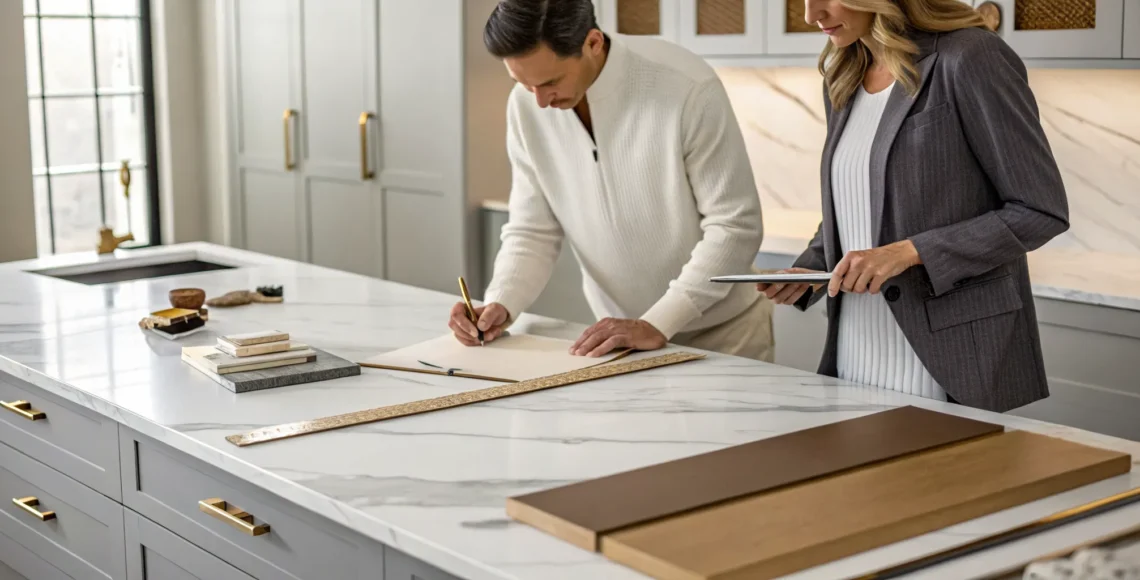
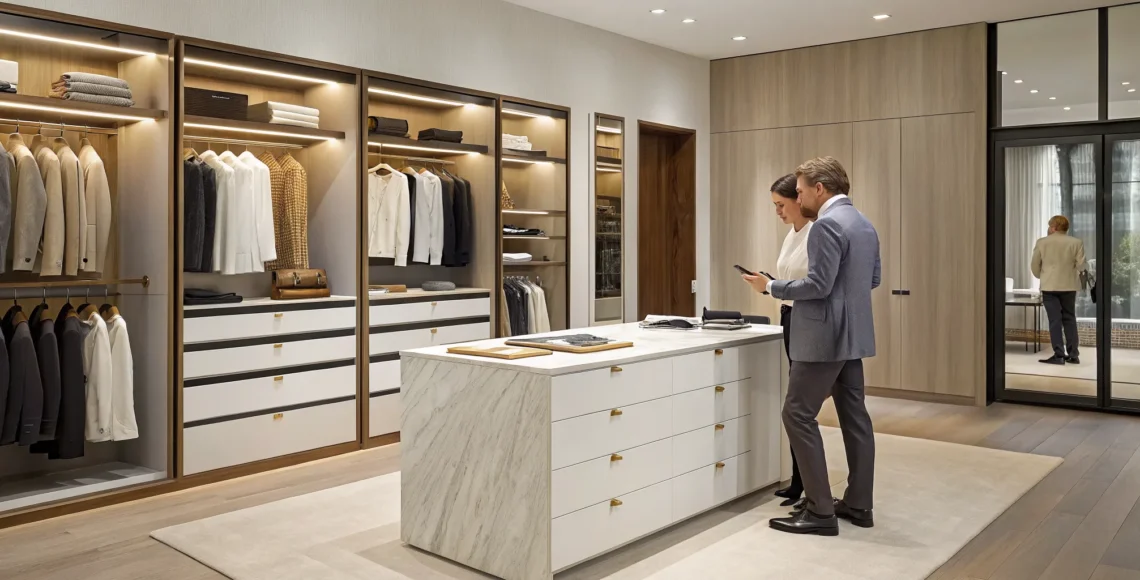
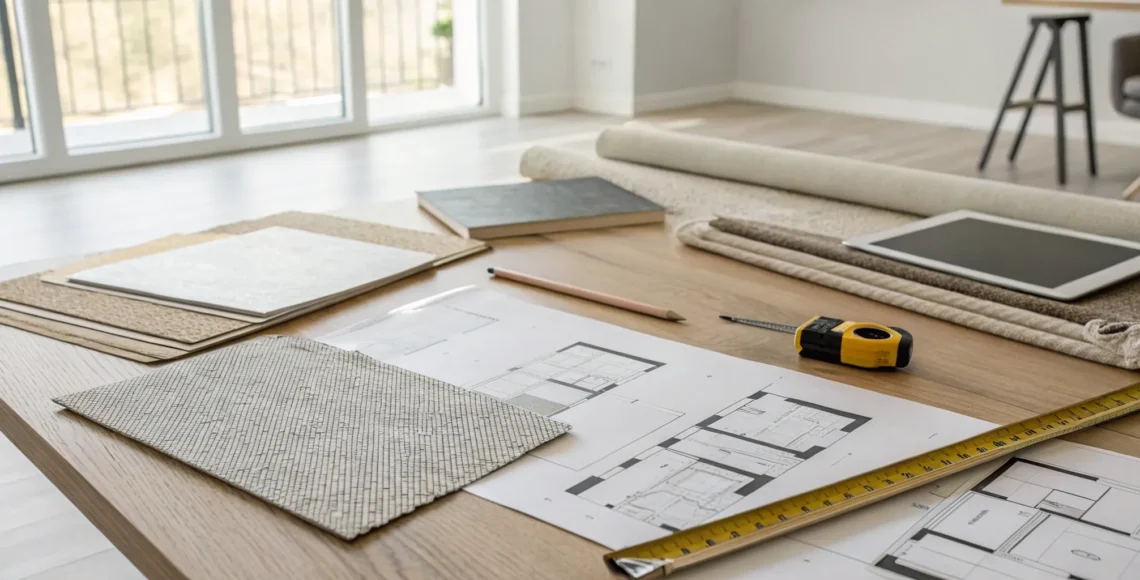
High-end pantry remodeling company reviewing luxury materials and custom design plans.

How to Find a High-End Pantry Remodeling Company

You have a vision for your perfect pantry: a space that’s beautifully organized, effortlessly functional, and a seamless extension of your home’s style. The biggest challenge is finding the right professional to turn that vision into a tangible reality. Not all designers have the specialized expertise required for custom, luxury projects. The right partner listens carefully, sources exceptional materials, and manages every detail with precision. This guide is designed to help you bridge the gap between your ideas and the finished product by showing you exactly what to look for in a high-end pantry remodeling company, ensuring your dream space is executed flawlessly.

Key Takeaways

  • Expect a True Creative Partnership: A high-end designer offers more than just a design; they manage the entire project. This includes creating a personalized plan based on your lifestyle, sourcing premium materials, and coordinating all contractors for a seamless experience.
  • Verify Expertise Beyond the Portfolio: While a beautiful portfolio is important, ensure your designer is also properly licensed and insured. Ask for client references and inquire about their project management process to confirm they have the professional credentials to protect your investment.
  • Prioritize Function Alongside Beauty: The best results come from a clear vision. Communicate your daily routines and storage needs upfront, and carefully review the contract to ensure the final design is not only stunning but also perfectly suited to how you live.

What Sets a Luxury Pantry Designer Apart?

When you decide to create a truly exceptional pantry, you’re looking for more than just a contractor or an organizer. You need a specialist who understands that a luxury pantry is a seamless extension of your kitchen and your lifestyle. A high-end designer doesn’t just install shelves; they create a bespoke space that combines flawless functionality with stunning aesthetics. Their approach is fundamentally different, focusing on a caliber of quality and service that you won’t find elsewhere.

What truly distinguishes a luxury pantry designer is their commitment to three core principles: unparalleled materials and craftsmanship, deeply personalized design, and a comprehensive, stress-free client experience. They operate on a different level, transforming a purely functional area into a beautiful and inspiring feature of your home. This dedication to excellence ensures the final result is not only practical but also a true reflection of your personal taste and a lasting investment in your home. Understanding these key differences will help you identify a professional who can bring your vision to life.

A Focus on Premium Materials and Craftsmanship

A luxury pantry appeals to the senses, and that experience begins with the materials. A top-tier designer works exclusively with high-quality, durable materials that look and feel exceptional. Think solid hardwoods for custom cabinetry, elegant quartz or natural stone for countertops, and bespoke hardware that provides the perfect finishing touch. These designers have established relationships with the best artisans and suppliers, giving them access to a curated selection of premium materials that stand the test of time. This focus ensures your pantry is not only beautiful on day one but remains functional and gorgeous for years to come, resisting the wear and tear of daily life.

Truly Custom Design Solutions

A luxury pantry designer never relies on a one-size-fits-all template. Instead, they engage in a deeply collaborative process to create a solution tailored specifically to you. They take the time to understand your cooking habits, how you entertain, and what items you need to store, from fine china to everyday essentials. This detailed understanding allows them to design custom storage solutions that maximize every inch of space and make your life easier. A designer’s portfolio should showcase a range of unique, completed projects, demonstrating their ability to translate a client’s vision into a functional, personalized reality. The final design is a space that is uniquely yours in every way.

A Full-Service, White-Glove Experience

Investing in a high-end pantry remodel should be an exciting process, not a stressful one. A key differentiator for a luxury designer is their role in project management, providing a complete, white-glove service from the initial concept to the final reveal. They handle every detail, coordinating with architects, contractors, electricians, and installers to ensure a seamless workflow. This means you have a single point of contact responsible for maintaining the project’s timeline, budget, and quality standards. This comprehensive oversight allows you to enjoy the creative journey, confident that a dedicated professional is meticulously managing every aspect of the transformation behind the scenes.

What Services Should a Luxury Pantry Specialist Offer?

When you partner with a high-end pantry designer, you’re signing up for more than just pretty shelves. A true specialist offers a comprehensive, white-glove service designed to create a space that is as functional as it is beautiful. They move beyond simple organization to deliver a fully realized vision that complements your lifestyle and home. From the initial concept to the final, perfectly placed detail, their role is to manage every aspect of the transformation. This ensures a seamless and stress-free experience for you. A top-tier designer will offer a suite of services that cover every possibility, ensuring your new pantry is a masterpiece of form and function.

Bespoke Storage and Organization

A luxury pantry is built around you. Instead of forcing your items into a pre-made system, a specialist designs storage solutions tailored to your exact needs. This means creating custom-fit drawers for your specific linens, dedicated shelving for your collection of spices, and pull-out cabinets for small appliances. The goal is to make every item easily accessible and beautifully displayed. A designer with a proven track record in custom kitchen projects will have the expertise to analyze your inventory and daily routines, crafting an organizational scheme that feels intuitive and effortless. This level of personalization is what turns a simple storage space into a functional work of art.

Sourcing of High-End Materials

The feel of a luxury pantry comes from the quality of its components. A specialist will have access to a curated selection of premium materials that you won’t find in a typical showroom. Think solid wood cabinetry in oak or walnut, elegant quartz or marble countertops for prep areas, and custom hardware in finishes like brushed brass or polished nickel. A quality-focused designer works with trusted suppliers to source durable materials that guarantee a beautiful and long-lasting result. They guide you through the options, helping you select finishes that not only match your home’s aesthetic but also stand up to daily use with grace.

Smart Technology Integration

Modern luxury is about seamless convenience, and your pantry is no exception. A specialist can integrate smart technology to make the space more efficient and enjoyable to use. This could include automated LED lighting that illuminates shelves as you open the door, climate-controlled zones for storing wine or delicate ingredients, or even integrated charging stations for your devices. An experienced designer provides the project management expertise to incorporate these features flawlessly into the design. They ensure that the technology enhances the pantry’s functionality without disrupting its sophisticated aesthetic, making your daily routines simpler and more streamlined.

Complete Project Management from Start to Finish

One of the greatest services a luxury pantry specialist provides is peace of mind. They act as the single point of contact for the entire project, managing every detail from the initial design sketches to the final installation. This includes coordinating with architects, contractors, electricians, and painters, ensuring everyone works together to bring the vision to life on schedule and on budget. This comprehensive approach hinges on clear communication, keeping you informed and involved without burdening you with the complexities of day-to-day management. You get to enjoy the creative process while your designer handles all the logistics, delivering a finished space with impeccable attention to detail.

How Do the Best Designers Guarantee Quality?

When you invest in a high-end pantry remodel, you expect flawless results. The best designers don’t leave this to chance. They have specific, non-negotiable standards and processes in place to ensure every element, from the initial sketch to the final hardware installation, meets a superior level of excellence. These guarantees are what separate a standard contractor from a true luxury design partner. They provide peace of mind and ensure your investment is protected, resulting in a space that is as durable as it is beautiful.

A Rigorous Quality Control Process

Top-tier designers build quality control into every phase of the project. This isn’t a final walkthrough; it’s a continuous process of inspection and refinement. They partner with trusted craftspeople and artisans who share their commitment to excellence. A reputable firm will also stand behind their work with a solid warranty covering both labor and materials. This commitment to quality assurance is a clear sign of their confidence in the finished product. It means that if any issues arise after the project is complete, they will be addressed promptly and professionally, protecting your investment for years to come.

Proper Licensing and Insurance

Verifying that your designer and their team are properly licensed and insured is a critical step. This isn’t just about following regulations; it’s about protecting you, your home, and everyone working on the project. Licensing confirms that the professionals have met the state’s requirements for knowledge and competence. Comprehensive insurance, including liability and workers’ compensation, safeguards you from financial responsibility in case of accidents or property damage. Working with qualified professionals who are fully licensed and insured is a fundamental indicator of their legitimacy and dedication to operating a responsible, trustworthy business.

Industry Certifications and Affiliations

Beyond basic licensing, look for a designer with specialized certifications and affiliations with professional organizations like the American Society of Interior Designers (ASID) or the National Kitchen & Bath Association (NKBA). These credentials show a dedication to the craft that goes above and beyond the minimum requirements. They indicate that the designer is committed to ongoing education, staying current with industry innovations, and adhering to a strict code of ethics. These technical certifications and affiliations are a testament to their expertise and passion for delivering the highest standard of work.

A Commitment to Client Satisfaction

Ultimately, a luxury remodel is a collaborative partnership. The best designers understand this and prioritize client satisfaction above all else. This is demonstrated through a commitment to clear communication from the very first conversation to the final reveal. They listen carefully to your vision, provide regular and transparent updates, and are responsive to your questions and feedback. This open dialogue ensures there are no surprises and that the final pantry not only meets but exceeds your expectations. A designer who is genuinely invested in your happiness will create a positive and seamless experience throughout the entire process.

What Does a High-End Pantry Remodel Cost?

When you’re envisioning a pantry that’s as beautiful as it is functional, one of the first questions that comes to mind is about the investment. The truth is, the cost of a luxury pantry remodel can vary quite a bit. Think of it less as a standard expense and more as a custom investment tailored to your home, lifestyle, and unique vision. The final price tag depends on the scope of your dreams, from the intricacy of the design to the quality of the materials you choose.

Understanding the key cost drivers will help you plan effectively and partner with your designer to create a space that meets your goals without any surprises. Let’s break down what goes into the cost of a truly exceptional pantry.

Factors That Influence the Final Price

Several key factors determine the final cost of your pantry remodel. The most significant is the type and size of the pantry itself. A simple reach-in closet conversion will naturally have a different budget than a spacious butler’s pantry designed for entertaining. The cost of building a walk-in pantry scales with its square footage, the complexity of its layout, and the features you want to include.

For a high-end project, the level of customization is also a major consideration. Are you looking for bespoke cabinetry with specialized storage for spices and appliances? Do you envision integrated lighting, a wine fridge, or a marble countertop for a prep station? These luxurious details are what transform a simple storage space into a stunning feature of your home, and they will be reflected in the overall investment.

Breaking Down Material and Labor Costs

Your total project cost can be split into two main categories: materials and labor. In a luxury remodel, premium materials are a given. This includes everything from the solid wood used for custom cabinetry to natural stone countertops and designer hardware. A detailed pantry remodel cost breakdown often shows that custom millwork is a significant part of the budget. While the custom pantry cost is influenced by material choices like maple or oak, the investment in skilled labor is just as crucial. Meticulous craftsmanship is what brings a design to life. Your budget accounts for the expertise of the design team, cabinet makers, and installers who work together to execute the vision flawlessly, ensuring every detail is perfect.

How to Plan Your Budget and Contingency

Once you have a clear vision, you can create a realistic budget. The best approach is to be transparent about your desired investment level from the start, which allows your design partner to propose solutions that align with your financial parameters. While average installation costs provide a baseline, a custom, high-end project requires a more personalized estimate.

No matter how carefully you plan, it’s always wise to include a contingency fund. I recommend setting aside an additional 10% to 20% of your total project cost. This buffer gives you peace of mind and flexibility. It can cover any unforeseen structural needs that might pop up or allow you to say “yes” to a last-minute upgrade, like that perfect set of drawer pulls or a smart lighting system, without derailing your budget.

How to Find the Right Pantry Designer for You

Choosing a designer for your pantry remodel is about more than just finding someone with good taste. You’re looking for a partner who can translate your vision into a functional, beautiful space that complements your home and lifestyle. The right designer will listen to your needs, respect your budget, and manage the entire process with professionalism and creativity. This selection process is your opportunity to ensure the final result is everything you dreamed of. Taking the time to carefully vet potential designers will protect your investment and lead to a collaboration that feels seamless and inspiring from the first conversation to the final reveal. Think of it as building a team; you want someone with the right skills, experience, and communication style to bring your project to life.

Review Their Portfolio and Past Projects

The first step in evaluating a designer is to look at their work. A portfolio is more than a collection of pretty pictures; it’s a direct reflection of their design aesthetic, attention to detail, and the quality of their craftsmanship. As you browse their past projects, look for consistency in quality and style. Do their designs feel custom and thoughtfully planned? Pay close attention to the details in their pantry projects, like the joinery, hardware choices, and the integration of lighting and storage solutions. A strong portfolio will showcase a range of styles while maintaining a high standard of execution. This visual evidence will help you determine if their design philosophy aligns with your own vision for your home.

Check Client Testimonials and References

While a portfolio shows you the final product, client testimonials and references tell you about the journey. Hearing from past clients provides invaluable insight into what it’s like to work with a designer. Look for reviews that speak to the designer’s communication, professionalism, and problem-solving skills. A trustworthy designer will be transparent and responsive from the very first interaction. Don’t hesitate to ask for references you can speak with directly. This allows you to ask specific questions about their experience, how the designer handled challenges, and whether they would hire them again. This step helps you understand the level of service you can expect throughout your project.

Verify Their Credentials and Experience

A luxury pantry remodel is a significant investment, and you want to ensure it’s in capable hands. Verifying a designer’s credentials is a crucial step in protecting that investment. At a minimum, ensure any potential partner is properly licensed and insured. You can often check this through your state’s contractor board. For instance, homeowners in Nevada can verify a contractor’s license online. Beyond the basics, look for industry affiliations or special certifications. These credentials demonstrate a commitment to their craft and ongoing education, which often translates to a higher level of expertise and a more professional approach to their work. This due diligence ensures your project will be completed to the highest standards of quality and safety.

Assess Their Communication Style and Process

A successful remodel depends on clear and consistent communication. During your initial consultations, pay close attention to how a designer interacts with you. Do they listen attentively to your ideas and ask thoughtful questions about your lifestyle and needs? A great designer is a great communicator. They should be able to clearly articulate their design process, project timelines, and how they will keep you informed along the way. Understanding their process from the start helps set clear expectations and prevents misunderstandings later. This initial rapport is often a strong indicator of the working relationship you’ll have throughout the entire project, ensuring a collaborative and enjoyable experience.

Key Questions to Ask During Your Consultation

Your initial consultation is more than just a meet-and-greet; it’s an interview. You’re not just hiring a designer, you’re choosing a creative partner who will bring your vision to life. This is your opportunity to ensure their process, style, and values align with yours. Being prepared with the right questions helps you understand their capabilities and sets the foundation for a smooth and successful collaboration. A great designer will welcome your questions and provide thoughtful, detailed answers.

Think of this conversation as the first step in building a relationship based on trust and clear communication. You want to walk away feeling confident that the team not only understands your aesthetic goals but also has the logistical expertise to manage your project with precision and care. After all, a luxury remodel involves many moving parts, and you need a team that can handle it all seamlessly. To get a complete picture, focus your questions on four key areas: their design process and timeline, material sourcing, project management style, and what happens after the work is done. This approach will help you find a designer who can deliver the sophisticated, high-quality pantry you envision.

The Design Process and Expected Timeline

Understanding a designer’s workflow is essential for setting realistic expectations. Start by asking them to walk you through their entire design process, from the initial concept to the final installation. A team with a proven track record will have a clear, structured approach. Ask how they develop timelines and what the key milestones will be for your project. It’s also wise to inquire about how they handle potential delays or unexpected challenges. A detailed explanation of their process shows professionalism and gives you a clear roadmap of what to expect, ensuring there are no surprises along the way.

Material Options and Sourcing

For a luxury pantry, the quality of the materials is paramount. You’ll want to know about the designer’s access to premium and unique materials that will make your space both beautiful and long-lasting. Ask about the types of wood, hardware, and finishes they typically recommend and why. Inquire about their relationships with suppliers and artisans. A designer who works with trusted suppliers can guarantee a higher standard of quality and durability. This conversation will give you insight into their commitment to craftsmanship and their ability to source the perfect components for your custom design.

Project Management and Communication

A seamless remodel depends on excellent project management and open communication. Ask who your primary point of contact will be and how they prefer to provide updates. Will you receive regular emails, scheduled phone calls, or have access to a project management portal? It’s important that their communication style works for you. Establishing how decisions will be made and how issues will be addressed upfront is key. Finding a designer who values clear communication is just as important as finding one who shares your design vision, as it builds the trust needed for a successful partnership.

Warranty and Post-Project Support

A designer’s commitment to you shouldn’t end when the final payment is made. A reputable firm will stand behind its work. Be sure to ask about the warranties they provide on both their craftsmanship and the materials used in your project. What does the warranty cover, and for how long? You should also ask about their process for handling any follow-up adjustments or addressing issues that may arise after completion. A designer who offers solid post-project support demonstrates accountability and a genuine commitment to your long-term satisfaction, giving you peace of mind in your investment.

Common Mistakes to Avoid When Hiring a Designer

Embarking on a pantry remodel is exciting, but choosing the right design partner is what truly brings your vision to life. A great designer acts as your guide, collaborator, and advocate, ensuring the final result is everything you dreamed of and more. However, a few common missteps can turn a creative project into a stressful one. By being aware of these potential pitfalls from the start, you can ensure a smooth process and a beautiful, functional outcome that you’ll love for years to come.

The key is to approach the hiring process with as much care as you do the design itself. It’s about finding a professional who not only understands luxury and craftsmanship but also understands you. Let’s walk through some of the most frequent mistakes homeowners make so you can confidently select the perfect designer for your high-end pantry remodel.

Choosing Based on Price Alone

It’s tempting to compare bids and lean toward the lowest number, but this can be a costly mistake in a luxury remodel. A significantly lower price often signals a compromise in material quality, craftsmanship, or the level of service you’ll receive. A high-end pantry is an investment, and the focus should be on value, not just the initial cost. A well-executed project with premium materials will not only enhance your daily life but also add lasting value to your home. Instead of focusing solely on the price tag, look at a designer’s portfolio, their process, and the quality of their past work. True luxury lies in the details and the enduring quality of the craftsmanship.

Not Communicating Your Lifestyle Needs

A beautiful pantry that doesn’t fit how you live is just a pretty room. Before you even speak to a designer, think about your daily routines. Do you buy in bulk and need deep, sturdy shelving? Do you have children who need easy access to healthy snacks? Do you entertain frequently and need a dedicated space for serving platters? A great designer will ask these questions, but you are the expert on your own life. Clearly communicating your lifestyle needs ensures the layout, storage, and features are tailored specifically to you. The more information you can provide, the more functional and personalized your new pantry will be.

Overlooking Important Contract Details

The contract is your project’s roadmap, and overlooking the details can lead to misunderstandings down the line. A thorough contract is a sign of a professional and transparent designer. Before you sign, make sure you review every detail. It should clearly outline the full scope of work, a projected timeline with key milestones, a detailed budget, and a payment schedule. It should also specify the exact materials being used. A well-defined remodeling contract protects both you and your designer by setting clear expectations from the very beginning, ensuring everyone is on the same page. Don’t hesitate to ask for clarification on any point you don’t understand.

Prioritizing Aesthetics Over Functionality

While the visual appeal of your new pantry is incredibly important, it should never come at the expense of usability. A design that looks stunning in photos but is impractical for daily use will quickly become a source of frustration. Think about workflow: are everyday items easy to reach? Is there adequate lighting? Do drawers and doors open without obstruction? The hallmark of exceptional design is the seamless integration of beauty and function. Your designer should create a space that not only reflects your sophisticated style but also makes your life easier. The goal is a pantry that works as beautifully as it looks, blending smart organization with impeccable style.

Related Articles

Frequently Asked Questions

How long does a high-end pantry remodel typically take? The timeline for a custom pantry project can vary quite a bit, as it depends on the complexity of the design and the lead times for bespoke materials like custom cabinetry. A simple project might take a few weeks, while a more intricate build-out could take a couple of months. A professional designer will provide you with a detailed project schedule during the planning phase so you know exactly what to expect from start to finish.

I’m not sure what my design style is. Can a designer still help me? Absolutely. A key part of a luxury designer’s role is to help you discover and define your personal style. Through a collaborative process, they will ask about your lifestyle, how you use your kitchen, and what inspires you. They can then translate your preferences into a cohesive design that feels authentic to you and integrates beautifully with the rest of your home. You don’t need to have all the answers; you just need a partner who knows how to ask the right questions.

How involved will I need to be once the project starts? Your level of involvement is entirely up to you. A designer offers a full-service experience, which means they manage all the daily logistics, from coordinating with contractors to overseeing installation. They will keep you informed with regular updates and consult you for key decisions, but you won’t be burdened with the complexities of project management. This allows you to enjoy the creative process without the stress.

Will a custom pantry really add value to my home? Yes, a thoughtfully designed, high-end pantry is a fantastic investment. Functionally, it improves your daily life by creating a highly organized and efficient space. Aesthetically, it becomes a luxurious feature that elevates your entire kitchen. For future buyers, a sophisticated and well-appointed pantry is a significant selling point that signals quality and attention to detail throughout the home.

What’s the main difference between hiring a luxury designer and a standard cabinet company? The primary difference is the scope of service and the level of customization. A cabinet company typically sells and installs a product, often working within a set of standard sizes and finishes. A luxury designer, on the other hand, provides a comprehensive, tailored service. They create a completely bespoke design based on your specific needs, source premium materials, and manage the entire project from concept to completion, ensuring a seamless experience and a truly one-of-a-kind result.

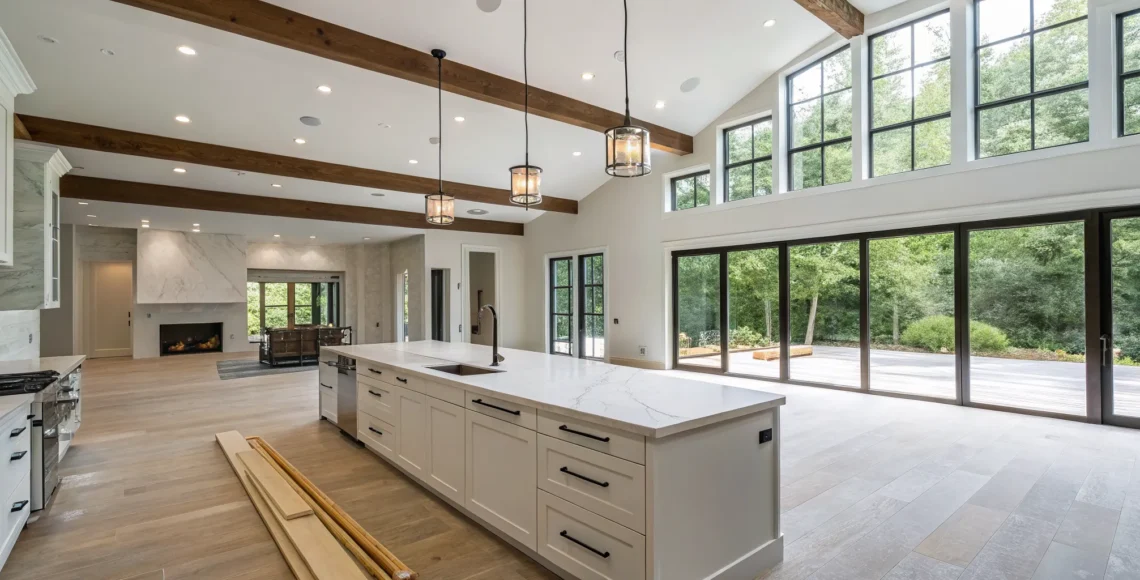
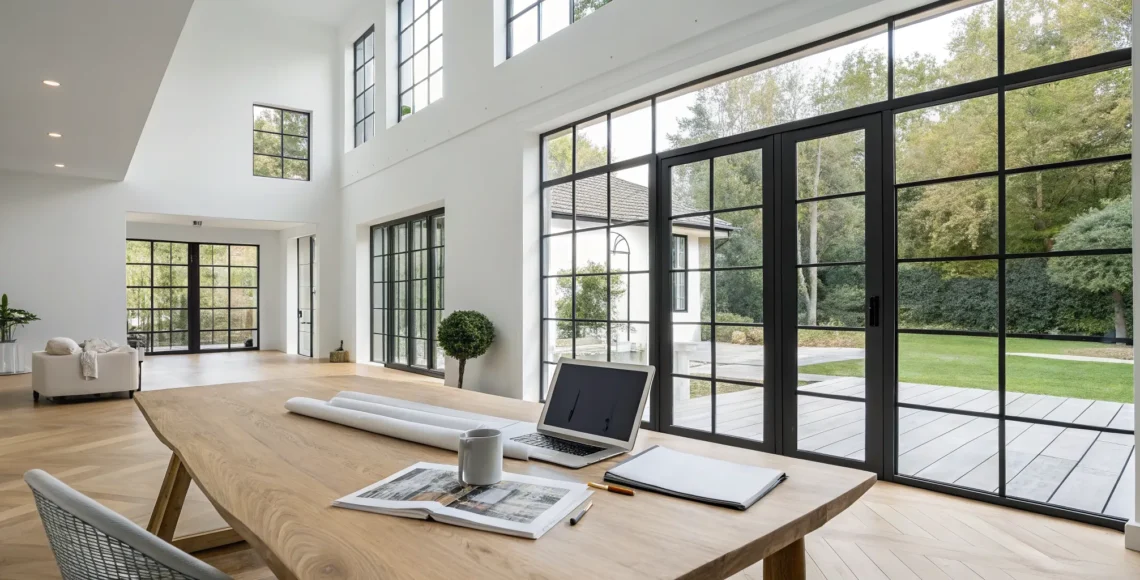
Open-concept kitchen and living space after a full service design and remodel.

Full Service Design and Remodel: What to Expect

Thinking about a home renovation often brings to mind a stressful puzzle of coordinating architects, contractors, and suppliers. You might find yourself trying to translate a designer’s vision to a builder, all while managing timelines and tracking shipments. It’s a process that can quickly become a full-time job. This is precisely where the concept of a full service design and remodel changes the entire experience. Instead of you being the project manager, a single, dedicated team steps in to handle every detail. This integrated approach is designed to transform a potentially chaotic undertaking into a seamless and enjoyable journey, ensuring your original vision is perfectly executed without the stress.

Key Takeaways

  • A Single Partner Simplifies the Entire Process: A full-service firm acts as your dedicated point of contact, managing every detail from design to construction. This integrated approach saves you time and eliminates the stress of coordinating multiple vendors, ensuring a cohesive project from start to finish.
  • Maintain Creative Control Through Collaboration: Full-service design is a partnership, not a takeover. Your personal vision is the foundation of the project, and the firm’s role is to provide the expertise and guidance needed to bring it to life, making the creative process enjoyable and stress-free.
  • Protect Your Investment with Professional Oversight: A full-service approach provides significant value by preventing costly errors, managing your budget transparently, and ensuring high-quality craftsmanship. This professional management delivers a superior, lasting result that protects your home’s long-term value.

What is a full-service design and remodel?

When you hear the term “full-service design,” think of it as the ultimate white-glove experience for your home. It’s a comprehensive, end-to-end approach where a single design firm manages every single detail of your project, from the first creative spark to the final, perfectly placed accessory. Instead of you having to juggle architects, contractors, and vendors, we become your dedicated partner and single point of contact.

This model is designed to give you complete peace of mind. It transforms what can be an overwhelming process into an enjoyable and seamless journey. The goal is to handle all the complexities behind the scenes so you can focus on the excitement of seeing your vision come to life. A full-service approach ensures a cohesive result where every element, from the architectural details to the furniture, works in perfect harmony. It’s about creating a home that is not only beautiful but also thoughtfully tailored to you, without you ever having to feel the weight of the process.

Handling everything from design to construction

A full-service project begins with your vision and ends with a move-in-ready home. This means we don’t just create a beautiful design plan and leave you to figure out the rest. We develop the initial concepts, draft detailed architectural plans, and then oversee the entire construction phase. Our team manages all the moving parts, from coordinating with builders and electricians to securing permits and ensuring everything is built to the highest standard. This integrated design-build process ensures that the creative vision established at the beginning is executed flawlessly, preventing miscommunications and costly errors down the line. It’s our job to make sure the final space is exactly what we promised.

Coordinating every detail of your project

The true luxury of a full-service remodel isn’t just the beautiful finishes or custom furniture; it’s the freedom from stress. We handle the endless logistics that come with a renovation. This includes creating detailed timelines, managing the budget, scheduling trades, and solving any challenges that arise along the way. You won’t have to spend your days fielding calls from contractors or worrying about delivery schedules. We serve as your advocate and project manager, ensuring every detail is meticulously planned and executed. Our role is to streamline communication and keep the project on track, allowing you to enjoy the transformation of your space without getting bogged down in the day-to-day complexities.

Sourcing the perfect materials

One of the most time-consuming parts of any remodel is procurement: the process of selecting, ordering, inspecting, and installing every item for your home. A full-service firm takes this completely off your plate. We leverage our industry relationships to source high-quality furniture, fixtures, and materials, many of which are available only to the trade. We then manage the entire purchasing process, from placing orders to tracking shipments. Once items arrive, we inspect them for quality and damages before coordinating the final installation. This careful management of sourcing and procurement ensures every piece is perfect and arrives exactly when needed, preventing delays and protecting your investment.

What are the benefits of a full-service approach?

Choosing a full-service design and remodel firm means entrusting your entire project, from the first sketch to the final installation, to a single, dedicated team. This integrated approach streamlines communication, aligns creative vision with practical execution, and ultimately creates a more enjoyable and rewarding experience for you as a homeowner. Instead of juggling multiple contractors and designers, you have one partner dedicated to bringing your vision to life seamlessly.

Gain access to professional expertise

When you partner with a full-service firm, you’re not just hiring a designer; you’re gaining a team of seasoned professionals. This includes architects, project managers, and a curated network of trusted artisans and craftspeople. We handle every detail, from securing permits to vetting subcontractors, ensuring every aspect of your project meets the highest standards. This level of professional project management means you have experts guiding your decisions, offering creative solutions, and ensuring the final result is both beautiful and built to last. It’s this collective expertise that transforms a good idea into an impeccably executed space.

Save time and reduce stress

A home remodel involves hundreds of decisions, moving pieces, and relationships. A full-service approach takes the weight of managing this complexity off your shoulders. We serve as your single point of contact, coordinating all schedules, orders, and deliveries. You won’t have to spend your weekends chasing down contractors or troubleshooting shipment delays. Instead, you can focus on the exciting parts of the process while we handle the logistics. This saves you an incredible amount of time and eliminates the stress that often comes with large-scale projects, allowing you to enjoy the transformation of your home.

Ensure quality and protect your budget

With a full-service firm, quality control is built into every step of the process. We are on-site to oversee the work, ensuring every detail aligns with the design plan and our exacting standards. This constant oversight minimizes the risk of errors that can lead to costly revisions. We also provide transparent financial management from the start. You’ll receive a detailed proposal outlining all anticipated costs, and we’ll manage the budget meticulously throughout the project. This approach helps you create a realistic renovation budget and stick to it, protecting your investment and providing peace of mind.

Maintain a cohesive vision from start to finish

The greatest advantage of a full-service model is the seamless continuity from concept to completion. Because the same team that designed your space is also building it, the creative vision is never lost in translation. This eliminates the common disconnect that can happen between an independent designer and a separate contractor. Our integrated process ensures every architectural detail, material selection, and finishing touch works together to create a cohesive, harmonious environment. This single source of accountability guarantees that the final space not only meets but exceeds your expectations, perfectly reflecting your original dream.

How much does a full-service remodel cost?

One of the first questions on everyone’s mind is about the investment. A full-service remodel is a significant commitment, and understanding the potential costs is a crucial first step. While every project is unique, we can provide some general starting points based on our experience with luxury renovations in Las Vegas. These figures reflect a comprehensive process that includes everything from initial design concepts and material sourcing to construction management and final installation. Our role is to manage every single detail, ensuring a seamless experience and an exceptional result.

Think of it as a partnership where we handle the complexities, allowing you to focus on the excitement of your home’s transformation. This all-inclusive approach is designed to protect your investment and deliver a space that is meticulously crafted to fit your lifestyle. It’s important to remember that these are starting points for a complete, turn-key service. The final cost will depend on the scope of your project, the complexity of the design, and the materials you select. We believe in full transparency from the beginning, so we’ll work closely with you to establish a clear budget that aligns with your vision and ensures there are no surprises along the way. Our goal is to provide unparalleled value through thoughtful design and expert execution.

Understanding kitchen renovation costs

The kitchen is often the heart of the home, and its transformation requires meticulous planning and craftsmanship. For a full-service kitchen remodel, projects typically begin at around $80,000. This investment covers the complete overhaul of your space, including custom cabinetry, high-end appliances, premium countertops, sophisticated lighting, and flooring. It also accounts for the expert design work and project management that brings all these elements together cohesively. A well-designed kitchen not only enhances your daily life but can also significantly increase your home’s value. We handle every detail, so you can simply look forward to cooking and gathering in your beautiful new space.

Breaking down bathroom remodel pricing

Creating a spa-like retreat in your own home is an investment in your well-being. Full-service bathroom renovations generally start at approximately $70,000. Though smaller than kitchens, bathrooms are complex spaces involving intricate plumbing, electrical, and waterproofing work. This starting price reflects the cost of high-quality materials like custom vanities, designer fixtures, and artisanal tile, along with the skilled labor required for a flawless installation. From heated floors to steam showers, we manage every technical and aesthetic detail to create a bathroom that is both functional and deeply luxurious, providing a perfect escape from the everyday.

Budgeting for a whole-home renovation

Beyond kitchens and baths, other areas of your home contribute to its overall harmony and function. Projects for spaces like laundry rooms, mudrooms, or entryways can have a minimum starting cost of around $25,000. While these areas might seem secondary, their thoughtful design is key to a cohesive home. When planning a larger renovation, it’s helpful to create a detailed budget that accounts for each space. We can work with you to phase projects or tackle a whole-home renovation at once, ensuring every corner of your house reflects your style and meets our high standards of quality.

How we ensure value and cost transparency

We believe that trust is the foundation of a successful partnership. That’s why we prioritize complete transparency in all costs and project updates from our very first conversation. You will receive a detailed proposal outlining every aspect of the project, so you know exactly where your investment is going. Throughout the process, we maintain open lines of communication, providing regular updates to keep you informed and confident. This approach eliminates surprises and ensures the final result not only meets but exceeds your expectations. Our commitment is to deliver exceptional value and a design that you will love for years to come.

How do you choose the right design and remodel firm?

Choosing the right design and remodel firm is the most critical decision you’ll make for your project. This partnership goes beyond contracts and timelines; it’s about entrusting someone with the vision for your home. The right team will not only bring exceptional skill and creativity but also provide a seamless, enjoyable experience from the first sketch to the final walkthrough. A successful project truly begins with finding the right fit between you, your home, and your design team. To find that perfect match, focus on a few key areas: their design style, their approach to collaboration, their professional reputation, and their commitment to quality and timelines.

Review their portfolio and aesthetic

A firm’s portfolio is more than a gallery of past work; it’s a reflection of their design philosophy and capabilities. As you browse through their projects, look beyond the surface-level style. Do you see a consistent level of quality and attention to detail? Does their aesthetic align with your own vision for luxury and comfort? While you want a team that can adapt to your personal taste, their portfolio should demonstrate a clear point of view that resonates with you. Remember, the ultimate luxury of a full-service design isn’t just the beautiful furniture; it’s the incredible feeling of walking into a space that has been perfectly tailored for you without you having to manage the process.

Assess their communication and client approach

A remodel is a deeply personal journey, and the relationship you have with your design firm is paramount. You need a partner who listens, understands, and communicates clearly every step of the way. During your initial conversations, pay close attention to how they describe their process. Do they emphasize a client-centered approach? Ask them how they keep clients informed, handle decisions, and resolve potential issues. The goal is to find a team that makes you feel heard, respected, and confident throughout the project. The right partnership should feel transformative, turning a potentially stressful process into an exciting and creative collaboration.

Verify credentials and read reviews

Before you commit, it’s essential to do your homework. A professional and trustworthy firm will be transparent about their credentials. Confirm that they are licensed, bonded, and insured in Nevada to protect yourself and your investment. You can typically verify a contractor’s license through state-run websites. Beyond the official paperwork, take time to read through client reviews and testimonials on platforms like Google and Houzz. These firsthand accounts offer invaluable insight into the client experience, from communication and craftsmanship to how the team handles challenges. A successful project always starts with a great fit, and reviews can help you determine if a firm consistently delivers for its clients.

Ask about timelines and quality standards

Clear expectations are the foundation of a smooth remodel. Have an open conversation with potential firms about their project management process. Ask how they develop timelines, what factors might cause delays, and how they communicate updates. A professional team will be able to walk you through their schedule and explain how they work to meet deadlines without compromising on quality. Inquire about their standards for craftsmanship and the materials they source. Who are their trade partners, and how were they selected? Understanding their commitment to quality ensures your vision is not only realized but also built to last, alleviating the pressure of managing the project yourself.

What can you expect during the remodel process?

A full-service remodel is a creative partnership, and we believe the process should feel as luxurious and thoughtfully designed as the final result. From our first conversation to the final reveal, our team manages every detail so you can enjoy the transformation of your home without the stress of coordinating it all. We’ve refined our process to be clear, collaborative, and completely centered around you. Here’s a look at the key phases you can expect when working with us.

Developing your vision together

Our journey begins with a conversation. The initial consultation is where we get to know you, your lifestyle, and how you want your home to feel. This is far more than a simple Q&A; it’s a collaborative session where we listen to your ideas and help you articulate your personal design style. We’ll discuss everything from your daily routines to your long-term aspirations for the space. This foundational step ensures that every decision we make going forward is a true reflection of your vision. We combine your preferences with our design expertise to create a clear, unified concept that will guide the entire project.

Visualizing your space with 3D renders

One of the most exciting steps is seeing your vision come to life before any physical work begins. We use advanced 3D rendering technology to create photorealistic models of your future space. These detailed visuals allow you to see exactly how lighting will fall on certain textures, how different materials will look next to each other, and how the overall layout will function. This isn’t just about aesthetics; it’s a powerful tool that helps you make confident, informed decisions. By exploring the design in a virtual environment, we can refine every detail together, ensuring the final result is precisely what you imagined.

Managing construction and ensuring quality

Once the design is perfected, our team takes on the complete management of the construction phase. We coordinate with our trusted network of contractors, artisans, and vendors, handling all scheduling, ordering, and on-site supervision. You have a single point of contact, which simplifies communication and ensures the project stays on track and on budget. We are your advocates on-site, meticulously overseeing every aspect of the work to guarantee it meets our exacting standards for craftsmanship. Our proactive approach means we address challenges before they become problems, protecting the integrity of your design and giving you complete peace of mind.

Completing the project with a final walkthrough

The final walkthrough is the moment we’ve all been working toward. This is when we tour the completed space with you to ensure every last detail is perfect. It’s our chance to demonstrate the quality of the work and confirm that everything meets your expectations. We treat this as a celebratory milestone, marking the end of the construction process and the beginning of your life in your newly transformed home. Our goal is to provide a seamless, turnkey experience, so when we hand over the keys, all you have to do is settle in and enjoy the beautiful, functional space created just for you.

What are some common myths about full-service remodels?

When you’re considering a significant home transformation, it’s easy to get tangled in a web of myths and misconceptions. A full-service remodel is a major undertaking, and it’s completely normal to have questions about the cost, timeline, and process. Let’s clear the air and look at some of the most common myths we hear, so you can approach your project with confidence and clarity.

Myth: It’s always more expensive

One of the biggest hesitations homeowners have is the assumption that a full-service remodel will break the bank. While these projects are an investment, the idea that they are always more expensive is one of the most persistent home remodeling myths. A well-managed project, led by an experienced team, can actually protect your budget by preventing costly errors and rework. Our professional relationships also give us access to materials and furnishings at trade pricing, which can offset design fees. Ultimately, a full-service approach focuses on delivering lasting value, ensuring every dollar is spent wisely to create a high-quality, cohesive space that stands the test of time.

Myth: You’ll lose creative control

It’s your home, so it’s natural to worry that hiring a design firm means giving up your personal vision. The truth is, our process is built on collaboration. We see ourselves as your partners, here to translate your ideas, lifestyle, and personality into a functional, beautiful design. You absolutely maintain creative control while benefiting from our professional guidance and expertise. The real luxury of full-service design isn’t just the beautiful result; it’s the peace of mind that comes from knowing every detail is handled for you, allowing you to enjoy the creative process without the stress of managing it.

Myth: The timeline is unpredictable

We’ve all heard horror stories of renovations that drag on for months, or even years, past their deadline. This myth often stems from projects that lack professional oversight. One of the greatest benefits of a full-service firm is meticulous project management. We create detailed timelines, coordinate all tradespeople and vendors, and manage the logistics from start to finish. With proper planning and a dedicated team, we can manage timelines effectively, creating a predictable and streamlined process. Our job is to anticipate challenges and keep your project on track, so you can start enjoying your new space as soon as possible.

Myth: DIY delivers the same value

The DIY approach can be tempting, especially if you’re looking to cut costs. However, it’s a myth that managing a remodel yourself delivers the same value as a professionally handled project. The expertise a full-service team brings is invaluable, from creating a cohesive design to ensuring high-quality craftsmanship. A DIY approach often comes with hidden costs, including your own time, stress, and the potential for expensive mistakes that can compromise the final result. A professionally managed remodel is an investment not only in your home’s aesthetic but also in its long-term value and structural integrity, ensuring a polished outcome that a DIY project rarely achieves.

Related Articles

Frequently Asked Questions

What’s the real difference between a full-service firm and just hiring a general contractor? Think of it this way: a general contractor is hired to build from a set of plans you provide. A full-service firm is your partner in creating those plans and then managing the entire construction process to ensure the vision is perfectly realized. We act as your single point of contact for everything, from the initial design concept and material selection to overseeing all the tradespeople. This integrated approach prevents miscommunication between a separate designer and builder, creating a much smoother process for you.

What factors influence the final cost of a remodel beyond the starting prices you mentioned? The starting prices provide a baseline for our comprehensive management and quality standards. The final investment is shaped by three main things: the overall size and scope of the project, the complexity of the design, and the specific materials you select. For instance, choosing imported marble, fully custom cabinetry, or specialty smart home integrations will naturally adjust the budget. We believe in total transparency, so we create a detailed proposal that breaks everything down, allowing you to make informed decisions that align with your goals.

How long does a typical full-service remodel take? While every project has its own unique timeline, you can generally expect the initial design phase to last two to four months. This is where we develop the concept, create renderings, and finalize material selections. Once construction begins, a single-room project like a kitchen or primary bathroom often takes another three to six months to complete. We map out a detailed project schedule from the very beginning, so you have a clear and realistic timeline before any demolition starts.

What if I’m not sure what my design style is? That is perfectly okay; in fact, helping you discover and define your style is a key part of our process. You don’t need to know the difference between transitional and contemporary to work with us. Our initial meetings are all about getting to know you, your lifestyle, and how you want your home to feel. We use inspiration images and thoughtful questions to draw out your preferences and translate them into a cohesive design that feels completely authentic to you.

How involved do I need to be during the project? Your level of involvement is entirely up to you. Our process is designed to give you the freedom to participate as much or as little as you like. We handle all the daily logistics, on-site management, and problem-solving so you don’t have to. We will schedule key meetings for your input on major design decisions and provide regular updates, but you will never be burdened with calls from contractors. Our goal is for you to enjoy the creative journey without the stress of managing it.

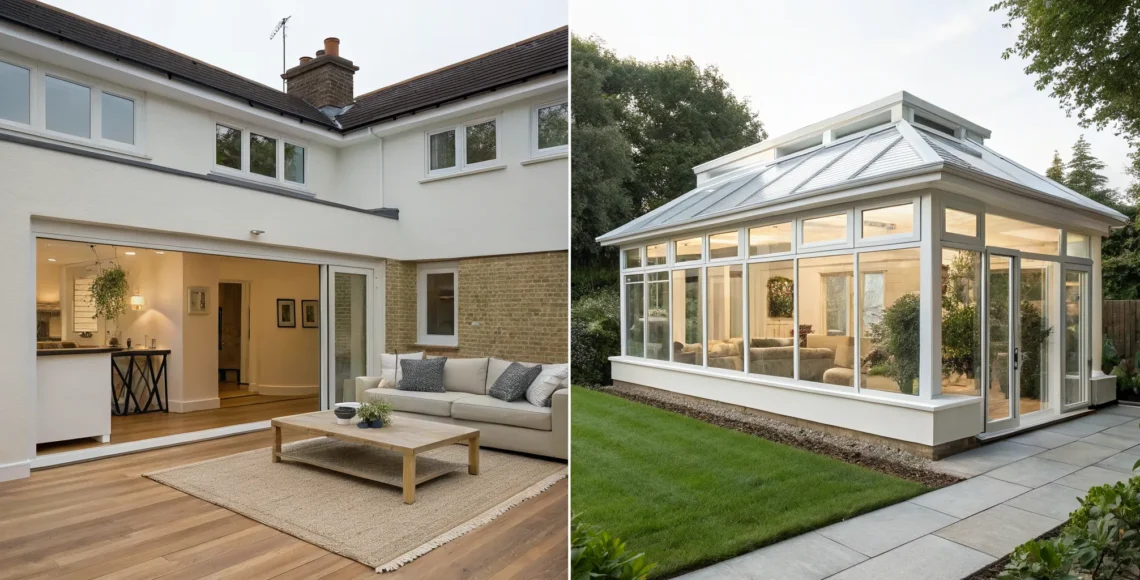
Custom sunroom and conservatory additions featuring large glass windows and elegant, modern designs.

Custom Sunroom vs. Conservatory Additions: A Guide

In a place like Las Vegas, enjoying the beauty of the landscape often means contending with intense heat and direct sun. Many homeowners want a space that feels open and connected to nature without sacrificing the comfort of climate control. This is where a well-designed, year-round room becomes an invaluable asset. Modern materials and smart design have made it possible to create bright, airy spaces that remain comfortable in any season. We’ll walk you through the practical solutions and luxurious possibilities of custom sunroom and conservatory additions, showing you how to create a perfect oasis for year-round enjoyment.

Key Takeaways

  • Know the Difference Between a Sunroom and a Conservatory: A sunroom is a true, four-season extension of your home with a solid roof and insulated walls, while a conservatory is an elegant, glass-roofed structure designed to maximize light. Understanding this distinction is the first step to choosing the right space for your needs.
  • Focus on Seamless Integration and Quality Materials: A luxury addition should feel like it was always part of your home. This is achieved by matching your home’s architecture, selecting premium materials like high-performance glass and durable frames, and planning a versatile layout that complements your lifestyle.
  • Choose a Design Partner with Specialized Experience: The success of your project depends on finding a team that specializes in high-end, custom additions. Look for a firm with a strong portfolio, a client-centered approach, and a commitment to superior craftsmanship to bring your vision to life.

What Are Sunrooms and Conservatories?

If you’re dreaming of a light-filled space where you can enjoy the beauty of the outdoors from the comfort of your home, a sunroom or conservatory might be the perfect addition. While both structures connect you with nature, they have distinct designs and functions. Understanding these differences is the first step in choosing the right fit for your lifestyle and home’s architecture.

Sunroom vs. Conservatory: What’s the Difference?

Think of a conservatory as a room made almost entirely of glass, including a transparent roof. Its main purpose is to maximize sunlight, creating a bright, airy space perfect for growing plants, dining, or simply relaxing with a book. They are often framed with uPVC or aluminum and can be used throughout the year.

A sunroom, on the other hand, is built more like a traditional home extension. It features a solid, insulated roof and more wall space, though it still incorporates large windows to let in plenty of light. Because they are better insulated, sunrooms are designed for year-round comfort and can easily be heated and cooled. The key differences really come down to the roof and overall construction.

Popular Luxury Styles and Design Trends

Modern sunrooms and conservatories have moved far beyond simple glass boxes. A major trend is bringing the outdoors in by incorporating natural elements like lush plants and organic materials to create a tranquil retreat. This design philosophy fosters a seamless connection between your indoor living space and your garden.

Luxury design also emphasizes architectural integration. Expansive picture windows, elegant sliding doors, and custom glass systems create an effortless flow to your patio or backyard. Today’s additions are not afterthoughts; they are bespoke spaces tailored to your home’s unique style. With so many custom options available, you can find plenty of sunroom inspiration to help shape your vision for a sophisticated, light-filled sanctuary.

Explore Custom Sunroom and Conservatory Styles

Choosing the right style for your sunroom or conservatory is about matching your home’s architecture and your personal lifestyle. From classic, ornate designs to sleek, modern structures, each style offers a unique way to blend your indoor and outdoor living spaces. The goal is to create an addition that feels like a natural extension of your home, tailored perfectly to how you want to live in it. Let’s look at some of the most popular custom options to help you find the perfect fit for your vision.

Three-Season Sunrooms

A three-season sunroom is designed for enjoyment during the more temperate times of the year. It’s an ideal space for soaking up the morning sun in the spring or enjoying a cool evening in the fall. These rooms typically feature large glass or screened panels that maximize views and allow for gentle breezes while keeping insects out. While not engineered for the peak heat of a Las Vegas summer, they provide a beautiful, protected space to connect with the outdoors. Think of it as an elegant, enclosed patio that lets you enjoy nature without worrying about a sudden rain shower.

Four-Season Sunrooms

For year-round comfort, a four-season sunroom is the ultimate solution. These are true home additions, built with thermally engineered frames and insulated, high-performance glass. Fully integrated with your home’s heating and cooling systems, a four-season room remains comfortable no matter the weather outside. This makes it a truly versatile space you can use as a living area, dining room, or tranquil home office any day of the year. These custom sunrooms are designed to be a seamless, functional part of your home, offering sunlight and views without compromising on comfort.

Victorian Conservatories

If you envision a space with timeless elegance and architectural character, a Victorian conservatory is a stunning choice. Known for their classic, multi-faceted design and ornate details like a bay front and steeply pitched roof, these structures add a touch of historic grandeur to any home. The all-glass construction, including the roof, floods the space with natural light, creating a bright and airy atmosphere. Victorian glass-roof conservatories are perfect for creating a sophisticated sitting room, a formal dining area, or a beautiful space to house your favorite plants.

Lean-To Conservatories

A lean-to conservatory, also known as a Mediterranean conservatory, offers a clean, contemporary aesthetic. Characterized by its simple lines and a single-pitched roof that slopes down from the main house, this style is a great way to maximize space and light with a more understated design. Its straightforward shape makes it incredibly versatile, fitting beautifully with modern and traditional homes alike. Because they are constructed primarily of glass, lean-to conservatories are designed to capture as much sunlight as possible, making them an excellent choice for a bright breakfast nook, a relaxing lounge, or a productive workspace.

Why Add a Sunroom or Conservatory?

A custom sunroom or conservatory is more than just an addition; it’s an investment in your lifestyle. These beautiful, light-filled spaces offer a unique way to expand your home’s footprint while strengthening your connection to the outdoors. Whether you envision a serene retreat for your morning coffee, an elegant space for entertaining guests, or a functional room that adapts to your family’s needs, a glass-enclosed addition provides a perfect solution. Let’s look at the three main reasons why homeowners choose to add these stunning structures to their properties.

Invite Natural Light Into Your Home

Imagine starting your day bathed in sunlight, without ever stepping outside. A sunroom or conservatory floods your home with natural light, creating a bright, airy atmosphere that can lift your mood and energize your spirit. The expansive glass walls blur the lines between your living space and your garden, letting you feel connected to nature from the comfort of your home. This is the perfect spot to cultivate an indoor garden or simply enjoy the view. By bringing the outdoors in, you create a tranquil sanctuary that feels both luxurious and restorative, a true escape within your own walls.

Increase Your Home’s Value

A thoughtfully designed sunroom or conservatory is a significant asset that can enhance your property’s market appeal. It’s a feature that sets your home apart, offering a unique blend of elegance and functionality that discerning buyers appreciate. This type of addition expands your home’s usable square footage with a versatile, light-filled room that adds both beauty and comfort. More than just an extra room, it’s a luxury feature that signals quality and thoughtful design. Investing in a custom sunroom not only enriches your daily life but also contributes to your home’s long-term value, making it a wise and rewarding financial decision.

Create a Versatile, Year-Round Space

One of the greatest advantages of a sunroom or conservatory is its incredible versatility. This isn’t just a fair-weather room; with modern climate control, it becomes a true four-season extension of your home. You can design it to be anything you need: a sophisticated dining area for hosting dinner parties, a quiet home office with an inspiring view, or a personal studio for yoga and meditation. It allows you to enjoy the outdoors and the beauty of your landscape throughout the year, protected from the summer heat or a sudden downpour. This flexibility ensures the space will adapt to your lifestyle for years to come.

How Do Costs Compare to a Traditional Addition?

When you’re thinking about expanding your home, the budget is always a key part of the conversation. A custom sunroom or conservatory often presents a more streamlined financial path compared to a conventional room addition, but the real story is in the details and the value you receive. A traditional addition involves extending your home’s foundation, framework, and systems, which is a complex and costly process.

A glass-centric addition, on the other hand, focuses on creating a unique, light-filled space with a different set of materials and construction methods. Understanding these differences helps you see where your investment goes and what kind of value it brings to your home and lifestyle. It’s less about which is cheaper and more about which addition delivers the experience you’re looking for.

Comparing Material and Construction Costs

One of the most significant differences you’ll find is in the material and construction costs. A traditional room addition is built just like the rest of your house, with a concrete foundation, wood framing, drywall, and a standard roof. It requires extensive labor, from framing to electrical and HVAC integration.

In contrast, a sunroom is primarily composed of glass and a durable frame, making it a more affordable option for adding square footage. Because the structure is lighter and the materials are more specialized, the construction process can be faster and less disruptive. While a simple sunroom is cost-effective, a high-end, four-season conservatory with custom finishes will be a more significant investment, though still often less than a full-scale conventional addition.

Consider Long-Term Value and Energy Efficiency

Beyond the initial build, it’s important to think about long-term value. Both sunrooms and conservatories add functional living space and an abundance of natural light, which are highly desirable features that can increase your home’s appeal. While a sunroom is a fantastic addition, a conservatory often brings a greater sense of luxury and architectural elegance.

Modern designs have also solved the energy efficiency puzzle. Today’s conservatories and four-season sunrooms use advanced materials like high-performance insulated glass and thermal breaks in the framing to keep the space comfortable year-round without driving up utility bills. Understanding the differences between sunrooms and conservatories will help you decide which style best fits your home’s aesthetic and your long-term goals.

Luxury Features Worth the Investment

This is where a custom addition truly shines. Investing in a sunroom or conservatory is an opportunity to create a standout feature in your home. Think beyond just a room with windows and imagine expansive floor-to-ceiling glass walls, elegant bifolding doors that open onto a patio, and custom aluminum framing systems for a sleek, modern look.

Current luxury living trends focus on creating a seamless flow between indoor and outdoor spaces. A popular design choice is to build a sunroom that opens directly onto a deck or landscaped garden, creating a perfect environment for entertaining or quiet relaxation. These high-end features are what transform a simple addition into a sophisticated retreat that reflects your personal style.

How to Choose the Right Design Partner

Bringing a custom sunroom or conservatory to life is an exciting process, and the design partner you choose will shape the entire experience. This isn’t just about finding a builder; it’s about finding a creative ally who understands your vision for a luxury space and has the expertise to execute it flawlessly. The right partner will listen to your ideas, guide you through complex decisions, and manage the project with meticulous attention to detail.

Your goal is to find a firm that combines artistic vision with technical precision. They should be able to blend the new addition seamlessly with your home’s existing architecture while introducing a fresh, light-filled space that reflects your lifestyle. From the initial design consultation to the final installation, you should feel confident and supported. To find that perfect fit, focus on a few key areas: their specific experience with high-end additions, the quality of their past work, their approach to collaboration, and their commitment to using premium materials. Taking the time to vet your partner ensures the final result is everything you dreamed of.

Look for Experience in Luxury Additions

When you’re investing in a high-end addition, you need a team that specializes in luxury. A general contractor might have broad experience, but a firm focused on custom sunrooms and conservatories will have the specific knowledge required for these unique structures. They understand the nuances of working with large glass panels, managing climate control, and ensuring a seamless connection to your home. An experienced partner will begin with a thorough design consultation to fully grasp your goals, rather than pushing a one-size-fits-all solution. Ask potential firms about their background with projects of a similar scale and complexity to yours. This specialized experience is what separates a standard sunroom from a truly exceptional living space.

Review Their Portfolio of High-End Projects

A portfolio is more than just a collection of photos; it’s a testament to a firm’s design aesthetic and quality of work. As you review their past projects, look for evidence of sophisticated design and meticulous craftsmanship. Do their additions feel like natural extensions of the homes they’re attached to? Pay attention to the details, like the clean lines of custom aluminum systems or the elegance of expansive sliding doors. A strong portfolio should showcase a range of styles and demonstrate the firm’s ability to tailor each project to the client’s vision. This visual evidence will help you determine if their style aligns with yours and if they can deliver the level of luxury you expect.

Ensure a Client-Centered Approach

The design and build process should be a collaboration, not a transaction. A client-centered firm will prioritize your needs and vision every step of the way. They should be excellent communicators who listen actively, provide clear updates, and make you feel like a true partner in the project. From the initial sketches to the final walkthrough, you should feel heard and respected. A great designer guides you through the process, offering expert advice while ensuring the final space is a perfect reflection of you. This collaborative spirit is the foundation of a successful project and ensures your complete satisfaction with the finished addition.

Verify Material Quality and Craftsmanship

A luxury addition is defined by the quality of its components. The firm you choose should be transparent about the materials they use, from the foundation to the glass panels and hardware. Ask where they source their materials and what standards they adhere to. For example, high-quality conservatories made in the United States often meet stricter building codes, resulting in a stronger, more energy-efficient structure. Superior craftsmanship ensures these premium materials are assembled with precision, creating a durable and beautiful space that will stand the test of time. Don’t hesitate to ask about their construction methods and the experience of their installation team.

Key Design Elements for Your Custom Addition

Creating a sunroom or conservatory that feels like a natural extension of your home involves more than just adding a room. It’s about thoughtful design, where every detail is considered to create a space that is both beautiful and functional. The most successful additions are born from a clear vision that balances aesthetics with your lifestyle. By focusing on a few key design elements, you can ensure your new space is a sophisticated retreat that you’ll enjoy for years to come. From the architectural flow to the final finishes, these are the details that make all the difference.

Blend Seamlessly With Your Home’s Architecture

Your new addition should look like it was always meant to be there. The key is to create a seamless transition that honors your home’s existing architectural style. This means carefully matching materials, rooflines, and window designs to create a cohesive look. A popular approach is to build the sunroom adjacent to an outdoor deck or patio, which helps create a cohesive flow between your indoor and outdoor living areas. By thoughtfully integrating the new structure, you avoid the “tacked-on” feel and instead create a harmonious extension of your living space that enhances your home’s overall character and curb appeal.

Select Premium Materials for Beauty and Durability

The materials you choose are the foundation of a truly luxurious addition. Opting for premium, high-quality materials not only ensures your sunroom or conservatory will stand the test of time but also elevates its aesthetic appeal. Think beyond the basics to high-performance, double-paned glass for insulation and UV protection, and durable framing materials like custom aluminum or sustainably sourced wood. With a growing focus on sustainability, many homeowners are choosing eco-friendly materials that contribute to energy efficiency. These choices reflect a commitment to quality craftsmanship and responsible design.

Incorporate Smart Tech and Climate Control

A modern luxury addition should offer comfort and convenience at your fingertips. Integrating smart technology allows you to effortlessly control the environment, making the space enjoyable in any season. Imagine automated blinds that adjust to the sun’s position, integrated sound systems for entertaining, and smart lighting that sets the perfect mood. Advanced climate control systems are essential, especially in the Las Vegas heat, ensuring the room remains a comfortable oasis year-round. This smart technology integration transforms your addition from a simple room into a responsive and intuitive living space tailored to your needs.

Plan a Multi-Functional, Sophisticated Space

Your sunroom or conservatory can be so much more than just a place to enjoy the view. With thoughtful planning, it can become one of the most versatile rooms in your home. Consider how you want to use the space. Will it be a quiet reading nook, a vibrant entertainment area, a home office with a view, or a serene yoga studio? Features like elegant sliding doors and expansive picture windows can define zones and create an open, airy feel. By designing a multi-functional layout, you create a sophisticated space that adapts to your changing lifestyle and becomes a true centerpiece of your home.

Common Myths About Sunrooms and Conservatories

Sunrooms and conservatories often bring to mind a few common assumptions, from worries about upkeep to questions about their practicality in the Las Vegas climate. It’s easy to get caught up in misconceptions that can make a beautiful home addition seem out of reach. The reality is that modern design and materials have transformed these spaces into sophisticated, functional extensions of your home. Let’s clear up some of the most persistent myths so you can approach your project with confidence.

The Truth About Maintenance

One of the biggest hesitations homeowners have is the fear of constant maintenance. While it’s true that any part of your home requires care, a well-built sunroom isn’t the fragile, high-effort structure you might be picturing. High-quality materials used in luxury additions are designed for durability and longevity. To keep your sunroom looking its best, you’ll want to commit to a simple, regular maintenance routine. This typically involves cleaning the glass and framing and periodically checking seals to ensure everything remains in top condition. With a solid foundation of expert craftsmanship, the upkeep is straightforward and manageable.

Debunking Energy Efficiency Myths

The idea that a glass-filled room will send your energy bills soaring is another common myth, but it’s largely outdated. Modern sunrooms and conservatories are built with energy efficiency as a top priority. Today’s designs incorporate advanced features like double- or triple-paned glass with low-emissivity (Low-E) coatings, which reflect heat while allowing light to pass through. Paired with insulated frames and solid, well-insulated roofs, these structures are designed to maintain a stable and comfortable temperature year-round. This focus on sustainable design makes a sunroom a practical and enjoyable addition, even in our desert climate.

Understanding the Permit and Build Process

Many homeowners assume the building process is either too complicated to attempt or so simple that they can overlook key steps like zoning compliance. The truth lies somewhere in the middle. Because a sunroom is a custom addition to your home, the process requires careful planning and professional oversight. It’s a mistake to assume a project automatically complies with local zoning laws. Furthermore, you won’t find an accurate price online because the cost of a sunroom depends entirely on your specific design, materials, and home structure. Working with an experienced design partner ensures every detail, from permits to final touches, is handled correctly.

What to Expect: Planning, Permits, and Timelines

Bringing a custom sunroom or conservatory to life is an exciting process, and understanding the timeline helps make the experience smooth and predictable. Every luxury addition follows a structured path from concept to completion. While our team at Freddie Ramon manages every detail behind the scenes, we believe in keeping you informed so you know exactly what to expect. This roadmap covers the essential phases, from securing the necessary paperwork with local authorities to the final construction of your beautiful new space. Think of it as a clear guide to the journey ahead, ensuring there are no surprises along the way.

The Local Permit Process

Before any construction begins, the first major step is obtaining the required permits. This is a critical phase where we submit detailed architectural plans to your local municipality for approval. The process ensures that your new addition is structurally sound, safe, and compliant with all building codes. We handle the entire submission and follow-up process for you. Depending on the scope of your project and the efficiency of the local office, these permitting timelines can take anywhere from three to ten weeks. Factoring this administrative step into the overall schedule is key to setting a realistic start date for construction.

Typical Timelines and Seasonal Factors

Once the permits are approved, we can break ground. The construction of a typical sunroom or conservatory generally takes between four and eight weeks. This timeline can vary based on the complexity of your design, the materials you select, and any custom features. For instance, incorporating sophisticated heating and cooling systems to create a true year-round oasis can extend the overall timeline due to the additional installation work. While seasonal weather can sometimes affect schedules, the favorable climate in Las Vegas often allows for consistent progress. We will provide you with a detailed project calendar so you can follow along as your vision takes shape.

Is a Custom Sunroom or Conservatory Right for You?

Deciding to add a sunroom or conservatory is about more than just extra square footage; it’s about creating a space that truly enhances your daily life. Before you move forward, it’s helpful to think about how this new addition will fit into your routine and what kind of investment it represents. By weighing these factors, you can feel confident that you’re making a choice that aligns perfectly with your vision for your home.

How It Complements Your Lifestyle

Imagine a room where you can enjoy your morning coffee bathed in sunlight or host an elegant dinner party under the stars, all from the comfort of your home. Both sunrooms and conservatories offer a unique connection to the outdoors. A conservatory, with its glass walls and roof, is designed to maximize sunlight, creating a brilliant, year-round space for relaxing or working. A popular trend in outdoor living is to build a sunroom that opens onto a deck or patio, creating a seamless flow between your indoor and outdoor entertaining areas. This approach allows you to bring natural elements inside, filling the space with plants and light to create a personal oasis that feels both luxurious and restorative.

Weighing the Investment and Return

While a custom sunroom is often a more cost-effective project than a traditional room addition, it’s still a significant investment in your home. The final price of a sunroom depends on factors like its size, the materials you select, and any custom features you envision. Conservatories, with their extensive glasswork, can represent a higher initial investment but often provide a more dramatic and versatile space. The return, however, isn’t just financial. It’s about the value this new room adds to your life every day. It’s a place for quiet moments, family gatherings, and a constant connection to the beauty of your surroundings, making it an investment in your home’s character and your personal well-being.

Related Articles

Frequently Asked Questions

Is a four-season sunroom truly comfortable during a Las Vegas summer? Absolutely. This is a common concern, but modern four-season rooms are engineered specifically for year-round comfort. They are built with high-performance insulated glass that reflects heat and UV rays, along with thermally broken frames that prevent heat transfer. When integrated with your home’s heating and cooling systems, the space maintains a stable, pleasant temperature just like any other room in your house, allowing you to enjoy the view without the heat.

How can I ensure a new sunroom or conservatory will match my home’s architecture? The key is a collaborative design process that prioritizes architectural harmony. A skilled design partner will start by studying your home’s existing style, from its roofline and materials to its window casings. We then create a custom design that feels like a natural extension of your home, not a separate attachment. This ensures the final structure complements your home’s character and enhances its overall aesthetic.

Can I use this new space as a functional room, like a home office or gym? Yes, that’s one of the greatest benefits of a custom addition. A four-season sunroom is a true extension of your living space and can be designed for any purpose you can imagine. We can plan for electrical outlets, dedicated climate control, and specific layouts to create a perfect home office, personal gym, dining room, or art studio. Its versatility allows the room to adapt to your needs over time.

What is the main difference in lifestyle between a sunroom and a conservatory? Think of it this way: a conservatory, with its all-glass construction, is designed to make you feel completely immersed in the outdoors. It’s a brilliant, light-drenched space perfect for growing plants, reading, or enjoying a dramatic view. A sunroom, with its solid roof and more traditional walls, feels more like a conventional room that happens to have incredible windows. It offers a cozier, more protected connection to the outdoors.

What does the design and build process look like from a client’s perspective? Our approach is centered on partnership, so you are involved every step of the way. It begins with a design consultation where we discuss your vision and lifestyle. From there, we develop custom plans for your approval. Once the design is finalized, we handle all the permits and logistics. During construction, we provide clear and consistent updates, ensuring the process is smooth and transparent from start to finish.

Sleek design of a modern custom home, a key factor in the custom vs spec home choice.

Custom vs. Spec Home Design: Which Should You Choose?

The idea of a dream home means something different to everyone. For some, it’s a space that perfectly reflects their personality and supports their daily life. For others, it’s the convenience of a beautiful, new house without a lengthy decision-making process. This is the essential difference at the heart of the custom vs spec home design debate. A spec home is built for the market, designed with features that appeal to a wide audience. A custom home is built for you, a collaborative process where every detail is a personal choice. Let’s explore what each path entails so you can decide which journey is right for you.

Key Takeaways

  • Decide what matters more: creative control or convenience. A custom home puts you in charge of every detail for a personalized result, while a spec home provides a faster, more straightforward path to a new house.
  • Align your timeline and budget with the right process. A custom build requires more time and careful financial planning for a tailored outcome, while a spec home offers a predictable price and a much shorter wait time.
  • Look beyond the sticker price to long-term value. A spec home offers a clear upfront cost, but a custom home is an investment in superior craftsmanship and personalized design that holds its value and fits your life for years to come.

Custom vs. Spec Homes: What’s the Difference?

When you start looking for a new home, you’ll hear the terms “custom” and “spec” used quite a bit. While both refer to newly constructed houses, they represent two very different approaches to home building and design. Understanding the distinction is the first step in deciding which path aligns with your vision for your future home. One offers a blank canvas for your dreams, while the other provides a faster, more straightforward route to homeownership. Let’s break down what each term really means.

What Is a Custom Home?

A custom home is a one-of-a-kind residence designed and built from the ground up for a specific client. Think of it as a true collaboration between you and your design and build team. You are involved in every decision, from the initial floor plan and architectural style to the smallest details like cabinet hardware and light fixtures. This process ensures that the final home is a perfect reflection of your lifestyle, needs, and personal taste. Because it’s created just for you, a custom home build allows for an unparalleled level of personalization that you simply can’t get anywhere else.

What Is a Spec Home?

A spec home, short for “speculative home,” is built by a developer or builder without a buyer already lined up. The builder makes all the design decisions, selecting finishes and features they believe will appeal to a wide range of potential buyers in the market. These homes are often built in developing communities and are either finished or nearly complete when they are listed for sale. While you don’t get to choose the layout or core design elements, a spec home offers the advantage of a brand-new house without the longer timeline associated with a custom build.

Clearing Up Common Myths

Choosing between a custom and a spec home really comes down to your priorities. There’s a common misconception that one is definitively better than the other, but the right choice depends entirely on your timeline, budget, and how involved you want to be. If you need to move quickly and prefer a more streamlined process with fewer decisions, a spec home can be an excellent fit. However, if your goal is to create a home that is uniquely yours and tailored to your family’s future, the benefits of a custom home are unmatched. It’s about weighing convenience against control.

The Pros and Cons of a Custom Home

Deciding to build a custom home is one of the most exciting choices you can make. It’s an opportunity to create a space that is uniquely yours, tailored to your lifestyle and aesthetic from the ground up. But like any major project, it comes with its own set of considerations. Thinking through the advantages and potential challenges is the first step in making a confident decision. It’s all about balancing your ultimate vision with the practical realities of the process, like your budget and timeline. With a clear perspective, you can determine if the journey of creating a one-of-a-kind home is the right path for you.

The Upside of Building Custom

The greatest advantage of a custom home is the complete creative control it offers. You aren’t just choosing from a few pre-selected options; you are the visionary. Every detail, from the architectural style and floor plan to the cabinet hardware and tile grout, is your decision. This ensures your home is a true reflection of your personality and functions exactly how you need it to. Because everything is brand new and selected by you, you can also prioritize high-quality, energy-efficient materials that can lead to lower utility bills and fewer maintenance headaches down the road. Working closely with a design partner means you have an expert to guide you, making the process feel collaborative and focused rather than overwhelming.

Potential Downsides to Consider

While the creative freedom is unparalleled, building a custom home requires a significant investment of both time and money. The timeline is naturally longer than buying an existing property, as it includes the design phase, securing permits, and the entire construction process. It’s a marathon, not a sprint. The cost can also be higher upfront, since every element is tailored to your specifications. This is why establishing a clear and realistic budget from the very beginning is so important. Another hurdle can be finding the right piece of land, especially in a sought-after area like Las Vegas. The search for the perfect lot can be competitive and add another layer to the project’s timeline and budget.

The Benefits and Drawbacks of a Spec Home

A spec home can be an excellent option, but it’s important to weigh the convenience against the compromises. While the path to ownership is often faster and more straightforward, it comes at the cost of personalization. Understanding both sides helps you make a choice that truly fits your lifestyle and long-term goals. For many, the appeal of a move-in-ready property is a powerful draw, especially for those relocating or looking to settle in quickly. However, if your vision for a home is highly specific, the limitations might be a dealbreaker. Let’s look at what you can expect.

The Appeal of a Move-In-Ready Home

The biggest draw of a spec home is, without a doubt, its immediacy. These homes are often fully complete or well into the construction process, meaning you can move in much faster than if you were building from the ground up. This is a huge plus if you’re on a tight timeline. Beyond the speed, there’s a certain simplicity to the process. A spec home offers incredible convenience because the builder has already handled the countless decisions that go into creating a home, from the floor plan to the faucet finishes. For some, this is a welcome relief. The pricing is also more straightforward, giving you a clear picture of the final cost from the start.

The Limitations of a Spec Home

The trade-off for that convenience is a significant lack of personalization. Since a spec home is built to appeal to a broad audience, it wasn’t designed with your unique needs or tastes in mind. You’ll find there are limited choices when it comes to the home’s fundamental elements. The layout, room sizes, materials, and finishes are typically set in stone long before you ever tour the property. If you dream of a specific kitchen configuration, a spa-like primary bathroom, or unique architectural details that reflect your personality, a spec home will likely fall short. It’s a beautiful house, but it may not feel entirely like your home without the personal touches that a custom build allows.

Breaking Down the Costs: Custom vs. Spec

When you’re deciding between a custom and a spec home, the conversation often comes down to cost. It’s easy to assume that custom always means more expensive, but the financial side is more nuanced than just the initial price tag. Understanding where your money goes in each scenario helps you see the full picture, from upfront expenses to long-term value. Let’s look at how the costs stack up so you can make a choice that aligns with both your vision and your budget.

What Drives the Price of a Custom Home?

With a custom home, you are in complete control of the budget because you are in control of every decision. The final cost is a direct reflection of your personalized choices, from the architect’s initial drawings to the finish on the cabinet hardware. While the initial investment is typically higher than a spec home’s, there are no hidden surprises. You know exactly where every dollar is going. This transparency allows you to allocate your funds toward what matters most to you, whether that’s a state-of-the-art kitchen, imported flooring, or unique architectural features that make the home truly yours.

Understanding Spec Home Pricing

Spec homes offer a much more straightforward financial path. Builders construct these homes without a specific buyer in mind, using standardized floor plans and materials to keep costs down. This efficiency results in a fixed price that is presented to you upfront. For many buyers, this predictability is a major advantage. You know the total cost before you sign, which simplifies securing a loan and planning your finances without the worry of unexpected expenses. The trade-off, of course, is that this price is for a home that was designed for a general audience, not specifically for you.

Thinking About Long-Term Value

Your home is an investment, and it’s worth thinking about its value beyond the day you move in. A custom home, built with high-quality materials and superior skilled craftsmanship, often requires fewer repairs and holds its value exceptionally well. If you’re creating your “forever home,” the upfront cost is spread over many years of enjoyment. A well-designed, one-of-a-kind home can also command a higher price on the market if you eventually decide to sell. A spec home might be more affordable now, but a custom home is an investment in lasting quality and a legacy for your family.

Key Design Features to Prioritize

When you’re deciding between a custom and a spec home, it’s easy to get caught up in the big picture. But the details are what truly transform a house into a home that reflects your taste and supports your lifestyle. Focusing on a few key areas can help you clarify which path is right for you. Prioritizing these elements ensures your home isn’t just beautiful on the surface but is also built with integrity, designed for your daily life, and equipped for the future. Think of these as the foundational pillars of a home you’ll love for years to come.

Materials and Craftsmanship

The quality of materials and the skill of the artisans who work with them are what create a lasting sense of luxury. Spec homes are often built using standard-grade materials to appeal to a wide market and manage costs. In contrast, a custom home gives you complete control over every finish. You can select durable hardwood flooring, natural stone countertops, and bespoke cabinetry that not only look stunning but are also chosen for their longevity and performance. This focus on higher quality craftsmanship means your home is built with a level of care and precision that is simply not possible in a mass-produced property.

Layout Flexibility and Personalization

Your home’s layout should feel like it was designed just for you, because with a custom build, it is. A spec home offers a pre-determined floor plan that might work well enough, but it wasn’t created with your family’s unique habits in mind. Building custom allows you to design a layout that perfectly suits how you live. Do you love to entertain? We can create an open-concept kitchen that flows into a grand living space. Need a quiet home office or a dedicated art studio? We can integrate that, too. This level of personalization ensures your home functions beautifully and supports your daily routines, making every day a little easier and more enjoyable.

Energy Efficiency and Modern Features

A modern luxury home is both smart and sustainable. When you build a custom home, you can incorporate the latest in energy-efficient technology and smart home features right from the start. This includes high-performance windows, superior insulation, and integrated systems for lighting, climate, and security that you can control from your phone. While newer spec homes may include some of these elements, a custom project allows you to choose the specific systems that matter most to you. This forward-thinking approach not only reduces your environmental impact but also adds long-term value and lowers utility costs, making it a wise investment in your home’s future.

How to Choose the Right Path for You

Deciding between a custom and a spec home is a deeply personal choice that hinges on what you value most. There’s no single right answer, only the one that fits your life, your finances, and your vision for the future. To find your best path forward, it helps to get clear on three key areas: your timeline, your budget, and the kind of creative partnership you’re looking for. Thinking through these factors will help you move forward with confidence.

Consider Your Timeline

The first question to ask yourself is: how soon do you need to move? Your answer can quickly point you in one direction. If you’re on a tight schedule, a spec home offers undeniable speed and convenience. These homes are often already finished or well under construction, which means you could be unpacking boxes in a matter of weeks or months.

A custom build, on the other hand, is a marathon, not a sprint. It’s a journey that involves designing from scratch, securing permits, and building from the ground up. This process gives you complete creative control, but it requires patience and a flexible timeline. It’s a trade-off between moving in quickly and getting a home that is tailored to your exact specifications.

Align Your Budget with Your Vision

Your budget is another critical piece of the puzzle. Spec homes typically come with a fixed price, which makes financial planning much more straightforward. Because builders often purchase materials in bulk and use standardized plans, they can offer a more predictable and sometimes lower price point. This can be a huge relief if you’re worried about unexpected costs creeping up during construction.

With a custom home, you are in the driver’s seat of the budget. Every finish, fixture, and architectural detail you choose directly impacts the final cost. While this gives you the freedom to create a truly one-of-a-kind space, it also requires careful management to stay on track. The key is to align your vision with a realistic budget from the very beginning.

Find the Right Design Partner

Finally, think about the kind of relationship you want with your build and design team. The process of creating a custom home is intensely collaborative. You’ll work closely with architects, designers, and builders for months, making decisions together every step of the way. This fosters a strong rapport and ensures the final product is a true reflection of you.

Building a spec home is often a more transactional experience. While you’ll still work with a builder, many of the creative decisions have already been made. The choice you make isn’t just about the house itself; it’s about finding a home that supports your life over time. A great design partner understands this and works to create a space, whether custom or semi-custom, that feels uniquely yours.

Related Articles

Frequently Asked Questions

Is a custom home always more expensive than a spec home? Not necessarily, but it’s helpful to think about cost differently. While the upfront investment for a custom home can be higher, you have complete control over where your money is spent. You are choosing the quality of every material and finish, which means you are investing in long-term value and durability. A spec home has a fixed price, but that price is for a home designed to general tastes, not your specific vision.

How long does the custom home building process typically take? The timeline for a custom home is a journey, and it varies depending on the complexity of the design, the permitting process in your area, and even the weather. Generally, you can expect the entire process, from initial design conversations to moving in, to take anywhere from 12 to 18 months, and sometimes longer. A great design partner is essential for managing this timeline and keeping the project on track.

Can I make any changes to a spec home after I buy it? Of course, you can always renovate a home to better suit your style. However, making significant structural changes to a spec home, like altering the floor plan or moving walls, can be complex and costly. If you know that the layout is a top priority for you, it’s often more efficient and effective to get it right from the beginning with a custom build.

What is the first step I should take if I’m considering a custom home? Your very first step should be to find the right design partner. Before you start looking for land or interviewing architects, a skilled design team can help you define your vision, understand your lifestyle needs, and establish a realistic budget. This foundational work ensures the entire project starts on the right foot and that your team is aligned with your goals from day one.

Do I need to own a plot of land before I start the custom design process? You don’t have to own land before starting the conversation. In fact, bringing a design partner into your land search can be incredibly valuable. They can help you assess potential properties to ensure the lot can accommodate the home you envision, taking into account factors like topography, views, and local building codes. It helps you make a more informed purchase.

A modern custom home in Boulder City with desert landscaping and expansive windows.

Your Guide to Custom Home Design in Boulder City

Boulder City offers a rare combination of serene, small-town charm and breathtaking natural beauty, all just a short drive from the energy of Las Vegas. With its sweeping views of Lake Mead and the surrounding mountains, the landscape itself becomes a central element of your home’s design. Building custom here means you can orient your home to maximize those incredible vistas, with expansive windows and outdoor living spaces that create a seamless transition between your architecture and the stunning scenery. This is your chance to create a home in perfect harmony with its picturesque environment, and this guide will show you how a thoughtful custom home design Boulder City approach makes all the difference.

Key Takeaways

  • Partner with the right local experts: Your project’s success depends on a design team that understands your vision and the unique aspects of Boulder City. Prioritize clear, consistent communication to ensure the entire process is collaborative and enjoyable.
  • Plan strategically to avoid common issues: A successful custom build begins with thoughtful preparation. Define your lifestyle needs upfront and establish a detailed budget, including a 10-20% contingency fund, to handle any challenges with confidence.
  • Design a home that enhances your lifestyle: Create a space that feels connected to the desert landscape by maximizing natural light and views. Incorporating sustainable materials and wellness-focused areas will result in a sophisticated home that serves as a true personal sanctuary.

Why Build a Custom Home in Boulder City?

Choosing to build a custom home is one of the most personal and rewarding projects you can undertake. It’s an opportunity to create a space that is meticulously tailored to your lifestyle, from the overall layout down to the smallest detail. In a place as unique as Boulder City, a custom home allows you to not only express your personal vision but also to connect with the stunning desert landscape in a way that a pre-existing home simply can’t. It’s about crafting a legacy and a sanctuary that is unequivocally yours.

The Appeal of Personalization and Quality

Building a custom home is about so much more than just picking out finishes. It’s about designing a space that truly reflects your life, your needs, and your future. You have complete control over the floor plan, ensuring every room functions exactly as you need it to, whether that means a home office with morning sun, a kitchen designed for entertaining, or a primary suite that feels like a private retreat. This process allows you to insist on the highest level of craftsmanship and materials, resulting in a home built with an unwavering commitment to quality that you can see and feel in every corner.

Build for Long-Term Value and Efficiency

While a custom home is a significant investment, it’s one that pays dividends in both value and daily living. By making thoughtful design choices from the start, you can create a high-performance, healthy home that is built to last. Incorporating strong building methods and sustainable practices not only reduces your environmental footprint but also leads to greater energy efficiency, which means lower utility bills for years to come. This focus on quality construction and modern efficiency ensures your home is not only comfortable and durable but also a valuable asset that appreciates over time.

What Makes Boulder City a Unique Place to Live?

Boulder City offers a rare combination of serene, small-town charm and breathtaking natural beauty, all just a short drive from the energy of Las Vegas. With its sweeping views of Lake Mead and the surrounding mountains, the landscape itself becomes a central element of your home’s design. Building custom here means you can orient your home to maximize those incredible vistas, with expansive windows and outdoor living spaces that serve as a seamless transition between your architecture and the stunning scenery. It’s a chance to create a home that is in perfect harmony with its picturesque environment.

How to Choose Your Boulder City Design Team

Selecting the right design team is one of the most critical decisions you’ll make on your custom home journey. This is your creative partner, the team that will translate your vision into a tangible, beautiful reality. You need a group of professionals who not only have the technical skill but also understand your lifestyle and aesthetic goals. The right fit ensures a collaborative and enjoyable process from the first sketch to the final walkthrough. Finding a team that specializes in luxury, client-centered design means you’ll have a partner dedicated to meticulous craftsmanship and bringing your unique vision to life.

Find the Right Local Design Professionals

Your search for the perfect partner begins with finding professionals who have a deep understanding of the Boulder City landscape. Start by exploring online platforms to browse portfolios and see the work of various local interior designers. Pay attention to firms that have experience with the local climate, building codes, and architectural styles. A designer with a strong local network can also connect you with the best builders, artisans, and suppliers in the area. This initial research phase is about gathering a shortlist of candidates whose work resonates with you and who have a proven track record in the community.

Evaluate Portfolios, Experience, and Credentials

Once you have a few potential teams in mind, it’s time to look closer at their work and reputation. A portfolio should do more than just show pretty pictures; it should tell a story of quality, consistency, and a clear design point of view. Does their style align with yours? Beyond the visuals, look for client testimonials and reviews to get a sense of their process and professionalism. Accolades and industry recognition can also be a great indicator of a firm’s commitment to excellence. This step is all about building confidence that your chosen team can deliver the high-end results you expect.

Identify Key Design and Build Services

Consider the structure of the team and the services they offer. Some homeowners prefer to hire an architect, an interior designer, and a builder separately. However, a firm that offers comprehensive design and build services can provide a more streamlined and cohesive experience. With this model, a single team manages your project from the initial concept through construction, ensuring the design integrity is maintained every step of the way. This integrated approach fosters better communication, budget control, and a unified vision, which is invaluable when creating a sophisticated, custom home.

The Custom Home Design Process, Step by Step

Building a custom home is an exciting process that unfolds in distinct phases. From dreaming up your ideal space to the final construction, each step brings you closer to a home that is uniquely yours. Understanding this journey helps you prepare for what’s ahead and ensures a smoother, more enjoyable experience. Let’s walk through the key stages of bringing your custom Boulder City home to life.

Step 1: Define Your Vision and Select a Site

This is where it all begins: with your vision. Before any plans are drawn, take time to think about how you want to live in your new home. Consider your lifestyle, family needs, and the overall feeling you want to create. Building a custom home can be complex, but clear communication with your design team makes all the difference. The more clearly you can articulate your desires, the better your team can translate them into a functional design.

Once your vision starts taking shape, the focus shifts to finding the perfect piece of land. The site you choose will influence everything from the home’s orientation to its architectural style. Finding the right lot for a custom home is a critical first step, as it sets the foundation for the entire project.

Step 2: Develop and Refine Your Design

With a vision and a site secured, it’s time to collaborate with your design team to develop the architectural plans. This is a highly creative and interactive phase where your ideas become tangible. To ensure your team understands your preferences, use visual aids like mood boards and sketches for clarity. This helps bridge the gap between words and a visual concept.

The design process involves several rounds of revisions as you refine floor plans, select materials, and finalize details. Remember, the custom home building process takes time and patience, but the result is a one-of-a-kind space that’s built just for you. Working closely with the right team ensures every detail aligns with your original vision.

Step 3: Manage Permitting and Construction

After your design is finalized, the project moves into the logistical phase of permitting and construction. Your design-build team will handle the submission of plans to local authorities in Boulder City to secure the necessary building permits. This stage requires working through various challenges, from permitting complexities to material availability, so having an experienced team is invaluable.

Once permits are approved, construction begins. While this is the most exciting part for many homeowners, it’s also where common issues like budget overruns or delays can occur. Staying in close communication with your project manager helps you stay informed and address any challenges proactively. A well-managed project ensures your home is built to the highest standards, on time and within budget.

What Does a Custom Home Cost in Boulder City?

Creating a budget is one of the first and most important steps in your custom home journey. While the final price tag can vary widely based on your vision, understanding the key cost components will help you plan effectively and invest with confidence. Think of your budget not as a restriction, but as a roadmap that guides your design decisions and ensures the final result aligns perfectly with your financial goals.

Building a custom home is a significant investment, and transparency is key. The total cost is a combination of several major elements: the land itself, architectural and design fees, permits, and of course, the construction. In a luxury market, construction costs alone can range from $475 to over $750 per square foot. For a 3,000-square-foot home, this means the construction budget could start around $1.5 million and go up from there, depending on the complexity and finishes. By breaking down the expenses, you can see exactly where your money is going and make informed choices every step of the way.

Break Down the Price Per Square Foot

When you start talking to builders, you’ll hear the term “price per square foot” used often. This figure is a helpful starting point for estimating the basic construction costs of your home. For a high-end custom build in the Boulder City area, you can expect this to fall somewhere between $475 and $750, but it can certainly go higher for exceptionally detailed or complex projects. It’s important to clarify what this number includes, as it typically covers the structure, basic systems like plumbing and electrical, and standard finishes. It generally does not account for the cost of the land, high-end appliances, extensive landscaping, a pool, or design fees.

Factors That Shape Your Final Budget

The price per square foot is just the beginning of the story. Several other elements are major cost drivers that will shape your final budget. The most significant of these is the price of your lot. Land in desirable Boulder City locations with great views is a premium investment. Beyond that, the architectural complexity of your design plays a huge role; intricate rooflines, custom millwork, and unique layouts require more labor and materials. The quality of your finishes, from flooring and countertops to appliances and fixtures, will also heavily influence the total cost. Finally, don’t forget site preparation, which can include grading and utility hookups, as well as landscaping and outdoor living spaces.

Plan for Contingencies and Unexpected Costs

Even with the most detailed planning, unexpected situations can arise during a custom build. That’s why it’s essential to include a contingency fund in your budget. Most industry experts recommend setting aside an additional 10% to 20% of your total construction cost to cover unforeseen expenses. This fund can handle issues like supply chain delays, necessary design changes mid-project, or unexpected site conditions. Planning for these possibilities from the start prevents stress and ensures you can handle common building challenges without compromising your vision. An experienced design team will help you anticipate potential issues, keeping your project on track and on budget.

In-Demand Design Trends for Boulder City Homes

Building a custom home in Boulder City means creating a space that feels both personal and connected to its incredible surroundings. The most compelling design trends right now aren’t just about aesthetics; they’re about crafting a home that enhances your lifestyle. This means embracing the desert landscape, making thoughtful choices about materials and technology, and designing spaces that actively support your well-being. These trends reflect a modern approach to luxury, where your home is a sanctuary tailored to how you want to live. By focusing on these key areas, you can create a timeless, sophisticated home that feels uniquely yours.

Maximize Natural Light and Desert Views

One of the greatest assets of living in Boulder City is the breathtaking desert scenery. A key design trend is to bring that beauty indoors by maximizing natural light and framing the stunning views. Homeowners are moving toward expansive designs with large windows, glass doors, and skylights to flood their homes with sunlight. Think about incorporating floor-to-ceiling windows in your living area to capture panoramic views of the mountains or installing sliding glass walls that create a seamless transition to your outdoor patio. This approach not only makes your home feel more spacious and open but also deepens your connection to the natural environment, making the landscape an integral part of your daily life.

Integrate Sustainable Materials and Smart Tech

Modern luxury is increasingly defined by conscious, sustainable choices. Homeowners are choosing eco-friendly materials that are both beautiful and responsible, such as reclaimed wood, bamboo flooring, and countertops made from recycled glass. These materials add unique character and texture to a home while minimizing its environmental impact. Alongside sustainable materials, smart home technology is becoming essential for creating an efficient and comfortable living space. Automated systems for lighting, climate control, and security not only add convenience but also help conserve energy. Integrating solar panels and other green technologies can further reduce your home’s footprint, proving that high-end design and sustainability can go hand in hand.

Design for Wellness and a Healthy Lifestyle

Your home should be a place that nurtures your well-being. This idea is at the heart of wellness design, a trend focused on creating spaces that promote a healthy and balanced lifestyle. This can take many forms, from a dedicated home gym or yoga studio to a spa-like primary bathroom with a steam shower and soaking tub. The concept also extends to using non-toxic, natural materials, ensuring excellent indoor air quality, and incorporating elements of biophilic design, which uses nature to create a calming atmosphere. By thoughtfully designing spaces that encourage relaxation, fitness, and mindfulness, your custom home can become a true sanctuary that supports your physical and mental health every day.

How to Clearly Communicate Your Vision

Bringing your dream home to life is a deeply personal process, and it all starts with clear communication. You have a vision, and our job is to translate it into a beautiful, functional space that feels uniquely yours. The key to a successful partnership between you and your design team is creating a shared understanding from day one. When everyone is on the same page, the entire project feels less like a transaction and more like an exciting creative collaboration.

Think of clear communication as the foundation upon which your home is built. It prevents misunderstandings, keeps the project on track, and ensures the final result is a true reflection of your style and needs. It’s about more than just talking; it’s about using the right tools to share ideas, establishing a rhythm for check-ins, and having a clear plan for when things need to shift. A custom home project involves many phases and decisions, and a strong communication plan is what holds it all together. By focusing on a few key practices, you can make sure your voice is heard and your vision is perfectly executed. We’ll walk through how to use visual inspiration, maintain open dialogue, and manage design changes smoothly.

Create Mood Boards and Inspiration Files

A picture really is worth a thousand words, especially in design. Creating mood boards and inspiration files is one of the most effective ways to show us what you love. Don’t worry about finding the “perfect” image; gather everything that catches your eye. This can include photos of architecture, interior spaces, color palettes, textures, and even landscapes. Digital tools like Pinterest and Houzz are fantastic for collecting and organizing your ideas in one place.

Bring all your inspiration to the table, and we’ll sift through it with you to identify the core themes and styles. This visual library becomes our shared reference point, helping us understand your aesthetic on a deeper level and ensuring every design choice aligns with your ultimate vision.

Establish Open Communication with Your Team

A custom home project is complex, but consistent communication makes the process feel simple and straightforward. From the beginning, we’ll establish a clear rhythm for updates and meetings that works for your schedule. We’ll also identify a main point of contact on our team so you always know who to reach out to with questions.

Establishing a clear timeline is another critical part of our initial conversations. We’ll map out the major phases of the project, from design and permitting to construction and finishing touches. This roadmap helps everyone understand the journey ahead. Our commitment is to keep you informed every step of the way, and we encourage you to share your thoughts and questions openly as they arise. This two-way dialogue is essential for a smooth and enjoyable experience.

Handle Design Changes and Modifications

It’s natural for ideas to evolve as your home takes shape. While we aim to finalize the design early on, we understand that you might want to make adjustments along the way. The best way to handle these modifications is with a clear and transparent process. Mid-project changes can affect your timeline and budget, so it’s important to address them thoughtfully.

When you want to make a change, we’ll document it in writing and discuss the potential impacts. This allows you to make an informed decision before any work proceeds. This structured approach, often called a change order, prevents surprises and ensures that any shifts in the plan are intentional and agreed upon. Our goal is to be flexible while maintaining control over the project’s quality, schedule, and cost.

Address Common Custom Home Building Challenges

Building your dream home from the ground up is an incredibly rewarding experience, but it’s also a major project with many moving parts. It’s completely normal for challenges to pop up along the way. The key isn’t to expect a flawless journey, but to partner with a design and build team that anticipates issues and communicates clearly about how to solve them. A proactive approach and a transparent relationship with your team can turn potential roadblocks into simple decisions.

From navigating construction timelines to managing your budget, every phase requires careful attention. Think of your design team as your expert guide, helping you make informed choices that keep your project on track. We’ll walk through some of the most common hurdles you might encounter and share practical strategies for handling them with confidence. With the right preparation and professional support, you can feel empowered and in control from the first sketch to the final walkthrough, ensuring the process is as thoughtfully designed as your home itself.

Stay on Top of Timelines and Potential Delays

One of the first things to accept about a custom build is that the timeline is a detailed estimate, not a guarantee. Delays are a natural part of any major construction project and can happen for reasons outside of anyone’s control, like waiting on city permits, unexpected weather, or labor shortages. The most important thing you can do is maintain open and consistent communication with your builder. A great team will provide you with a clear construction schedule and keep you informed of any changes as they happen. Don’t hesitate to ask for regular progress updates so you always know what to expect.

Work Through Material Selection and Supply Chains

Choosing the materials for your home is one of the most exciting parts of the design process, but it can also be a source of delays. Global supply chain disruptions can affect the availability of everything from lumber to light fixtures. Your design team can be an invaluable resource here, guiding you toward high-quality materials that are readily available. It’s a good idea to finalize your selections early and have a few backup options you love just in case your first choice isn’t available. This flexibility helps prevent your project from stalling while you wait for a specific product to come back in stock.

Keep Your Project on Budget

Worries about going over budget are common, but they can be managed with careful planning. The best way to stay in control of your finances is to establish a detailed and realistic budget from the very beginning. This should include a contingency fund, typically 10% to 20% of the total project cost, to cover any unexpected expenses like site issues or design changes. Be sure to discuss the cost implications of any modifications with your team before giving your approval. A transparent builder will provide detailed estimates and help you track expenses throughout the build, ensuring there are no surprises along the way.

What to Know About Boulder City’s Building Codes

Building a custom home means creating a space that is uniquely yours, but it also means working within a framework of local guidelines. It’s easy to think of building codes as restrictive, but in reality, they are your project’s silent partner in quality and safety. Boulder City’s codes exist to ensure your home is not only beautiful but also structurally sound, energy-efficient, and resilient against the desert elements. A great design team doesn’t just follow these rules; they understand the intent behind them. They see them as a baseline for excellence, not a ceiling on creativity. This expertise is what transforms potential administrative hurdles into a seamless part of the process. By partnering with local professionals who navigate these regulations daily, you can be confident that every detail, from the foundation to the roofline, meets the highest standards. This peace of mind is invaluable, allowing you to focus on the exciting parts of bringing your vision to life while knowing the technical details are in capable hands. Ultimately, adhering to these codes is about protecting your investment and creating a safe, lasting haven for your family.

The Essentials of Local Zoning and Permitting

Before breaking ground, every custom home project must go through a local zoning and permitting process. This step confirms that your plans align with Boulder City’s regulations for land use, building size, and placement. The right lot is a critical piece of this puzzle. A property that is too steep or has difficult access can complicate the process, so it’s important to evaluate a site’s potential before you purchase. An experienced design team will manage these permitting complexities for you, ensuring all paperwork is filed correctly and your project moves forward without unnecessary delays. This careful planning sets the stage for a smooth and predictable construction phase.

Design for the Desert Climate and Environment

Living in Boulder City means embracing the beauty of the desert, and your home’s design should do the same. A thoughtful design works with the climate, not against it. This includes orienting the house to manage sun exposure, using materials that can withstand intense heat, and incorporating energy-efficient systems to keep your home comfortable year-round. Addressing these environmental factors early in the design process leads to smarter, more sustainable solutions. By designing for the desert climate, you create a home that is not only beautiful but also more efficient and enjoyable to live in, season after season.

Incorporate Boulder City’s Architectural Style

Your custom home should reflect your personal taste while also feeling connected to its surroundings. Boulder City has a unique character, and drawing inspiration from the local aesthetic can create a timeless design that feels right at home. This doesn’t mean your house has to look like every other one on the block. Instead, you can blend elements from the area’s prevalent architectural design styles with your own modern vision. Whether you prefer a contemporary masterpiece or a classic desert estate, a skilled designer can help you create a home that honors the local vernacular while standing out for its elegance and craftsmanship.

Related Articles

Frequently Asked Questions

How long does it typically take to build a custom home from start to finish? While every project is unique, a good general estimate for a custom home in Boulder City is about 18 to 24 months. This timeline covers everything from the initial design conversations and architectural planning, which can take several months, to securing permits and the construction itself. The complexity of the design, site conditions, and material availability all play a role, but we work with you to create a clear and realistic schedule from the very beginning.

Should I buy a plot of land before I hire a design team? This is a common question, and while you can do it either way, we often recommend partnering with a design team before you finalize a land purchase. An experienced team can help you evaluate a potential site, identifying its unique opportunities, like prime views, and any potential challenges, like grading issues. This expert insight ensures the land you choose is a perfect fit for the home you envision building on it.

What is the difference between hiring a design-build firm versus separate architects and builders? Hiring separate professionals means you manage the relationship between the architect, interior designer, and builder. A design-build firm, on the other hand, provides a single, unified team that handles your project from the first sketch to the final walkthrough. This integrated approach creates a more seamless experience, with better communication, a cohesive vision, and more predictable budget management, as everyone is working together under one roof from day one.

How involved do I need to be once construction begins? Your level of involvement is completely up to you, but we believe in a collaborative partnership. While our team manages the day-to-day operations on-site, we’ll schedule regular meetings and updates to keep you informed and get your input on key decisions. We handle the complexities of the build so you can focus on the exciting parts, like seeing your vision come to life, without feeling overwhelmed by the process.

What if I’m not sure how to describe my personal style? That is perfectly okay and actually very common. Part of our job is to help you discover and articulate your unique aesthetic. We do this through a collaborative process, using inspiration images, mood boards, and in-depth conversations to understand what resonates with you. You don’t need to know all the design terms; you just need to know what you love, and we can help translate that feeling into a beautiful and functional home.

Custom closet buildout consultation with a designer in a modern walk-in closet.

Your Custom Closet Buildout Consultation: What to Expect

A disorganized closet can quietly add stress to your daily routine, making it harder to find what you need and start your day feeling composed. The decision to create a custom space is the first step toward changing that, and your design consultation is where that transformation truly begins. This meeting is a structured, thoughtful process designed to turn chaos into clarity. It’s an opportunity to partner with an expert who can see the potential in your space and translate your frustrations into functional, beautiful solutions. Preparing for your custom closet buildout consultation ensures you get the most out of this pivotal conversation, setting the stage for a seamless project and a beautifully ordered result.

Key Takeaways

  • Prepare for a collaborative design process: Your consultation is a creative session, so come ready with inspiration and an understanding of your storage needs to help your designer craft a truly personal space.
  • A custom closet is a valuable home upgrade: It’s an investment that simplifies your daily routine by maximizing every inch of your space, and it adds tangible value that future homebuyers appreciate.
  • Choose a partner who prioritizes transparency and quality: A great company will listen to your vision, use durable materials, and provide a clear 3D design and quote, ensuring you feel confident from start to finish.

What to Expect During Your Custom Closet Consultation

Taking the first step toward a beautifully organized space is exciting, and it all begins with a personal consultation. Think of this meeting not as a sales pitch, but as a creative brainstorming session dedicated to you. It’s our chance to understand your lifestyle, see your space, and start mapping out a closet that feels like a natural extension of your home. We’ll work together to turn your ideas into a tangible plan, ensuring every detail reflects your personal style. This is a collaborative, pressure-free conversation focused on bringing your vision to life.

Our Step-by-Step Design Process

Our design journey starts with a complimentary, in-home consultation that lasts about one to two hours. An expert designer will meet you at home to measure your space and assess your wardrobe. This helps us understand exactly what you need to store. We’ll discuss your frustrations with your current closet and what you’re dreaming of for the new one. Using this information, we’ll explore ideas and create a 3D rendering of the design, so you can visualize the final result. Finally, we’ll provide a clear cost estimate based on the materials and features you’ve chosen.

How to Prepare for Your In-Home Appointment

Many clients ask if they need to clean out their closet before we arrive. The short answer is no. In fact, seeing your wardrobe in its natural state can help us design a more effective solution. The most important thing you can do to prepare for your consultation is to think about what you love and what you’d change. Consider your daily routine: what items do you reach for most often? Are you a shoe collector or a handbag enthusiast? Having a general idea of your priorities will help us create a truly personalized space.

Common Myths About Closet Consultations

Let’s clear up a few common misconceptions. First, many people believe custom closets are only for massive walk-ins or the ultra-wealthy. The truth is, a custom design is about making the most of any space, and solutions can be tailored to fit a range of budgets. Another myth is that a small closet isn’t worth the investment. On the contrary, a well-designed small closet can be transformational, maximizing every inch. Finally, there’s the fear that installation will be a long, disruptive process. In reality, our professional team works efficiently and can often complete the installation in just a day.

Why Invest in a Custom Closet?

A custom closet is so much more than a place to hang your clothes. It’s a thoughtfully designed space that brings a sense of calm and order to your daily life. When you invest in a closet tailored specifically for you, you’re not just organizing your belongings; you’re creating a personal sanctuary that simplifies your routine and reflects your unique style. It’s a functional luxury that adds lasting value to your home and enhances the way you live in it.

Maximize Every Inch of Your Space

One of the biggest myths about custom closets is that they’re only for sprawling walk-ins. The truth is, any space, no matter its size, can be completely transformed. A custom design makes use of every available inch, from floor to ceiling, turning awkward corners and overlooked nooks into highly functional storage. Even a well-organized linen or entryway closet can streamline your family’s routines. By building a system that fits your home’s exact dimensions, we create a seamless, integrated solution that standard, off-the-shelf organizers simply can’t match.

Create a Closet That’s Uniquely Yours

Your closet should be as individual as you are. Our client-centered design process ensures your new space is a perfect reflection of your lifestyle and wardrobe. We move beyond the bedroom, finding potential in any storage area that needs a more thoughtful approach. Do you have an extensive shoe collection, a love for handbags, or a need for specialized jewelry storage? We can incorporate beautiful and practical closet organization ideas, from glass-front cabinets and velvet-lined drawers to integrated lighting and valet rods. This is your opportunity to build a space that works precisely for you.

Improve Your Daily Routine and Home Value

Imagine starting your day in a space where everything has its place. A custom closet brings a sense of ease to your morning, saving you time and reducing stress. This effortless organization is a gift you give yourself every single day. Beyond the daily benefits, a beautifully crafted closet is a smart financial decision. High-quality, custom storage is a highly sought-after feature for homebuyers, meaning your investment can directly add value to your home. It’s a sophisticated upgrade that makes your life easier now while providing a tangible return in the future.

How to Choose the Right Custom Closet Company

Choosing a partner for your custom closet project is a big decision. You’re not just buying shelves and drawers; you’re investing in a system that should simplify your daily routine and bring a sense of calm to your home. The right company will feel like a true partner, guiding you through the process with expertise and a genuine interest in your vision. It’s about finding a team that combines impeccable craftsmanship with a design process that puts you at the center, ensuring the final result is a perfect reflection of your lifestyle and taste.

Look for Quality Craftsmanship and Materials

When you’re exploring your options, pay close attention to the quality of the materials and the level of craftsmanship. A beautiful closet is one that’s built to last, so ask about where the materials are sourced and what makes them durable. High-quality, sustainable materials not only look more luxurious but also stand up to daily use for years to come. A company that is proud of its design process will be transparent about the materials they use, from the finish of the cabinetry to the hardware on the drawers. This commitment to quality is what separates a standard closet from a truly exceptional one.

Find a Designer Who Puts You First

The best custom closet experiences begin with a designer who listens. Your initial consultation shouldn’t feel like a sales pitch. Instead, it should be a collaborative conversation about your life, your wardrobe, and how you want your space to function. A great designer will ask thoughtful questions to understand your specific needs, whether you have an extensive shoe collection, need specialized jewelry storage, or want a space that feels like a personal boutique. This personalized approach is the foundation of a successful project, ensuring your new closet is as practical as it is beautiful.

From 3D Designs to Final Installation

Seeing your vision come to life before the work begins is one of the most exciting parts of the process. Reputable companies use advanced 3D design software to create a detailed virtual model of your closet. This allows you to see exactly how the space will look and function, giving you the chance to make adjustments until every detail is perfect. Once you’ve approved the design, a professional installation team takes over. Many people are surprised to learn that the installation itself is often a quick and tidy process, with most projects completed in a single day, leaving you to enjoy your beautifully organized new space.

What Does a Custom Closet Cost?

It’s the big question, and for good reason. Investing in a custom closet is a significant decision, and you deserve financial clarity. While there’s no single price tag, the final cost is a direct reflection of your vision, the space, and the features you choose. Think of it less as a purchase and more as a personalized project tailored to your lifestyle. The beauty of a custom build is that you control the elements that shape the budget. Let’s break down the factors that influence the price and explore the value that comes with a beautifully organized space.

Factors That Influence Your Final Cost

The cost of your custom closet depends on its size, the materials you select, and the features you add. A large walk-in with a center island and custom lighting will have a different price point than a streamlined reach-in closet. During your design consultation, we’ll discuss your budget upfront. Our goal is to create a space you love that also feels financially comfortable, and your designer can suggest ways to save money without compromising quality. It’s a common myth that custom solutions are only for large spaces; a thoughtful upgrade can completely transform a small closet into a highly efficient area.

Breaking Down the Value of Your Investment

When you invest in a custom closet, you’re paying for more than shelves and drawers. You’re investing in a smoother daily routine, a calmer state of mind, and the long-term value of your home. A well-designed closet saves you time by creating a designated place for everything. This concept isn’t just for bedrooms, either. Custom storage can redefine your pantry, mudroom, or home office, proving that any storage area has amazing potential. Plus, the process is surprisingly efficient. Once your design is finalized, our professional team can often install your space in a single day, minimizing disruption.

Our Commitment to Transparent Pricing

We believe the design process should be exciting, not stressful. That’s why we’re committed to transparency from the start. Every project begins with a free consultation where we listen to your needs, measure your space, and discuss your vision and budget. Following this meeting, we’ll present you with a detailed 3D design and a clear, itemized quote. You’ll know exactly what your project costs before any work begins, with no hidden fees or surprises. Excellent communication is key to our process, ensuring your project runs smoothly. Our client-centered approach means you’re a partner in the design every step of the way.

How to Make the Most of Your Design Consultation

Your design consultation is where the magic begins. It’s a creative partnership, a conversation where your vision for a perfectly organized, beautiful space starts to take shape. Coming to this meeting with a little preparation ensures we can design a closet that not only meets your needs but truly enhances your daily life. Think of it as the foundational step to creating a space that feels completely, uniquely you.

This is your opportunity to share your ideas, ask questions, and collaborate with a design expert. The more insight you can provide into your lifestyle and aesthetic, the better we can translate your dream into a functional, elegant reality. Together, we’ll explore possibilities and map out a plan for a custom closet that brings a sense of ease and luxury to your home.

Define Your Storage and Lifestyle Needs

Before we meet, take a moment to think about how you live. Your closet should be a reflection of your daily routines, not the other way around. Consider what you own and what you want to store. Do you have an extensive shoe collection? A love for long coats and dresses? Or perhaps you need dedicated drawers for accessories like watches, scarves, and jewelry. As design experts point out, a great consultation starts when you can share what you want, your lifestyle, and what you need to store.

Make a quick inventory of your wardrobe. Think about what items you reach for most often and which ones are currently hard to access. This simple exercise helps us create a truly personalized design with smart solutions, ensuring every inch of your new closet serves a purpose and makes your life easier.

Gather Inspiration to Share Your Vision

A picture is worth a thousand words, especially in design. Start gathering images that capture the look and feel you’re hoping to achieve. Create a Pinterest board, save photos on Instagram, or clip pages from your favorite design magazines. Whether you’re drawn to bright, minimalist spaces with clean lines or rich, dark woods with glamorous hardware, these visuals give us a clear window into your personal style.

Don’t worry if your ideas feel scattered; our job is to help you refine them. During our meeting, we’ll show you different layouts, material samples, and storage solutions. We even use 3D modeling software to create a digital rendering of your future closet, allowing you to see exactly how it will look and function in your home. This collaborative process ensures the final design is a perfect match for your vision.

Must-Ask Questions for Your Designer

Your consultation is the perfect time to get all your questions answered so you feel confident and excited about the process. We believe in complete transparency, so we encourage you to ask anything that comes to mind. To get you started, think about asking about the process, materials, and the overall investment. For example, you might want to understand the specific benefits of custom construction versus pre-fabricated options.

Other great questions include:

  • What is the estimated timeline from design approval to final installation?
  • How do different materials and finishes impact the final cost?
  • Can you walk me through the installation process and what to expect?
  • How are design adjustments handled if I change my mind about a feature?

Preparing a few questions beforehand helps ensure we cover everything important to you, setting the stage for a smooth and enjoyable design journey.

Related Articles

Frequently Asked Questions

How long does the entire process take, from the first meeting to the final installation? The timeline for each project is unique, but we can give you a general idea. After your initial design consultation, we typically present a 3D design and a detailed proposal within a few days. Once you approve the final design, the timeline depends on the materials you’ve selected. We pride ourselves on clear communication, so we will provide you with a projected installation date and keep you informed every step of the way. The installation itself is quite efficient and is often completed in just one day.

Do I need to have a clear vision for my closet before the consultation? Not at all. While it’s wonderful if you come with inspiration photos, it’s absolutely not a requirement. Think of your design consultation as a creative conversation. Our job is to listen to your frustrations, understand your lifestyle, and ask the right questions to help you discover what you truly want and need. We will guide you through material samples and layout possibilities to co-create a vision that feels perfect for you.

My closet is small and has a strange layout. Can you still create something functional and beautiful? Absolutely. In fact, small or awkwardly shaped closets are where custom design truly makes a difference. These are the spaces that benefit most from a thoughtful, tailored solution. We see challenging layouts as creative opportunities to design something truly unique and efficient. By building to your room’s exact dimensions, we can transform overlooked nooks and tight corners into highly effective storage, making your space feel larger and more organized than you thought possible.

What makes your materials and construction different from what I can buy in a store? The difference comes down to quality, precision, and personalization. Unlike off-the-shelf systems that are designed to fit a range of spaces, our closets are crafted specifically for your home. We use high-end, durable materials that are built to last, from the structure of the cabinetry to the smooth glide of the hardware. This commitment to craftsmanship ensures a seamless, integrated look that standard organizers simply cannot replicate.

How do you determine the final cost, and are there any hidden fees? We are committed to complete transparency with our pricing. The final cost of your project is based on three main factors: the size of the space, the materials you choose, and any special features you add. After our initial consultation, you will receive a detailed quote that breaks down all the costs, so you know exactly what to expect. There are no hidden charges or surprise fees; the price we agree upon is the price you will pay.

Full home renovation design services with floor plans, material samples, and tools for planning.

Full Home Renovation Design Services: A Simple Guide

When you decide to remodel your home, you can either update it one room at a time or you can reimagine it as a whole. While piecemeal projects can bring temporary satisfaction, they often result in a space that feels disconnected. A truly luxurious home has a sense of flow and a cohesive aesthetic that ties every room together. This unified vision is the core of full home renovation design services. Instead of looking at your kitchen or bathroom in isolation, this holistic approach considers your entire home as a single canvas, ensuring every design choice contributes to a harmonious and sophisticated environment that perfectly reflects your personal style.

Key Takeaways

  • Partner with a unified design-build team: This approach streamlines your renovation by combining design and construction services. It leads to better communication, a smoother process, and access to exclusive materials and skilled artisans.
  • Build a strong partnership with your designer: Your renovation’s success depends on collaboration. Choose a firm whose style aligns with yours and be prepared to communicate openly and provide specific, constructive feedback throughout the process.
  • Create a strategic budget from the start: A detailed financial plan is essential for a smooth renovation. Be sure to understand the difference between design fees and construction costs, and always include a 10 to 20 percent contingency fund to handle unexpected issues.

What Are Full Home Renovation Design Services?

If you’re dreaming of a complete home transformation but feel overwhelmed by the thought of managing it all, full home renovation design services are your answer. Think of it as a comprehensive, white-glove approach to remodeling. Instead of tackling projects room by room, this service looks at your entire home as a single, cohesive space. It’s about creating a seamless flow and a unified aesthetic that reflects your personal style from the front door to the back patio.

These services cover everything from major structural changes to the smallest finishing touches. This can include completely reimagining your kitchen and bathrooms, finishing a basement to create new living space, building home additions for a growing family, or designing stunning outdoor living areas. The goal is to partner with a single team that handles every detail, ensuring that each element works in harmony. A full-service firm guides you through the entire process, from the first sketch to the final installation, turning a complex series of projects into one streamlined and enjoyable experience. This holistic method ensures your renovated home is not just beautiful, but also perfectly tailored to your lifestyle.

What’s Included: From Concept to Completion

A full home renovation follows a clear, organized path to bring your vision to life. It all begins with understanding your long-term goals for the home. From there, a tailored design is created that captures your aesthetic and functional needs. This phase involves detailed floor plans, 3D renderings, and mood boards so you can visualize the final result. Once the design is approved, the focus shifts to meticulous planning to keep the project on schedule and within budget. This structured approach ensures every decision is made thoughtfully, preventing surprises and making the construction phase as smooth as possible.

The Advantage of a Unified Design-Build Team

One of the biggest benefits of comprehensive renovation services is working with a unified design-build team. This means your designers, project managers, and construction crews are all part of the same company, working together from day one. This collaborative model is a game-changer. It allows for seamless communication, so nothing gets lost in translation between the creative vision and the practical execution. With everyone on the same page, your project is more likely to stay on budget and meet deadlines. For you, it means a single point of contact and a much less stressful renovation experience.

Access to Exclusive Materials and Master Artisans

Working with a high-end design firm gives you access to a world of exclusive materials and finishes that you simply can’t find in a retail store. Designers cultivate relationships with specialty suppliers, offering unique tile, custom cabinetry, and one-of-a-kind fixtures that make your home truly personal. Beyond materials, these firms connect you with a network of skilled artisans and craftspeople. Whether it’s a master carpenter for intricate millwork or a specialist for a custom stone installation, you get top-tier talent dedicated to executing every detail with precision and care, resulting in unparalleled quality.

Your Full Home Renovation: A Step-by-Step Guide

Embarking on a full home renovation is an exciting prospect, but it can also feel overwhelming. Where do you even begin? A structured, phased approach is the secret to transforming a complex project into a seamless and enjoyable journey. At Freddie Ramon, we guide you through every stage, ensuring your vision is realized with precision and care. Think of this process not as a series of hurdles, but as a creative collaboration. Each phase builds upon the last, moving from broad ideas to the finest details, culminating in a home that is a true reflection of you. This step-by-step guide breaks down the entire process, so you know exactly what to expect when you partner with a design firm to create the home of your dreams.

Phase 1: Initial Consultation and Defining Your Vision

This first step is all about discovery. It’s where we sit down together to talk about your dreams, your lifestyle, and how you want your home to feel. We’ll discuss your goals, your inspirations, and the functional needs of your family. Effective client-builder communication is the foundation of any successful project, and it starts right here. This is your opportunity to share everything, from magazine clippings to Pinterest boards. Our job is to listen intently and begin translating your vision into a tangible concept, establishing a clear direction and a shared understanding that will guide every decision we make together moving forward.

Phase 2: Detailed Designs and Material Selections

Once we have a clear vision, we move into the design development phase. This is where your ideas start to take shape. We create detailed floor plans, elevations, and realistic 3D renderings so you can visualize the final space. This stage is where the true customization and modernization of your home happens. We’ll guide you through selecting every finish and fixture, from flooring and cabinetry to lighting and hardware. With access to exclusive materials and artisan workshops, we help you choose elements that create a cohesive, sophisticated, and deeply personal environment that perfectly suits your lifestyle.

Phase 3: Project Management and Construction

With the design finalized and materials ordered, construction can begin. Our role shifts to meticulous project management, where we serve as your single point of contact and advocate. We coordinate with contractors, artisans, and vendors, overseeing every aspect of the build to ensure the design is executed flawlessly. To keep you informed and maintain transparency, we establish a routine for updates, whether it’s through weekly meetings or daily check-ins. This constant communication ensures the project stays on schedule and on budget, allowing you to relax while we handle the complexities of the renovation.

Phase 4: Final Touches and the Grand Reveal

This is the most exciting phase, where the house truly becomes your home. As construction wraps up, we oversee the installation of furniture, window treatments, art, and accessories. Every last detail is placed with intention, bringing the design to life. After the grand reveal, our partnership doesn’t end. We make sure to gather post-construction client feedback to ensure you are completely thrilled with the result. We’ll walk through the space with you to address any final adjustments and will check in again after you’ve had time to settle in, making sure your new home is everything you dreamed it would be.

How to Choose the Right Renovation Design Firm

Selecting a design firm for your full home renovation is one of the most important decisions you’ll make. This is the team you’ll partner with to shape your living space, so finding the right fit is essential. You’re looking for more than just a contractor; you need a creative partner who understands your vision, respects your home, and has the expertise to bring your ideas to life with precision and artistry. The right firm will not only deliver a stunning final result but also make the entire process feel collaborative and seamless. To find that perfect match, focus on three key areas: their design style, their communication methods, and their professional reputation. Taking the time to carefully evaluate these aspects will help you build a partnership based on trust and shared creative goals, setting your project up for success from day one.

Review Their Portfolio for Style Alignment

A great first step is to explore a firm’s portfolio. This is your window into their creative world and the quickest way to see if their style aligns with your own. As you look through their past projects, pay attention to the overall aesthetic. Do you see spaces that you could imagine yourself living in? Look for a consistent level of quality, attention to detail, and a sophisticated touch that resonates with your personal taste. A strong portfolio will not only showcase beautiful finished rooms but also demonstrate the firm’s ability to tailor its designs to different clients while maintaining a signature standard of excellence. This visual review helps you gauge their ability to deliver a design that truly meets your expectations.

Ask About Their Communication Process

A beautiful design is only half the equation; a smooth and transparent process is just as important. That’s why understanding a firm’s communication style is critical. A successful renovation depends on clear communication to manage expectations, stay on budget, and ensure your vision is executed perfectly. Ask potential firms about their process. How often will you receive updates? Who will be your primary point of contact? How do they handle decisions and approvals? A professional firm should have a structured plan for keeping you informed every step of the way. This ensures you feel confident and involved throughout the project, turning a potentially stressful process into an exciting collaboration.

Check Credentials and Read Client Reviews

Finally, do your homework to verify the firm’s reputation and reliability. Start by checking their credentials and professional affiliations, then look for reviews and testimonials from past clients. Reading about other homeowners’ experiences provides honest insight into what it’s like to work with the team. This client feedback can reveal a lot about their professionalism, project management, and ability to handle challenges. Don’t forget to ask about financial transparency. The firm should be able to provide a detailed estimate and explain their billing process clearly, so you always understand what you’re paying for. A trustworthy firm will be open and forthcoming in all these areas, giving you peace of mind as you move forward.

Budgeting for Your Full Home Renovation

Creating a budget for your full home renovation is one of the most critical steps in the entire process. It’s more than just a spreadsheet of numbers; it’s a roadmap that aligns your vision with your investment. A well-planned budget provides clarity, prevents stress, and ensures that every decision contributes to the beautiful, functional home you envision. At Freddie Ramon, we see the budget as a collaborative tool that helps us translate your dreams into a tangible plan, ensuring every dollar is used to create exceptional value and timeless design. By thinking through the finances upfront, you set the stage for a smooth and successful project from start to finish.

What Factors Influence Your Budget?

Your renovation budget is shaped by your personal priorities and the scope of your project. Start by making a list of your absolute must-haves versus the features that would be nice to have. This simple exercise will help you and your design team focus on what truly matters. The biggest factors influencing cost are the quality of materials, the complexity of the design, and the extent of structural changes. Investing in durable, high-quality materials might mean a larger initial outlay, but it often leads to lower maintenance costs and greater satisfaction over time. Thinking about your renovation goals for the long term helps ensure your investment is a wise one.

Design Fees vs. Construction Costs: What’s the Difference?

It’s important to understand the two main parts of your renovation budget: design fees and construction costs. Design fees cover the creative and logistical expertise of your design team. This includes concept development, detailed drawings, material selection, and project management. Construction costs, on the other hand, cover the physical work: labor, building materials, permits, and everything needed to bring the design to life. While distinct, these two elements are deeply connected. A thoughtful design plan can prevent costly mistakes during construction, and a skilled designer can source high-end materials efficiently. A well-executed renovation is an investment in your property’s value, and both design and construction are essential to achieving a great return.

How to Plan for Unexpected Expenses

Even with the most meticulous planning, surprises can happen during a renovation. This is why a contingency fund is non-negotiable. Think of it as a financial safety net for the unknown, like discovering hidden plumbing issues or dealing with a sudden material delay. We recommend setting aside 10% to 20% of your total construction cost for this fund. Having these funds reserved means an unexpected challenge won’t derail your project or force you to compromise on quality. It’s a key part of smart planning that provides peace of mind. Working with an experienced design firm helps minimize these surprises, as we can often anticipate potential issues before they become major problems.

Common Renovation Challenges (And How to Avoid Them)

Even the most perfectly planned renovation can encounter a few surprises. The secret to a successful project isn’t about avoiding every possible issue, but about having a trusted partner and a solid plan to address them when they arise. A thoughtful approach turns potential stress into seamless problem-solving, keeping your project on track and your vision intact. Here’s a look at some common hurdles and how a client-centered design firm helps you clear them with confidence.

How to Handle Scope Changes and Budget Creep

It’s completely normal for new ideas to surface once a project is underway. However, small additions can quickly add up, leading to budget creep. The best way to manage this is to start with a strong financial foundation. Instead of letting the project dictate your spending, we work with you to create a budget that guides every decision from the start.

When a change is necessary or a new idea is just too good to pass up, open dialogue is essential. It’s important to communicate any changes, big or small, directly with your project manager. This allows us to provide updated cost and timeline estimates immediately, ensuring you can make informed decisions without any surprises down the road.

Managing Project Timelines and Potential Delays

In any custom build, unexpected delays can happen, from a backordered material to a hidden structural issue. While we can’t control everything, we can control how we prepare for and respond to it. We build contingency time into our project schedules from the beginning to account for the unexpected.

More importantly, we maintain total transparency through a consistent routine for updates. Whether it’s a weekly meeting or daily briefing, you’ll always know the status of your project. This constant communication ensures that if a delay does occur, we can discuss solutions and adjust the plan together, keeping the project moving forward as smoothly as possible.

Making Sure Your Vision Comes to Life Flawlessly

The single most important factor in a successful renovation is ensuring the final result matches your vision. This is where our partnership truly shines. Clear communication is the foundation of our process, turning your initial concepts into a tangible, beautiful reality. We set clear expectations from day one and establish a rhythm of regular progress reports and check-ins.

These touchpoints are your opportunity to see the design taking shape and provide feedback. This collaborative process ensures every detail, from the architectural lines to the finishing touches, aligns perfectly with your goals. Our job is to listen, interpret, and execute, making certain that the home we create is the one you’ve always imagined.

How to Create a Great Partnership With Your Designer

Embarking on a full home renovation is an exciting journey, and the relationship you build with your design team is the foundation of its success. Think of it as a creative partnership. While your designer brings expertise in aesthetics, project management, and craftsmanship, you bring the most crucial element: your vision for how you want to live in your space. A successful project hinges on collaboration, where your ideas and your designer’s skills merge to create something truly personal and beautiful.

To make this partnership flourish, it’s important to be an active participant. This means being open, communicative, and engaged from the initial consultation to the final reveal. Your involvement helps ensure the end result isn’t just a stunning house, but a home that reflects your personality and supports your lifestyle. By working together, you and your designer can transform your initial concepts into a meticulously crafted reality. The following steps will help you build a strong, collaborative relationship with your design team, making the entire process smoother and more enjoyable for everyone involved.

Why Clear Communication Is Key

Effective communication is the single most important factor in turning a house plan into your dream home. When you and your designer are perfectly in sync, it sets clear expectations, keeps the budget on track, and minimizes errors. This open dialogue is what allows a design firm to translate your abstract ideas into tangible, beautiful spaces. It’s not just about discussing paint colors and fabric swatches; it’s about building a foundation of trust through transparency and regular updates.

A great designer will always keep you informed, address your concerns promptly, and provide progress reports. Your role is to be equally open. Don’t hesitate to ask questions or share your thoughts. A strong client-designer relationship thrives on this two-way exchange, ensuring that every decision made aligns with your ultimate vision for the home.

Set Realistic Expectations from the Start

A successful renovation begins with everyone on the same page. From the very first meeting, it’s essential to clarify expectations about timelines, budgets, and the design process itself. While we all dream of a lightning-fast transformation, custom, high-end renovations require time and meticulous attention to detail. Your design team should be upfront about what to expect at every stage, from conceptual design to the final day of construction.

It’s helpful to over-communicate in the beginning. Discuss your availability for meetings, your preferred method of contact, and how you like to receive updates. Understanding the renovation timeline and the steps involved will help you feel confident and prepared. This initial alignment prevents misunderstandings down the road and ensures a process that feels organized and predictable, not chaotic.

Give Constructive Feedback During the Process

Your feedback is a vital part of the creative process. Designers rely on your input to refine concepts and make selections that you’ll love for years to come. The key is to provide feedback that is constructive, specific, and timely. Instead of saying, “I don’t like it,” try to explain why. For example, “The tone of that wood feels a bit too rustic for the modern look we’re aiming for.” This gives your designer clear direction.

Don’t be afraid to speak up if something doesn’t feel right, whether it’s a minor detail or a major design element. Voicing your thoughts early and often prevents small issues from becoming larger problems. A great partnership is built on honest dialogue, and providing constructive feedback ensures the final design is a perfect reflection of your vision, tailored precisely to your tastes.

Related Articles

Frequently Asked Questions

How long does a full home renovation typically take? There isn’t a one-size-fits-all answer, as the timeline depends entirely on the scope of your project. A cosmetic update across several rooms might take a few months, while a major renovation involving structural changes and additions could extend to a year or more. A professional design firm will provide a detailed project schedule during the planning phase, so you’ll have a clear and realistic timeline before any construction begins.

Do I need to have my entire vision figured out before the first consultation? Not at all. In fact, it’s our job to help you discover and refine your vision. The initial consultation is a collaborative conversation where we explore your lifestyle, tastes, and goals for the home. You can come with a full Pinterest board or just a few general ideas about how you want the space to feel. We’ll ask the right questions to help translate those initial thoughts into a cohesive and beautiful design concept.

What is the real benefit of a design-build firm over hiring separate designers and contractors? The primary advantage is having a single, unified team responsible for your entire project from concept to completion. This creates seamless communication and total accountability. When your designer and builder are on the same team, there’s no risk of details getting lost in translation. This integrated approach helps keep your project on schedule and on budget, and it gives you one dedicated point of contact, which makes the entire experience much less stressful.

How involved will I need to be during the renovation process? Your level of involvement can be tailored to your preference, but our goal is to handle all the complex, day-to-day management for you. Your role is focused on the exciting parts: making key design decisions, providing feedback at scheduled check-ins, and approving selections. We manage the contractors, oversee the timeline, and solve any challenges that arise, allowing you to enjoy the creative process without the logistical headaches.

What happens if I want to make a change after the design is finalized? It’s completely normal for new ideas to come up as you see the space transform. We have a structured process for handling any changes you want to make. We’ll discuss the new idea, outline its impact on the budget and timeline, and present you with a formal change order for approval. This ensures every decision is made with full transparency, so you always feel in control of the project’s direction and finances.

A bright, modern custom closet buildout designed for maximum storage with shelves, drawers, and hanging rods.

Your Custom Closet Buildout: A Step-by-Step Guide

Your wardrobe is a curated collection that reflects your personal style, so your storage should be just as unique. A generic closet system simply can’t accommodate the specific needs of your life, from your collection of shoes to your delicate accessories. This is where a custom closet buildout becomes essential. It’s an opportunity to create a truly personalized space, a boutique-like sanctuary designed around your exact inventory and daily routines. You can incorporate dedicated shoe shelving, velvet-lined jewelry drawers, or lit display cases for your favorite pieces. The result is a closet that feels intuitive, making organization effortless and getting ready a genuine pleasure.

Key Takeaways

  • Invest in Your Home and Routine: A custom closet is a smart upgrade that adds tangible value to your property while bringing organization and ease to your daily life. It’s a functional improvement that pays off in both convenience and resale appeal.
  • Personalize Every Detail: The design process is your opportunity to create a space that works perfectly for you. By carefully selecting materials, layouts, and custom features, you can build a storage solution that reflects your personal style and supports your lifestyle.
  • Choose a Partner for a Cohesive Vision: Selecting the right professional is key to a successful project. A full-service design firm offers a client-centered approach, ensuring your new closet is a seamless and luxurious extension of your home’s overall aesthetic.

Is a Custom Closet Worth It?

If you’ve ever struggled with a closet that’s too small, poorly lit, or just plain disorganized, you’ve probably wondered if a custom solution is the answer. It’s easy to see a custom closet as a pure luxury, but it’s also a practical investment in your home and your daily routine. Think of it as creating a space that works perfectly for you, not the other way around. A well-designed closet brings a sense of calm and order to your day, making getting ready a pleasure instead of a chore.

Beyond the daily benefits, a custom closet is a smart financial move. It’s a feature that adds significant appeal and value to your property, especially in a discerning market. When designed thoughtfully, it becomes an integral part of your home’s overall aesthetic, blending function with sophisticated style. The real question isn’t just about whether it’s worth it, but about how much value it can add to your life. From maximizing every square inch of your space to creating a personalized sanctuary for your wardrobe, the benefits are clear.

Maximize Your Space and Organization

Standard closets often come with a single rod and a high shelf, a one-size-fits-all solution that rarely fits anyone perfectly. This design leaves a lot of wasted potential, especially vertical space. A custom closet, on the other hand, is a built-in system specifically designed for your space and storage needs. Every component, from shelving height to drawer depth, is planned to make the most of your room’s unique dimensions. Awkward corners and high ceilings are no longer challenges; they become opportunities for clever storage, ensuring no inch is overlooked. The result is a beautifully organized space where everything has its place, streamlining your routine and reducing clutter throughout your home.

Create a Personalized Storage Solution

Your wardrobe is unique to you, so why shouldn’t your closet be? A custom buildout allows you to create a storage solution that reflects your personal collection and lifestyle. If you have an extensive shoe collection, you can design dedicated shelving to display them. If you prefer hanging most of your clothes, you can incorporate multiple rods at different heights for dresses, shirts, and trousers. You can even add specialized features like velvet-lined jewelry drawers, pull-out tie racks, or integrated hampers. This level of personalization makes organization feel intuitive and effortless. It’s about building a system around your life, not fitting your life into a pre-made box.

Increase Your Home’s Value

A beautifully crafted custom closet is more than just a personal convenience; it’s a powerful asset that can increase your home’s resale value. In today’s market, homebuyers, especially those looking for luxury properties, expect thoughtful, high-end features. A disorganized or cramped closet can be a major drawback, while a spacious, well-appointed one can be a key selling point. Closets are now treated as part of the master design of a home, blending form, function, and design. Investing in a custom closet signals quality and attention to detail, showing potential buyers that the home has been meticulously cared for and thoughtfully upgraded.

Design Your Perfect Custom Closet

This is where the vision for your closet truly comes to life. Designing a custom closet is about more than just adding shelves; it’s about creating a space that is a direct reflection of your lifestyle and aesthetic. Think of it as your personal sanctuary or a bespoke boutique tailored just for you. Every choice, from the materials to the lighting, contributes to a cohesive design that should feel like a natural extension of your home. We’ll work together to consider how you use your wardrobe, what you need to store, and the atmosphere you want to create. This collaborative process ensures the final result is not only beautiful but also perfectly functional for your daily routine.

Choose Your Materials and Finishes

The materials you select are the foundation of your closet’s look and feel. Your choice impacts everything from durability to the overall aesthetic, so it’s a key decision in the design process. High-quality woods like oak or walnut can offer a classic, warm feel, while premium laminates provide a sleek, modern look with incredible durability and a wide range of finishes. We can explore options that complement your home’s existing decor, from textured woodgrains to smooth, high-gloss surfaces. The right closet materials and hardware not only ensure your closet stands the test of time but also create a truly luxurious space.

Define Your Closet’s Style

Your custom closet should be a seamless extension of your personal style and your home’s overall design. Gone are the days of purely utilitarian closets; today, they are thoughtfully designed spaces. Whether your taste leans toward minimalist and modern, classic and traditional, or bold and glamorous, we can tailor every detail to match. Think about the feeling you want to evoke. Do you envision a bright, open space with light colors and glass doors, or a rich, moody retreat with dark wood and dramatic lighting? By treating the closet as an integral part of your master suite, we can create a cohesive design that feels both intentional and inspiring.

Incorporate Modern Features

The right features can transform your closet from a simple storage area into a highly functional, personalized space. Let’s think beyond basic rods and shelves. A central island with drawers for accessories and a countertop for folding clothes can become a stunning focal point. We can integrate specialized storage like angled shoe shelves, velvet-lined jewelry drawers, and custom tie racks. Lit display cases can showcase your favorite handbags or shoes, while a built-in vanity or seating area adds a touch of boutique-like luxury. These thoughtful, modern closet features are what make a custom closet truly work for you, streamlining your routine and bringing a sense of order and elegance to your day.

The Custom Closet Process: Step-by-Step

Bringing a custom closet to life is an exciting process, but it helps to know what to expect. A clear, structured approach ensures your project runs smoothly from the initial idea to the final installation, transforming your vision into a beautifully organized reality. At Freddie Ramon, we believe the journey should be as refined as the final product. While every project is unique, the path to creating your bespoke closet generally follows three key phases. Understanding these steps will help you feel confident and prepared as you partner with a design team to create a space that is perfectly tailored to your lifestyle and home. Let’s walk through the process together.

Step 1: The Design Consultation

Your journey begins with a design consultation, the foundational meeting where your ideas start taking shape. This is a collaborative session where you’ll sit down with a designer to discuss your vision. You’ll talk about everything from your daily routines and wardrobe needs to your aesthetic preferences. This is the time to share what isn’t working with your current space and what your dream closet looks like. A great designer will ask thoughtful questions to fully understand your lifestyle. This initial phase typically lasts one to two weeks, allowing enough time for brainstorming and developing preliminary concepts. To get the most out of this meeting, it helps to prepare a few ideas in advance.

Step 2: Finalize Your Design

After the initial consultation, your designer will translate your conversation into a tangible plan. In this phase, you’ll review detailed drawings, 3D renderings, and material samples to refine every element of the design. This is your opportunity to see how the layout will function and how different finishes will look in your space. Your feedback is essential here to ensure the final plan perfectly aligns with your expectations. According to industry experts, the design finalization process can take around two to three weeks as you perfect every detail. This careful, collaborative approach guarantees that the closet built for you is the one you truly envisioned, with no surprises along the way.

Step 3: Fabrication and Installation

Once you’ve approved the final design, the magic really begins. The process moves into fabrication, where skilled craftspeople bring your closet to life. Materials are ordered, and each component is meticulously built to your exact specifications in a workshop. This stage typically takes a few weeks. When everything is ready, the installation team will schedule a day to assemble your new closet in your home. For most standard closets, the on-site installation is completed in just one day. The team works efficiently and cleanly, respecting your home and minimizing disruption so you can start enjoying your beautifully organized space as soon as possible.

How Much Does a Custom Closet Cost?

Figuring out the cost of a custom closet is a lot like planning a kitchen remodel; the final number depends entirely on your vision. The size of your space, the materials you select, and the complexity of the design all come together to shape the final price. While it’s tough to give a one-size-fits-all answer, most custom closets can range from a few thousand dollars for a simple system to well over $10,000 for a more luxurious, boutique-style walk-in. The beauty of a custom project is that you have control over these variables. Working with a designer allows you to balance your desires with your budget, ensuring the result is a perfect fit for your home and your wallet.

What Influences the Final Price?

The two biggest factors that determine your closet’s cost are size and materials. A larger walk-in closet will naturally require more materials and labor than a smaller reach-in. Beyond the square footage, your choice of materials makes a significant impact. Options can range from durable laminates to high-end wood veneers, each with a different price point. From there, the details add up. Intricate cabinetry, custom lighting, high-end hardware, and special features like jewelry drawers or a center island will also influence the final investment. Every element, from the type of shelving to the finish on the drawer pulls, plays a role in the overall cost.

Plan Your Budget

With a wide range of possibilities, it’s helpful to have a budget in mind before you begin. A simple, functional system in a standard-sized closet might start around $1,500 to $3,000. For a more spacious walk-in with a mix of shelving, drawers, and hanging rods, you might expect to invest between $4,000 and $10,000. If you’re dreaming of a truly luxurious space with premium materials, custom lighting, and bespoke features, the budget can extend to $20,000 or more. The best approach is to be open with your designer about your target spending. This allows them to present creative solutions that meet your financial goals without compromising on style or quality.

Understand the Long-Term Value

A custom closet is more than just a storage space; it’s an investment in your home and your daily life. A well-designed closet brings a sense of order and ease to your routine, saving you time and reducing stress. This functional upgrade also adds tangible value to your property. Potential buyers see a custom closet as a high-end feature that sets a home apart, making it a smart home improvement investment. When you partner with a professional design firm, you’re not just paying for materials; you’re investing in expert design, quality craftsmanship, and long-term satisfaction. The result is a beautiful, organized space that you’ll appreciate every single day.

Who Should You Hire for Your Closet Buildout?

Once you have a vision for your dream closet, the next big decision is choosing the right professional to bring it to life. This choice is crucial, as it impacts everything from the design process and material quality to the final installation and your long-term satisfaction. You have a few great options, and the best fit for you depends on your project’s scope, your desire for a truly integrated design, and your personal style.

Are you looking for a partner who will manage every detail and create a closet that flows seamlessly with the rest of your home’s aesthetic? Or do you prefer a company that specializes exclusively in closet systems? Perhaps you value the hands-on craftsmanship of a local artisan. Each path offers distinct advantages. Working with a full-service design firm provides a holistic, high-touch experience. National companies offer streamlined processes and established product lines, while local carpenters can deliver incredible custom woodwork. Let’s look at what each type of professional brings to the table so you can make an informed decision for your home.

Freddie Ramon: A Bespoke, Client-Centered Approach

Working with a design firm like Freddie Ramon offers a completely different level of service. We don’t just build closets; we design personal sanctuaries that reflect your lifestyle and integrate flawlessly with your home’s interior. Our client-centered approach means we partner with you to understand your exact needs, from how you organize your jewelry to where you prefer to store your shoes. We create custom closets that are built-in systems, designed specifically for your space and your life. This ensures every inch is maximized and every detail, from the hardware to the lighting, is a testament to luxury and thoughtful design.

National Closet System Companies

National companies that specialize in closets are a popular choice for a reason. They have refined their processes and offer a wide range of pre-designed components, which can simplify decision-making. These companies typically provide a consultation, a 3D rendering of your space, and professional installation. While they offer a reliable product, the experience can sometimes feel less personal. The design possibilities are often limited to their specific catalog of materials and accessories. The final custom closet pricing will blend these practical considerations with your personal style, but you may not achieve the same unique, fully integrated result as you would with a dedicated design firm.

Local Cabinet Makers and Carpenters

Hiring a local cabinet maker or carpenter can be a fantastic option if you appreciate true craftsmanship. These artisans can build a closet from scratch, offering you immense flexibility with materials and design. You’ll be supporting a local business and will likely end up with a sturdy, beautifully constructed piece. However, while a carpenter is an expert in building, they may not be a specialist in design. You’ll need to provide them with a very clear and detailed plan to execute. The installation process is usually efficient, often completed in a day, and a true professional will leave your space spotless.

How to Prepare for Installation Day

The big day is almost here! Your custom closet design is finalized, and soon our team will arrive to bring it to life. While our installers handle all the heavy lifting, a few simple preparations on your end can make the process completely seamless. Taking a little time to get your space ready ensures our team can work efficiently and safely, getting you one step closer to the organized, beautiful closet you’ve been waiting for. Most installations are completed in a single day, so this final step is a small investment for a huge reward. Think of it as rolling out the red carpet for your new closet. A little prep work now means you can start organizing and enjoying your new space that much sooner. We understand that having a team in your home can feel disruptive, which is why we aim to make installation day as quick and unobtrusive as possible. By clearing the way and preparing the space, you help us stick to our timeline and minimize any interruption to your daily routine. It’s the final, collaborative step in our client-centered process, ensuring the transition from old to new is as flawless as the finished product.

Declutter Your Wardrobe

Before your new closet arrives, it’s the perfect opportunity to edit your wardrobe. Start by completely emptying your current closet and sorting everything into categories. This isn’t just about making space for the installers; it’s about ensuring every item you place back into your new, custom-designed home has earned its spot. A thorough wardrobe clean-out helps you see what you truly own and love, making it easier to organize everything beautifully once the installation is complete. Create three piles: keep, donate, and store. This simple act transforms the task from a chore into a refreshing reset, setting the stage for a more organized life.

Clear a Path for the Installers

To help installation day go as smoothly as possible, please clear a path from your home’s entrance to the closet area. Our team will be carrying tools and large components, so having an unobstructed walkway is essential for both their safety and the protection of your home. We take every precaution to safeguard your space, but removing any furniture, rugs, or decor from the immediate work area and the path leading to it is a great help. This simple step allows our installers to focus on what they do best: building your closet with precision and care. A clear space means a more efficient installation process, getting you to the finish line faster.

Related Articles

Frequently Asked Questions

How long does the entire custom closet process take from start to finish? While every project is unique, you can generally expect the process to take about six to eight weeks from our initial design consultation to the final installation. This timeline allows for a thoughtful design phase where we perfect every detail, a meticulous fabrication period where your components are crafted, and a swift, clean installation day.

I have a small or awkwardly shaped closet. Is a custom solution still a good idea? Absolutely. In fact, custom solutions are often most impactful in unconventional spaces. A standard, off-the-shelf system can’t adapt to slanted ceilings, tight corners, or unusual depths, which leads to a lot of wasted potential. A custom design transforms these challenges into opportunities, using every available inch to create a surprisingly spacious and perfectly organized area.

What makes working with a design firm different from a typical closet company? A specialized closet company is great at providing functional systems from their catalog. A design firm, on the other hand, approaches your closet as an integral part of your home’s overall design. We focus on creating a seamless aesthetic that flows with your personal style, selecting materials and finishes that complement your existing decor to create a truly bespoke and cohesive space, not just a storage unit.

Do I need to know exactly what I want before the first consultation? Not at all. The design consultation is a collaborative conversation, not a test. You don’t need to arrive with a finished blueprint. It’s more helpful to think about what isn’t working for you now and what your daily routine looks like. Come ready to talk about your wardrobe and your frustrations, and we’ll work together to design the perfect solution.

How much value does a custom closet really add to my home? A custom closet is a significant feature that discerning homebuyers actively look for. It signals a high level of care and quality throughout the property. More than just storage, it represents a lifestyle upgrade that can make your home more memorable and appealing, contributing to a higher resale value and a quicker sale. It’s an investment in both your daily life and your property’s long-term worth.

Modern custom home bar design with wood cabinetry, a marble countertop, and integrated lighting.

An Expert Guide to Custom Home Bar Design Services

Many homes have an underused corner or a formal dining room that rarely sees any action. Transforming that forgotten space into a stylish and functional home bar is a brilliant way to add personality and utility to your home. It creates a dedicated zone for entertaining that can become the new favorite spot for you and your guests. However, a project like this involves many moving parts, from cabinetry and plumbing to electrical work and appliance integration. Managing it all can be overwhelming. By working with a firm that specializes in custom home bar design services, you get a partner who handles all the complexities, ensuring a cohesive and stress-free process from start to finish.

Key Takeaways

  • A designer is your project partner: They do more than just design; they manage the entire process from the initial concept to the final installation, coordinating all the moving parts so you don’t have to.
  • Balance style with practical function: The best home bars look amazing and work beautifully. Prioritize smart storage solutions, durable materials that suit your lifestyle, and a layout that encourages easy movement and conversation.
  • Do your research before hiring: Finding the right design team is crucial. Look beyond the portfolio by reading client reviews, asking for references, and making sure their communication style makes you feel comfortable and heard.

What Do Custom Home Bar Designers Actually Do?

When you decide to create a custom home bar, you’re not just adding a piece of furniture; you’re crafting an experience. A custom home bar designer is the professional who brings that entire experience to life. Think of them as your creative partner and project lead, all in one. Their role goes far beyond simply picking out a countertop. They are responsible for translating your unique vision into a functional, beautiful, and fully integrated part of your home.

From the very first conversation to the final toast, a designer handles every detail. This includes creating the initial concept, sourcing high-end materials, and managing the complex logistics of construction and installation. They coordinate a team of skilled artisans and tradespeople, like cabinet makers, electricians, and plumbers, ensuring every element works together perfectly. Essentially, they take the weight of a complex renovation project off your shoulders so you can focus on the exciting part: imagining all the memories you’ll make in your new space.

It Starts with a Consultation

Every great design begins with a conversation. The initial consultation is where your designer gets to know you, your style, and how you envision using your home bar. This is your opportunity to share your ideas, from the overall vibe you want to create to the specific drinks you love to make. A skilled designer will ask the right questions to help you articulate your vision, even if you’re not entirely sure what you want yet. They’ll discuss your preferences for materials, layout, and features, setting a clear foundation for the entire project. This first meeting is crucial for establishing a collaborative partnership and ensuring the final design truly reflects your personality and lifestyle.

Selecting the Perfect Materials

The materials you choose are what give your home bar its character and ensure it stands the test of time. A designer guides you through this selection process, presenting options that balance stunning aesthetics with practical durability. They have access to high-quality materials you might not find on your own, including rich woods, sleek metals, and luxurious finishes for countertops and backsplashes. Custom cabinetry is often a cornerstone of the design, tailored to fit your space and storage needs perfectly. By helping you choose the right materials, your designer ensures your bar is not only beautiful but also built to last.

Managing the Project from Start to Finish

One of the most valuable roles a designer plays is that of a project manager. Building a custom bar involves coordinating many moving parts, from cabinetry and plumbing to electrical work and countertop fabrication. Instead of you having to juggle multiple contractors, your designer acts as the single point of contact. They create a detailed plan, manage timelines, and oversee every aspect of the installation to ensure a seamless process. This effective project management is what guarantees all the individual elements come together cohesively, resulting in a polished and professional space that meets your highest expectations without the stress of managing it yourself.

Why Hire a Professional for Your Home Bar?

Thinking about adding a home bar might bring to mind a simple bar cart or a pre-built cabinet. But a truly exceptional home bar is much more than that; it’s a seamless extension of your home’s character and your personal lifestyle. While the idea of a DIY project can be tempting, partnering with a professional designer transforms the entire experience from a stressful undertaking into an exciting creative process. A designer acts as your creative partner and project manager, handling the complex details so you can focus on the exciting vision for your space. They bring a trained eye for scale, proportion, and flow, ensuring your bar not only looks stunning but also functions beautifully within your home. From initial concept to final installation, they orchestrate every step, ensuring all elements work in harmony to create a sophisticated and functional centerpiece for entertaining. This professional guidance is the key to achieving a result that feels both luxurious and deeply personal, avoiding common pitfalls and elevating the final outcome beyond what you could achieve alone. It’s an investment in quality, convenience, and a final product that perfectly captures your unique taste.

Get a Design That’s Uniquely You

Your home should be a reflection of you, and your bar is no exception. A professional designer’s main goal is to translate your personality and entertaining style into a physical space. Instead of trying to fit a generic design into your home, you get a custom bar that is completely tailored to your needs. Do you envision an intimate corner for tasting rare whiskeys, or a vibrant hub for hosting lively parties? A designer works with you to understand these nuances, ensuring the layout, aesthetics, and functionality align perfectly with your vision. The result is a one-of-a-kind space that feels like it was always meant to be there.

Access Superior Craftsmanship and Materials

The difference between a good home bar and a great one often comes down to the quality of the materials and the skill of the artisans who work with them. Professionals have established relationships with top-tier cabinet makers, stone fabricators, and other craftspeople. They also have access to a wider range of high-quality materials that you might not find on your own. This expertise ensures that every detail, from the joinery of the cabinetry to the finish on the countertops, is executed flawlessly. This commitment to superior craftsmanship results in a durable, beautiful bar that not only looks luxurious but is also built to last for years of enjoyment.

Integrate Smart Tech and Modern Features

A modern luxury bar is about more than just looks; it’s about creating an effortless experience for you and your guests. An experienced designer knows how to seamlessly incorporate technology to enhance your space. Imagine built-in wine coolers set to the perfect temperature, a discreet sound system for setting the mood, or custom lighting you can control from your phone. A professional can plan for the necessary electrical and plumbing from the start, ensuring that features like beer taps and under-counter refrigerators are perfectly integrated into the design. This thoughtful integration of technology makes your bar more functional and impressive.

Save Time and Avoid the Stress

Building a custom home bar is a complex project that involves coordinating multiple specialists, including plumbers, electricians, cabinet makers, and countertop installers. Managing this process yourself can quickly become overwhelming and stressful. When you hire a professional designer, you’re also hiring an expert project manager. They handle the scheduling, oversee the different trades, and solve any problems that arise, which streamlines the entire process. This saves you an incredible amount of time and energy, allowing you to enjoy the creative journey without getting bogged down in logistical headaches. Your designer becomes the single point of contact, ensuring a smooth and efficient path from concept to completion.

How to Choose the Right Design Service

Selecting a design partner for your custom home bar is a significant decision. You’re not just hiring a builder; you’re entrusting someone with your vision for a space that will host countless memories. The right team will bring both creative expertise and a collaborative spirit to the table, ensuring the final result is a perfect reflection of your lifestyle. To find the best fit, it’s important to look at their past work, hear from former clients, and make sure your communication styles align.

Review Their Portfolio and Experience

A designer’s portfolio is their visual resume, offering a window into their style, capabilities, and attention to detail. As you browse their past projects, look for a consistent level of quality and craftsmanship that meets your standards. Does their aesthetic resonate with you? Can you see your own home reflected in their work? Pay close attention to the specific types of projects they’ve completed. A firm with extensive experience in creating custom home bars will understand the unique functional requirements, from appliance integration to ergonomic layouts. This specialized knowledge is what separates a good bar from a truly exceptional one.

Read Client Reviews and Ask for References

While a portfolio shows the final product, client reviews tell the story of how they got there. Look for feedback that speaks to the entire experience: communication, project management, and how the team handled challenges. Positive testimonials are a great sign, but don’t hesitate to ask for references you can speak with directly. A confidential conversation with a past client can provide invaluable, firsthand insight into what it’s really like to work with the firm. This step helps you build confidence that you’re choosing a reliable partner who values their client relationships.

Verify Their Licensing and Insurance

Before you sign any contracts, it’s essential to do your due diligence. A professional and legitimate design firm will always be properly licensed and insured. This isn’t just a formality; it’s a crucial measure that protects you, your home, and your investment throughout the project. Reputable companies are transparent about their credentials and should provide this information upon request. Many professional directories will also indicate if a business has a verified license, giving you an extra layer of assurance that you are working with a credible and accountable team.

Find a Communication Style That Works for You

A custom design project is a deeply personal and collaborative journey. The success of your home bar depends on open, clear, and consistent communication between you and your design team. During your initial consultations, pay attention to how they listen to your ideas and answer your questions. Do you feel heard and understood? A great designer will make you feel like a true partner in the process, keeping you informed and involved from the initial concept to the final installation. Finding a team you connect with personally makes the entire experience smoother and far more enjoyable.

What Can You Customize in Your Home Bar?

When we say “custom,” we truly mean it. A bespoke home bar is your personal canvas, a space designed from the ground up to fit your lifestyle, tastes, and how you love to entertain. It’s about moving beyond a simple bar cart and creating a dedicated area that feels like a natural, yet distinct, part of your home. From the overall aesthetic down to the smallest details like drawer pulls and outlet placements, every element is an opportunity for personalization. The goal is to create a functional, beautiful space that is uniquely yours. This is where you can let your personality shine, whether you envision a quiet corner for evening cocktails or a vibrant hub for hosting friends and family.

Find Your Style and Theme

This is where the fun begins. Your home bar can be a seamless extension of your home’s current design or a complete escape with its own distinct personality. Do you dream of a moody, sophisticated speakeasy with dark woods and leather accents? Or perhaps a bright, modern lounge with clean lines and a minimalist feel is more your speed. As design experts at Toll Brothers note, a home bar can be designed to “reflect your unique style” and enhance your home’s overall décor. We can explore countless home bar ideas together, from a glamorous Art Deco-inspired setup to a rustic, Tuscan-style wine bar. This initial step is all about defining the atmosphere you want to create.

Choose Premium Materials and Finishes

The materials you choose are what bring your vision to life, giving it texture, color, and a sense of permanence. Think about stunning quartzite or marble countertops, custom-milled wood cabinetry, and backsplashes made of antique mirror, intricate tile, or a single slab of stone. As the team at Two Hands Interiors points out, “Selecting finishes that get you the vibe you’re after is important.” We’ll help you select a palette of materials that not only looks incredible but also complements the surrounding spaces in your home. Every detail, from the cabinet hardware to the sink faucet, is carefully chosen to create a cohesive and luxurious feel.

Plan for Appliances and Storage

A great bar is as functional as it is beautiful. Thoughtful planning for appliances and storage is key to making your space effortless to use. This means integrating essentials like a wine refrigerator, an under-counter ice maker, and perhaps even a small dishwasher drawer for easy cleanup. Custom cabinetry is essential for a perfect fit. According to Christian Bros. Cabinets, “Custom cabinets are necessary for a custom bar” because they allow for tailored solutions. We’ll design storage for your specific collection of glassware, spirits, and bar tools, ensuring everything has its place and is easily accessible when you’re mixing your favorite drink.

Add Smart Lighting and Features

Lighting is one of the most powerful tools in design; it sets the entire mood of a space. As the experts at Haus of Bars say, “Lighting sets the scene, shifts the mood, and highlights your style.” We can layer different types of lighting to create the perfect ambiance for any occasion. Imagine a stunning pendant light as a centerpiece, soft under-cabinet lighting to showcase your glassware, and dimmable recessed lights to adjust the brightness. We can also integrate smart home technology, allowing you to control the lights and even a built-in sound system right from your phone, making your home bar the ultimate spot for entertaining.

What to Expect from the Design Process

Bringing a custom home bar to life is an exciting journey, and understanding the process helps ensure everything goes smoothly. At Freddie Ramon, we follow a structured, client-centered approach that keeps you involved and informed. Think of it as a partnership where we handle the complexities while you focus on the creative vision. From the first conversation to the final installation, our process is designed to be transparent and collaborative. This ensures the final result is not just a beautiful bar, but a space that perfectly reflects your lifestyle.

The Initial Consultation and Space Assessment

Everything begins with a conversation. During our initial consultation, we’ll discuss your vision, your entertaining style, and how you imagine using the space. You might already have an idea of where to put your bar, but we’ll help you consider a few key things before finalizing the spot. We’ll assess the potential area, taking precise measurements and evaluating existing electrical and plumbing access. This first meeting is all about listening to your ideas and gathering the information needed to create a design that is both stunning and perfectly functional.

Developing and Approving the Design

After the consultation, our team translates your vision into a tangible design. We’ll create detailed plans, including 3D renderings and floor plans, so you can see exactly how your new bar will look and feel. We’ll also present a curated selection of materials, finishes, and fixtures. Because custom home bars often involve multiple trades like cabinetry, plumbing, and electrical work, this detailed design phase is critical for seamless coordination. We’ll work with you to refine every detail until you are completely happy and ready to approve the final plan.

Understanding the Construction Timeline

Once the design is approved, we move into the construction phase. The timeline can vary depending on your project’s complexity and the lead times for custom materials. Many Las Vegas homeowners convert underused nooks or formal dining areas into stylish bar spaces, which can streamline the process. Throughout the build, we manage every aspect, from coordinating trades to overseeing installation. Our goal is to keep the project on schedule and minimize disruption, providing regular updates until your beautiful new custom home bar is ready for its grand debut.

Understanding the Investment for a Custom Bar

Creating a custom home bar is a rewarding project, and understanding the investment is the first step in bringing your vision to life. The final cost is a reflection of your unique choices, ensuring the space is perfectly tailored to you. At Freddie Ramon, we believe in complete transparency, helping you make informed decisions that align with your budget and aspirations. We work with you to create a detailed proposal so there are no surprises, just the excitement of seeing your dream bar take shape.

What Factors Influence the Cost?

The price of a custom bar can vary significantly based on your design’s complexity and the materials you select. A simple dry bar will have a different budget than a full-service wet bar with premium appliances. Key factors include the overall size, the intricacy of the millwork, and the types of finishes you choose. Remember, a custom bar often involves multiple trades, from cabinetry and plumbing to electrical and countertop fabrication. Each element, from a built-in wine fridge to under-cabinet lighting, contributes to the final investment, allowing you to completely design the look and functionality of your space.

Exploring Payment and Financing Options

We begin every project with a complimentary consultation to discuss your ideas and provide a clear, detailed estimate. Once you approve the design, we’ll outline a straightforward payment schedule that typically includes an initial deposit, milestone payments as work progresses, and a final payment upon completion. While we don’t offer in-house financing, we can provide all the necessary documentation for you to secure a home improvement loan through your preferred financial institution. Our goal is to make the process seamless, and we recommend working with a reliable builder you trust to ensure your investment is handled with care from start to finish.

Common Mistakes to Avoid When Planning Your Bar

Designing a custom home bar is an exciting process, but it’s easy to get caught up in the vision and overlook a few key details. A thoughtfully planned bar is more than just a beautiful feature; it’s a functional, inviting space that enhances your home and your hosting abilities. By sidestepping a few common missteps, you can ensure your final design is as practical as it is stunning. The goal is to create a space that works for you and feels welcoming to your guests, avoiding the frustration that comes from a design that looks great but doesn’t quite work. With a little foresight, you can build a bar that you’ll love using for years to come.

Forgetting About Storage and Function

A bar that can’t comfortably hold your collection of spirits, glassware, and tools isn’t much of a bar at all. One of the most frequent oversights is underestimating storage needs. Before you fall in love with a sleek, minimalist design, think through every item you plan on storing. From shakers and strainers to various types of glasses and your favorite bottles, everything needs a designated spot. Without proper functional design, your beautiful countertop can quickly become a cluttered surface. A great plan includes a mix of display shelving for your best bottles and concealed cabinets for everything else, keeping the space organized and ready for entertaining.

Prioritizing Looks Over Practicality

While aesthetics are certainly important, choosing materials based on looks alone can lead to regret. A home bar is a high-traffic area that will see its share of spills and use, so durability is essential. For instance, a porous marble countertop might look incredibly luxurious, but it can easily stain from a splash of red wine or citrus juice. It’s crucial to select finishes that give you the vibe you’re after while also being resilient. A professional can guide you toward materials like quartzite, granite, or treated wood that offer both beauty and longevity, ensuring your investment stands the test of time and continues to look its best.

Misjudging Your Space and Flow

You may have the perfect corner in mind for your bar, but it’s important to consider how it will integrate with the rest of your home. A poorly placed bar can disrupt the natural flow of a room, creating an awkward bottleneck when you have guests. Think about how people will move through the space and access the bar. Is it conveniently located near your main entertaining area? Is there enough room for people to gather without feeling cramped? Proper space planning ensures your bar feels like a seamless and intentional part of your home’s layout, not an afterthought.

Related Articles

Frequently Asked Questions

How much space do I actually need for a custom home bar? You might be surprised by how little space is required to create a beautiful, functional bar. While a large, dedicated room is a wonderful luxury, we often transform underused nooks, awkward corners, or sections of a formal dining room. A skilled designer excels at maximizing any given area, ensuring the layout feels intentional and integrated, not cramped. The focus is on smart design that works with your home’s existing footprint.

What if I don’t have a clear vision for my bar’s design? That’s perfectly fine and actually very common. A big part of my job is to act as your creative partner. During our initial conversations, I’ll ask questions about how you entertain, your favorite drinks, and the overall feeling you want in your home. We can look at inspiration together, and I’ll help you connect the dots between what you like and a cohesive design. The goal is a collaborative process where we discover and refine your vision together.

How long does the entire process take from consultation to completion? The timeline for a custom bar project can vary quite a bit. It really depends on the complexity of the design and the lead times for specific materials like custom cabinetry or imported stone. A simpler dry bar might come together more quickly than an intricate wet bar requiring new plumbing and electrical work. Once we finalize your design, we create a detailed project schedule so you have a clear understanding of the timeline from start to finish.

What’s the real difference in effort and cost between a wet bar and a dry bar? The main difference is plumbing. A wet bar includes a sink with running water, which adds a layer of complexity involving plumbing work. This naturally increases the scope and investment compared to a dry bar, which is focused solely on storage and counter space. The right choice depends on how you plan to use the space; a wet bar is fantastic for easy prep and cleanup, while a dry bar can be an elegant and efficient solution for storage and serving.

Do I need to hire my own plumber and electrician? No, you don’t have to worry about that at all. One of the greatest benefits of working with a design service is that we manage the entire project for you. We have a trusted network of skilled tradespeople, including plumbers, electricians, and cabinet makers. We handle all the scheduling and coordination, acting as your single point of contact to ensure every part of the project comes together seamlessly.

Custom walk-in pantry design with ceiling-height shelves, white cabinetry, and natural wood accents.

Creating Your Custom Walk-In Pantry Design

The pantry is often overlooked as a purely utilitarian space, but it holds incredible design potential. Think of it as a hidden jewel box in your home, a place where you can be a bit more daring with color, texture, and materials. Because it’s a self-contained room, it’s the perfect spot to experiment with a dramatic paint color, beautiful wallpaper, or unique hardware that might feel too bold for the main kitchen. A great custom walk-in pantry design proves that practical spaces can also be exceptionally beautiful. Let’s explore some inspiring ideas, from maximizing vertical space to incorporating sustainable materials, that will help you create a pantry that is a true design moment.

Key Takeaways

  • Start with a Personal Blueprint: A truly functional pantry is designed around your specific lifestyle. Before choosing finishes, take stock of your storage needs, shopping habits, and daily routines to create a space that works intuitively for you.
  • Prioritize Accessibility Over Maximum Space: Avoid the common mistake of overly deep shelves where items get lost. Instead, opt for smart solutions like pull-out drawers, tiered shelving, and layered lighting to ensure every item is visible and easy to reach.
  • Invest in High-Quality Finishes: The materials you choose for cabinetry, countertops, and hardware define the pantry’s character and longevity. Selecting durable, beautiful materials is what elevates a functional storage area into a luxurious and lasting feature of your home.

Designing Your Custom Pantry: First Steps

A truly luxurious pantry is more than just a storage room; it’s a seamless extension of your kitchen and your lifestyle. Creating this kind of space begins long before the first shelf is installed. It starts with a thoughtful plan that considers how you live, the space you have, and how you want your pantry to function. By focusing on these foundational steps, we can design a pantry that is not only beautiful but also incredibly intuitive. Let’s walk through the first steps to lay the groundwork for your perfect custom pantry.

Define Your Storage Needs and Lifestyle

Before we talk about finishes, let’s talk about you. A pantry designed for a baker who buys flour in bulk will look very different from one for a family that needs easy access to snacks. Start by taking inventory of what you need to store, from dry goods to small appliances. A well-designed pantry should enhance your kitchen’s efficiency and adapt as your needs change over time. Consider your shopping habits, how often you entertain, and what items you reach for daily. This personal blueprint is the key to creating a space that truly works for you.

Measure and Assess Your Space

Next, we turn our attention to the physical space. Precise measurements are the foundation of a functional design. We’ll map out the room’s dimensions, noting any features like windows, outlets, or sloped ceilings. This detailed assessment allows us to maximize every inch of storage potential. It also helps us avoid common mistakes, like installing shelves that are too deep. While deep shelves might seem practical, they often make items at the back hard to reach and can make the pantry feel cramped. Our goal is to create a balanced and accessible layout that feels open and easy to move through.

Create Functional Zones for a Seamless Workflow

With a clear understanding of your needs and your space, we can map out the pantry’s workflow. The best way to do this is by creating dedicated zones for different categories. Think of it as creating mini-stations: a specific area for breakfast items, a baking zone with all your supplies grouped together, or a beverage station. By designating specific areas for things you use often, everything has a logical home. This approach makes your pantry incredibly intuitive, ensuring you can find what you need quickly and put things away effortlessly, creating a smooth experience every time you step inside.

Must-Have Features for a Custom Pantry

A truly luxurious pantry is more than just a storage closet; it’s a thoughtfully designed space that works for you. When we design a custom pantry, we focus on integrating features that blend form and function perfectly. These are the elements that will make your pantry an indispensable part of your home, streamlining your daily routines and bringing a sense of order to your kitchen. From intelligent shelving to integrated tech, these are the features that define a high-end pantry experience.

Custom Shelving and Cabinetry

Forget one-size-fits-all shelving that leaves you with awkward, unused space. Custom shelving and cabinetry are the foundation of a functional pantry, designed around what you own and how you live. We can create specific spots for everything, from tall cereal boxes and bulk items to your collection of spices and oils. This tailored approach ensures every inch is put to good use. As design experts note, custom shelving allows you to create a pantry that caters specifically to you. By matching the cabinetry to your kitchen, we also create a seamless and sophisticated look that feels like a natural extension of your home.

Smart Storage: Pull-Outs, Drawers, and Dividers

The best pantries make every item easy to see and reach. Smart storage solutions eliminate the frustration of digging through deep cabinets or losing items in dark corners. We incorporate features like full-extension pull-out shelves, corner lazy Susans, and deep drawers to bring everything into view. To enhance the user-friendliness of your pantry, try drawers with different depths for everything from linens to snacks. Vertical dividers are perfect for organizing baking sheets and platters, while custom inserts can keep smaller items neatly contained. It’s all about creating an intuitive system that makes finding what you need effortless.

Integrated Appliance and Beverage Stations

Think of your pantry as a functional extension of your kitchen, designed to keep your main countertops clear and uncluttered. Custom pantries allow for the integration of unique features, such as a dedicated coffee bar with a built-in espresso machine or a beverage center with a wine fridge. You can also create a baking station with marble countertops for rolling dough and convenient outlets for your stand mixer. By creating a small prep area within the pantry, you can hide away everyday appliances like the microwave or toaster, maintaining a clean and minimalist aesthetic in your primary kitchen space.

Smart Pantry Technology

Technology in the pantry isn’t about being complicated; it’s about adding simple conveniences that make your life easier. One of the most popular additions is integrated LED lighting with motion sensors, which illuminates the space as soon as you walk in. For those who want to take it a step further, you can add smart technology like inventory management systems that help you track groceries and build shopping lists. These thoughtful tech integrations add a final layer of luxury and convenience, turning your pantry into a truly modern and efficient part of your home.

Inspiring Walk-In Pantry Design Ideas

A walk-in pantry is a fantastic opportunity to blend flawless organization with stunning design. It’s more than just a place to store dry goods; it’s a space that can simplify your daily routine and bring a sense of calm to your kitchen. When we design a custom pantry, we look beyond simple shelving to create a room that feels like a natural, beautiful extension of your home. From clever storage solutions to unexpected design details, your pantry can become one of your favorite spaces. Here are a few ideas to get you inspired for your own custom pantry project.

Maximize Space with Ceiling-Height Storage

One of the most effective ways to make the most of your pantry is to think vertically. By extending your shelving all the way to the ceiling, you can dramatically increase your storage capacity without sacrificing precious floor space. This approach is perfect for storing less-frequently used items, seasonal serveware, or bulk purchases. Not only does it create a clean, elongated look, but it also draws the eye upward, making the room feel more spacious. For a touch of classic elegance and easy access, consider adding a rolling library ladder. It’s a beautifully functional feature that adds character and charm to the space.

Use Bold Colors and Finishes

Since a pantry is typically a self-contained space, it’s the perfect spot to experiment with design choices that might feel too daring for a larger room. Think of it as a jewel box waiting to be discovered. A deep, moody paint color, a vibrant wallpaper, or high-gloss lacquered cabinetry can transform a purely functional area into a design moment. These bold design choices add a layer of personality and surprise every time you open the door. It’s a simple way to infuse your home with character and create a space that feels uniquely yours, proving that even the most practical rooms can be exceptionally beautiful.

Create a Multi-Functional Pantry Space

Why limit your pantry to just storage? A custom design allows you to create a multi-functional hub that supports your lifestyle. Imagine a dedicated coffee station with a built-in espresso machine, a beverage center with a wine fridge, or even a small prep area with a second sink and countertop space for your stand mixer or blender. By integrating unique features, you can move some of the kitchen’s daily operations into the pantry. This keeps your main kitchen countertops clear and creates an efficient, organized workflow for everything from your morning coffee to your evening cocktail.

Incorporate Sustainable and Eco-Friendly Materials

Luxury and sustainability can go hand in hand. Choosing eco-friendly materials for your pantry is a wonderful way to create a beautiful space that also reflects a commitment to conscious living. Consider shelving made from reclaimed wood, which brings warmth and a unique history to the design. Countertops crafted from recycled glass or rapidly renewable materials like bamboo are both durable and stylish. These choices don’t require a compromise on aesthetics; in fact, they often add a layer of texture and character that manufactured materials can’t replicate. Using sustainable materials is a forward-thinking approach to creating a home that is both timeless and responsible.

Choosing the Right Materials for Your Pantry

Selecting the right materials is where your pantry design truly comes to life. This step is about more than just looks; it’s about creating a space that feels incredible to use and is built to last. The materials you choose for your cabinetry, countertops, and hardware will define the pantry’s character and ensure it stands up to daily life. For a truly luxurious and functional space, you want a combination of beauty and resilience. Think about textures that are pleasing to the touch, finishes that catch the light just right, and surfaces that are easy to maintain.

When we partner with clients, we focus on a curated palette of materials that reflects their personal style while delivering uncompromising quality. From the rich grain of solid wood to the cool, smooth feel of a stone countertop, every element works together to create a cohesive and inviting atmosphere. This is your opportunity to blend different textures and finishes to add depth and interest to the design. Let’s explore some of the best options for cabinetry, work surfaces, and the final finishing touches that will make your pantry uniquely yours.

High-End Woods and Finishes

The foundation of any great pantry is its cabinetry, and the wood you select sets the entire tone. For a warm, sophisticated feel, solid hardwoods are an excellent choice. For example, a pantry built from solid black walnut offers a deep, rich color and incredible durability, showcasing the beauty of natural materials. Other popular options for high-end pantries include white oak, known for its light and airy feel, and cherry, which develops a beautiful patina over time. Beyond the wood itself, the finish is key. You might opt for a clear coat to let the natural grain shine or choose a custom paint color to make a bold statement.

Durable Countertops and Surfaces

Your pantry countertops need to be both beautiful and practical. This is a workspace, so you’ll want a surface that can handle everything from unloading groceries to prepping for a party. Natural stones are a fantastic option. A soapstone countertop, for instance, provides a durable, non-porous surface that is easy to maintain and pairs beautifully with wood cabinetry. Marble offers timeless elegance, while quartzite provides a similar look with even greater durability. For a more modern aesthetic, engineered quartz gives you a wide range of colors and patterns with exceptional resilience and requires very little upkeep, making it a perfect fit for a busy household.

Select Hardware and Accent Details

Hardware is the finishing touch that completes your pantry’s design. Think of it as the jewelry of the room, where small details make a big impact. The right knobs, pulls, and hinges can tie the entire space together. For a classic, elegant look, brass accents create a beautiful contrast against dark or painted cabinetry. Polished nickel offers a sleek, clean feel, while matte black hardware can add a touch of modern drama. Don’t be afraid to think beyond the standard options. Unique details, like a silver leaf ceiling or custom metalwork, can transform your pantry from a simple storage area into a stunning feature of your home.

How to Light Your Luxury Pantry

Lighting is one of the most transformative elements in any room, and your pantry is no exception. A well-thought-out lighting plan does more than just help you find the paprika; it creates an atmosphere, highlights the quality of your custom finishes, and turns a functional space into a beautiful experience. Instead of relying on a single, harsh overhead bulb, the secret to a high-end look is creating layers of light. By combining different types of lighting, you ensure every corner is perfectly illuminated, making the space feel inviting, organized, and seamlessly connected to the rest of your home.

A great lighting design considers how you use the space throughout the day. It provides bright, clear light when you’re looking for ingredients and a soft, warm glow when you’re just passing through. This multi-layered approach is what elevates a pantry from a simple storage closet to a thoughtfully designed feature of your home. It’s a detail that makes a significant difference, ensuring your custom pantry is as stunning as it is practical.

Layer Ambient and Task Lighting

The foundation of any good lighting plan starts with combining ambient and task lighting. Think of ambient light as the room’s overall glow, the general illumination that lets you walk in and get a sense of the space. This is often achieved with recessed ceiling lights or a stylish central flush-mount fixture. It provides a comfortable level of brightness without being too harsh.

Task lighting, on the other hand, is your focused workhorse. It’s strategically placed to illuminate specific areas where you perform activities. This includes under-cabinet lighting above your countertops for when you’re measuring ingredients or unpacking groceries, or lights inside deep drawers so you can easily see the contents. A successful layered lighting strategy ensures your pantry is both functional and free of frustrating shadows.

Use Accent Lights to Showcase Features

Once you have your functional lighting in place, it’s time to add the final, decorative layer: accent lighting. This is where you can truly personalize your pantry and highlight its most beautiful features. Accent lights create visual interest and draw the eye to specific design elements, like a textured backsplash, a collection of beautiful glassware behind glass-front cabinets, or the grain of your custom wood shelving.

This effect is often achieved with discreet fixtures. For example, you can install LED strip lights along the underside of shelves to create a warm, floating effect that illuminates the items below. Small, focused spotlights can also be used to showcase decorative objects or architectural details. This final touch adds depth and a sense of luxury, making your pantry feel like a curated and intentional space.

Common Pantry Design Mistakes (And How to Avoid Them)

A custom pantry is an investment in your home’s daily function and flow. While the possibilities are exciting, a few common design missteps can turn a dream pantry into a source of frustration. The goal is to create a space that feels intuitive and works for you, not against you. A truly luxurious design is one that anticipates your needs and eliminates friction from your daily routines. By being aware of these potential pitfalls from the start, you can ensure your final design is as practical as it is beautiful. A well-designed pantry isn’t just about aesthetics; it’s about creating an effortless experience every time you reach for an ingredient. It should feel like an extension of your kitchen, perfectly organized and ready to support your culinary adventures.

Thoughtful planning is the key to avoiding the clutter and disorganization that plague so many pantries. It’s about more than just adding shelves; it’s about creating a system tailored to your life. From the depth of your shelving to the air circulation, every detail matters. When we partner with clients, we spend time understanding not just what they want to store, but how they live and cook. This deep understanding prevents the common errors that can compromise a pantry’s utility. Let’s walk through a few of the most frequent design mistakes we see and, more importantly, how to get them right. With a bit of foresight, you can sidestep these issues and create a pantry that serves you and your family perfectly for years to come.

Impractical Shelf Depths and Poor Accessibility

One of the biggest frustrations in any pantry is the deep shelf where items go to be forgotten. While it seems like more depth equals more storage, it often leads to chaos. Cans get pushed to the back, spices disappear, and you end up buying duplicates of things you already have. When shelving is too deep, it can also make a walk-in pantry feel tight and difficult to move around in. Instead of static shelves, consider smart storage solutions that bring the back of the pantry out to you. Custom pull-out drawers, rotating corner units, and tiered shelving ensure every item is visible and within easy reach.

Overlooking Proper Ventilation

A pantry is more than just a closet for food; it’s a controlled environment meant to keep ingredients fresh. Without proper ventilation, air can become stagnant and humid, which is especially important to consider in the Las Vegas climate. This can shorten the shelf life of dry goods like flour, cereals, and spices, and cause produce like onions and potatoes to spoil faster. A well-designed pantry incorporates airflow, whether through discreet vents, louvered doors, or simply by ensuring there’s enough space for air to circulate. If you plan to store a wine fridge or other small appliances, planning for ventilation is even more critical to manage the heat they produce.

Forgetting to Plan for Future Needs

The pantry that fits your life today might not be the one you need in five years. A common mistake is designing a pantry that is too rigid, with no room to adapt as your needs change. Your family might grow, you might take up a new cooking hobby, or you may decide to start buying more items in bulk. A forward-thinking design builds in flexibility. Incorporating adjustable shelving allows you to reconfigure your space as needed, while planning for a mix of storage types, like open shelves, drawers, and cabinets, ensures you’ll always have the right spot for everything. This approach future-proofs your pantry, making it a lasting and valuable part of your home.

What Does a Custom Walk-In Pantry Cost?

Understanding the budget for a custom walk-in pantry is one of the first steps in the design process. While it’s a significant investment, it’s one that pays off in daily convenience and home value. The average cost to install a custom pantry is around $2,000, but for a truly custom walk-in space, the price can range from $750 to over $3,500 and beyond, depending entirely on your vision.

Think of this range as a starting point. The final number is shaped by the size of your space, the materials you select, and the special features you want to include. A simple, functional design using standard materials will naturally fall on the lower end of the spectrum. However, a larger pantry with custom cabinetry, stone countertops, and integrated lighting will command a higher budget. The beauty of a custom project is that you have complete control over these elements, allowing you to create a pantry that perfectly fits both your lifestyle and your financial plan. We’ll explore what goes into that final number next.

What Determines the Final Cost?

Several key factors come together to determine the final cost of your custom pantry. The size of the space is the most obvious driver; a larger footprint requires more materials and labor. The materials you choose also play a huge role. Options can range from practical and durable melamine to high-end woods like maple or custom-finished birch plywood.

Beyond the basics, the level of customization and built-in features will influence the budget. This includes everything from the style of shelving and cabinetry to integrated elements like pull-out drawers, wine racks, or a coffee station. Any necessary structural, electrical, or plumbing work will also add to the overall kitchen pantry costs, especially if you’re adding sinks, outlets for appliances, or specialized lighting.

Budget for High-End Features and Finishes

If you’re dreaming of a truly luxurious and highly functional pantry, it’s important to budget for the high-end features that make the space special. These are the details that transform a simple storage closet into a seamless extension of your kitchen. Think about custom-designed cabinetry that matches your kitchen, elegant countertops made from quartz or marble, and sophisticated hardware that adds a touch of personality.

Features like integrated LED lighting within shelves, dedicated stations for your appliances, and clever pull-out systems for spices or oils can also impact the budget. While these premium finishes and custom solutions increase the overall expense, they are what make the pantry uniquely yours. They add a layer of convenience and beauty that you’ll appreciate every single day, making the space not just practical but a genuine pleasure to use.

Is a Custom Pantry a Good Investment?

Absolutely. Investing in a custom walk-in pantry is one of the most practical upgrades you can make to your home. On a daily basis, it streamlines your life by making your kitchen more organized, functional, and efficient. Finding ingredients becomes easier, meal prep is simpler, and your kitchen countertops can remain clear and uncluttered. This improved workflow can genuinely reduce stress and bring more joy to your time in the kitchen.

Beyond the immediate benefits, a well-designed pantry can also increase your home’s value. Potential buyers see a beautiful, organized pantry as a major selling point. It signals a thoughtful approach to home design and offers a luxury feature that sets your property apart. When you consider both the daily convenience and the long-term return, a custom pantry proves to be an investment that pays for itself time and time again.

Finding the Right Partner for Your Pantry Project

Bringing a custom pantry to life is a collaborative journey, and choosing the right team is the most important decision you’ll make. You need a partner who not only understands luxury design but also takes the time to understand you. The right designer and builder will translate your vision into a functional, beautiful space that feels like a natural extension of your home. This partnership is about more than just construction; it’s about creating a space that truly serves your lifestyle, blending meticulous craftsmanship with a design process that puts you at the center.

Our Client-Centered Design Process

Your pantry should work for you, not the other way around. That’s why our design process always begins with a deep dive into your daily routines and storage needs. We believe a truly custom space should perfectly fit their family’s needs, even if that means steering away from mainstream trends. We’ll discuss everything from how you grocery shop to your favorite cooking habits to ensure every shelf, drawer, and cabinet is designed with purpose. This client-centered approach ensures the final result is a highly personal and functional space that simplifies your life and brings you joy every time you step inside.

Working with Custom Cabinet Makers

The cabinetry is the heart of your pantry, defining its look, feel, and functionality. While there are many options on the market, working with skilled cabinet makers offers a level of quality and personalization that off-the-shelf solutions simply can’t match. We partner with exceptional artisans who specialize in creating bespoke cabinetry tailored to your exact specifications. By investing in some of the best kitchen cabinet brands and craftsmen, you get superior materials, flawless construction, and a design that integrates seamlessly with your home’s aesthetic, ensuring your pantry is as durable as it is beautiful.

What Are Modular System Companies?

You may come across modular systems from companies like IKEA or Wayfair during your research. These systems consist of pre-made units that can be configured in various ways, offering a more budget-friendly and flexible alternative to fully custom builds. While homeowners weigh which is the best option for their goals, it’s important to understand the trade-offs. Modular systems often have limitations in sizing, materials, and finishes, which can result in a less integrated look. For a truly high-end, seamless pantry that maximizes every inch of your space, a custom-designed and-built solution remains the superior choice.

Related Articles

Frequently Asked Questions

How long does a custom pantry project typically take from start to finish? The timeline for a custom pantry can vary quite a bit, as it depends on the complexity of the design and the materials we select. Generally, the process involves a design phase, material fabrication, and finally, installation. We focus on a thoughtful and meticulous process, so we take the time needed to get every detail right rather than rushing. We will always provide you with a clear and detailed timeline once we finalize your unique design plan.

Do I need a large, dedicated room to create a luxurious walk-in pantry? Not at all. A luxurious pantry is more about intelligent design than sheer square footage. We specialize in maximizing the potential of any space. By using clever solutions like ceiling-height storage and layouts that improve workflow, we can make even a more modest space feel incredibly functional and spacious. The goal is to create a pantry that works perfectly for you, regardless of its size.

How do you make sure the new pantry will match the style of my kitchen? Creating a seamless look is one of our top priorities. We achieve this by carefully selecting materials, finishes, and hardware that complement your existing kitchen. Whether it’s matching the exact paint color of your current cabinets or choosing a countertop stone that coordinates with your island, we treat the pantry as a natural extension of your home’s design, not as a separate, disconnected room.

What if I’m not entirely sure what I want or need in a pantry? That’s perfectly fine, and it’s actually very common. You don’t need to have a complete vision before we talk. Our design process is collaborative for a reason. We start by asking questions about your lifestyle, your cooking habits, and your daily frustrations. Our job is to listen and then translate your needs into a design that feels like it was made just for you.

Is a custom pantry difficult to keep organized over time? Quite the opposite. A custom pantry is designed to make organization feel effortless. Because every item has a logical and designated home, from your spices to your small appliances, tidying up becomes intuitive. The frustration of a disorganized pantry often comes from a poor layout or a one-size-fits-all system. We create a tailored system that works with your habits, which makes it much simpler to maintain.

Get a Quote for Your Project. Click Here.