Category: Decor

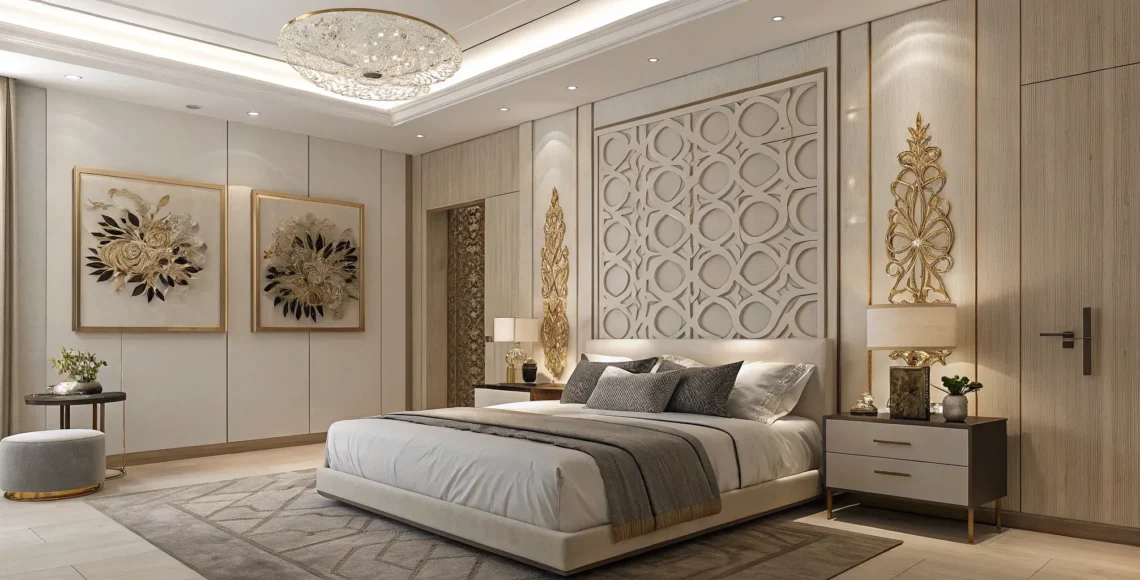
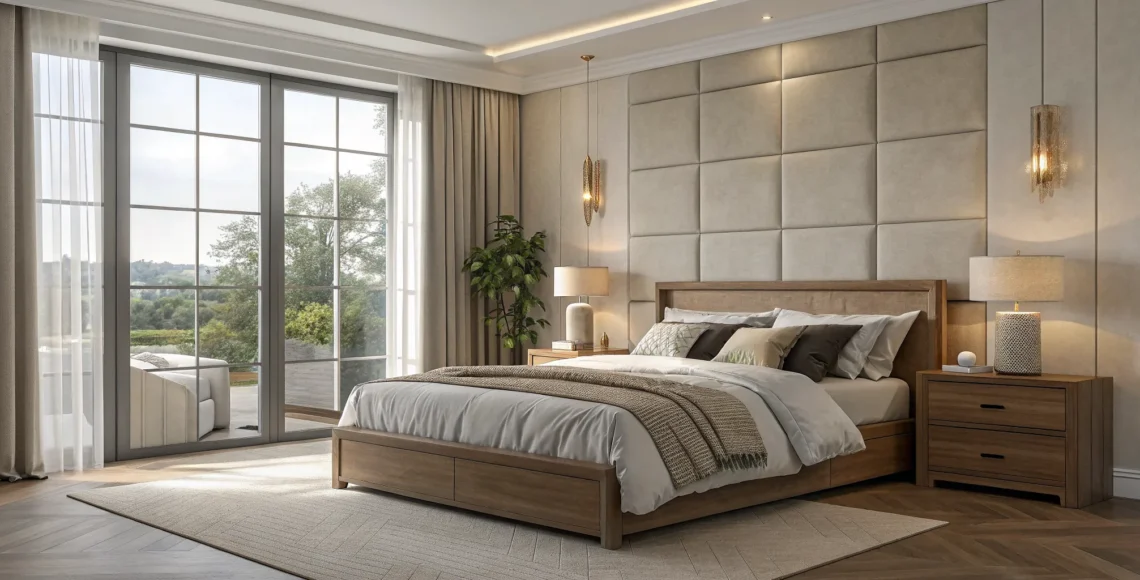
Modern master bedroom furniture featuring a low-profile platform bed and sleek nightstands in a neutral palette.

Your Guide to Timeless Modern Bedroom Furniture

When you hear “modern design,” do you picture cold, sterile rooms? Let’s clear that up. True modern style is about warmth, texture, and creating a space that is deeply personal and comfortable. It’s a philosophy where beautiful form meets everyday function, resulting in a room that is both uncluttered and inviting. This guide is here to debunk the myths. We’ll show you how to select the perfect modern bedroom furniture to curate a sophisticated retreat that feels both timeless and uniquely you.

Key Takeaways

  • Prioritize Clean Lines and Smart Function: Modern design is defined by its focus on simplicity and purpose. Select furniture with uncluttered forms and integrated storage to create a bedroom that feels both spacious and serene.
  • Layer Textures and Finishes for Warmth: Create a sophisticated and inviting atmosphere by thoughtfully combining different materials. Mix natural woods with sleek metal accents and soft fabrics like velvet or linen to add depth and prevent the space from feeling cold.
  • Curate a Personal and Timeless Space: Avoid the one-note look of a matching set by investing in a few high-quality anchor pieces. Build your room around a statement bed or dresser and complement it with simpler accents for a balanced, thoughtfully designed sanctuary that reflects your personal style.

What *Really* Defines Modern Bedroom Furniture?

When we talk about modern bedroom furniture, we’re describing more than just a passing trend. It’s a design philosophy rooted in simplicity, functionality, and intentionality. Think of it as a curated approach where every piece serves a purpose and contributes to a calm, uncluttered atmosphere. Modern design strips away the unnecessary, focusing instead on strong geometric shapes, natural materials, and innovative forms that feel both current and timeless. This style isn’t about creating a cold or sterile space; it’s about crafting a serene retreat that feels sophisticated and deeply personal.

It’s a departure from the ornate and overly decorative, favoring instead a ‘less is more’ mentality that allows the quality of the materials and the craftsmanship to shine. The result is a room that feels intentional and harmonious, where the furniture itself becomes a quiet statement of style. This focus on clean aesthetics and thoughtful function is what makes modern design so enduring. By understanding its core principles, you can select pieces that not only look beautiful but also enhance how you live in your most private space, creating a sanctuary that is both visually restful and perfectly suited to your needs.

Prioritize Clean Lines and Simple Forms

At the heart of modern design is a love for clean lines and uncomplicated shapes. This means furniture with smooth surfaces, straight edges, and gentle curves, free from ornate carvings or heavy embellishments. The beauty lies in the purity of the form itself. This approach has a wonderful effect on a room, helping it feel more organized, spacious, and full of light. A dresser with flat-front drawers or a bed with a simple, unadorned frame can make even a smaller bedroom feel more open and airy. This focus on minimalist principles creates a tranquil backdrop, allowing you to rest and recharge without visual distraction.

Opt for Smart, Multi-Functional Storage

Modern design champions the idea that form should always follow function. This is especially true when it comes to storage. Clutter is the enemy of a peaceful bedroom, so modern furniture often incorporates clever, integrated storage solutions. Look for nightstands with deep drawers, spacious dressers that keep your wardrobe organized, and platform beds with hidden compartments underneath. The goal is to maintain a tidy, streamlined look where everything has its place. These smart storage solutions are designed to be as beautiful as they are practical, ensuring your sanctuary remains serene and functional.

Why Platform Beds Are a Modern Staple

The platform bed is a signature piece in the modern bedroom, and for good reason. With its low profile and solid base, it creates a grounded, stable focal point without overwhelming the space. Most modern designs use a slat system or a solid platform to support the mattress, which means you don’t need a bulky box spring. This not only contributes to the bed’s sleek silhouette but also simplifies the overall look. Whether you choose a frame in warm walnut, a soft upholstered fabric, or a minimalist metal, a platform bed instantly establishes a contemporary and sophisticated tone for the entire room.

Integrate Smart Tech Seamlessly

True modern design evolves with the way we live, and today, that means seamlessly integrating technology into our furniture. This isn’t about adding gadgets for their own sake, but about enhancing convenience in a subtle, thoughtful way. You’ll find nightstands with built-in USB ports and wireless charging pads, eliminating the need for messy cables on your surfaces. Some headboards feature integrated reading lights that you can adjust with a simple touch. These thoughtful details blend modern style with everyday utility, making your bedroom not just a place for rest, but a space that works perfectly for your lifestyle.

Emerging Trends in Modern Bedroom Design

Modern design is anything but static; it’s constantly evolving to reflect how we want to live and feel in our homes. While the core principles of simplicity and function remain, the aesthetic is becoming warmer, more organic, and deeply personal. The latest trends are moving away from sharp, minimalist edges and toward designs that prioritize comfort, sustainability, and a quiet sense of luxury. It’s about creating a space that feels both sophisticated and incredibly livable. These shifts are making modern bedrooms more inviting than ever, blending clean lines with soft textures and natural elements for a perfectly balanced retreat.

Soft, Curved Silhouettes

One of the most noticeable shifts in modern furniture is the move toward softer, more rounded shapes. For a long time, modern design was associated with rigid, angular forms, but today, there’s a clear preference for pieces with gentle curves. Think of a bed with a gracefully arched headboard or a dresser with rounded corners. This trend emphasizes comfort and creates a welcoming, relaxed atmosphere. These curved silhouettes break up the straight lines in a room, adding visual interest and a sense of gentle movement that makes the space feel more inviting and serene.

Natural and Sustainable Materials

There’s a growing desire to bring the outdoors in, reflected in the materials we’re choosing for our bedrooms. Natural and sustainable options like cane, rattan, and warm woods such as walnut and white oak are becoming incredibly popular. These materials add texture and an organic warmth that can make a modern space feel more grounded. Beyond aesthetics, there’s a conscious choice to invest in pieces made from environmentally friendly materials that are built to last. This focus on sustainability and quality craftsmanship ensures your furniture is not only beautiful but also a responsible addition to your home.

The Influence of Italian Modern Design

Italian design has long been celebrated for its effortless blend of sophistication and function, and its influence on modern bedrooms is undeniable. This style is defined by its meticulous attention to detail, use of high-quality materials, and commitment to impeccable craftsmanship. Italian modern design isn’t about being flashy; it’s about a quiet, confident elegance that feels both luxurious and timeless. Incorporating elements of this style—like a sleek leather headboard or a beautifully lacquered nightstand—can bring a layer of refined chicness to your personal retreat, creating a space that feels both curated and deeply comfortable.

Your Modern Bedroom Furniture Checklist

Creating a modern bedroom is about more than just following trends; it’s about curating a personal sanctuary. The furniture you choose sets the tone for the entire space, acting as the foundation for a room that feels both serene and sophisticated. Instead of simply filling the room, think of each piece as a deliberate choice that contributes to a cohesive vision. The goal is to strike a perfect balance between clean, minimalist aesthetics and the practical needs of your daily life. Every item, from the bed you sleep in to the chair in the corner, should serve a purpose while reflecting your personal style.

The core of a modern bedroom rests on a few essential pieces that define its character. The bed is the undeniable focal point, storage solutions like dressers and wardrobes keep the space uncluttered and calm, and thoughtful accents like a bench or armchair add a layer of comfort and personality. When selected carefully, these elements work together to create a harmonious environment. It’s not necessary to purchase a matching set; in fact, a more curated and luxurious feel often comes from blending complementary textures, materials, and forms. By focusing on high-quality, beautifully designed essentials, you can build a timeless retreat that you’ll love for years to come.

Start with a Statement Bed or Headboard

The bed is the anchor of your bedroom, so it deserves to make a statement. In modern design, this often means a platform bed, which features a low profile and clean lines that create a grounded, serene feeling. Because they don’t require a box spring, platform beds maintain a sleek silhouette that feels effortlessly chic. The headboard, however, is where you can truly express your style. Consider a tall, upholstered headboard in a rich velvet or textured boucle to add softness and drama. Alternatively, a minimalist wood or metal frame can provide a more understated, architectural look. Think of your bed as the room’s primary art piece and choose a design that you find both restful and inspiring.

Add Sleek Dressers and Nightstands

Modern storage is all about clean lines and seamless integration. Your dressers and nightstands should be as beautiful as they are functional, providing essential space while enhancing the room’s minimalist aesthetic. Look for pieces with simple geometric shapes, flat-front drawers, and minimal or integrated hardware. Materials like warm walnut, high-gloss white lacquer, or matte black can create a sophisticated look. While a matching bedroom set can provide an instantly cohesive feel, we often prefer to mix materials for a more dynamic, custom-designed space. For example, pairing a wooden dresser with sleek, metallic nightstands can add visual interest and a touch of personal flair.

Organize with a Minimalist Wardrobe

An uncluttered space is a calm space, which makes effective storage non-negotiable in a modern bedroom. Minimalist wardrobes and armoires are designed to blend into the room, offering generous storage without adding visual bulk. Floor-to-ceiling built-in closets with flat-panel doors create a completely seamless look, making the room feel larger and more organized. If you prefer a freestanding piece, choose an armoire with a simple, unadorned design. The true luxury lies inside, where you can create a customized storage system tailored to your exact needs, with dedicated spots for everything from shoes to jewelry.

Finish the Space with an Accent Chair or Bench

The final layer of a well-designed bedroom often comes from a perfectly chosen accent piece. A stylish chair or bench can add function, color, and personality to your space. Consider creating a cozy reading nook with a sculptural armchair and a small side table. A sleek bench at the foot of the bed is another classic choice, offering a convenient spot to sit while getting ready and adding a polished, hotel-like finish to the room. This is a great opportunity to introduce a new texture or a pop of color. Our design team can help you select the ideal piece that complements your existing furniture and completes your vision for the room.

Complete the Room with Mattresses, Pillows, and Rugs

Your furniture lays the groundwork, but the mattress, pillows, and rug are what truly transform the space into a sanctuary. A high-quality mattress is non-negotiable, providing the foundation for restful sleep while maintaining the clean, low profile of your platform bed. From there, you can layer in warmth and personality. A well-placed rug grounds the entire room, adding a soft texture underfoot that contrasts beautifully with the sleek lines of your furniture. When it comes to choosing a rug, consider both size and material to define the space without overwhelming it. Finally, a curated collection of pillows in complementary fabrics—think linen, velvet, or boucle—adds a final layer of comfort and visual interest, completing the sophisticated yet inviting atmosphere.

A Guide to Modern Materials and Finishes

The materials and finishes you select are what bring a modern bedroom design to life. They create the tactile experience of the room, influencing everything from how light plays off surfaces to how the space feels to the touch. This is your opportunity to build layers of sophistication and personality, creating a room that is not just visually stunning but also deeply personal and inviting. By thoughtfully combining different elements, you can craft a sanctuary that feels both contemporary and timeless.

Bring in Warmth with Natural Wood

Modern design often gets a reputation for feeling cold, but incorporating natural wood is the perfect way to add warmth and organic beauty. Woods like white oak, rich walnut, or even teak introduce natural texture and grounding energy to a space. Consider a bed frame with a simple, elegant wooden headboard or nightstands that showcase a beautiful grain. These pieces serve as a warm counterpoint to cleaner lines and cooler tones, creating a balanced and welcoming atmosphere. A great design often uses natural materials to make a room feel more connected and serene.

Consider Engineered Wood Options

While solid hardwood has its classic appeal, engineered wood is a fantastic choice for a modern bedroom, offering a perfect blend of beauty and resilience. Its unique structure, which consists of a real wood veneer over layers of high-quality plywood, makes it incredibly stable and more resistant to warping or cracking than solid wood. This durability ensures your flooring remains pristine for years. Beyond its practical strengths, engineered wood opens up a world of design possibilities, available in a vast array of species, colors, and finishes. This variety allows you to introduce rich texture and warmth, creating a sophisticated foundation that beautifully complements the clean lines of your modern furniture.

Contrast High-Gloss and Matte Surfaces

Creating visual interest in a modern bedroom is all about subtle contrast, and playing with different finishes is a fantastic way to achieve it. High-gloss surfaces, like lacquered dressers or side tables, reflect light and add a sleek, polished feel that feels distinctly contemporary. In contrast, matte finishes absorb light, offering a soft, understated elegance that can make a space feel calm and sophisticated. The real magic happens when you combine them. Imagine a high-gloss nightstand set against a wall with a matte finish; the interplay between the two adds depth and a dynamic quality to the room.

Explore Unique Finishes: Veneer, Lacquer, Concrete, and Stone

While natural wood is a beautiful foundation, exploring more unique finishes can add a truly custom and luxurious feel to your bedroom. Finishes like veneer and lacquer open up a world of possibilities for creating a chic and polished look. A high-quality wood veneer can give you the appearance of exotic grains without the cost or environmental impact, while lacquer offers a flawless, durable surface. You can choose a high-gloss lacquer to reflect light and create a glamorous, modern vibe, or opt for a soft matte lacquer for a more subdued, sophisticated feel. These finishes allow for a level of precision and smoothness that can make a simple dresser or nightstand feel like a piece of art.

For a more textural and unexpected approach, consider incorporating materials like concrete and stone. These elements introduce a raw, organic quality that beautifully contrasts with softer textiles in the room. A nightstand with a concrete top or a dresser with a stone inlay can add a subtle industrial edge or a touch of earthy luxury. These materials are not only visually interesting but also incredibly durable. At Freddie Ramon, we love sourcing unique pieces that play with these materials, as they add a grounding element to the design and create a space that feels both sophisticated and thoughtfully curated.

Layer Textures Like Boucle, Velvet, and Linen

Texture is essential for making a modern bedroom feel cozy and luxurious. Soft, touchable fabrics invite you to relax and unwind. Boucle, with its looped, nubby texture, is perfect for an accent chair or a headboard, adding instant comfort and visual softness. Velvet brings a sense of plushness and opulence, ideal for throw pillows or a bench at the foot of the bed. For a more relaxed, airy feel, consider linen for your bedding or curtains. These textural fabrics prevent the room from feeling flat and create a rich, layered environment you’ll love spending time in.

Don’t Forget Sleek Metal Accents

Think of metal accents as the jewelry of your bedroom; they provide the finishing touch that pulls the entire look together. Sleek metal details can introduce a different texture and a hint of shine, reinforcing the modern aesthetic. Consider matte black for a bold, graphic look on drawer pulls or lamp bases. Brushed brass or bronze can add a touch of warmth and elegance to mirror frames or the legs of a nightstand. These metal hardware elements should be used thoughtfully to complement the other materials in the room, adding a final layer of refinement and polish.

How to Find Your Perfect Modern Color Palette

The color palette of your master bedroom does more than just fill the walls; it sets the entire mood for your personal sanctuary. A modern color scheme is all about creating a sophisticated and tranquil atmosphere where you can truly unwind. While many people associate modern design with stark whites and cool grays, today’s approach is much more nuanced and personal. It’s about building a layered, intentional space that feels both clean and comfortable.

Think of your color palette as the foundation upon which all your furniture and decor will rest. The right combination of hues can make your room feel more spacious, highlight architectural details, and tie your entire design together. By focusing on a solid neutral base, introducing pops of high-contrast color for visual interest, and carefully balancing warm and cool tones, you can create a bedroom that feels like a bespoke retreat. This thoughtful approach ensures your space is not just stylish, but also a perfect reflection of your taste and a haven for relaxation.

Build a Foundation with Neutrals

A neutral foundation is the secret to a timeless and versatile modern bedroom. It creates a serene backdrop that allows your furniture and accent pieces to truly shine. But neutral doesn’t have to mean boring or cold. The latest neutral paint color trends are shifting away from cool grays and toward warmer, more organic hues. Think of soft, earthy tones that feel grounding and peaceful.

Colors like sage green, warm beige, and muted greige (a mix of gray and beige) can make a room feel incredibly soothing. These shades have a natural depth that adds sophistication without overwhelming the space. Using a warm neutral on the walls gives you the flexibility to layer in different textures and materials, creating a rich, inviting environment that you’ll love coming home to.

Incorporate On-Trend Upholstery Shades

While your walls provide a neutral canvas, your upholstered furniture is the perfect place to introduce rich, sophisticated color. Think beyond basic gray and consider shades that add warmth and personality. Rich colors like camel, terracotta, and deep navy are becoming increasingly popular for headboards, benches, and accent chairs. These hues look especially luxurious in materials like plush velvet or textured boucle fabrics, creating a focal point that feels both cozy and chic. Choosing an on-trend shade for your upholstery is a simple way to make your bedroom feel current and thoughtfully designed without committing to a bold color on all four walls.

Add Drama with High-Contrast Colors

Once you have your calming neutral base, you can add personality and depth with high-contrast colors. This is where you can make a statement and prevent the room from feeling one-dimensional. A touch of drama creates visual interest and a sense of curated luxury. The key is to be intentional with your choices, using darker or bolder shades as accents rather than covering the entire room.

Consider painting an accent wall behind your bed in a deep charcoal, navy, or even a rich forest green. You can also introduce contrast through furniture, like a dark wood dresser against a light wall. The growing popularity of earthy color palettes offers beautiful options, such as pairing a deep terracotta or rust color with soft cream or beige. This dynamic interplay between light and dark makes the space feel both modern and incredibly inviting.

Strike a Balance Between Warm and Cool Tones

Achieving a perfectly balanced atmosphere in your bedroom often comes down to harmonizing warm and cool tones. This thoughtful blend is one of the most important bedroom trends because it directly impacts how a room feels. Warm tones, like natural wood finishes, soft golds, and muted reds, create a sense of coziness and comfort. They make a space feel welcoming and intimate.

On the other hand, cool tones like soft blues, gentle grays, and crisp whites bring a feeling of freshness and calm. They can make a room feel more spacious and airy. The magic happens when you layer them together. Imagine cool gray walls warmed up by a natural oak bed frame, or a crisp white duvet topped with plush, warm-toned velvet pillows. This balance creates a sophisticated, layered look that feels both relaxing and complete.

Practical Steps Before You Buy

With your color palette decided, the exciting part begins: choosing the furniture. But before you click ‘add to cart,’ a little preparation can make all the difference between a good purchase and a great one. Taking a few practical steps ensures that your new pieces will not only look beautiful but will also fit perfectly into your space and your life. This isn’t about adding stress to the process; it’s about making confident, informed decisions so you can build your dream bedroom without any regrets. Think of it as the final checklist before creating your perfect modern retreat.

Measure Your Bedroom Carefully

This might sound basic, but you’d be surprised how often it’s overlooked. Before you fall in love with a king-size platform bed, you need to know exactly what your room can handle. Grab a tape measure and get the dimensions of your bedroom, but don’t stop there. Measure the width of your doorways, hallways, and any tricky corners in your stairwell. The most beautiful dresser in the world is useless if you can’t get it into the room. Once you have your numbers, use painter’s tape to mark the footprint of your potential furniture on the floor. This simple trick helps you visualize the scale and ensures you leave plenty of space to walk around, maintaining that open, airy feel that is so essential to modern design.

Read Customer Reviews

Online photos are styled to perfection, but customer reviews tell the real story. They are an invaluable resource for understanding the true quality, color, and durability of a piece. Look for furniture with a significant number of reviews, as this gives you a more reliable consensus. I always recommend paying close attention to reviews that include photos from other buyers; this gives you a much better sense of how the item looks in a real home with normal lighting. Notice any recurring themes. While a single negative comment might be an outlier, several people mentioning that the color is different than expected or that assembly was a nightmare is a clear red flag. This due diligence helps you shop with confidence and avoid any unwelcome surprises when your new furniture arrives.

Check for Floor Sample Discounts

Here’s an insider tip for acquiring high-end pieces without the high-end price tag: ask about floor samples. Showrooms regularly update their displays and sell their gently used floor models at a significant discount. These pieces are often from top-tier brands, giving you the chance to invest in superior craftsmanship that will last for years. Of course, you’ll want to inspect the item carefully for any noticeable scratches or wear before you commit. A minor scuff on the back of a nightstand might be a worthy trade-off for a great price. This is also where working with a design firm like ours can be a huge advantage; we have established relationships with showrooms across Las Vegas and often get first access to these kinds of opportunities for our clients.

4 Modern Furniture Myths, Busted

Modern design is often misunderstood, surrounded by myths that can keep you from creating the serene, sophisticated bedroom you envision. Let’s clear up some of the most common misconceptions. The truth is, modern furniture is incredibly versatile, comfortable, and built with your lifestyle in mind. By understanding what truly defines this style, you can confidently select pieces that are both beautiful and perfectly suited to your space. It’s all about thoughtful design, quality materials, and a focus on creating a room that feels uniquely yours.

Myth: “Modern” Is Just Another Word for Uncomfortable

Many people associate the clean, sharp lines of modern furniture with a lack of comfort. It’s easy to see a sleek sofa or a minimalist bed frame and assume it prioritizes style over coziness. However, the opposite is often true. Great modern design is rooted in ergonomics, focusing on how a piece supports the human body. High-quality materials like supportive memory foam, plush boucle fabrics, and soft, supple leathers are frequently used to ensure every piece feels as incredible as it looks. True luxury never asks you to sacrifice comfort for aesthetics; it seamlessly blends them.

Myth: You Need a Huge Room for Modern Furniture

Another common belief is that modern furniture is too substantial for anything but a large, open-concept room. In reality, its signature characteristics, like clean lines, uncluttered forms, and a lack of fussy ornamentation, can make a smaller bedroom feel more spacious and airy. Because modern pieces don’t have a lot of visual weight, they prevent a room from feeling crowded. Smart choices like floating nightstands or platform beds with integrated storage can maximize your floor space and reduce clutter, helping you avoid common bedroom furniture mistakes that can make a room feel cramped.

Myth: Modern Pieces Won’t Stand the Test of Time

Because of its often delicate and streamlined appearance, some worry that modern furniture isn’t durable enough for daily life. This couldn’t be further from the truth. Reputable modern furniture is crafted with longevity in mind, using high-quality materials like solid hardwoods, steel, and resilient finishes. The focus on simplicity often means that the construction itself is incredibly strong and well-engineered. When you invest in a piece from a trusted designer or craftsman, you’re getting furniture that is built to withstand the test of time, proving that minimalist design and robust durability can go hand in hand.

Myth: You Have to Buy a Matching Bedroom Set

The idea that you must purchase a complete, matching bedroom set is an outdated rule. Modern design actually encourages a more curated and personal approach. The beauty of this style lies in its versatility, allowing you to mix and match individual pieces to create a look that reflects your personality. Pairing a warm wood dresser with a metal-framed bed or mixing different textures can add depth and character to your room. This approach helps you avoid common bedroom decor mistakes and results in a space that feels collected and thoughtfully designed, not pulled straight from a catalog.

The Case for a Coordinated Bedroom Set

While mixing furniture is a fantastic way to build a layered, personal space, there’s also a strong case for choosing a coordinated bedroom set. This approach isn’t about following outdated rules; it’s about embracing simplicity and guaranteed harmony. A well-designed set ensures that the scale, proportions, and finishes of your bed, nightstands, and dresser are all perfectly complementary, removing the guesswork from the design process. This can be a huge relief if you feel overwhelmed by endless choices or simply want a clean, cohesive foundation to build upon. Think of it as a smart design strategy that provides a unified canvas, allowing you to then add your personality through unique textiles, lighting, and art.

Where to Find the Best Modern Bedroom Furniture

Once you have a clear vision for your modern master bedroom, the next step is finding the right pieces to bring it to life. Sourcing furniture can feel like a huge task, but it’s really about knowing where to look. Whether you prefer browsing curated collections at high-end retailers, discovering unique items from boutique brands, or commissioning a one-of-a-kind piece, there are several paths to furnishing your perfect sanctuary. The key is to find sources that align with your aesthetic, quality standards, and budget. By exploring different avenues, you can assemble a collection of furniture that not only looks beautiful but also feels deeply personal and tailored to your lifestyle. Think of it as a treasure hunt where each discovery adds another layer of character and sophistication to your space. Let’s look at a few reliable strategies for sourcing furniture that will stand the test of time.

Start Your Search at High-End Retailers

When you want to see a wide range of stylish options in one place, high-end retailers are an excellent starting point. These stores often curate collections that reflect current trends while maintaining a standard of quality and luxury. Some retailers, like Modani Furniture, specialize in modern and contemporary designs that aim for a high-end look without an inaccessible price tag. This approach makes it possible to achieve a sophisticated, polished aesthetic on a more manageable budget. Visiting these retailers, either online or in person, can help you visualize how different pieces work together and refine your own personal style.

Check for In-Stock vs. Pre-Order Items

As you browse, make it a habit to check the availability of each piece. You’ll usually find items marked as either “in-stock” or “pre-order,” and the difference can significantly impact your timeline. In-stock furniture is ready to go, meaning it can be delivered relatively quickly, allowing you to set up your new space without a long wait. Pre-order items, however, are not yet available and often come with longer lead times that can stretch for weeks or even months. Knowing this upfront helps you make an informed decision. If you fall in love with a pre-order bed, you can plan the rest of your room’s installation around its arrival, ensuring a smooth and stress-free process.

Discover Hidden Gems from Boutique Brands

For pieces that feel more exclusive and unique, boutique brands are a fantastic resource. These smaller, often design-led companies offer furniture that you won’t see in every other home. For example, Modloft provides modern bedroom furniture that balances striking visuals with practical functionality. Their mission is to help you create a comfortable, serene space that encourages relaxation and restful sleep. Exploring boutique brands is a great way to find statement pieces with distinct character, from an artfully designed dresser to a uniquely upholstered bed frame, that can become the centerpiece of your room.

Go Custom with an Interior Designer

If you’re looking for something truly tailored to your space and vision, nothing compares to custom furniture. Working with an interior designer allows you to create pieces that fit your room’s exact dimensions and meet your specific functional needs. While some retailers offer professional design consultation services to help you select items, a dedicated designer can oversee the creation of bespoke furniture from concept to installation. This collaborative process ensures every detail, from the wood finish to the hardware, is chosen by you. The result is a piece that is not only beautiful and functional but also a true reflection of your personal style.

How to Invest in Bedroom Furniture That Lasts

Creating a modern master bedroom is more than just picking out furniture; it’s about making a long-term investment in your comfort and personal sanctuary. When you choose pieces thoughtfully, you build a space that not only looks beautiful but also stands the test of time. Instead of chasing fleeting trends, focus on a strategy that prioritizes quality, personal expression, and a cohesive vision. This approach ensures every dollar you spend contributes to a room you’ll love for years to come. A well-furnished bedroom is a daily luxury, and making smart, lasting choices is the key to achieving that feeling. Here’s how to invest wisely in your bedroom furniture.

Prioritize Timeless, High-Quality Pieces

The most important pieces in your bedroom, like the bed frame and dressers, are worth investing in. Opting for high-quality modern furniture means it will continue looking great and functioning perfectly for many years, even if your personal style evolves. Look for solid wood construction, smooth-gliding drawers, and durable finishes, as these are the hallmarks of furniture built to last. A timeless design with clean lines and a simple silhouette will serve as a beautiful foundation that you can easily update with new bedding, lighting, or accessories over time. This focus on quality ensures your core pieces remain stylish and sturdy, saving you from having to replace them every few years.

Look for Kiln-Dried Hardwood Frames

When you’re evaluating the quality of a piece, the frame is the first place to look. The best modern furniture is built with kiln-dried hardwood frames, a detail that signals superior craftsmanship and durability. This process involves drying the wood in a controlled environment to remove moisture, which is crucial for preventing the frame from warping, shrinking, or cracking over time. It’s a step that cheaper manufacturing often skips, but it’s what ensures your furniture maintains its structural integrity and beauty for years. This commitment to using strong materials is a key differentiator between a piece that just looks good and one that is truly built to last.

Understanding the Cost of Quality

It can be tempting to opt for a less expensive piece, but investing in high-quality furniture is one of the smartest long-term decisions you can make for your home. While the initial cost may be higher, a well-crafted item will look beautiful and function perfectly for many years, making it a much better value than cheaper alternatives that often need replacing. The price reflects superior materials, meticulous craftsmanship, and thoughtful design. Think of it not as a splurge, but as an investment in your daily comfort and the lasting beauty of your personal sanctuary. This is the kind of quality that forms the foundation of a truly luxurious and timeless space.

Consider Delivery and Protection Plans

Once you’ve found the perfect pieces, it’s important to think about the logistics of getting them home and keeping them pristine. Many retailers offer white-glove delivery, which is well worth it for large, heavy items. This service typically includes assembly, placement in your room, and removal of all packaging materials, protecting both your new furniture and your home from damage. Additionally, consider a protection plan. These plans can cover accidental damage like stains, scratches, or spills, giving you peace of mind that your investment is safe. It’s a small extra step that ensures you can fully enjoy your beautiful new furniture without worry.

Why Custom Craftsmanship Is Worth It

Off-the-shelf furniture can be convenient, but it rarely offers the perfect fit or unique character that custom pieces provide. Working with a designer to commission custom furniture allows you to tailor every detail, from the dimensions and materials to the finish and hardware, to your exact specifications. This ensures the piece not only fits your space perfectly but also reflects your individual style. High-end brands often feature designs, like the luxurious and comfortable Bond Bed’, that showcase what’s possible with superior craftsmanship. A custom piece is more than just furniture; it’s a functional work of art designed exclusively for your home.

Mix Statement Pieces with Simple Accents

A well-designed room has a clear focal point. Instead of filling your bedroom with attention-grabbing furniture, choose one or two statement pieces to anchor the space. This could be a bed with a dramatic headboard, a uniquely shaped dresser, or a beautiful accent chair. Let these items shine by pairing them with simpler, more understated accents. This creates a sense of visual balance and sophistication, preventing the room from feeling cluttered or overwhelming. While a matching bedroom set can create a cohesive look, mixing a statement piece with complementary items often results in a more curated and personal design.

Think Ahead with a Long-Term Design Plan

Before you buy a single item, take the time to create a comprehensive plan for your bedroom. Think about how you want the space to feel and function. A great first step is to create a mood board with images of furniture, color palettes, and textures that inspire you. This visual guide will help you make cohesive decisions and avoid impulse purchases that don’t align with your vision. Establish a realistic budget and decide which pieces to prioritize. Planning ahead allows you to invest in the right items at the right time, building your dream bedroom thoughtfully and intentionally.

Related Articles

Frequently Asked Questions

How can I make a modern bedroom feel warm and inviting, not cold or sterile? This is a common concern, but creating warmth is actually central to good modern design. The key is to layer textures and natural materials. Start by incorporating woods like white oak or walnut for your bed frame or dressers to add an organic, grounding element. Then, introduce soft fabrics. Think about an upholstered headboard in a nubby boucle fabric, velvet accent pillows, or a soft linen duvet. These touchable materials prevent the space from feeling flat and add a sense of comfort and luxury.

If I have a limited budget, which piece of furniture should I prioritize investing in? Without a doubt, your bed. It’s the functional and visual anchor of the entire room. A high-quality, well-designed bed frame will set a sophisticated tone and last for years, serving as a solid foundation you can build around. A quality mattress is also a non-negotiable part of this investment for your well-being. After the bed, I would focus on a durable, functional dresser that provides the storage you need to keep the room feeling calm and uncluttered.

Do all my furniture pieces need to match to create a modern look? Absolutely not. In fact, a room often feels more luxurious and personally curated when the pieces don’t match perfectly. The goal is to create harmony, not uniformity. You can achieve a cohesive look by mixing materials and finishes thoughtfully. For example, you could pair a warm wood dresser with sleek nightstands that have metal accents. As long as the pieces share a similar design language, like clean lines and simple forms, they will work together beautifully to create a dynamic and interesting space.

Is modern furniture a good choice for a smaller bedroom? Yes, it’s an excellent choice. The core principles of modern design, like clean lines, uncluttered surfaces, and a lack of heavy ornamentation, are perfect for making a smaller room feel more spacious. A platform bed, for instance, has a low profile that creates more visual openness than a traditional bed with a bulky box spring. Look for pieces with smart, integrated storage to minimize clutter, which is essential for helping a compact space feel serene and organized.

How do I choose a color palette that feels modern but also personal and relaxing? The best approach is to build your palette in layers. Start with a warm, neutral foundation on the walls, like a soft greige or a muted sage green, to create a soothing backdrop. Then, introduce a single element of high contrast for a touch of drama. This could be a dark charcoal accent wall behind the bed or a deep navy dresser. Finally, balance the room by weaving in both warm and cool tones through your furniture and decor, like a natural wood bed frame paired with crisp white bedding and soft blue pillows.
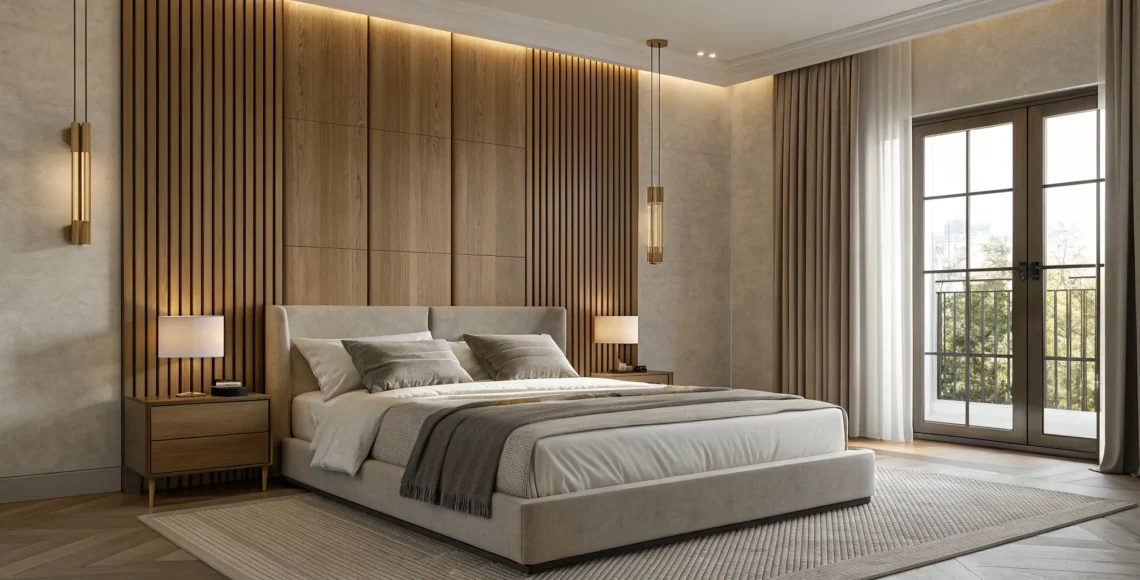
Elegant master bedroom idea with a modern wood accent wall and warm, ambient lighting.

15 Bedroom Accent Wall Ideas for a Luxury Look

When you think of an accent wall, your mind probably goes straight to paint. While a bold color is a classic choice, a truly transformative bedroom accent wall often incorporates texture and dimension. A feature wall can be so much more than a flat surface; it can be a work of art. Consider the organic warmth of wood slats, the quiet luxury of upholstered panels, or the timeless character of exposed brick. These materials add a layer of sophistication that paint alone can’t achieve. This guide explores a range of master bedroom accent wall ideas that go far beyond the paint can, showing you how to create a stunning and memorable focal point.

Key Takeaways

  • Select the right wall for maximum impact: The best accent wall enhances a room’s natural focal point, which is almost always the wall behind your bed. To maintain a sophisticated and balanced design, commit to highlighting just one wall.
  • Incorporate texture for a luxurious feel: While paint is a great start, materials like wood paneling, textured wallpaper, or upholstered fabric panels add a layer of depth and dimension. This approach makes your bedroom feel more custom and thoughtfully designed.
  • Create harmony with thoughtful styling: An accent wall is the star, but it needs a supporting cast. Coordinate your furniture, bedding, and lighting to complement your statement wall, ensuring the entire room feels cohesive and intentional.

What Is a Bedroom Accent Wall?

Simply put, an accent wall is a single wall in a room that’s designed to stand out from the others. Whether through a bold paint color, a rich texture, or a stunning wallpaper, its purpose is to draw the eye and create a focal point. Think of it as the perfect way to add a dose of personality and visual interest to your master bedroom without the commitment of redecorating the entire space. It’s a chance to experiment with a dramatic color or pattern you love but might hesitate to use on all four walls.

In a personal sanctuary like the bedroom, an accent wall can completely transform the atmosphere. It can make your bedroom look new and exciting without requiring a total overhaul. This single design element can serve as a beautiful backdrop for your headboard, add a layer of sophistication, or introduce a calming color that helps you unwind. It’s a strategic way to incorporate a bold design while ensuring the room remains a balanced and restful retreat.

Beyond the visual impact, an accent wall is a wonderfully practical design choice. It’s a cost-effective way to add depth, excitement, and style to your room, saving you both the time and expense of a complete redesign. And perhaps the best part is the flexibility. Unlike more permanent fixtures, an accent wall is relatively simple to change when you’re ready for a new look, giving you the freedom to refresh your space as your tastes evolve.

Which Wall Should Be Your Accent Wall?

Before you start sampling paint colors or ordering wallpaper, the most important decision is choosing which wall to feature. This single choice sets the tone for the entire room. The right wall can create harmony, draw attention to your room’s best features, and serve as a stunning backdrop for your furniture. The wrong one, however, can make the space feel unbalanced, smaller, or even chaotic. Think of it as the foundation of your design; a thoughtfully chosen accent wall works with your room’s architecture to create a cohesive and intentional look that feels both luxurious and personal.

When you walk into your bedroom, where do your eyes naturally land? That’s usually your best candidate. The goal is to enhance a natural focal point, not create a new one that competes for attention. By selecting the right surface, you set the stage for a design that feels both dramatic and perfectly integrated. It’s a simple step, but getting it right is what separates a good design from a truly great one. We’ll help you consider the room’s layout, its unique features, and the overall feeling you want to create to ensure your accent wall becomes the stunning centerpiece it’s meant to be.

Find the Natural Focal Point

Every room has a wall that naturally commands attention. In a master bedroom, this is almost always the wall behind your bed. Since the bed is the largest and most significant piece of furniture, highlighting the wall it rests against reinforces its importance and creates a beautiful anchor for the entire room. Other great options include a wall with a fireplace, a charming architectural niche, or the perfect spot for a gallery wall. Stand at the entrance of your room and see which wall feels like the natural star.

Work With Your Room’s Architecture

An accent wall is a powerful tool for altering the perception of a room’s size and shape. If you have a long, narrow bedroom, for instance, placing the accent on one of the shorter walls can visually push it back, helping the space feel wider and more balanced. Conversely, avoid placing a dark, heavy accent on the longest wall in a narrow room, as it can make the space feel even more constricted. Pay attention to windows and doors, too. A solid wall without breaks often makes the strongest and cleanest canvas for your design.

Define a Space in an Open-Concept Room

In homes with open-concept layouts, an accent wall is a brilliant way to create visual separation without putting up a physical barrier. If your master bedroom flows into a sitting area or a home office nook, a feature wall can help delineate the sleeping zone, making it feel like a distinct and tranquil retreat. By using a specific color or texture behind the bed, you signal that this part of the room is for rest and relaxation. This technique allows you to create different feelings within a single, large space—a cozy, intimate vibe for the bedroom area and a brighter, more energetic one for the adjoining space.

Consider Walls With Windows

Many people automatically rule out a wall with windows, assuming an accent wall needs to be a solid, uninterrupted canvas. However, a wall with windows can be a stunning choice. Treating this wall draws attention to the natural light and the view outside, turning the windows themselves into a design feature. A deep, dramatic color can make the light pouring in feel even brighter, while a subtle wallpaper pattern can beautifully frame the view. The key is to see the windows not as an obstacle, but as an integral part of the design that you can choose to highlight.

Why You Should Stick to Just One Wall

In design, restraint is often the key to elegance. While it might be tempting to get creative with multiple accent walls, it’s best to stick to just one. The purpose of an accent wall is to create a single, deliberate focal point. Adding more than one can make the room feel busy and disjointed, which is the opposite of the serene retreat you want for a master bedroom. A single, beautifully executed accent wall is all you need to make a statement and give your space a polished, high-end feel.

Paint Ideas for Your Bedroom Accent Wall

Paint is one of the most transformative tools in a designer’s kit, and it’s the perfect starting point for creating a beautiful accent wall. It’s a relatively simple update, yet the impact can be absolutely stunning. Whether you’re drawn to deep, moody hues or soft, layered tones, paint gives you the flexibility to express your personal style and set the exact mood you want for your sanctuary. An accent wall isn’t just about adding a pop of color; it’s about creating a deliberate focal point that anchors the room and gives the eye a place to rest. Think of it as the backdrop for your headboard, a canvas for a favorite piece of art, or simply a way to add architectural interest to an otherwise plain space.

Before you even pick up a brush, consider the room’s lighting and existing decor. A color that looks perfect on a paint chip can appear completely different depending on the natural and artificial light in your bedroom. The right paint choice can tie together your bedding, furniture, and accessories, making the entire design feel more cohesive and thoughtfully curated. With the right color and technique, a painted accent wall can make your master bedroom feel more luxurious and uniquely yours. Let’s explore a few creative ways you can use paint to make a powerful statement.

Try a Bold, Dramatic Color

If you want to make a confident statement, a bold accent wall is the way to go. The key is to create contrast. If your other walls are a light, neutral shade like soft white or pale gray, choosing a deep, saturated color for the wall behind your bed will instantly draw the eye. Think rich navy, emerald green, or even a sophisticated charcoal. This technique creates a stunning contrast that adds a layer of drama and intimacy to the space. A dark accent wall can also make a large room feel cozier and provides a beautiful backdrop that makes lighter-colored furniture and artwork pop.

Add Dimension with Textured Paint

Why stop at color when you can also add texture? A textured accent wall introduces a tactile element that makes your bedroom feel incredibly rich and custom. You can achieve this with specialty paint finishes like limewash or suede paint, which give the wall a soft, mottled appearance. For an even more dimensional effect, consider adding materials before you paint. Applying thin wood molding in a geometric pattern or installing wall panels can create a sophisticated and layered look once coated in a single, uniform color. This approach adds subtle shadow lines and visual interest without overwhelming the space, giving it a high-end, architectural feel.

Use Creative Paint Techniques Like Sponging

Move beyond a solid color and consider the artistic effects you can achieve with creative paint techniques. Methods like sponging, where you layer colors with a sea sponge, can create a soft, cloud-like texture that adds depth and a sense of movement to your wall. Imagine sponging soft white paint over a serene blue base to create a dreamy, ethereal backdrop for your bed. This approach allows you to change how a room feels, turning it into a calm and personalized retreat. Other techniques, like color washing or rag rolling, offer similar opportunities to introduce subtle patterns and a handcrafted feel. It’s a fantastic way to get a custom, wallpaper-like effect with the simple versatility of paint, making your accent wall a true piece of art.

Play with a Two-Tone or Ombre Look

For a look that’s stylish yet subtle, a two-tone or ombre wall is a beautiful choice. Instead of one solid color, this technique involves blending multiple shades together. A two-tone wall, often split horizontally with a darker color on the bottom and a lighter one on top, can create the illusion of higher ceilings and adds a touch of classic elegance. An ombre effect, where colors gradually fade into one another, can establish a serene atmosphere perfect for a relaxing retreat. Using two soft, complementary colors together will make the room feel calm and cozy, offering a modern twist on the traditional accent wall.

Create a Painted Mural or Faux Headboard

Treat the wall behind your bed as a blank canvas and create something truly unique. A painted mural can add a deeply personal touch, turning your accent wall into the room’s main work of art. This doesn’t mean you need a complex landscape; a large-scale abstract design, a series of soft arches, or a bold geometric pattern can draw attention to the bed and add incredible character. Another clever idea is to paint a faux headboard directly onto the wall. By painting a shape—like a rectangle or an arch—that extends beyond the width of your bed, you can frame the space beautifully and create a high-impact look with just a can of paint.

Wallpaper Ideas for an Accent Wall

If the word “wallpaper” brings to mind dated floral patterns from your grandmother’s house, it’s time for a fresh look. Wallpaper has made a major comeback, and today’s designs are more like works of art for your walls. It’s one of the most effective ways to introduce personality, color, and texture into your master bedroom, creating an instant focal point without the need for a complete overhaul. As design experts note, it’s a fantastic way to add style and transform the entire feel of a room.

Whether you’re drawn to a dramatic print or a subtle texture, wallpaper can set the tone for your personal sanctuary. It’s a chance to express your unique vision and create a backdrop that feels both luxurious and deeply personal. From bold botanicals to shimmering metallics, the right wallpaper can turn a plain wall into the centerpiece of your bedroom design.

Keep It Simple with Peel-and-Stick

For those who love to refresh their space or want a commitment-free design solution, peel-and-stick wallpaper is a game-changer. Think of it as a giant, high-quality sticker for your wall. These removable wallpapers are incredibly user-friendly, allowing you to achieve a professional look without the mess and permanence of traditional paste. They come in a stunning array of patterns, from abstract brushstrokes to classic stripes, so you never have to sacrifice style for convenience. It’s the perfect way to experiment with a bold trend or add a touch of pattern that you can easily swap out whenever inspiration strikes.

Go Big with Patterns and Botanicals

Your master bedroom is your retreat, so why not make it truly spectacular? A wall adorned with a bold pattern can instantly add energy and character to your space. Consider large-scale floral designs, lush botanical prints with vibrant leaves, or even a sophisticated animal print to create a dynamic and visually engaging accent. These patterns serve as a stunning backdrop for your bed and can tie your entire color scheme together. Don’t be afraid to choose something that feels dramatic; a powerful print can turn your accent wall into a breathtaking piece of art that makes the room feel custom-designed and uniquely yours.

Add Glamour with Metallics and Textures

To bring a layer of quiet luxury and sophistication to your bedroom, look beyond flat color and pattern. Textured and metallic wallpapers add incredible depth and elegance, interacting with light in a way that paint simply can’t. Imagine a wall covered in subtle grasscloth, raw silk, or a design with shimmering metallic threads that catch the morning sun. These materials add a tactile quality that makes the room feel richer and more inviting. Incorporating a textured finish is a subtle yet powerful way to create a high-end, polished look that speaks to meticulous craftsmanship and timeless style.

How to Create a Wood Accent Wall

There’s something undeniably comforting about natural materials, and a wood accent wall is a perfect way to bring that organic warmth and character into your master bedroom. It acts as an instant focal point, drawing the eye and creating a cozy, grounded atmosphere without having to change the entire room. Wood is incredibly versatile, allowing you to introduce a bold texture in a focused area so it enhances the space rather than overwhelming it. Whether your style leans toward rustic farmhouse, classic traditional, or sleek modern, there’s a wood application that will feel right at home.

Think of it as a piece of built-in art. The natural grain, knots, and tones of the wood add a layer of texture and depth that paint simply can’t replicate. It’s a design choice that feels both luxurious and inviting. From the rich history of reclaimed planks to the clean lines of contemporary slats, a wood feature wall can completely transform the feeling of your sanctuary. Many designers agree that these types of bedroom accent wall ideas are an effective way to make a personal statement and add a touch of architectural interest to an otherwise simple room.

Get a Rustic Vibe with Reclaimed Wood

If you love design that tells a story, reclaimed wood is a beautiful option. Sourced from old barns, factories, or other structures, each plank has a unique history etched into its surface. The weathered appearance, complete with nail holes and a rich patina, adds an unmatched level of character and rustic charm to your bedroom. Using reclaimed wood not only creates a warm, inviting atmosphere but also happens to be a sustainable choice. It’s a wonderful way to bring a sense of history and soul into a brand-new space, making the room feel instantly more established and personal.

Try Classic Shiplap or Board-and-Batten

For a look that feels both timeless and fresh, you can’t go wrong with classic shiplap or board-and-batten. Shiplap, with its horizontal lines, creates a cozy, almost coastal feel that can make a room seem wider and more relaxed. It’s a clean and simple style that works beautifully in everything from traditional to more transitional homes. Board-and-batten, on the other hand, uses vertical boards spaced with thinner strips to create a paneled, dimensional effect. This style adds a touch of texture and visual interest, lending a sophisticated, custom-built feel to the wall.

Go Modern with Wood Slats and Panels

If your taste is more contemporary, a wood accent wall can still be the perfect fit. Consider using thin, vertical wood slats to create a feature wall with clean lines and a strong sense of height. This approach adds texture and depth while maintaining a minimalist, modern aesthetic. For an even more artistic touch, geometric panels or patterns created with wood can turn your wall into a stunning sculptural element. These designs play with light and shadow, adding a dynamic and unique visual layer that elevates the entire room into a work of art.

Incorporate Geometric Wood Patterns

For a look that feels truly custom and dynamic, consider arranging wood planks into a geometric pattern. This approach takes the natural warmth of wood and adds a layer of sophisticated artistry, creating movement and visual intrigue. Unlike simple horizontal or vertical planks, geometric designs like chevron, herringbone, or even intricate parquet patterns turn your wall into a deliberate piece of architectural art. It’s an effective way to make a personal statement and introduce a sense of refined detail that elevates the entire room. This technique is perfect for adding a high-end, crafted feel, transforming a simple surface into a stunning focal point that speaks to thoughtful design and meticulous execution.

Chevron and Herringbone Designs

Two of the most timeless and elegant geometric patterns are chevron and herringbone. While they look similar, the difference is in the details: chevron planks are cut at an angle to meet in a perfect V-shape, creating a clean, continuous zigzag. Herringbone, on the other hand, uses rectangular planks laid in a staggered pattern, resulting in a more broken, textural effect. Both designs are brilliant at drawing the eye upward and adding a sense of grandeur to the wall behind your bed. Traditionally used for flooring, applying these patterns to a wall is an unexpected twist that feels incredibly luxurious and custom. It’s a testament to craftsmanship that creates a sophisticated and layered look, turning your bedroom into a truly bespoke retreat.

How to Choose the Right Accent Wall Color

Once you’ve decided to paint, the next step is choosing the perfect color. This is where the fun really begins, but it can also feel a bit overwhelming with endless options. The right shade does more than just look pretty; it sets the mood for the entire room and ties all your design elements together into a cohesive story. Instead of just picking a color you like, think about the feeling you want to create. Do you want a calm and serene retreat or a space that feels bold and energizing? Your accent wall color is a powerful tool for achieving that vision, turning a simple room into a thoughtfully designed sanctuary.

Consider Your Existing Decor

The easiest way to ensure your new accent wall feels intentional is to look at what you already have. Your existing decor is a treasure trove of color inspiration. Take a close look at the patterns in your area rug, the colors in a favorite piece of artwork, or the shades woven into your decorative pillows. Pulling a color from one of these items will create an instant sense of harmony, making the accent wall feel like a natural extension of your design. This approach guarantees the room will feel connected and thoughtfully curated, rather than having a random splash of color that competes with your other pieces.

Factor in Natural Light

Light is one of the most critical, yet often overlooked, factors in choosing a paint color. The amount and type of natural light your bedroom receives will dramatically change how a color appears on the wall. A north-facing room gets cool, indirect light, which can wash out warmer tones and make cool tones feel even colder. In contrast, a south-facing room is flooded with warm light all day, which can make colors appear more intense. Before you commit, always test your top color choices by painting large swatches directly on the accent wall. Observe them throughout the day—in the morning, afternoon, and evening—to see how the color shifts and ensure you love it in every light.

Use a Color Wheel for Inspiration

If you’re feeling stuck, a color wheel is a designer’s best friend for creating beautiful and balanced color schemes. This simple tool can help you understand how colors relate to one another and guide you toward combinations that are guaranteed to work. Whether you want a subtle, calming effect or a bold, high-energy look, the principles of color theory can give you the confidence to make a choice that feels just right. It’s a straightforward way to explore options beyond basic neutrals and find a palette that truly reflects your personal style. Using a color wheel tool can make this process simple and visual.

Analogous vs. Complementary Colors

For a serene and harmonious atmosphere, look at analogous colors—shades that sit next to each other on the color wheel, like blue and green. This approach creates a cohesive, blended look that is soothing to the eye. If you’re after something more dynamic and vibrant, choose complementary colors, which are directly opposite each other on the wheel, such as deep blue and a warm orange. This pairing creates a striking contrast that adds a dose of energy and visual excitement to the room. Your choice depends entirely on the mood you want to set for your personal retreat.

Decide on the Order of Selection

When designing a room, it helps to decide on your “star player” first. If you have a piece of art or a patterned duvet cover that you absolutely love, let that be your starting point. Pull your accent wall color directly from that piece to create a perfectly coordinated look. On the other hand, if you’ve fallen in love with a specific paint color, make that your foundation. You can then build the rest of the room’s decor around it, choosing bedding, curtains, and accessories that complement the wall. There’s no right or wrong order, but making this decision first will make all subsequent choices much easier.

What’s the Best Color for an Accent Wall?

Choosing the right color for your accent wall is less about following trends and more about defining the mood of your master bedroom. Color has a powerful effect on our emotions, so the best shade is one that creates the atmosphere you want to live in. Do you envision your bedroom as a serene, spa-like retreat? Or perhaps a cozy, warm sanctuary? Maybe you’re after a dramatic and sophisticated space that feels unapologetically luxurious.

Before you start looking at paint swatches, take a moment to think about how you want to feel when you walk into your room at the end of the day. Your answer will guide you to the perfect palette. While personal preference is key, understanding a bit about color psychology can help you make a choice that truly supports your vision. Let’s explore a few color families to get you started.

For a Calm Space: Blues and Greens

If your goal is to create a peaceful escape, you can’t go wrong with blues and greens. These colors are inherently tied to nature and have a proven calming effect. A light, airy blue can make your bedroom feel breezy and beautiful, instantly transforming it into a tranquil haven. For a bit more visual interest, you can even layer three different shades of blue. Green offers similar restorative qualities, connecting your space to the outdoors. Consider a soft sage for a subtle touch or a deeper forest green behind your bed to create a stunning, graphic focal point.

Light Blue for a Calming Atmosphere

A light, airy blue is a timeless choice for a reason. As designers often note, colors tied to nature have a proven calming effect, and a soft blue can instantly make your bedroom feel like a tranquil haven. This shade is perfect for creating a serene backdrop that doesn’t overwhelm the senses. It pairs beautifully with crisp white trim, warm wood tones, and soft neutral textiles, creating a look that is both sophisticated and incredibly restful. Think of it as the color of a clear morning sky—it’s a shade that promotes relaxation and helps make your master bedroom a true escape from the outside world.

Teal Green for a Luxurious Feel

For a color that feels both calming and deeply luxurious, consider teal green. This rich, jewel-toned hue strikes a perfect balance between the tranquility of green and the depth of blue. A teal accent wall can create a dramatic, enveloping feel, making your bedroom feel like an intimate and sophisticated retreat. It’s a color that can be bold and luxurious, especially when you coordinate it with your bedding or other textiles in the room for a cohesive, high-end look. Paired with brass accents, dark wood furniture, and plush fabrics like velvet, a teal wall adds a layer of glamour that is both confident and inviting.

For a Cozy Feel: Warm, Earthy Tones

To create a bedroom that feels cozy, grounded, and inviting, turn to warm neutrals and earthy tones. These colors wrap you in comfort and create an effortlessly sophisticated look. A rich brown accent wall can feel incredibly luxurious and engaging, making your bedroom the perfect place to unwind. Similarly, warm greens like pesto or khaki bring a peaceful, organic feel to the room. These shades are perfect for building a layered, textured design that feels both timeless and deeply personal. They provide a beautiful backdrop that complements natural materials like wood, linen, and stone.

Red for Dramatic Energy

If you want your bedroom to feel passionate and full of life, red is an unapologetically bold choice. A red accent wall brings a dose of drama and energy to your space, making it feel both vibrant and intimate. According to color experts at Benjamin Moore, “Red adds a fiery, fun, and dramatic pop,” which is perfect for creating a powerful focal point behind a headboard. To keep the look sophisticated, consider deeper shades like crimson or burgundy. These rich tones provide all the passion of a true red but with an added layer of warmth and elegance, creating a cozy yet confident backdrop for your personal sanctuary.

Yellow for an Optimistic Vibe

For a bedroom that feels bright and cheerful from the moment you wake up, yellow is a wonderful choice. This color is a fantastic way to bring the feeling of sunshine indoors, making your space feel instantly warmer and more welcoming. A yellow accent wall can make your room feel “energizing, optimistic, and warm,” creating a positive atmosphere to start your day. Softer shades like buttercream or daffodil offer a gentle, happy glow, while a richer mustard or gold can provide a more modern and sophisticated look. It’s an especially great option for rooms that don’t get a lot of natural light, as it can visually brighten the entire space.

Orange for a Morning Burst

Think of an orange accent wall as your own personal sunrise. It’s a color that’s full of vitality and creativity, making it a great choice for anyone who wants their bedroom to feel inspiring. As a “vibrant, sunny color that can give you a burst of morning energy,” orange is perfect for shaking off sleep and starting the day with enthusiasm. You don’t have to go with a traffic-cone shade, either. Earthy tones like terracotta or burnt orange can create a warm, grounded, and incredibly stylish look that pairs beautifully with neutral bedding and natural wood furniture, giving you that energetic feel in a more sophisticated package.

Dark Brown for an Elegant, Earthy Look

For a truly luxurious and grounded retreat, a dark brown accent wall is an exceptional choice. This color family, from rich chocolate to deep espresso, creates a sophisticated and enveloping atmosphere that feels both cozy and high-end. A dark brown wall gives a “luxurious, earthy feel,” turning your bedroom into an intimate and engaging sanctuary perfect for unwinding. It serves as a stunning backdrop that makes lighter furniture, crisp white bedding, and metallic accents stand out beautifully. This high-contrast look is timeless and creates a sense of depth and comfort, making the room feel like a warm, stylish embrace.

For a Moody Vibe: Rich Jewel Tones

For a touch of drama and opulence, consider rich jewel tones and dark, moody colors. These bold choices make a confident statement and can turn your master bedroom into a truly lavish retreat. Deep purples, like a wine or plum shade, instantly make a room feel more formal and fancy. If you’re feeling even more daring, a black accent wall can add incredible depth and sophistication. While it might sound intimidating, a dark accent wall doesn’t make a room feel smaller when balanced with the right lighting and lighter-colored furnishings. Instead, it creates a chic, intimate atmosphere that’s perfect for a primary suite.

Purple for a Sophisticated Touch

Purple has long been associated with royalty, and for good reason. It brings an immediate sense of luxury and creativity to a room, making it a fantastic choice for a master bedroom accent wall. A deep plum or a soft lavender can add a sophisticated touch that feels both special and personal. Beyond its aesthetic appeal, purple is also known for creating a calming atmosphere, which is exactly what you want in a space designed for rest and relaxation. It’s a color that manages to be both opulent and serene, providing a beautiful backdrop that encourages you to unwind in style at the end of a long day.

Black for a Stylish and Practical Choice

A black accent wall is a bold move, but it’s one that pays off with incredible style. This chic and practical choice creates a dramatic focal point that adds instant depth and sophistication to your bedroom. One of its biggest strengths is its ability to make everything else in the room shine. Lighter furnishings, metallic light fixtures, and vibrant artwork will stand out beautifully against a dark backdrop, creating a high-contrast look that feels curated and intentional. And as a bonus, a black wall is surprisingly low-maintenance, as it does a great job of hiding minor scuffs or splatters. It’s a confident choice for a truly memorable space.

Unique Accent Wall Materials to Try

While paint and wallpaper are classic choices, materials with texture and dimension can turn your master bedroom accent wall into a true work of art. If you’re aiming for a space that feels completely custom and thoughtfully designed, exploring different materials is the perfect next step. Think about how you want the room to feel. Are you drawn to organic, earthy textures, or do you prefer soft, luxurious surfaces? The right material can add incredible depth, character, and a sense of permanence that paint alone often can’t achieve. This is where a bedroom goes from simply being decorated to being truly designed.

From the rugged charm of natural stone to the quiet elegance of upholstered panels, these options move beyond a simple color statement. They engage the senses through touch and sight, creating a rich, layered environment that feels both personal and sophisticated. This approach allows you to infuse your personality into the room’s architecture, making the space feel intentional and uniquely yours. It’s about creating a backdrop that not only complements your furniture but also stands on its own as a stunning design feature, telling a story about the care and craftsmanship invested in your home.

Exposed Brick and Stone

For a look that is both grounded and full of character, consider an accent wall made of stone or brick. This choice introduces a powerful, organic element into the bedroom, creating a beautiful contrast with softer furnishings. A wall of raw, exposed brick can give your space an industrial loft feel, while whitewashed bricks offer a lighter, more rustic charm. If your style leans more modern or serene, a wall of stacked slate or smooth limestone can provide a sophisticated, spa-like atmosphere. High-quality stone veneers are a practical way to get this authentic look without the structural weight of solid stone.

Try White-Painted Brick for a Softer Look

If you love the texture of brick but find the raw, reddish tones a bit too industrial for a restful bedroom, white-painted brick is a perfect solution. This approach keeps the beautiful, tactile quality of the material while creating a much softer and brighter aesthetic. A whitewashed finish offers a lighter, more rustic charm that feels both fresh and timeless. The subtle variations in the brick’s surface prevent the wall from feeling flat, adding a layer of character and depth that a simple painted wall can’t match. It provides a stunning, textured backdrop that pairs beautifully with both modern and traditional decor, making your bedroom feel serene and thoughtfully designed.

Upholstered and Fabric Walls

To create an incredibly cozy and luxurious retreat, an upholstered accent wall is an exceptional choice. Covering the wall behind your bed with soft fabric panels adds a layer of comfort, warmth, and sound absorption, making your bedroom quieter and more serene. Imagine a wall of plush velvet, tailored linen, or rich bouclé. You can opt for a simple, flat-panel design for a modern look or choose a more traditional style like channel or biscuit tufting. This technique transforms your wall into a large-scale headboard, creating a dramatic and inviting focal point. You can find plenty of upholstered wall inspiration in high-end design projects.

Decorative Molding and Trim

For a touch of architectural sophistication, decorative molding is a timeless way to add dimension to your accent wall. You can create classic patterns like picture frame or box molding for a traditional feel, or design a custom geometric pattern for a more contemporary statement. Painting the molding the same color as the wall creates a subtle, textural effect, while painting it a contrasting color makes it pop. For a more glamorous or modern edge, consider incorporating metal accents. Panels of brushed brass, bronze, or even blackened steel can introduce a sleek, reflective quality that beautifully catches the light.

How to Style Your New Accent Wall

An accent wall is a powerful statement, but it doesn’t stand alone. The real magic happens when you thoughtfully style the rest of the room to complement it. The goal is to create a cohesive, elegant space where the accent wall feels like an intentional and integrated part of the design, not an afterthought. By carefully selecting your furniture, lighting, and accessories, you can tie the entire room together, creating a master bedroom that feels both luxurious and deeply personal. Let’s look at how to bring all these elements into harmony.

Coordinate Your Furniture and Decor

Your accent wall sets the tone, and your furniture and bedding should follow its lead. Think of it as a conversation between the different elements in your room. If your accent wall features a bold wallpaper, you might choose solid-colored bedding that pulls one of the subtle hues from the pattern. For a richly painted wall, consider a headboard with a contrasting texture, like velvet or natural wood. The key is to create balance. Your design should also fit well with existing parts of the room, such as a fireplace or large windows, ensuring the entire space feels connected and thoughtfully curated.

Highlight the Wall with Smart Lighting

Proper lighting is essential for making your accent wall truly shine. The right fixtures can draw the eye, enhance texture, and set the perfect mood. For a dramatic effect, consider installing wall sconces on either side of the bed to cast a warm, inviting glow. If you have a textured wall, like wood paneling or Venetian plaster, directional track lighting from above can create beautiful shadows and highlight the intricate details. You can also use special lighting, like a pair of elegant pendant lights hanging over your nightstands, to frame the space and turn your accent wall into a stunning centerpiece.

How to Accessorize Your Accent Wall

The final layer of styling involves choosing the right art and accessories. An accent wall provides the perfect canvas. Hanging a large, captivating piece of art can solidify it as the room’s focal point. Alternatively, a carefully arranged gallery wall can add a personal touch and visual interest. When selecting pieces, consider scale; a small frame can get lost on a large wall. Mirrors are another fantastic option, as they reflect light and can make the space feel larger. The goal is to choose accessories that enhance the wall without overwhelming it, creating a main focal point that feels both intentional and effortlessly chic.

Bedroom Accent Wall Trends to Inspire You

An accent wall is your chance to add a powerful dose of personality to your master bedroom. Think of it less as just a wall painted a different color and more as a canvas for creating a specific mood. It’s a fantastic way to make your space feel fresh and intentional without committing to a full-room redesign. The right accent wall can serve as the perfect backdrop for a beautiful headboard, frame a favorite piece of art, or simply introduce a texture that makes the entire room feel more luxurious.

One of the most sophisticated trends we’re seeing is the move toward architectural and textural elements. Instead of a flat coat of paint, consider custom millwork like vertical wood slats, classic board-and-batten, or elegant geometric molding. These features add depth and shadow, creating a dynamic effect that changes with the light throughout the day. Similarly, wallcoverings with rich textures like grasscloth, linen, or subtle metallics can introduce a layer of warmth and refinement.

Of course, color and pattern still play a huge role. Homeowners are embracing bold designs and large-scale murals to make a true statement. A dramatic floral or an abstract, painterly wallpaper can turn your wall into a stunning piece of art. If you prefer paint, the trend is leaning toward deep, saturated hues. A wall in a moody emerald green, a rich navy, or a warm charcoal can create a cozy, enveloping atmosphere that’s perfect for a primary suite. Using a different material or color is a simple way to define the space and guide the eye, making the room feel both more interesting and thoughtfully designed.

Popular Styles: Farmhouse and Modern Boho

Accent walls are incredibly versatile and can be adapted to fit nearly any design aesthetic, but they truly shine in styles like modern farmhouse and boho. For a farmhouse look, you might think of classic white shiplap, but a dark, moody accent wall in charcoal or navy can add a sophisticated, contemporary twist. In a modern boho bedroom, an accent wall is the perfect place to play with texture. Consider a warm, earthy limewash finish, a wallpaper with a large-scale botanical print, or even a wall of vertical wood slats to introduce organic elements that are central to the style.

Treat the Ceiling as the “Fifth Wall”

Don’t forget to look up. Your ceiling offers a fantastic, often overlooked, opportunity to make a design statement. Treating the ceiling as a “fifth wall” is a technique designers use to add an unexpected layer of depth and intimacy to a room. In a bedroom with high ceilings, painting this surface a deep, rich color can instantly make the space feel cozier and more grounded. You can also apply wallpaper for a touch of pattern or install wood planks to draw the eye upward and add architectural character. It’s a bold move that can completely change the atmosphere of your sanctuary.

Why Accent Walls Are a Timeless Choice

While design trends come and go, the accent wall remains a classic for a simple reason: it’s based on the fundamental design principle of creating a focal point. A well-executed accent wall gives the eye a place to rest, anchors the room’s layout, and adds a layer of visual interest. It’s a strategic way to add personality and excitement to your bedroom without the cost or commitment of a full redesign. Because it can be adapted to any style—from minimalist to maximalist—and executed with countless materials, the accent wall isn’t a fleeting fad. It’s a timeless tool for creating a space that feels intentional, balanced, and uniquely yours.

Related Articles

Frequently Asked Questions

Will a dark accent wall make my bedroom feel small and cramped? This is a common concern, but the answer is usually no. When done correctly, a dark accent wall can actually add depth and make a room feel more intimate and sophisticated, not smaller. The key is balance. By keeping the other three walls and the ceiling a lighter color, you create contrast that draws the eye and adds dimension. Good lighting and lighter-colored furniture and bedding also help ensure the space feels open and chic rather than closed-in.

My bedroom layout is a bit unusual. What if the wall behind my bed isn’t the best option? While the wall behind the bed is the most common choice, it’s not the only one. The goal is to highlight the room’s most interesting feature. If you have a beautiful fireplace, a wall with large windows and a great view, or a charming architectural nook, any of these can make a wonderful accent wall. Stand at the doorway and notice where your eye naturally goes first; that’s almost always your best candidate for the feature wall.

How can I ensure my accent wall choice feels timeless and not just trendy? To create a look with lasting power, focus on materials and colors that have stood the test of time. Architectural details like classic board-and-batten or elegant picture frame molding add a layer of sophistication that never goes out of style. If you prefer wallpaper, choose a pattern with a classic motif or a subtle texture like grasscloth or linen. For paint, deep jewel tones, earthy neutrals, and rich blues have a timeless quality that feels luxurious year after year.

Should I carry the accent color or pattern into other parts of the room? Yes, this is a great way to create a cohesive and polished design. You don’t need to match everything exactly, but pulling a color from your accent wall into smaller elements will tie the room together beautifully. Consider using a similar hue for throw pillows, a piece of art, a vase on your nightstand, or the trim on your curtains. These subtle repetitions make the accent wall feel like a deliberate and integrated part of the overall design.

Is it better to use a bold pattern or a rich texture for an accent wall? This really comes down to the atmosphere you want to create. A bold pattern, like a large-scale floral wallpaper, adds energy, personality, and a strong visual statement. It acts as a piece of art for the room. A rich texture, such as wood slats, upholstered panels, or limewash paint, creates a more subtle, layered, and sensory experience. It adds depth and warmth, inviting you to touch it. Both are fantastic options, so choose the one that best reflects your personal style.

Blue living room decor ideas featuring a balanced color palette and stylish furniture.

How to Design a Blue Living Room You’ll Love

Worried a blue living room might feel cold, dark, or even a bit small? It’s a common concern, but let’s reframe it. When used thoughtfully, blue can actually make your space feel more expansive, inviting, and incredibly sophisticated. The secret isn’t avoiding the color, but knowing how to balance its shades with natural light and pair it with complementary textures. I’m here to show you exactly how. These actionable decorating ideas will give you the confidence to use this beautiful color to create a warm and welcoming home.

Key Takeaways

  • Match the shade to the mood: Your choice of blue directly influences the feeling of your living room. Use light, airy shades like sky blue to make a space feel larger and more serene, or choose deep tones like navy to create a dramatic, cozy, and sophisticated atmosphere.
  • Build a balanced color palette: Blue shines when paired with complementary colors and textures. For a timeless design, combine it with classic neutrals; for a more dynamic feel, introduce warm accents like terracotta or mustard yellow; and for a sophisticated look, layer various shades of blue together.
  • Adapt blue to your specific space: Always test paint swatches to see how a color looks in your room’s unique natural and artificial light. In smaller rooms, use lighter blues on the walls or introduce bolder blues through furniture and accessories to add personality without overwhelming the space.

Why Choose a Blue Living Room?

The Psychology of Blue: Calm, Freedom, and Coziness

Blue has a unique ability to influence the atmosphere of a room, making it a powerful tool in interior design. It’s widely known for its calming properties, often associated with the serenity of the sky and ocean, which can turn your living room into a true sanctuary for relaxation. But its emotional range is surprisingly broad. A light, airy blue can create a sense of freedom and spaciousness, while a deep, moody navy or indigo can wrap the room in a cozy, intimate embrace. This versatility means you can select a shade that perfectly matches the feeling you want to create, whether it’s a tranquil retreat or a striking, energetic space for entertaining.

Blue as the Ultimate Neutral

Think of blue as the new neutral. Because it’s so prevalent in the natural world, it pairs beautifully with an incredible range of colors and materials, making it exceptionally easy to decorate with. Blue provides a stunning backdrop for natural textures like warm woods, cool stone, and rich leather, tying all the elements of your design together seamlessly. Whether you’re aiming for a crisp, modern look with white and metallics or a warm, inviting palette with terracotta and mustard, blue serves as a stable and sophisticated foundation. This adaptability ensures your living room remains timeless, allowing you to easily refresh accessories and accent colors over the years without needing a complete overhaul.

Finding Your Perfect Shade of Blue

Blue is one of the most versatile colors in interior design, capable of creating nearly any mood you can imagine. From serene and calming to bold and dramatic, the key is choosing the right shade. Understanding the undertones and energy of each hue will help you create a living room that feels perfectly tailored to your vision.

Understanding Blue’s Undertones

Not all blues are created equal. The subtle undertones within a shade of blue can completely change the atmosphere of a room. Some blues lean warm, with hints of red or yellow, creating a cozy and inviting feel. Others are cool, with green or gray undertones, which lend a crisp, airy, and more formal quality to a space. Recognizing these differences is the first step in selecting a blue that aligns with the mood you want to create. At Freddie Ramon, we always start our color consultations by analyzing a room’s natural light, as this plays a huge role in how undertones are perceived throughout the day. This single step ensures the final color choice feels intentional and perfectly suited to the home.

Warm vs. Cool Blues

Think of a warm blue as one that feels a bit more like a welcoming hug. These shades, like periwinkle or cerulean, have a touch of red in them, which makes them feel less stark and more intimate. They work beautifully in living rooms where you want to encourage conversation and relaxation. On the other hand, cool blues, such as aqua or slate blue, have green or gray undertones. These colors create a feeling of calm and serenity, making them perfect for creating a tranquil retreat. According to paint experts at Farrow & Ball, the right blue can make a living room feel soothing and sophisticated, perfect for quiet evenings or entertaining guests.

Popular Blue Paint Colors to Inspire You

Sometimes, the best way to find your perfect color is to see what others have used successfully. Looking at tried-and-true paint colors from trusted brands can give you a great starting point and help you visualize how a specific shade might look in your own home. Remember to always test swatches on your walls, as the color can change dramatically depending on your lighting, flooring, and existing furniture. Below are a few popular blue paint colors from leading brands that consistently deliver beautiful results in living room designs, offering a spectrum of moods from energetic to deeply calming.

Examples from Farrow & Ball

Farrow & Ball is known for its richly pigmented and complex colors, and its blue selection is no exception. Their palette is thoughtfully curated, offering a range of blues that feel both timeless and modern. For a soft, airy feel, a light blue like “Borrowed Light” can make a room feel larger and more open. If you’re aiming for something more dramatic and enveloping, a deep, inky shade like “Hague Blue” creates a sophisticated and cozy atmosphere. They also offer versatile mid-tones like “De Nimes,” a down-to-earth blue that feels elegant and grounded, making it a fantastic choice for a central living space.

Examples from Benjamin Moore

Benjamin Moore offers an extensive library of blues, ensuring there’s a perfect shade for any style or preference. Their colors are celebrated for their ability to transform a living room into a space that feels both stylish and personal. For a serene and gentle look, consider “Glass Slipper (1632)” or the slightly greener “Palladian Blue (HC-144).” If you want to make a bolder statement, Benjamin Moore suggests shades like “Blue Danube (2062-30)” or “Kensington Blue (840)” to create a striking and energetic environment. These colors demonstrate just how adaptable blue can be, easily fitting into both traditional and contemporary designs.

For a Light and Airy Look

Think of soft, pale shades like sky blue, powder blue, or seafoam. These colors are fantastic for making a space feel larger and more open, as they reflect light beautifully. They bring a sense of tranquility and freshness, making them ideal for creating a peaceful retreat. We often use light blues in rooms that need a brighter feel, pairing them with crisp white trim to create a classic, airy atmosphere. You can explore a beautiful range of these hues in Farrow & Ball’s collection of curated blues.

The Do-It-All Medium Blues

Shades like cerulean, cornflower, and periwinkle strike a perfect balance. They have enough saturation to make an impact without overwhelming a room. These are true workhorse colors that adapt to a wide array of design styles, from traditional to contemporary. A medium blue can serve as a sophisticated backdrop for neutral furniture or act as a grounding color for a more eclectic palette. They provide a timeless foundation that allows other design elements to stand out.

Dare to Go Dark and Moody

For a touch of drama and sophistication, turn to deep blues like navy, indigo, and midnight. These rich, saturated tones create a cozy, intimate ambiance that feels incredibly luxurious. They are perfect for designing an enveloping space, like a library or a formal living room. Don’t be afraid to use a deep blue on all four walls; when balanced with warm lighting and metallic accents like brass or gold, the effect is simply stunning. These shades are masters at creating a sophisticated atmosphere.

Make a Statement with Vibrant Blues

When you want to make a statement, a vibrant blue is your answer. Colors like cobalt, royal blue, and turquoise inject energy and personality into any living room. While you might not paint an entire room in electric blue, these shades are brilliant as accents. Consider them for a statement sofa, a piece of art, or a collection of decorative pillows. A touch of a bold blue can instantly add a layer of confidence and glamour to your space, showing off your personal style with color.

Practical Steps Before You Paint

Once you’ve narrowed down your favorite shades of blue, it’s tempting to grab a roller and get started. But taking a few extra steps before you commit will make all the difference between a good result and a truly stunning one. Proper preparation ensures the color you fell in love with on a paint chip is the same one you’ll adore on your walls. These practical considerations will help you get the details right, ensuring your new blue living room looks professionally designed and perfectly suited to your home.

Always Test Your Paint Colors in Your Space

Never skip the swatch test. A paint color can look completely different in your home than it does in the store or online, and the reason is lighting. The amount of natural light your living room receives, the direction it faces, and even your choice of lightbulbs will dramatically alter how a shade of blue appears. To get a true sense of the color, paint large sample squares on a few different walls. Observe them throughout the day—in the bright morning sun, the warm afternoon glow, and under artificial light in the evening. This is the only way to see how the color will behave in your room’s unique lighting conditions and ensure you love it at all hours.

Select the Perfect Paint Finish

The color is only half the story; the paint’s finish plays a huge role in the final look and feel of your living room. A matte or flat finish offers a modern, velvety look that hides minor imperfections on the wall, but it’s typically less durable. An eggshell or satin finish has a subtle sheen that reflects a bit of light and is much easier to clean, making it a practical choice for a high-traffic area like the living room. High-quality paints often come in a range of handcrafted finishes designed for both beauty and durability. Consider how you use your space and how much light you want to bounce around the room before making your final decision.

Use Online Tools and Color Cards

Before you even buy sample pots, take advantage of the resources paint companies offer. Most brands provide online visualizer tools that let you upload a photo of your living room and digitally “paint” the walls. This can be a great way to quickly see if a bold navy or a soft sky blue is the right direction for you. We also recommend ordering physical color cards. Many companies, like Farrow & Ball, will send you a free color card that displays their entire palette. Holding a physical swatch in your hand, in your own home, is an invaluable step for comparing undertones and narrowing down your top contenders before you move on to painting larger test patches.

How to Match Blue with Your Design Style

Blue is incredibly versatile, making it a perfect partner for nearly any design aesthetic. The key is choosing the right shade and application to complement your home’s existing character. Whether your style is clean and minimal or rich and layered, there’s a blue that will feel right at home. It has a unique ability to feel both calming and energizing, classic and contemporary. Think of it as a foundational color that can either take center stage or play a supporting role, depending on your vision. Let’s explore how you can weave this adaptable color into some of the most popular design styles to create a space that feels cohesive and personally tailored to you.

For a Modern, Minimalist Vibe

In modern and contemporary design, where clean lines and uncluttered spaces are paramount, blue introduces a sense of calm and sophistication. A deep navy or a striking cobalt can serve as a powerful accent against a neutral palette of white, gray, and black. Consider a single statement piece, like a velvet sofa or a large-scale abstract painting, to anchor the room without overwhelming it. For a subtler approach, use a muted slate blue on an accent wall. This adds depth and character while maintaining the open, airy feeling that defines modern interiors. The goal is to use blue intentionally to create focus and add a layer of welcoming warmth.

For a Classic, Traditional Feel

Blue is a timeless choice for traditional interiors, where it brings an air of elegance and serenity. Softer shades like powder blue or periwinkle on the walls create a gentle, classic backdrop for ornate furniture, detailed millwork, and antique pieces. For a bolder statement, a rich navy or royal blue can make a space feel grand and inviting, especially in a room with high ceilings and classic architectural details. This color beautifully complements the warm wood tones and metallic finishes often found in traditional decor. As a color that evokes both sky and sea, it brings a sense of hope and tranquility to a formal living room.

Create a Fancy, Preppy Style

For a sophisticated, preppy aesthetic, think bold and classic. This style confidently embraces deep, saturated colors to create a space that feels both dramatic and inviting. Start with a rich navy or royal blue on the walls to establish a cozy, enveloping atmosphere. This deep backdrop makes other elements pop, so pair it with furniture and accents in classic materials like rich wood, supple leather, and polished gold or brass. These textures add warmth and a sense of history to the room. To keep the look crisp and clean, balance the dark walls with bright white trim and introduce patterns like stripes or plaids through textiles. You can find plenty of gorgeous examples that master this timeless combination.

For a Breezy, Coastal Theme

To achieve a sophisticated coastal look, think less about literal interpretations and more about capturing a feeling. Blue is essential here, but the execution is what creates a high-end result. Use a crisp navy as an accent in a room dominated by whites, creams, and sandy beiges for a breezy, elegant feel. You can also decorate with blue by layering various shades, from seafoam to indigo, to mimic the natural depth of the water. Pair these hues with natural textures like linen curtains, jute rugs, and light wood furniture to bring an organic, waterside calm indoors. This approach creates a serene retreat that feels connected to the outdoors without being overly thematic.

For an Eclectic, Bohemian Space

Bohemian and eclectic styles thrive on personality, and blue is the perfect color for creating a vibrant, layered look. Don’t be afraid to mix and match. Layering multiple shades of blue together, from a light sky blue on the walls to a deep indigo on a sofa, adds incredible depth and visual interest. This is the perfect style for combining different textures, so bring in blue through linen curtains, velvet pillows, and patterned woven rugs. Blue also serves as a fantastic companion to other bold colors like mustard yellow, terracotta, or emerald green, allowing you to build a rich and curated palette that tells your unique story.

For a Cozy, Farmhouse Look

Blue brings a surprising layer of calm and elegance to the inherent warmth of farmhouse design. To get this look, lean into muted, dusty shades like slate blue, denim, or a soft robin’s egg. These colors feel lived-in and comfortable, creating a space that is instantly welcoming. Pair them with the classic farmhouse palette of creamy whites, warm grays, and natural wood tones to maintain a bright and airy feel. Blue shines when you introduce complementary textures, so think about incorporating it through a cozy patterned rug, linen throw pillows, or even a distressed painted cabinet. For a more dynamic feel, you can introduce small accents of a warmer color, like mustard yellow, to create a beautiful and timeless contrast.

For a Sleek, Mid-Century Modern Design

In a mid-century modern scheme, a carefully chosen blue acts as a sophisticated focal point against a backdrop of clean lines and organic forms. This style celebrates bold, confident color, making shades like teal, cobalt, or a deep navy excellent choices. Use these blues strategically to make an impact—think of a statement accent wall behind a low-profile sofa or a single piece of furniture upholstered in a rich blue fabric. This approach adds a punch of personality without disrupting the minimalist ethos of the design. As noted by design experts at Farrow & Ball, a powerful blue accent works beautifully against a neutral palette of white, gray, and the warm wood tones characteristic of mid-century furniture, creating a look that is both nostalgic and refreshingly current.

Simple Ways to Introduce Blue to Your Living Room

Ready to bring the beauty of blue into your living room? You don’t have to commit to a floor-to-ceiling makeover to make an impact. Starting with smaller, deliberate touches can transform your space with elegance and intention. Here are four straightforward ways to introduce this versatile color into your home, allowing you to control the mood and create a space that feels uniquely yours.

Paint a Statement Accent Wall

If you want to make a strong statement, painting an accent wall is a fantastic starting point. Choose a single wall, perhaps the one behind your sofa or fireplace, to serve as a focal point. A deep navy or a serene sky blue can completely shift the room’s atmosphere. To maintain a sense of balance and sophistication, keep the surrounding walls in a complementary neutral shade like crisp white, soft gray, or warm beige. This technique adds depth without overwhelming the space, creating a look that feels both bold and curated.

Choosing the Right Shade for Your Accent Wall

The shade you choose for your accent wall sets the entire mood of your living room. If you’re drawn to a light, serene feel that makes a space seem more expansive, a soft sky blue is a beautiful choice. For a more dramatic and intimate setting, a deep navy or indigo creates a wonderfully cozy and sophisticated backdrop, especially when you pair it with warm metallic accents. Whichever direction you go, it’s essential to test your top choices directly on the wall. Paint colors can look completely different depending on your room’s unique natural and artificial lighting, so watching how a swatch changes throughout the day is a non-negotiable step before you commit.

Invest in Blue Statement Furniture

A single piece of blue furniture can anchor your entire living room design. Imagine a luxurious velvet sofa in a rich sapphire or a pair of elegant armchairs in a dusty French blue. When placed in a room with a primarily neutral color scheme, a blue statement piece immediately draws the eye and adds a layer of personality. This approach is perfect for creating a focal point that feels both intentional and effortlessly chic. You can explore high-end furniture collections to find a piece that truly reflects your style.

Layer with Cozy Textiles

One of the easiest ways to experiment with blue is through textiles. You can create a rich, layered look by mixing various shades and textures. Think about pairing linen curtains with plush velvet pillows and a finely woven area rug. This method allows you to play with everything from pale powder blues to deep indigos, adding visual interest and a cozy, inviting feel. Swapping out throw pillows and blankets is a low-commitment way to refresh your decor and find the perfect combination for your space.

Ground the Space with a Blue Area Rug

A blue area rug is a brilliant way to ground your living room and define the seating area. It acts as a foundation for your design, pulling all the furniture together into a cohesive whole. A blue rug is incredibly versatile; it looks just as stunning with a crisp white sofa as it does with rich leather armchairs, providing a beautiful pop of color that feels both intentional and inviting. This is a perfect opportunity to introduce texture and pattern, or to layer different shades of blue for added depth. A deep navy rug can create a cozy, sophisticated base, while a lighter, sky-blue option can make the space feel more open and airy. It’s a powerful design tool that adds warmth and character from the ground up.

Accessorize with Pops of Blue

For a more subtle introduction, sprinkle blue throughout the room with decorative accessories. This is your chance to have fun and test different shades without making a major change. A large piece of abstract art featuring blue tones can tie a room together, while smaller items like ceramic vases, table lamps, or even a stack of coffee table books can provide beautiful pops of color. These thoughtful details add character and a cohesive feel, allowing you to control just how much blue you want to feature in your design.

Frame Your Windows with Blue Curtains

Window treatments offer a perfect opportunity to introduce color and texture without committing to paint. Framing your windows with blue curtains can soften the room and draw the eye, turning a simple architectural feature into a beautiful focal point. For a light and breezy feel, consider sheer linen curtains in a pale sky blue that gently filter the light. If you’re aiming for a more dramatic and formal look, rich velvet drapes in navy or sapphire add a sense of luxury and coziness. For a more structured alternative, patterned Roman shades featuring a blue motif can introduce both color and a touch of personality, tying the whole room together with a polished finish.

Incorporate Unique Blue Decorations

Sometimes, the most impactful designs are built on small, thoughtful details. You can create a sophisticated and personal look by layering different shades of blue through unique decorations. Think beyond pillows and throws and consider items with character. A collection of old aqua and green glass bottles arranged on a bookshelf can catch the light beautifully, while a single, sculptural table lamp in a vibrant cobalt can serve as a functional piece of art. For a truly custom touch, a textured teal wallpaper on the back of a bookcase or in a small nook can add unexpected depth and a layer of high-end detail that makes the space feel curated and complete.

Embrace the Color Drenching Trend

For those who are ready to make a confident and sophisticated statement, color drenching is a stunning technique. This approach involves painting the walls, trim, baseboards, and even the ceiling all in the same shade of blue. Instead of breaking up the room with contrasting colors, this method creates a seamless, immersive experience that feels incredibly chic and intentional. It’s a bold move that pays off by making a room feel more expansive and cohesive, as the continuous color blurs the lines where walls begin and end. This works beautifully with both soft, muted blues for a serene atmosphere and deep, moody hues for a cozy, enveloping feel.

A dark, color-drenched room, like one painted entirely in a rich navy or indigo, becomes a dramatic and luxurious retreat. The uniform color creates a sophisticated backdrop that makes furniture, artwork, and metallic accents pop. This technique is particularly effective in spaces you want to feel intimate and special, like a library, den, or formal living room. By wrapping the entire room in a single, elegant hue, you create a powerful sense of place and a design that feels both daring and timeless. It’s a testament to how fully committing to a color can transform a space into a work of art.

What Colors Go with Blue? Building Your Palette

Blue is one of the most versatile colors in interior design, but its true potential shines through the colors you pair it with. Building the right palette is about more than just picking shades you like; it’s about crafting a specific mood and telling a story within your space. Whether you’re aiming for a serene retreat or a room that feels vibrant and full of life, the supporting colors are what make your vision a reality. A well-considered palette ensures your living room feels cohesive, intentional, and completely tailored to you.

Think of your primary blue shade as the main character. The other colors are the supporting cast, each playing a crucial role in highlighting the best qualities of your chosen blue. From the quiet elegance of neutrals to the energetic pop of warm complements, every choice contributes to the room’s overall harmony. We’ll walk through four foundational strategies for building a beautiful and balanced color palette around blue, giving you actionable ways to create a space that feels both personal and professionally designed.

Start with Classic Neutrals

For a look that is truly timeless, pair blue with classic neutrals. This is a foolproof strategy for creating a sophisticated and calming atmosphere. Crisp whites, soft grays, warm beiges, and natural wood tones provide a clean backdrop that allows your blue accents to stand out without overwhelming the room. Imagine a navy blue sofa against a wall of soft gray paint, or light blue curtains framed by white trim. This combination feels balanced and serene, making it one of the most popular living room ideas for a reason. It’s an elegant approach that never goes out of style.

Warm It Up with Complementary Colors

While blue is known for its calming qualities, some shades can feel a bit cool on their own. To create a more inviting and dynamic space, introduce warm complementary colors. Think of rich, earthy tones like terracotta, burnt orange, rust, or a deep mustard yellow. These colors sit opposite blue on the color wheel, and their warmth provides a beautiful contrast that makes the room feel balanced and energetic. You can introduce these hues through throw pillows, a statement rug, artwork, or a leather accent chair. This touch of warmth is key to crafting a blue living room that feels cozy and welcoming.

Bring in Natural Textures and Tones

Blue is deeply connected to the natural world, from the sky to the sea. Leaning into this connection by incorporating natural elements is a wonderful way to ground your color palette. Materials like wood, stone, rattan, and jute add texture and organic warmth that beautifully complements any shade of blue. Consider a live-edge wood coffee table, a stone fireplace surround, or woven baskets for storage. Plenty of green plants will also add life and another layer of natural color to the room, enhancing the overall sense of tranquility and creating a space that feels like a true sanctuary.

Go Bold with High-Contrast Pairings

If you want to create a room with depth and visual interest, don’t be afraid to play with contrast. One of the most effective ways to do this is by layering various shades of blue. This monochromatic approach adds a sophisticated dimension to the space. For example, you could place light blue pillows on a deep navy sofa or hang artwork that features a spectrum of blue tones. This technique prevents the room from feeling flat and creates a dynamic, cohesive look. Using different shades of blue together shows a thoughtful and confident approach to design.

Common Pairings in Blue Living Rooms

For a timeless and sophisticated look, start by pairing blue with classic neutrals like crisp white, soft gray, or warm beige. This creates a clean, balanced backdrop that allows blue elements to stand out, whether it’s a navy sofa or light blue curtains. To keep the space from feeling too cool, introduce warm complementary colors like terracotta, burnt orange, or mustard yellow. These earthy tones provide a beautiful contrast and can be woven in through textiles and art, crafting a blue living room that feels both serene and inviting.

To add depth and character, lean into texture and layering. Blue’s connection to the natural world makes it a perfect partner for organic materials like wood, stone, and jute, which add warmth and ground the space. For a truly sophisticated approach, layer various shades of blue together. This monochromatic technique creates a rich, dynamic look, preventing the room from feeling flat. Placing light blue pillows on a deep navy sofa is a simple way to use different shades of blue to show a confident and thoughtful approach to design.

How to Layer Shades of Blue Like a Pro

Creating a living room that feels professionally designed often comes down to the artful layering of color. When working with blue, this means moving beyond a single shade and embracing a spectrum of tones to build a space with character and sophistication. Layering different blues adds visual interest and complexity, preventing the room from feeling flat or one-dimensional. Think of it as composing a piece of music; you need high notes, low notes, and mid-tones to create a rich, harmonious result. By thoughtfully combining light, medium, and dark blues, you can craft an environment that feels both cohesive and dynamic. This approach allows you to highlight architectural features, create focal points, and establish a truly immersive and elegant atmosphere. It’s the difference between a room that’s simply painted blue and a room that feels blue in a deep, intentional way. This technique gives you the freedom to play with mood, from serene and airy to dramatic and cozy, all within the same color family. It’s a sophisticated method that shows a deep understanding of color theory and results in a space that is both personal and impeccably styled.

Follow the 60-30-10 Decorating Rule

One of the most reliable guidelines in interior design is the 60-30-10 rule. This simple principle helps you create a balanced and visually appealing color palette. Here’s how it works: 60% of your room should be a dominant color, 30% a secondary color, and 10% an accent color. When layering blues, you could use a soft, pale blue on the walls as your 60% dominant shade. Then, introduce a richer navy or indigo for your secondary color (30%) through large furniture pieces like a sofa or an area rug. Finally, use a vibrant turquoise or sky blue as your 10% accent in throw pillows, artwork, or decorative objects. This formula provides a clear structure that ensures your colors feel intentional and harmonious.

Play with Tonal Variation for Depth

Using various tones from the same color family is a fantastic way to create depth and dimension. A monochromatic blue scheme doesn’t have to be boring; in fact, it can be incredibly sophisticated. The key is to vary the shades to keep the eye moving. For instance, pair light powder-blue walls with a deep navy velvet couch. This contrast immediately establishes a sense of depth. You can further build on this by adding medium-blue curtains and a patterned rug that incorporates several blue hues. This technique makes the space feel layered and thoughtfully curated, giving it a rich, enveloping quality that a single shade of blue simply can’t achieve on its own.

Mix and Match Textures and Patterns

When you’re working with a limited color palette, texture becomes your best friend. Mixing different materials is essential for adding warmth and preventing the room from feeling flat. Imagine a plush velvet sofa, crisp linen curtains, a chunky knit throw, and a smooth ceramic lamp all in varying shades of blue. Each material reflects light differently, adding subtle complexity to the design. You can also introduce patterns to add another layer of visual interest. Consider incorporating classic stripes, delicate florals, or bold geometric prints through cushions, rugs, or wallpaper. A guide on how to mix patterns can help you combine them like a professional. These elements break up solid blocks of color and infuse the room with personality.

Getting the Lighting Right in a Blue Room

Lighting is one of the most critical, yet often overlooked, elements in interior design. For a blue room, it’s the secret ingredient that dictates the entire mood. The right lighting can make a pale blue feel airy and expansive, while the wrong choice can make a deep navy feel gloomy instead of cozy. Before you commit to a paint color or finalize your decor, it’s essential to have a lighting plan that considers both the natural light your room receives and the artificial light you’ll add to it. This ensures your beautiful shade of blue looks just as you intended, from bright mornings to relaxing evenings.

Maximize Your Natural Light

The first step is to observe how sunlight moves through your living room during the day. The direction your room faces plays a huge role in how a blue wall color will appear. South-facing rooms are flooded with warm, bright light all day, making them a perfect canvas for soft, pale blues that can make the space feel even larger and more open. On the other hand, north-facing rooms get cooler, indirect light. Instead of fighting it, lean into it. A deep, moody blue in a north-facing room can create a wonderfully cozy and sophisticated atmosphere. Understanding how light affects color is key to choosing a shade you’ll love at all hours.

Select the Right Artificial Lights

Once the sun goes down, your artificial lighting takes over. The type of lightbulb you choose can dramatically alter your blue walls. To keep your blues looking crisp and true, opt for bulbs with a cooler color temperature, around 5000–6500 Kelvin (K). This range mimics natural daylight and prevents cool blues from looking dull or muddy. Warmer bulbs, which have a lower Kelvin temperature, cast a yellowish glow that can give blue walls a greenish tint. Layering your lighting with a mix of ambient, task, and accent lights will also give you the flexibility to adjust the room’s mood for any occasion.

Why Light Changes Your Blue’s Appearance

Have you ever painted a swatch on the wall, only to find it looks completely different a few hours later? You’re not imagining things. Light sources change throughout the day, and this directly impacts how we perceive color. A complex shade like teal or periwinkle might look distinctly blue in the morning sun but shift toward green or purple under evening lamplight. This is why you should always test your paint colors in the actual room. Paint large swatches on different walls and watch how they change from morning to night. It’s the best way to ensure you’ll be happy with your choice in every light.

Making Blue Work in a Small Living Room

Decorating a small living room can feel like a challenge, but it’s also an opportunity to make thoughtful, high-impact design choices. Many people shy away from using bold colors in compact areas, fearing they will make the space feel cramped or overwhelming. However, when used correctly, blue can do just the opposite. It can create a sense of depth, tranquility, and sophisticated style that transforms a small room into a cozy, elegant retreat. The key isn’t to avoid blue, but to understand how to use its different shades and textures to your advantage.

Whether you’re drawn to a serene sky blue or a dramatic navy, there are simple strategies to make it work beautifully. By focusing on the right tones, placing your color strategically, and pairing it with elements that enhance light and space, you can create a blue living room that feels both intimate and open. It’s all about creating visual balance and letting the color support the room’s best features. Let’s walk through a few designer-approved ways to bring this versatile color into your small living room without sacrificing a sense of space.

Use Lighter Shades to Open Up the Room

If you want to make your living room feel larger, light and airy blues are your best friends. Shades like powder blue, pale aqua, and soft sky blue have a wonderful ability to recede visually, making walls feel further away than they actually are. These colors are fantastic at reflecting natural light, which instantly brightens a room and creates a more open, breezy atmosphere. Consider painting your walls in one of these gentle hues to establish an expansive backdrop. A light blue ceiling can also draw the eye upward, giving the illusion of greater height. This approach provides a serene and classic foundation that you can easily build upon with other colors and textures.

Be Strategic with Your Accents

You don’t have to paint your walls to make a statement with blue. In a small living room, using blue as an accent color is a powerful way to introduce personality without overwhelming the space. Start with a neutral base, like walls painted in a soft white or warm greige, and then add pops of a more vibrant blue. Think about a beautiful velvet sofa, a pair of striking armchairs, or a patterned area rug that grounds the room. You can also find inspiration from various blue living room ideas to see how throw pillows, curtains, or a single piece of wall art can become the perfect focal point, adding character and a touch of luxury.

Add Mirrors and Metallics to Reflect Light

To amplify the sense of space in your blue living room, incorporate reflective surfaces. A large, well-placed mirror can work wonders by bouncing light around and creating an illusion of depth. Beyond mirrors, think about metallics. Polished brass, warm gold, or sleek chrome accents look stunning against both light and dark shades of blue. You can introduce these finishes through lighting fixtures, coffee table legs, picture frames, or decorative objects. Combining these smooth, shiny surfaces with soft textures like a linen sofa or a velvet cushion adds another layer of visual interest, making the room feel more dynamic and thoughtfully designed.

Common Mistakes When Decorating a Blue Living Room

Blue is a wonderfully versatile color, but its power can sometimes lead to design choices that don’t quite hit the mark. From a serene sky blue to a dramatic navy, the right shade can transform your living room. However, a few common missteps can take your space from sophisticated to overwhelming. The key is to approach this classic color with a clear plan.

Thinking about how blue interacts with your room’s lighting, existing colors, and overall scale is the first step toward a beautifully balanced design. By avoiding these frequent mistakes, you can use blue with confidence, creating a living room that feels both personal and professionally designed. Let’s walk through what to watch out for so your vision comes to life exactly as you imagined.

Avoiding an Overdose of Blue

One of the most common mistakes is simply using too much blue. When a single color dominates every surface, it can make a room feel flat and heavy rather than chic and inviting. The goal is to create balance. Instead of painting every wall a deep navy, consider featuring it on a single accent wall or on a large piece of furniture like a sofa. You can then create a balanced look by pairing these bold blue elements with neutral colors like crisp white, soft gray, or warm beige. This allows the blue to stand out as a deliberate, impactful choice without completely taking over the room.

Ignoring Your Blue’s Undertones

Not all blues are created equal. Every shade has an undertone, which can be warm (with hints of red or yellow) or cool (with hints of green or gray). Choosing a blue without considering its undertone can result in a color that clashes with your flooring, furniture, or even the natural light in your room. A cool, gray-toned blue might feel serene and sophisticated, while a vibrant aqua with green undertones can feel more energetic. Always test paint samples on your walls and observe them at different times of day. This simple step helps you understand the color’s true character and how its specific color undertones will behave in your space.

Using Clashing Patterns and Textures

Blue often serves as a fantastic backdrop for patterns, but mixing them without a strategy can make a room feel chaotic. If you’re incorporating patterned pillows, rugs, or curtains, make sure they complement each other rather than compete. A simple guideline is to choose patterns that share a common color, preferably a shade of blue from your main palette. This creates a cohesive thread that ties the different elements together. Also, consider the scale of your patterns. Pairing a large-scale print with a smaller, more subtle one often works better than using two bold, competing designs.

Forgetting How Lighting Impacts Color

Lighting has a dramatic effect on how we perceive color, and blue is particularly sensitive to it. The amount and type of light in your living room can completely change a shade of blue. Abundant natural sunlight will make most blues feel brighter and more vibrant. In contrast, a room with less natural light might cause a deep blue to feel gloomy. It’s also crucial to consider how your lighting and paint color will interact. Warm artificial light can give a cool blue a slightly greenish cast, while cool LED lights can intensify its crispness. Pay attention to how your chosen blue looks in both daylight and with your evening lighting on.

Related Articles

Frequently Asked Questions

I love navy blue, but I’m worried it will make my living room feel too dark or small. How can I use it correctly? This is a very common concern, but a deep blue can actually make a room feel incredibly cozy and sophisticated when used thoughtfully. Instead of painting the entire room, consider using navy on a single accent wall to create a dramatic focal point. Balance is key, so pair it with plenty of crisp white or a soft, warm neutral on the other walls. You can also amplify the light in the room by incorporating mirrors and metallic accents like brass or gold, which look stunning against a dark blue backdrop.

What’s the best way to start incorporating blue if I’m not ready to paint my walls? You don’t have to commit to paint to bring blue into your space. Start with textiles. Swapping out your throw pillows for ones in various blue shades and textures is a simple, low-commitment way to experiment. You could also add a beautiful area rug that features blue in its pattern or invest in a single piece of statement furniture, like a sapphire velvet armchair, to anchor the room with color.

Can I really mix different shades of blue together in the same room? Absolutely. Layering different shades of blue is a hallmark of a professionally designed space because it creates so much depth and visual interest. A great way to ensure a balanced look is to follow the 60-30-10 principle. Use a lighter blue as your dominant color (60%), a medium or dark blue for secondary elements like furniture (30%), and a vibrant blue as a small accent (10%) in accessories.

My living room doesn’t get much natural light. What kind of blue should I use? For rooms with limited natural light, especially those that face north, it’s often best to lean into the cozy feeling rather than fight it. A rich, saturated blue like indigo or midnight can create a wonderfully intimate and enveloping atmosphere. If you prefer a lighter color, choose a blue with a warm undertone to counteract the cool light. Always test a large paint swatch on your wall to see how the color behaves throughout the day.

Besides white and gray, what other colors pair well with blue? While neutrals are a classic choice, pairing blue with warm, complementary colors creates a dynamic and inviting space. Think of earthy tones like terracotta, mustard yellow, or even a rich cognac leather. These colors provide a beautiful contrast to the coolness of blue, making the room feel balanced and full of personality. You can introduce them through accent chairs, pillows, artwork, or decorative objects.

Inspiring bedroom wall decorating ideas with pictures, textures, and modern lighting.

A Designer’s Guide to Bedroom Wall Decor

Bedroom wall decor enhances both style and comfort. From artwork to textured panels, thoughtful placement and coordination create a balanced and visually appealing environment. 

Let’s move beyond just filling empty wall space. Your bedroom is your most personal retreat, and its design should feel just as unique. This is the place to surround yourself with meaningful art, cherished photos, and pieces that inspire you daily. The goal isn’t to perfectly copy a picture you found online, but to create a collected, authentic look that tells your story. This guide is all about mastering your bedroom wall decor. We’ll walk through how to thoughtfully incorporate personal touches, making your bedroom a beautiful sanctuary that is a true reflection of you.

Key Takeaways

  • Make It Deeply Personal: The foundation of a luxurious bedroom is authenticity. Build your wall decor around meaningful art, personal photos, and cherished objects to create a space that tells your unique story and feels like a true sanctuary.
  • Create Depth with Layers and Texture: Move beyond flat walls by mixing materials and layering your decor. Combine framed art with textiles, wood, or metallic pieces to build visual interest and give your room a professionally curated, multi-dimensional feel.
  • Use Light and Scale to Your Advantage: Thoughtfully chosen decor can transform the feel of any room. Use large statement pieces to anchor a spacious bedroom or a well-arranged gallery wall to add personality to a smaller one, and always use mirrors and accent lighting to make the space feel brighter and more dynamic.

What Makes Bedroom Wall Decor Stand Out?

Your bedroom is more than just a place to sleep; it’s your personal retreat from the world. So, what transforms a simple wall into a stunning design feature? The “wow factor” isn’t about spending a fortune or following every trend. It’s about creating a space that feels intentional, deeply personal, and beautifully composed. It’s the thoughtful combination of who you are with smart design principles that makes a bedroom’s decor truly captivating. When your walls reflect your story and style, they create an atmosphere that feels both luxurious and uniquely yours.

Let Your Personality Shine Through

The most memorable bedroom walls tell a story. This is your private space, so the decor should be a true reflection of what brings you joy and comfort. Forget what you think a bedroom should look like and focus on what makes you feel at ease. Whether it’s a collection of family photos, abstract art that calms your mind, or mementos from your travels, your walls should be a canvas for your life. A well-curated gallery wall can mix different sizes of artwork and cherished pieces to create a visual diary that’s both engaging and meaningful.

Mastering Balance and Scale

Once you’ve chosen pieces you love, the next step is arranging them with intention. The way you use scale and balance can make or break your design. A single, oversized piece of art above the bed can create a dramatic and sophisticated focal point, anchoring the entire room. Alternatively, a group of smaller pieces can be arranged to feel balanced and harmonious. Don’t be afraid to leave some empty space; this “negative space” gives your decor room to breathe and prevents the wall from feeling cluttered, allowing each piece to stand out.

Add Depth with Textures and Layers

A truly dynamic wall engages more than just the eyes. Incorporating different textures adds depth and warmth, making the room feel more inviting and complete. Think beyond flat prints and paintings. Consider a woven tapestry, carved wooden panels, or sleek metallic accents. Layering these elements creates a rich, multi-dimensional look. A creative way to do this is with framed wallpaper panels, which can introduce a splash of pattern and texture without the commitment of covering an entire wall. This thoughtful mix of materials is what gives a room that professionally designed feel.

Find Your Perfect Bedroom Wall Decor Style

Your bedroom walls are more than just structural; they’re a canvas for your personality. Before you pick up a paintbrush or a picture hanger, take a moment to think about the feeling you want to create. Do you crave a serene, clutter-free sanctuary or a vibrant space that tells a story? Defining your personal style is the first and most important step in transforming your bedroom into a place that truly feels like you.

Think of this as an exploration. You can pull inspiration from your favorite hotel, a piece of art you love, or even your wardrobe. The goal is to find a cohesive theme that guides your decor choices, from large statement pieces to the smallest details. Below, we’ll walk through four popular design directions. See which one resonates with you, and remember that you can always mix elements to create a look that’s uniquely yours. This is your personal retreat, and its design should be a direct reflection of your taste and lifestyle.

Keep It Simple with Modern Minimalism

For those who believe less is more, modern minimalism creates a tranquil and sophisticated retreat. This style is all about clean lines, a neutral color palette, and a focus on high-quality materials. Instead of filling your walls with many small items, choose one or two impactful pieces. A large, abstract painting or a striking statement mural can serve as the room’s focal point without creating visual clutter. The key is intentionality. Every element should have a purpose, contributing to a sense of calm and order. By keeping your walls simple, you allow the room’s architecture and select decor pieces to truly shine.

For the Free Spirit: Bohemian & Eclectic Walls

If you’re drawn to a more free-spirited and personal aesthetic, a bohemian style might be perfect for you. This look is a beautiful collection of colors, patterns, and textures that tell your unique story. Think macrame wall hangings, layered textiles, and a mix of vintage and modern art. You can hang flowing tapestries, create a gallery wall with mismatched frames, or even incorporate natural elements like hanging plants or faux vines. The beauty of the bohemian approach is its lack of rigid rules. It’s about curating a space that feels warm, inviting, and authentically you.

Create a Cozy, Rustic Farmhouse Feel

The rustic farmhouse style brings a sense of warmth and comfort to the bedroom, making it feel like a cozy escape. This aesthetic celebrates natural materials and simple, handcrafted charm. Consider creating an accent wall with reclaimed wood paneling to add texture and an organic touch. You can also hang a collection of antique plates or vintage botanical prints to create a nostalgic, old-world feel. The color palette tends to be soft and earthy, with whites, creams, and muted tones that create a soothing atmosphere. This style is perfect for anyone looking to build a space that feels grounded, welcoming, and timeless.

Designing a Glamorous, Luxe Space

To create a bedroom that feels truly opulent, embrace a touch of glamour. This style is defined by sophisticated materials, rich textures, and elegant details. Think beyond flat paint and consider textured wallpaper, upholstered wall panels, or dramatic 3D art pieces that add depth and interest. Large, ornate mirrors are a fantastic addition, as they reflect light and make the space feel brighter and more expansive. A color palette of deep jewel tones, metallics like gold or brass, and soft velvets will complete the luxurious feel, turning your bedroom into a five-star sanctuary.

Achieve Simplicity with Scandinavian Design

If you find beauty in clean lines and uncluttered spaces, Scandinavian design might be your perfect match. This approach is defined by its simplicity, functionality, and connection to nature, creating a bedroom that feels both peaceful and sophisticated. The focus is on creating a tranquil retreat, using a light color palette of whites, grays, and natural wood tones to make the space feel bright and airy. For your walls, think about minimalist line art, simple geometric prints, or a single, beautifully framed photograph. The goal isn’t to fill the space but to choose each piece with care, ensuring it contributes to an overall sense of calm and order.

Embrace Nature with Botanical Themes

Bringing elements of the outdoors inside is a timeless way to create a refreshing and serene atmosphere. A botanical theme can make your bedroom feel like a calming sanctuary, connecting you to the natural world. This can be achieved in many ways, from a gallery wall of delicate pressed-flower frames to a large, stunning print of a lush landscape. Using biophilic design principles, which focus on incorporating nature into our built environments, can help reduce stress and make your space feel more alive. Consider prints of plants, abstract nature scenes, or even a high-quality wallpaper with a subtle leaf pattern to cultivate a peaceful, garden-like escape.

Cultivate a Romantic Ambiance

A romantic bedroom design is all about creating a warm, inviting, and deeply personal atmosphere. This style often uses a soft and warm color palette, featuring shades of blush, dusty rose, and deep reds to build a cozy and intimate environment. But it’s about more than just color; texture plays a huge role. Think about incorporating soft, touchable elements into your wall decor, like a fabric-covered panel behind the bed or art that features delicate, flowing lines. Personal photos in elegant, ornate frames or abstract paintings with soft, blended colors can enhance this ambiance, making your bedroom a truly comforting and personal retreat.

Create a Coastal Escape with Tropical Decor

You don’t need to live by the ocean to enjoy its calming effects. Coastal decor can transform your bedroom into a serene getaway, making you feel like you’re on a permanent vacation. This style uses a light and airy color palette—think sandy whites, soft blues, and seafoam greens—to evoke the feeling of a breezy beach house. For your walls, consider large-scale photographs of serene beach scenes, watercolor prints of coastal birds, or even a subtle accent wall with shiplap. The key is to create a space that feels open and relaxing, allowing you to unwind and escape from the everyday hustle.

Beyond Paint: Choosing Materials for Your Walls

The materials you choose for your bedroom walls set the entire mood of the space. Beyond a simple coat of paint, think about how different textures and objects can add dimension, personality, and a sense of curated luxury. The right material can turn a plain wall into a stunning focal point that reflects your personal style. Whether you’re drawn to the clean lines of modern art, the warmth of natural wood, or the light-enhancing qualities of mirrors, your walls are a canvas for creating a truly personal sanctuary. Let’s explore some of the best materials to bring character and sophistication to your bedroom design.

Showcase Your Favorite Art and Photos

One of the most direct ways to personalize your bedroom is by displaying meaningful artwork and photography. A large, statement piece of art hung above your headboard can anchor the room and serve as a stunning focal point. Alternatively, you can tell a more personal story by creating a gallery wall with a mix of paintings, prints, and personal photos. Don’t be afraid to play with different frame styles and sizes to add visual interest. The key is to choose pieces that you truly love and that contribute to the serene, restful atmosphere you want to create in your bedroom.

Choosing the Right Frame Style

The frame you choose is just as important as the art inside it; it’s the finishing touch that pulls the entire look together. Frames help define each piece and can unify a whole gallery wall, creating a polished and intentional design. For a modern aesthetic, slim black or metallic frames work beautifully. If you’re aiming for a warmer, more eclectic vibe, try mixing different vintage or wooden styles. When in doubt, natural wood like oak is a versatile choice that complements everything from rustic to contemporary decor. The goal is to select a frame that enhances both the artwork and the overall design of your room.

Consider Art Sizes and Sets

The size of your artwork has a major impact on the room’s feel. A single large piece of art can make a big impact without clutter, creating a powerful focal point above a headboard or dresser. This approach is perfect for a clean, sophisticated look. On the other hand, smaller pieces can be grouped to tell a story or create a mini-gallery. This is a wonderful way to display a collection of personal photos or prints that share a common theme. If you’re unsure where to start, you can buy sets with 2, 3, or even 4+ pieces that are already coordinated, taking the guesswork out of creating a balanced arrangement.

Use Mirrors to Create Light and Space

Mirrors are a designer’s secret weapon for making a room feel larger and brighter. They work by reflecting natural and artificial light, which instantly opens up the space. A large, beautifully framed floor mirror leaning against a wall can add a touch of casual elegance, while hanging a pair of matching mirrors over your nightstands creates a sense of symmetry and sophistication. For maximum impact, place a mirror directly across from a window to capture and bounce daylight throughout the room, making even a small bedroom feel more expansive and airy.

Add Warmth with Wood, Fabric, and Metal

Moving beyond flat surfaces is key to creating a room with depth and warmth. Incorporating textured materials can make your bedroom feel incredibly inviting and luxurious. Consider a feature wall with natural wood slats behind your bed to add an organic, modern touch. You could also hang a large fabric tapestry for a softer, bohemian feel or introduce unique 3D metal art pieces for an industrial edge. Even something as simple as a collection of woven baskets can be arranged on a wall to create a beautifully textured and visually interesting display.

Make a Statement with Wallpaper

Choose Your Wallpaper First

Wallpaper can completely redefine a bedroom, turning a plain wall into a piece of art. If you find a pattern you absolutely love, consider making it the foundation of your room’s design. By selecting your wallpaper first, you allow it to guide your choices for bedding, curtains, and other decor, ensuring a cohesive and intentional look. For a truly immersive feel, you can use lively patterns or even continue the wallpaper onto the ceiling. This bold move creates a cozy, jewel-box effect that feels incredibly luxurious and thoughtfully designed, making the walls themselves the main feature of the room.

Balance Bold Patterns with Simple Elements

When you choose a wallpaper with a strong visual presence, balance is everything. The goal is to let the pattern shine without overwhelming the space. If your wallpaper has a busy or intricate design, it’s best to pair it with simpler fabrics and solid colors for other elements in the room, like your duvet cover or upholstered furniture. This contrast creates a visual resting place for the eye and allows the wallpaper to remain the star of the show. By keeping the surrounding decor understated, you ensure the room feels harmonious and sophisticated rather than chaotic.

Think Outside the Frame: Unique Decor Objects

Displaying Collections like Antique Plates or Hats

Your walls are the perfect place to showcase your personality and the things you love. Instead of traditional art, consider creating a display from one of your personal collections. You can hang a curated arrangement of antique plates, woven baskets, or even your favorite accessories like wide-brimmed hats. This approach not only adds a unique, three-dimensional texture to your walls but also infuses the space with your personal story. It turns everyday objects into a meaningful installation, creating a room that feels collected over time and is a true reflection of your interests and travels.

Incorporate Architectural Elements like Built-in Headboards

For a truly integrated and high-end look, think about how architectural features can become part of your wall decor. Custom built-ins can add incredible depth and character to a bedroom. For example, a built-in headboard can add depth and texture behind your bed, serving as a stunning focal point that also offers practical shelving or lighting. This approach moves beyond simply decorating a wall to fundamentally shaping the space. At Freddie Ramon, we often design custom solutions like these because they create a seamless, sophisticated look that feels both intentional and completely unique to the homeowner’s space.

Combine Function and Style with Shelving

Shelves are the perfect blend of practicality and personal expression. Floating shelves offer a clean, minimalist way to display your favorite books, small plants, and cherished objects without taking up floor space. This is an ideal solution for smaller bedrooms where every inch counts. When styling your shelves, think like a curator. Group items in odd numbers, vary their height and texture, and leave some empty space to avoid a cluttered look. This approach turns everyday storage into a thoughtfully designed vignette that adds character to your walls.

Try Wall Decals for a Reversible Refresh

If you’re looking for a big impact without a long-term commitment, high-quality wall decals or removable wallpaper are fantastic options. This is especially true for renters or anyone who enjoys changing their decor frequently. Modern designs have come a long way from simple stickers; you can find sophisticated patterns, intricate murals, and artistic motifs that mimic the look of custom paint or high-end wallpaper. Brands like Tempaper & Co. offer a wide range of stylish, peel-and-stick options that allow you to experiment with a bold accent wall or a subtle pattern without any damage to your walls.

How to Create a Cohesive Bedroom Wall Design

Creating a cohesive bedroom wall design is all about making your decor feel intentional and harmonious. It doesn’t mean everything has to match perfectly. Instead, it’s about weaving together different elements like color, style, and texture to create a space that feels complete and uniquely you. Here’s how you can pull it all together for a polished, professional look.

Start with a Unifying Color Palette

Your color palette is the glue that holds your wall design together. Start by choosing a few key colors that complement your room’s existing furniture and linens. A great strategy is to pull shades from a favorite piece of art or a patterned rug to ensure a unified feel. While bold colors can be stunning, remember the goal is to create a restful sanctuary. Soft, muted tones often work best for promoting relaxation. You can explore different bedroom color schemes to find a palette that helps you unwind and recharge after a long day.

Define Your Bedroom’s Theme

A consistent theme acts as your design roadmap, guiding your choices for art and decor. Whether you lean towards modern minimalism, rustic charm, or glamorous luxury, having a clear style in mind makes it easier to select pieces that work well together. Think about the overall mood you want to create. Is it calm and serene, or vibrant and energetic? Your bedroom is your personal retreat, so choose decor that truly speaks to you and reflects your personality. If you’re still discovering your aesthetic, looking at different interior design styles can provide a fantastic starting point for inspiration.

Plan Your Layout for Visual Balance

How you arrange your decor is just as important as what you choose. Achieving visual balance is key to creating a wall that looks curated, not cluttered. You can create a focal point with one large, statement piece of art centered over your bed. Alternatively, a gallery wall can look incredible if you plan the layout carefully. A pro tip is to trace your frames on paper, cut them out, and tape them to the wall to experiment with arrangements before making any holes. Remember to consider scale; small pieces can get lost on a large wall, so group them together to give them more impact.

How to Mix Textures and Materials Like a Pro

To give your walls depth and character, think beyond flat prints and paintings. Mixing different textures and materials is a secret weapon of high-end design. Imagine a soft, woven tapestry hanging above your headboard, a sleek metal sculpture catching the light, or rustic wooden shelves displaying your favorite objects. These tactile elements make a room feel more dynamic and inviting. Combining smooth and rough surfaces, or matte and shiny finishes, creates a sophisticated, layered look. This approach to decorating with texture is what transforms a nice room into a truly stunning one.

Expert Placement Strategies for Maximum Impact

Once you’ve gathered pieces you love, the next step is placing them with intention. The arrangement of your decor is what separates a nice room from a truly stunning one. It’s about creating balance, drawing the eye to key features, and building a sense of harmony. Thoughtful placement can make a room feel more polished and complete. These are the strategies that designers use to ensure every element contributes to the overall vision.

Don’t Forget the Fifth Wall: The Ceiling

Don’t overlook the ceiling; it’s a huge opportunity to add character. Think of it as the fifth wall of your room—a blank canvas waiting for a touch of design. Leaving it plain white can make a room feel unfinished, especially if the walls have rich color. Painting the ceiling a soft, complementary shade creates a cozy, enveloping atmosphere. For a more dramatic effect, consider a subtle wallpaper pattern or a high-gloss finish to reflect light. This simple shift in perspective treats the entire room as a cohesive space, adding a layer of sophistication.

Focus on the Wall Opposite Your Bed

Pay special attention to the wall you face when you’re lying in bed. As the first thing you see in the morning and the last at night, it has a significant impact on your mood. Make this wall a priority by turning it into a beautiful focal point. This is the perfect spot for a piece of art that makes you feel calm, a stylish dresser with a few cherished objects, or a large mirror that reflects light. By curating this view, you’re intentionally designing a space that supports a peaceful start and end to your day, making your bedroom a true personal retreat.

Create Symmetry Above Your Nightstands

Creating balance around the bed is essential for a serene feel. One of the most effective ways to achieve this is by hanging art over your nightstands. This simple technique creates beautiful symmetry and frames the bed, reinforcing it as the room’s centerpiece. You can use two identical pieces for a classic look, or choose two complementary pieces that share a similar color palette. This strategy also draws the eye upward, adding a sense of height and dimension. It’s a timeless design trick that instantly makes a bedroom feel more composed and thoughtfully put together.

DIY Wall Decor That Looks Expensive (But Isn’t)

A beautifully designed room feels personal and collected over time. While we specialize in creating bespoke, high-end interiors, incorporating a few thoughtful DIY projects can add a layer of personality that is uniquely yours. These ideas aren’t about cutting corners; they’re about infusing your space with creativity and meaning. A custom touch, made by you, can become a cherished focal point and a wonderful story to share.

Thinking of your walls as a blank canvas is the first step. You can introduce color, texture, and personal memories in ways that feel both authentic and sophisticated. Whether you’re an experienced crafter or just looking for a simple weekend project, these ideas can be adapted to any skill level and style. The goal is to create something that complements your home’s aesthetic and makes you smile every time you see it. Let’s explore a few ways you can make your mark on your bedroom walls.

Design Your Own Gallery Wall

A gallery wall is a classic way to fill a large space and tell a visual story. The key to making it look curated rather than cluttered is to plan your layout and maintain a cohesive theme. Start by gathering a collection of meaningful pieces: family photos, travel snapshots, children’s drawings, or your favorite art prints. To create a polished look, use frames in a consistent color, like all black, white, or metallic gold. You can also mix different frame styles for a more eclectic feel, as long as you tie them together with a common color palette. Before you hang anything, arrange your collection on the floor to find a balance that pleases your eye.

Mix Different Types of Art

A truly captivating gallery wall feels like it has been collected over time. To achieve this, don’t be afraid to combine different types of art, such as personal photographs, abstract illustrations, and even text-based prints. This approach adds far more personality and visual interest than a wall of perfectly matched pieces. By curating a collection that includes various mediums, you create a display that is visually engaging and tells a richer story. Pairing a modern painting with a vintage family photo or a simple line drawing makes the entire arrangement feel more dynamic and authentic, reflecting your unique experiences and aesthetic.

Overlap Items for a Dynamic Look

For a professionally styled finish, try slightly overlapping some of the items in your gallery wall. This simple technique creates an immediate sense of depth and movement, making the arrangement feel more cohesive. As interior designers often recommend, you should always lay out your arrangement on the floor first to see how it looks before you start hanging. Allowing the edges of a few frames to overlap breaks up any rigid, grid-like feeling and gives the wall a more organic and thoughtfully designed appearance. This method works beautifully for art, photos, or even a collection of woven baskets, turning your wall into a truly engaging feature.

Get Crafty with Fabric or String Art

Adding texture is one of the best ways to bring warmth and dimension to your walls. Creating your own fabric or string art is a fantastic project that allows you to make a one-of-a-kind piece perfectly suited to your decor. For a luxurious touch, stretch a piece of beautiful fabric, like velvet, silk, or a patterned linen, over a blank canvas. This simple technique creates a soft, elegant focal point. For a more modern and graphic look, try string art. By wrapping string or yarn around strategically placed nails on a painted board, you can design intricate geometric patterns or simple, minimalist shapes that add a pop of color and tactile interest.

Bring the Outdoors In with DIY Planters

Bringing a touch of nature indoors instantly makes a space feel more alive and serene. Wall-mounted planters are a stylish way to display greenery without taking up surface space. While you can use simple mason jars for a rustic look, consider more modern ceramic or metallic wall vessels for a sophisticated feel. For a lush, maintenance-free option, use high-quality artificial vines or succulents. A good selection of faux greenery can look incredibly realistic and ensures your walls stay beautiful without any effort. Arrange a few planters in a cluster or line them up vertically to create a living art installation that adds a refreshing, organic element to your bedroom.

Play with Paint and Stencils

Paint offers endless possibilities for transforming a wall from bland to bold. If you’re feeling artistic, a hand-painted mural can become a stunning statement piece that is completely unique to your home. For a more structured approach, stencils are a great tool for creating intricate, wallpaper-like patterns. You can choose a lively pattern to set the tone for the entire room. Consider a subtle tone-on-tone design for a touch of elegance or use a metallic paint for a hint of glamour. Whether you opt for a full feature wall or a smaller accent, this is a powerful way to introduce custom pattern and color into your design.

Create Easy Patterns with Washi Tape

If you love the idea of a graphic wall but prefer a less permanent solution, washi tape is your best friend. This decorative tape comes in countless colors and patterns and can be easily applied and removed without damaging your walls. It’s perfect for creating sharp, geometric designs, simple stripes, or even a playful pattern like a cross-hatch or herringbone. Use it to create a faux headboard, frame existing artwork, or design a feature wall behind your bed. For a more refined look, stick to a limited color palette or choose metallic tapes that catch the light beautifully. It’s a low-commitment, high-impact way to experiment with your style.

What Personal Touches Make a Bedroom Special?

This is where a beautifully designed room becomes your room. While color palettes, furniture, and lighting set the stage, it’s the personal touches that bring your story and personality into the space. These details transform your bedroom from a place you sleep into a sanctuary that truly reflects who you are. It’s about surrounding yourself with things that hold meaning, whether that’s a reminder of a favorite trip, a piece of art you created yourself, or a quote that gets you through the day.

Adding these elements doesn’t have to be complicated. It’s about being intentional with what you choose to display. A well-curated collection of family photos, a single piece of meaningful art, or a board filled with your biggest dreams can make a more significant impact than any generic decor. These are the layers that add warmth, character, and a deep sense of comfort to your walls. Let’s explore a few ways you can infuse your bedroom with these special, personal details.

Display Your Favorite Photos and Memories

Your walls are the perfect canvas for your life’s best moments. Displaying family photos and travel memories turns your bedroom into a personal gallery of joy and adventure. The key is to present them with intention. Instead of scattering frames randomly, consider creating a cohesive gallery wall. Using matching frames can create a clean, polished look that feels unified and sophisticated. For a more collected and eclectic vibe, mix different frame styles, sizes, and finishes, but tie them together with a common color or theme. This approach ensures your cherished memories become an elegant part of your decor.

Add Meaning with Custom Quotes

Words have the power to inspire, comfort, and motivate. Incorporating a meaningful quote or a personal motto into your wall decor is a beautiful way to set the tone for your day. You can go beyond simple prints by commissioning a piece of custom calligraphy or even a subtle neon sign with a favorite phrase. The goal is to choose words that genuinely resonate with you. Think about a line from a beloved poem, a family saying, or a simple mantra that centers you. Displaying these words makes your bedroom a space that not only looks beautiful but also nurtures your spirit.

Show Off Your Hobbies and Handmade Art

Nothing makes a space feel more personal than displaying something you created with your own hands. If you have a creative hobby, let it shine in your bedroom decor. A painting you’re proud of, a framed piece of embroidery, or even a beautifully shot photograph you took can become a stunning focal point. You don’t have to be a professional artist to make your own artwork; the value is in the personal connection. Placing your own creations on the wall infuses the room with your unique energy and serves as a wonderful reminder of your passions and talents.

Create a Personal Mood or Vision Board

A vision board is more than just a collection of pretty pictures; it’s a visual representation of your dreams, goals, and inspirations. Creating one for your bedroom turns it into a space that supports your personal journey. To keep it looking chic and intentional, use a high-quality linen pinboard or a sleek grid panel. Curate it with images, fabric swatches, postcards, and quotes that speak to where you are and where you want to go. A vision board is a living piece of decor that you can update as you evolve, making it a dynamic and deeply personal element on your wall.

Wall Decor Ideas for Any Bedroom Size

The size of your bedroom isn’t a limitation; it’s a creative starting point. Whether you’re working with a cozy nook or an expansive suite, your walls offer a canvas to define the room’s character. The key is to choose decor that complements the scale of your space, creating a sense of balance and intention. A small room can feel like a curated jewel box with the right touches, while a large room can become a breathtaking retreat with a strong focal point. It’s all about using proportion and placement to your advantage. Let’s explore how to tailor your wall decor to fit your bedroom’s unique dimensions, turning any layout into a beautifully designed sanctuary.

Smart Wall Decor for Small Bedrooms

In a smaller bedroom, the goal is to create personality without adding clutter. Your best strategy is to think vertically. Drawing the eye upward creates an illusion of height and openness, making the room feel more spacious than it is. You can achieve this with tall, narrow art pieces, vertical shiplap, or elegant floating shelves that display a few cherished items. A gallery wall is another fantastic way to infuse your style into the room without sacrificing precious floor space. When arranging your pieces, start with the largest one to act as an anchor, then build the smaller frames around it for a balanced, cohesive look.

Go Big: Statement Walls for Large Bedrooms

A large bedroom offers the luxury of scale, giving you the perfect opportunity to make a bold statement. An accent wall can serve as a stunning focal point, grounding the room and preventing it from feeling vast or impersonal. Consider commissioning a custom mural that reflects your personal story or aesthetic for a truly one-of-a-kind design. Alternatively, a single piece of oversized art can command attention and set a sophisticated tone. This approach allows you to introduce powerful colors and shapes without overwhelming the serene atmosphere of your bedroom, creating a design that feels both grand and thoughtfully curated.

Working with Awkward Corners and Layouts

Don’t view an awkward corner or an unusual layout as a problem; see it as a chance to get creative. These unique spots are perfect for adding unexpected moments of beauty and function. Custom corner shelves can transform a forgotten area into a stylish display for books, plants, or sculptures. For a touch of texture and warmth, you could create a gallery wall using woven baskets of different sizes and shapes. This approach adds dimension and organic appeal, turning a challenging nook into an interesting design feature. By embracing your room’s quirks, you can craft a space that is truly your own.

How to Use Lighting to Enhance Your Wall Decor

The most beautifully decorated wall can fall flat without the right lighting. Think of lighting as the final layer of your design, the element that brings your textures, colors, and chosen pieces to life. It’s not just about illuminating a room; it’s about shaping the atmosphere and directing the eye. A well-planned lighting scheme can turn a simple wall into a dramatic feature, making your bedroom feel both cozy and sophisticated. By combining different types of light, you can create a dynamic space that highlights your personal style and makes your wall decor truly shine.

Spotlight Your Art with Accent Lighting

If you’ve invested in a piece of artwork, don’t let it sit in the shadows. Accent lighting is designed to create a focal point, drawing attention to the features you want to showcase. A key principle in many lighting design techniques is to make your accent lighting at least three times brighter than the room’s general light. This contrast creates a gallery-like effect that adds drama and sophistication. Consider a discreet picture light above a painting or adjustable spotlights to illuminate a gallery wall. This focused light makes colors pop and details stand out.

Set the Mood with Ambient Lighting

Ambient lighting is the foundation of your room’s illumination, providing the overall glow that makes a space feel warm and inviting. Instead of a single, harsh overhead fixture, create a soft, even light that complements your wall decor. Chandeliers and pendants are excellent sources of ambient light that also serve as statement pieces, anchoring the room’s design. The goal is to establish a comfortable brightness that allows your accent lighting to do its job. Getting strategic with your mood lighting ensures your bedroom feels like a cohesive, welcoming retreat.

Make the Most of Natural Light

Never underestimate the power of sunlight. Using it effectively can completely transform your bedroom. One of the best ways to enhance your space with natural light is to place a large mirror on the wall opposite a window. The mirror will capture sunlight and bounce it around the room, making the space feel brighter and more expansive. This simple trick illuminates your wall decor and adds depth and dimension. To control the intensity, use sheer curtains that diffuse the light softly without blocking it.

Tips for a Luxe Bedroom Wall Design

Creating a truly luxurious bedroom isn’t just about filling it with expensive things. It’s about curating a space that feels personal, intentional, and deeply restorative. The walls of your bedroom are the canvas for this vision, setting the tone for the entire room. Think of them as more than just structural necessities; they are an opportunity to express your personality and create an atmosphere that helps you unwind and recharge. Whether you prefer a serene, minimalist escape or a rich, layered sanctuary, the right approach to your wall decor can make all the difference.

At Freddie Ramon, we believe luxury is found in the thoughtful details and the story your space tells. It’s about creating a design that is uniquely yours. With a few professional strategies, you can move beyond generic decor and craft bedroom walls that feel both sophisticated and intimately personal. From our core design philosophy to practical tips on mixing materials and creating depth, here are our go-to tips for designing bedroom walls that truly stand out.

The Freddie Ramon Touch: Our Approach to Wall Design

We always start with a simple but powerful idea: your bedroom is your sanctuary. It’s the most private space in your home, so its design should be all about you. Before we even think about paint colors or artwork, we focus on how you want the room to feel. As the experts at Architectural Digest note, you should choose decor that brings you calm, intimacy, or helps you daydream. Your bedroom walls shouldn’t feel like a sterile gallery; they should feel lived-in and comforting. This is where our client-centered design process shines, as we work with you to translate your personal story and desires into a beautiful, functional design that feels like home.

How to Mix High and Low Decor Pieces

A common misconception about luxury design is that every single item must have a high price tag. In reality, some of the most compelling and sophisticated rooms are those that artfully blend high-end investment pieces with more accessible or sentimental items. Combining new and old decor is a fantastic way to add warmth and character to your bedroom walls. A stunning, custom piece of art can hang near a collection of framed prints you found at a local market, or a designer sconce can illuminate a cherished family photograph. This mix creates a space that feels collected over time rather than decorated all at once, giving it an authentic and inviting atmosphere.

Layer Like a Pro to Add Depth and Interest

Flat, one-dimensional walls can make a room feel uninspired. The key to creating a dynamic and visually engaging space is layering. Think beyond a single piece of art centered over the bed and instead consider creating a composition. You can use art to create a balanced look, like a large piece flanked by smaller ones. A well-curated gallery wall is a perfect way to mix different sizes of artwork, photos, and cherished pieces to tell your story. Don’t be afraid to play with texture, either. Hanging woven baskets or textiles alongside framed art can introduce a tactile element that adds warmth and depth, making your walls a true focal point.

Frequently Asked Questions

I’m overwhelmed by all the options. Where’s the best place to start with my bedroom wall decor? The best starting point is to think about the feeling you want to create in your room. Before you even look at art or paint swatches, ask yourself if you want the space to feel calm and serene, vibrant and inspiring, or cozy and intimate. Your answer will act as a guide for every other choice. Once you have a mood in mind, look for a single inspiration piece, like a favorite photograph or a beautiful textile, and use its colors and style to build out the rest of your design.

How can I make a gallery wall look curated and high-end, not messy? A sophisticated gallery wall is all about cohesion and planning. To achieve a polished look, choose a unifying element. This could be a consistent frame color (like all black or all brass), a similar color palette within the art itself, or a common theme, such as travel photography or botanical prints. Before hammering any nails, lay all your pieces on the floor and arrange them until you find a composition that feels balanced and intentional.

My bedroom is small. Will decorating the walls make it feel even more cramped? Not at all, if you approach it strategically. In a small room, the key is to use your walls to create an illusion of more space. Instead of leaving them blank, which can feel uninspired, try drawing the eye upward with vertical decor like tall, narrow art or floating shelves. Mirrors are also a fantastic tool; a large mirror can make a room feel significantly brighter and more open by reflecting light. The goal is to add personality without creating visual clutter.

Do I have to stick to one specific design style, like minimalism or bohemian? Absolutely not. The most interesting and personal spaces are often a thoughtful mix of different styles. Your home should reflect you, not a page from a catalog. Feel free to pair a modern, minimalist piece of art with a rustic wooden bench or hang a glamorous mirror in a room with bohemian textiles. The key to making it work is finding a common thread, such as a consistent color palette or a repeated texture, to tie the different elements together harmoniously.

What’s the most common mistake people make when decorating their bedroom walls? One of the most frequent missteps is ignoring scale and balance. People often use art that is too small for the wall, which can look lost and insignificant. A single, oversized piece of art can have a much greater impact over a headboard than a scattering of tiny frames. Another common issue is forgetting about negative space. It’s important to give your decor room to breathe, so resist the urge to fill every inch of the wall. A well-balanced wall feels calm and curated, not chaotic.


Get a Quote for Your Project. Click Here.