The Modern Wainscoting Staircase: A Complete Guide
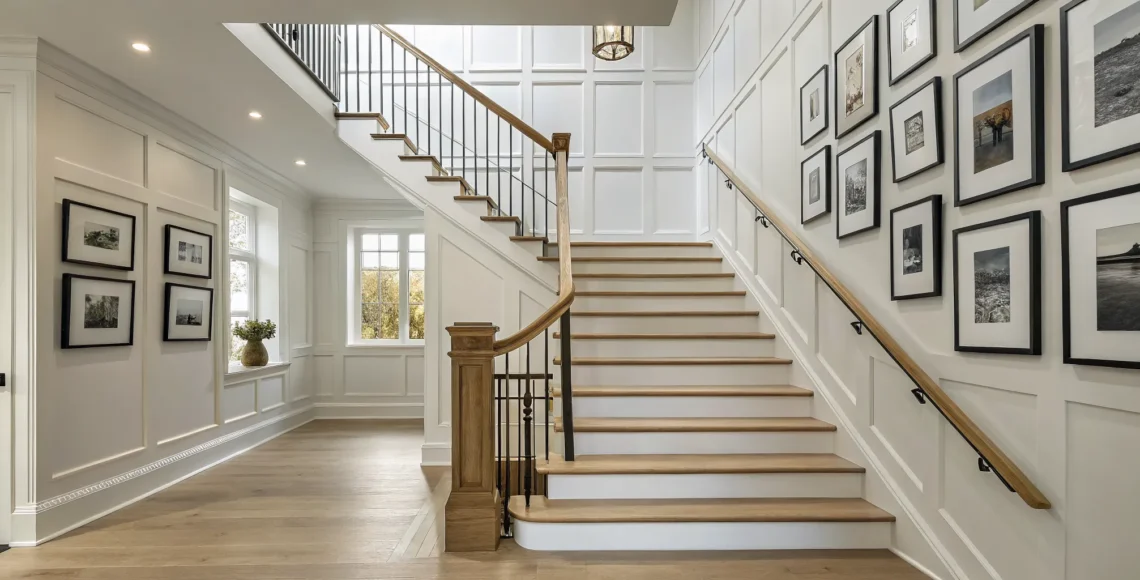
It’s the small details that truly define a home’s character. While a fresh coat of paint can brighten a room, it’s architectural elements that add real dimension and a sense of history. Your staircase is the perfect canvas for this kind of upgrade. Adding wainscoting introduces a layer of custom millwork that feels both timeless and completely current. A modern wainscoting staircase isn’t about stuffy ornamentation; it’s about clean lines, sophisticated proportions, and the subtle interplay of light and shadow. It’s a powerful way to turn a plain wall into a feature that feels intentional and thoughtfully designed.
Key Takeaways
- Invest in both beauty and durability: Wainscoting is a smart upgrade that adds architectural elegance while protecting your walls from daily scuffs, making it a lasting and practical addition to a high-traffic staircase.
- Tailor the style to your home: Modern wainscoting is incredibly versatile, so you can move beyond traditional looks. Choose from minimalist flat panels, classic board and batten, or a custom geometric pattern to create a design that reflects your personal aesthetic.
- Meticulous details create a high-end finish: Achieving a polished, custom look depends on getting the proportions right. Pay close attention to the height, layout on angles, and how the design connects with your home’s existing millwork for a seamless result.
What Is Modern Wainscoting for a Staircase?
If you’re looking for a way to bring architectural interest and a touch of luxury to your home, your staircase is the perfect place to start. Staircase wainscoting is a type of wall paneling that covers the lower portion of the wall along your stairs. While it has historical roots, modern wainscoting has shed its purely traditional feel to become one of the most impactful home upgrades you can make. It’s a design element that adds elegance, protects your walls from scuffs, and contributes to the long-term value of your home.
Unlike a simple coat of paint, wainscoting introduces texture, depth, and character. It’s a custom feature that can be tailored to fit any interior style, from minimalist to transitional. Modern interpretations often play with clean lines, geometric patterns, and sophisticated finishes, turning a functional part of your home into a stunning focal point. It’s about creating a bespoke look that feels both current and timeless, perfectly reflecting your personal aesthetic.
Wainscot vs. Wainscoting: A Quick Clarification
You’ve probably heard these terms used interchangeably, and for the most part, everyone will know what you mean. But if you want to get specific, there is a small difference. Think of “wainscot” as the raw material—the wood panels, molding, or trim pieces you’ll be using for the project. “Wainscoting,” on the other hand, refers to the finished design element after those materials have been installed on the wall. It’s similar to the distinction between tile and tiling. Knowing the difference helps clarify conversations with your designer and contractor, ensuring everyone is on the same page when discussing materials versus the final architectural application.
Why Is This Trend So Popular?
Modern wainscoting is so popular because it delivers on both style and substance. It’s a smart upgrade that adds a layer of architectural elegance while also protecting your walls from the inevitable scuffs and bumps in a high-traffic area like a staircase. Unlike a simple coat of paint, wainscoting introduces texture, depth, and character, creating a custom feature that feels intentional. At Freddie Ramon, we find that its versatility is a major draw for our clients. It can be tailored to fit any interior style, from clean and minimalist flat panels to a more classic board and batten look, making it a lasting and practical addition that truly enhances your home’s value.
Modern vs. Traditional: What’s the Difference?
Wainscoting is a beautiful way to decorate staircase walls, but not all styles are the same. Traditional wainscoting, like you might see in a Colonial or Victorian home, often features ornate details, raised panels, and intricate moldings. It’s designed to feel classic and decorative.
Modern wainscoting, on the other hand, leans into simplicity and clean lines. Think flat panels, board and batten with crisp edges, or even sleek, seamless designs. The focus is less on ornamentation and more on form and proportion. This minimalist approach allows the architecture to speak for itself, creating a sophisticated backdrop that complements a contemporary home without overwhelming it. The right style for you depends entirely on your home’s character and the story you want to tell.
More Than Just Looks: The Benefits of Wainscoting
Beyond its obvious beauty, wainscoting is incredibly practical, especially in a high-traffic area like a staircase. It acts as a durable barrier, protecting your walls from the daily wear and tear of scuffs, fingerprints, and bumps. This means less time spent on touch-ups and repairs down the line.
Aesthetically, wainscoting is a powerful design tool. It can create a dramatic look, especially when you play with contrasting paint colors to make the architectural details pop. It also helps unify your space by connecting the design of your staircase with other rooms in your home, creating a harmonious flow. Best of all, this is a lasting investment. With proper care, high-quality wainscoting can look beautiful for decades, adding enduring value and style to your home.
Find Your Style: Modern Wainscoting Ideas for Stairs
Choosing the right wainscoting is about finding a style that speaks to your home’s unique character and your personal taste. Modern wainscoting isn’t a one-size-fits-all solution; it’s a versatile design element that can range from understated and sleek to bold and artistic. The beauty lies in its ability to adapt. Whether you’re drawn to clean, crisp lines or intricate, custom patterns, there’s a modern style that will transform your staircase from a simple passageway into a stunning architectural feature.
The key is to think about the overall feeling you want to create. Are you aiming for a bright, airy ambiance or a dramatic, moody one? Do you prefer subtle texture or a statement-making design? From the timeless appeal of board and batten to the custom artistry of geometric layouts, exploring these popular options is the first step toward defining your vision. Let’s look at a few styles that work beautifully in contemporary homes, each offering a distinct personality to refine your space.
The Clean Lines of Board and Batten
Board and batten is a classic for a reason. Its simple construction, featuring wide boards joined by narrow strips called battens, creates a clean, geometric pattern that feels both timeless and fresh. This style is incredibly versatile; you can adjust the spacing and size of the boards and battens to create different effects. For a truly modern look, consider wider spacing for a minimalist feel or painting it a deep, saturated color for a touch of drama. From modern board and batten to more traditional interpretations, this style provides a structured yet elegant backdrop that complements a wide range of interior designs.
Sleek and Simple: Flat Panel Wainscoting
If your aesthetic leans toward minimalism, flat panel wainscoting is an excellent choice. This style uses flat panels framed by simple, clean-edged stiles and rails, creating a smooth and uncluttered look. It’s all about subtlety and sophistication. Flat panel wainscoting offers a sleek and contemporary look that adds architectural interest without overwhelming the space. It’s the perfect canvas for showcasing statement lighting, artwork, or a beautifully crafted handrail. By focusing on clean lines and understated elegance, this style adds depth and dimension in a refined, quiet way.
The Timeless Elegance of Recessed Panels
For a look that balances traditional craftsmanship with modern sensibilities, recessed panel wainscoting is a perfect choice. This style features a central panel that is set lower than its surrounding frame, creating subtle shadow lines that add depth and dimension to your walls. It’s a more detailed look than flat panels but feels more restrained and contemporary than ornate raised paneling. This sophisticated design offers a sense of permanence and architectural integrity, making your staircase feel like a truly custom feature. The beauty of recessed panels lies in their focus on form and proportion, providing a tailored finish that complements a refined home interior.
Classic Charm with Beadboard
If you want to add texture and a touch of warmth to your staircase, beadboard is a wonderful option. Characterized by its distinctive vertical grooves, beadboard introduces a classic, charming feel that can make a space feel cozy and inviting. While often associated with cottage or coastal designs, it can be easily adapted for a modern home. Painting it a crisp, clean white can create a bright, airy look, while a deep, moody color can give it a dramatic and contemporary edge. As one of several popular wainscoting styles, beadboard is a versatile choice for adding character and visual interest to your staircase wall.
A Modern Take on Shiplap
Once associated primarily with rustic or coastal homes, shiplap has found its place in modern design. When applied as wainscoting, the horizontal lines of shiplap draw the eye upward, creating a sense of movement along the staircase. The key to making it feel contemporary is in the finish. A crisp white or light gray keeps it bright and airy, while a dark charcoal or black can create a bold, graphic statement. Shiplap provides a rustic yet chic aesthetic that introduces subtle texture and character, making it a fantastic choice for adding warmth to a minimalist space.
Go Bold with Geometric Designs
For those who want to make a true design statement, custom geometric or asymmetrical wainscoting is the ultimate expression of personal style. This approach moves beyond traditional squares and rectangles, embracing dynamic shapes like diamonds, triangles, or interlocking patterns. These designs turn your staircase wall into a piece of sculptural art, adding unique visual interest and a contemporary flair. Because this style is entirely custom, it offers an unparalleled opportunity to create something that is exclusively yours, perfectly tailored to the architecture of your home and your creative vision.
What’s the Best Material for Your Wainscoting?
The material you choose for your wainscoting does more than just look good; it sets the entire tone for your staircase. It’s about finding the perfect balance between beauty, durability, and the unique story of your home. Whether you’re drawn to the timeless warmth of natural wood or the sleek profile of modern composites, the right material will make your staircase a true architectural feature. Let’s walk through some of the best options to find the one that fits your vision.
For a Timeless Look: Premium Hardwoods
There’s a reason premium hardwoods like white oak, walnut, and mahogany are classics. They bring an unmatched warmth and character to a space, and their natural grain ensures no two installations are exactly alike. Hardwoods are incredibly durable, standing up to the daily traffic of a busy home while adding a sense of history and elegance. A solid wood wainscoting provides a substantial, high-end feel that can be stained to highlight its natural beauty or painted for a more contemporary look. This versatility makes it a fantastic investment that adds lasting value and aesthetic appeal to your home.
The Practical Choice: MDF and Engineered Wood
For a flawless, smooth finish, especially with painted wainscoting, Medium-Density Fiberboard (MDF) is an excellent choice. Because it’s an engineered product, MDF is free of knots and grain, creating a perfect canvas for paint. It’s also incredibly stable and less likely to expand or contract with changes in humidity, which means no cracked paint lines down the road. High-quality, moisture-resistant MDF is a smart and versatile option that allows for crisp, clean lines in modern designs. It’s a go-to material for achieving a polished, custom-built look without the potential imperfections of natural wood, making it one of the most reliable engineered wood products available.
For High-Traffic Areas: PVC and Composites
If you’re looking for a stylish solution with minimal upkeep, PVC and composite materials are fantastic modern alternatives. These materials are champions of durability, as they are resistant to moisture, dents, and scuffs, making them ideal for high-traffic areas or homes with kids and pets. They offer the clean, sharp look of painted wood but won’t warp, rot, or require repainting over time. Many modern composite materials are designed to convincingly mimic the look of traditional millwork, giving you the best of both worlds: timeless style and modern performance. This makes them a practical yet sophisticated choice for a busy household.
Get Creative with Mixed Materials
Why settle for just one material when you can combine them for a truly custom look? Mixing materials is a hallmark of modern design and a wonderful way to add personality and visual interest to your staircase. Imagine pairing the warmth of wood panels with the sleek, industrial edge of metal trim. Or, for a light and airy feel, you could integrate glass panels into your wainscoting design. This approach allows you to play with texture, color, and light, turning your staircase into a unique piece of art that reflects your personal style. It’s the perfect way to create a dynamic design that feels both intentional and completely original.
How Wainscoting Can Transform Your Staircase
A staircase is more than just a way to get from one floor to another; it’s a central architectural feature of your home. Wainscoting offers a brilliant way to turn this functional space into a stunning focal point. It’s a design element that adds texture, character, and a layer of sophistication that plain painted walls simply can’t match. By installing wainscoting, you’re not just decorating a wall, you’re fundamentally changing the feel of the space, making it feel more intentional, polished, and complete.
Whether your goal is to create a grand, dramatic entrance or a subtle, elegant transition, wainscoting provides the framework. It can guide the eye, protect your walls from daily wear and tear, and tie your home’s overall design story together. Let’s look at the specific ways this classic detail can completely reinvent your staircase.
Create Visual Height and Dimension
One of the most powerful effects of wainscoting is its ability to alter the perception of a space. The clean, vertical lines of paneling naturally draw the eye upward, making ceilings feel higher and the entire staircase more open and grand. This visual trick is especially effective in homes with standard ceiling heights. You can amplify this effect by playing with contrast. Imagine deep charcoal wainscoting against crisp white walls or pairing classic white panels with a rich, moody paint color above. This creates a dramatic look that adds depth and a bespoke feel to your entryway or hallway.
Making a Space Feel Bigger, Not Smaller
It might seem counterintuitive, but adding architectural detail like wainscoting can actually make your staircase feel more spacious. The key is in the visual effect. The structured lines of the paneling guide the eye, creating a sense of order and flow. When you install wainscoting, you’re not just adding to the wall; you’re fundamentally changing the feel of the space. To maximize this effect, stick to a classic rule of thumb: keep the wainscoting to the lower third of the wall. This proportion prevents the walls from feeling heavy. Painting the wainscoting and the wall above it in light, cohesive colors can further enhance the feeling of openness, making the entire area feel brighter and more expansive. It’s a sophisticated design strategy that adds character without sacrificing a sense of space, making the area feel polished and complete.
Protect Your Walls in Style
Stairwells are high-traffic zones, constantly subjected to fingerprints, scuffs from bags, and bumps from moving furniture. Wainscoting is an incredibly practical and elegant solution to this everyday problem. The durable wood or composite material acts as a protective barrier for the lower portion of your walls, which takes the most abuse. Instead of constantly touching up paint, you have a sturdy surface that’s easy to clean and maintain. This means your walls stay pristine for longer, all while adding a layer of refined, decorative style that looks intentional rather than purely functional.
Add Instant Architectural Character
A plain, unadorned staircase can feel like a missed design opportunity. Wainscoting instantly introduces architectural character and a sense of history, making your home feel more custom and thoughtfully designed. It adds layers of detail, from the clean lines of Shaker-style panels to the intricate profiles of traditional raised panels. This detail helps connect the design of your staircase to other millwork in your home, like crown molding or baseboards, creating a cohesive and harmonious flow between spaces. It’s a signature touch that signals quality craftsmanship and a commitment to detail.
Play with Light and Color
Wainscoting gives you a fantastic canvas for experimenting with light and color. The three-dimensional nature of the panels, stiles, and rails catches light in unique ways, creating subtle shadows that add texture and visual interest to a flat wall. You can use paint to create different moods. A monochromatic scheme, where the wainscoting and the wall above are the same color, offers a modern, textured look. Alternatively, using a different finish, like a semi-gloss on the wainscoting and a matte on the wall, creates a subtle yet sophisticated contrast. These wainscoting ideas allow you to infuse personality into your staircase, turning it into a true reflection of your style.
Popular Color Choices for Staircases
Choosing a paint color is where you can truly personalize your wainscoting. For a timeless and airy feel, you can never go wrong with classic off-whites, soft grays, or warm neutrals. These shades create a bright, clean backdrop that highlights the architectural details of the paneling without overwhelming the space. If you’re looking to make more of a statement, consider a deep, moody color like charcoal, navy blue, or a rich jewel tone. These dramatic hues turn the staircase into a sophisticated focal point, especially when the wainscoting’s three-dimensional panels catch the light and create subtle shadows. The key is to think about the mood you want to create and how the color will connect with the rest of your home’s palette.
Pairing Paint with Wallpaper
For a truly bespoke and layered look, consider pairing painted wainscoting with wallpaper. This combination adds texture, pattern, and personality in a way that paint alone cannot. The wainscoting provides a solid, grounding element on the lower portion of the wall, while the wallpaper above can introduce a beautiful print or a subtle texture. A great way to create a cohesive design is to pull a color from the wallpaper pattern and use it for the wainscoting paint. This technique ensures the two elements feel connected and intentional. This approach allows you to combine painted wainscoting with a pattern for a unique touch that feels both custom and timeless.
Get the Proportions Right: Height and Layout Tips
In custom design, proportion is everything. It’s the secret ingredient that makes a space feel harmonious and intentional. When it comes to wainscoting on a staircase, getting the scale and layout right is what creates that seamless, high-end finish. A staircase isn’t just a way to get from one floor to another; it’s a major architectural feature. The right wainscoting can highlight its form, but the wrong proportions can make it feel awkward and unbalanced.
Thinking through the height, angles, and transitions beforehand ensures the final result looks like it was always meant to be there. These details are what distinguish a standard installation from a truly bespoke design that complements your home’s unique character. Let’s walk through a few key considerations to help you achieve that perfectly tailored look.
How High Should Your Wainscoting Go?
One of the most common questions is how high to install staircase wainscoting. A good rule of thumb is to aim for a height between 32 and 42 inches, measured vertically from the nose of the stair tread. This range isn’t arbitrary; it’s designed to follow the natural slope of the stairs while aligning with a comfortable handrail height. This ensures the wainscoting feels balanced and integrated rather than like an afterthought. Following these design guide principles helps create a visually pleasing line that guides the eye upward.
The Traditional One-Third Rule
The one-third rule is a classic design guideline for a reason—it creates a beautifully balanced look. In a room with standard eight-foot ceilings, this means your wainscoting would typically be about 32 inches high. This proportion grounds the space, making it feel intentional and harmonious. This guideline is rooted in traditional design, where wainscoting often features ornate details and raised panels. It provides a decorative foundation for the room without overwhelming it. While modern design loves to break the rules, understanding this classic principle is the perfect starting point for making informed decisions about your own space.
Modern Approaches for Taller Ceilings
While the one-third rule is a great starting point, modern design is all about adapting principles to fit the space. In homes with taller ceilings—ten feet or more—sticking to a lower wainscoting can make it look undersized and out of scale. Instead, contemporary design often embraces taller wainscoting, sometimes reaching halfway up the wall or even higher, from 42 to 48 inches. This approach creates a more dramatic and luxurious feel that is proportional to the room’s grander scale. It works beautifully with simpler styles like board and batten or flat panels, where the height itself becomes the statement, drawing the eye upward and emphasizing the spaciousness of the room.
Getting the Proportions Right on an Angle
Installing panels on an angle presents a unique challenge. To maintain visual harmony, pay close attention to the dimensions of the rails, especially the lower one. A common recommendation is to keep the lower rail around eight inches high. It’s best to avoid installing a full-height lower rail that runs diagonally up the stairs, as this can create a heavy, overwhelming look that disrupts the staircase’s flow. Instead, the goal is to achieve a balanced composition that enhances the architecture. These expert tips for installing wainscot panels can help you manage these tricky angles.
How to Approach Slopes and Landings
The transitions between sloped sections and landings are where a meticulous layout really pays off. For a clean, professional finish, you need to establish a clear point where the top floor level meets the angled line of the staircase. This planning prevents awkward gaps or misalignments and ensures the design flows seamlessly from one area to the next. A proper layout is essential for achieving that polished, cohesive look that defines a custom-designed space. Taking the time to map this out will make all the difference in the final result.
Modern Wainscoting Trends to Watch
Wainscoting has come a long way from its traditional roots. Today, it’s a canvas for personal expression, offering endless ways to add character and sophistication to your staircase. The latest trends are all about breaking the old rules and embracing color, texture, and custom details that reflect your unique style. Whether you love a dramatic statement or a whisper of elegance, there’s a modern wainscoting approach that will feel right at home. Let’s look at a few of my favorite trends that are shaping staircase design right now.
Embracing Bold Color and Monochromatic Palettes
Forget the idea that wainscoting must be crisp white. One of the most exciting trends is the use of bold, saturated color. A deep charcoal, rich navy, or moody forest green can turn your staircase into a stunning focal point. This approach adds depth and a touch of drama, creating a luxurious and enveloping feel as you move between floors. For a more subtle yet equally chic look, try a monochromatic scheme. Painting the wainscoting and the wall above it in the same color creates a seamless, textured effect. This technique highlights the architectural detail of the panels without overwhelming the space, offering a sophisticated take on modern design. You can find plenty of wainscoting ideas to see how color can completely change the mood.
Less Is More: The Minimalist Panel Trend
Sometimes, the most powerful statement is the quietest one. Minimalist wainscoting, like flat panels or simple board and batten, champions the idea that less is more. This style focuses on clean lines and subtle dimension, adding architectural interest without any visual clutter. It’s a perfect match for contemporary homes, where it enhances the sense of openness and light. By keeping the design simple, you draw attention to the craftsmanship and the clean geometry of the staircase itself. This understated approach doesn’t just look beautiful; it also helps create a calm and serene atmosphere, proving that you don’t need ornate details to achieve a high-end look.
Experiment with Texture and Dimension
Modern wainscoting is a fantastic way to introduce another layer of texture to your home. Beyond the classic wood panels, you can explore materials with distinct grains, finishes, or even three-dimensional geometric patterns. Imagine the subtle play of light and shadow across fluted panels or the organic warmth of shiplap running up the stairs. This added element of texture gives the eye something interesting to appreciate and makes the space feel more dynamic and thoughtfully designed. Pairing a smooth, matte wall with the structured lines of wainscoting creates a beautiful contrast that feels both timeless and completely fresh.
Make It Yours with Custom Millwork
Your home should be a reflection of you, and your staircase is no exception. Custom millwork allows you to design wainscoting that is perfectly tailored to your space and vision. This is your chance to create something truly unique, whether it’s an asymmetrical geometric pattern that climbs the wall or panels designed to fit an unusually shaped staircase perfectly. Working with a designer on custom millwork ensures every detail is considered, from the proportions to the finish. It transforms wainscoting from a simple wall treatment into a bespoke piece of architectural art that makes your entire home feel more personal and refined.
Beyond Wainscoting: Broader Modern Staircase Trends
While wainscoting is a powerful tool for transforming your staircase, it’s just one piece of the design puzzle. The most stunning staircases are those where every element works in harmony, from the materials underfoot to the light that guides your way. Modern design is pushing the boundaries of what a staircase can be, blending artistry with cutting-edge technology and a renewed focus on mindful living. Thinking beyond the walls allows you to create a truly integrated and impactful feature. These broader trends are shaping the future of staircase design, offering exciting new ways to make your home feel both current and timeless.
Sustainable and Eco-Friendly Materials
Luxury is no longer just about appearance; it’s also about making conscious choices. There’s a growing appreciation for materials that are both beautiful and kind to the planet. Think reclaimed wood with a rich history, fast-growing bamboo, or even recycled metal and glass. These materials bring a unique story and organic texture to your home. This focus on sustainability isn’t about sacrificing style; it’s about creating a space that feels grounded, authentic, and thoughtfully curated. It’s a design choice that feels good and looks incredible.
Integrated LED Lighting
Lighting can completely change the mood of a space, and the staircase is no exception. Integrated LED lighting is a sleek, modern trend that is both beautiful and functional. Lights can be built directly into the stair treads, along the wall, or underneath the handrail, casting a soft, ambient glow. This not only highlights the architectural lines of your staircase but also adds a crucial layer of safety for navigating stairs at night. It’s a sophisticated touch that feels custom-built and adds a subtle sense of drama to your home.
Smart Staircases
As our homes become more connected, it only makes sense that our staircases would follow suit. Smart staircases integrate technology like motion sensors that activate lights as you approach or connect to your central smart home system. This isn’t about adding unnecessary gadgets; it’s about creating a home that is more intuitive and responsive to your needs. Imagine lights that dim automatically at night or alerts that enhance safety. This is where high-end design meets intelligent living, offering a seamless blend of convenience and modern luxury.
Hidden Under-Stair Storage
One of the smartest design trends is making the most of every square inch of your home. The space under the stairs, often overlooked, is a goldmine of opportunity. Custom-built drawers, cabinets, or even a hidden reading nook can transform this area from wasted space into a functional and stylish feature. This approach is perfect for maintaining a clean, uncluttered aesthetic. By creating clever, hidden storage, you get all the practicality you need without compromising on your home’s sophisticated, minimalist style.
Glass Balustrades for an Open Feel
If you want to create a bright, airy, and open feel in your home, glass balustrades are a game-changer. Replacing traditional wood or metal spindles with strong, clear glass panels allows light to flow freely between floors, making the entire space feel larger and more connected. This minimalist approach puts the focus on the architecture of the staircase itself, creating a clean, contemporary look. It’s a perfect choice for modern homes where maximizing natural light and maintaining an uncluttered visual line are top priorities.
Staircase Trends to Leave Behind
Just as new trends emerge, some older styles naturally fall out of favor. The shift in modern design is toward clean lines and understated elegance. Overly grand, sweeping staircases and highly ornate, detailed railings can sometimes feel dated in a contemporary home. The focus now is less on elaborate decoration and more on beautiful materials, thoughtful proportions, and impeccable craftsmanship. It’s about creating a sophisticated statement through simplicity rather than ornamentation, letting the quality of the design speak for itself.
Planning Your Project: Practical Considerations
Moving from inspiration to reality is an exciting step, but it requires careful planning to ensure the final result is everything you envisioned. A staircase renovation is a significant project, and thinking through the details beforehand will save you time, stress, and potential disappointment. From deciding who will do the work to choosing the perfect paint color, each decision plays a crucial role in achieving a high-end, professional finish. Let’s walk through some of the practical steps to help you get started on the right foot.
DIY vs. Hiring a Professional
The appeal of a DIY project is strong, but a staircase is one area where precision is non-negotiable. The complex angles, precise measurements, and seamless finish required for custom millwork are often best left to the experts. For a project where every detail contributes to the final look, partnering with a design firm like ours at Freddie Ramon ensures your vision is executed flawlessly. We specialize in creating custom solutions that are meticulously planned and crafted, handling all the complexities so you can simply enjoy the transformation of your home.
Budgeting for Your Project
Understanding the investment required for your project is a critical first step. The cost of a staircase renovation can vary widely based on several factors: the materials you choose, the complexity of your wainscoting design, and the labor involved. Premium hardwoods will naturally be a larger investment than MDF, and a custom geometric pattern will require more intricate work than simple board and batten. It’s helpful to get detailed quotes that break down these costs, so you can make informed decisions that align with both your budget and your aesthetic goals.
The “Feign-scoting” Paint Alternative
If you’re not quite ready to commit to full millwork, or if you simply want to test out a look, there’s a clever paint technique you can try. Known as “feign-scoting,” this method involves using paint to create the illusion of wainscoting. You can paint the lower portion of the wall a different color or finish and even add a thin piece of chair rail molding to define the line. It’s a low-commitment way to experiment with color and proportion and see how a two-toned wall might feel in your space before you invest in custom paneling.
Always Start with Samples
Paint colors and material finishes can look dramatically different in your home than they do online or in a showroom. Lighting, wall texture, and surrounding decor all play a role in how a color or material will ultimately look and feel. Before making any final decisions, always get samples. Paint large swatches on the wall and observe them at different times of day. If you’re considering wood or composite materials, get physical samples to see their quality and texture firsthand. This simple step is the best way to ensure you’ll love the final result.
How to Avoid Common Wainscoting Mistakes
Wainscoting can completely transform a staircase, but a few common missteps can keep it from looking its best. Achieving that polished, high-end finish is all about paying attention to the details from the very beginning. When you get the proportions, materials, and installation right, your wainscoting will feel like a natural and intentional part of your home’s architecture. Let’s walk through some key mistakes to avoid so your project looks flawless. By keeping these tips in mind, you can ensure your staircase becomes a stunning focal point for all the right reasons.
Mistake #1: Incorrect Proportions
One of the quickest ways a wainscoting project can go wrong is with incorrect proportions. If the height is off, it can make your ceilings feel lower or throw the entire staircase out of balance. A general guideline is the “rule of thirds,” where the wainscoting covers the bottom third of the wall, but this isn’t a strict rule. For staircases, the angle adds another layer of complexity. The key is to create a design that complements the scale of your space. A successful staircase design feels harmonious with the home’s overall style, so take time to map out the height and layout before you begin.
Mistake #2: Choosing the Wrong Material
The material you choose impacts both the look and longevity of your wainscoting. While solid hardwoods like oak or walnut offer timeless beauty, they can be sensitive to environmental changes. High-quality MDF is a fantastic, stable alternative that provides a perfectly smooth surface for paint. When making your decision, think about your home’s environment and lifestyle. For a busy household, a more durable material that can withstand scuffs and bumps is essential. Considering the best materials for wall paneling early on will help you find the perfect balance between elegance and practicality for your space.
Mistake #3: Overlooking Tricky Installation Spots
Installing wainscoting on a staircase requires incredible precision, especially when navigating angles, corners, and landings. Proper wall preparation is non-negotiable. Before you start, make sure the walls are smooth, clean, and completely dry to prevent any future warping or adhesion problems. The angled cuts where the panels meet the stair stringer and baseboards must be exact to avoid unsightly gaps. This is where professional craftsmanship truly shines. A meticulous trim carpentry installation ensures every piece fits together seamlessly, creating clean lines that flow beautifully up the stairs.
Mistake #4: Forgetting a Cohesive Design
For your wainscoting to feel truly integrated, it needs to connect with your home’s existing architectural style. Look at the other details in your space, like crown molding, door casings, and window trim. The style of your wainscoting should complement these elements, not compete with them. Think about how color and texture will play a role, too. You might paint the wainscoting a crisp white for a classic look or a bold, moody color for a dramatic statement. The goal is to create a cohesive interior where the staircase wainscoting enhances the overall design story of your home.
Keeping Your Staircase Wainscoting Looking Its Best
Your staircase wainscoting is more than just a beautiful design choice; it’s a hardworking element that brings both architectural grace and practical protection to one of the busiest areas of your home. Think about it: the staircase sees daily traffic, from hands gliding along the wall to the occasional bump from a suitcase or vacuum cleaner. This is where your wainscoting truly shines, guarding your walls against scuffs and wear while maintaining its elegant appearance. Keeping it looking pristine doesn’t require a complicated routine or harsh chemicals. In fact, a little consistent care is all it takes to preserve its beauty and ensure it remains a stunning focal point for years to come.
Whether your wainscoting is crafted from rich hardwood, sleek modern panels, or another custom material, the principles of care are largely the same: be gentle and be consistent. By creating a simple maintenance plan, you prevent small issues from becoming noticeable problems. This proactive approach ensures the longevity of the finish and the material itself, so you can enjoy the added dimension and character it brings to your space without worrying about premature aging. It’s about celebrating the details that make your house a home and giving them the attention they deserve. With just a few easy steps, you can keep this key architectural feature in perfect condition.
Your Day-to-Day Cleaning Routine
The key to beautiful wainscoting is regular, gentle cleaning. For most materials, especially wood, a monthly dusting with a soft microfiber cloth is all you need to prevent dust from settling into the details. If you notice smudges or grime from daily life, you can do a slightly deeper clean. Simply mix a few drops of a mild dish soap with warm water. Dip a soft sponge or cloth into the solution, wring it out well so it’s just damp, and gently wipe down the surface. This simple method for cleaning paneling is effective without being harsh. The most important step is to avoid soaking the material, which protects its finish and integrity.
Quick Fixes for Scuffs and Scratches
Life happens, and scuffs along a busy staircase are almost inevitable. Luckily, minor marks are often an easy fix without needing to call a professional. For light scratches on wood, try a simple home remedy: mix a bit of distilled white vinegar with olive or vegetable oil. Dab a small amount onto a soft cloth and gently rub it over the scuff in a circular motion. This can help diminish its appearance and blend it back into the finish. For deeper gouges, a wood filler that matches your wainscoting’s color is your best bet. It’s a straightforward way to restore a smooth, flawless surface and keep your wooden railings and panels looking their best.
Long-Term Care for Lasting Beauty
Long-term care is all about consistency and attention to detail. After any wet cleaning, always go back over the surface with a clean, dry cloth to remove any leftover moisture or cleaning solution. This simple step prevents residue from building up, which can dull the finish over time. This principle of a final wipe-down is crucial for maintaining the appearance of any material, from painted MDF to more resilient composites. Once in a while, take a moment to inspect the wainscoting for any signs of wear or damage. Catching small issues early allows you to address them quickly, ensuring your staircase remains a testament to timeless style and quality craftsmanship.
Related Articles
Frequently Asked Questions
Is wainscoting a timeless design choice, or will it look dated soon? Wainscoting is a true classic, and its modern interpretations are designed to last. Unlike fleeting trends, modern wainscoting focuses on clean lines, strong proportions, and architectural integrity, which are always in style. By choosing a simple, elegant design like flat panels or board and batten, you are adding a permanent architectural feature that enhances your home’s character for the long haul.
My home has a very minimalist style. Will wainscoting look too traditional? Not at all. This is a common misconception, but modern wainscoting is actually a perfect fit for minimalist interiors. Styles that emphasize clean lines and subtle dimension, like flat panel or shiplap, add a layer of texture and sophistication without any visual clutter. It’s a way to bring depth to your walls while honoring the simplicity of your home’s design.
What factors influence the cost of a custom wainscoting project? The final investment for a custom project depends on a few key variables. The material you select is a primary factor, as premium hardwoods will differ in price from high-quality engineered options like MDF. The complexity of the design also plays a significant role; an intricate geometric pattern, for example, requires more craftsmanship than a simple board and batten layout. Finally, the overall size and scale of your staircase will help determine the scope of the work.
How do I choose the right height for my staircase wainscoting? The key is to find a height that feels proportional to your space and follows the natural angle of the stairs. A good starting point is typically between 32 and 42 inches measured vertically from the front edge of the stair tread. However, the ideal height really depends on your ceiling height and the overall scale of your entryway. The goal is to create a visually pleasing line that feels intentional and perfectly integrated with your home’s architecture.
Besides looking beautiful, what are the practical benefits of adding wainscoting to my stairs? It’s definitely more than just a decorative element. Wainscoting is incredibly practical, especially in a high-traffic zone like a staircase. It acts as a durable shield for the lower part of your walls, protecting them from the inevitable scuffs, fingerprints, and bumps of daily life. This means you’ll spend far less time on paint touch-ups, making it a smart and stylish investment that keeps your home looking pristine.