Category: News

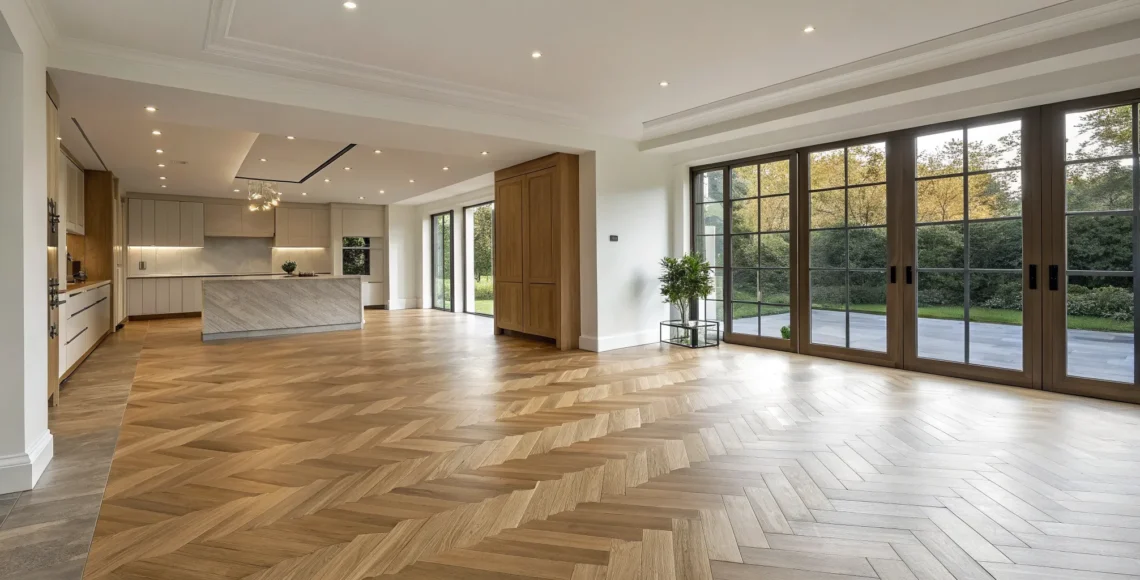
Herringbone hardwood flooring in a modern luxury open-concept design.

The Designer’s Guide to Modern Luxury Flooring

Your Las Vegas home deserves floors that are both beautiful and incredibly tough. The desert climate isn’t kind—intense sun and dry air can be brutal on the wrong materials. This is why choosing the right modern luxury flooring is so critical. It’s not just about looks; it’s about finding sophisticated designs that offer real, long-lasting durability. Forget worrying about wear and tear. We’ll guide you through the best options, from natural stone that stays cool underfoot to engineered hardwoods built for stability, ensuring your floors are a perfect fit for desert living.

Key Takeaways

  • Expand your definition of luxury flooring: High-end materials now go beyond classic hardwood and stone. Sophisticated options like luxury vinyl and large-format porcelain tile offer incredible durability and style, proving modern innovation can be just as elegant.
  • Select flooring that suits your real life: The best choice combines beautiful design with everyday practicality. Consider how natural stone stays cool in the desert heat or how waterproof luxury vinyl provides a worry-free foundation for busy kitchens and bathrooms.
  • Look beyond the material cost for true value: A smart investment includes professional installation to protect your warranty and leveraging a designer’s expertise to access better pricing and prevent costly mistakes.

So, What Exactly Is Modern Luxury Flooring?

Flooring is the foundation of your home’s design, setting the tone for every room. Modern luxury flooring is more than just aesthetics; it’s a long-term investment in quality, durability, and a style that reflects you. When you select high-end flooring, you’re not just picking a surface to walk on. You’re curating an experience and building a backdrop for your life’s moments. It’s about finding that perfect blend of artistry and function that feels both timeless and personal, creating a space that is uniquely yours.

What Makes Flooring Feel Luxurious?

What defines luxury flooring? It comes down to superior materials, exceptional craftsmanship, and lasting performance. A great luxury home begins with a thoughtful flooring plan that is both beautiful and practical. These floors are made from high-quality raw materials, whether it’s rare hardwood or advanced vinyl designed to mimic natural textures. Because they are built to last, they perform beautifully in busy areas of the home. This durability ensures your investment looks stunning for years and adds tangible value to your property.

How Today’s Flooring Styles Have Changed

Flooring design has become much more expressive. While classic neutrals remain popular, we’re seeing a wonderful shift toward more personality and texture. Homeowners are embracing bolder colors, from deep navy blues to rich olive greens, to make a statement. Texture is also playing a leading role, with options ranging from the subtle grain of white oak to the dramatic veining of marble. These textured flooring options add depth and character to a room, creating a dynamic space and letting your floors become a central feature of your design.

Is Sustainable Flooring the New Luxury?

Conscious living and luxury design now go hand in hand. There is a growing appreciation for flooring made from sustainable and eco-friendly materials, and the industry has responded with incredible options. This includes reclaimed wood with a rich history and rapidly renewable resources like cork and bamboo. Even manufactured products are part of this movement, with many luxury vinyl producers committed to sustainability. Choosing a sustainable floor means you don’t have to compromise on style to make an environmentally friendly choice for your home.

The Benefits of Cork Flooring

Cork is a fantastic choice if you prioritize comfort and sustainability. Harvested from the bark of the cork oak tree, it’s a renewable resource that brings a soft, warm feel to any room. One of its greatest strengths is its natural ability to insulate, which helps keep your home cooler during our hot Las Vegas summers and adds a cozy touch in the winter. It’s also excellent at soundproofing, making it a perfect material for bedrooms or second-floor media rooms where you want a quieter atmosphere. While cork offers a unique and comfortable surface to walk on, it’s important to know that it is softer than hardwood or tile and can show wear over time, so it’s best suited for lower-traffic areas.

Why Choose Bamboo?

For those who love a clean, contemporary look, bamboo flooring is an excellent eco-friendly option. As a rapidly growing grass, bamboo is a highly sustainable material that regenerates quickly after harvesting. It offers a distinct visual style with its straight, narrow grain, creating a sleek and modern foundation for your design. Available in a variety of natural and stained finishes, bamboo can adapt to different color palettes. While it provides a beautiful and unique aesthetic, it’s generally not as durable as traditional hardwoods or stone. This makes it a wonderful choice for spaces where you want to make a stylish, environmentally conscious statement, but perhaps not the best fit for high-traffic zones like your main entryway or kitchen.

Which Luxury Flooring Material Is Right for You?

The right flooring does more than just support your furniture; it sets the entire tone for your home. It’s the canvas on which your life unfolds, and choosing the perfect material is one of the most impactful decisions in any design project. When we partner with clients, we focus on options that blend impeccable style with lasting performance. From the timeless warmth of exotic woods to the sleek, modern appeal of large-format tiles, today’s luxury materials offer incredible versatility. Let’s look at some of our favorite choices that consistently deliver that perfect foundation for a sophisticated space.

Why We Still Love Hardwood Floors

There’s an undeniable warmth and character that comes with hardwood flooring. For a truly distinct look, we often turn to exotic hardwood flooring, which includes stunning varieties like Brazilian cherry or Tigerwood. These materials bring a depth of color and intricate grain patterns you just can’t find in standard oak or maple. They create a rich, textured foundation that feels both classic and worldly. Choosing an exotic wood means your floor becomes a statement piece in its own right, adding a layer of bespoke elegance that complements a custom-designed home beautifully. It’s a choice that grounds your space in natural luxury and timeless appeal.

Hand-Scraped Wood for a Textured Look

For a floor with incredible depth and personality, hand-scraped wood is a fantastic choice. This style is crafted to look as though it was shaped by hand tools, giving each plank a unique, undulating texture that you can see and feel. It’s perfect for adding a touch of rustic character to a modern home, creating a beautiful contrast with clean lines and contemporary finishes. The inherent imperfections, like subtle scrapes and knots, aren’t flaws—they’re the very details that make the floor so charming. This style is also incredibly forgiving in high-traffic areas, as everyday wear and tear simply blends into its existing character, making it a strong and durable option for a busy household.

The Character of Reclaimed Hardwood

If you love design with a story, reclaimed hardwood is an unparalleled option. Sourced from old structures like barns, factories, and warehouses, this wood brings a rich history right into your home. Because it repurposes existing materials, it’s an inherently sustainable choice that prevents the need to harvest new trees. Each plank is truly one-of-a-kind, bearing the marks of its previous life through nail holes, saw marks, and a weathered patina. This isn’t just flooring; it’s a piece of history that adds immense character and a sense of soul to a space. Choosing reclaimed hardwood ensures your home’s foundation is as unique as you are.

Sustainable Sourcing and FSC Certification

Whether you choose new or reclaimed wood, making an environmentally conscious choice is a hallmark of modern luxury. When selecting new hardwood, it’s important to look for materials that are sustainably sourced. The best way to ensure this is by choosing products certified by the Forest Stewardship Council (FSC). This certification guarantees that the wood comes from forests that are managed responsibly, protecting ecosystems, wildlife, and the communities that depend on them. Opting for FSC-certified hardwood means you are investing in a high-quality material that is not only beautiful and durable but also ethically harvested, aligning your home’s design with a commitment to environmental stewardship.

Using Hardwood with Heated Floors

Many of our clients in Las Vegas love the comfort of heated floors, and the good news is you don’t have to sacrifice the beauty of hardwood to have them. While it requires careful planning, wood flooring is compatible with radiant heating systems. The key is selecting the right type of wood—engineered hardwood is often preferred for its stability—and ensuring a proper installation that allows for the wood’s natural expansion and contraction with temperature changes. This is where professional guidance is essential to maintain the integrity of both your flooring and the heating system. When done correctly, you can enjoy the timeless appeal of wood floors with the added touch of uniform, gentle warmth underfoot.

Making a Statement with Natural Stone

For a look that is both grand and enduring, nothing compares to natural stone. Materials like marble, granite, and travertine have been symbols of luxury for centuries for a reason. Each slab is completely unique, with its own veining and color variations, ensuring your floor is a one-of-a-kind work of art. Beyond its stunning appearance, natural stone flooring is incredibly durable and easy to maintain. Here in Las Vegas, it offers another distinct advantage: it stays pleasantly cool underfoot, providing a refreshing escape from the desert heat. It’s a practical choice that feels anything but, lending a sense of permanence and sophistication to any room.

Granite vs. Marble: Pros and Cons

Choosing between granite and marble is a classic design dilemma, as both offer a distinct sense of luxury. The best fit often comes down to the room’s function. Granite is a powerhouse known for its incredible strength and resistance to scratches and heat, making it an excellent choice for busy kitchens and grand entryways. It can handle daily wear and tear with grace. In contrast, marble offers an unmatched softness and elegance. While it’s perfect for creating a serene, spa-like atmosphere in a primary bathroom, it is a softer stone and more prone to scratching and etching. We guide our clients to think about their lifestyle—if you have a bustling household, granite’s resilience might be the better choice for common areas, while marble can be a stunning, delicate touch in more private spaces.

Exploring Durable Quartzite

If you love the look of marble but need the toughness of granite, quartzite is a fantastic solution. This natural stone beautifully bridges the gap between the two. Quartzite is as tough as granite and is suitable for busy areas, offering the aesthetic appeal of softer stones while maintaining incredible durability. It often features the delicate, sweeping veins associated with marble, giving you that high-end look without the worry. Because it’s so resilient, quartzite is an excellent material for kitchen floors, countertops, and other high-traffic zones where you want to make a sophisticated statement without compromising on performance. It’s a choice that truly delivers both form and function.

The Outdoor Appeal of Sandstone

Creating a seamless flow between your indoor and outdoor living areas is key to the Las Vegas lifestyle, and sandstone is a perfect material for the job. With its naturally slip-resistant texture and earthy tones, sandstone is particularly well-suited for outdoor spaces, making it a great option for patios, pool decks, and walkways. It has a warm, organic feel that complements desert landscaping beautifully, helping to create a tranquil and inviting oasis. When properly sealed, it stands up well to the elements while providing a safe, comfortable surface underfoot. Using sandstone allows you to extend your home’s luxurious feel into your outdoor retreat, blurring the lines between inside and out.

The Surprising Elegance of Luxury Vinyl

Luxury vinyl has completely transformed in recent years, becoming a top contender for sophisticated, modern homes. Forget the vinyl of the past; today’s high-end planks and tiles are engineered to flawlessly mimic the appearance of natural wood or stone. The key difference is the feel. Luxury vinyl tiles offer a warmer, more comfortable surface underfoot than their natural counterparts. They are also exceptionally durable, slip-resistant, and simple to clean, making them a perfect fit for busy households that don’t want to compromise on style. It’s a smart, practical material that delivers a high-end aesthetic with everyday livability.

Types of Luxury Vinyl Tile (LVT, VCT, SVT)

When we talk about luxury vinyl in a residential setting, we are almost always referring to LVT, or Luxury Vinyl Tile. This is not the sheet vinyl you might remember from decades past. Modern LVT is a high-performance product engineered to look and feel remarkably like natural materials, from the warm grain of white oak to the cool veining of marble. It offers a more comfortable, cushioned feel underfoot than ceramic tile and has a slip-resistant surface, making it a safe and practical choice for any area of the home. Because it’s so durable and easy to clean, we often recommend it for high-traffic or moisture-prone spaces like kitchens, bathrooms, and home gyms. It’s a material that truly delivers on both sophisticated style and everyday functionality.

The Practicality of Patterned Vinyl

A patterned floor is a fantastic way to introduce personality into a room, but its benefits go far beyond aesthetics. From a practical standpoint, patterned LVT flooring is incredibly forgiving. The designs are excellent at hiding the minor dust, scuffs, and spills that are a part of daily life, making them a smart choice for busy households. This makes them ideal for spaces that see a lot of action, like laundry rooms, mudrooms, or even a playful powder room. A subtle geometric or a classic checkerboard pattern can add a layer of visual interest while simplifying your cleaning routine, proving that a stylish design choice can also be the most practical one.

Go Big with Large-Format Porcelain Tile

If you love a clean, seamless, and contemporary look, large-format porcelain tile is an excellent choice. Using oversized tiles creates fewer grout lines, which makes a room feel more spacious and visually uncluttered. This sleek effect is perfect for modern and minimalist design schemes. Porcelain is also one of the strongest and most durable materials available, resisting scratches, stains, and moisture with ease. Plus, advanced manufacturing techniques mean large-format porcelain tiles can replicate the look of expensive marble or textured stone without the demanding upkeep, giving you both high style and high performance.

The Artistry of Designer and Glass Tiles

For a truly personalized touch, designer tiles offer a canvas for creativity right at your feet. Think of them as functional art. Whether you prefer intricate handmade patterns, the rich history of reclaimed tiles, or the luminous quality of glass, the options are nearly limitless. High-quality designer ceramic floor tiles are not only beautiful but also incredibly practical—they are strong, water-resistant, and easy to clean, making them ideal for kitchens, bathrooms, and entryways. We love working with clients to create custom mosaics or select unique tile combinations that tell a story and reflect their personal style, turning a simple floor into a stunning focal point of the home.

The Sleek Look of Polished Concrete

Polished concrete delivers a clean, minimalist aesthetic that feels both industrial and incredibly chic. It’s a fantastic choice for creating a seamless flow throughout a modern home, especially in open-concept spaces. Beyond its sleek appearance, polished concrete is exceptionally strong and simple to maintain, which is a huge plus for a busy lifestyle. In our warm Las Vegas climate, it provides a cool surface underfoot during the summer months. And for those cooler desert nights, it pairs beautifully with radiant heating systems, offering a comfortable warmth that radiates through the space. It’s a versatile foundation that is both stylish and built to last.

The Timeless Beauty of Terrazzo

There is a special kind of charm to terrazzo that feels both nostalgic and completely current. This composite material, made by mixing chips of marble, glass, or stone into a binder and polishing it smooth, creates a surface that is truly one-of-a-kind. Each installation has a unique pattern and color combination, offering a bespoke finish that can be tailored to any design palette. Terrazzo is also incredibly hard and durable, making it a wonderful long-term investment for high-traffic areas. Its timeless appeal and custom nature make it a favorite for clients who want a floor that is as much a piece of art as it is a functional surface.

Who Makes the Best Modern Luxury Flooring?

Finding the right flooring manufacturer is about more than just picking a brand; it’s about finding a partner in quality and craftsmanship. The “best” supplier truly depends on your home’s unique needs, your lifestyle, and the specific aesthetic you want to achieve. Over the years, we’ve built strong relationships with a select group of artisans, manufacturers, and suppliers who consistently meet our high standards for excellence. This curated network allows us to source exceptional materials that not only look beautiful but also perform beautifully for years to come. Instead of you having to sort through endless options, we connect you directly with the makers and materials best suited for your project, ensuring every detail is perfect.

The Brands We Trust and Recommend

Choosing the right flooring is a foundational decision in any luxury home design. It sets the tone for the entire space and must balance stunning aesthetics with practical durability. That’s why we don’t work with just anyone. Our partners are carefully selected based on their commitment to craftsmanship, material quality, and innovative design. By collaborating with a trusted network, we ensure a seamless process from selection to installation. This approach gives you access to premier materials and artisans you might not find on your own, guaranteeing your flooring is a true reflection of sophisticated, modern living.

The Best Brands for Artisan Hardwood

There is a timeless warmth and character to hardwood that is hard to replicate. We partner with artisan specialists who treat wood as an art form, from sourcing rare and exotic hardwoods with rich colors and unique grain patterns to crafting high-performance engineered planks. For the Las Vegas climate, engineered hardwood is an excellent choice, as its stable core resists the warping that can occur with extreme temperature shifts. Our partners are masters at their craft, delivering custom finishes and layouts that transform a simple floor into a statement piece for your home.

Our Go-To Stone and Tile Makers

For a look that is both dramatic and enduring, natural stone and high-end porcelain are unparalleled. We source these materials from premier manufacturers known for their exceptional quality and breathtaking designs. Natural stone, like marble or travertine, offers an old-world elegance and is incredibly durable, making it a lasting investment. For a more contemporary feel, we often recommend large-format porcelain tiles, which create a clean, seamless look with minimal grout lines. Our connections with top-tier suppliers give us access to the finest slabs and tiles, ensuring your floors have a truly luxurious and custom feel.

Who’s Leading the Way in Luxury Vinyl?

Modern luxury vinyl is a testament to how far flooring technology has come. The leading manufacturers today are true innovators, creating products that are nearly indistinguishable from natural wood and stone. We work with brands that are at the forefront of this technology, offering incredibly realistic visuals and textures combined with exceptional durability. High-end vinyl is waterproof, scratch-resistant, and comfortable underfoot, making it a practical yet sophisticated choice for any room. By debunking the myths around vinyl, we can show you how it offers a modern, attractive, and resilient alternative for a luxury home.

Recognizing Quality with Industry Awards

When you’re investing in your home, you want assurance that you’re choosing the best. While marketing can make any brand sound impressive, industry awards provide an unbiased measure of true excellence. These accolades are given by design and manufacturing experts who recognize genuine innovation, superior craftsmanship, and forward-thinking design. At Freddie Ramon, we pay close attention to these honors because they help us identify partners who are truly committed to quality. When a manufacturer consistently receives recognition for their products, it’s a strong signal that they meet the high standards we set for every project, ensuring your flooring is not only beautiful but also exceptionally well-made.

How Much Does Luxury Flooring Actually Cost?

When you’re planning a design project, the flooring budget is about more than just the price per square foot. It’s a balance of the material’s initial cost, the complexity of installation, and its long-term value and durability. Understanding these factors helps you make a choice that not only looks stunning but also fits your lifestyle and financial goals. Let’s look at how the costs stack up for some of the most popular luxury flooring materials.

Is Hardwood Flooring a Good Investment?

Hardwood flooring is a timeless investment in your home’s value and aesthetic. While the upfront cost can be significant, especially for exotic woods, you’re paying for unparalleled character and longevity. Materials like Brazilian cherry or tigerwood have rich colors and unique grain patterns that are simply impossible to replicate. Their higher price often reflects their rarity and the distance they travel to get to your home. Think of it less as an expense and more as a long-term asset that adds warmth, beauty, and significant resale value for years to come.

What Affects the Price of Natural Stone?

The elegance of natural stone like marble, travertine, or quartzite is undeniable, but its price tag reflects both the material and the meticulous installation it requires. These materials are heavy and can be fragile, demanding specialized handling and preparation, which adds to the labor costs. However, for homes in Las Vegas, stone offers a unique benefit: it stays wonderfully cool underfoot. While it does require periodic sealing to protect against stains, the dramatic, high-end look and its suitability for our warm climate make it one of the top luxury flooring options for a truly custom home.

Getting a Luxe Look for Less with Vinyl

Forget what you think you know about vinyl. Today’s luxury vinyl flooring is a sophisticated and durable material that offers incredible design flexibility. It can convincingly mimic the appearance of natural wood or stone without the associated cost or maintenance. This makes it a fantastic, cost-effective alternative for achieving a high-end look. And don’t mistake its accessible price for a lack of quality; modern luxury vinyl is engineered for performance and can add significant value to a home, making it a smart and stylish choice for any room.

A Look at Pricing per Square Foot

Let’s talk numbers. When you’re looking at flooring, the price per square foot is the most common way to compare costs. For luxury vinyl, which offers that high-end look with incredible durability, the material itself typically runs between $2 and $7 per square foot. On top of that, you’ll want to factor in professional installation, which can add another $3 to $5.50 per square foot. So, the total cost of your vinyl flooring installation really depends on the specific product you choose and the complexity of the job. While some materials can be found for as little as $1.29 per square foot, the final pricing often reflects the quality and design. This breakdown helps you see the full picture, moving beyond just the material price to understand the complete investment in your new floors.

Is Porcelain Tile Worth the Cost?

Porcelain tile strikes an ideal balance between cost, durability, and modern style. It’s incredibly strong, resistant to scratches and moisture, and very easy to clean, making it perfect for high-traffic areas like kitchens and entryways. Large-format porcelain tiles are especially popular, creating a sleek, nearly seamless look with minimal grout lines. Plus, advanced printing technology allows porcelain to beautifully imitate the look of expensive marble or other natural stones without the demanding upkeep. It’s a practical, beautiful, and cost-effective way to get a luxurious finish that lasts.

Luxury Flooring Myths We Need to Bust

When you’re investing in your home’s design, you want to make choices with confidence. But flooring is one area where outdated ideas and common myths can cause confusion, steering you away from what might be the perfect material for your lifestyle. It’s time to clear up some of that misinformation. By understanding the reality behind these materials, you can select a floor that is not only beautiful and sophisticated but also perfectly suited to your Las Vegas home. Let’s look at some of the most persistent myths and set the record straight.

Myth: You Can Always Tell It’s Vinyl

For years, the prevailing wisdom was that nothing could truly replicate the authentic beauty of natural hardwood or stone. While that may have been true in the past, flooring technology has made incredible strides. Today’s luxury vinyl flooring boasts incredibly realistic visuals, mimicking the intricate grain patterns of wood and the subtle veining of marble with stunning accuracy. High-end vinyl now incorporates textures that feel authentic underfoot, offering the aesthetic you love without the vulnerabilities of natural materials. It’s a sophisticated choice that proves manufactured flooring can be just as elegant as its natural counterparts.

Myth: “Luxury” Always Means “Waterproof”

It’s easy to assume that a premium price tag guarantees protection against spills and moisture, but that’s a risky generalization. Many luxury materials, like certain types of hardwood and porous natural stone, are actually quite susceptible to water damage. On the other hand, this is where luxury vinyl truly shines. Many high-end vinyl products are not just water-resistant but are often completely waterproof. This makes them an ideal solution for kitchens, bathrooms, basements, and laundry rooms, allowing you to maintain a seamless, high-end look throughout your home without worrying about everyday accidents.

Myth: Luxury Floors Are High-Maintenance

The word “luxury” can sometimes be mistaken for “high-maintenance,” but when it comes to modern flooring, that couldn’t be further from the truth. While natural materials like hardwood require periodic refinishing and specific cleaning routines, many luxury alternatives are designed for modern, busy lifestyles. In fact, luxury vinyl is one of the easiest floors to care for, typically requiring just a simple sweep and occasional mop. This allows you to enjoy a pristine, elegant floor without dedicating your weekends to upkeep, giving you more time to simply enjoy your beautiful home.

Myth: Only Hardwood Adds Resale Value

For decades, natural hardwood has been seen as the ultimate investment for home resale value. While it remains a classic and desirable feature, today’s homebuyers have a broader perspective. Buyers are increasingly drawn to floors that are not only beautiful but also durable, modern, and easy to maintain. A high-quality luxury vinyl floor that is stylish and built to last can be a major selling point. It adds value by offering a practical yet sophisticated alternative that appeals to a wide range of tastes, proving that modern materials can be just as valuable an investment as traditional ones.

Smart Ways to Save on Luxury Flooring

Investing in luxury flooring is about more than just the initial price tag; it’s about securing lasting beauty, durability, and a return on your investment for years to come. Getting the best value means making smart, strategic decisions from selection to installation. It’s about knowing where to allocate your budget to achieve the greatest impact and longevity. With a thoughtful approach, you can ensure your new floors not only look stunning but also perform beautifully, adding significant value to your home. Here are a few key strategies we use to help our clients make the most of their flooring budget without ever compromising on quality or style.

The Designer Discount: How to Get It

One of the most significant advantages of partnering with an interior designer is gaining access to our network of trusted suppliers and artisans. We’ve spent years building relationships with the best in the business, which allows us to source materials at trade-only pricing that isn’t available to the public. This often means you can get higher-quality materials for your budget. Beyond pricing, we guide you toward the best flooring for your new luxury home, preventing costly mistakes like choosing a material that isn’t suited for your lifestyle or the Las Vegas climate. Our expertise ensures your investment is a wise one from the very start.

When Is the Best Time to Buy Flooring?

While luxury materials are a significant investment, strategic timing can make a difference. High-end manufacturers occasionally offer promotions on specific collections, especially when introducing new lines or phasing out older ones. As designers, we are often the first to hear about these opportunities and can pass the benefits on to you. Planning your flooring installation during the industry’s slower seasons can also be advantageous. This can sometimes lead to better availability and more competitive pricing from top installers. It’s not about waiting for a sale, but about smart, forward-thinking project planning that aligns with market trends.

How to Be a Savvy Flooring Shopper

Choosing the right material is a delicate balance of aesthetics, performance, and budget. The most expensive option isn’t always the best fit for every room in your home. For instance, a stunning wide-plank hardwood might be perfect for your living room, while a high-end porcelain tile is a more practical and equally beautiful choice for a bathroom. We help you make these informed decisions. As professionals, we understand how different floors perform over time and how they contribute to the overall design. This ensures you invest in flooring that you’ll love living with every single day.

Don’t Forget About Installation and Warranties

The most beautiful flooring in the world can be ruined by a poor installation. This is one area where you should never cut corners. Professional installation is essential to ensure your floors look flawless, perform as they should, and last for decades. It’s also critical for protecting your investment, as improper installation can void manufacturer warranties. While some materials like luxury vinyl flooring have DIY-friendly options, we always recommend professional work for a high-end finish. We manage the entire process, coordinating with expert installers to guarantee the job is done right, giving you complete peace of mind.

Planning Your Tile Layout

A flawless tile installation begins long before the first piece is set. The secret to a professional-looking floor is all in the prep work, specifically in how you map out the design. Before you start, you need to draw ‘reference lines’ on the floor. These lines act as your guide, helping you decide exactly where to begin laying the tile. The goal is to pick a starting spot that makes the tiles look balanced and intentional throughout the entire room. This careful planning prevents awkward, skinny tile cuts along prominent walls and ensures the final result feels cohesive and thoughtfully designed, which is a hallmark of any high-end project.

Ensuring Square Corners with the 3-4-5 Rule

One of the biggest giveaways of an amateur tile job is crooked grout lines. To ensure your layout is perfectly square, professionals rely on a simple geometry trick: the 3-4-5 rule. This method creates a perfect 90-degree angle for your reference lines. Start by marking a center point on your first line. From there, measure and mark a spot 4 feet down the line. Next, use a measuring tape to draw a 5-foot arc from that 4-foot mark. Finally, draw a 3-foot arc from your original center point. The spot where these two arcs intersect gives you a point for a perfectly perpendicular line. This foundational technique guarantees your grid is true from the start.

Pro Tips for a Professional Finish

The details are what truly define a luxury finish. When planning your tile layout, always think about how the floor will look from key vantage points, especially in busy areas like entryways. You want to make sure the tiles in a doorway are centered nicely. This means having either one full tile right in the middle of the opening or two full tiles perfectly balanced on either side of the center. This approach avoids having an awkward sliver of a tile be the first thing people see when they walk into the room. Considering these visual details ensures the final installation looks polished, balanced, and professionally executed.

Related Articles

Frequently Asked Questions

What is the best luxury flooring for the Las Vegas climate? For our dry heat, certain materials perform exceptionally well. Natural stone and porcelain tile are fantastic choices because they stay cool to the touch, offering a refreshing surface during warmer months. If you love the look of wood, I often recommend engineered hardwood. Its layered construction makes it much more stable than solid hardwood, so it’s less likely to warp or shift with temperature fluctuations, ensuring a beautiful and lasting result.

Is luxury vinyl really a high-end option for a custom home? Absolutely. The luxury vinyl available today is worlds away from the sheet vinyl of the past. High-end manufacturers use advanced technology to create planks and tiles that convincingly replicate the look and texture of natural wood and stone. It’s a sophisticated material that offers incredible durability, water resistance, and a comfortable feel underfoot, making it a smart and stylish choice for any room, including kitchens and bathrooms.

How do I decide between natural stone and large-format porcelain? While they can look similar, the choice often comes down to maintenance and consistency. Natural stone, like marble, offers one-of-a-kind veining, making every single tile unique. It creates a truly grand and timeless look but does require periodic sealing to prevent stains. Large-format porcelain, on the other hand, provides a very similar aesthetic with exceptional durability and almost no maintenance. It’s non-porous and resists scratches and stains, making it a great practical option for busy areas.

Why should I source my flooring through a designer instead of buying it myself? Working with a designer gives you access to a curated network of trade-only suppliers and artisans that aren’t available to the public. This not only opens up a world of unique, high-quality materials but often comes with exclusive pricing. More importantly, we guide you through the selection process, ensuring the material you choose is perfectly suited to your home’s style, your family’s lifestyle, and our local climate, which helps you avoid costly mistakes.

Which luxury flooring is the most durable for a busy household with kids or pets? For a home that sees a lot of activity, I typically recommend either porcelain tile or high-end luxury vinyl. Both are incredibly resilient and stand up beautifully to daily life. Porcelain is one of the hardest materials available, so it’s extremely resistant to scratches and dents. Luxury vinyl is also very durable and often waterproof, plus its slightly softer surface can be a bit more forgiving and comfortable for both kids and pets.
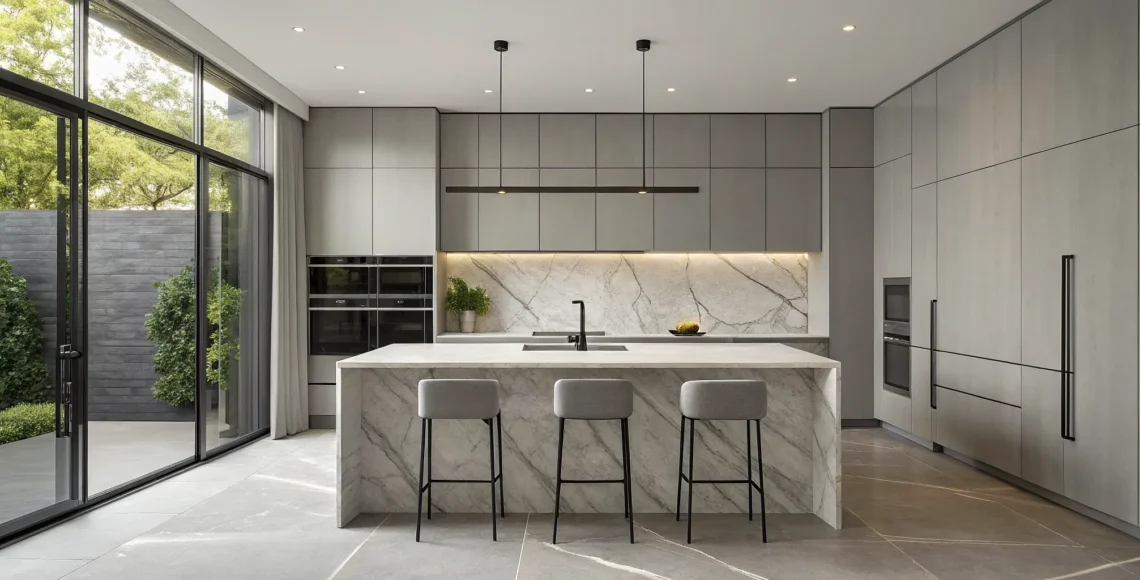

Modern kitchen interior design with sleek grey cabinets and a minimalist marble island.

Kitchen Design Grey: A Complete Style Guide

There’s a persistent myth that a grey kitchen is destined to feel cold or uninspired. We’re here to set the record straight. A thoughtfully executed grey kitchen is the pinnacle of sophistication, offering a rich, layered look that is both warm and full of personality. The difference between a flat, monotonous space and a dynamic one comes down to the details. It’s about balancing undertones, layering textures, and using light to your advantage. A successful kitchen design grey is a masterclass in nuance. This guide provides the actionable steps you need to create a space that feels curated, luxurious, and perfectly you.

Key Takeaways

  • Warm up your grey with contrast: A successful grey kitchen relies on balance. Introduce warmth and prevent a sterile feel by pairing your grey cabinets with natural wood, crisp white countertops, or elegant metallic hardware like brass or gold.
  • Layer textures and light for depth: To keep a grey palette from feeling flat, focus on creating visual interest. Mix different finishes like matte and glossy, incorporate textured materials through your backsplash or seating, and use a layered lighting plan to make the space feel dynamic and inviting.
  • Mind the undertones for a cohesive look: Not all greys are the same; they have subtle warm or cool undertones. Ensure a harmonious design by testing your paint, tile, and countertop samples together in your kitchen’s light to make sure their undertones are compatible.

Why Go Grey in Your Kitchen?

Grey has gracefully moved from a simple background neutral to a leading role in high-end kitchen design. It offers a perfect blend of sophistication and versatility that all-white kitchens can sometimes lack. Choosing grey is about creating a space that feels both timeless and distinctly modern, providing a rich canvas for your personal style.

The Perfect Backdrop for Any Style

One of grey’s greatest strengths is its incredible adaptability. It’s not a single, flat color but a whole spectrum of shades, from soft, misty tones to deep, dramatic charcoals. This range allows grey to serve as the perfect foundation for nearly any design aesthetic. Whether your vision is a sleek, minimalist space or a warm, transitional kitchen, grey provides a sophisticated starting point. It pairs beautifully with a wide array of materials, from rich woods and polished marble to industrial metals, allowing you to craft a look that is uniquely yours. The right shade can anchor many modern grey kitchen ideas and bring your vision to life.

Achieve Effortless Sophistication

There’s an inherent elegance to a grey kitchen. The color feels intentional and curated, immediately giving the space a polished, high-design feel. Grey cabinets, in particular, create a sense of refined luxury that works in both historic and contemporary Las Vegas homes. This sophisticated backdrop is also the perfect canvas for showcasing other beautiful elements. You can introduce warmth with brass or copper hardware, add texture with a veined stone countertop, or make a bold statement with a vibrant backsplash. Incorporating a bright, statement color can add a layer of personality and visual interest, preventing the design from feeling one-note.

Design a Calm and Balanced Space

Your kitchen is often the heart of your home, and grey can help make it a wonderfully serene and inviting space. Lighter shades of grey, like dove or stone, have a calming effect and can make a kitchen feel more open and airy. These tones reflect light beautifully, which is a fantastic strategy for making smaller kitchens feel more spacious and bright. According to designers at Farrow & Ball, these gentle greys create an atmosphere that is both elegant and welcoming. By creating a balanced, tranquil environment, a grey color palette helps turn your kitchen into a peaceful retreat from the hustle and bustle of daily life.

How to Choose the Right Shade of Grey

Grey is far from a one-note color. It’s a spectrum of possibilities, ranging from soft, cloud-like hues to deep, dramatic charcoals. The shade you select will define the entire mood of your kitchen, influencing how light moves through the space and how other design elements are perceived. Think of it as the foundation of your design narrative. A lighter shade can make a compact kitchen feel open and expansive, while a darker tone can introduce a sense of intimacy and luxury into a larger area.

The key is to consider the unique characteristics of your space. How much natural light does your kitchen receive? What is the overall scale of the room? Answering these questions will help you narrow down the options. It’s also important to think about the feeling you want to create. Are you aiming for a serene, minimalist retreat or a bold, sophisticated hub for entertaining? Each shade of grey carries its own personality, and finding the right match is the first step toward a kitchen that feels uniquely yours. From the subtle warmth of greige to the cool confidence of slate, the right grey will harmonize with your architecture, your lifestyle, and your personal taste. Let’s explore the most popular options to find the perfect fit for your vision.

Use Light Grey to Open Up Your Space

If you want to create a bright, open, and welcoming atmosphere, light grey is an excellent choice. This shade is a master of illusion, making smaller kitchens feel larger and more expansive by reflecting light beautifully. It provides a soft, clean backdrop that feels both modern and timeless. Light grey cabinets pair wonderfully with crisp white countertops for a classic look, or you can introduce pops of vibrant color through a backsplash or accessories to add a playful touch. It’s a versatile starting point that allows other design elements, from polished chrome hardware to warm wood floors, to truly shine.

Choose Dark Grey for Drama and Luxury

For a kitchen that makes a statement, dark grey delivers instant drama and sophistication. Shades like charcoal and slate ground a space with a sense of depth and elegance, creating a cozy, enveloping feel. Because darker colors can make a room feel more intimate, they work best in larger kitchens or spaces with abundant natural light. To keep the look from feeling too heavy, balance dark grey cabinets with lighter countertops, a reflective backsplash, or brilliant metallic accents like brass or gold. This contrast creates a dynamic, luxurious aesthetic that is perfect for a high-impact, contemporary design.

Find Your Balance with Medium Grey

Medium grey is the perfect middle ground, offering a sophisticated and adaptable foundation for your kitchen design. It’s a true neutral that provides more depth than a light grey without the commanding presence of a darker shade. This versatility is its greatest strength; timeless and modern kitchens can be built around this hue. Medium grey works beautifully in nearly any setting, pairing well with a wide range of materials, from rustic wood to sleek marble. It’s a confident choice that feels both current and enduring, allowing you to easily update your kitchen’s look over time with new accessories or accent colors.

Soften Your Look with Warm Greys & Greige

If you love the sophistication of grey but crave a cozier, more inviting atmosphere, turn to warm greys and greige. These shades have undertones of beige or brown, which softens their appearance and creates a harmonious, welcoming feel. Greige, a perfect blend of grey and beige, is particularly effective at making a kitchen feel both chic and comfortable. These warmer tones are ideal for creating an organic, layered look. As designers often recommend, these hues work beautifully with natural textures like wood, stone, and linen, resulting in a space that feels grounded, serene, and effortlessly elegant.

Which Design Style Fits Your Grey Kitchen?

Grey is one of the most adaptable colors in a designer’s toolkit, making it a perfect foundation for nearly any aesthetic you can imagine. Whether you’re drawn to clean, modern lines or a more layered, traditional feel, the right shade of grey can set the perfect tone. It’s all about pairing it with the right materials, textures, and finishes to bring your vision to life. Let’s explore how grey works beautifully across four distinct design styles, helping you find the one that feels like home.

Embrace a Modern, Minimalist Look

In a minimalist kitchen, simplicity is key. This style focuses on clean lines, uncluttered surfaces, and intentional design where every element has a purpose. Grey is a natural fit here, providing a serene and sophisticated backdrop. Modern grey kitchen cabinets work well in spaces both big and small, and they can complement an otherwise minimalist design. Imagine flat-panel cabinets in a soft, light grey paired with a crisp white quartz countertop and no visible hardware. The result is a calm, streamlined space that feels both functional and effortlessly chic. This approach allows the architecture and quality of the materials to take center stage.

Create an Industrial-Chic Space

If you love a look with a bit more edge, an industrial-style kitchen might be for you. This aesthetic draws inspiration from old factories and warehouses, celebrating raw materials and utilitarian forms. Industrial kitchens often use cool, dark greys or concrete with rough surfaces for a strong, grounded appearance. Picture charcoal grey cabinets paired with a stainless steel backsplash, open shelving made from reclaimed wood, and statement pendant lighting. This style embraces texture and character, creating a space that feels both hardworking and incredibly stylish. It’s a perfect match for lofts or modern homes with an open-concept floor plan.

Design a Luxurious Contemporary Kitchen

Grey kitchens are often seen as fancy, flexible, and classic, making them an ideal choice for a contemporary and luxurious design. This style is all about creating a polished, high-end feel with a focus on premium materials and refined details. Think sleek, high-gloss dark grey cabinets complemented by a stunning marble waterfall island. Polished chrome or warm brass hardware can add a touch of glamour, while integrated, state-of-the-art appliances maintain a seamless look. This approach uses grey to build a rich, layered environment that feels both sophisticated and welcoming, perfect for entertaining and everyday living.

Try a Two-Tone Transitional Style

For a look that feels dynamic and personalized, consider a two-tone or transitional style. This approach blends elements of both traditional and modern design for a timeless and balanced feel. Opting for a mix-and-match look, such as light grey for the lower cabinets and white up top, strikes a beautiful equilibrium in the space. You could also create a focal point with a dark grey island surrounded by softer greige perimeter cabinets. This design strategy adds visual depth and keeps the kitchen from feeling one-dimensional. It’s a fantastic way to introduce personality while maintaining a cohesive and elegant aesthetic.

Achieve a Warm, Country-Inspired Look

When you think of a country kitchen, you might picture warm woods and creamy whites, but grey can create an equally inviting atmosphere. The key is to choose the right shade and pair it with natural textures. For a cozy, traditional country feel, a matte dark grey provides a warm, grounding presence. If you prefer a lighter, more modern take, like a Scandinavian country style, a soft light grey works beautifully. To keep the space from feeling too cool, introduce wood elements with warm undertones. Think cherry or mahogany for countertops or open shelving. As design experts at SieMatic point out, wood always adds a cozy and homely feel to a neutral grey kitchen, creating a perfect balance between modern sophistication and rustic charm.

Create a Playful Retro Vibe

Grey can also be the perfect canvas for a fun, retro-inspired kitchen. This look is all about personality and pops of color. Start with a softer base, like a light dove grey, which provides a neutral backdrop that won’t compete with brighter accents. From there, introduce a bold, colorful countertop in a shade like turquoise or sunny yellow to instantly set a vintage tone. You can then pull that color into other elements, like your backsplash tiles or barstools. For flooring, consider grey concrete or slate tiles, which ground the space and let the colorful details shine. As you can see in many retro kitchen examples, adding splashes of vibrant color is the secret to achieving a look that feels both nostalgic and fresh.

How to Build Your Grey Color Palette

Once you’ve chosen your perfect shade of grey, the next step is to build a color palette that makes it sing. Grey is a fantastic team player, but it needs the right partners to create a space that feels complete and intentional. A well-curated palette will add depth, warmth, and personality to your kitchen, preventing it from feeling one-dimensional. By thoughtfully layering in complementary colors, materials, and finishes, you can craft a truly bespoke look. Think of your primary grey as the foundation; from there, we’ll add elements that provide contrast, texture, and a touch of luxury. Let’s explore a few designer-approved combinations that will bring your modern grey kitchen to life.

Create Contrast with Crisp White

A grey and white kitchen is a timeless combination that always feels fresh and sophisticated. The key is to use white strategically to create balance and light. Pairing grey cabinets with crisp white countertops and a matching backsplash delivers a clean, seamless look that brightens the entire room. This high-contrast pairing feels modern and elegant, allowing the richness of the grey to stand out. If you prefer a softer aesthetic, consider an off-white or creamy hue. This can create a gentler transition, especially when paired with cooler-toned greys. You can also use this pairing in a two-tone kitchen design, with grey lower cabinets and white uppers to make the space feel more open and airy.

Warm It Up with Natural Wood Tones

To keep a grey kitchen from feeling too cool or sterile, introducing natural wood is a perfect solution. Wood elements bring organic texture and warmth, creating a beautiful contrast against the sleek, neutral grey. This can be achieved in many ways. Rich hardwood flooring can ground the space, while wooden open shelves offer a spot to display beautiful dishware and add a touch of rustic charm. For a statement piece, consider a butcher block island countertop or wood accents on your range hood. The type of wood you choose will also influence the final look; light oak can lend a breezy, Scandinavian feel, while a dark walnut adds drama and a sense of refined luxury.

Pairing Light Grey with Wood

This combination creates a look that is airy, organic, and effortlessly modern. Light grey cabinets paired with natural wood elements, like a white oak island or floating shelves, result in a serene and welcoming space. The wood’s warmth and texture provide a beautiful counterpoint to the soft coolness of the grey, preventing the design from feeling one-note. Light grey cabinets pair wonderfully with crisp white countertops for a classic look, or you can introduce pops of vibrant color through a backsplash or accessories to add a playful touch. This versatility allows the natural beauty of the wood to become a focal point, creating a kitchen that feels both grounded and bright, a perfect example of Scandinavian-inspired design.

Pairing Dark Grey with Wood

For a more dramatic and luxurious aesthetic, pairing dark grey with wood is a winning strategy. The deep, rich tones of charcoal or slate cabinets create a sophisticated backdrop that makes the natural grain and warmth of wood truly stand out. Imagine dark grey cabinetry complemented by a rich walnut butcher block or warm teak flooring. To keep the look from feeling too heavy, it’s essential to balance dark grey cabinets with lighter countertops, a reflective backsplash, or brilliant metallic accents like brass or gold. This contrast not only adds depth but also introduces light and glamour into the space, resulting in a dynamic and inviting kitchen that feels both bold and timeless. Proper kitchen lighting is also key to highlighting these beautiful material pairings.

Add a Gleam with Metallic Accents

Think of hardware and fixtures as the jewelry of your kitchen. Metallic accents are where you can inject personality and a touch of glamour into your grey color palette. The finish you select can dramatically shift the mood of the room. For instance, brushed gold or brass hardware provides a warm, luxurious contrast against both light and dark grey cabinets, creating an inviting and high-end feel. If you’re aiming for a more modern or industrial edge, matte black hardware and faucets offer a striking, graphic look. For a classic, contemporary style, you can’t go wrong with the sleek finish of polished chrome or brushed nickel. These finishing touches are small details that make a significant impact.

Balancing Cool and Warm Undertones

One of the most common design mistakes is failing to balance the undertones in a grey kitchen. Grey isn’t just grey; it has subtle undertones of blue, green, or beige (greige). If you layer too many elements with the same cool, blue undertone, your kitchen can feel cold and uninviting. The secret is to create contrast. If your cabinets are a cool grey, introduce warmth through brass hardware, wood floors, or a warm-toned countertop. Conversely, if you’ve chosen a warm greige, you can balance it with cool stainless steel appliances or a crisp white backsplash. Don’t be afraid to use a saturated color to make the grey feel like a sophisticated supporting actor. Painting an island in a deep navy or a feature wall in a rich green can provide a focal point and make the entire color scheme feel more dynamic.

Introduce a Statement Accent Color

While a monochrome grey palette is undeniably chic, introducing a statement accent color is how you infuse the space with your own personality. This doesn’t mean you have to paint an entire wall in a shocking hue; the most effective designs often use color in thoughtful, measured doses. Think of it as adding a final, personal touch that brings the whole room to life. A splash of vibrant yellow, a calming sage green, or a deep navy blue can completely transform the atmosphere of your kitchen. You can introduce these colors through accessories like bar stools, a patterned rug, or even a colorful stand mixer on the counter. For a more permanent statement, a vibrant backsplash tile can serve as a stunning focal point that ties the entire design together.

Accent Colors for Light Grey Kitchens

Light grey cabinets offer a wonderfully versatile canvas for accent colors. Because they are so bright and neutral, they can handle bold, saturated hues without feeling overwhelmed. This is your chance to be playful and add a dose of energy to the room. Consider a backsplash in a rich jewel tone like emerald green or sapphire blue to create a striking contrast. For a sunnier disposition, accessories in a cheerful marigold yellow or a warm coral can make the space feel incredibly inviting. If you prefer a more subtle approach, soft pastels like blush pink or mint green can add a touch of color while maintaining a serene and airy feel.

Accent Colors for Dark Grey Kitchens

With dark grey cabinets, the goal is to choose accents that add light and contrast to prevent the space from feeling too heavy. This is where metallics truly shine. Warm metals like brass, copper, and gold are a perfect complement to deep charcoal or slate grey. Using them for your cabinet hardware, faucet, and pendant lights adds a layer of warmth and luxury that feels both modern and timeless. Beyond metallics, rich, earthy tones can also create a beautiful balance. Think about incorporating a deep terracotta through pottery or textiles, or a warm, olive green in your barstool upholstery to create a sophisticated and grounded palette.

Choosing the Right Wall Color

The wall color you choose is one of the most impactful decisions you’ll make in your kitchen design. It sets the backdrop for everything else and has a massive influence on the overall mood of the space. With grey cabinets, the right wall color can either create a seamless, cohesive look or provide a dynamic contrast that makes your cabinetry pop. The best choice depends entirely on the shade of grey you’re working with and the atmosphere you want to create. A common approach is to go a few shades lighter or darker than your cabinet color, but breaking that rule can lead to some stunningly creative results.

For kitchens with dark grey cabinets, you’ll want to lean toward lighter wall colors to keep the room feeling open and bright. Soft, gentle hues like a pale sky blue, a dusty rosé, or a light sage green can create a friendly and welcoming atmosphere, beautifully offsetting the depth of the charcoal or slate. If you have light grey cabinets, you have more freedom to be bold with your walls. A rich, dramatic color like a deep cherry red or a moody petrol blue can create a stunning contrast that feels incredibly chic and intentional. For a more textural and industrial look, you could even consider a feature wall of dark wood paneling or a concrete-finish plaster.

Choosing Your Key Kitchen Design Elements

With your color palette established, it’s time to choose the core components that will bring your grey kitchen to life. These foundational elements, from cabinetry to flooring, work together to create a cohesive and functional space. Selecting the right materials and finishes is where your personal style truly begins to take shape, turning a concept into a tangible, beautiful reality. Each choice influences the next, so consider how these pieces will interact to build a harmonious design.

Perfecting Your Cabinets and Hardware

Grey cabinets are a wonderfully versatile choice, providing a sophisticated backdrop that suits nearly any kitchen style, from ultra-modern to a cozy, transitional look. The specific shade of grey you choose will set the tone, but the hardware is what adds the finishing touch. Think of hardware as the jewelry of your kitchen. Finishes like brushed gold, champagne bronze, or sleek matte black create a striking contrast against grey doors, adding a layer of visual interest and luxury. The right cabinet hardware can completely transform the feel of your cabinetry, so it’s a detail worth careful consideration.

Exploring Cabinet Door Styles

The style of your cabinet doors plays a huge role in defining your kitchen’s character, working hand-in-hand with your chosen shade of grey. For a clean, modern aesthetic, flat-panel doors are a perfect choice. Their unadorned surface creates a seamless, minimalist look that feels incredibly chic in a high-gloss or matte grey finish. If you’re aiming for a timeless, transitional feel, you can’t go wrong with Shaker-style doors. Their simple frame-and-panel construction is versatile and sophisticated, pairing beautifully with any grey from light dove to deep charcoal. For a more traditional or luxurious space, doors with raised panels or intricate detailing can add depth and dimension, allowing light and shadow to play across the surface. Understanding the impact of these different cabinet door styles is key to achieving a cohesive and polished design.

Choosing Countertops that Complement Grey

Your countertops are a major visual element, and their pairing with grey cabinets can define the kitchen’s entire aesthetic. For a touch of warmth and organic texture, consider wood countertops. A light oak can brighten a dark grey kitchen, while a rich walnut adds depth and drama. For a more classic and elegant feel, you can’t go wrong with stone. White quartz countertops create a crisp, clean contrast that feels both timeless and modern, especially when paired with brass hardware. Alternatively, a beautifully veined marble can echo the tones in your grey cabinets for a seamless, high-end look.

Exploring Different Countertop Materials

The material you select for your countertops plays a huge role in defining your kitchen’s final look. To bring in warmth and an organic feel, wood is a beautiful choice; a light oak can brighten a dark grey kitchen, while rich walnut adds cozy depth. For a classic, elegant aesthetic, white quartz creates a crisp contrast that feels both timeless and modern, and its durability makes it a smart investment for a busy kitchen. If luxury is your goal, a beautifully veined marble can mirror the tones in your grey cabinets for a seamless, high-end finish. Thinking through these countertop materials helps you find the one that best supports your vision and lifestyle.

Make a Statement with Your Backsplash

The backsplash is a perfect opportunity to inject personality and texture into your grey kitchen. While its primary role is functional, it also serves as a key design feature. You can create a stunning focal point by extending your countertop material up the wall for a seamless slab backsplash. This works beautifully with dramatic stones like marble or quartzite. For a more subtle approach, consider tiles with an interesting texture or finish, like handmade zellige tiles or a polished ceramic. These materials catch the light in unique ways, adding subtle dimension and preventing the space from feeling flat.

Incorporate Patterns and Shimmer

To keep your grey kitchen from feeling one-note, introduce elements of pattern and shimmer. This is a fantastic way to add visual depth and a layer of personality to the design. Consider a backsplash with a playful Moroccan or geometric tile to create a beautiful focal point that expresses your style. You can also bring pattern in through unique floor tiles or even a runner with an abstract design to soften the space. For a touch of glamour, look for materials that catch the light. A backsplash with shimmery tiles, like mother-of-pearl or iridescent glass, can add subtle elegance and make the entire kitchen feel more dynamic and luxurious.

Choosing Flooring to Ground Your Design

The right flooring grounds your entire kitchen design and ties all the other elements together. Natural hardwood floors are a classic choice that introduces warmth and softness to balance the cool tones of a grey palette. They are especially effective in open-concept spaces, creating a continuous flow. For a more modern and practical option, consider large-format natural stone or porcelain tiles. A smooth, seamless floor in a complementary neutral shade enhances the spacious feel of the room and is incredibly durable and easy to maintain, making it a perfect foundation for a busy, yet beautiful, kitchen.

Durable and Timeless Flooring Materials

In a space that sees as much activity as the kitchen, your flooring needs to be more than just beautiful—it has to be resilient. The goal is to find a material that stands up to daily life while complementing your grey palette. Natural stone tiles, like granite and slate, offer an enduring elegance and are incredibly tough, naturally resisting scratches and stains. For a sleek and functional option, ceramic and porcelain tiles are fantastic; they’re highly resistant to moisture and spills. If you love the look of hardwood, consider engineered wood, which provides that classic warmth with better durability against moisture. Another popular choice is luxury vinyl plank (LVP), which expertly mimics the look of wood or stone but with the added benefits of being waterproof and easy to maintain.

Functional Flooring Considerations

Beyond aesthetics, the practical function of your flooring is paramount. Think about your daily routine. How easy is the material to clean after a spill? Materials like porcelain tile and luxury vinyl are practical choices because they are non-porous and simple to wipe down. Comfort is another key factor. You spend a lot of time on your feet in the kitchen, so a floor with a bit of cushioning, like luxury vinyl, can make a real difference. Finally, ensure the flooring choice complements the overall design. For a modern grey kitchen, a polished tile can enhance the sleek look, while a light-colored wood-look floor can add warmth and contrast. At Freddie Ramon, we guide our clients through these choices, ensuring the final selection is a perfect blend of beauty, durability, and personal style.

Make the Island the Star of the Show

Your kitchen island is more than just a workspace; it’s a natural gathering spot and a powerful design anchor. Making it a focal point is a brilliant strategy for adding depth and character to your grey kitchen. By painting your island in a contrasting shade, you can create a stunning centerpiece that draws the eye and defines the room. A deep, dramatic grey island set against lighter perimeter cabinets, for example, establishes a clear and sophisticated focal point. This approach not only adds visual interest but also helps to ground the design, making the entire space feel more intentional and curated. Finish the look by pairing it with chic bar stools in warm wood or supple leather to create an inviting hub for entertaining.

Using a Grey Island as a Focal Point

Choosing a bold, dark grey for your island is an effective way to introduce a touch of drama and luxury. This single, impactful choice can set a sophisticated tone for the entire kitchen. A dark gray kitchen island doesn’t just serve a functional purpose; it becomes a piece of statement furniture. This works especially well in open-concept layouts where the kitchen flows into a living area, as the island can act as a beautiful transition piece. The deep color provides a rich contrast to lighter elements like countertops or flooring, creating a dynamic and visually engaging environment that feels both modern and timeless.

Applying Grey Beyond the Cabinets

While grey cabinets are a fantastic starting point, applying this versatile color to other surfaces can create a truly cohesive and immersive design. Thinking beyond the cabinetry allows you to build a layered, sophisticated look that feels complete. Grey is a timeless and modern choice that works beautifully on walls, backsplashes, and even floors. Using different shades and textures of grey throughout the space adds depth and prevents the design from feeling flat. Whether you’re aiming for a subtle, monochromatic scheme or a high-contrast look, incorporating grey into these foundational elements will tie your entire kitchen together with effortless elegance.

Grey Walls and Backsplashes

A grey backsplash is an excellent way to add texture and personality without overwhelming the space. It works well with nearly any kitchen style, from minimalist to industrial. You can choose materials that add a touch of shimmer, like glossy or iridescent tiles, to catch the light and create a subtle sparkle. For a more organic feel, consider a textured stone or a mosaic pattern in varying shades of grey. Painting the walls a soft grey can also create a serene, enveloping atmosphere, making the cabinetry and countertops pop. This approach allows you to build a layered, monochromatic look that feels both calming and incredibly chic.

Grey Flooring Options

The right flooring provides a solid foundation for your entire kitchen design. Grey flooring is a practical and stylish choice that can ground your space beautifully. Materials like natural slate tiles or polished concrete slabs offer a sleek, modern aesthetic that pairs perfectly with grey cabinets. These durable surfaces are also fantastic for high-traffic areas. Darker grey floors are particularly forgiving, as they are excellent at hiding everyday dirt and minor stains. Whether you opt for a seamless look with large-format tiles or add texture with a patterned design, grey flooring helps create a cohesive and sophisticated base for your kitchen.

How to Light Your Grey Kitchen

Lighting is one of the most powerful tools in a designer’s toolkit, and in a grey kitchen, it’s absolutely essential. The right lighting strategy can make your grey cabinets feel warm and inviting, while the wrong one can leave the space feeling cold and uninspired. The goal is to create a balanced environment that feels both functional and full of life. By focusing on natural light, layering different light sources, and combining practical task lighting with overall ambient light, you can ensure your grey kitchen is a bright, welcoming hub for your home.

Make the Most of Natural Light

The best light is free, so let’s start there. To make your grey kitchen feel as bright and open as possible, you want to enhance every bit of natural light you have. One of the most effective ways to do this is by creating contrast. Pairing grey cabinets with a lighter, reflective surface, like a polished marble countertop or a glossy white backsplash, will bounce light around the room. Keep window treatments minimal and airy, perhaps with sheer linen curtains or sleek blinds that can be fully retracted. This approach not only brightens the space but also makes it feel larger and more connected to the outdoors.

Use Layered Lighting for Added Dimension

A single overhead light just won’t do. To give your grey kitchen depth and character, you need to layer your lighting. Think of it in three parts: ambient, task, and accent. Ambient light provides the room’s overall illumination, often from recessed ceiling lights or a central fixture. Task lighting is focused on work areas, like under-cabinet LEDs that light up your countertops for food prep. Finally, accent lighting adds a touch of drama, highlighting architectural features or decor. A pair of beautiful pendant lights over the island or stylish sconces on a feature wall can serve as the perfect finishing touch.

Balancing Task and Ambient Lighting

A beautiful kitchen that isn’t functional is just a pretty room. Your lighting plan must support all the activities that happen in the space, from cooking and cleaning to entertaining and homework. This is where a thoughtful combination of task and ambient lighting comes in. Ensure your primary work zones, like the sink, stove, and main prep areas, have direct, bright task lighting. Then, fill in the rest of the space with soft, ambient light from recessed fixtures or a chandelier. Installing dimmer switches for your ambient and accent lights gives you complete control, allowing you to transition from a bright, functional workspace to a soft, moody atmosphere for dinner.

How to Combine Materials and Textures

A truly stunning grey kitchen is all about the thoughtful interplay of materials and textures. This is where we move beyond color and into the sensory experience of the space. Without varied textures, a grey palette can sometimes feel flat or cold. By layering different materials, you introduce depth, warmth, and a sense of curated luxury that feels personal and inviting. Think of it as dressing your kitchen; the right combination of finishes and surfaces creates a complete, polished look that engages more than just the eyes.

The key is to create contrast and balance. You can pair sleek, smooth surfaces with something rough and organic, or a matte finish with a high-gloss accent. This dynamic tension is what makes a design feel alive and sophisticated. For example, the cool, polished surface of a marble countertop feels even more luxurious next to the rustic grain of wooden bar stools. It’s these intentional combinations that will make your grey kitchen feel less like a trend and more like a timeless, custom-designed space. We’ll explore how to mix textures, select finishes, and pair classic materials to achieve a beautifully layered design that feels both cohesive and full of character.

Play with Textures for Visual Depth

Texture is what gives a room its character and prevents a monochromatic color scheme from feeling one-dimensional. In a grey kitchen, incorporating a variety of textures is essential for creating visual interest and a welcoming atmosphere. You can introduce texture through your main surfaces, like a backsplash with handmade zellige tiles or countertops with a leathered finish. You can also bring it in through smaller details, such as woven pendant lights, linen bar stools, or a vintage runner. Designer Elizabeth Sims recommends using warm gray paint with natural textures to achieve a soft, organic look. This approach helps the space feel grounded and connected to natural elements, adding a layer of comfort to the modern design.

Matte vs. Glossy: Which Finish is Right for You?

The finish you choose for your cabinets, countertops, and hardware will dramatically affect the mood of your kitchen. Matte finishes absorb light, creating a soft, velvety look that feels very contemporary and understated. They are excellent at hiding smudges and fingerprints, making them a practical choice for busy households. On the other hand, glossy finishes reflect light, which can make a space feel brighter and larger. A high-gloss finish adds a touch of glamour and sleekness. For a striking effect, use brushed gold or sleek black hardware to create a beautiful contrast against grey cabinetry. You don’t have to stick to just one; mixing matte cabinets with a polished countertop can create a sophisticated, layered look.

Combine Natural Stone and Wood for Warmth

The combination of natural stone and wood is a timeless pairing that brings warmth and balance to a grey kitchen. Stone, like marble or quartzite, offers a cool, elegant, and durable surface, while wood introduces an organic element that feels warm and inviting. This pairing is especially effective for balancing the visual weight of the room. For instance, if you have dark charcoal cabinets, incorporating lighter wood elements through open shelving, flooring, or an island base can keep the space from feeling too heavy. Using wood helps to create a harmonious balance between light and shadow. This classic duo works in any style, from minimalist to industrial, and ensures your grey kitchen feels both modern and enduring.

Key Questions to Ask Before You Start

Before you start picking out paint swatches and browsing for hardware, it’s important to step back and think about the big picture. A successful kitchen design is more than just a collection of beautiful elements; it’s a space that functions seamlessly for your lifestyle and feels cohesive with the rest of your home. Answering a few key questions upfront will help clarify your vision and ensure the final result is both stunning and practical. This is a crucial part of our process at Freddie Ramon, where we begin every project by understanding how you live. These considerations will guide your decisions and help you create a grey kitchen that you’ll love for years to come.

Is there enough light for your chosen shade?

The amount of light your kitchen receives is one of the most significant factors in choosing the right shade of grey. If your space is smaller or has limited windows, a light grey can be a game-changer. Lighter shades are masters of illusion, reflecting light to make the room feel more open, airy, and expansive. Conversely, a dramatic charcoal or slate grey needs plenty of natural or artificial light to truly shine. Without it, a dark shade can make the space feel heavy and enclosed. Before you commit, test your top color choices in your kitchen. Paint large sample boards and observe how they look at different times of day to see how the light truly interacts with the color in your unique space.

How will the kitchen connect with the rest of your home?

In many modern Las Vegas homes, the kitchen is not an isolated room but part of an open-concept living area. This makes it essential to consider how your new kitchen will flow with the adjoining spaces. Grey is incredibly adaptable, making it a perfect bridge between different styles and color palettes. Think about the undertones in your existing decor. If your living room has warm, earthy tones, a greige with beige undertones will create a seamless transition. If your style is cooler and more contemporary, a grey with blue or green undertones will feel right at home. The goal is to create a cohesive experience, ensuring your kitchen feels like a natural and sophisticated extension of your home’s overall design story.

Is a kitchen island the right fit for your space?

A kitchen island can be a fantastic addition, serving as a central hub for cooking, dining, and socializing. It often becomes the true heart of the home. However, it’s not the right solution for every layout. The most important consideration is space. You need adequate clearance—typically at least 36 to 42 inches—around all sides of the island to ensure comfortable traffic flow and appliance access. If your kitchen is long and narrow, a peninsula might be a more practical choice. If you do have the room, a grey island can serve as a stunning focal point, especially if you choose a contrasting shade to your perimeter cabinets for a custom, high-design look.

How will the kitchen be used and maintained?

Finally, be honest about your lifestyle. Are you an avid home chef who needs durable, hardworking surfaces, or do you primarily use your kitchen for morning coffee and entertaining? Your daily habits should inform your material choices. For example, a family with young children might prefer a matte cabinet finish, which is more forgiving with fingerprints than a high-gloss one. Similarly, while a pristine marble countertop is beautiful, a more resilient material like quartz or granite might be a better fit for a high-traffic kitchen. Thinking about maintenance upfront ensures you select finishes that are not only beautiful but also practical for your day-to-day life, keeping your kitchen looking its best with minimal effort.

Common Grey Kitchen Mistakes to Avoid

Grey is a fantastic choice for a modern kitchen, but its subtlety can be tricky. A successful grey kitchen is all about balance, texture, and thoughtful color pairing. Without a clear plan, it’s easy for this sophisticated neutral to fall flat or feel disjointed. The goal is to create a space that feels intentional and harmonious, not accidental or cold. Many homeowners fall in love with the idea of a chic grey kitchen but find the final result feels less inspiring than they imagined. This usually happens when a few key design principles are overlooked.

Fortunately, the most common missteps are easy to sidestep once you know what to look for. From layering tones to balancing undertones and ensuring the space is as functional as it is beautiful, a few key considerations will help you create a grey kitchen that is both stunning and timeless. By understanding these potential pitfalls, you can approach your design with confidence, making choices that contribute to a cohesive and luxurious final look. Let’s walk through the four biggest mistakes we see and how you can get them right from the start.

How to Avoid a Monotonous Look

One of the quickest ways a grey kitchen can lose its impact is by becoming too uniform. When the cabinets, countertops, and walls are all in very similar shades of grey, the space can feel dull and uninspired. The key is to introduce variation. Think about layering different shades and textures to create visual interest. For example, you could pair medium-grey cabinets with a lighter grey wall color and a dark charcoal island. You can also introduce different materials like a polished stone countertop, a matte-finish backsplash, and warm wood accents to break up the color and add depth.

Create Visual Interest with Contrast and Depth

Without enough contrast, a grey kitchen can appear one-dimensional. To prevent this, make sure there’s a clear distinction between different elements in the room. This doesn’t mean you need stark, dramatic differences everywhere, but thoughtful contrast adds dimension. For instance, if you choose light grey cabinets, consider a darker floor or a richly veined countertop to ground the space. Conversely, dark charcoal cabinets look incredible against a crisp white backsplash and light wood flooring. This interplay between light and dark is what gives a room its character and keeps the eye moving.

How to Avoid Mismatched Undertones

This is a subtle but critical detail. Greys aren’t just light or dark; they also have warm (yellow, beige) or cool (blue, purple) undertones. Ignoring these can result in a space that feels slightly “off” or disjointed. For example, a cool, blue-toned grey on the cabinets might clash with a warm, beige-toned grey in the floor tiles. Before you commit, always get samples of your chosen materials and view them together in your kitchen’s natural light. This will help you see how the color undertones interact and ensure you’re creating a cohesive, harmonious palette.

Remember to Balance Style and Function

It’s easy to get swept up in creating the perfect aesthetic and overlook the practical needs of a kitchen. A beautiful design is only successful if it works for your lifestyle. Think about the daily workflow. Are your appliances laid out in a logical way? Do you have enough storage? One often-forgotten element is proper ventilation. A powerful, well-integrated range hood is essential for keeping your kitchen fresh and clean, especially in an open-concept space. Always remember that a truly luxurious kitchen is one that is as effortless to use as it is beautiful to look at.

Final Touches for Your Grey Kitchen Design

A stunning grey kitchen is so much more than a color swatch. It’s a space that should feel intuitive, organized, and completely tailored to you. Once you’ve settled on your perfect shade of grey and a complementary color palette, the next step is to translate that vision into a functional, three-dimensional space. This is where thoughtful planning makes all the difference, turning a beautiful concept into a livable, breathable room that works for you and your family. A kitchen that looks good in photos but is frustrating to cook in isn’t a success. The real goal is a space that feels as good as it looks.

At Freddie Ramon, we believe luxury lies in the seamless integration of form and function. A truly successful design doesn’t just look incredible; it enhances your daily life. That’s why we focus on three foundational pillars to bring your vision to life: an optimized layout that respects your movement, smart storage that keeps your space serene, and finishing touches that reflect your personal style. By focusing on these key areas, we can create a grey kitchen that is not only a visual masterpiece but also the true heart of your home. Let’s walk through how to approach each element.

Perfecting Your Kitchen Layout and Flow

Before a single cabinet is installed, we need to perfect the flow of your kitchen. Designing a kitchen is a significant, long-term investment, so it’s worth taking the time to think carefully about how the space will support your daily life. A successful layout considers everything from your morning coffee routine to how you host holiday dinners. We map out efficient work zones for prepping, cooking, and cleaning to ensure movement is easy and intuitive. A well-designed kitchen layout prevents bottlenecks and makes the room a joy to use, allowing the sophisticated grey palette to feel calm and uncluttered rather than chaotic.

Get Organized with Smart Storage

A modern grey kitchen thrives on clean lines and uncluttered surfaces. The secret to maintaining that sleek aesthetic is incorporating smart storage from the very beginning. Thoughtful storage solutions ensure that every pot, pan, and pantry item has a designated home, keeping your beautiful countertops clear. We can integrate features like full-extension drawers, hidden appliance garages, and custom-fitted pantry systems. By planning for your storage needs, you get a kitchen that feels easier to use every day and delivers real value. These clever storage ideas are designed to work hard behind the scenes, so your design can always take center stage.

Adding the Perfect Finishing Touches

The final details are what truly personalize your kitchen and make it yours. This is your opportunity to add character and warmth to the grey foundation. Accessories like brushed gold or sleek black hardware provide striking contrasts against grey cabinetry, adding a layer of sophistication. We can also introduce sleek canister sets for your coffee and tea or metallic utensil holders to enhance the modern feel. From the faucet and light fixtures to the bar stools, every choice contributes to the final story. These finishing touches are the jewelry of the room, tying the entire design together with a polished, cohesive look.

Related Articles

Frequently Asked Questions

Will a grey kitchen feel too cold or uninviting? This is a common concern, but a grey kitchen only feels cold when it lacks balance. The key is to layer in warmth and texture. You can introduce natural wood through flooring or open shelves, use warm metallic hardware like brushed gold or brass, and implement a layered lighting plan with soft, ambient light. These elements work together to create a space that feels sophisticated yet comfortable and welcoming.

Is a grey kitchen a timeless choice, or will it look dated in a few years? Think of grey as the perfect neutral foundation, much like a classic white or black. Its timelessness comes from its versatility. A grey kitchen will endure beautifully when paired with classic materials like natural stone and hardwood and supported by a strong, functional layout. It’s a color that adapts to changing styles, allowing you to update its look over time with new accessories or accent colors.

My kitchen doesn’t get much natural light. Can I still use grey? Absolutely. In a kitchen with limited natural light, you’ll want to lean toward the lighter end of the grey spectrum. Soft shades like dove or stone grey are excellent at reflecting light, which can make the room feel brighter and more spacious. The real game-changer, however, will be your lighting strategy. A well-designed plan with bright under-cabinet task lighting and soft ambient light will ensure the space feels brilliant and open, no matter the time of day.

What’s the easiest way to add personality to a grey kitchen? The best way to add personality is through high-impact details. Your backsplash is a perfect opportunity to use a tile with an interesting texture or a subtle pattern. You can also make a statement with your cabinet hardware; think of it as the jewelry of the kitchen. A unique faucet or a pair of beautiful pendant lights over the island can also serve as a focal point, adding character without creating clutter.

With so many options, how do I choose the right shade of grey? Start by considering the mood you want to create and the size of your space. If you want your kitchen to feel bright and expansive, a light grey is your best bet. For a dramatic, cozy, and luxurious feel in a larger kitchen, a dark charcoal or slate is a fantastic choice. If you’re looking for a versatile and sophisticated middle ground that works almost anywhere, a medium or warm-toned greige provides a perfect, balanced foundation.

A modern interior built with an open floor plan, clean lines, and industrial construction materials.

Modern Interior Construction: An Insider’s Guide

Great design is more than what you see—it’s about the quality and intelligence built into every detail. While beautiful finishes are essential, true modern interior construction goes deeper. It weaves technology and sustainability into the very fabric of your home. This creates spaces that are not only visually stunning but also healthier, more efficient, and genuinely responsible. Think smart home features that simplify your daily routine and advanced building methods that minimize waste. This forward-thinking approach ensures your home is truly built for the future—a sophisticated, high-performing space that’s a perfect reflection of you.

Key Takeaways

  • Focus on function and feeling, not just looks: Modern design is a philosophy centered on creating calm, practical environments. It uses clean lines, open layouts, and natural materials to build a home that supports your lifestyle, rather than just following a trend.
  • Thoughtfully blend materials and technology: A sophisticated modern space balances the warmth of natural materials, like wood and stone, with the clean lines of industrial elements, such as steel and glass. Technology is integrated seamlessly, both in smart home features and design tools, to ensure precision and a personalized result.
  • Professional partnership solves complex challenges: Creating a modern home involves unique hurdles, from making open-concept layouts functional to managing budgets for premium materials. Working with an expert ensures these challenges are met with creative solutions, leading to a high-quality home that is perfectly tailored to you.

What Is Modern Interior Construction?

When we talk about modern interior construction, we’re talking about more than just a specific look. It’s a design philosophy centered on simplicity, functionality, and a deep connection to the natural world. The goal is to create spaces that are not only beautiful but also practical and calming. Think clean lines, uncluttered open areas, and a thoughtful use of materials that bring a sense of harmony and tranquility into your home. It’s about building an environment that supports your lifestyle and well-being, stripping away the excess to focus on what truly matters. This approach doesn’t mean cold or sterile; instead, it creates a warm, inviting atmosphere where every element has a purpose and every detail contributes to a feeling of sophisticated ease. It’s a deliberate choice to prioritize quality and intention over clutter, resulting in a home that feels both luxurious and livable.

The 7 Core Elements of Interior Design

To truly appreciate modern design, it helps to understand its building blocks. These seven elements are the tools designers use to craft a space that feels just right. When balanced correctly, they work together to create a cohesive, functional, and beautiful environment. Think of them as the ingredients in a recipe—each one plays a critical role in the final outcome. By learning to see how space, line, form, light, color, texture, and pattern interact, you can better articulate your own vision for your home. It’s this thoughtful combination that transforms a simple room into a personalized sanctuary, reflecting both sophisticated style and a deep understanding of how you want to live.

Space, Form, and Line

Everything in interior design starts with space. This includes both the empty areas (negative space) and the filled areas (positive space). Modern design often uses open layouts to create a feeling of calm and freedom, allowing each piece to breathe. Within that space, we introduce form—the shape of furniture, art, and architectural features. These can be geometric and hard-edged or organic and curved. Finally, lines guide your eye through the room and define its mood. Horizontal lines create a sense of stability, vertical lines add height and strength, and dynamic lines bring energy. Together, these three elements establish the fundamental structure and flow of your home, creating a foundation for a balanced design that supports your lifestyle.

Light and Color

Light and color are what bring a room to life. Light, both natural and artificial, affects the mood and perceived size of a space. A key principle of modern design is maximizing natural light to create an airy, open atmosphere. When it comes to color, modern interiors often lean on a neutral palette—whites, grays, and beiges—to create a serene backdrop. This doesn’t mean the space has to be boring. Color is used intentionally, perhaps as a bold accent wall or through carefully chosen artwork, to add personality without overwhelming the senses. A sophisticated modern space often balances the warmth of natural materials, like wood and stone, with the clean lines of industrial elements, such as steel and glass, creating a rich and inviting environment.

Pattern and Texture

In a design philosophy that strips away excess, texture and pattern become essential for adding depth and warmth. Texture is the tactile quality of a surface—how it feels to the touch. Think of the contrast between a smooth leather sofa, a plush wool rug, and a rough-hewn wooden coffee table. These textural variations prevent a minimalist space from feeling flat or cold, inviting you to engage with your surroundings. Pattern, used more sparingly in modern design, adds visual interest. It might appear in the subtle veining of a marble countertop, the geometric print on a cushion, or the arrangement of tiles in a bathroom. It’s about adding a layer of detail that enriches the space without creating clutter, ensuring the environment remains focused on what truly matters.

What Makes a Design ‘Modern’?

At its heart, modern design is guided by a commitment to creating healthier, more responsible living spaces. This means making intentional choices that reduce environmental impact while promoting your well-being. The core principles of sustainability are woven into the process, focusing on things like energy efficiency and minimizing waste. It’s about building spaces that are not just beautiful today but are designed to last, creating a healthy and enduring environment for you and your family. This thoughtful approach ensures your home is a sanctuary in every sense of the word, a place where you can feel good about the materials around you and the impact of your design choices.

Hallmarks of a Modern Interior

So, what does a modern space actually look like? It’s defined by a few key characteristics that work together to create an open, serene atmosphere. Abundant natural light is essential, often maximized with large windows to make rooms feel bright and airy. You’ll notice an emphasis on clean, straight lines with minimal ornamentation, following the “less is more” philosophy. Natural materials like wood, stone, and leather are frequently used to add warmth and texture without adding clutter. These elements combine to form uncluttered, open spaces that feel both sophisticated and incredibly inviting, proving that simplicity can be the ultimate form of luxury.

Choosing Materials for Your Modern Interior

The materials you choose are the building blocks of your home’s character, setting the tone for the entire space. In modern design, the focus is on authentic, high-quality materials that are both beautiful and functional. We often see a thoughtful mix of natural textures and sleek, industrial elements to create a look that is clean, warm, and sophisticated. It’s about selecting pieces that speak for themselves, contributing to an overall feeling of calm and understated luxury. By carefully curating the right combination of wood, stone, metal, and glass, we can craft an environment that is both timeless and deeply personal.

Selecting Sustainable and Eco-Friendly Options

Creating a luxurious home and being mindful of the environment can absolutely go hand in hand. Integrating sustainability into your design means making choices that not only reduce environmental impact but also create healthier spaces for you and your family. This can involve using recycled materials, reclaimed wood, or fabrics made from organic cotton and hemp. We can also look at renewable resources and low-VOC (volatile organic compound) paints and finishes to improve indoor air quality. Prioritizing these options doesn’t mean sacrificing style; in fact, it often adds a unique story and a layer of integrity to your home’s design, appealing to a modern sense of responsibility.

How to Use Natural Materials: Wood, Stone, and Cork

There’s an unmatched warmth and authenticity that comes from using natural materials. Elements like wood, stone, and even cork can ground a modern space, preventing it from feeling too stark or cold. Imagine the rich grain of a white oak floor, the subtle texture of a limestone fireplace, or the quiet softness of a cork wall. These materials connect our indoor environments to the natural world, a concept central to biophilic design. They add visual interest and a tactile quality that invites you to touch and experience the space. By incorporating these organic elements, we create interiors that feel both sophisticated and incredibly welcoming.

Incorporating Industrial Elements: Steel, Glass, and Concrete

To achieve that clean, crisp aesthetic central to modern design, we often turn to industrial materials. Steel, glass, and concrete provide structure, sleek lines, and a polished finish that contrasts beautifully with softer, natural textures. Think of black steel window frames, a seamless glass shower enclosure, or a polished concrete floor that flows through an open-concept living area. Metal finishes like stainless steel, brass, or copper can also introduce a modern and sleek aesthetic to kitchens and bathrooms through fixtures and hardware. These materials are durable and honest, and when used thoughtfully, they contribute to a refined, contemporary, and uncluttered feel.

Specialized Materials for Acoustics and Efficiency

Beyond the materials you see and touch, modern construction also considers the invisible elements that shape your experience at home. This is where specialized materials come into play, working behind the scenes to improve acoustics and energy efficiency. True luxury is a home that not only looks beautiful but also feels comfortable, quiet, and performs exceptionally well. By integrating advanced systems for sound control and creating a tightly sealed building envelope, we can craft an environment that is perfectly tuned to your lifestyle, whether you’re enjoying a movie in your home theater or simply appreciating a draft-free, peaceful living space.

Sound Control Systems for Home Theaters and Studios

If you’re planning a dedicated space like a home theater, a recording studio, or even a quiet home office, managing sound is critical. This goes beyond simple soundproofing to prevent noise from getting in or out; it’s about controlling the acoustics within the room for the best possible experience. We can use specialized fabric systems on walls and ceilings that absorb or diffuse sound waves, preventing echoes and creating crisp, clear audio. This ensures that every line of dialogue in a film is audible and every note of music is pure. It’s a technical detail that makes a huge difference in how you enjoy your home, turning a simple room into a professional-grade audio environment.

Advanced Building Envelopes for a Tightly Sealed Home

A home’s energy efficiency and comfort largely depend on its ‘building envelope’—the outer shell that separates the inside from the outside. In modern construction, we prioritize creating a very tightly sealed envelope to prevent air leaks. Instead of traditional house wrap, we might use advanced methods like a Zip system, which creates a continuous barrier against air and moisture. This meticulous approach means your heating and cooling systems don’t have to work as hard, saving you money on energy bills. More importantly, it results in a more comfortable home, free from drafts and with more consistent temperatures year-round.

How Does Modern Construction Differ from Traditional Design?

Modern construction is more than just a style; it’s a complete shift from the traditional approach to home design. While traditional homes often feature distinct, separate rooms and decorative details, modern design prioritizes flow, simplicity, and function. It rethinks how we live in our spaces, creating environments that are intuitive, open, and tailored to a contemporary lifestyle. This new way of thinking shows up in three key areas: a minimalist philosophy, open-concept layouts, and the seamless integration of technology.

Adopting a Minimalist Mindset

At its heart, modern design is guided by a minimalist philosophy. This isn’t about creating stark or empty rooms; it’s about intentionality. Modern style creates useful and beautiful spaces by focusing on simplicity and elegance. Every piece, from the architecture to the furniture, serves a purpose. We strip away the unnecessary ornamentation you might find in traditional design to focus on clean lines, neutral color palettes, and high-quality materials. This approach results in a calm, uncluttered environment where the focus is on the space itself and the people living in it, creating a sense of sophisticated tranquility.

Making the Most of an Open Floor Plan

One of the most noticeable differences in modern construction is the move toward an open floor plan. Traditional homes often compartmentalize living spaces, with walls separating the kitchen, dining room, and living area. Modern design removes these barriers to create large, open areas that feel bright and expansive. Instead of walls, we use furniture, area rugs, or lighting to define different zones within the larger space. This layout is perfect for how we live today, allowing for easy entertaining and a more connected family life where spaces flow into one another effortlessly.

Integrating Technology Seamlessly

In modern construction, technology is not an afterthought; it’s woven directly into the fabric of the home. The goal is to improve comfort and convenience without disrupting the clean aesthetic. This means smart home features like automated lighting, climate control, and entertainment systems are often hidden or designed to blend in. Beyond just gadgets, technology also transforms the design process itself. Digital tools like 3D modeling and virtual reality allow us to enhance resource efficiency and give you a clear vision of your project, ensuring the final result is exactly what you imagined.

How Technology Is Shaping Modern Construction

Technology is more than just a final touch in modern construction; it’s woven into the very fabric of the design and building process. From the initial concept to the final walkthrough, digital tools and smart systems help us create spaces that are not only beautiful but also intelligent, efficient, and perfectly tailored to your lifestyle. For us, technology is a key partner in achieving the meticulous craftsmanship and personalized experience every client deserves. It allows for a level of precision and collaboration that was once impossible, ensuring the final result is a true reflection of your vision. These advancements mean we can solve complex architectural challenges with greater ease and communicate design intent with perfect clarity. Instead of relying solely on blueprints and material samples, we can now build a comprehensive digital twin of your home. This allows for a more dynamic and interactive design phase, where adjustments can be made instantly and ideas can be explored fully before a single wall is built. By embracing these tools, we can build homes that are responsive, sustainable, and built for the future.

Adding Smart Home Features to Your Design

A truly modern home anticipates your needs. This is where integrating smart home features becomes essential, moving beyond novelty to become a standard for comfort and convenience. Imagine your lights adjusting automatically based on the time of day, your climate control system learning your preferences for optimal energy use, or your security system providing peace of mind with a simple tap on your phone. These systems work together seamlessly behind the scenes to create an environment that feels effortless and intuitive. Our approach is to integrate this technology so discreetly that it enhances your life without cluttering your space, ensuring the focus remains on sophisticated design and daily comfort.

Visualizing Your Space with 3D Modeling

Precision is at the heart of luxury design, and modern modeling tools allow us to plan every detail with incredible accuracy. Before construction begins, we use 3D modeling to create a detailed digital version of your space. This process allows us to refine layouts, test material combinations, and solve potential challenges on screen, not on-site. For custom elements like unique fixtures or architectural details, 3D printing enables us to create prototypes for your approval. This method significantly reduces material waste and ensures that every component is perfect before it’s permanently installed, aligning with more sustainable practices in the industry.

Step Inside Your Design with VR and AR

One of the most exciting advancements in technology in interior design is the ability to experience your home before it’s built. Using virtual reality (VR) and augmented reality (AR), we can guide you on an immersive tour of your future space. You can walk through your new kitchen, see how the morning light will fill your living room, and get a true sense of the scale and flow of the design. This powerful visualization tool removes the guesswork from the process, giving you complete confidence in every decision. It fosters a deeper level of collaboration, ensuring the space we create together is exactly as you imagined it.

Quality Construction Techniques for a Lasting Modern Home

True luxury isn’t just about what you see on the surface; it’s built into the very bones of your home. In modern design, meticulous craftsmanship means paying close attention to the structural details that ensure your space is not only beautiful but also durable, quiet, and built to last. These are the elements that you feel every day—the solid floor under your feet, the perfectly smooth walls, and the seamless finish of every corner. At Freddie Ramon, we believe this commitment to quality is non-negotiable. It’s about using proven techniques and superior materials to create a foundation of excellence, ensuring your home remains a sanctuary of comfort and sophistication for years to come.

Building Stronger, Quieter Structures

A well-built home provides a sense of peace and stability. This starts with construction techniques that go above and beyond the standard. For example, ensuring floors are completely silent involves more than just laying down planks. A squeak-free floor is often constructed by layering and gluing wood panels with a specialized adhesive, then securing them with long screws to eliminate any potential for movement or noise. Similarly, the strength and longevity of your walls depend on how they are framed. These foundational details are crucial for creating a serene environment where the quality of the construction contributes directly to your daily comfort and peace of mind.

Reinforcing Exterior Corners for Drywall Durability

Have you ever noticed a cracked or dented corner on a wall? This common issue can often be prevented with a simple but effective framing technique. By adding extra wood blocking to the exterior corners of the framing, we create a much stronger and straighter surface for the drywall to attach to. This reinforcement provides a solid backing that resists impact and prevents the corner bead from cracking or breaking over time. It’s a small step in the construction process that makes a significant difference in the long-term durability and flawless finish of your interiors, preserving those clean, modern lines.

Constructing Squeak-Free Floors

There’s nothing that disrupts a quiet moment at home quite like a squeaky floor. To prevent this, we focus on creating an incredibly rigid and stable subfloor. One highly effective method involves stacking multiple layers of wood panels, typically three, and bonding them together with a strong construction adhesive. This layering process creates a single, solid unit. We then use long screws instead of nails to fasten the panels to the floor joists, as screws provide a tighter, more secure hold that won’t loosen over time. This meticulous approach ensures your floors remain silent and solid underfoot.

Craftsmanship in Exterior Details

The exterior of your home sets the first impression, and in modern design, every detail contributes to the overall aesthetic. High-quality craftsmanship is just as important outside as it is inside. This includes thoughtful architectural additions that add character and the careful preparation of materials before they are ever installed. For instance, using large, impressive timbers for features like roof overhangs or porches can dramatically enhance a home’s presence. The key is ensuring these elements are finished to perfection, reflecting a commitment to quality that is visible from the moment you approach the property. This attention to detail ensures a cohesive and sophisticated look that stands the test of time.

Adding Architectural Interest with Large Timbers

Large wooden timbers can introduce a powerful and organic element to a modern home’s exterior, creating dramatic roof overhangs and impressive porch structures. These substantial pieces add architectural interest and a sense of permanence, beautifully balancing the clean lines of modern design with natural texture and warmth. The scale of these timbers makes a bold statement, turning functional elements into striking focal points. When thoughtfully integrated, they can define the character of the home, offering a nod to classic craftsmanship while remaining firmly rooted in a contemporary aesthetic.

Prefinishing Timbers for a Superior Look

To achieve a truly flawless finish on large architectural elements like timbers, the work should begin long before they arrive on the construction site. We insist on having materials like these delivered to a workshop first. There, they can be meticulously sanded and pre-finished in a controlled environment, free from the dust and weather of an active job site. This process allows for a much higher quality, more durable finish than what can be achieved after installation. It’s a proactive step that ensures every detail is perfect, resulting in a polished, professional look that showcases the beauty of the wood.

Practical On-Site Tips from the Pros

Excellent construction often comes down to clever, time-tested techniques that professionals use to ensure precision and efficiency. These aren’t complicated procedures, but simple, smart solutions that make a big impact on the final quality of the work. These tricks of the trade are a hallmark of experienced craftsmanship, demonstrating a deep understanding of how materials and structures come together. They help solve common challenges on-site, ensuring that every cut is perfect, every line is straight, and every component fits together seamlessly. It’s this practical expertise that transforms a good design into a great one.

A Simple Trick for Marking Exterior Cut Lines

When you need to make a precise cut on an exterior wall that corresponds to an interior location, accuracy is key. A clever pro-tip for transferring that mark perfectly is to first use a chisel from the inside to create a very small gap through the wall sheathing. Then, you can slide a thin utility knife blade through that gap. The blade becomes a perfect, sharp guide on the outside, allowing you to draw an exact line for your cut. This simple trick eliminates guesswork and ensures the opening is in the exact right spot, which is crucial for things like installing vents or windows.

Popular Modern Renovation Projects

Modernizing your home can transform how you live in it, and certain renovation projects have a particularly high impact on both function and style. Whether you’re looking to create a stunning visual centerpiece, streamline your entertainment setup, or finally get your storage situation under control, a well-executed renovation can breathe new life into your space. These projects are popular because they address common needs in a way that aligns with modern design principles—focusing on clean lines, custom solutions, and an uncluttered aesthetic. At Freddie Ramon, we partner with you to tailor these ideas to your specific lifestyle, ensuring the result is a perfect blend of beauty and personal utility.

Creating Focal Points with Accent Walls

An accent wall is a fantastic way to introduce personality and texture into a room without overwhelming the space. In modern design, this goes far beyond a simple coat of paint. Think about creating a focal point with rich, natural materials like reclaimed wood paneling to add warmth, or a sleek wall of polished concrete for an industrial edge. Other options include large-format porcelain tiles that mimic natural stone, or even custom millwork with geometric patterns. The goal is to choose a material that provides a strong visual anchor and complements the room’s overall minimalist aesthetic, turning a simple wall into a work of art.

Designing Custom Entertainment Centers

In a modern living space, the entertainment center should be more than just a place to put your TV; it should be a seamless, integrated part of the room’s design. Custom-built units are the perfect solution, allowing you to hide wires, store media components, and display treasured objects in a way that feels intentional and uncluttered. We can design a unit that appears to float off the wall for a light, airy feel, or build a floor-to-ceiling system that incorporates shelving, cabinetry, and even a fireplace. Using materials that match other elements in the room, like wood or metal, ensures the entertainment center enhances, rather than detracts from, your home’s sophisticated style.

Optimizing Your Closet Space

A well-designed closet is a cornerstone of a calm and organized home. Modern closet renovations focus on maximizing every square inch of space with smart, custom solutions. This means moving beyond a single rod and shelf to incorporate a mix of drawers, adjustable shelving, and specialized storage for things like shoes, ties, and jewelry. Using high-quality materials and thoughtful lighting can transform a purely functional space into a small pocket of luxury. The goal is to create an intuitive system where everything has its place, making your daily routine smoother and more enjoyable. A beautifully organized closet can truly set the tone for a peaceful day.

Small Expansions for Major Storage Gains

Sometimes, you just need a little more room. If your existing closet feels cramped, a small expansion can make a world of difference. We often find creative ways to capture unused adjacent space. For example, it’s sometimes possible to build out a new section of a closet onto an existing deck frame or cantilever it slightly from an exterior wall. Even gaining just a few extra feet can allow for a much more functional layout, providing the necessary depth for better shelving or a second hanging rod. This type of strategic expansion is a smart investment in your home’s storage capacity and overall organization.

Proper Support for Closet Rods

It’s a small detail, but one that’s crucial for a closet’s long-term durability: proper support for the closet rods. A rod overloaded with clothes can sag or even collapse if it’s not supported correctly. A professional rule of thumb is to place support brackets no more than 32 inches apart. This ensures the rod can handle a significant amount of weight without bowing. For extra-long spans, a center support is essential. This commitment to structural integrity, even inside a closet, ensures that every part of your home is built to withstand daily use and function perfectly for years to come.

Our Go-To Partners for Modern Construction

A truly exceptional space is built on a foundation of trust and collaboration. The final design is only as stunning as the materials used and the artisans who shape them. That’s why we’ve spent years building strong relationships with a curated network of suppliers and craftspeople. These partnerships are about ensuring every element of your home meets our exacting standards for quality, innovation, and beauty. When you work with us, you gain access to this exclusive network, guaranteeing that your project is brought to life with the finest resources available.

Why Our Partnerships Matter

We believe that great design comes from working with great people. Our commitment to excellence has led us to collaborate with some of the most respected names in the industry, including iconic establishments like Wynn Las Vegas. These partnerships are built on a shared dedication to meticulous craftsmanship and a client-centered approach. By aligning with leaders in design and hospitality, we stay at the forefront of innovation and ensure our interior design services consistently deliver the high-end, custom solutions our clients expect. This network allows us to execute even the most ambitious visions with precision and artistry.

Where We Source Premium Materials

The materials we choose are the heart of every design, providing the texture, color, and durability that define a space. We source premium materials from a select group of trusted suppliers who share our passion for quality and sustainability. From rich, natural woods to sleek, industrial metals, our access to a wide range of high-quality options is essential for creating luxurious and functional environments. Our portfolio of projects showcases how these carefully selected materials come together to form cohesive, elegant spaces that are built to last and designed to be lived in.

Our Top Picks for Fixtures and Lighting

Fixtures and lighting are the finishing touches that truly complete a room, adding personality and style. We partner with top manufacturers known for their innovative designs and superior craftsmanship. This careful selection process ensures every faucet, handle, and light fixture not only complements the overall aesthetic but also offers exceptional performance. By choosing partners who are leaders in their field, we guarantee that every detail in your custom home contributes to a sense of refined elegance and sophistication, turning functional elements into beautiful focal points.

What’s New in Modern Interior Construction?

Modern interior design is always moving forward, shaped by new ideas and technologies that redefine what a home can be. The most exciting advancements today are focused on creating spaces that are not only beautiful but also healthier, more efficient, and deeply connected to the world around us. It’s about building homes that support our well-being and reflect a commitment to thoughtful, sustainable living. These innovations aren’t just fleeting trends; they represent a fundamental shift in how we approach luxury design, blending timeless aesthetics with forward-thinking function.

From blurring the lines between indoors and out to using cutting-edge construction methods, the future of modern interiors is intelligent and intentional. We’re seeing a move toward designs that incorporate natural elements to create a calming atmosphere, as well as a turn to technologies that streamline the building process for a more precise and less wasteful result. These practices allow us to deliver unparalleled quality while being mindful of our environmental footprint. It’s a holistic view of what a home should be: a sanctuary that is as smart as it is sophisticated. Let’s look at a few of the key innovations shaping the next generation of custom homes.

Bringing Nature Indoors with Biophilic Design

Biophilic design is the idea that humans have an innate need to connect with nature, and it’s a principle that is transforming modern interiors. This goes far beyond placing a few potted plants in the corner. It’s a holistic approach that weaves natural elements into the very fabric of your home. Think expansive glass walls that flood a room with daylight, interior courtyards that bring a garden inside, or the use of natural materials like stone and wood to create a sense of organic warmth. The goal is to create spaces that feel restorative and alive. By thoughtfully integrating sustainability and nature, we can design homes that genuinely improve your well-being.

Understanding Modular Construction Techniques

When you hear “modular,” you might think of something standardized, but in luxury construction, it represents the pinnacle of precision and efficiency. Modular construction involves creating components of your home, like walls or even entire rooms, in a controlled factory environment before assembling them on-site. This process allows for an incredible level of quality control, eliminating the variables of weather and on-site conditions. For a custom project, this means every element is crafted to exact specifications. This is one of the most exciting new building technologies because it leads to faster build times, significantly less material waste, and a flawless finish that’s difficult to achieve with traditional methods alone.

Taking Sustainability to the Next Level

True sustainability in modern construction is about more than just using recycled materials. It’s about adopting a smarter, technology-driven approach from the ground up. Advanced construction innovations like Building Information Modeling (BIM) allow us to create a detailed digital replica of your home before we even break ground. This helps us optimize every aspect of the design, from energy performance to material usage, ensuring we build as efficiently as possible. This is paired with practical choices like installing energy-efficient appliances, smart lighting systems that adapt to your needs, and high-performance windows that maintain a comfortable indoor climate. It’s about creating a home that is both luxurious and light on the planet.

Balancing Quality and Cost in Your Project

Modern construction isn’t about a single price tag; it’s about making intentional choices that align with your vision and budget. Whether you’re looking for smart, cost-effective updates or a fully custom luxury build, the principles of modern design can be applied at every level. It all comes down to understanding where to invest your resources to get the most impact. By focusing on quality materials, thoughtful design, and skilled craftsmanship, you can create a beautiful modern space that feels just right for you. Let’s look at how this plays out across different budget levels.

Achieving a Modern Look on a Budget

Achieving a modern aesthetic doesn’t require an unlimited budget. It’s about making strategic choices that deliver both style and long-term value. For instance, selecting energy-efficient appliances and lighting not only reduces your home’s running costs but also contributes to a clean, contemporary feel. On our end, we use advanced tools like building information modeling (BIM) to streamline the construction process, minimize errors, and keep projects on track and on budget. These smart technologies allow for meticulous planning and efficiency, ensuring your investment is maximized without sacrificing the quality of the final result. It’s about working smarter, not just spending more, to create a space you’ll love.

On-Site Fabrication vs. Pre-Made Components

When creating custom elements for your home, we often weigh two approaches: building on-site or using components crafted off-site. While on-site fabrication offers flexibility for in-the-moment adjustments, there are powerful advantages to pre-fabrication. Crafting pieces in a controlled environment allows for incredible precision and a higher level of quality control, as we don’t have to contend with variables like dust or weather. This method also leads to more predictable timelines and less material waste, which aligns with a more sustainable building practice. Plus, it minimizes disruption in your home. For us, the best strategy is often a thoughtful blend, using the right technique for each detail to ensure the final result is both seamless and beautifully crafted.

What to Expect from a Mid-Range Budget

When you’re ready to invest more deeply in your home, the focus shifts to materials and methods that offer greater longevity and a more distinct character. This is where we often introduce low-carbon materials into the design. Incorporating elements like reclaimed wood, recycled steel, or bamboo flooring helps reduce the environmental footprint of your project while adding unique texture and warmth. Opting for these sustainable choices isn’t just an ethical decision; it’s a design statement that appeals to those who value environmentally responsible living. This thoughtful approach ensures your home is not only beautiful and modern but also built with a conscience and a commitment to lasting quality.

When to Splurge: Creating Luxury with Custom Details

True luxury in modern construction is found in the details that make a space uniquely yours. It’s about bespoke craftsmanship, premium materials, and the seamless integration of technology. We define luxury through custom elements, like fabricating a unique metal staircase or incorporating striking metal finishes such as brass or polished nickel to create a sleek, sophisticated feel. These technological innovations and sustainable practices are reshaping interior design, allowing us to create spaces that are not only beautiful but also intelligent and efficient. From a fully integrated smart home system to custom-milled woodwork, these are the elements that transform a well-designed house into an extraordinary home tailored perfectly to your lifestyle.

Common Challenges in Modern Construction (and How to Solve Them)

Every design project, no matter how exciting, comes with its own set of puzzles to solve. Modern construction is no different. The very principles that make it so appealing, like open layouts and minimalist aesthetics, can create unique challenges. But with thoughtful planning and a collaborative spirit, these hurdles become opportunities to create a truly exceptional and personal space. The key is to anticipate these common issues and approach them with smart, creative solutions that ensure the final result is as functional as it is beautiful.

At Freddie Ramon, we see these challenges not as roadblocks, but as guideposts that help us refine your vision. By addressing them head-on with clear communication and expert problem-solving, we can ensure a smooth process from the initial concept to the final reveal. It’s about turning a potential problem, like how to define a living area in a large open room, into a design feature, like a stunning double-sided fireplace. This proactive mindset is central to our client-centered philosophy. Let’s walk through a few of the most common challenges we encounter and how we approach them to deliver a home that perfectly suits your lifestyle.

How to Make Open-Concept Spaces Actually Work

The beauty of an open floor plan is its sense of freedom and light, but it can quickly feel cavernous or chaotic without a clear strategy. The primary challenge is creating distinct “zones” for living, dining, and cooking without walls. A poorly planned layout can lead to cluttered pathways and awkward, unused corners. The solution lies in meticulous space planning that considers the natural flow of movement. We use elements like area rugs, furniture groupings, and statement lighting fixtures to create visual cues that define each area, making the entire space feel cohesive yet organized. This approach ensures every square foot has a purpose.

Balancing Beautiful Aesthetics with Daily Practicality

A home should be a reflection of your taste, but it also has to stand up to the demands of everyday life. One of the most important tasks in modern design is finding the perfect harmony between stunning visuals and real-world functionality. This requires a deeply collaborative approach where we listen carefully to how you live. Do you have children or pets? Do you entertain often? Your answers guide our material selections, from durable, high-end fabrics to hardworking countertop surfaces. We design elegant storage solutions that keep clutter at bay and ensure the layout supports your daily routines, proving that a luxurious space can also be a livable one.

How to Source Materials and Plan Your Budget

Bringing a high-end design to life involves sourcing premium materials and managing a budget with precision. A common challenge is aligning a grand vision with financial realities. This is where transparent communication becomes essential. From our very first conversation, we work to establish a clear budget and manage expectations about where those funds will be allocated. We leverage our strong relationships with trusted suppliers to source exquisite materials, but we always present options and discuss the cost implications openly. This proactive budget management prevents surprises and builds a foundation of trust, ensuring the project stays on track financially without compromising on quality.

Where Can You Find Trustworthy Reviews and Pricing?

Embarking on a modern construction project is exciting, but it also comes with a lot of questions about quality, cost, and reliability. Knowing where to look for information can make all the difference. When you’re investing in your home, you deserve complete confidence in your choices, from the materials you select to the professionals you hire. These resources will help you gather the insights you need to make informed decisions and ensure your final space is everything you envisioned.

Using Professional Platforms to Vet Your Team

Before you commit to a specific design or material, it’s helpful to see how it looks in a real-world setting. Professional design platforms are fantastic for this. Websites like Houzz offer huge collections of photos and ideas, allowing you to see how different modern interior walls or finishes appear in actual homes. Similarly, exploring interior construction ideas on Pinterest can spark inspiration and help you refine your vision. These platforms are more than just mood boards; they are practical tools for vetting design concepts and discovering professionals whose work aligns with your aesthetic. By browsing these galleries, you can gather ideas and develop a clearer picture of what you want.

Getting Insights from Material Suppliers

For accurate information on quality and pricing, go directly to the source. Material suppliers often provide extensive resources that showcase their products in detail. You can find everything from technical specifications to galleries of finished projects, which gives you a clear understanding of how a material will perform. For example, many timber suppliers detail how their real wood can be customized for a specific design. Visual libraries like Adobe Stock also offer a vast collection of images that show materials at every stage, from raw form to final installation. Consulting these resources helps you compare options and understand the value behind the price tag.

Why Industry Certifications Matter

Industry certifications are a reliable shorthand for quality and professionalism. When you see a certification, it means a material or company has met rigorous third-party standards. This is especially important when it comes to sustainability. Sustainable design practices focus on creating healthy, efficient, and environmentally responsible spaces. Certifications related to energy efficiency, water conservation, and non-toxic materials confirm that you’re making choices that are better for both your family and the planet. Looking for these credentials ensures you’re partnering with professionals and using materials that are committed to excellence and responsible design.

Partnering with a Pro on Your Modern Construction Project

Starting a modern construction project is an exciting venture, and partnering with a professional team turns your vision into a tangible, beautifully crafted reality. This collaboration is about more than just hiring a designer; it’s about forming a partnership built on trust, clear communication, and a shared commitment to excellence. At Freddie Ramon, we guide you through every phase, from the first spark of an idea to the final, flawless detail. Our client-centered approach means your lifestyle, preferences, and aspirations are at the heart of every decision. We handle the complexities of project management, material sourcing, and quality control so you can focus on the joy of seeing your dream space come to life.

A professional team brings a wealth of knowledge, industry connections, and technical expertise that is essential for a seamless experience. We anticipate challenges before they arise, offer creative solutions, and ensure every element aligns with the principles of modern design. This means creating spaces that are not only aesthetically striking but also functional, sustainable, and built to last. By entrusting your project to experts, you invest in a process that values precision, artistry, and your complete satisfaction, resulting in a home that is a true reflection of you.

Your Design Consultation: What to Expect

Your initial design consultation is where we begin to map out your vision. This is a collaborative conversation where we listen to your ideas, understand your lifestyle, and explore your aesthetic preferences. We’ll discuss how to integrate sustainability into the design, making thoughtful choices that reduce environmental impact while creating a healthy, beautiful home. To help you visualize the possibilities, we use advanced technology like 3D modeling and virtual reality walkthroughs. This allows you to experience the space before construction even begins, ensuring every detail is perfect and that you feel confident and excited about the direction of your project.

How We Ensure Top-Notch Quality

Meticulous craftsmanship is at the core of everything we do, and our quality assurance process reflects that commitment. We use advanced construction technologies like building information modeling (BIM) to create precise plans, streamline the construction process, and minimize errors. This ensures every component of your project is executed with accuracy from start to finish. Our dedication to quality also extends to the materials we select. We follow the core principles of sustainability, choosing options that are not only beautiful and durable but also environmentally responsible and safe for your family. This rigorous attention to detail guarantees a final result that is both luxurious and built to last.

Setting a Realistic Project Timeline

A clear and realistic timeline is the backbone of a successful construction project. We believe in transparent communication from day one to manage expectations and keep you informed every step of the way. One of the most common project management challenges is a lack of clarity, which is why we establish a detailed schedule and maintain an open line of communication throughout the process. To create accurate timelines, we use a data-driven approach. By analyzing historical project data and leveraging modern predictive tools, we can make more reliable forecasts about project milestones and completion dates. This allows us to plan efficiently, address potential delays proactively, and deliver your project on schedule.

Related Articles

Frequently Asked Questions

Does “modern design” just mean my home will look minimalist and empty? Not at all. While modern design values simplicity, it’s really about being intentional. Instead of emptiness, think of it as curated space where every single element has a purpose and a place. We focus on high-quality materials and natural textures like wood and stone to bring warmth and character into a room. The result is an environment that feels calm and uncluttered, not cold or sparse.

I love the idea of an open floor plan, but I’m worried about it feeling too noisy or lacking privacy. How do you solve that? That’s a very common and valid concern. The key to a successful open-concept space is smart, strategic planning. We create distinct zones for different activities using clever design cues like furniture groupings, area rugs, and statement lighting. We can also incorporate beautiful architectural elements like slatted wood dividers or use acoustic materials in subtle ways to help absorb sound without closing off the space. It’s all about creating flow and function while still allowing for moments of separation and quiet.

Are sustainable materials more expensive or harder to find? While some eco-friendly options can have a higher initial cost, many provide incredible long-term value through durability and energy efficiency. The market for sustainable materials has grown so much that there are beautiful, high-quality choices available at various price points. Because of our strong relationships with trusted suppliers, we can source a wide range of options, from reclaimed wood to low-VOC paints, that align with your budget and your commitment to a healthier home.

How does using technology like virtual reality actually help my project? Virtual reality completely changes the design experience by removing all the guesswork. It allows you to step inside your home before construction even starts, giving you a true sense of the room’s scale, the flow between spaces, and how the natural light will change throughout the day. This immersive tour gives you the confidence to make decisions and allows us to refine details together, ensuring the final result is exactly what you envisioned without any surprises.

How do you balance a clean, modern look with the practical needs of a family? A home has to be livable, first and foremost. Our process always starts with a deep conversation about how you and your family actually live. This understanding guides every choice we make, from selecting durable, easy-to-clean surfaces and fabrics to designing elegant, built-in storage that keeps everyday clutter out of sight. We believe a truly luxurious space is one that supports your daily life effortlessly, proving that sophisticated design and practical function can absolutely go hand in hand.

Modern farmhouse living room ideas featuring a white brick fireplace, wood beams, and built-in shelving.

A Designer’s Guide to the Modern Farmhouse Living Room

The term “farmhouse” often brings a specific, mass-market look to mind. But the true modern farmhouse aesthetic is something far more personal and sophisticated. It’s less about following a trend and more about creating a timeless space that feels authentic to you. This style is built on quality materials and intentional choices, blending pieces with history and character alongside clean, contemporary forms. We’ve gathered our favorite modern farmhouse living room ideas to show you how to achieve a look that feels thoughtful, fresh, and anything but generic.

Key Takeaways

  • Start with a Neutral Canvas: Build your room on a foundation of soft, neutral colors like warm whites and gentle grays. This creates a bright, airy backdrop that allows you to introduce warmth and character through natural materials like wood, stone, and leather.
  • Layer a Mix of Textures: To create that signature cozy and inviting feel, thoughtfully layer different textures. Combine soft textiles like linen and wool with rustic elements like woven baskets and reclaimed wood, then add a touch of contrast with matte black or brass metal accents.
  • Curate an Uncluttered, Functional Space: Modern farmhouse design is intentional, not overstuffed. Arrange furniture to encourage conversation, choose pieces that are properly scaled to your room’s size, and use stylish storage to keep your living area feeling serene and organized.

So, What Exactly Is Modern Farmhouse Style?

Modern farmhouse is one of the most enduring design styles for a reason: it perfectly balances comfort with sophistication. It’s all about creating a space that feels both lived-in and thoughtfully curated. Think of it as taking the cozy, welcoming spirit of a traditional farmhouse and pairing it with the clean lines and uncluttered feel of contemporary design. The result is a look that’s warm, inviting, and effortlessly chic.

This style avoids being overly rustic or starkly minimal. Instead, it finds a beautiful middle ground. It celebrates natural materials, practical comfort, and a sense of history, all while maintaining a fresh and current aesthetic. It’s a versatile foundation that allows your personal style to shine through, making it a favorite for creating timeless, personalized homes.

The Key Elements of the Look

At its core, modern farmhouse design mixes rustic charm with clean, modern elements. These spaces often feature open layouts that feel bright and airy, with large, comfortable seating that invites you to relax. You’ll frequently see architectural details like exposed wooden beams, shiplap walls, and wide-plank floors that add character and warmth.

The color palette is key to achieving this look. The style relies heavily on soft, neutral colors like crisp whites, warm creams, and gentle grays. These shades create a serene backdrop that allows natural textures and materials, like wood and stone, to stand out. It’s a calm, collected look that feels both polished and approachable.

Where Did This Cozy Style Come From?

The modern farmhouse look grew out of a desire to reinterpret classic American farmhouse style for our current lifestyles. It blends old-fashioned country charm with the sleek, uncluttered principles of modern design. This fusion creates a home that feels both nostalgic and new, honoring tradition without feeling dated. It’s less about recreating a literal farmhouse and more about capturing its essence of comfort, simplicity, and practicality.

One of the style’s greatest strengths is its flexibility. It’s not a rigid set of rules but rather a framework that can be adapted to feel more traditional or more contemporary. This adaptability is why it has remained so popular. You can lean into the rustic elements with vintage finds and reclaimed wood, or you can emphasize the modern side with streamlined furniture and industrial accents, creating a space that is uniquely yours.

Finding Your Niche: Modern Farmhouse Sub-Styles

One of the best things about modern farmhouse design is that it’s not a single, rigid style. It’s more of a design philosophy that you can adapt to fit your personal taste. Think of it as a versatile foundation that can be blended with other aesthetics to create a look that feels uniquely you. The real magic happens when you pinpoint the specific variation that resonates with your lifestyle. Exploring these sub-styles helps you move beyond a generic look and toward a home that is a true reflection of your personality, which is always our goal when designing a custom space.

American vs. European Farmhouse

While both styles share a rustic heart, they have distinct personalities. The American farmhouse style is what most people picture first—it’s grounded in practicality and comfort. This look often features classic elements like shiplap walls, reclaimed barn wood, and cozy, oversized furniture. It feels familiar and welcoming, with a strong connection to traditional American country living. In contrast, the European farmhouse aesthetic, particularly French or Belgian styles, offers a more refined and romantic feel. It leans on aged materials like stone and plaster, incorporates delicate linens, and often features a more muted, sophisticated color palette. It’s a bit more elegant and feels curated over time.

Coastal and Industrial Blends

Modern farmhouse is the perfect canvas for mixing in other design elements. If you love a light and airy feel, a coastal farmhouse blend might be perfect for you. This style combines the warmth of farmhouse with the breezy, relaxed vibe of a seaside cottage. It uses a palette of soft whites, sandy beiges, and gentle blues, with natural textures like jute and rattan to create a serene escape. On the other hand, if you prefer something with a bit more edge, an industrial farmhouse look could be the answer. This style pairs rustic wood and soft textiles with raw materials like exposed brick, black metal accents, and concrete for a look that feels both urban and cozy.

Minimalist, Traditional, and Boho Takes

The flexibility of the modern farmhouse style allows for even more personal interpretations. For those who love simplicity, a minimalist farmhouse approach focuses on clean lines, a strictly neutral color scheme, and only the most essential, high-quality furnishings. It’s uncluttered and intentional, yet still warm and inviting. A traditional farmhouse look leans more heavily into classic, vintage-inspired pieces and patterns, creating a space that feels timeless and full of history. And for a more free-spirited vibe, a boho farmhouse blend layers in plants, eclectic textiles, and personal treasures to create a home that feels vibrant, collected, and full of life.

Building Your Modern Farmhouse Color Palette

The modern farmhouse aesthetic is built on a thoughtful balance of color and texture. It’s a style that feels both clean and cozy, sophisticated and welcoming. Achieving this balance starts with creating a cohesive palette that blends contemporary neutrals with rustic, natural materials. This is where you lay the groundwork for your entire design. Think of it as creating a canvas. You start with a serene, light-filled base and then layer in warmth, texture, and character with woods, metals, and textiles.

At Freddie Ramon, we believe that a well-curated material and color story is the key to a timeless space. It’s not just about picking a paint color; it’s about how that color interacts with the grain of a wooden coffee table, the weave of a linen sofa, and the finish on a light fixture. Each element should speak to the others to create a living room that feels harmonious and deeply personal. This foundational step ensures your space is not only beautiful but also a true reflection of your style.

Start with a Calming Neutral Base

The backdrop of any modern farmhouse living room should be bright, airy, and uncluttered. This is achieved by starting with a neutral color palette. Think of warm whites, soft creams, and gentle grays. These shades create a sense of calm and openness, which is essential to the “modern” side of the aesthetic. A neutral foundation allows the room’s architectural features and carefully chosen furnishings to take center stage. Instead of feeling stark, these soft, neutral colors provide a quiet, sophisticated canvas that you can build upon with layers of texture and subtle detail.

Popular Wall and Room Colors

When choosing your specific paint color, stick to the shades that form the foundation of this style. The most common overall room colors are warm whites, creamy beiges, and soft, earthy grays. These aren’t just popular by chance; they are instrumental in creating that bright, welcoming atmosphere the style is known for. A crisp white can make a space feel larger and more open, while a warm cream or greige (a mix of gray and beige) adds a layer of coziness without darkening the room. This neutral backdrop is the perfect canvas, allowing the rich textures of a leather armchair, a reclaimed wood mantel, or a stone fireplace to truly stand out and add character.

Add Warmth with Wood and Natural Textures

Once you have your neutral base, it’s time to introduce warmth and character. This is where the “farmhouse” influence truly comes to life. Layering in different materials is key to preventing a neutral space from feeling flat or cold. Introduce a variety of natural textures through elements like a reclaimed wood mantel, a supple leather armchair, or cozy fabrics like linen, wool, and cotton. These tactile materials add visual weight and a sense of history to the room, making it feel inviting and lived-in. The contrast between the smooth, painted walls and the rustic, organic materials is what creates that signature depth.

The Enduring Popularity of Hardwood Floors

Nothing grounds a modern farmhouse living room quite like hardwood floors. They are a top choice for a reason: their timeless beauty adds both warmth and significant value to a home, making them a smart, long-term investment. Hardwood provides a versatile foundation that complements almost any design direction, from rustic to contemporary. The natural grain and rich tones of the wood create an inviting atmosphere, offering a beautiful contrast to the soft, neutral walls typical of this style. Beyond their good looks, they are incredibly durable and resilient, making them a practical choice for a space that’s meant to be lived in and enjoyed for years to come.

How to Choose the Right Metal Finishes

Metal accents are the finishing touch that can tie the entire room together, adding a hint of industrial chic or refined elegance. Matte black is a go-to choice for modern farmhouse design, offering a bold, graphic contrast against the light, neutral walls. You can see it in window frames, light fixtures, and furniture legs. For a slightly softer, more glamorous feel, consider adding touches of black or brass. These warm metals work beautifully with the wood tones and add a subtle shimmer that catches the light. Use them thoughtfully in cabinet hardware, mirror frames, and decorative objects.

Using Accent Colors the Right Way

While the modern farmhouse style leans heavily on neutrals, that doesn’t mean it has to be devoid of color. A strategic, well-placed pop of color can add personality and keep the design from feeling too uniform. The key is to be intentional. Instead of scattering multiple bright colors throughout the room, choose one or two impactful moments. For example, a deep emerald green sofa can serve as a stunning focal point, or a dramatic black accent wall can add depth and sophistication. These bold choices make a statement and infuse the space with your unique style without overwhelming the calm, serene atmosphere.

Creating Contrast with Warmer Tones

While matte black provides a classic, crisp contrast, it’s not your only option for adding depth to a neutral room. For a richer, more layered look, consider introducing warmer tones. Dark chocolate browns, for instance, can add depth and sophistication without the starkness of black. These warmer hues pair beautifully with natural materials. Think of a supple leather armchair, the deep grain of a walnut side table, or even textiles in earthy shades like terracotta or olive green. This approach creates a soft, inviting contrast that feels more personal and curated, building a space that feels warm and collected rather than just following a formula.

How to Mix Rustic Charm with Clean, Modern Lines

The real art of the modern farmhouse style lies in the thoughtful fusion of two distinct aesthetics. It’s about creating a conversation between the old and the new, the raw and the refined. This blend is what gives the style its signature warmth and sophistication. Instead of a room that feels like it was pulled from a catalog, you get a space that tells a story, feeling both curated and deeply personal. Let’s explore how to master this beautiful balance in your own living room.

Pairing Vintage Finds with Modern Pieces

The key to a successful modern farmhouse living room is creating a dynamic interplay between your furniture pieces. Think of it as a curated collection, not a matching set. You can pair a clean-lined, contemporary sofa with a weathered, reclaimed wood coffee table. Or, place sleek metal side tables next to a cozy, vintage-inspired armchair. This contrast is what creates visual interest and prevents the style from feeling one-note. The goal is to bring together old-fashioned elements with modern touches to craft a space that feels both welcoming and stylishly current. This thoughtful mix ensures your room feels collected over time, reflecting a unique and personal history.

Layer Textures to Create a Cozy Vibe

A modern farmhouse design truly comes alive when you layer a variety of textures. This is how you build that cozy, inviting atmosphere everyone craves. Imagine sinking into a plush sofa adorned with chunky knit throws and linen pillows. Place a smooth leather ottoman on a soft, high-pile rug, and use woven baskets for storing blankets or magazines. These tactile elements add warmth and character, making the room feel rich and complete. By layering different materials like soft fabrics, natural woods, and smooth surfaces, you create a sensory experience that is both visually appealing and incredibly comfortable. It’s this attention to detail that makes a space feel thoughtfully designed.

Make a Statement with a Focal Point

Every well-designed room needs a focal point to anchor the space, and in a modern farmhouse living room, this is a perfect opportunity to make a statement. This central piece can beautifully tie your rustic and modern elements together. Consider a dramatic, contemporary chandelier hanging from a ceiling with exposed wooden beams. Or, you could place a large, abstract painting above a rustic stone fireplace. Even a single, exceptional piece of furniture, like a beautifully crafted console table, can serve this purpose. The idea is to create a living room that feels intentional and stylish, drawing the eye to a carefully chosen feature that defines the room’s character.

The Role of the Fireplace

In a modern farmhouse living room, the fireplace is more than just an architectural feature—it’s the heart of the home. It acts as a natural anchor, creating a central point that invites people to gather, connect, and relax. This element is fundamental to achieving that cozy, lived-in atmosphere that defines the style. Whether it’s crackling on a cool evening or simply standing as a beautiful structural piece, the fireplace provides a sense of permanence and comfort that grounds the entire room’s design. It’s the feature that truly makes a house feel like a home.

This is also the perfect place to showcase the beautiful tension between rustic and modern. You can opt for a classic fieldstone or brick surround for a more traditional feel, or choose a sleek concrete or plaster finish for a contemporary edge. The key is how you style it. A rough-hewn wood mantel can be topped with minimalist art, or a modern fireplace can be softened with vintage accessories. There are endless fireplace design ideas that can be tailored to reflect your personal taste, making it a true statement of the home’s character.

Essentials for Your Modern Farmhouse Living Room

With your design direction set, it’s time to choose the pieces that will bring your modern farmhouse living room to life. The right furniture and decor are essential for creating a space that feels both curated and comfortable. Each item should be selected with intention to contribute to the room’s warmth, functionality, and sophisticated charm.

Choose Comfy, Livable Seating

The living room is all about relaxation, so your seating should be the first priority. Look for big, comfortable sofas and sectionals that invite you to sit back and unwind. Opt for pieces upholstered in neutral, textured fabrics like linen, cotton, or a high-performance weave in shades of cream, beige, or light gray. This creates a versatile foundation that you can build upon with pillows and throws. While clean lines will keep the look modern, don’t be afraid of plush cushions and a deep seat. A well-chosen sofa is an investment, so it’s wise to understand the different types of upholstery fabric to find one that suits your lifestyle and aesthetic perfectly.

Ground the Room with Reclaimed Wood

To bring in that essential rustic warmth, incorporate pieces made from reclaimed wood. A solid wood coffee table, console, or mantelpiece can serve as a beautiful, earthy anchor for the room. The natural knots, grains, and imperfections of old wood tell a story and add a layer of history that new materials can’t replicate. These rustic elements provide a stunning contrast to the clean, modern aspects of the design. The goal is to use natural materials to create a sense of authenticity and character, preventing the space from feeling cold or generic. Look for pieces that feel substantial and showcase the wood’s unique texture.

Find Storage That’s Both Smart and Stylish

A key part of the modern aesthetic is a clean, uncluttered environment. This makes stylish storage solutions a must. Instead of purely functional plastic bins, think of storage as another opportunity to decorate. Large woven baskets are perfect for holding extra blankets or magazines while adding natural texture. A sleek, low-profile credenza can hide electronics, while a vintage-inspired cabinet can display treasured items behind glass doors. By choosing storage that complements your decor, you can keep your living room organized and serene without sacrificing style. Every piece should feel intentional, contributing to the room’s calm and collected atmosphere.

Accessorize with Baskets, Pillows, and Throws

Texture is what makes a modern farmhouse living room feel so inviting. Without it, a neutral color palette can fall flat. Build layers of texture throughout the space to create depth and coziness. Start with a soft, durable rug underfoot, then add a variety of pillows in different materials like linen, wool, or faux fur. Drape a chunky knit throw over your sofa for a touch of comfort. As mentioned, woven baskets also add a wonderful rustic texture. The art of layering different textures is about mixing materials like plush fabrics, soft knits, and smooth wood surfaces to make the room feel rich and thoughtfully designed.

Using Repurposed Items Creatively

Incorporating repurposed items is a wonderful way to add soul and a sense of history to your living room. A core principle of farmhouse style is using old or reclaimed items that have a lot of character, and this is where you can truly personalize your space. This isn’t about creating a cluttered or rustic look; it’s about a thoughtful curation of unique pieces. Think of an antique dough bowl as a centerpiece on a sleek coffee table, a vintage apothecary cabinet repurposed as a stylish bar, or architectural salvage used as compelling wall art. These finds introduce a story and a one-of-a-kind quality that you simply can’t buy new, creating a beautiful tension between the historic and the contemporary.

Choosing the Right Rug

A well-chosen rug is foundational to a modern farmhouse living room. It grounds the seating area, adds a crucial layer of texture, and brings warmth to the space. While hardwood floors are a classic feature, you can make them feel much cozier with a natural fiber rug made of jute, sisal, or wool. The right rug is essential to layer textures and create that inviting, sensory experience that defines the style. When selecting a rug, pay close attention to size. A common mistake is choosing one that’s too small, which can make the room feel disconnected. As a general rule, you should be able to place at least the front legs of your sofa and chairs on the rug to create a cohesive, unified look.

Find the Perfect Farmhouse Lighting

Lighting is the finishing touch that ties the entire room together. In a modern farmhouse design, light fixtures often bridge the gap between rustic and contemporary. Consider a statement fixture, like a large, open-frame chandelier or a sleek industrial-style pendant in matte black or aged bronze, to hang over the main seating area. Then, add layers of light with functional and decorative pieces. A metal floor lamp next to an armchair creates a cozy reading nook, while simple table lamps on a console table provide a warm, ambient glow. Proper lighting design ensures your living room is not only beautiful but also perfectly functional for any occasion.

Incorporating Industrial and Lantern-Style Lights

Industrial and lantern-style fixtures are a natural fit for this aesthetic because they perfectly blend rustic character with clean, modern forms. These styles often feature strong, simple lines and materials like matte black or aged bronze metal, which create a beautiful contrast against the softer textures in the room. You can add an industrial feel with a simple pendant and an exposed Edison bulb or a classic wrought iron chandelier. Whether it’s a large, open-frame fixture over your seating area or a pair of classic lanterns flanking a doorway, this type of lighting does more than just illuminate the space. It adds a layer of architectural interest and helps define the room’s sophisticated yet approachable character.

Design a Functional and Inviting Layout

A beautiful room is more than just the sum of its parts; it’s about how everything works together. The layout of your modern farmhouse living room is the foundation for both function and feel. It dictates how you move through the space, interact with others, and experience the room’s atmosphere. A thoughtful layout can make a room feel open, welcoming, and effortlessly stylish. The key is to create a space that encourages connection and highlights the unique character of your home, making it a place where family and friends naturally want to gather.

Arrange Furniture to Encourage Conversation

The heart of a living room is connection. Instead of defaulting to a layout that centers around the television, try arranging your furniture to encourage conversation. Position your sofa and armchairs so they face each other, perhaps over a central coffee table or ottoman. This creates an intimate and welcoming zone for chatting with guests or relaxing with family. Choose large, comfortable pieces that invite you to sink in and stay a while. The goal is to create a timeless space that feels like it was put together with care, making it the perfect backdrop for making memories.

The Appeal of an Open Concept Layout

The modern farmhouse style thrives on a sense of openness and connection, which is why it so often features an open concept layout. This design choice does more than just make a space feel larger; it creates a bright, airy atmosphere where life can flow seamlessly from one area to the next. By removing the barriers between the living room, kitchen, and dining area, you create a central hub for family and friends to gather. These open layouts are perfect for entertaining or simply keeping an eye on the kids while you cook. It’s a practical approach that supports a relaxed, communal lifestyle, making your home feel both incredibly welcoming and effortlessly functional.

Show Off Your Home’s Unique Features

Your home has its own unique story, and a great layout will help tell it. Take a look around your living room for any standout architectural features, like exposed wooden beams, a beautiful fireplace, or large windows with a stunning view. These elements are the soul of a modern farmhouse design. Arrange your furniture to draw the eye toward these features, turning them into natural focal points. For example, you can flank a fireplace with two comfortable armchairs or place your main seating area where it can take full advantage of a vaulted ceiling. This approach makes your design feel intentional and deeply connected to the home itself.

Working with High Ceilings and Exposed Beams

If you’re lucky enough to have high ceilings or exposed beams, you already have a fantastic architectural starting point. These features add instant character and a sense of spaciousness. The key is to celebrate them without letting the room feel cavernous or cold. A great way to do this is with a statement light fixture. A large, sculptural chandelier can draw the eye upward, highlighting the height, while also bringing a source of light down to a more human scale. This simple addition can make tall ceilings feel cozier and more intimate, creating a perfect balance between grand and grounded. Choose a fixture in matte black or aged brass to complement the modern farmhouse aesthetic and tie the entire space together.

Making a Great View the Centerpiece

When your living room opens up to a stunning view, the best design approach is to let the landscape be the star. Instead of competing with the scenery outside, your interior should frame it. Arrange your main seating area to face the windows, creating a space where you can relax and enjoy the natural beauty. To ensure the view remains the focal point, stick with a palette of soft, neutral furnishings. A sofa in a warm white or gentle gray won’t distract the eye, allowing the vibrant colors of the outdoors to provide the room’s primary artwork. Keep window treatments minimal—think simple linen panels or sheer shades that can be drawn back completely to maintain that seamless connection to the outside.

Picking the Best Window Treatments

Window treatments are the finishing touch that can tie your entire layout together. They control the natural light, add a layer of texture, and provide privacy. For a modern farmhouse look, opt for simple, elegant solutions that don’t feel fussy. Light and airy linen curtains, woven wood shades, or classic plantation shutters are all excellent choices. They complement the style’s neutral color palette and natural materials beautifully. The right window treatment ideas will soften the space, making it feel cozy and complete while framing your view of the outdoors.

How to Bring the Outdoors In

A core principle of modern farmhouse design is its connection to the natural world. This style is all about creating a space that feels grounded, serene, and deeply comforting. By thoughtfully incorporating organic elements, you can bring the calming essence of the outdoors into your living room. This isn’t just about adding a plant here or there; it’s about layering textures and materials that feel authentic and timeless. From the smooth grain of a wooden table to the soft weave of a linen curtain, these details work together to build a room that is both sophisticated and welcoming. It’s how you transform a house into a home that breathes.

Decorate with Plants and Fresh Flowers

The quickest way to add life and color to your living room is with greenery. Plants and fresh flowers instantly soften a space and create a vibrant, inviting atmosphere. You don’t need a green thumb to make this work. A tall fiddle leaf fig in a corner can add height and drama, while a few simple eucalyptus or olive branches in a ceramic vase on the mantel offers a touch of understated elegance. Consider placing small potted herbs on a windowsill or a trailing pothos on a bookshelf. These living elements are essential for bringing the outdoors in, making your living room feel fresh and full of vitality.

Incorporate Other Natural Materials

Beyond plants, layering various natural materials is key to achieving that signature modern farmhouse warmth. Think about materials that have texture and an organic feel, like wood, stone, rattan, jute, and linen. You can introduce these through both large and small pieces. A reclaimed wood coffee table can serve as a beautiful anchor for the room, while a chunky jute rug adds texture underfoot. Swap out synthetic curtains for breezy linen panels that filter light beautifully. The goal is to mix these rustic, old-fashioned farmhouse items with your more contemporary pieces to create a look that feels collected and personal, not staged.

Styling with Art and Wall Decor

Art and wall decor are where your living room’s personality truly comes to life. This is your chance to move beyond generic prints and create a collection that feels uniquely you. Think about mixing different mediums to add depth and interest—a vintage oil painting can hang near a modern abstract print, or a beautifully framed mirror can reflect light and make the space feel larger. The goal isn’t just to fill empty walls, but to curate a story that complements your home’s aesthetic. These final touches can tie your color palette together and transform a well-decorated room into a space that feels deeply personal and thoughtfully collected.

Leaning Artwork for a Casual Look

For a relaxed and effortlessly stylish approach, try leaning your artwork instead of hanging it. This simple technique instantly creates a more casual, layered feel that breaks away from the formality of a traditional gallery wall. A large framed piece resting on the floor against a wall can make a bold statement, while smaller pieces can be propped up on a mantel, a console table, or even on open shelving. This method allows you to easily be creative with art and switch things up without committing to nail holes. It adds a dynamic, lived-in quality that is central to the modern farmhouse charm.

Adding Seasonal Touches

One of the best things about a neutral, timeless foundation is how easily you can refresh it throughout the year. Adding small seasonal touches keeps your living room feeling current and connected to the world outside. This doesn’t require a complete redesign—just a few simple swaps. In the spring and summer, you can change your mantel decorations by bringing in fresh flowers or light-colored ceramics. As the weather cools for fall and winter, switch to cozy, chunky knit throws, scented candles with notes of cedar or spice, and perhaps a vase of dried branches. These subtle shifts celebrate the changing seasons and make your home feel alive and welcoming all year long.

How to Balance Soft Textures and Clean Lines

The “modern” in modern farmhouse comes from the beautiful tension between rustic and contemporary elements. It’s all about creating a thoughtful balance. You want to pair raw, organic textures with crisp, clean lines to keep the space feeling current and uncluttered. For example, you can place a rough-hewn wooden mantel below a simple, black-framed mirror. Or, drape a chunky hand-knit throw over a sofa with a sleek, streamlined silhouette. This juxtaposition is what gives the style its character and sophistication. By pairing rustic items with modern, clean-lined pieces, you ensure the room feels both cozy and refined.

Common Design Mistakes to Avoid

Creating a beautiful modern farmhouse living room is all about balance. While the style is forgiving and cozy, a few common missteps can keep your space from feeling truly polished and serene. Let’s walk through some key design mistakes I often see and, more importantly, how you can easily avoid them to achieve that perfect blend of rustic comfort and modern sophistication.

Mistake #1: Too Much Clutter

The heart of farmhouse style is its cozy, lived-in feel, but there’s a fine line between cozy and cluttered. It’s tempting to keep adding layers for warmth, another blanket here, a few more pillows there, until the room feels overstuffed. Modern farmhouse design, however, celebrates intentionality and curated comfort. Every object should have a purpose or a place. To keep things feeling open and airy, edit your decor ruthlessly and use stylish storage like woven baskets or a rustic credenza to hide everyday necessities. A well-designed space needs room to breathe, allowing your favorite pieces to truly stand out.

Mistake #2: A Confusing Mix of Styles

Modern farmhouse is a beautiful marriage of two styles: the rustic charm of the traditional farmhouse and the clean lines of modern design. The mistake many people make is introducing too many other competing styles, like industrial, coastal, or bohemian, which can dilute the aesthetic and create a chaotic look. The key is to maintain a cohesive vision. Before you start buying furniture or decor, create a mood board to define your color palette, textures, and overall vibe. This will serve as your guide, ensuring that every new piece you bring in complements the harmonious blend of old and new that you’re trying to achieve.

Mistake #3: Ignoring Scale and Proportion

The right scale can make a room feel grand and inviting, while the wrong scale can make it feel awkward and unbalanced. Modern farmhouse style often features substantial, comfortable furniture, so don’t be afraid to choose large, comfy sofas and armchairs that invite you to relax. However, these pieces must be proportionate to your room’s size. A massive sectional can overwhelm a small living room, just as a tiny loveseat can get lost in a large, open-concept space. Before you buy, measure your room and use painter’s tape on the floor to map out potential furniture placement. This simple step helps you visualize the proportions and ensure a perfect fit.

Mistake #4: Getting the Lighting Wrong

Lighting is one of the most powerful tools for setting a mood, and it’s often overlooked. Relying on a single, harsh overhead light is a common mistake that can make even the most beautifully decorated room feel flat and uninviting. A successful lighting plan involves layering. Use different types of lighting, like a statement chandelier for ambient light, floor and table lamps for task lighting next to a reading chair, and wall sconces to provide a soft, accent glow. This layered approach creates warmth, depth, and functionality. Installing dimmers on your main light sources is also a game-changer, giving you complete control over the atmosphere for any occasion.

Getting the Modern Farmhouse Look for Less

Creating a luxurious modern farmhouse living room is more about making smart, strategic choices than it is about an unlimited budget. A well-designed space feels personal and curated, which you can achieve by carefully deciding where to invest and where to save. By focusing your resources on key elements and getting creative with the rest, you can build a room that looks sophisticated and feels completely you.

This approach involves a thoughtful mix of high and low, old and new. It’s about knowing which pieces will provide the most impact and longevity, and where you can add character without a significant financial outlay. We’ll walk through three key strategies: embracing DIY for a personal touch, shopping smartly for unique finds, and prioritizing your investment in foundational furniture. This balance is the secret to designing a space that is both beautiful and attainable.

Embrace DIY and Upcycled Finds

A core element of farmhouse style is its appreciation for items with history and character. DIY and upcycling projects are perfect for capturing this feeling. You can create one-of-a-kind pieces that tell a story and fit your space perfectly. Think about refinishing a vintage dresser you found at a local market or building simple floating shelves from reclaimed wood. These personal touches make a room feel authentic and thoughtfully assembled. Many beautiful farmhouse living rooms feature older items that have been given a new life, adding a layer of charm that you just can’t buy off the shelf.

Project Idea: A Board and Batten Accent Wall

If you want to add architectural character to a room without a major renovation, a board and batten accent wall is a fantastic project. This classic technique uses thin strips of wood, or battens, over larger boards or directly on the wall to create a paneled, geometric look. It’s a simple way to add texture and depth, instantly making a room feel more custom and refined. You can paint it a crisp white to keep the space bright and airy, or opt for a moody, dark color to create a dramatic focal point. This project is a perfect example of how you can create a custom accent wall that adds rustic charm while still feeling clean and modern.

Project Idea: DIY Olive Tree Topiaries

Bringing greenery into your living room is essential for achieving that fresh, organic farmhouse feel, but high-quality faux plants can be surprisingly expensive. A great alternative is to make your own olive tree topiaries. Olive branches have a beautiful, silvery-green hue that feels both rustic and sophisticated, making them a perfect fit for this style. With just a few simple supplies from a craft store, you can create elegant topiaries that look incredibly high-end. Placing them on a mantel or console table adds a touch of nature and warmth, enhancing the inviting atmosphere of your living room without a big investment.

How to Shop Smart for Decor

To find decor that feels genuine, look beyond big-box stores. Flea markets, antique shops, and specialized online retailers are treasure troves for authentic farmhouse decor. Shopping at places that focus on this aesthetic, like Decor Steals, can help you find unique items that blend rustic charm with clean, modern lines. Look for pieces like vintage dough bowls, antique mirrors, or old wooden crates. These finds add texture and a sense of history to your living room, making the design feel layered and interesting without requiring a huge investment.

Know When to Splurge and When to Save

Every well-designed room has its anchors. In a modern farmhouse living room, comfortable and durable furniture is essential. Your sofa is often the best place to make a significant investment. A high-quality, neutral-colored sofa or sectional provides a solid foundation you can build the rest of your room around. By prioritizing spending on these hardworking, foundational items, you can be more budget-conscious with decorative accents like pillows, throws, and accessories. This high-low approach ensures your space has a strong, comfortable base while giving you the flexibility to have fun with less expensive decor.

Related Articles

Frequently Asked Questions

How can I make sure my modern farmhouse living room looks sophisticated and not too rustic or cliché? The key is to focus on balance. Prioritize the “modern” aspect by choosing furniture with clean, simple lines. Let the “farmhouse” elements shine through in your materials and textures, like a reclaimed wood coffee table or linen curtains, rather than through overtly themed decor. Edit your accessories carefully; a few well-chosen, authentic pieces will always look more refined than a room full of generic signs or farm animal motifs.

Can the modern farmhouse style work in a newer home that doesn’t have traditional architectural features? Absolutely. You can create the feeling of modern farmhouse in any space. If you don’t have features like exposed beams or a stone fireplace, you can introduce character through your design choices. For example, adding shiplap to an accent wall, installing a substantial wooden mantel, or choosing a statement light fixture with rustic materials can provide that architectural interest and anchor the style beautifully.

If I have to prioritize my spending, what is the most important piece to invest in? Your sofa is always the best place to start. It’s the largest piece of furniture in the room and the one that gets the most use, so comfort and quality are paramount. Choose a sofa with a timeless, neutral fabric and a sturdy frame. A great sofa provides a solid foundation that you can then complement with more budget-friendly items like pillows, throws, and accent tables.

I love the neutral color palette, but I’m worried my living room will feel boring or cold. How do I add warmth? This is where texture becomes your best friend. A neutral room comes to life when you layer a variety of materials. Think about a soft, high-pile rug, a supple leather armchair, chunky knit blankets, and woven baskets. These different surfaces create visual depth and a cozy, tactile experience. Also, incorporating warm wood tones and metal accents like brass will make the space feel inviting and complete.

Is modern farmhouse just a passing trend, or is it a style with lasting appeal? While its popularity has certainly grown, the core principles of modern farmhouse are timeless. The style focuses on comfort, simplicity, natural materials, and a blend of old and new. These are classic design ideas that don’t go out of fashion. Because it’s so adaptable, you can easily update the look over time by swapping out accessories, ensuring it always feels fresh and personal.

Elegant master bedroom idea with a modern wood accent wall and warm, ambient lighting.

15 Bedroom Accent Wall Ideas for a Luxury Look

When you think of an accent wall, your mind probably goes straight to paint. While a bold color is a classic choice, a truly transformative bedroom accent wall often incorporates texture and dimension. A feature wall can be so much more than a flat surface; it can be a work of art. Consider the organic warmth of wood slats, the quiet luxury of upholstered panels, or the timeless character of exposed brick. These materials add a layer of sophistication that paint alone can’t achieve. This guide explores a range of master bedroom accent wall ideas that go far beyond the paint can, showing you how to create a stunning and memorable focal point.

Key Takeaways

  • Select the right wall for maximum impact: The best accent wall enhances a room’s natural focal point, which is almost always the wall behind your bed. To maintain a sophisticated and balanced design, commit to highlighting just one wall.
  • Incorporate texture for a luxurious feel: While paint is a great start, materials like wood paneling, textured wallpaper, or upholstered fabric panels add a layer of depth and dimension. This approach makes your bedroom feel more custom and thoughtfully designed.
  • Create harmony with thoughtful styling: An accent wall is the star, but it needs a supporting cast. Coordinate your furniture, bedding, and lighting to complement your statement wall, ensuring the entire room feels cohesive and intentional.

What Is a Bedroom Accent Wall?

Simply put, an accent wall is a single wall in a room that’s designed to stand out from the others. Whether through a bold paint color, a rich texture, or a stunning wallpaper, its purpose is to draw the eye and create a focal point. Think of it as the perfect way to add a dose of personality and visual interest to your master bedroom without the commitment of redecorating the entire space. It’s a chance to experiment with a dramatic color or pattern you love but might hesitate to use on all four walls.

In a personal sanctuary like the bedroom, an accent wall can completely transform the atmosphere. It can make your bedroom look new and exciting without requiring a total overhaul. This single design element can serve as a beautiful backdrop for your headboard, add a layer of sophistication, or introduce a calming color that helps you unwind. It’s a strategic way to incorporate a bold design while ensuring the room remains a balanced and restful retreat.

Beyond the visual impact, an accent wall is a wonderfully practical design choice. It’s a cost-effective way to add depth, excitement, and style to your room, saving you both the time and expense of a complete redesign. And perhaps the best part is the flexibility. Unlike more permanent fixtures, an accent wall is relatively simple to change when you’re ready for a new look, giving you the freedom to refresh your space as your tastes evolve.

Which Wall Should Be Your Accent Wall?

Before you start sampling paint colors or ordering wallpaper, the most important decision is choosing which wall to feature. This single choice sets the tone for the entire room. The right wall can create harmony, draw attention to your room’s best features, and serve as a stunning backdrop for your furniture. The wrong one, however, can make the space feel unbalanced, smaller, or even chaotic. Think of it as the foundation of your design; a thoughtfully chosen accent wall works with your room’s architecture to create a cohesive and intentional look that feels both luxurious and personal.

When you walk into your bedroom, where do your eyes naturally land? That’s usually your best candidate. The goal is to enhance a natural focal point, not create a new one that competes for attention. By selecting the right surface, you set the stage for a design that feels both dramatic and perfectly integrated. It’s a simple step, but getting it right is what separates a good design from a truly great one. We’ll help you consider the room’s layout, its unique features, and the overall feeling you want to create to ensure your accent wall becomes the stunning centerpiece it’s meant to be.

Find the Natural Focal Point

Every room has a wall that naturally commands attention. In a master bedroom, this is almost always the wall behind your bed. Since the bed is the largest and most significant piece of furniture, highlighting the wall it rests against reinforces its importance and creates a beautiful anchor for the entire room. Other great options include a wall with a fireplace, a charming architectural niche, or the perfect spot for a gallery wall. Stand at the entrance of your room and see which wall feels like the natural star.

Work With Your Room’s Architecture

An accent wall is a powerful tool for altering the perception of a room’s size and shape. If you have a long, narrow bedroom, for instance, placing the accent on one of the shorter walls can visually push it back, helping the space feel wider and more balanced. Conversely, avoid placing a dark, heavy accent on the longest wall in a narrow room, as it can make the space feel even more constricted. Pay attention to windows and doors, too. A solid wall without breaks often makes the strongest and cleanest canvas for your design.

Define a Space in an Open-Concept Room

In homes with open-concept layouts, an accent wall is a brilliant way to create visual separation without putting up a physical barrier. If your master bedroom flows into a sitting area or a home office nook, a feature wall can help delineate the sleeping zone, making it feel like a distinct and tranquil retreat. By using a specific color or texture behind the bed, you signal that this part of the room is for rest and relaxation. This technique allows you to create different feelings within a single, large space—a cozy, intimate vibe for the bedroom area and a brighter, more energetic one for the adjoining space.

Consider Walls With Windows

Many people automatically rule out a wall with windows, assuming an accent wall needs to be a solid, uninterrupted canvas. However, a wall with windows can be a stunning choice. Treating this wall draws attention to the natural light and the view outside, turning the windows themselves into a design feature. A deep, dramatic color can make the light pouring in feel even brighter, while a subtle wallpaper pattern can beautifully frame the view. The key is to see the windows not as an obstacle, but as an integral part of the design that you can choose to highlight.

Why You Should Stick to Just One Wall

In design, restraint is often the key to elegance. While it might be tempting to get creative with multiple accent walls, it’s best to stick to just one. The purpose of an accent wall is to create a single, deliberate focal point. Adding more than one can make the room feel busy and disjointed, which is the opposite of the serene retreat you want for a master bedroom. A single, beautifully executed accent wall is all you need to make a statement and give your space a polished, high-end feel.

Paint Ideas for Your Bedroom Accent Wall

Paint is one of the most transformative tools in a designer’s kit, and it’s the perfect starting point for creating a beautiful accent wall. It’s a relatively simple update, yet the impact can be absolutely stunning. Whether you’re drawn to deep, moody hues or soft, layered tones, paint gives you the flexibility to express your personal style and set the exact mood you want for your sanctuary. An accent wall isn’t just about adding a pop of color; it’s about creating a deliberate focal point that anchors the room and gives the eye a place to rest. Think of it as the backdrop for your headboard, a canvas for a favorite piece of art, or simply a way to add architectural interest to an otherwise plain space.

Before you even pick up a brush, consider the room’s lighting and existing decor. A color that looks perfect on a paint chip can appear completely different depending on the natural and artificial light in your bedroom. The right paint choice can tie together your bedding, furniture, and accessories, making the entire design feel more cohesive and thoughtfully curated. With the right color and technique, a painted accent wall can make your master bedroom feel more luxurious and uniquely yours. Let’s explore a few creative ways you can use paint to make a powerful statement.

Try a Bold, Dramatic Color

If you want to make a confident statement, a bold accent wall is the way to go. The key is to create contrast. If your other walls are a light, neutral shade like soft white or pale gray, choosing a deep, saturated color for the wall behind your bed will instantly draw the eye. Think rich navy, emerald green, or even a sophisticated charcoal. This technique creates a stunning contrast that adds a layer of drama and intimacy to the space. A dark accent wall can also make a large room feel cozier and provides a beautiful backdrop that makes lighter-colored furniture and artwork pop.

Add Dimension with Textured Paint

Why stop at color when you can also add texture? A textured accent wall introduces a tactile element that makes your bedroom feel incredibly rich and custom. You can achieve this with specialty paint finishes like limewash or suede paint, which give the wall a soft, mottled appearance. For an even more dimensional effect, consider adding materials before you paint. Applying thin wood molding in a geometric pattern or installing wall panels can create a sophisticated and layered look once coated in a single, uniform color. This approach adds subtle shadow lines and visual interest without overwhelming the space, giving it a high-end, architectural feel.

Use Creative Paint Techniques Like Sponging

Move beyond a solid color and consider the artistic effects you can achieve with creative paint techniques. Methods like sponging, where you layer colors with a sea sponge, can create a soft, cloud-like texture that adds depth and a sense of movement to your wall. Imagine sponging soft white paint over a serene blue base to create a dreamy, ethereal backdrop for your bed. This approach allows you to change how a room feels, turning it into a calm and personalized retreat. Other techniques, like color washing or rag rolling, offer similar opportunities to introduce subtle patterns and a handcrafted feel. It’s a fantastic way to get a custom, wallpaper-like effect with the simple versatility of paint, making your accent wall a true piece of art.

Play with a Two-Tone or Ombre Look

For a look that’s stylish yet subtle, a two-tone or ombre wall is a beautiful choice. Instead of one solid color, this technique involves blending multiple shades together. A two-tone wall, often split horizontally with a darker color on the bottom and a lighter one on top, can create the illusion of higher ceilings and adds a touch of classic elegance. An ombre effect, where colors gradually fade into one another, can establish a serene atmosphere perfect for a relaxing retreat. Using two soft, complementary colors together will make the room feel calm and cozy, offering a modern twist on the traditional accent wall.

Create a Painted Mural or Faux Headboard

Treat the wall behind your bed as a blank canvas and create something truly unique. A painted mural can add a deeply personal touch, turning your accent wall into the room’s main work of art. This doesn’t mean you need a complex landscape; a large-scale abstract design, a series of soft arches, or a bold geometric pattern can draw attention to the bed and add incredible character. Another clever idea is to paint a faux headboard directly onto the wall. By painting a shape—like a rectangle or an arch—that extends beyond the width of your bed, you can frame the space beautifully and create a high-impact look with just a can of paint.

Wallpaper Ideas for an Accent Wall

If the word “wallpaper” brings to mind dated floral patterns from your grandmother’s house, it’s time for a fresh look. Wallpaper has made a major comeback, and today’s designs are more like works of art for your walls. It’s one of the most effective ways to introduce personality, color, and texture into your master bedroom, creating an instant focal point without the need for a complete overhaul. As design experts note, it’s a fantastic way to add style and transform the entire feel of a room.

Whether you’re drawn to a dramatic print or a subtle texture, wallpaper can set the tone for your personal sanctuary. It’s a chance to express your unique vision and create a backdrop that feels both luxurious and deeply personal. From bold botanicals to shimmering metallics, the right wallpaper can turn a plain wall into the centerpiece of your bedroom design.

Keep It Simple with Peel-and-Stick

For those who love to refresh their space or want a commitment-free design solution, peel-and-stick wallpaper is a game-changer. Think of it as a giant, high-quality sticker for your wall. These removable wallpapers are incredibly user-friendly, allowing you to achieve a professional look without the mess and permanence of traditional paste. They come in a stunning array of patterns, from abstract brushstrokes to classic stripes, so you never have to sacrifice style for convenience. It’s the perfect way to experiment with a bold trend or add a touch of pattern that you can easily swap out whenever inspiration strikes.

Go Big with Patterns and Botanicals

Your master bedroom is your retreat, so why not make it truly spectacular? A wall adorned with a bold pattern can instantly add energy and character to your space. Consider large-scale floral designs, lush botanical prints with vibrant leaves, or even a sophisticated animal print to create a dynamic and visually engaging accent. These patterns serve as a stunning backdrop for your bed and can tie your entire color scheme together. Don’t be afraid to choose something that feels dramatic; a powerful print can turn your accent wall into a breathtaking piece of art that makes the room feel custom-designed and uniquely yours.

Add Glamour with Metallics and Textures

To bring a layer of quiet luxury and sophistication to your bedroom, look beyond flat color and pattern. Textured and metallic wallpapers add incredible depth and elegance, interacting with light in a way that paint simply can’t. Imagine a wall covered in subtle grasscloth, raw silk, or a design with shimmering metallic threads that catch the morning sun. These materials add a tactile quality that makes the room feel richer and more inviting. Incorporating a textured finish is a subtle yet powerful way to create a high-end, polished look that speaks to meticulous craftsmanship and timeless style.

How to Create a Wood Accent Wall

There’s something undeniably comforting about natural materials, and a wood accent wall is a perfect way to bring that organic warmth and character into your master bedroom. It acts as an instant focal point, drawing the eye and creating a cozy, grounded atmosphere without having to change the entire room. Wood is incredibly versatile, allowing you to introduce a bold texture in a focused area so it enhances the space rather than overwhelming it. Whether your style leans toward rustic farmhouse, classic traditional, or sleek modern, there’s a wood application that will feel right at home.

Think of it as a piece of built-in art. The natural grain, knots, and tones of the wood add a layer of texture and depth that paint simply can’t replicate. It’s a design choice that feels both luxurious and inviting. From the rich history of reclaimed planks to the clean lines of contemporary slats, a wood feature wall can completely transform the feeling of your sanctuary. Many designers agree that these types of bedroom accent wall ideas are an effective way to make a personal statement and add a touch of architectural interest to an otherwise simple room.

Get a Rustic Vibe with Reclaimed Wood

If you love design that tells a story, reclaimed wood is a beautiful option. Sourced from old barns, factories, or other structures, each plank has a unique history etched into its surface. The weathered appearance, complete with nail holes and a rich patina, adds an unmatched level of character and rustic charm to your bedroom. Using reclaimed wood not only creates a warm, inviting atmosphere but also happens to be a sustainable choice. It’s a wonderful way to bring a sense of history and soul into a brand-new space, making the room feel instantly more established and personal.

Try Classic Shiplap or Board-and-Batten

For a look that feels both timeless and fresh, you can’t go wrong with classic shiplap or board-and-batten. Shiplap, with its horizontal lines, creates a cozy, almost coastal feel that can make a room seem wider and more relaxed. It’s a clean and simple style that works beautifully in everything from traditional to more transitional homes. Board-and-batten, on the other hand, uses vertical boards spaced with thinner strips to create a paneled, dimensional effect. This style adds a touch of texture and visual interest, lending a sophisticated, custom-built feel to the wall.

Go Modern with Wood Slats and Panels

If your taste is more contemporary, a wood accent wall can still be the perfect fit. Consider using thin, vertical wood slats to create a feature wall with clean lines and a strong sense of height. This approach adds texture and depth while maintaining a minimalist, modern aesthetic. For an even more artistic touch, geometric panels or patterns created with wood can turn your wall into a stunning sculptural element. These designs play with light and shadow, adding a dynamic and unique visual layer that elevates the entire room into a work of art.

Incorporate Geometric Wood Patterns

For a look that feels truly custom and dynamic, consider arranging wood planks into a geometric pattern. This approach takes the natural warmth of wood and adds a layer of sophisticated artistry, creating movement and visual intrigue. Unlike simple horizontal or vertical planks, geometric designs like chevron, herringbone, or even intricate parquet patterns turn your wall into a deliberate piece of architectural art. It’s an effective way to make a personal statement and introduce a sense of refined detail that elevates the entire room. This technique is perfect for adding a high-end, crafted feel, transforming a simple surface into a stunning focal point that speaks to thoughtful design and meticulous execution.

Chevron and Herringbone Designs

Two of the most timeless and elegant geometric patterns are chevron and herringbone. While they look similar, the difference is in the details: chevron planks are cut at an angle to meet in a perfect V-shape, creating a clean, continuous zigzag. Herringbone, on the other hand, uses rectangular planks laid in a staggered pattern, resulting in a more broken, textural effect. Both designs are brilliant at drawing the eye upward and adding a sense of grandeur to the wall behind your bed. Traditionally used for flooring, applying these patterns to a wall is an unexpected twist that feels incredibly luxurious and custom. It’s a testament to craftsmanship that creates a sophisticated and layered look, turning your bedroom into a truly bespoke retreat.

How to Choose the Right Accent Wall Color

Once you’ve decided to paint, the next step is choosing the perfect color. This is where the fun really begins, but it can also feel a bit overwhelming with endless options. The right shade does more than just look pretty; it sets the mood for the entire room and ties all your design elements together into a cohesive story. Instead of just picking a color you like, think about the feeling you want to create. Do you want a calm and serene retreat or a space that feels bold and energizing? Your accent wall color is a powerful tool for achieving that vision, turning a simple room into a thoughtfully designed sanctuary.

Consider Your Existing Decor

The easiest way to ensure your new accent wall feels intentional is to look at what you already have. Your existing decor is a treasure trove of color inspiration. Take a close look at the patterns in your area rug, the colors in a favorite piece of artwork, or the shades woven into your decorative pillows. Pulling a color from one of these items will create an instant sense of harmony, making the accent wall feel like a natural extension of your design. This approach guarantees the room will feel connected and thoughtfully curated, rather than having a random splash of color that competes with your other pieces.

Factor in Natural Light

Light is one of the most critical, yet often overlooked, factors in choosing a paint color. The amount and type of natural light your bedroom receives will dramatically change how a color appears on the wall. A north-facing room gets cool, indirect light, which can wash out warmer tones and make cool tones feel even colder. In contrast, a south-facing room is flooded with warm light all day, which can make colors appear more intense. Before you commit, always test your top color choices by painting large swatches directly on the accent wall. Observe them throughout the day—in the morning, afternoon, and evening—to see how the color shifts and ensure you love it in every light.

Use a Color Wheel for Inspiration

If you’re feeling stuck, a color wheel is a designer’s best friend for creating beautiful and balanced color schemes. This simple tool can help you understand how colors relate to one another and guide you toward combinations that are guaranteed to work. Whether you want a subtle, calming effect or a bold, high-energy look, the principles of color theory can give you the confidence to make a choice that feels just right. It’s a straightforward way to explore options beyond basic neutrals and find a palette that truly reflects your personal style. Using a color wheel tool can make this process simple and visual.

Analogous vs. Complementary Colors

For a serene and harmonious atmosphere, look at analogous colors—shades that sit next to each other on the color wheel, like blue and green. This approach creates a cohesive, blended look that is soothing to the eye. If you’re after something more dynamic and vibrant, choose complementary colors, which are directly opposite each other on the wheel, such as deep blue and a warm orange. This pairing creates a striking contrast that adds a dose of energy and visual excitement to the room. Your choice depends entirely on the mood you want to set for your personal retreat.

Decide on the Order of Selection

When designing a room, it helps to decide on your “star player” first. If you have a piece of art or a patterned duvet cover that you absolutely love, let that be your starting point. Pull your accent wall color directly from that piece to create a perfectly coordinated look. On the other hand, if you’ve fallen in love with a specific paint color, make that your foundation. You can then build the rest of the room’s decor around it, choosing bedding, curtains, and accessories that complement the wall. There’s no right or wrong order, but making this decision first will make all subsequent choices much easier.

What’s the Best Color for an Accent Wall?

Choosing the right color for your accent wall is less about following trends and more about defining the mood of your master bedroom. Color has a powerful effect on our emotions, so the best shade is one that creates the atmosphere you want to live in. Do you envision your bedroom as a serene, spa-like retreat? Or perhaps a cozy, warm sanctuary? Maybe you’re after a dramatic and sophisticated space that feels unapologetically luxurious.

Before you start looking at paint swatches, take a moment to think about how you want to feel when you walk into your room at the end of the day. Your answer will guide you to the perfect palette. While personal preference is key, understanding a bit about color psychology can help you make a choice that truly supports your vision. Let’s explore a few color families to get you started.

For a Calm Space: Blues and Greens

If your goal is to create a peaceful escape, you can’t go wrong with blues and greens. These colors are inherently tied to nature and have a proven calming effect. A light, airy blue can make your bedroom feel breezy and beautiful, instantly transforming it into a tranquil haven. For a bit more visual interest, you can even layer three different shades of blue. Green offers similar restorative qualities, connecting your space to the outdoors. Consider a soft sage for a subtle touch or a deeper forest green behind your bed to create a stunning, graphic focal point.

Light Blue for a Calming Atmosphere

A light, airy blue is a timeless choice for a reason. As designers often note, colors tied to nature have a proven calming effect, and a soft blue can instantly make your bedroom feel like a tranquil haven. This shade is perfect for creating a serene backdrop that doesn’t overwhelm the senses. It pairs beautifully with crisp white trim, warm wood tones, and soft neutral textiles, creating a look that is both sophisticated and incredibly restful. Think of it as the color of a clear morning sky—it’s a shade that promotes relaxation and helps make your master bedroom a true escape from the outside world.

Teal Green for a Luxurious Feel

For a color that feels both calming and deeply luxurious, consider teal green. This rich, jewel-toned hue strikes a perfect balance between the tranquility of green and the depth of blue. A teal accent wall can create a dramatic, enveloping feel, making your bedroom feel like an intimate and sophisticated retreat. It’s a color that can be bold and luxurious, especially when you coordinate it with your bedding or other textiles in the room for a cohesive, high-end look. Paired with brass accents, dark wood furniture, and plush fabrics like velvet, a teal wall adds a layer of glamour that is both confident and inviting.

For a Cozy Feel: Warm, Earthy Tones

To create a bedroom that feels cozy, grounded, and inviting, turn to warm neutrals and earthy tones. These colors wrap you in comfort and create an effortlessly sophisticated look. A rich brown accent wall can feel incredibly luxurious and engaging, making your bedroom the perfect place to unwind. Similarly, warm greens like pesto or khaki bring a peaceful, organic feel to the room. These shades are perfect for building a layered, textured design that feels both timeless and deeply personal. They provide a beautiful backdrop that complements natural materials like wood, linen, and stone.

Red for Dramatic Energy

If you want your bedroom to feel passionate and full of life, red is an unapologetically bold choice. A red accent wall brings a dose of drama and energy to your space, making it feel both vibrant and intimate. According to color experts at Benjamin Moore, “Red adds a fiery, fun, and dramatic pop,” which is perfect for creating a powerful focal point behind a headboard. To keep the look sophisticated, consider deeper shades like crimson or burgundy. These rich tones provide all the passion of a true red but with an added layer of warmth and elegance, creating a cozy yet confident backdrop for your personal sanctuary.

Yellow for an Optimistic Vibe

For a bedroom that feels bright and cheerful from the moment you wake up, yellow is a wonderful choice. This color is a fantastic way to bring the feeling of sunshine indoors, making your space feel instantly warmer and more welcoming. A yellow accent wall can make your room feel “energizing, optimistic, and warm,” creating a positive atmosphere to start your day. Softer shades like buttercream or daffodil offer a gentle, happy glow, while a richer mustard or gold can provide a more modern and sophisticated look. It’s an especially great option for rooms that don’t get a lot of natural light, as it can visually brighten the entire space.

Orange for a Morning Burst

Think of an orange accent wall as your own personal sunrise. It’s a color that’s full of vitality and creativity, making it a great choice for anyone who wants their bedroom to feel inspiring. As a “vibrant, sunny color that can give you a burst of morning energy,” orange is perfect for shaking off sleep and starting the day with enthusiasm. You don’t have to go with a traffic-cone shade, either. Earthy tones like terracotta or burnt orange can create a warm, grounded, and incredibly stylish look that pairs beautifully with neutral bedding and natural wood furniture, giving you that energetic feel in a more sophisticated package.

Dark Brown for an Elegant, Earthy Look

For a truly luxurious and grounded retreat, a dark brown accent wall is an exceptional choice. This color family, from rich chocolate to deep espresso, creates a sophisticated and enveloping atmosphere that feels both cozy and high-end. A dark brown wall gives a “luxurious, earthy feel,” turning your bedroom into an intimate and engaging sanctuary perfect for unwinding. It serves as a stunning backdrop that makes lighter furniture, crisp white bedding, and metallic accents stand out beautifully. This high-contrast look is timeless and creates a sense of depth and comfort, making the room feel like a warm, stylish embrace.

For a Moody Vibe: Rich Jewel Tones

For a touch of drama and opulence, consider rich jewel tones and dark, moody colors. These bold choices make a confident statement and can turn your master bedroom into a truly lavish retreat. Deep purples, like a wine or plum shade, instantly make a room feel more formal and fancy. If you’re feeling even more daring, a black accent wall can add incredible depth and sophistication. While it might sound intimidating, a dark accent wall doesn’t make a room feel smaller when balanced with the right lighting and lighter-colored furnishings. Instead, it creates a chic, intimate atmosphere that’s perfect for a primary suite.

Purple for a Sophisticated Touch

Purple has long been associated with royalty, and for good reason. It brings an immediate sense of luxury and creativity to a room, making it a fantastic choice for a master bedroom accent wall. A deep plum or a soft lavender can add a sophisticated touch that feels both special and personal. Beyond its aesthetic appeal, purple is also known for creating a calming atmosphere, which is exactly what you want in a space designed for rest and relaxation. It’s a color that manages to be both opulent and serene, providing a beautiful backdrop that encourages you to unwind in style at the end of a long day.

Black for a Stylish and Practical Choice

A black accent wall is a bold move, but it’s one that pays off with incredible style. This chic and practical choice creates a dramatic focal point that adds instant depth and sophistication to your bedroom. One of its biggest strengths is its ability to make everything else in the room shine. Lighter furnishings, metallic light fixtures, and vibrant artwork will stand out beautifully against a dark backdrop, creating a high-contrast look that feels curated and intentional. And as a bonus, a black wall is surprisingly low-maintenance, as it does a great job of hiding minor scuffs or splatters. It’s a confident choice for a truly memorable space.

Unique Accent Wall Materials to Try

While paint and wallpaper are classic choices, materials with texture and dimension can turn your master bedroom accent wall into a true work of art. If you’re aiming for a space that feels completely custom and thoughtfully designed, exploring different materials is the perfect next step. Think about how you want the room to feel. Are you drawn to organic, earthy textures, or do you prefer soft, luxurious surfaces? The right material can add incredible depth, character, and a sense of permanence that paint alone often can’t achieve. This is where a bedroom goes from simply being decorated to being truly designed.

From the rugged charm of natural stone to the quiet elegance of upholstered panels, these options move beyond a simple color statement. They engage the senses through touch and sight, creating a rich, layered environment that feels both personal and sophisticated. This approach allows you to infuse your personality into the room’s architecture, making the space feel intentional and uniquely yours. It’s about creating a backdrop that not only complements your furniture but also stands on its own as a stunning design feature, telling a story about the care and craftsmanship invested in your home.

Exposed Brick and Stone

For a look that is both grounded and full of character, consider an accent wall made of stone or brick. This choice introduces a powerful, organic element into the bedroom, creating a beautiful contrast with softer furnishings. A wall of raw, exposed brick can give your space an industrial loft feel, while whitewashed bricks offer a lighter, more rustic charm. If your style leans more modern or serene, a wall of stacked slate or smooth limestone can provide a sophisticated, spa-like atmosphere. High-quality stone veneers are a practical way to get this authentic look without the structural weight of solid stone.

Try White-Painted Brick for a Softer Look

If you love the texture of brick but find the raw, reddish tones a bit too industrial for a restful bedroom, white-painted brick is a perfect solution. This approach keeps the beautiful, tactile quality of the material while creating a much softer and brighter aesthetic. A whitewashed finish offers a lighter, more rustic charm that feels both fresh and timeless. The subtle variations in the brick’s surface prevent the wall from feeling flat, adding a layer of character and depth that a simple painted wall can’t match. It provides a stunning, textured backdrop that pairs beautifully with both modern and traditional decor, making your bedroom feel serene and thoughtfully designed.

Upholstered and Fabric Walls

To create an incredibly cozy and luxurious retreat, an upholstered accent wall is an exceptional choice. Covering the wall behind your bed with soft fabric panels adds a layer of comfort, warmth, and sound absorption, making your bedroom quieter and more serene. Imagine a wall of plush velvet, tailored linen, or rich bouclé. You can opt for a simple, flat-panel design for a modern look or choose a more traditional style like channel or biscuit tufting. This technique transforms your wall into a large-scale headboard, creating a dramatic and inviting focal point. You can find plenty of upholstered wall inspiration in high-end design projects.

Decorative Molding and Trim

For a touch of architectural sophistication, decorative molding is a timeless way to add dimension to your accent wall. You can create classic patterns like picture frame or box molding for a traditional feel, or design a custom geometric pattern for a more contemporary statement. Painting the molding the same color as the wall creates a subtle, textural effect, while painting it a contrasting color makes it pop. For a more glamorous or modern edge, consider incorporating metal accents. Panels of brushed brass, bronze, or even blackened steel can introduce a sleek, reflective quality that beautifully catches the light.

How to Style Your New Accent Wall

An accent wall is a powerful statement, but it doesn’t stand alone. The real magic happens when you thoughtfully style the rest of the room to complement it. The goal is to create a cohesive, elegant space where the accent wall feels like an intentional and integrated part of the design, not an afterthought. By carefully selecting your furniture, lighting, and accessories, you can tie the entire room together, creating a master bedroom that feels both luxurious and deeply personal. Let’s look at how to bring all these elements into harmony.

Coordinate Your Furniture and Decor

Your accent wall sets the tone, and your furniture and bedding should follow its lead. Think of it as a conversation between the different elements in your room. If your accent wall features a bold wallpaper, you might choose solid-colored bedding that pulls one of the subtle hues from the pattern. For a richly painted wall, consider a headboard with a contrasting texture, like velvet or natural wood. The key is to create balance. Your design should also fit well with existing parts of the room, such as a fireplace or large windows, ensuring the entire space feels connected and thoughtfully curated.

Highlight the Wall with Smart Lighting

Proper lighting is essential for making your accent wall truly shine. The right fixtures can draw the eye, enhance texture, and set the perfect mood. For a dramatic effect, consider installing wall sconces on either side of the bed to cast a warm, inviting glow. If you have a textured wall, like wood paneling or Venetian plaster, directional track lighting from above can create beautiful shadows and highlight the intricate details. You can also use special lighting, like a pair of elegant pendant lights hanging over your nightstands, to frame the space and turn your accent wall into a stunning centerpiece.

How to Accessorize Your Accent Wall

The final layer of styling involves choosing the right art and accessories. An accent wall provides the perfect canvas. Hanging a large, captivating piece of art can solidify it as the room’s focal point. Alternatively, a carefully arranged gallery wall can add a personal touch and visual interest. When selecting pieces, consider scale; a small frame can get lost on a large wall. Mirrors are another fantastic option, as they reflect light and can make the space feel larger. The goal is to choose accessories that enhance the wall without overwhelming it, creating a main focal point that feels both intentional and effortlessly chic.

Bedroom Accent Wall Trends to Inspire You

An accent wall is your chance to add a powerful dose of personality to your master bedroom. Think of it less as just a wall painted a different color and more as a canvas for creating a specific mood. It’s a fantastic way to make your space feel fresh and intentional without committing to a full-room redesign. The right accent wall can serve as the perfect backdrop for a beautiful headboard, frame a favorite piece of art, or simply introduce a texture that makes the entire room feel more luxurious.

One of the most sophisticated trends we’re seeing is the move toward architectural and textural elements. Instead of a flat coat of paint, consider custom millwork like vertical wood slats, classic board-and-batten, or elegant geometric molding. These features add depth and shadow, creating a dynamic effect that changes with the light throughout the day. Similarly, wallcoverings with rich textures like grasscloth, linen, or subtle metallics can introduce a layer of warmth and refinement.

Of course, color and pattern still play a huge role. Homeowners are embracing bold designs and large-scale murals to make a true statement. A dramatic floral or an abstract, painterly wallpaper can turn your wall into a stunning piece of art. If you prefer paint, the trend is leaning toward deep, saturated hues. A wall in a moody emerald green, a rich navy, or a warm charcoal can create a cozy, enveloping atmosphere that’s perfect for a primary suite. Using a different material or color is a simple way to define the space and guide the eye, making the room feel both more interesting and thoughtfully designed.

Popular Styles: Farmhouse and Modern Boho

Accent walls are incredibly versatile and can be adapted to fit nearly any design aesthetic, but they truly shine in styles like modern farmhouse and boho. For a farmhouse look, you might think of classic white shiplap, but a dark, moody accent wall in charcoal or navy can add a sophisticated, contemporary twist. In a modern boho bedroom, an accent wall is the perfect place to play with texture. Consider a warm, earthy limewash finish, a wallpaper with a large-scale botanical print, or even a wall of vertical wood slats to introduce organic elements that are central to the style.

Treat the Ceiling as the “Fifth Wall”

Don’t forget to look up. Your ceiling offers a fantastic, often overlooked, opportunity to make a design statement. Treating the ceiling as a “fifth wall” is a technique designers use to add an unexpected layer of depth and intimacy to a room. In a bedroom with high ceilings, painting this surface a deep, rich color can instantly make the space feel cozier and more grounded. You can also apply wallpaper for a touch of pattern or install wood planks to draw the eye upward and add architectural character. It’s a bold move that can completely change the atmosphere of your sanctuary.

Why Accent Walls Are a Timeless Choice

While design trends come and go, the accent wall remains a classic for a simple reason: it’s based on the fundamental design principle of creating a focal point. A well-executed accent wall gives the eye a place to rest, anchors the room’s layout, and adds a layer of visual interest. It’s a strategic way to add personality and excitement to your bedroom without the cost or commitment of a full redesign. Because it can be adapted to any style—from minimalist to maximalist—and executed with countless materials, the accent wall isn’t a fleeting fad. It’s a timeless tool for creating a space that feels intentional, balanced, and uniquely yours.

Related Articles

Frequently Asked Questions

Will a dark accent wall make my bedroom feel small and cramped? This is a common concern, but the answer is usually no. When done correctly, a dark accent wall can actually add depth and make a room feel more intimate and sophisticated, not smaller. The key is balance. By keeping the other three walls and the ceiling a lighter color, you create contrast that draws the eye and adds dimension. Good lighting and lighter-colored furniture and bedding also help ensure the space feels open and chic rather than closed-in.

My bedroom layout is a bit unusual. What if the wall behind my bed isn’t the best option? While the wall behind the bed is the most common choice, it’s not the only one. The goal is to highlight the room’s most interesting feature. If you have a beautiful fireplace, a wall with large windows and a great view, or a charming architectural nook, any of these can make a wonderful accent wall. Stand at the doorway and notice where your eye naturally goes first; that’s almost always your best candidate for the feature wall.

How can I ensure my accent wall choice feels timeless and not just trendy? To create a look with lasting power, focus on materials and colors that have stood the test of time. Architectural details like classic board-and-batten or elegant picture frame molding add a layer of sophistication that never goes out of style. If you prefer wallpaper, choose a pattern with a classic motif or a subtle texture like grasscloth or linen. For paint, deep jewel tones, earthy neutrals, and rich blues have a timeless quality that feels luxurious year after year.

Should I carry the accent color or pattern into other parts of the room? Yes, this is a great way to create a cohesive and polished design. You don’t need to match everything exactly, but pulling a color from your accent wall into smaller elements will tie the room together beautifully. Consider using a similar hue for throw pillows, a piece of art, a vase on your nightstand, or the trim on your curtains. These subtle repetitions make the accent wall feel like a deliberate and integrated part of the overall design.

Is it better to use a bold pattern or a rich texture for an accent wall? This really comes down to the atmosphere you want to create. A bold pattern, like a large-scale floral wallpaper, adds energy, personality, and a strong visual statement. It acts as a piece of art for the room. A rich texture, such as wood slats, upholstered panels, or limewash paint, creates a more subtle, layered, and sensory experience. It adds depth and warmth, inviting you to touch it. Both are fantastic options, so choose the one that best reflects your personal style.

Blue living room decor ideas featuring a balanced color palette and stylish furniture.

How to Design a Blue Living Room You’ll Love

Worried a blue living room might feel cold, dark, or even a bit small? It’s a common concern, but let’s reframe it. When used thoughtfully, blue can actually make your space feel more expansive, inviting, and incredibly sophisticated. The secret isn’t avoiding the color, but knowing how to balance its shades with natural light and pair it with complementary textures. I’m here to show you exactly how. These actionable decorating ideas will give you the confidence to use this beautiful color to create a warm and welcoming home.

Key Takeaways

  • Match the shade to the mood: Your choice of blue directly influences the feeling of your living room. Use light, airy shades like sky blue to make a space feel larger and more serene, or choose deep tones like navy to create a dramatic, cozy, and sophisticated atmosphere.
  • Build a balanced color palette: Blue shines when paired with complementary colors and textures. For a timeless design, combine it with classic neutrals; for a more dynamic feel, introduce warm accents like terracotta or mustard yellow; and for a sophisticated look, layer various shades of blue together.
  • Adapt blue to your specific space: Always test paint swatches to see how a color looks in your room’s unique natural and artificial light. In smaller rooms, use lighter blues on the walls or introduce bolder blues through furniture and accessories to add personality without overwhelming the space.

Why Choose a Blue Living Room?

The Psychology of Blue: Calm, Freedom, and Coziness

Blue has a unique ability to influence the atmosphere of a room, making it a powerful tool in interior design. It’s widely known for its calming properties, often associated with the serenity of the sky and ocean, which can turn your living room into a true sanctuary for relaxation. But its emotional range is surprisingly broad. A light, airy blue can create a sense of freedom and spaciousness, while a deep, moody navy or indigo can wrap the room in a cozy, intimate embrace. This versatility means you can select a shade that perfectly matches the feeling you want to create, whether it’s a tranquil retreat or a striking, energetic space for entertaining.

Blue as the Ultimate Neutral

Think of blue as the new neutral. Because it’s so prevalent in the natural world, it pairs beautifully with an incredible range of colors and materials, making it exceptionally easy to decorate with. Blue provides a stunning backdrop for natural textures like warm woods, cool stone, and rich leather, tying all the elements of your design together seamlessly. Whether you’re aiming for a crisp, modern look with white and metallics or a warm, inviting palette with terracotta and mustard, blue serves as a stable and sophisticated foundation. This adaptability ensures your living room remains timeless, allowing you to easily refresh accessories and accent colors over the years without needing a complete overhaul.

Finding Your Perfect Shade of Blue

Blue is one of the most versatile colors in interior design, capable of creating nearly any mood you can imagine. From serene and calming to bold and dramatic, the key is choosing the right shade. Understanding the undertones and energy of each hue will help you create a living room that feels perfectly tailored to your vision.

Understanding Blue’s Undertones

Not all blues are created equal. The subtle undertones within a shade of blue can completely change the atmosphere of a room. Some blues lean warm, with hints of red or yellow, creating a cozy and inviting feel. Others are cool, with green or gray undertones, which lend a crisp, airy, and more formal quality to a space. Recognizing these differences is the first step in selecting a blue that aligns with the mood you want to create. At Freddie Ramon, we always start our color consultations by analyzing a room’s natural light, as this plays a huge role in how undertones are perceived throughout the day. This single step ensures the final color choice feels intentional and perfectly suited to the home.

Warm vs. Cool Blues

Think of a warm blue as one that feels a bit more like a welcoming hug. These shades, like periwinkle or cerulean, have a touch of red in them, which makes them feel less stark and more intimate. They work beautifully in living rooms where you want to encourage conversation and relaxation. On the other hand, cool blues, such as aqua or slate blue, have green or gray undertones. These colors create a feeling of calm and serenity, making them perfect for creating a tranquil retreat. According to paint experts at Farrow & Ball, the right blue can make a living room feel soothing and sophisticated, perfect for quiet evenings or entertaining guests.

Popular Blue Paint Colors to Inspire You

Sometimes, the best way to find your perfect color is to see what others have used successfully. Looking at tried-and-true paint colors from trusted brands can give you a great starting point and help you visualize how a specific shade might look in your own home. Remember to always test swatches on your walls, as the color can change dramatically depending on your lighting, flooring, and existing furniture. Below are a few popular blue paint colors from leading brands that consistently deliver beautiful results in living room designs, offering a spectrum of moods from energetic to deeply calming.

Examples from Farrow & Ball

Farrow & Ball is known for its richly pigmented and complex colors, and its blue selection is no exception. Their palette is thoughtfully curated, offering a range of blues that feel both timeless and modern. For a soft, airy feel, a light blue like “Borrowed Light” can make a room feel larger and more open. If you’re aiming for something more dramatic and enveloping, a deep, inky shade like “Hague Blue” creates a sophisticated and cozy atmosphere. They also offer versatile mid-tones like “De Nimes,” a down-to-earth blue that feels elegant and grounded, making it a fantastic choice for a central living space.

Examples from Benjamin Moore

Benjamin Moore offers an extensive library of blues, ensuring there’s a perfect shade for any style or preference. Their colors are celebrated for their ability to transform a living room into a space that feels both stylish and personal. For a serene and gentle look, consider “Glass Slipper (1632)” or the slightly greener “Palladian Blue (HC-144).” If you want to make a bolder statement, Benjamin Moore suggests shades like “Blue Danube (2062-30)” or “Kensington Blue (840)” to create a striking and energetic environment. These colors demonstrate just how adaptable blue can be, easily fitting into both traditional and contemporary designs.

For a Light and Airy Look

Think of soft, pale shades like sky blue, powder blue, or seafoam. These colors are fantastic for making a space feel larger and more open, as they reflect light beautifully. They bring a sense of tranquility and freshness, making them ideal for creating a peaceful retreat. We often use light blues in rooms that need a brighter feel, pairing them with crisp white trim to create a classic, airy atmosphere. You can explore a beautiful range of these hues in Farrow & Ball’s collection of curated blues.

The Do-It-All Medium Blues

Shades like cerulean, cornflower, and periwinkle strike a perfect balance. They have enough saturation to make an impact without overwhelming a room. These are true workhorse colors that adapt to a wide array of design styles, from traditional to contemporary. A medium blue can serve as a sophisticated backdrop for neutral furniture or act as a grounding color for a more eclectic palette. They provide a timeless foundation that allows other design elements to stand out.

Dare to Go Dark and Moody

For a touch of drama and sophistication, turn to deep blues like navy, indigo, and midnight. These rich, saturated tones create a cozy, intimate ambiance that feels incredibly luxurious. They are perfect for designing an enveloping space, like a library or a formal living room. Don’t be afraid to use a deep blue on all four walls; when balanced with warm lighting and metallic accents like brass or gold, the effect is simply stunning. These shades are masters at creating a sophisticated atmosphere.

Make a Statement with Vibrant Blues

When you want to make a statement, a vibrant blue is your answer. Colors like cobalt, royal blue, and turquoise inject energy and personality into any living room. While you might not paint an entire room in electric blue, these shades are brilliant as accents. Consider them for a statement sofa, a piece of art, or a collection of decorative pillows. A touch of a bold blue can instantly add a layer of confidence and glamour to your space, showing off your personal style with color.

Practical Steps Before You Paint

Once you’ve narrowed down your favorite shades of blue, it’s tempting to grab a roller and get started. But taking a few extra steps before you commit will make all the difference between a good result and a truly stunning one. Proper preparation ensures the color you fell in love with on a paint chip is the same one you’ll adore on your walls. These practical considerations will help you get the details right, ensuring your new blue living room looks professionally designed and perfectly suited to your home.

Always Test Your Paint Colors in Your Space

Never skip the swatch test. A paint color can look completely different in your home than it does in the store or online, and the reason is lighting. The amount of natural light your living room receives, the direction it faces, and even your choice of lightbulbs will dramatically alter how a shade of blue appears. To get a true sense of the color, paint large sample squares on a few different walls. Observe them throughout the day—in the bright morning sun, the warm afternoon glow, and under artificial light in the evening. This is the only way to see how the color will behave in your room’s unique lighting conditions and ensure you love it at all hours.

Select the Perfect Paint Finish

The color is only half the story; the paint’s finish plays a huge role in the final look and feel of your living room. A matte or flat finish offers a modern, velvety look that hides minor imperfections on the wall, but it’s typically less durable. An eggshell or satin finish has a subtle sheen that reflects a bit of light and is much easier to clean, making it a practical choice for a high-traffic area like the living room. High-quality paints often come in a range of handcrafted finishes designed for both beauty and durability. Consider how you use your space and how much light you want to bounce around the room before making your final decision.

Use Online Tools and Color Cards

Before you even buy sample pots, take advantage of the resources paint companies offer. Most brands provide online visualizer tools that let you upload a photo of your living room and digitally “paint” the walls. This can be a great way to quickly see if a bold navy or a soft sky blue is the right direction for you. We also recommend ordering physical color cards. Many companies, like Farrow & Ball, will send you a free color card that displays their entire palette. Holding a physical swatch in your hand, in your own home, is an invaluable step for comparing undertones and narrowing down your top contenders before you move on to painting larger test patches.

How to Match Blue with Your Design Style

Blue is incredibly versatile, making it a perfect partner for nearly any design aesthetic. The key is choosing the right shade and application to complement your home’s existing character. Whether your style is clean and minimal or rich and layered, there’s a blue that will feel right at home. It has a unique ability to feel both calming and energizing, classic and contemporary. Think of it as a foundational color that can either take center stage or play a supporting role, depending on your vision. Let’s explore how you can weave this adaptable color into some of the most popular design styles to create a space that feels cohesive and personally tailored to you.

For a Modern, Minimalist Vibe

In modern and contemporary design, where clean lines and uncluttered spaces are paramount, blue introduces a sense of calm and sophistication. A deep navy or a striking cobalt can serve as a powerful accent against a neutral palette of white, gray, and black. Consider a single statement piece, like a velvet sofa or a large-scale abstract painting, to anchor the room without overwhelming it. For a subtler approach, use a muted slate blue on an accent wall. This adds depth and character while maintaining the open, airy feeling that defines modern interiors. The goal is to use blue intentionally to create focus and add a layer of welcoming warmth.

For a Classic, Traditional Feel

Blue is a timeless choice for traditional interiors, where it brings an air of elegance and serenity. Softer shades like powder blue or periwinkle on the walls create a gentle, classic backdrop for ornate furniture, detailed millwork, and antique pieces. For a bolder statement, a rich navy or royal blue can make a space feel grand and inviting, especially in a room with high ceilings and classic architectural details. This color beautifully complements the warm wood tones and metallic finishes often found in traditional decor. As a color that evokes both sky and sea, it brings a sense of hope and tranquility to a formal living room.

Create a Fancy, Preppy Style

For a sophisticated, preppy aesthetic, think bold and classic. This style confidently embraces deep, saturated colors to create a space that feels both dramatic and inviting. Start with a rich navy or royal blue on the walls to establish a cozy, enveloping atmosphere. This deep backdrop makes other elements pop, so pair it with furniture and accents in classic materials like rich wood, supple leather, and polished gold or brass. These textures add warmth and a sense of history to the room. To keep the look crisp and clean, balance the dark walls with bright white trim and introduce patterns like stripes or plaids through textiles. You can find plenty of gorgeous examples that master this timeless combination.

For a Breezy, Coastal Theme

To achieve a sophisticated coastal look, think less about literal interpretations and more about capturing a feeling. Blue is essential here, but the execution is what creates a high-end result. Use a crisp navy as an accent in a room dominated by whites, creams, and sandy beiges for a breezy, elegant feel. You can also decorate with blue by layering various shades, from seafoam to indigo, to mimic the natural depth of the water. Pair these hues with natural textures like linen curtains, jute rugs, and light wood furniture to bring an organic, waterside calm indoors. This approach creates a serene retreat that feels connected to the outdoors without being overly thematic.

For an Eclectic, Bohemian Space

Bohemian and eclectic styles thrive on personality, and blue is the perfect color for creating a vibrant, layered look. Don’t be afraid to mix and match. Layering multiple shades of blue together, from a light sky blue on the walls to a deep indigo on a sofa, adds incredible depth and visual interest. This is the perfect style for combining different textures, so bring in blue through linen curtains, velvet pillows, and patterned woven rugs. Blue also serves as a fantastic companion to other bold colors like mustard yellow, terracotta, or emerald green, allowing you to build a rich and curated palette that tells your unique story.

For a Cozy, Farmhouse Look

Blue brings a surprising layer of calm and elegance to the inherent warmth of farmhouse design. To get this look, lean into muted, dusty shades like slate blue, denim, or a soft robin’s egg. These colors feel lived-in and comfortable, creating a space that is instantly welcoming. Pair them with the classic farmhouse palette of creamy whites, warm grays, and natural wood tones to maintain a bright and airy feel. Blue shines when you introduce complementary textures, so think about incorporating it through a cozy patterned rug, linen throw pillows, or even a distressed painted cabinet. For a more dynamic feel, you can introduce small accents of a warmer color, like mustard yellow, to create a beautiful and timeless contrast.

For a Sleek, Mid-Century Modern Design

In a mid-century modern scheme, a carefully chosen blue acts as a sophisticated focal point against a backdrop of clean lines and organic forms. This style celebrates bold, confident color, making shades like teal, cobalt, or a deep navy excellent choices. Use these blues strategically to make an impact—think of a statement accent wall behind a low-profile sofa or a single piece of furniture upholstered in a rich blue fabric. This approach adds a punch of personality without disrupting the minimalist ethos of the design. As noted by design experts at Farrow & Ball, a powerful blue accent works beautifully against a neutral palette of white, gray, and the warm wood tones characteristic of mid-century furniture, creating a look that is both nostalgic and refreshingly current.

Simple Ways to Introduce Blue to Your Living Room

Ready to bring the beauty of blue into your living room? You don’t have to commit to a floor-to-ceiling makeover to make an impact. Starting with smaller, deliberate touches can transform your space with elegance and intention. Here are four straightforward ways to introduce this versatile color into your home, allowing you to control the mood and create a space that feels uniquely yours.

Paint a Statement Accent Wall

If you want to make a strong statement, painting an accent wall is a fantastic starting point. Choose a single wall, perhaps the one behind your sofa or fireplace, to serve as a focal point. A deep navy or a serene sky blue can completely shift the room’s atmosphere. To maintain a sense of balance and sophistication, keep the surrounding walls in a complementary neutral shade like crisp white, soft gray, or warm beige. This technique adds depth without overwhelming the space, creating a look that feels both bold and curated.

Choosing the Right Shade for Your Accent Wall

The shade you choose for your accent wall sets the entire mood of your living room. If you’re drawn to a light, serene feel that makes a space seem more expansive, a soft sky blue is a beautiful choice. For a more dramatic and intimate setting, a deep navy or indigo creates a wonderfully cozy and sophisticated backdrop, especially when you pair it with warm metallic accents. Whichever direction you go, it’s essential to test your top choices directly on the wall. Paint colors can look completely different depending on your room’s unique natural and artificial lighting, so watching how a swatch changes throughout the day is a non-negotiable step before you commit.

Invest in Blue Statement Furniture

A single piece of blue furniture can anchor your entire living room design. Imagine a luxurious velvet sofa in a rich sapphire or a pair of elegant armchairs in a dusty French blue. When placed in a room with a primarily neutral color scheme, a blue statement piece immediately draws the eye and adds a layer of personality. This approach is perfect for creating a focal point that feels both intentional and effortlessly chic. You can explore high-end furniture collections to find a piece that truly reflects your style.

Layer with Cozy Textiles

One of the easiest ways to experiment with blue is through textiles. You can create a rich, layered look by mixing various shades and textures. Think about pairing linen curtains with plush velvet pillows and a finely woven area rug. This method allows you to play with everything from pale powder blues to deep indigos, adding visual interest and a cozy, inviting feel. Swapping out throw pillows and blankets is a low-commitment way to refresh your decor and find the perfect combination for your space.

Ground the Space with a Blue Area Rug

A blue area rug is a brilliant way to ground your living room and define the seating area. It acts as a foundation for your design, pulling all the furniture together into a cohesive whole. A blue rug is incredibly versatile; it looks just as stunning with a crisp white sofa as it does with rich leather armchairs, providing a beautiful pop of color that feels both intentional and inviting. This is a perfect opportunity to introduce texture and pattern, or to layer different shades of blue for added depth. A deep navy rug can create a cozy, sophisticated base, while a lighter, sky-blue option can make the space feel more open and airy. It’s a powerful design tool that adds warmth and character from the ground up.

Accessorize with Pops of Blue

For a more subtle introduction, sprinkle blue throughout the room with decorative accessories. This is your chance to have fun and test different shades without making a major change. A large piece of abstract art featuring blue tones can tie a room together, while smaller items like ceramic vases, table lamps, or even a stack of coffee table books can provide beautiful pops of color. These thoughtful details add character and a cohesive feel, allowing you to control just how much blue you want to feature in your design.

Frame Your Windows with Blue Curtains

Window treatments offer a perfect opportunity to introduce color and texture without committing to paint. Framing your windows with blue curtains can soften the room and draw the eye, turning a simple architectural feature into a beautiful focal point. For a light and breezy feel, consider sheer linen curtains in a pale sky blue that gently filter the light. If you’re aiming for a more dramatic and formal look, rich velvet drapes in navy or sapphire add a sense of luxury and coziness. For a more structured alternative, patterned Roman shades featuring a blue motif can introduce both color and a touch of personality, tying the whole room together with a polished finish.

Incorporate Unique Blue Decorations

Sometimes, the most impactful designs are built on small, thoughtful details. You can create a sophisticated and personal look by layering different shades of blue through unique decorations. Think beyond pillows and throws and consider items with character. A collection of old aqua and green glass bottles arranged on a bookshelf can catch the light beautifully, while a single, sculptural table lamp in a vibrant cobalt can serve as a functional piece of art. For a truly custom touch, a textured teal wallpaper on the back of a bookcase or in a small nook can add unexpected depth and a layer of high-end detail that makes the space feel curated and complete.

Embrace the Color Drenching Trend

For those who are ready to make a confident and sophisticated statement, color drenching is a stunning technique. This approach involves painting the walls, trim, baseboards, and even the ceiling all in the same shade of blue. Instead of breaking up the room with contrasting colors, this method creates a seamless, immersive experience that feels incredibly chic and intentional. It’s a bold move that pays off by making a room feel more expansive and cohesive, as the continuous color blurs the lines where walls begin and end. This works beautifully with both soft, muted blues for a serene atmosphere and deep, moody hues for a cozy, enveloping feel.

A dark, color-drenched room, like one painted entirely in a rich navy or indigo, becomes a dramatic and luxurious retreat. The uniform color creates a sophisticated backdrop that makes furniture, artwork, and metallic accents pop. This technique is particularly effective in spaces you want to feel intimate and special, like a library, den, or formal living room. By wrapping the entire room in a single, elegant hue, you create a powerful sense of place and a design that feels both daring and timeless. It’s a testament to how fully committing to a color can transform a space into a work of art.

What Colors Go with Blue? Building Your Palette

Blue is one of the most versatile colors in interior design, but its true potential shines through the colors you pair it with. Building the right palette is about more than just picking shades you like; it’s about crafting a specific mood and telling a story within your space. Whether you’re aiming for a serene retreat or a room that feels vibrant and full of life, the supporting colors are what make your vision a reality. A well-considered palette ensures your living room feels cohesive, intentional, and completely tailored to you.

Think of your primary blue shade as the main character. The other colors are the supporting cast, each playing a crucial role in highlighting the best qualities of your chosen blue. From the quiet elegance of neutrals to the energetic pop of warm complements, every choice contributes to the room’s overall harmony. We’ll walk through four foundational strategies for building a beautiful and balanced color palette around blue, giving you actionable ways to create a space that feels both personal and professionally designed.

Start with Classic Neutrals

For a look that is truly timeless, pair blue with classic neutrals. This is a foolproof strategy for creating a sophisticated and calming atmosphere. Crisp whites, soft grays, warm beiges, and natural wood tones provide a clean backdrop that allows your blue accents to stand out without overwhelming the room. Imagine a navy blue sofa against a wall of soft gray paint, or light blue curtains framed by white trim. This combination feels balanced and serene, making it one of the most popular living room ideas for a reason. It’s an elegant approach that never goes out of style.

Warm It Up with Complementary Colors

While blue is known for its calming qualities, some shades can feel a bit cool on their own. To create a more inviting and dynamic space, introduce warm complementary colors. Think of rich, earthy tones like terracotta, burnt orange, rust, or a deep mustard yellow. These colors sit opposite blue on the color wheel, and their warmth provides a beautiful contrast that makes the room feel balanced and energetic. You can introduce these hues through throw pillows, a statement rug, artwork, or a leather accent chair. This touch of warmth is key to crafting a blue living room that feels cozy and welcoming.

Bring in Natural Textures and Tones

Blue is deeply connected to the natural world, from the sky to the sea. Leaning into this connection by incorporating natural elements is a wonderful way to ground your color palette. Materials like wood, stone, rattan, and jute add texture and organic warmth that beautifully complements any shade of blue. Consider a live-edge wood coffee table, a stone fireplace surround, or woven baskets for storage. Plenty of green plants will also add life and another layer of natural color to the room, enhancing the overall sense of tranquility and creating a space that feels like a true sanctuary.

Go Bold with High-Contrast Pairings

If you want to create a room with depth and visual interest, don’t be afraid to play with contrast. One of the most effective ways to do this is by layering various shades of blue. This monochromatic approach adds a sophisticated dimension to the space. For example, you could place light blue pillows on a deep navy sofa or hang artwork that features a spectrum of blue tones. This technique prevents the room from feeling flat and creates a dynamic, cohesive look. Using different shades of blue together shows a thoughtful and confident approach to design.

Common Pairings in Blue Living Rooms

For a timeless and sophisticated look, start by pairing blue with classic neutrals like crisp white, soft gray, or warm beige. This creates a clean, balanced backdrop that allows blue elements to stand out, whether it’s a navy sofa or light blue curtains. To keep the space from feeling too cool, introduce warm complementary colors like terracotta, burnt orange, or mustard yellow. These earthy tones provide a beautiful contrast and can be woven in through textiles and art, crafting a blue living room that feels both serene and inviting.

To add depth and character, lean into texture and layering. Blue’s connection to the natural world makes it a perfect partner for organic materials like wood, stone, and jute, which add warmth and ground the space. For a truly sophisticated approach, layer various shades of blue together. This monochromatic technique creates a rich, dynamic look, preventing the room from feeling flat. Placing light blue pillows on a deep navy sofa is a simple way to use different shades of blue to show a confident and thoughtful approach to design.

How to Layer Shades of Blue Like a Pro

Creating a living room that feels professionally designed often comes down to the artful layering of color. When working with blue, this means moving beyond a single shade and embracing a spectrum of tones to build a space with character and sophistication. Layering different blues adds visual interest and complexity, preventing the room from feeling flat or one-dimensional. Think of it as composing a piece of music; you need high notes, low notes, and mid-tones to create a rich, harmonious result. By thoughtfully combining light, medium, and dark blues, you can craft an environment that feels both cohesive and dynamic. This approach allows you to highlight architectural features, create focal points, and establish a truly immersive and elegant atmosphere. It’s the difference between a room that’s simply painted blue and a room that feels blue in a deep, intentional way. This technique gives you the freedom to play with mood, from serene and airy to dramatic and cozy, all within the same color family. It’s a sophisticated method that shows a deep understanding of color theory and results in a space that is both personal and impeccably styled.

Follow the 60-30-10 Decorating Rule

One of the most reliable guidelines in interior design is the 60-30-10 rule. This simple principle helps you create a balanced and visually appealing color palette. Here’s how it works: 60% of your room should be a dominant color, 30% a secondary color, and 10% an accent color. When layering blues, you could use a soft, pale blue on the walls as your 60% dominant shade. Then, introduce a richer navy or indigo for your secondary color (30%) through large furniture pieces like a sofa or an area rug. Finally, use a vibrant turquoise or sky blue as your 10% accent in throw pillows, artwork, or decorative objects. This formula provides a clear structure that ensures your colors feel intentional and harmonious.

Play with Tonal Variation for Depth

Using various tones from the same color family is a fantastic way to create depth and dimension. A monochromatic blue scheme doesn’t have to be boring; in fact, it can be incredibly sophisticated. The key is to vary the shades to keep the eye moving. For instance, pair light powder-blue walls with a deep navy velvet couch. This contrast immediately establishes a sense of depth. You can further build on this by adding medium-blue curtains and a patterned rug that incorporates several blue hues. This technique makes the space feel layered and thoughtfully curated, giving it a rich, enveloping quality that a single shade of blue simply can’t achieve on its own.

Mix and Match Textures and Patterns

When you’re working with a limited color palette, texture becomes your best friend. Mixing different materials is essential for adding warmth and preventing the room from feeling flat. Imagine a plush velvet sofa, crisp linen curtains, a chunky knit throw, and a smooth ceramic lamp all in varying shades of blue. Each material reflects light differently, adding subtle complexity to the design. You can also introduce patterns to add another layer of visual interest. Consider incorporating classic stripes, delicate florals, or bold geometric prints through cushions, rugs, or wallpaper. A guide on how to mix patterns can help you combine them like a professional. These elements break up solid blocks of color and infuse the room with personality.

Getting the Lighting Right in a Blue Room

Lighting is one of the most critical, yet often overlooked, elements in interior design. For a blue room, it’s the secret ingredient that dictates the entire mood. The right lighting can make a pale blue feel airy and expansive, while the wrong choice can make a deep navy feel gloomy instead of cozy. Before you commit to a paint color or finalize your decor, it’s essential to have a lighting plan that considers both the natural light your room receives and the artificial light you’ll add to it. This ensures your beautiful shade of blue looks just as you intended, from bright mornings to relaxing evenings.

Maximize Your Natural Light

The first step is to observe how sunlight moves through your living room during the day. The direction your room faces plays a huge role in how a blue wall color will appear. South-facing rooms are flooded with warm, bright light all day, making them a perfect canvas for soft, pale blues that can make the space feel even larger and more open. On the other hand, north-facing rooms get cooler, indirect light. Instead of fighting it, lean into it. A deep, moody blue in a north-facing room can create a wonderfully cozy and sophisticated atmosphere. Understanding how light affects color is key to choosing a shade you’ll love at all hours.

Select the Right Artificial Lights

Once the sun goes down, your artificial lighting takes over. The type of lightbulb you choose can dramatically alter your blue walls. To keep your blues looking crisp and true, opt for bulbs with a cooler color temperature, around 5000–6500 Kelvin (K). This range mimics natural daylight and prevents cool blues from looking dull or muddy. Warmer bulbs, which have a lower Kelvin temperature, cast a yellowish glow that can give blue walls a greenish tint. Layering your lighting with a mix of ambient, task, and accent lights will also give you the flexibility to adjust the room’s mood for any occasion.

Why Light Changes Your Blue’s Appearance

Have you ever painted a swatch on the wall, only to find it looks completely different a few hours later? You’re not imagining things. Light sources change throughout the day, and this directly impacts how we perceive color. A complex shade like teal or periwinkle might look distinctly blue in the morning sun but shift toward green or purple under evening lamplight. This is why you should always test your paint colors in the actual room. Paint large swatches on different walls and watch how they change from morning to night. It’s the best way to ensure you’ll be happy with your choice in every light.

Making Blue Work in a Small Living Room

Decorating a small living room can feel like a challenge, but it’s also an opportunity to make thoughtful, high-impact design choices. Many people shy away from using bold colors in compact areas, fearing they will make the space feel cramped or overwhelming. However, when used correctly, blue can do just the opposite. It can create a sense of depth, tranquility, and sophisticated style that transforms a small room into a cozy, elegant retreat. The key isn’t to avoid blue, but to understand how to use its different shades and textures to your advantage.

Whether you’re drawn to a serene sky blue or a dramatic navy, there are simple strategies to make it work beautifully. By focusing on the right tones, placing your color strategically, and pairing it with elements that enhance light and space, you can create a blue living room that feels both intimate and open. It’s all about creating visual balance and letting the color support the room’s best features. Let’s walk through a few designer-approved ways to bring this versatile color into your small living room without sacrificing a sense of space.

Use Lighter Shades to Open Up the Room

If you want to make your living room feel larger, light and airy blues are your best friends. Shades like powder blue, pale aqua, and soft sky blue have a wonderful ability to recede visually, making walls feel further away than they actually are. These colors are fantastic at reflecting natural light, which instantly brightens a room and creates a more open, breezy atmosphere. Consider painting your walls in one of these gentle hues to establish an expansive backdrop. A light blue ceiling can also draw the eye upward, giving the illusion of greater height. This approach provides a serene and classic foundation that you can easily build upon with other colors and textures.

Be Strategic with Your Accents

You don’t have to paint your walls to make a statement with blue. In a small living room, using blue as an accent color is a powerful way to introduce personality without overwhelming the space. Start with a neutral base, like walls painted in a soft white or warm greige, and then add pops of a more vibrant blue. Think about a beautiful velvet sofa, a pair of striking armchairs, or a patterned area rug that grounds the room. You can also find inspiration from various blue living room ideas to see how throw pillows, curtains, or a single piece of wall art can become the perfect focal point, adding character and a touch of luxury.

Add Mirrors and Metallics to Reflect Light

To amplify the sense of space in your blue living room, incorporate reflective surfaces. A large, well-placed mirror can work wonders by bouncing light around and creating an illusion of depth. Beyond mirrors, think about metallics. Polished brass, warm gold, or sleek chrome accents look stunning against both light and dark shades of blue. You can introduce these finishes through lighting fixtures, coffee table legs, picture frames, or decorative objects. Combining these smooth, shiny surfaces with soft textures like a linen sofa or a velvet cushion adds another layer of visual interest, making the room feel more dynamic and thoughtfully designed.

Common Mistakes When Decorating a Blue Living Room

Blue is a wonderfully versatile color, but its power can sometimes lead to design choices that don’t quite hit the mark. From a serene sky blue to a dramatic navy, the right shade can transform your living room. However, a few common missteps can take your space from sophisticated to overwhelming. The key is to approach this classic color with a clear plan.

Thinking about how blue interacts with your room’s lighting, existing colors, and overall scale is the first step toward a beautifully balanced design. By avoiding these frequent mistakes, you can use blue with confidence, creating a living room that feels both personal and professionally designed. Let’s walk through what to watch out for so your vision comes to life exactly as you imagined.

Avoiding an Overdose of Blue

One of the most common mistakes is simply using too much blue. When a single color dominates every surface, it can make a room feel flat and heavy rather than chic and inviting. The goal is to create balance. Instead of painting every wall a deep navy, consider featuring it on a single accent wall or on a large piece of furniture like a sofa. You can then create a balanced look by pairing these bold blue elements with neutral colors like crisp white, soft gray, or warm beige. This allows the blue to stand out as a deliberate, impactful choice without completely taking over the room.

Ignoring Your Blue’s Undertones

Not all blues are created equal. Every shade has an undertone, which can be warm (with hints of red or yellow) or cool (with hints of green or gray). Choosing a blue without considering its undertone can result in a color that clashes with your flooring, furniture, or even the natural light in your room. A cool, gray-toned blue might feel serene and sophisticated, while a vibrant aqua with green undertones can feel more energetic. Always test paint samples on your walls and observe them at different times of day. This simple step helps you understand the color’s true character and how its specific color undertones will behave in your space.

Using Clashing Patterns and Textures

Blue often serves as a fantastic backdrop for patterns, but mixing them without a strategy can make a room feel chaotic. If you’re incorporating patterned pillows, rugs, or curtains, make sure they complement each other rather than compete. A simple guideline is to choose patterns that share a common color, preferably a shade of blue from your main palette. This creates a cohesive thread that ties the different elements together. Also, consider the scale of your patterns. Pairing a large-scale print with a smaller, more subtle one often works better than using two bold, competing designs.

Forgetting How Lighting Impacts Color

Lighting has a dramatic effect on how we perceive color, and blue is particularly sensitive to it. The amount and type of light in your living room can completely change a shade of blue. Abundant natural sunlight will make most blues feel brighter and more vibrant. In contrast, a room with less natural light might cause a deep blue to feel gloomy. It’s also crucial to consider how your lighting and paint color will interact. Warm artificial light can give a cool blue a slightly greenish cast, while cool LED lights can intensify its crispness. Pay attention to how your chosen blue looks in both daylight and with your evening lighting on.

Related Articles

Frequently Asked Questions

I love navy blue, but I’m worried it will make my living room feel too dark or small. How can I use it correctly? This is a very common concern, but a deep blue can actually make a room feel incredibly cozy and sophisticated when used thoughtfully. Instead of painting the entire room, consider using navy on a single accent wall to create a dramatic focal point. Balance is key, so pair it with plenty of crisp white or a soft, warm neutral on the other walls. You can also amplify the light in the room by incorporating mirrors and metallic accents like brass or gold, which look stunning against a dark blue backdrop.

What’s the best way to start incorporating blue if I’m not ready to paint my walls? You don’t have to commit to paint to bring blue into your space. Start with textiles. Swapping out your throw pillows for ones in various blue shades and textures is a simple, low-commitment way to experiment. You could also add a beautiful area rug that features blue in its pattern or invest in a single piece of statement furniture, like a sapphire velvet armchair, to anchor the room with color.

Can I really mix different shades of blue together in the same room? Absolutely. Layering different shades of blue is a hallmark of a professionally designed space because it creates so much depth and visual interest. A great way to ensure a balanced look is to follow the 60-30-10 principle. Use a lighter blue as your dominant color (60%), a medium or dark blue for secondary elements like furniture (30%), and a vibrant blue as a small accent (10%) in accessories.

My living room doesn’t get much natural light. What kind of blue should I use? For rooms with limited natural light, especially those that face north, it’s often best to lean into the cozy feeling rather than fight it. A rich, saturated blue like indigo or midnight can create a wonderfully intimate and enveloping atmosphere. If you prefer a lighter color, choose a blue with a warm undertone to counteract the cool light. Always test a large paint swatch on your wall to see how the color behaves throughout the day.

Besides white and gray, what other colors pair well with blue? While neutrals are a classic choice, pairing blue with warm, complementary colors creates a dynamic and inviting space. Think of earthy tones like terracotta, mustard yellow, or even a rich cognac leather. These colors provide a beautiful contrast to the coolness of blue, making the room feel balanced and full of personality. You can introduce them through accent chairs, pillows, artwork, or decorative objects.

Classic luxury interior design featuring a marble fireplace, ornate mirror, and tall windows in an elegant living room.

Classic Luxury Interior: A Guide to Timeless Style

Your home should tell a story—one that reflects your life, your history, and your future. This kind of deep, personal narrative is the heart of classic luxury interior design. It’s not about fleeting trends. It’s about curating a legacy with investment pieces, quality materials, and architectural details that give your space a sense of soul. By focusing on timeless silhouettes and exquisite craftsmanship, you’re creating a home that feels both established and deeply personal. We’ll explore the foundational elements that will make your home a beautiful, enduring reflection of you for years to come.

Key Takeaways

  • Establish an Elegant Framework: Start with a strong foundation of classic architectural features, such as crown molding or wainscoting, and a sophisticated, neutral color palette to create a timeless canvas for your design.
  • Prioritize Quality Materials and Furniture: Invest in furniture with enduring silhouettes and exceptional craftsmanship, then incorporate rich, natural materials like marble, fine woods, and luxurious textiles to add texture and a tangible sense of quality.
  • Layer Lighting and Decor for Ambiance: Create a warm and inviting atmosphere by using multiple light sources, including statement fixtures and accent lighting, and finish the space with a curated collection of art and accessories that infuses the room with your personality.

What Is Classic Luxury Interior Design?

Classic luxury interior design is an approach rooted in tradition, order, and timeless elegance. It’s less about following fleeting trends and more about creating a space that feels both grand and deeply personal. This style draws from centuries of design history to craft interiors that are sophisticated, harmonious, and built to last. It’s defined by a commitment to quality craftsmanship, rich materials, and meticulous attention to detail. When you step into a room designed with classic luxury in mind, you feel a sense of balance and refinement. It’s a style that speaks to those who appreciate history, artistry, and the quiet confidence of a well-designed home.

Why This Timeless Style Never Fades

The enduring appeal of classic luxury comes from its deep historical roots, primarily drawing from the principles of ancient Greek and Roman design. Think of the symmetry, order, and stately proportions found in classical architecture. These foundational elements create a sense of stability and grace that never goes out of style. Designers continually turn to these historical design styles because they provide a framework for creating spaces that feel both significant and serene. This connection to the past is what gives classic luxury its timeless quality, ensuring your home feels relevant and beautiful for years to come.

The Enduring Popularity of Modern Classic Design

While classic design is rooted in history, its most popular interpretation today brings that elegance into the present. Modern classic design is a beautiful blend of two worlds, pairing the graceful forms of traditional style with the clean, uncluttered feel of contemporary aesthetics. It’s about creating a conversation between old and new—think a vintage, ornate mirror hanging over a minimalist console table or a classic sofa upholstered in a modern, neutral fabric. This approach allows for a space that feels both timeless and fresh, honoring historical silhouettes while keeping the overall atmosphere light and relevant for today’s lifestyle. The result is a look that is sophisticated but never stuffy.

The real magic of modern classic design is its versatility. It gives you the freedom to curate a home that truly reflects your personal history while still feeling current. This style isn’t about following a rigid set of rules; it’s about balance. It encourages you to invest in high-quality materials and furniture that will stand the test of time, creating a sense of permanence and character. By thoughtfully combining pieces from different eras, you can build a narrative that is uniquely yours, resulting in a home that feels collected and authentic rather than decorated overnight.

Beyond the visuals, modern classic design is focused on creating a feeling of comfortable sophistication. It’s a style that invites you to live in it. By layering rich textures like warm woods, smooth marble, and soft linens, you can craft an atmosphere that is both welcoming and refined. The focus is often on showcasing a few sophisticated statement pieces that make an impact without being flashy. This creates a sense of quiet luxury, where the quality and craftsmanship speak for themselves, resulting in a space that is as inviting as it is beautiful.

What Defines a Classic Luxury Interior?

At its core, classic luxury is defined by elegance, sophistication, and a focus on creating a cohesive atmosphere. It’s about more than just filling a room with expensive things; it’s about the feeling of refinement the space evokes. This style relies on a foundation of symmetry and order, where every piece has a purpose and place. Key features often include ornate details like intricate moldings, high-quality textiles, and graceful furniture with classic silhouettes. The essence of luxury living is found in this careful attention to detail, creating a harmonious environment that feels both polished and inviting.

Getting the Core Elements of Classic Luxury Right

Creating a classic luxury interior is about mastering a few core principles that work together to build a cohesive and elegant atmosphere. It’s less about following rigid rules and more about understanding how color, materials, furniture, and architecture contribute to a feeling of timeless sophistication. When you get these elements right, you create a space that feels both grand and deeply personal. It’s a design language that speaks of quality, history, and thoughtful curation, turning your home into a true sanctuary. Let’s walk through the four pillars that will help you build this enduring style.

How to Choose a Rich, Classic Color Palette

The foundation of any classic luxury space begins with its color palette. Think of your walls as the canvas for the entire design. Sophisticated neutrals like crisp white, warm beige, and soft gray create a serene and expansive backdrop that allows your furniture and art to shine. For a touch of drama, a black and white scheme delivers a bold, graphic look that is eternally chic. These colors provide a versatile base, allowing you to layer in richer accent tones through textiles and accessories. You can find endless inspiration for modern classic luxury palettes that feel both current and timeless.

Using High-Contrast Palettes

For a look that feels both classic and confident, consider a high-contrast palette. This approach uses colors and materials that intentionally stand out against each other to create visual drama and highlight your home’s best features. Think of crisp, light walls paired with dark, dramatic window frames or rich, dark wood floors. This technique isn’t just about black and white; it’s about creating a dynamic interplay between light and shadow. The contrast draws the eye, defines architectural lines, and gives the space a sharp, polished feel. It’s a powerful way to make a statement while maintaining a sense of timeless elegance.

Exploring Pearlescent Hues

If you prefer a softer, more ethereal atmosphere, explore a palette of pearlescent hues. This approach leans into calm beiges, gentle grays, and colors with a subtle, light-reflecting quality. These shades create a serene and luminous environment that feels incredibly sophisticated and calming. The magic of these colors is in their ability to make a room feel airy and expansive while still being warm and inviting. To add a layer of complexity, you can introduce very subtle pops of color, like a hint of bordeaux in a velvet cushion or a touch of pastel purple in a piece of art. This creates a layered, thoughtful look that is the essence of quiet luxury.

Selecting the Best High-End Materials

Luxury is a feeling, and it’s often conveyed through the materials you can see and touch. This is where you can truly invest in quality. Incorporate a mix of textures to create depth and interest. Think of soft, plush fabrics like velvet, silk, and fine wool for upholstery and drapery. Contrast these with the smooth coolness of marble countertops or the warmth of natural woods like white oak. Polished metals, such as brass or stainless steel, add a layer of gleam and refinement to fixtures and hardware. These quiet luxury interior designs show how focusing on high-quality materials creates an environment of understated elegance.

Incorporating Natural Textures: Seagrass and Rattan

To add warmth and a sense of lived-in comfort to your classic design, look to nature for inspiration. Materials like seagrass and rattan introduce an organic, tactile element that beautifully balances the polished surfaces of marble and metal. A woven seagrass rug can ground a living room, providing a soft, textured foundation for more formal furniture. Similarly, a pair of rattan accent chairs can bring a touch of relaxed sophistication to a sitting area, preventing the space from feeling overly rigid. These natural fibers work exceptionally well within a neutral color scheme, adding depth and interest without overwhelming the eye. By incorporating these textures, you can get ideas from nature that make your home feel both luxurious and inviting.

Using Concrete and Glass for a Modern Touch

A truly timeless space often features a thoughtful mix of old and new. Introducing modern materials like concrete and glass is a perfect way to add a contemporary edge to a classic interior. A sleek glass coffee table, for example, can create a sense of openness, allowing light to flow through a room while showcasing a beautiful rug beneath it. Concrete, when used sparingly as an accent piece like a side table or a fireplace surround, offers an industrial texture that contrasts strikingly with plush velvets and silks. This modern classic interior design approach is all about creating a dynamic dialogue between different eras and styles, resulting in a space that feels curated, personal, and anything but predictable.

Finding Timeless, Traditional Furniture

The furniture in a classic luxury setting is characterized by its timeless silhouette and exquisite craftsmanship. These are investment pieces that anchor a room and tell a story. Look for furniture with elegant lines, graceful curves, and detailed carvings that nod to historical periods without feeling dated. The goal is to achieve a balanced and structured look, where each piece feels intentional and contributes to the room’s overall harmony. These foundational items are what make classic interior design ideas so enduring; they are designed to be cherished for generations, not just a single season.

Adding Classic Architectural Details

Architectural details are the unsung heroes of classic luxury design. They provide a sense of history and permanence that you simply can’t get from furniture alone. Features like intricate crown molding, wainscoting, ceiling medallions, and stately columns add character and grandeur to a space. Even a simple archway can transform a standard doorway into an elegant focal point. These elements are rooted in classical architecture and provide a sophisticated framework for your entire design. Exploring different historical design styles can offer a wealth of inspiration for details that will give your home a truly custom and established feel.

Embracing Open Floor Plans and Natural Light

While classic design often brings to mind formal, distinct rooms, its modern interpretation celebrates openness and light. An open floor plan creates a sense of grandeur and flow, allowing spaces to breathe and connect seamlessly. This approach is less about erasing boundaries and more about creating an expansive canvas for living. Large, unadorned windows play a crucial role, inviting natural light to flood the interior and highlight the quality of your materials and finishes. This abundance of light creates an airy, inviting atmosphere that feels both luxurious and comfortable, allowing your home’s design to enhance the overall aesthetic and reflect a modern, sophisticated lifestyle.

Focusing on Clean Lines and Simple Forms

Simplicity is the ultimate sophistication, and this principle is fundamental to classic luxury. Focusing on clean lines and simple, geometric forms creates a sense of order and tranquility. This isn’t about stark minimalism; it’s about intentionality. When you strip away unnecessary ornamentation, you allow the inherent beauty of the materials and the precision of the craftsmanship to take center stage. Furniture with strong, simple silhouettes and architectural details defined by crisp lines contribute to a look that is both powerful and serene. This approach ensures that every element feels purposeful, helping to create spaces that feel both grand and deeply personal.

How to Blend Classic Luxury with Modern Living

Marrying the ornate beauty of classic design with the demands of modern life is an art form. The goal isn’t to replicate a historical period piece by piece, but to create a home that feels both timeless and perfectly suited to your lifestyle today. It’s about striking a thoughtful balance where classic elegance supports contemporary comfort. This means you don’t have to choose between a grand, traditional aesthetic and a home that works for your family. By carefully selecting which elements to highlight and how to integrate modern necessities, you can craft a space that is sophisticated, functional, and uniquely yours. This approach ensures your home is not just a beautiful showpiece, but a sanctuary you’ll love living in for years to come. It’s about creating a layered, personal environment that tells a story, blending the best of the past with the convenience of the present. The result is a home that feels curated and intentional, reflecting a deep appreciation for design history while fully embracing the way we live now.

Mixing Traditional and Modern Decor with Confidence

Creating a harmonious blend of old and new starts with a curated approach. Think of it as a conversation between eras, where each piece has a role to play. A great way to start is by grounding the room with classic architectural elements like crown molding or wainscoting, then introducing clean-lined, modern furniture. Alternatively, place a statement antique, like a Baroque-style mirror or a carved console table, in a minimalist space to create a stunning focal point. Drawing inspiration from various historical design styles gives you a rich palette to work with, allowing you to mix textures, forms, and periods with intention and confidence.

Combining Modern Cabinetry with Classic Features

The kitchen is often the perfect place to master this high-contrast blend. Start with the clean, functional lines of modern cabinetry—think flat-panel doors and minimal hardware—to establish a simple, contemporary base. This is where the classic elements come in to add soul and character. You can introduce timeless elegance by pairing those sleek cabinets with a richly veined marble backsplash, ornate brass pulls, or a vintage-style bridge faucet. This juxtaposition works beautifully, allowing the simplicity of the modern forms to highlight the intricate beauty of the classic details. The goal is to create a cohesive atmosphere where the two styles support each other, resulting in a space that feels both functional for today and rich with enduring history.

How to Design a Space That’s Both Livable and Luxe

True luxury is as much about how a space feels as how it looks. A home designed for modern living must be comfortable and functional, not just beautiful to observe. This means prioritizing pieces that invite you to relax. Opt for deep, plush seating over stiff, formal chairs, and layer soft textiles like cashmere throws and silk pillows to add warmth. The essence of luxury classic interior design is creating an atmosphere of ease and elegance. Consider carving out a cozy reading nook with perfect lighting or designing a living area that encourages conversation. Your home should be a haven that supports your daily routines with grace.

Adding Smart Tech While Keeping It Chic

Modern technology can enhance a classic interior when integrated thoughtfully. The key is to make it discreet, so it supports the design rather than disrupts it. Conceal speakers within walls or cabinetry, and choose smart lighting systems that allow you to adjust the ambiance with the touch of a button. Strategic luxury interior design tips often include using lighting to highlight artwork or architectural features, which adds depth and drama to a room. By embedding technology seamlessly, you can enjoy modern conveniences without compromising the timeless aesthetic you love. This ensures your home remains a sophisticated retreat that is both beautiful and intelligently designed.

Which Classic Luxury Style Is Right for You?

Classic luxury isn’t a one-size-fits-all look. Instead, it’s a beautiful collection of historical styles, each with its own unique personality and charm. Understanding these different approaches can help you pinpoint the exact kind of timeless elegance you want for your home. Whether you’re drawn to structured grandeur or glamorous sophistication, there’s a classic style that will feel just right. Let’s look at a few of the most enduring and beloved styles that continue to shape luxury interiors.

Neoclassical Elegance

If you love order, symmetry, and a sense of refined grandeur, Neoclassical design might be your perfect match. This style takes its cues from the art and architecture of ancient Greece and Rome, focusing on clean lines, stately columns, and graceful, ornate details. Imagine rooms with tall ceilings, elegant moldings, and a balanced arrangement of furniture that feels both formal and inviting. Neoclassical elegance creates a timeless appeal that feels sophisticated and intentional, turning any space into a modern sanctuary with deep historical roots. It’s a style that speaks of intellect and poise without ever feeling cold or unapproachable.

Baroque Grandeur

For those who believe more is more, the drama of the Baroque era offers a wealth of inspiration. This style is all about opulence, movement, and theatricality. Baroque interiors are defined by their extravagance, featuring rich, deep colors, dramatic contrasts between light and shadow, and incredibly elaborate ornamentation. Think carved wood, gilded finishes, luxurious velvets, and furniture with sweeping curves. The goal is to create a sense of awe and wonder, making every room feel like a grand stage. It’s a bold and passionate style that makes a powerful statement, perfect for creating spaces meant for impressive entertaining.

Art Deco Sophistication

Step into the glamour of the early 20th century with Art Deco, a style that perfectly blends luxury with a modern sensibility. Known for its distinctive look, the Art Deco movement is all about bold geometric patterns, symmetrical designs, and rich, exotic materials like polished chrome, lacquer, and inlaid wood. The aesthetic is sleek, streamlined, and undeniably sophisticated. An Art Deco interior feels confident and cosmopolitan, evoking the energy of a bustling city and the elegance of a high-end hotel. It’s an ideal choice for anyone who wants a classic look that still feels fresh, sharp, and full of personality.

English Country Manor

If your vision of luxury is more about comfort and warmth, the English Country Manor style will feel like coming home. This aesthetic embodies a sense of lived-in elegance, creating spaces that are both refined and incredibly inviting. It often features traditional, comfortable furnishings, a mix of patterns, and rich textiles like chintz, wool, and linen. The color palette is typically inspired by nature, with soft greens, warm golds, and muted florals. This style reflects a deep connection to the countryside, offering a luxurious yet relaxed atmosphere where you can truly unwind. It’s perfect for creating a cozy, personal retreat.

The Understated Appeal of Quiet Luxury

Quiet luxury is less of a trend and more of a mindset. It’s the modern interpretation of classic principles, focusing on high-quality materials and impeccable craftsmanship over flashy logos and overt displays of wealth. This style makes a sophisticated statement through its subtlety, creating an atmosphere of comfort and effortless class. The goal is to design a space that feels relaxed and inviting, not fussy or overly formal. It’s an investment in longevity, choosing pieces that will endure both in quality and in style. Think of it as the difference between a timeless, perfectly tailored coat and a seasonal statement piece. These quiet luxury interior designs prioritize pieces that feel as good as they look, creating a personal sanctuary of understated elegance.

Exploring Related Styles for Inspiration

Classic design provides a beautiful and enduring foundation, but it doesn’t have to exist in isolation. One of the best ways to create a truly personal home is by blending classic elements with other design styles you love. This approach allows you to honor tradition while making space for your own unique personality and story. Instead of adhering strictly to one aesthetic, you can curate an interior that feels layered, collected over time, and perfectly suited to your lifestyle. By mixing and matching, you craft a home that is a true reflection of you. Let’s look at a few popular styles that pair beautifully with classic luxury, creating a look that is both timeless and fresh.

Transitional Design

If you find traditional design a bit too ornate and modern design a little too stark, transitional style is your perfect middle ground. It masterfully blends the timeless elegance of classic interiors with the clean lines and simplicity of contemporary aesthetics. This style creates a balanced and harmonious space that feels both sophisticated and comfortable, without being tied to a specific era. Imagine a room with classic architectural details, like crown molding, furnished with pieces that have simple, clean silhouettes. It’s a look that is refined yet relaxed, making it one of the most enduring and livable approaches to interior design today.

Modern Farmhouse and Coastal Blends

Popular styles like Modern Farmhouse and Coastal can be given a classic, luxurious touch by incorporating high-end materials and traditional forms. Instead of rustic finishes, consider a Modern Farmhouse kitchen with a polished marble island and custom cabinetry with classic profiles. For a Coastal home, you can swap casual wicker for elegant rattan furniture with more structured silhouettes and use rich linens and silks instead of simple cottons. This modern classic interior design approach allows you to enjoy the relaxed vibe of these styles while ensuring the space feels sophisticated and timeless, proving that comfort and elegance can coexist beautifully.

Choosing Furniture and Materials for a Timeless Look

Creating a truly luxurious space comes down to the thoughtful selection of every piece and finish. It’s less about filling a room with expensive things and more about curating an environment that feels personal, elegant, and enduring. The right furniture and materials work together to build a sense of quality and comfort that lasts for years. When you focus on craftsmanship and timeless appeal, you’re not just decorating; you’re making a long-term investment in your home’s character and style.

This approach ensures your space feels both grand and grounded. By choosing pieces that speak to you and materials that offer texture and durability, you create a home that reflects a sophisticated aesthetic. Let’s walk through how to select the core components that will define your classic luxury interior.

How to Spot Furniture That Will Last a Lifetime

Think of your furniture as the foundation of your home’s personality. Instead of chasing trends, focus on acquiring investment pieces with classic silhouettes and exceptional craftsmanship. A well-made sofa, a solid wood dining table, or an iconic armchair can anchor a room for decades, adapting to subtle shifts in style around them. True luxury is about the feeling a piece evokes, and a beautifully constructed item brings a sense of permanence and quality that can make any space feel more refined. When you choose furniture, you are curating a collection that tells your story.

Giving Old Furniture a New Life with Reupholstery

Some of the most valuable pieces in your home are the ones with a history. A vintage armchair or family heirloom sofa might have the perfect timeless silhouette but fabric that has seen better days. Reupholstery is a wonderful way to honor that history while giving the piece a fresh identity. It allows you to preserve the exquisite craftsmanship of the original frame while introducing a new color or texture that aligns with your vision. This approach lets you update your furniture in a way that feels both sustainable and deeply personal, turning a dated item into a custom centerpiece.

The magic of reupholstery lies in selecting the new fabric. This is your chance to introduce a tangible sense of quality and comfort that transforms how you experience the piece. Choosing a rich velvet, a textured bouclé, or a fine linen can completely change the character of a chair or sofa, adding depth and sophistication. Since luxury is a feeling often conveyed through touch, the right textile can make an old piece feel more opulent than something brand new. At Freddie Ramon, we guide clients through this process, helping them find the perfect material that reflects their personal style.

A Guide to Selecting Premium Fabrics

The materials you choose have a huge impact on how a room feels. Incorporating high-quality, natural fabrics is key to achieving that plush, inviting atmosphere of classic luxury. Think of rich velvets, soft mohair, smooth silks, and breathable linens or wools. These textiles add layers of texture and visual interest that instantly give a space a more polished feel. For upholstery, consider how the room will be used. A durable, high-quality leather or a dense wool blend is perfect for a family living room, while silk or velvet can add a touch of opulence to accent chairs or headboards in a more private retreat.

Working with Marble, Stone, and Other Luxe Finishes

Natural materials like marble and stone bring an unmatched sense of elegance and permanence to any design. These elements connect your home to the natural world while providing a durable and sophisticated foundation. Marble countertops in a kitchen, a stone fireplace surround in the living room, or travertine flooring in an entryway all make a powerful statement. Beyond stone, consider high-end finishes like polished brass or stainless steel for hardware and fixtures. These details act as the jewelry of the room, adding a final layer of polish and tying the entire design together with a cohesive, luxurious feel.

Common Classic Luxury Design Mistakes to Avoid

Creating a truly luxurious space is as much about thoughtful restraint as it is about opulent additions. A sophisticated design feels intentional and harmonious, never forced. By sidestepping a few common design challenges, you can ensure your home achieves a look of effortless elegance that feels both personal and timeless.

Mistake: Overcrowding with Too Much Detail

Luxury is found in curation, not clutter. It’s easy to fall in love with many beautiful objects, but filling a room with too many decorative elements can create a sense of chaos. Instead of adding more, focus on the impact of each piece. A well-designed space allows key items to shine by giving them room to breathe. This approach ensures the eye is drawn to points of interest, creating a calm and composed atmosphere rather than a visually overwhelming one.

Mistake: Forgetting About Scale and Proportion

One of the most frequent missteps in design is disregarding scale and proportion. When furniture is too large for a room, it can feel cramped and imposing; if it’s too small, it can get lost and feel insignificant. The goal is to create a balanced environment where every piece feels perfectly suited to the space. A fundamental principle of design, getting the scale right ensures the room feels comfortable and harmonious from every angle.

Mistake: Chasing Trends Instead of Timelessness

While it’s fun to incorporate current styles, building a design around short-lived trends can make your home feel dated quickly. Classic luxury is defined by its enduring appeal. Invest in foundational pieces of furniture and high-quality finishes that possess a timeless quality. You can always introduce trendy colors or patterns through smaller, easily replaceable accessories like pillows or throws, allowing your home to evolve without requiring a complete overhaul.

Mistake: Creating a Cluttered, Inconsistent Mix

A cohesive design tells a clear story. While blending different styles can result in a beautifully eclectic space, it requires a careful and strategic approach. Mixing too many competing themes or patterns without a unifying element can make a room feel disjointed and confusing. To maintain a sense of luxury, establish a primary style and use a consistent color palette or recurring material to create a thread that ties everything together harmoniously.

Create Ambiance with Luxury Lighting

Lighting is one of the most powerful tools in classic design. It does more than just illuminate a room; it sets the mood, directs the eye, and transforms how you experience the space. The right lighting strategy can make rich colors feel more vibrant, highlight the texture of premium materials, and add a sense of warmth and intimacy to even the grandest rooms. Think of it as the final layer that ties all your design elements together, creating a cohesive and inviting atmosphere.

In a well-designed home, light fixtures are not just functional necessities; they are integral pieces of the decor. A dramatic chandelier or a series of elegant sconces can serve as a stunning focal point, much like a piece of fine art. By thoughtfully planning your lighting, you can craft an environment that feels both sophisticated and deeply personal, ensuring every corner of your home is shown in its best possible light.

Choosing Statement Chandeliers and Sconces

A striking light fixture can define an entire room. In classic luxury design, chandeliers, pendants, and sconces are chosen for their artistic merit and ability to command attention. Consider a grand, crystal chandelier in a two-story foyer or an ornate fixture centered over a formal dining table. These pieces act as functional sculptures, drawing the eye upward and establishing a clear sense of elegance. When selecting a statement fixture, pay close attention to scale. It should feel substantial enough for the space without overwhelming it. The style should also complement your home’s architecture and furnishings, creating a harmonious and intentional look.

How to Layer Lighting for Warmth and Ambiance

A truly luxurious space relies on more than a single overhead light. The secret to creating a warm, inviting ambiance is to layer your lighting with multiple sources. This approach typically involves three types of light: ambient, task, and accent. Ambient lighting provides overall illumination, often from recessed lights or a central fixture. Task lighting is focused on specific activities, like a chic floor lamp next to a reading chair or under-cabinet lighting in the kitchen. Finally, accent lighting highlights architectural details or artwork, adding dimension and visual interest. By combining these layers, you create a versatile and dynamic environment that feels rich and thoughtfully composed.

Your Room-by-Room Guide to Classic Luxury Design

Applying classic luxury principles throughout your home creates a cohesive and immersive experience. Each room presents a unique opportunity to blend opulence with function, ensuring your space is not only beautiful but also perfectly suited to your lifestyle. Let’s walk through how to bring this timeless style to the key areas of your home.

Design Living and Entertaining Areas

Your living room is where you welcome guests and relax with family, so it should make a sophisticated statement. Start by establishing a sense of grandeur with architectural details like high ceilings and elegant moldings. A formal layout centered around a beautiful fireplace creates a natural gathering spot. We often combine modern styles with classic elements, using a refined color palette of warm beiges or a dramatic black and white. The right transitional furniture bridges the gap between old and new, ensuring the space feels both grand and inviting for any occasion.

The Classic Luxury Bedroom Retreat

A master bedroom should be your personal sanctuary, a place where comfort and elegance coexist. To create a truly royal feel, consider adding a canopy or a dramatic, upholstered headboard to make the bed the undeniable focal point. While the aesthetic is important, comfort is paramount. Choose furniture that invites you to unwind, like a plush lounge chair or a perfectly placed chaise. We believe in layering textures to add warmth and depth, so think about soft, high-pile rugs underfoot and luxurious bedding. This focus on tactile comfort ensures your private retreat is as cozy as it is beautiful.

Create a Focal Point with a Bed Canopy

Nothing establishes a sense of romance and grandeur in a bedroom quite like a canopy. It instantly draws the eye, creating a stunning vertical element that makes the bed the clear focal point of the room. A canopy crafts an intimate, room-within-a-room feeling, offering a sense of sanctuary and retreat. For a soft and ethereal look, you can drape the frame with sheer, white fabric that filters light beautifully. This single addition can transform your bedroom’s entire atmosphere, turning it from a simple sleeping space into a truly luxurious escape that feels both personal and majestic.

Add Functional Seating with a Bed-End Bench

A bench placed at the foot of the bed is a classic design element that perfectly marries form and function. It acts as a visual anchor for the bed, much like a footboard, but offers far more versatility. This piece provides a practical spot to sit while getting ready in the morning or a convenient place to set extra pillows and blankets at night. Beyond its utility, a beautifully upholstered bench adds another layer of texture and sophistication to the room. It’s a thoughtful finishing touch that completes the space, making it feel more curated, comfortable, and thoughtfully designed.

The Classic Luxury Kitchen and Dining Area

The kitchen and dining room are the heart of the home, and they deserve the same luxurious treatment as any other space. In the kitchen, we can introduce classic luxury with high-end materials like marble countertops and custom cabinetry. A contemporary chandelier or a series of elegant pendant lights over an island can transform the room’s atmosphere, giving it a high-end, almost bar-like feel. For dining areas, comfortable seating is a must. Upholstered chairs and warm, layered lighting encourage guests to linger. By focusing on quality materials and thoughtful lighting design, these functional rooms become stunning spaces for both everyday living and formal entertaining.

How to Accessorize Your Classic Luxury Interior

The final layers of a design are what truly make a house feel like a home. Art and accessories are not just decorative clutter; they are the elements that infuse your space with personality, tell your story, and tie the entire design together. A well-chosen sculpture, a meaningful collection of books, or the perfect throw pillow can transform a beautifully designed room into a space that feels uniquely yours. This is where we move beyond aesthetics and into creating an environment that reflects your life and passions.

Curating a Personal Art and Decor Collection

Think of your home as a personal gallery. The art and objects you display should be a reflection of your travels, your interests, and your history. Instead of buying pieces simply to fill a wall, take your time to curate a collection that speaks to you. A blend of old and new often creates the most dynamic and interesting spaces. Drawing inspiration from various historical design styles can help you mix contemporary art with classic objects for a look that feels both fresh and timeless. Your collection should evolve with you, creating a living, breathing narrative within your home.

Styling with Antiques and Family Heirlooms

There is a certain soulfulness that only comes from pieces with a past. Integrating antiques and family heirlooms adds a layer of history and character that new items simply can’t replicate. A vintage mirror, a grandfather’s armchair, or a cherished piece of pottery connects your present to your past, creating a rich and personal story. This practice taps into the long evolution of luxury interiors, where opulence was often defined by heritage and craftsmanship. Don’t be afraid to place a weathered antique next to a sleek, modern piece; this contrast is what creates a truly sophisticated and memorable design.

Layering Textiles for a Rich, Cozy Feel

Textiles are essential for adding warmth, texture, and comfort to a classic luxury interior. Think beyond basic curtains and rugs and consider layering different materials to create a rich, inviting atmosphere. A velvet sofa adorned with silk and linen pillows, a cashmere throw draped over a leather chair, or a plush wool rug over a polished hardwood floor all contribute to a sense of depth. As many luxury interior design tips suggest, mixing textures is key. The interplay between smooth, rough, soft, and shiny surfaces makes a room more visually interesting and feel incredibly cozy and complete.

Plan Your Classic Luxury Transformation

Bringing a classic luxury design to life is an exciting process, but it requires thoughtful planning. Before you start picking out fabrics and furniture, it’s essential to map out your project from start to finish. This means creating a clear budget that aligns with your vision and setting a realistic timeline for the transformation. A solid plan is the foundation of any successful design project, ensuring a smooth process and a result you’ll love for years to come.

How to Budget for a High-End Design

When you think of a luxury budget, you might picture endless spending, but it’s more about smart, intentional investment. True luxury is a feeling, a sense of personal style that makes a space feel special. Your budget should focus on high-quality materials and craftsmanship that not only look beautiful but also stand the test of time. Prioritize key investment pieces, like a custom sofa or a stunning marble countertop, that will serve as the focal point of your room. A truly luxurious design feels personal, with every element chosen on purpose to reflect your personality. By allocating your funds strategically, you ensure every dollar contributes to a timeless and cohesive design.

Setting a Realistic Timeline for Your Project

Patience is a key ingredient in creating a truly luxurious space. A detailed project timeline helps manage expectations and keeps everything on track. The process typically involves several phases, from initial concept and design development to sourcing materials, construction, and final installation. Working with a professional interior designer is the best way to establish a clear and realistic schedule. They handle the complex logistics, allowing you to focus on the creative vision. Remember, the goal is to create a space where every part works well and feels effortless. This level of thoughtful design takes time to execute perfectly, but the result is a sophisticated, timeless home you’ll cherish.

How to Find and Organize Your Inspiration

The first step in any design project is gathering inspiration that truly resonates with you. Think about the story you want your home to tell. Are you drawn to the formal elegance of a Parisian apartment or the cozy refinement of an English manor? Start a digital mood board on a platform like Houzz or a physical one with fabric swatches and paint chips. Collect images that capture a specific feeling, focusing on color palettes, material textures, and furniture silhouettes that you love. Creating this kind of narrative requires a design approach rooted in permanence and character. This is where classic luxury interior design truly shines, as it helps you build a cohesive vision that feels both personal and timeless, ensuring every choice contributes to the overarching story of your home.

Strategic Renovations for Older Homes

Older homes often possess a character and charm that can’t be replicated, but they may need updates to suit a modern lifestyle. The key is to make strategic changes that enhance functionality without erasing the home’s original soul. Designers often update older homes by changing room layouts and adding new features, while still keeping some classic parts like fireplaces or original millwork. For example, you might open up a wall between a small kitchen and dining room to create better flow for entertaining, or you could modernize a bathroom with high-end fixtures while preserving a vintage tile pattern. These thoughtful renovations honor the home’s history while ensuring it serves you beautifully for years to come.

Why Partnering with a Professional Designer Matters

Turning your vision into a tangible, high-end home requires a specific skill set and a deep understanding of the design process. Working with a professional designer is the best way to ensure your project is executed flawlessly from concept to completion. A designer acts as your creative partner and project manager, translating your inspiration into a cohesive plan, sourcing unique materials, and coordinating with skilled artisans. At Freddie Ramon, our client-centered approach means we partner closely with you to bring your unique vision to life with meticulous craftsmanship. A designer can see the bigger picture, ensuring every detail works in harmony to create a space that is not only beautiful but also a true reflection of you. You can get ideas from our finished projects to see how this collaboration unfolds.

Related Articles

Frequently Asked Questions

Does “classic luxury” just mean old-fashioned? Not at all. While this style draws inspiration from historical design, its core principles like symmetry, quality craftsmanship, and balance are truly timeless. The goal isn’t to create a museum replica but to use these enduring ideas as a foundation for a home that feels elegant and relevant today. It’s about creating a sophisticated atmosphere that outlasts fleeting trends.

How can I make a classic design feel personal and not like a formal showroom? This is where your personality comes in. A truly luxurious space should tell your story. Weave in meaningful art, family heirlooms, or objects from your travels. The final layers, like textiles and accessories, are perfect for adding your unique touch. A home feels personal when it reflects the people who live in it, so focus on curating a collection of things you genuinely love.

What is the biggest mistake people make when trying to achieve this look? A common challenge is ignoring scale. It’s easy to fall for a grand sofa or a dramatic chandelier, but if the piece is too large or small for the room, it can throw off the entire balance. A well-designed space feels harmonious because every element is proportional to the room and to the other pieces within it. Getting the scale right is what creates that effortless, composed feeling.

Can I mix classic luxury with more modern furniture I already own? Absolutely. Blending traditional and contemporary pieces is a fantastic way to create a dynamic and interesting space. The key is to find a common thread to tie everything together. This could be a consistent color palette, a repeated material like a specific wood or metal, or a focus on similar shapes. A modern, clean-lined sofa, for example, can look stunning against a backdrop of classic architectural molding.

Where should I invest my budget to get the most impact? Focus your investment on the pieces you interact with most and that anchor your design. This often means prioritizing high-quality seating with a timeless silhouette, a well-crafted dining table, or foundational finishes like beautiful flooring or stone countertops. These are the elements that provide lasting value and set the tone for the entire space. You can then be more flexible with smaller, decorative accessories.

A seamless built-in wine cooler in a modern kitchen, a stylish idea for wine storage.

How to Choose the Right Built-In Wine Cooler

We all have them: those awkward, underutilized spaces we’re not quite sure what to do with. That empty nook under the stairs or the strange corner in the dining room? They actually hold the most creative potential. Instead of a challenge, see an opportunity for custom luxury. A built-in wine cooler is a brilliant way to transform these forgotten spots into functional, stylish features. This guide is filled with clever ideas that turn overlooked areas into sophisticated highlights, proving that luxury can truly fit anywhere.

Key Takeaways

  • Integrate Your Cooler for a Custom Look: The key to a high-end finish is making your wine cooler feel like a planned part of the room. Use a panel-ready model to match your cabinetry for a seamless look, or choose a sleek stainless steel or glass finish to create a sophisticated focal point.
  • Select Features That Suit Your Habits: Think about how you collect and drink wine. A dual-zone cooler is perfect if you enjoy both reds and whites at their ideal serving temperatures, and choosing a unit with extra capacity gives your collection room to grow.
  • Place It Where It Makes Sense for You: The best location depends on your lifestyle. Installing a cooler in the kitchen island offers everyday convenience, while placing one in a dining room or home bar creates an elegant and practical feature for entertaining guests.

What is a Wine Cooler? (The Appliance, Not the Drink)

First things first: we’re talking about the sleek appliance, not the sugary drink from the ‘80s. A wine cooler, also known as a wine refrigerator, is a specialized appliance built to store wine at a precise and consistent temperature. Unlike your kitchen refrigerator, which is too cold and has low humidity, a wine cooler creates the perfect environment to preserve the flavor, aroma, and overall integrity of your bottles. It’s an essential piece for anyone who enjoys wine, from the casual drinker with a few favorite bottles to the serious collector. This appliance ensures every glass you pour is served exactly as the winemaker intended, protecting your investment and making every sip a pleasure.

A built-in wine cooler is a brilliant way to add functional luxury to your home without committing to a full-scale wine cellar. These units are specifically designed to fit seamlessly under a counter or within a wall of cabinetry, offering a polished, integrated look that saves precious floor space. This makes them a much more approachable and cost-effective solution for proper wine storage. In our custom designs, we often specify panel-ready models that can be fitted with fronts to match the surrounding cabinets perfectly. This small detail makes a huge difference, transforming a simple appliance into a cohesive and sophisticated feature that feels intentional and completely custom to your space.

When you start looking for a wine cooler, you’ll find a few key types to consider. Freestanding models offer the most flexibility in placement, while built-in units provide that clean, high-end finish. One of the most popular features to look for is dual-zone temperature control. These advanced coolers have two separate compartments that can be set to different temperatures, allowing you to store reds and whites simultaneously at their individual ideal serving conditions. This is a game-changer for anyone who loves to entertain or simply enjoys having a variety of wines on hand, perfectly chilled and ready to open at a moment’s notice.

Built-In vs. Freestanding: Which Wine Cooler is for You?

When you decide to bring a wine cooler into your home, one of the first choices you’ll make is between a built-in or a freestanding model. While they both chill your wine, they serve very different roles in your home’s design and function. Think of it as the difference between custom-tailored trousers and a great pair of off-the-rack jeans; both are excellent, but one is crafted specifically for its environment.

A built-in wine cooler is designed to fit seamlessly into cabinetry, creating a polished, integrated look. Because it vents from the front, it can be installed flush with your cabinets, under a counter, or within a custom entertainment center. This is the ideal choice for a cohesive aesthetic where every element feels intentional. Beyond looks, these units are often engineered for serious, long-term storage, with features like vibration-dampening shelves and precise humidity control to protect your collection as it ages.

On the other hand, a freestanding unit offers incredible flexibility in placement. Since it needs space on all sides to ventilate properly, it can’t be enclosed in cabinetry. However, this means you can place it anywhere you have floor space and an outlet, whether that’s in your dining room, home office, or basement bar. Freestanding coolers are perfect if you’re not ready for a full renovation or if you prefer the freedom to move things around. The right choice ultimately comes down to your space, your collection, and the vision you have for your home.

What to Look for in a Built-In Wine Cooler

A built-in wine cooler is more than just an appliance; it’s a statement piece that protects your investment and enhances your home. But with so many options out there, finding the perfect one can feel a bit overwhelming. The key is to think beyond just how it looks and consider how it will function within your lifestyle. From temperature precision to the way it integrates with your cabinetry, every detail matters. Let’s walk through the essential features to help you select a wine cooler that feels custom-made for you and your collection.

Compressor vs. Thermoelectric Cooling Systems

The technology that cools your wine is a critical detail, and it generally comes down to two types: compressor or thermoelectric. Most high-end built-in coolers use compressor-based systems, which work much like a standard kitchen refrigerator. They are powerful, efficient, and can maintain a consistent temperature even if the ambient room temperature fluctuates—a must-have in a place like Las Vegas. While they can produce slight vibrations, premium models are engineered with vibration-dampening features to protect your wine. Thermoelectric systems, on the other hand, are known for being extremely quiet and vibration-free. However, they are less powerful and their performance can be affected by the room’s temperature, making them less ideal for serious collectors or for installation in warmer areas of the home.

Advanced Features to Protect Your Collection

A truly great wine cooler does more than just keep your bottles chilled; it creates the perfect environment to preserve them for years to come. Think of it as a personal cellar, scaled to fit your space. These units are often engineered for serious, long-term storage, with specialized features designed to protect your collection as it ages. Beyond precise temperature zones, look for things like vibration-dampening shelves that prevent sediment from being disturbed and integrated alarms that alert you to temperature changes or if the door is left ajar. These thoughtful details ensure that every bottle you open tastes exactly as the winemaker intended, whether you’re saving it for a special occasion or enjoying it next week.

UV-Resistant Glass Doors

You might choose a glass-front cooler to showcase your collection, but exposure to light can be one of wine’s worst enemies. UV rays from sunlight or even harsh indoor lighting can degrade and prematurely age your wine, altering its delicate flavors and aromas. To prevent this, high-quality coolers feature dual-pane or triple-pane glass doors that are treated with a UV-resistant coating. This special glass stops harmful rays from penetrating the unit, keeping your collection safe while still allowing you to admire it. It’s a feature that combines beautiful design with essential protection, ensuring your wine is preserved in both style and substance.

Humidity Control and Air Filtration

Consistent temperature is only part of the equation for perfect wine storage. Humidity plays a vital role, especially for bottles sealed with natural corks. If the air is too dry, corks can shrink and crack, allowing oxygen to seep in and spoil the wine. A premium cooler will maintain an ideal humidity level (typically between 50% and 70%) to keep corks plump and properly sealed. Many units also include charcoal air filters to purify the air inside, preventing any ambient household odors from being absorbed through the cork. This meticulous level of environmental control protects your wine from aging too fast or going bad, safeguarding your investment for the long term.

Single vs. Dual-Zone: Which is Best for Your Wine?

Proper wine storage is all about maintaining a consistent temperature, which is crucial for letting your wines age gracefully. A quality cooler will hold a steady temperature, protecting your collection from the fluctuations that can spoil its flavor. If you enjoy both red and white wines, a dual-zone cooler is a fantastic choice. These models have two independently controlled compartments, allowing you to store whites and rosés at a crisp serving temperature while keeping your reds slightly warmer in their ideal environment. This feature ensures every bottle you open is perfectly chilled and ready to enjoy.

How Many Bottles Do You Really Need to Store?

When choosing a size, it’s wise to plan for the future. A good rule of thumb is to select a cooler with about 20% to 30% more capacity than your current collection. This gives you room to add new favorites without running out of space. Also, pay attention to the racking system inside. Are the shelves adjustable? Can they accommodate larger bottles like Champagne or uniquely shaped Riesling bottles? Some coolers feature versatile shelving that can be configured for different sizes, while others are designed for standard Bordeaux-style bottles. Thinking about your collecting habits now will save you a headache later.

Common Bottle Capacity Ranges

You’ll find that wine coolers come in a huge range of sizes, from compact units that hold fewer than a dozen bottles to towering columns designed for serious collectors. Smaller models, which might hold between 7 and 20 bottles, are perfect for integrating into a small bar nook or a kitchen island. For those with a more extensive collection, mid-size units typically store 30 to 60 bottles. If wine is a true passion, you can explore high-end columns that accommodate nearly 100 bottles, creating a stunning visual display. The right capacity depends entirely on your collecting style and how you plan to entertain, ensuring your cooler is a perfect fit for both your space and your lifestyle.

Combination Units for Wine and Beverages

If you love to host, a standard wine cooler might not cover all your needs. That’s where combination units, often called beverage centers, come in. These versatile appliances offer dual-zone cooling for your wine collection while also providing dedicated space for other drinks like craft beer, sparkling water, and sodas. Some models can store a significant number of cans—up to 175 in some cases—making them an incredibly practical addition to a home bar, media room, or outdoor kitchen. Choosing a beverage center allows you to create a centralized spot for all your refreshments, keeping everything perfectly chilled and ready for guests.

Find a Finish That Fits Your Style

This is where your personal style really comes into play. A built-in wine cooler can either be a stunning focal point or a discreetly integrated element of your design. For a seamless look, you can have a panel-ready model fitted with custom cabinetry that matches your kitchen or bar, making it virtually disappear. Alternatively, a stainless steel or black finish with a glass door can create a sleek, modern statement piece that showcases your collection. The right choice depends entirely on your home’s aesthetic and whether you want to display your wine or keep it tucked away.

Will It Be Loud? What to Know About Noise and Energy

Two practical details you won’t want to overlook are how much energy the cooler uses and how much noise it makes. Look for models with an ENERGY STAR rating to ensure they operate efficiently, which is better for both the environment and your utility bills. As for noise, most modern built-in wine coolers are designed to be very quiet, especially when installed correctly with proper ventilation. A low-decibel rating means your cooler will be a silent, hardworking part of your home, not a distracting hum in the background. Proper installation is key to minimizing operational noise, so it’s a detail worth discussing with your designer and installer.

Smart Technology and Connectivity

Modern luxury is about more than just beautiful materials; it’s also about effortless convenience. The latest high-end wine coolers reflect this with smart features that give you peace of mind. Imagine getting an alert on your phone if the cooler door is left ajar or if the temperature fluctuates, safeguarding your valuable collection from anywhere. Top-tier brands like Thermador offer WiFi-enabled models, allowing you to connect them to your home’s internet. This lets you adjust settings remotely, run diagnostics, and integrate the appliance into your smart home ecosystem. It’s a practical feature that ensures your wine is always perfectly preserved without you having to give it a second thought.

Considering Cooler Formats: Under-Counter vs. Columns

The format you choose will largely depend on your collection size and where you plan to install the unit. An under-counter model is a classic choice, designed to fit seamlessly into cabinetry for a polished look in a kitchen island, wet bar, or butler’s pantry. For those with a more extensive collection or who want to make a bolder statement, a wine column is an excellent option. These taller, more slender units offer significant capacity—some holding over 90 bottles—and create a dramatic, high-end look, especially when paired with matching refrigerator and freezer columns. The choice comes down to whether you need a convenient spot for your go-to bottles or a dedicated tower for your growing collection.

Where Should You Install Your Built-In Wine Cooler?

A built-in wine cooler is more than just an appliance; it’s a statement of sophistication and a nod to a life well-lived. Deciding where to place it is a crucial step in making it feel like a natural, intentional part of your home’s design. The perfect spot depends entirely on your lifestyle. Do you enjoy a glass of wine while cooking, or do you prefer to serve guests during formal dinner parties? Thinking about how you’ll use your collection will help you find a location that is both beautiful and practical.

The beauty of a built-in model is its ability to blend perfectly with your existing structures. It can disappear into a wall of cabinets or stand out as a stunning focal point in an entertainment space. Unlike a freestanding unit, a built-in cooler offers a polished, custom finish that integrates directly into your cabinetry or millwork, creating a clean and cohesive look. From the bustling heart of the kitchen to a quiet, unused nook, there are plenty of creative options. Let’s explore some of the best spots to install a wine cooler, helping you envision how this touch of luxury can fit seamlessly into your home.

Seamlessly Fit It in Your Kitchen

The kitchen is often the heart of the home, making it a popular and practical choice for a wine cooler. Integrating it here keeps your favorite bottles within arm’s reach for cooking, pairing with meals, or enjoying a casual glass with family. For a truly seamless look, you can install the cooler to sit flush with your cabinetry, complete with a matching panel-ready door. Consider placing it at the end of a cabinet run or within your kitchen island to create a dedicated beverage station. This keeps foot traffic out of the main cooking zone while still making your collection accessible.

Perfect for Dining and Entertaining Areas

Placing a wine cooler in your dining room or a nearby entertainment area turns it into a sophisticated feature for hosting. Imagine effortlessly retrieving a perfectly chilled bottle for your guests without ever leaving the conversation. A built-in unit can be elegantly incorporated into a custom dining room buffet, a stylish credenza, or a bespoke bar cabinet. This placement not only adds a layer of convenience but also serves as a beautiful display, showcasing your collection as a piece of functional art. It signals to guests that you value hospitality and fine details, making every gathering feel special.

Complete Your Home Bar or Rec Room

For those who love to entertain, a dedicated home bar is the ultimate luxury. A built-in wine cooler is an essential component of any well-designed home bar setup, sitting alongside glassware, spirits, and other beverage essentials. A finished basement is another excellent location, as its naturally cooler environment is ideal for wine storage. You can create a relaxed entertainment lounge or a more traditional, cellar-inspired space. This approach centralizes your entertaining needs, creating a destination within your home where you and your guests can relax and unwind in style.

Don’t Have Much Room? Try These Spots

You don’t need a sprawling space to enjoy the benefits of a built-in wine cooler. With a bit of creativity, even the most compact homes can accommodate one. Think about transforming unused areas into clever storage solutions. The awkward space under a staircase, for example, can become a stunning and efficient wine wall. A narrow, column-style cooler can be integrated into a pantry or a small, recessed nook in a hallway. These creative placements prove that thoughtful design can bring a touch of luxury to any corner of your home, turning overlooked spots into functional highlights.

Find a Wine Cooler That Complements Your Decor

A wine cooler is more than just a place to store your collection; it’s a statement piece that should complement your home’s aesthetic. The beauty of a built-in model is its ability to blend in or stand out, depending on your vision. Whether your style is sleek and modern or warm and traditional, there’s a perfect way to integrate a wine cooler that feels intentional and sophisticated. Let’s explore how to match a cooler to your specific design style, ensuring it enhances your space beautifully.

For the Modern and Contemporary Home

In modern and contemporary design, clean lines and an uncluttered feel are everything. A built-in wine fridge is a natural fit, creating a streamlined look that feels cohesive with your cabinetry and other appliances. You’ll find that built-in wine fridges can adapt to almost any design, but they truly shine in modern spaces. Opt for models with a sleek stainless steel frame, a handleless design, or a full glass door to display your collection like a work of art. The goal is seamless integration, making the cooler feel like an original, thoughtfully planned part of your kitchen or entertainment area rather than an afterthought.

Timeless Looks for Traditional Spaces

For traditional homes, the key is to make your wine cooler feel like a piece of custom furniture. The best way to achieve this is by concealing it with cabinet panels that perfectly match your surrounding millwork. This technique creates a cohesive and elegant look, preserving the room’s classic character. Imagine a beautifully crafted panel with custom hardware that opens to reveal your wine collection. This approach ensures the appliance doesn’t disrupt the timeless feel of your space. It’s a common design goal to have the wine fridge blend in with the rest of the room, maintaining a sophisticated and harmonious aesthetic.

Warm and Welcoming: Rustic and Farmhouse Styles

A wine cooler can add a touch of modern convenience to a rustic or farmhouse-style home without feeling out of place. The trick is to surround it with warm, natural materials. Consider installing your cooler within a bank of knotty wood cabinets or beneath a butcher block countertop. You can also pair it with features like open shelving to display your favorite glassware and decor. Many farmhouse-inspired designs successfully incorporate wine coolers by balancing modern technology with rustic charm. Think about finishes like matte black or oil-rubbed bronze to complement the cozy, lived-in feel of your home.

Clean Lines for Industrial and Minimalist Homes

Industrial and minimalist styles celebrate raw materials and functional simplicity, and your wine cooler can be a perfect expression of this. Look for models that feature materials like blackened steel, chrome, or glass set against backdrops of exposed brick, concrete, or stone. In these spaces, the cooler doesn’t need to hide. Instead, it can become a striking focal point. The variety of available materials and finishes, from wood and metal to marble, allows for a cooler that feels perfectly at home in a design that values clean lines and an honest use of materials. It adds a touch of luxury without creating unnecessary clutter.

Get Creative: Wine Coolers in Unexpected Places

True luxury design isn’t just about grand statements; it’s about thoughtful details and making every square inch of your home feel intentional. Often, the most overlooked spaces hold the greatest potential for a touch of custom elegance. Awkward corners, unused nooks, and the empty space under a staircase are perfect canvases for creative solutions that reflect a well-considered lifestyle. A built-in wine cooler is an excellent way to transform these areas from forgotten to functional, adding a sophisticated feature that feels both surprising and perfectly placed. Instead of seeing a structural challenge, we see an opportunity to introduce a custom element that enhances your daily routines and your home’s character.

This approach is about more than just storage; it’s about integrating your passions, like a love for wine, into the very fabric of your home in a beautiful, seamless way. It demonstrates a commitment to bespoke living, where every part of your environment is tailored to you. By reclaiming these unconventional spots, you not only gain a practical amenity but also create unique design moments that tell a story about who you are. It’s this level of personalization and clever use of space that truly defines a custom-designed home.

Tuck It Under the Stairs

That empty, sloped space under your staircase is practically begging for a purpose. By installing a built-in wine cooler here, you can create a stunning and practical wine cellar feature. Imagine custom millwork that follows the angle of the stairs, perfectly framing the cooler and perhaps some additional shelving for glassware or your favorite spirits. With the right lighting, this often-neglected area can become a dramatic focal point in your hallway or living area. It’s a brilliant way to add storage and style, turning a structural element into a conversation piece. You can find plenty of built-in wine refrigerator ideas to see how others have transformed this unique space.

Hide It in a Cabinet or Pantry

For a truly seamless and sophisticated look, integrating a wine cooler directly into your cabinetry is the ultimate solution. This approach is perfect for maintaining a clean, uncluttered aesthetic in your kitchen, dining room, or butler’s pantry. A panel-ready wine cooler can be fitted with a custom front that perfectly matches your surrounding cabinets, making it virtually disappear. This allows your wine collection to be conveniently at hand without disrupting the flow of your design. It’s a subtle touch of luxury that speaks to meticulous craftsmanship and a detail-oriented approach, ensuring every appliance blends in with the room.

Make It the Centerpiece of Your Kitchen Island

The kitchen island is the heart of the home, a natural gathering spot for family and friends. Placing a wine cooler here enhances its role as an entertainment hub. An under-counter model fits neatly into an island or peninsula, keeping chilled bottles within easy reach for you and your guests. This placement is incredibly practical, as it allows people to grab a drink without getting in the way of the main cooking area. Even in smaller kitchens, a compact wine fridge can be a game-changer, freeing up valuable space in your main refrigerator while adding a high-end touch. It’s a smart way to place a small wine fridge for maximum convenience.

Turn an Awkward Nook into a Wine Corner

Every home has them: that small alcove that’s too shallow for a chair or that awkward corner you’re not sure what to do with. These are the perfect spots for a built-in wine cooler. By adding a small counter above the unit and some floating shelves for glasses, you can create a stylish mini-bar or beverage station. This strategy turns a previously unused space into a functional and attractive feature. It’s a testament to how creative thinking can find purpose in every corner of your home. With custom cabinetry and thoughtful design, you can use an awkward corner to add a bespoke element that feels completely integrated into your home’s design.

Which Type of Wine Cooler is Right for You?

Choosing a wine cooler is about more than just chilling bottles. It’s about finding a solution that fits your collection, your lifestyle, and your home’s unique character. A built-in wine cooler is a mark of sophistication, signaling that you appreciate the finer details in both your wine and your home design. But before you get lost in the beautiful finishes and sleek designs, it’s important to think about how you’ll actually use it. Are you a dedicated collector who needs precise storage conditions to age valuable vintages, or someone who simply enjoys having a few favorite bottles perfectly chilled and ready for guests?

The right answer will guide your decision. For instance, a large-capacity, dual-zone cooler is essential for storing both reds and whites at their ideal temperatures, a must for the serious enthusiast. On the other hand, if you primarily drink one type of wine and have a smaller collection, a more compact single-zone unit might be all you need. Thinking through these practical details first ensures your new appliance is a perfect blend of form and function. The goal is to select a cooler that not only looks stunning but also seamlessly supports the way you live and entertain.

For the Serious Collector: Premium Features

If you view wine as an investment, a premium cooler is non-negotiable. For serious collectors, protecting your bottles from temperature fluctuations and humidity changes is the top priority. High-end models from brands like Transtherm and Le Cache are engineered for exactly this purpose, offering the kind of stable environment that mimics a traditional wine cellar. These units provide precise, dual-zone temperature controls and humidity management to ensure every bottle ages gracefully. Think of it as the ultimate peace of mind for your collection, safeguarding your most prized vintages until the perfect moment. A quality brand comparison guide can help you weigh the features of different top-tier options.

Specialized Shelving and Display Options

The way your wine is held inside the cooler is just as important as the cooler itself. For a true collector, standard racks often don’t cut it. Your collection is unique, with bottles of all shapes and sizes, from slender Rieslings to broader Champagne bottles. That’s why versatile shelving is a key feature in premium models. Look for systems with adjustable or removable racks that can be configured to fit your specific needs. Beyond simple adjustability, you can find truly creative storage solutions like acrylic peg or steel rod racking systems. These modern designs create a stunning visual, making your bottles appear to float and turning your collection into a true work of art. It’s a detail that transforms storage into a display.

High-End Door and Handle Designs

The door and handle are the finishing touches that define your cooler’s role in the room. Do you want it to blend in or make a statement? For a completely seamless look, a panel-ready door is the perfect choice. We can fit it with a custom panel that matches your surrounding cabinetry, allowing the cooler to disappear into the design for a clean, uninterrupted finish. On the other hand, if you want to showcase your collection, a full glass door framed in sleek stainless steel or a bold matte black can create a sophisticated focal point. Handleless, push-to-open designs further enhance a minimalist aesthetic. The choice of hardware is another opportunity to tie everything together, ensuring every detail aligns with your home’s unique style.

For the Casual Sipper: Stylish and Practical

For those who love to entertain, a wine cooler should be both functional and beautiful. The best part about built-in models is their incredible design flexibility. You can make your cooler a stunning focal point in your kitchen or dining room, with a glass door and elegant interior lighting that showcases your collection. Alternatively, if you prefer a more discreet look, we can integrate it seamlessly with custom panel-ready doors that match your cabinetry perfectly. This allows the cooler to blend in, creating a clean, uninterrupted finish. There are endless built-in wine fridge ideas that prove you never have to sacrifice style for convenience.

For Small Collections and Tight Spaces

You don’t need a massive kitchen to enjoy the luxury of a built-in wine cooler. Compact models are designed to fit into smaller footprints, making them ideal for condos, apartments, or even secondary spaces like a home office or primary suite. These smaller units are perfect for transforming otherwise unused areas into a functional and stylish feature. We can tuck a slim, under-counter cooler into a kitchen island, a small nook, or even a space beneath the stairs. It’s a brilliant way to add a wine fridge to your home, ensuring a chilled bottle is always within reach without taking up valuable cabinet or counter space.

Making the Purchase: What to Consider

You’ve explored the styles, considered the placement, and envisioned how a built-in wine cooler will fit into your home. Now comes the final step: choosing the right model and making the purchase. This is where all your research comes together. Think of this as an investment not just in an appliance, but in your home and your enjoyment of it. Taking the time to weigh your options on cost, brand reputation, and warranty will ensure you select a cooler that you’ll be happy with for years to come. Let’s walk through the key considerations to help you make a confident and informed decision.

Understanding the Cost: Price Ranges and Value

When it comes to wine coolers, the price can vary significantly, with prices for wine fridges ranging from a few hundred dollars to several thousand. It’s helpful to think about this not just in terms of cost, but in terms of value. A lower-priced model might be perfect for chilling a few bottles for dinner, but a higher-end unit often comes with superior insulation, more precise temperature controls, and features like vibration reduction—all of which are essential for protecting a valuable wine collection as it ages. Consider what you truly need. If you’re a serious collector, investing in a premium model is a wise choice to safeguard your bottles. If you’re a casual enthusiast, you can find a fantastic, reliable cooler that fits your budget without compromising on style.

Researching Brands and Retailers

Once you have a budget in mind, you can start exploring different brands. Some are known for their cutting-edge technology, while others focus on classic, furniture-quality craftsmanship. Don’t just stick to the big names; specialty brands often offer unique features and finishes. For example, some brands offer units in various styles, from classic stainless steel to smoked black or other custom finishes, allowing you to find a cooler that perfectly matches your aesthetic. At Freddie Ramon, we often guide our clients through this process, helping them select a brand that aligns with their home’s design and their personal collection goals. Looking at both major retailers and specialized appliance showrooms will give you the best sense of what’s available.

Checking Customer Reviews and Warranties

Before you commit, spend some time reading customer reviews. They offer invaluable, real-world insight into a cooler’s day-to-day performance, including important details like operational noise and the accuracy of the temperature settings. Just as important is the warranty. A strong warranty is a good indicator that a manufacturer stands behind its product. Be sure to read the details carefully, as terms can sometimes be unclear. A solid warranty provides peace of mind, ensuring you’re covered if any issues arise down the road.

The Benefit of Visiting a Showroom

While online research is incredibly helpful, nothing compares to seeing an appliance in person. If possible, visiting a showroom allows you to experience the build quality firsthand. You can open the door to feel its weight, see how smoothly the shelves glide, and get a true sense of the finish under real lighting. This is also a great opportunity to ask questions and compare different models side-by-side. A hands-on experience can make all the difference, helping you feel completely confident in your final choice and ensuring the cooler you bring home is exactly what you envisioned for your space.

What to Know Before You Install

You’ve picked the perfect wine cooler, and you can already picture it in your home. Before you or your contractor get to work, there are a few practical details to sort out. Getting these fundamentals right is the key to a truly seamless integration that not only looks beautiful but also functions perfectly for years to come. Here’s what you need to know before the installation begins.

Does It Have Room to Breathe? (Ventilation 101)

A built-in wine cooler is designed to fit snugly within your cabinetry, but it still needs room to breathe. These appliances generate heat, and without proper airflow, they can overheat, run inefficiently, and have a shorter lifespan. As a general rule, you should plan for at least a small gap around the sides and back of the unit to allow for proper ventilation. Always check the manufacturer’s specifications, as they will provide the exact clearance needed for your specific model. This small detail makes a huge difference in protecting your investment and your wine collection.

Do You Have the Right Outlet?

Your wine cooler needs a reliable power source to maintain a consistent temperature. It’s best to have a dedicated electrical outlet located directly behind or adjacent to the installation spot. This avoids the need for extension cords, which can be unsafe and look untidy. For a high-end appliance like a wine cooler, some electricians even recommend a dedicated circuit. This prevents any potential issues with power surges from other appliances on the same circuit, ensuring your cooler runs smoothly. Planning your electrical requirements ahead of time is a simple step that ensures a clean and safe installation.

Common Installation Mistakes to Avoid

A few common missteps can turn a beautiful design feature into a functional headache. The most frequent mistake is failing to account for ventilation. Blocking the vents by installing the unit too tightly within cabinetry is a sure way to cause overheating. Another issue is using a freestanding cooler in a built-in space; freestanding models are designed to vent from all sides and will not function correctly inside an enclosure. Finally, always double-check your measurements before cutting into any cabinetry. These installation pitfalls are easy to avoid with careful planning and attention to the manufacturer’s guidelines.

Should You DIY or Hire a Pro?

While a DIY installation might seem like a way to save money, working with a professional is often the best choice for a high-end appliance. A skilled contractor or designer ensures every detail is handled correctly, from electrical work to precise cabinet cuts for a flawless fit. They understand the specific ventilation and power needs of different models and can guarantee the unit operates at peak performance. More importantly, a professional can help integrate the cooler into your overall design, ensuring it complements your space perfectly. For a project that involves custom cabinetry and valuable appliances, professional installation provides peace of mind and a truly polished result.

Achieving That Truly ‘Built-In’ Look

Integrating a wine cooler into your home is about more than just function; it’s about making it a beautiful, cohesive part of your design. The goal is for the appliance to feel like it was always meant to be there, not an afterthought. A truly seamless look comes from paying close attention to the details that transform a standard appliance into a luxury feature. This means thinking like a designer and considering how every element works together.

From the finish of the door to the glow of the interior light, each choice contributes to the final aesthetic. Will the cooler stand out as a statement piece, or will it blend invisibly into your cabinetry? The answer depends on your overall vision for the space. By carefully considering how the appliance fits with your existing millwork, coordinates with your home’s style, and accommodates the size of your collection, you can create a sophisticated feature that truly enhances your room. A well-integrated wine cooler doesn’t just store wine; it elevates the entire environment, adding a touch of personalized luxury. We’ll walk through exactly how to achieve this polished look by focusing on four key areas: custom panels, smart lighting, style coordination, and proper sizing.

Panel-Ready Models and Custom Hardware

One of the best ways to make a wine cooler blend in is to conceal it with custom cabinetry. Many high-end models are “panel-ready,” meaning they are designed to be fitted with a custom cabinet panel that perfectly matches your surrounding kitchen or bar millwork. This approach makes the appliance disappear into the design, creating a clean, uninterrupted look. To complete the effect, select hardware for the cooler that matches the handles and knobs on your other cabinets. This small detail makes a huge difference, ensuring the cooler feels like an intentional and fully integrated part of your home’s aesthetic.

Show Off Your Collection with Smart Lighting

The right lighting can turn your wine collection into a stunning visual display. Modern wine coolers often feature soft, adjustable LED lighting that showcases your bottles without generating heat or harmful UV rays that could damage the wine. Some models even offer different color settings to match your mood or the room’s ambiance. Think of your wine cooler not just as storage but as a dynamic piece of decor. By choosing a unit with thoughtful interior lighting design, you can highlight your collection and add a touch of sophisticated warmth to your kitchen, dining room, or entertainment space.

Tying It All Together with Your Decor

A built-in wine cooler should complement your home’s unique character, whether it’s modern, traditional, or something in between. The materials you choose play a huge role in this. A sleek, stainless steel frame with a glass door can feel right at home in a contemporary kitchen, showing off your collection with a clean, minimalist vibe. For a more traditional or rustic space, a cooler with a wood-paneled front or dark metal accents can add warmth and texture. The key is to find design inspiration that aligns with your vision and select a cooler that enhances, rather than competes with, your existing decor.

How to Choose the Right Size for Your Collection

Choosing the right size is crucial for both function and aesthetics. A cooler that’s too large can overwhelm a space, while one that’s too small might look out of place and won’t meet your needs as your collection grows. A good rule of thumb is to select a unit with about 20% to 30% more capacity than your current collection allows. This gives you room to expand without needing to upgrade later. Proper sizing ensures the cooler fits harmoniously within your cabinetry layout, maintaining balanced proportions and contributing to that seamless, professionally designed look you want to achieve.

Standard Cooler Widths for Cabinetry

When you’re planning custom cabinetry, knowing the standard cooler widths is essential for getting that perfect, flush fit. The most common width you’ll encounter is approximately 24 inches. This size is incredibly versatile and typically accommodates medium to large capacity coolers, which are the most popular category of wine fridges for home collections. For under-counter installations in kitchens and bars, you’ll typically be working with a unit that is 23 to 24 inches wide and about 34 inches tall. These standard built-in wine fridge dimensions are designed to fit perfectly beneath a standard-height countertop, creating a clean line. If you have a larger collection, you might consider a taller, column-style unit. These tall freestanding or built-in wine fridges also tend to be around 24 inches wide but can be over 70 inches tall, offering significant storage. Knowing these key measurements helps you and your designer plan the layout with precision from the very beginning.

Related Articles

Frequently Asked Questions

Can I just place a freestanding wine cooler inside my cabinets? It’s a common question, but unfortunately, the answer is no. Freestanding coolers need open space on all sides to properly ventilate the heat they produce. Enclosing one in cabinetry will cause it to overheat, run inefficiently, and ultimately shorten its lifespan. For a seamless, integrated look, you need a model specifically designed for built-in installation, as these units vent from the front.

Do I really need a dual-zone cooler? A dual-zone cooler is a great choice if you enjoy drinking both red and white wines and want them stored at their ideal, separate serving temperatures. If your collection consists mostly of one type of wine, or if you are primarily using the cooler for long-term aging at a single temperature, then a single-zone model will work perfectly for you. It really comes down to how you plan to enjoy your collection.

How do I choose the right size for my collection? When selecting a capacity, it’s always smart to plan for the future. A good guideline is to choose a cooler that can hold about 20% to 30% more bottles than you currently own. This gives you the flexibility to add new wines to your collection without worrying about running out of room. It also ensures the cooler will fit your needs for years to come.

What’s the best way to make a wine cooler blend in with my kitchen? For a truly seamless look, a panel-ready model is the perfect solution. These coolers are designed to be fitted with a custom cabinet front that matches your existing millwork perfectly. When you add matching hardware, the appliance virtually disappears, looking just like another cabinet. This creates a sophisticated and cohesive design that feels completely intentional.

Besides the kitchen, where are some other smart places to install a built-in cooler? A built-in cooler can add a touch of luxury to many areas of your home. Consider integrating one into a dining room buffet for easy access during dinner parties, or making it a centerpiece of a dedicated home bar. We’ve also designed stunning solutions for unconventional spots, like transforming the unused space under a staircase into a beautiful and functional wine display.

Elegant living room wall molding ideas using picture frame panels and crown molding.

Chic Living Room Wall Molding Ideas for a Custom Look

Creating a home that feels truly personal and luxurious is all about the details. While we spend a lot of time choosing the right sofa or rug, the walls themselves offer a huge opportunity to make a statement. Wall molding adds architectural detail and structure to a living room. From simple panels to intricate designs, molding enhances visual interest while maintaining balance. It works across both modern and traditional interiors. If you’re ready to move beyond a simple accent wall, these living room wall molding ideas will provide the inspiration you need to create a truly memorable space.

Key Takeaways

  • Select a style that fits your home’s character: Wall molding is a powerful tool for adding architectural interest, so choose a design that complements your space. Use classic crown molding to make ceilings feel taller, wainscoting to add texture and structure, or picture frame molding to create a sophisticated focal point.
  • Match the scale and material to your room: The most effective molding is proportional to the space, so opt for more substantial trim in rooms with high ceilings and simpler profiles in smaller areas. Your material choice also matters; consider classic wood for warmth, MDF for a smooth paint finish, or durable polyurethane for high-moisture rooms like bathrooms.
  • Define the mood with color and finish: Your paint choices can completely transform the final look. Create a timeless, high-contrast design by painting trim a crisp white against a colored wall, or go for a dramatic, modern feel by painting the molding and walls the same shade for a cohesive, color-drenched effect.

What is Wall Molding? (And How It Redefines a Room)

Have you ever walked into a room and felt an immediate sense of elegance and structure? Chances are, wall molding was responsible for that feeling. Simply put, wall molding is a decorative trim applied to your walls to add architectural interest. It’s a design detail that can completely transform the look and feel of a space, turning a plain wall into a sophisticated canvas. From simple chair rails to intricate picture frame designs, molding introduces texture, shadow, and a sense of history that paint alone can’t replicate.

At its core, molding is about adding character. It’s a technique that adds depth and showcases attention to detail, making a room feel more finished and custom. Think of it as the finishing touch that pulls an entire design together, guiding the eye and creating subtle focal points. This small addition can make ceilings feel higher, rooms feel grander, and the entire home feel more cohesive and thoughtfully designed. It’s a testament to craftsmanship that elevates your space from standard to stunning.

Many designers now favor wall molding over painted accent walls because it offers a more permanent and integrated look. While a pop of color can be fun, architectural details provide a timeless appeal that becomes part of the room’s foundation. Whether you’re aiming for a classic, traditional aesthetic or a clean, modern vibe, there’s a molding style that fits. It’s the perfect way to create a truly custom environment that reflects your personal style and speaks to a higher level of design sophistication.

Achieve a Timeless Look with Crown Molding

Crown molding is one of those architectural details that instantly signals quality and intention in a home’s design. This classic trim, which runs along the top of a wall where it meets the ceiling, does more than just look beautiful. It creates a graceful transition between the two surfaces, drawing the eye upward and making a room feel taller and more expansive. Think of it as the finishing touch that pulls a whole room together, giving it a polished, custom-built feel.

What I love most about crown molding is its incredible versatility. It’s not just for formal, traditional homes with soaring ceilings. With the right profile and finish, it can bring a sense of refined elegance to almost any space, from a historic Las Vegas estate to a sleek, modern condo. Whether you want to add a layer of historical character or introduce a subtle architectural accent, crown molding provides a framework that enhances your entire design. It’s a timeless element that works beautifully with a wide range of styles, proving that some details truly never go out of fashion.

Explore Traditional Styles

In a traditional setting, crown molding is all about adding grandeur and intricate detail. It’s the perfect way to honor classic architectural principles and give your living room a sense of history and permanence. Ornate profiles with curves, steps, and decorative elements can transform a simple room into an elegant space. This type of molding is especially effective at concealing any small gaps where walls meet the ceiling, providing a crisp, clean line that looks incredibly polished. It’s a detail that feels both decorative and purposeful, adding a layer of sophistication that defines classic interior design.

Use Crown Molding in Modern Spaces

You might think crown molding feels out of place in a modern home, but it can be a stunning addition when done right. The key is to choose simpler, more streamlined profiles. Think clean lines, subtle curves, or even a straight, flat trim that adds definition without the fuss. In contemporary interiors, crown molding creates a seamless transition that adds a touch of elegance where the walls meet the ceiling. For a cohesive and inviting look, try matching the thickness of your crown molding to your baseboards. This simple trick creates a beautiful visual frame around the room, making the entire space feel thoughtfully designed and complete.

Add Character and Depth with Wainscoting

If you’re looking for a way to give your walls a truly custom, architectural feel, wainscoting is a fantastic option. Simply put, wainscoting is a type of decorative paneling applied to the lower portion of a wall. It was originally used to protect walls from scuffs and dings in high-traffic areas, but today, its primary role is aesthetic. It adds a layer of texture, dimension, and sophistication that paint or wallpaper alone just can’t replicate.

Wainscoting instantly makes a room feel more complete and thoughtfully designed. It breaks up large, plain walls, creating visual interest and a sense of structure. While it’s often associated with traditional homes, there are many different wainscoting styles that can complement any interior, from classic and formal to rustic and modern. By choosing the right style and finish, you can create a look that feels both timeless and perfectly suited to your personal taste. It’s a powerful tool for transforming a simple room into an elegant, polished space.

Traditional Panel Wainscoting

For a look that exudes classic elegance, traditional panel wainscoting is the perfect choice. This style typically covers the bottom third of the wall and features a series of square or rectangular panels. These can be raised, flat, or recessed, creating a beautiful interplay of light and shadow. While it was first designed to protect walls, it now serves to add a classic aesthetic to any room. It’s a wonderful way to bring a sense of formality and grandeur to spaces like dining rooms, entryways, and home offices. Paired with crown molding, it creates a cohesive and sophisticated architectural statement that never goes out of style.

Board and Batten Wainscoting

Board and batten is an incredibly versatile style that can lean rustic, modern, or somewhere in between. It’s created using wide, flat boards spaced apart with narrow wood strips, called battens, covering the seams. This design forms a clean, geometric pattern that adds texture without feeling overly ornate. The spacing of the battens can dramatically change the look; wider spacing feels more traditional, while tighter spacing creates a more contemporary vibe. It’s a popular choice for adding character to hallways, bedrooms, and family rooms, bringing a relaxed yet structured feel to the space.

Beadboard Wainscoting

Beadboard wainscoting offers a charming and timeless appeal with its signature vertical grooves. This style consists of long, continuous panels that create a clean, linear texture, which can help make a room feel taller. Beadboard is known for its versatility and can fit seamlessly into many different design schemes, from a cozy, cottage-inspired bathroom to a crisp, modern laundry room. It’s a wonderful way to add texture and visual interest to your walls. While often painted classic white for a fresh look, beadboard also looks stunning in a bold, saturated color for a more dramatic and contemporary statement.

Create a Statement Wall with Picture Frame Molding

If you want to create a dramatic focal point in your living room, picture frame molding is a fantastic choice. Also known as box molding or wall paneling, this technique uses thin strips of trim to create decorative frames directly on the wall. It’s an incredibly versatile design element that adds architectural interest and a sense of bespoke luxury to any space. Whether your style leans toward classic elegance or bold contemporary design, you can adapt this technique to fit your vision.

Picture frame molding is perfect for breaking up large, empty walls, adding texture, and creating a custom backdrop for furniture and decor. It can make a room feel more polished and complete, turning a plain wall into a deliberate and thoughtful design feature. From simple, elegant rectangles to intricate geometric patterns, the possibilities are truly endless. Let’s look at a few ways you can use this technique to make a statement.

Design with Single Frames

The most classic application of picture frame molding involves creating large, single frames on the wall. Think of elegant rectangles, often arranged in a series of two or three, that bring a sense of symmetry and old-world charm to a room. This approach is perfect for adding a layer of sophistication without overwhelming the space. It provides a subtle architectural detail that feels both timeless and refined.

You can use these frames to highlight specific features in your living room. A beautifully crafted frame can serve as a sophisticated border for a cherished piece of art, a statement mirror, or even a wall-mounted television, integrating it more seamlessly into your decor. This method not only draws the eye but also gives your most-loved pieces a place of honor. It’s a simple way to add character and a custom touch to your walls.

Arrange Multiple Frame Layouts

For a more dynamic and layered look, consider arranging multiple frames in a thoughtful layout. This approach allows for more creativity and can be tailored to the specific scale and style of your room. You might opt for a classic grid of identical squares for a traditional feel or a more varied arrangement of different-sized rectangles for a transitional look. The key is to create a rhythm and pattern that feels balanced and intentional.

This is also where you can get creative with color and finish. Painting the molding a bright, contrasting color makes a bold and confident statement. For a more subtle effect, you can choose a paint finish like a high-gloss for the trim while keeping the wall in a matte or eggshell of the same color. This creates a beautiful, tone-on-tone texture that catches the light and adds quiet sophistication.

Apply Geometric Patterns

If your style is more modern, you can use trim to create striking geometric patterns that turn your wall into a work of art. Move beyond traditional squares and rectangles and think about sharp diagonal lines, interlocking shapes, or an abstract composition. This innovative approach is perfect for anyone wanting to make a unique and contemporary statement. It adds movement, energy, and a strong graphic element to your living room.

A geometric accent wall can serve as the primary focal point, reducing the need for additional wall decor. It’s a powerful way to express your personal style and create a space that feels truly one-of-a-kind. Whether you opt for a complex, intricate design or a simple, bold pattern, this technique ensures your living room will have a memorable and high-impact feature that reflects a modern design sensibility.

Try a Minimalist Approach with Modern Molding

If ornate, traditional molding doesn’t quite fit your vision, you’re in luck. Modern molding is all about adding architectural interest with a lighter touch. This style trades intricate curves for clean lines, subtle textures, and geometric simplicity, making it a perfect match for contemporary and transitional homes. It’s a sophisticated way to give your walls a custom, dimensional feel without overwhelming the space.

Instead of being a loud statement, modern molding acts as a quiet, structural detail that enhances the room’s overall design. It’s about creating depth and character through thoughtful, understated applications. Whether you’re aiming for a serene, spa-like atmosphere or a sharp, gallery-inspired look, this minimalist approach proves that sometimes, the most impactful designs are the most refined.

Focus on Clean Lines

The foundation of modern molding is its commitment to clean, simple lines. Think thin, flat-stock trim used to create geometric patterns or sleek, single-panel frames that add structure without fuss. This approach is less about decoration and more about defining space and creating a sense of calm and order. You can use simple profiles to outline a feature wall or create a subtle grid pattern that adds interest without visual clutter. The key is to maintain a crisp, uncluttered look that complements your minimalist furniture and decor, allowing the room’s architecture to speak for itself. This understated trim style is perfect for creating a polished backdrop in any modern living room.

Introduce Fluted Textures

To bring depth and a touch of organic warmth to a minimalist space, consider incorporating fluted or reeded molding. These vertical, textured panels create a stunning interplay of light and shadow, adding a three-dimensional quality to your walls. A fluted accent wall can become a sophisticated focal point behind a sofa or media console, providing texture that feels both modern and timeless. This technique is a fantastic way to introduce visual interest that doesn’t rely on color or pattern. The subtle rhythm of the fluted lines adds a layer of luxury and craftsmanship, turning a simple wall into a bespoke design feature.

Create Subtle Accents

A minimalist approach doesn’t mean your walls have to be boring. One of the most effective ways to use modern molding is to create subtle, tone-on-tone accents. Try painting your molding the exact same color as your walls but in a different finish. For example, pairing a matte wall with a satin or semi-gloss trim creates a gentle contrast that catches the light beautifully. This monochromatic painting technique gives the room a cohesive, designer-curated feel. It highlights the architectural details in a sophisticated, understated way, adding depth and dimension without breaking the minimalist color palette.

What’s the Best Material for Your Molding?

The material you choose for your wall molding is just as important as the design itself. It influences the final look, the long-term durability, and the overall budget for your project. While solid wood has long been the standard for its classic charm, today’s market offers some incredible modern alternatives that might be a better fit for your home and lifestyle. Each option has its own unique character and set of benefits, whether you’re aiming for the rich texture of natural wood or the crisp, clean lines of a composite material. Understanding these differences will help you and your designer make the perfect choice, ensuring your new molding looks beautiful for years to come.

Classic Wood

For a truly timeless and authentic feel, nothing quite compares to classic wood. Materials like poplar, pine, and oak bring a natural warmth and character to a room that is hard to replicate. The unique grain in each piece adds subtle texture and depth, whether you choose to stain it to highlight its natural beauty or paint it to match your color scheme. Wood is a fantastic choice for creating a high-end, traditional look that feels both grounded and sophisticated. Just keep in mind that solid wood can be more of an investment and may react to significant changes in humidity, so it’s best for stable, dry environments.

MDF and Composites

If you love the seamless look of painted molding, Medium-Density Fiberboard (MDF) and other composite materials are excellent options. MDF is an engineered wood product that creates a very smooth, stable, and consistent surface that’s perfect for painting. You won’t have to worry about knots or wood grain showing through your finish. For even greater durability, especially in areas that might see more traffic or moisture, HDHMR board (High-Density High Moisture-Resistant) is a top choice. These materials are generally more budget-friendly than solid wood and are less likely to warp or crack over time, giving you a flawless look that lasts.

Polyurethane and PVC

Modern materials like polyurethane and PVC offer some amazing advantages, especially when it comes to durability and intricate designs. High-density polyurethane is lightweight, yet it can hold incredibly sharp, detailed patterns that mimic the look of traditional plaster or custom-carved wood. Both polyurethane and PVC are completely waterproof and resistant to rot and insects, making them the ideal choice for bathrooms, kitchens, or homes in more humid climates. They often come pre-primed and are easy to cut and install, which can help streamline the installation process. These materials give you the freedom to get creative without worrying about maintenance.

How to Choose the Right Molding for Your Room

Selecting the right molding is one of those design decisions that can truly define a space. It’s more than just a decorative trim; it’s the finishing touch that ties everything together, creating a polished and intentional look. When done right, molding adds architectural interest and a sense of permanence to a room. But with so many styles, sizes, and materials available, how do you find the perfect fit?

The key is to think about molding as an integral part of your room’s design, not just an add-on. The best choice will feel like it has always been there, seamlessly blending with your home’s character while reflecting your personal style. To get it right, you’ll want to balance three main factors: the scale of your room, the architectural style of your home, and your overall project budget. By carefully considering each of these elements, you can select a molding that not only looks beautiful but also enhances the proportions and feel of your living room.

Consider Your Room’s Scale

The size of your molding should always be in proportion to the size of your room. This is especially true for ceiling height. A grand, ornate crown molding might look stunning in a showroom, but it can easily overwhelm a room with standard eight-foot ceilings, making it feel smaller and more crowded. As a general rule, the taller the ceiling, the more substantial the molding it can handle.

For rooms with high or vaulted ceilings, you can be more adventurous with wider, more detailed profiles. Wall molding is a decorative detail that can completely change how a room looks and feels, and in a large space, it adds necessary depth and visual weight. In smaller rooms or those with lower ceilings, opt for simpler, more delicate profiles that add character without closing in the space.

Complement Your Home’s Architecture

Your molding should honor your home’s existing architectural style. Think of it as a conversation with the rest of your house. If you live in a historic home, like a Tudor or Victorian, look for moldings with intricate details and classic profiles that reflect that era. For a mid-century or modern home, clean lines, simple geometric shapes, and minimal profiles will feel much more appropriate.

The goal is to create a cohesive look that feels authentic. When molding complements the architecture, it adds a classic touch that feels both timeless and intentional. If you’re unsure of your home’s style, take a look at original features like windows, doors, and fireplaces for clues. Choosing a molding that aligns with these details will ensure your new addition enhances your home’s character instead of clashing with it.

Plan Your Budget

While molding can create a high-end look, it doesn’t have to come with a high-end price tag. Wall moldings are a fantastic way to update your home decor and can transform a plain space into something special without a massive investment. The final cost will depend on two main things: the material you choose and the cost of installation.

Materials like solid wood are at the higher end, while options like MDF (Medium-Density Fiberboard) give a smooth finish and are quite durable and budget-friendly. The complexity of the design and the size of the room will also influence labor costs. It’s always a good idea to get a clear estimate for both materials and installation upfront to ensure your project stays on track financially.

Use Color and Finishes to Make an Impact

Once your molding is selected, the real transformation begins with color and finish. This is where you can infuse your personality into the room and create a specific mood. Think of your molding not just as a border, but as a key design element that can either blend in for a subtle, cohesive look or stand out to make a bold statement. The right paint choice can highlight the beautiful lines of your architecture, add visual height, and tie your entire design scheme together.

Beyond color, the finish you choose plays a critical role. A high-gloss finish will reflect light and draw attention to the molding’s intricate details, lending a formal, polished feel to the space. In contrast, a satin or matte finish offers a more modern, understated elegance that absorbs light and creates a soft, velvety look. The interplay between color and finish is a powerful tool for shaping the atmosphere of your living room, turning simple trim work into a defining feature of your custom-designed home. This is your opportunity to move beyond the standard and create something that feels uniquely yours.

Go Bold with Contrasting Colors

Creating contrast between your walls and molding is a classic technique for a reason: it works beautifully. A crisp white or off-white molding against a richly colored wall instantly makes the room’s architectural details stand out, creating a clean, defined, and timeless look. But you don’t have to stop there. For a more daring approach, you can flip the convention and use bright colors on the molding to create a bold contrast with your walls. Imagine a soft gray wall framed by molding painted in a deep charcoal or a vibrant navy. This choice adds an unexpected layer of personality and sophistication, turning your trim into a true design statement. The key is to select paint colors for trim that complement your overall palette while providing that eye-catching pop.

Try the Color Drenching Trend

If you’re aiming for a dramatic and immersive feel, consider the color drenching trend. This involves painting the molding, walls, and sometimes even the ceiling in the same deep, rich color. The result is a seamless, monochromatic look that wraps the room in a single, cohesive hue. This technique adds a lot of drama and style, making a space feel incredibly intentional and curated. It’s a fantastic way to make a large room feel more intimate and cozy or to give a smaller room a grand, jewel-box effect. By eliminating the visual breaks between surfaces, you create an uninterrupted backdrop that allows your furniture, art, and lighting to truly shine. This approach works especially well in monochromatic rooms designed to feel both modern and luxurious.

Experiment with Textured Finishes

Color isn’t the only way to make your molding impactful. Introducing texture is a sophisticated method for adding depth and interest to your walls. Instead of flat trim, you can utilize textured, vertical, and fluted panels for a modern and three-dimensional aesthetic. These types of wall paneling catch the light beautifully, creating subtle shadows and highlights that shift throughout the day. This adds a tactile quality to the room that feels both organic and highly designed. Fluted details, in particular, can elongate walls and add a sense of rhythm and movement. It’s a refined approach that elevates the entire space, proving that the most impactful designs often engage more than just the eye.

How to Handle Common Installation Challenges

Even the most beautiful molding design can fall flat without proper installation. While it might seem intimidating, tackling the project with careful planning and the right approach can make all the difference. Let’s walk through a few common challenges and how you can handle them to get that flawless, high-end finish you’re looking for.

Get the Right Tools and Materials

A great first step is to gather all your supplies before you begin. A successful installation depends on having the right equipment ready to go. You’ll want a quality tape measure, a saw for precise cuts (a miter saw is best for angles), a level, sandpaper for smooth edges, and your choice of nails or construction adhesive. Don’t forget your painting supplies for the finishing touches. Having all your installation tools organized and within reach streamlines the entire process, preventing frustrating interruptions and helping you achieve a clean, professional result that looks like it was done by an expert.

Decide: Should You DIY or Hire a Pro?

This is a key decision point. If you’re applying a simple chair rail in a small room, a DIY approach can be very rewarding. However, it’s important to be realistic about the scope of your project. For more complex geometric patterns, large rooms with high ceilings, or older homes with uneven walls, hiring an expert is often the best choice. When you’re investing in high-quality materials, a professional installer ensures every cut is perfect and every seam is invisible. This not only saves you valuable time and potential mistakes but also guarantees the final look lives up to your vision for the space.

Fix Uneven Walls and Measure Correctly

Precision is everything when it comes to molding. Before you make a single cut, map out your design directly on the wall with painter’s tape. This lets you visualize the layout, check proportions, and make adjustments easily. When you’re ready to install, use a level for every single piece to ensure it’s perfectly straight, as walls themselves are rarely perfect. For the most secure attachment, it’s smart to use both a strong contractor adhesive and finishing nails. The glue provides consistent hold, while the nails offer immediate support, which is especially helpful since you won’t always be able to find a wall stud exactly where you need one.

Pulling It All Together: How to Style Your New Molding

Once your beautiful new molding is installed, the final step is styling the room to make it shine. The right furniture placement, lighting, and a little upkeep will ensure your architectural details remain the star of the show. After all, molding isn’t just an addition to a room; it’s the framework that enhances everything within it. By thoughtfully considering how your decor interacts with these new lines and shadows, you can create a truly cohesive and polished space. Here’s how to bring everything together for a look that feels both intentional and effortlessly elegant.

Factor in Lighting

Lighting is your molding’s best friend. The way light hits the ridges and curves of your trim creates the beautiful shadows and highlights that give it dimension. A well-thought-out layered lighting plan can completely transform your room. Consider how natural light interacts with the walls throughout the day. Then, add artificial sources like sconces to graze the walls and accentuate picture frame molding, or a stunning chandelier to draw the eye up to your crown molding. Good lighting ensures your molding enhances everything around it, making furniture, art, and mirrors look even better.

Arrange Your Furniture

When placing furniture, think of your molding as the room’s built-in art. You want to complement it, not hide it. Arrange your pieces to create a cohesive look that respects the room’s architectural details. For example, center a sofa between two vertical panels of board and batten or place a console table within a large picture frame box. Your living room is the perfect place to make a statement, as it’s the most frequented room in the house. By aligning your furniture arrangement with your molding, you create a sense of balance and intention that feels incredibly sophisticated.

Keep It Looking Great

To maintain the crisp, elegant look of your new molding, a little routine care goes a long way. Dust it regularly with a soft microfiber cloth to keep grime from building up in the crevices, which can dull the finish. For a deeper clean, especially on baseboards or chair rails, simply use a soft cloth dampened with mild soap and water. Gently wipe the surfaces down, then follow with a dry cloth. This simple cleaning routine is all it takes to keep your molding looking pristine and protect your investment for years to come.

Related Articles

Frequently Asked Questions

Will adding molding make my room feel smaller or dated? Not at all, as long as it’s chosen thoughtfully. The key is to match the molding’s scale to your room’s proportions. For instance, a delicate trim can actually make a room with standard ceilings feel taller and more refined. Modern molding styles, which focus on clean lines and simple geometric shapes, feel fresh and current, proving that this architectural detail is truly timeless when applied correctly.

How do I choose a molding style if my home is new or doesn’t have a distinct architectural character? This is a great opportunity to define your home’s character yourself. Instead of trying to match a historical style, focus on the feeling you want to create. For a calm and sophisticated look, you might choose simple, flat-stock trim to create subtle frames on the wall. If you want something more relaxed yet structured, board and batten wainscoting is incredibly versatile. A new home is a blank canvas, so you can select a style that complements your furniture and personal taste.

What’s the most important factor to consider: the material, the style, or the color? Think of them as three parts of a whole, as they all work together to create the final look. Your home’s architecture and your personal taste will guide the style. The room’s function (like a bathroom versus a living room) will help determine the best material. Finally, the color and finish are what bring the design to life, setting the mood. A successful project balances all three elements to create a cohesive and intentional design.

Can I use molding in a room with low ceilings? Absolutely. The trick is to be strategic with your choices. Instead of a wide, heavy crown molding, opt for a slimmer profile that won’t feel overbearing. You could also focus on vertical details, like beadboard wainscoting or thin, floor-to-ceiling fluted panels, which draw the eye upward and create an illusion of height. These techniques add character and architectural interest without making the space feel closed in.

Is it better to paint the molding the same color as the wall or a contrasting color? This depends entirely on the effect you want to achieve. Painting your molding a crisp white against a colored wall creates a classic, defined look that highlights the room’s architecture. For a more modern and dramatic statement, painting the molding, walls, and even the ceiling the same color (a technique called color drenching) creates a seamless, immersive feeling. Both are beautiful options; it just comes down to your personal style.

Elegant white bathroom paneling idea with a marble countertop and modern freestanding tub.

10 Bathroom Paneling Ideas for a Luxe Look

Your bathroom should be a true reflection of your personal style. Paneling is one of the most versatile ways to make that happen, serving as the perfect canvas for your vision. Are you drawn to the timeless charm of board and batten? Or maybe the clean lines of modern shiplap? You could even go for the dramatic impact of a 3D textured feature wall. There really is a style for every aesthetic, which is why we love working with it. This guide is packed with bathroom paneling ideas to help you craft a bespoke space that feels intentional and uniquely yours.

Key Takeaways

  • Consider Paneling for a Stylish, Low-Maintenance Bathroom: Modern paneling is a sophisticated, grout-free alternative to traditional tile, offering a seamless and easy-to-clean surface in styles ranging from classic beadboard to sleek marble-look slabs.
  • Use Paneling to Artfully Shape Your Space: This versatile design tool can add architectural depth to your walls, create the illusion of height with vertical lines, or establish a dramatic focal point with a single, well-placed accent wall.
  • Prioritize Waterproof Materials and Flawless Installation: For a durable and beautiful result in a bathroom, select fully waterproof materials like PVC or acrylic for wet areas and ensure every seam is perfectly sealed to protect against moisture damage.

What is Bathroom Paneling (And Why It’s a Great Alternative to Tile)

When you picture a bathroom renovation, tile is often the first thing that comes to mind. But what if there was an alternative that offered just as much style with a fraction of the upkeep? Enter bathroom paneling. This isn’t the dated wood paneling you might remember from decades past. Today’s wall panels are a sophisticated, durable, and moisture-resistant solution for creating stunning bathroom walls. They provide a seamless, grout-free surface that can completely change the feel of your space.

From the classic, cozy look of shiplap to sleek, modern panels that perfectly mimic natural stone or wood, the design possibilities are endless. Paneling can serve as a beautiful wainscoting, a striking accent wall behind a vanity, or a full wall covering that envelops the room in texture and warmth. It’s a versatile design tool that allows us to create custom, elegant spaces that are as practical as they are beautiful, making it a fantastic choice for a high-end bathroom transformation.

What Are Bathroom Panels Made Of?

Choosing the right material is the first step in designing with paneling. For a sleek, contemporary look, acrylic panels are a great option. They are waterproof, lightweight, and have a high-gloss finish that can resemble colored glass while resisting mold and mildew. Another popular choice is PVC paneling. Made from durable plastic, these panels are completely water-resistant and come in a huge variety of styles, including designs that look just like ceramic tiles. If you love the appearance of natural materials, laminate panels offer a moisture-resistant core topped with a realistic image of stone, wood, or tile, giving you a high-end look with added durability.

Why Choose Paneling Over Tile?

One of the biggest advantages of choosing paneling is its low-maintenance appeal. Because panels are large sheets, there are few to no grout lines, which means you can say goodbye to scrubbing mildew. Most modern bathroom wall coverings are designed to be highly water-resistant, making them perfect for damp environments. The installation process is also typically faster and cleaner than setting individual tiles, as panels can often be fitted directly over existing surfaces. This means less disruption to your home and a quicker path to enjoying your beautifully renovated bathroom.

Improved Hygiene with Grout-Free Surfaces

One of the most practical benefits of paneling is the improved hygiene that comes from a grout-free surface. Traditional tile grout is notoriously porous, making it a prime spot for mold, mildew, and soap scum that requires constant scrubbing to keep clean. Paneling offers a clean break from that cycle. By creating a seamless, non-porous wall, it leaves nowhere for grime to hide, which simplifies your cleaning routine and contributes to a healthier home environment. It’s a major reason many of our clients choose modern wall coverings; they deliver a sophisticated, clean look without the demanding upkeep of tile. You get a beautiful, custom finish that is as easy to maintain as it is stylish.

Common Paneling Myths, Busted

Let’s clear up a common misconception: paneling is not outdated. Modern wall panels are incredibly chic and versatile, available in a wide range of materials, textures, and styles that can suit any aesthetic, from minimalist to traditional. You can find everything from dramatic 3D designs to panels that convincingly replicate the look of marble or reclaimed wood. However, it’s important to use the right material in the right place. While many panels are waterproof, materials like natural wood are not suited for areas with constant water exposure, such as inside a shower. As your design partner, we’ll help you select the perfect, moisture-resistant options for every part of your bathroom.

Potential Drawbacks to Consider

While paneling offers a fresh and sophisticated alternative to tile, it’s important to have a complete picture before making a final decision. Every design choice comes with its own set of considerations, and our goal is to ensure you select materials that not only look stunning but also align perfectly with your lifestyle and long-term vision for your home. Understanding the potential downsides helps you make an informed choice, ensuring your new bathroom is a source of joy for years to come. Let’s walk through a few factors to keep in mind as you explore your options.

Durability and Repair Challenges

While high-quality panels are designed for longevity, some materials can be more susceptible to physical damage than tile. A stray elbow or a dropped heavy object could potentially crack or chip certain types of paneling. Unlike tile, where a single damaged piece can be replaced, repairing a panel is often more involved. A significant crack might require replacing the entire sheet to maintain a seamless look, which can be a more complex and costly fix. It’s a key factor to consider, especially in a busy family bathroom where daily life happens.

Potential for Chemical Odors

Some paneling materials and the adhesives used to install them can release a faint chemical smell for a short period after installation. This off-gassing typically fades with good ventilation. Additionally, panels with deep textures or 3D patterns, while visually striking, can collect dust more readily than a smooth surface. Without regular cleaning, this buildup can contribute to a stuffy feeling in the room. This is less about a defect and more about matching the material’s maintenance needs to your own cleaning routine.

Difficulty of Removal

Paneling is a fantastic long-term solution, but it’s worth thinking about what a future renovation might entail. Because panels are installed in large sheets with powerful adhesives, removing them can be a challenging process. It’s typically more labor-intensive than taking down tile and can sometimes damage the drywall underneath, requiring additional repairs before a new surface can be installed. If you enjoy refreshing your interiors every few years, this is an important consideration in your renovation planning. It’s a commitment to a specific look that is a bit more permanent than some other wall treatments.

Stylish Bathroom Paneling Ideas to Try

Paneling is a fantastic way to introduce texture, color, and personality into your bathroom design. It moves beyond the standard tile-and-paint combination, offering a custom look that can range from classically charming to strikingly modern. Whether you’re aiming for a serene, spa-like retreat or a bold, dramatic powder room, there’s a paneling style that will perfectly capture your vision. Let’s explore some of the most elegant and impactful options for your renovation.

Go Timeless with Classic Beadboard

If you love a clean, polished aesthetic, beadboard is a wonderful choice. This style consists of narrow vertical planks with a small ridge, or “bead,” between them. It brings a subtle texture and a touch of architectural detail that feels both fresh and traditional. While often associated with a cottage or coastal style, beadboard is incredibly versatile. Painted in a crisp, semi-gloss white, it creates a bright, clean backdrop. For a more contemporary or moody feel, consider a deep charcoal or navy. It’s typically installed on the lower half of the wall, providing a perfect finish that protects your walls from splashes.

Add Contemporary Charm with Modern Shiplap

Shiplap has become a modern classic for good reason. Its signature horizontal boards create clean lines that can make a room feel wider and more open. While it’s a staple in farmhouse design, you can easily adapt it for a more sophisticated, contemporary space. The key is in the details. Opt for smooth, high-quality boards with minimal wood grain and a sleek, painted finish. When paired with modern lighting, minimalist fixtures, and luxurious materials like marble or brass, shiplap adds a layer of warmth and texture without feeling rustic. It’s a great way to create a feature wall behind a vanity or freestanding tub.

Achieve a Classic Look with Tongue and Groove

Tongue and groove paneling is another timeless option that brings a sense of refined warmth to a bathroom. This style uses interlocking boards that fit together perfectly, creating a seamless and polished surface. It’s known for its traditional, elegant look and works beautifully when painted in soft neutrals for a serene feel or in deeper, moody tones to add a touch of drama. The versatility of tongue and groove is a huge plus; it can be installed as classic wainscoting to protect the lower walls or used to cover an entire wall for a more immersive, textured effect. Beyond its good looks, it’s a practical choice that offers a durable, moisture-resistant surface, making it a sophisticated and long-lasting alternative to tile in any high-end bathroom design.

Go Sleek and Practical with PVC Panels

For areas with high moisture, like a shower enclosure, PVC panels are an incredibly smart and stylish solution. Forget the outdated plastic panels of the past; today’s options are sophisticated and versatile. This bathroom wall paneling guide explains how these panels are completely waterproof, easy to clean, and come in a huge variety of designs. You can find PVC panels that convincingly mimic the look of high-end materials like polished marble, concrete, or intricate tile mosaics. They provide a seamless, grout-free surface that is both beautiful and exceptionally low-maintenance, giving you a sleek, modern finish that lasts.

Add Dramatic Impact with 3D Textured Panels

If you want to make a true design statement, 3D textured panels are the way to go. These panels transform a flat wall into a dynamic work of art, playing with light and shadow to create incredible depth and movement. Available in patterns ranging from subtle waves and organic shapes to bold geometric designs, they instantly add a layer of luxury and intrigue to any bathroom. Use them to create a stunning accent wall that serves as a focal point for the entire room. Many of these panels are made from durable, water-resistant materials, making them a practical choice for a bathroom environment.

Get a Luxe Look with Faux Stone and Marble

For the ultimate in sophistication, consider large-format panels that replicate the look of natural stone or marble. These panels deliver the breathtaking visual impact of a solid slab of stone without the immense weight, cost, or complex installation. You can achieve a seamless, grout-free wall of what looks exactly like Calacatta marble or rich travertine, creating an incredibly high-end, spa-like atmosphere. As some of the most stunning bathroom wall panel designs, they are perfect for walk-in showers or as a dramatic backdrop for a vanity, offering timeless elegance that is surprisingly easy to maintain.

Define Your Space with Board and Batten

Board and batten is a classic wall treatment that uses wide boards spaced apart with narrow strips, or battens, covering the seams. This style adds a sense of structure and architectural interest to a room. Its versatility is its greatest strength; you can adjust the height, spacing, and width of the boards to create a look that is either traditional or distinctly modern. For a classic feel, install it on the lower third of the wall. For a more contemporary and dramatic effect, take the paneling all the way up to the ceiling and paint it, the trim, and the wall in a single, saturated color.

Embrace Natural Warmth with Engineered Wood

There’s something incredibly calming about incorporating natural elements into a design. Engineered wood paneling allows you to bring that organic warmth into the bathroom without compromising on durability. When properly sealed and treated, it stands up beautifully to the bathroom environment, making it a perfect choice for a feature wall behind a vanity or a freestanding tub. It adds a layer of texture and richness that can transform a functional space into a serene, spa-like retreat. This approach is a core part of biophilic design, which focuses on connecting our living spaces with the natural world to create a more peaceful atmosphere.

Create an Industrial Look with Metal Panels

For a look that is both unexpected and incredibly chic, consider metal wall panels. Materials like stainless steel or tin can introduce a sleek, industrial edge to your bathroom design. Available in a variety of finishes—from brushed and matte to polished and hammered—metal panels can be used to create a striking accent wall or even a full shower surround. They are exceptionally durable, long-lasting, and moisture-resistant, making them a practical choice for a high-traffic bathroom. When paired with minimalist fixtures and natural materials like wood or stone, metal panels add a layer of sophisticated contrast that feels both modern and timeless.

Consider Sound Dampening with Acoustic Panels

Your bathroom should be a sanctuary, a place where you can escape the noise of the outside world. Acoustic panels can help you achieve that sense of tranquility by absorbing sound and reducing echo within the space. Modern acoustic panels are designed with style in mind, often crafted from moisture-resistant materials that mimic the look of felt, fabric, or slatted wood. They add a soft, subtle texture to the walls while enhancing the room’s peaceful ambiance. Using them on a single wall can create a quiet zone, making your bathroom feel even more like a private, luxurious retreat.

How Paneling Can Transform Your Bathroom

Wall paneling is much more than just a substitute for tile; it’s a powerful design tool that can completely reshape the atmosphere of your bathroom. Think of it as adding an architectural backbone to the space. Where a simple painted wall can feel flat, paneling introduces layers of texture, shadow, and detail that immediately give the room a custom, thoughtfully designed feel. It’s a way to guide the eye, manipulate the perception of space, and infuse the room with a distinct personality that reflects your style.

Whether you’re aiming for the crisp, clean lines of a modern spa or the cozy, traditional charm of a classic powder room, paneling provides a versatile foundation. It serves as a beautiful backdrop that enhances everything else in the room, from the vanity and lighting to the fixtures and mirrors. By changing this one element, you can solve common design challenges, like making a small bathroom feel larger or adding warmth to a sterile space. It’s a strategic choice that delivers a significant visual and emotional impact, turning a purely functional room into a truly curated experience.

Add Texture and Depth for Visual Interest

One of the most immediate benefits of paneling is its ability to add texture and depth. A flat wall offers a single plane, but paneling introduces lines, grooves, and shadows that create a dynamic surface. This is a great way to bring charm and character to a bathroom, especially if you want to avoid a look that feels too clinical. The subtle relief of beadboard or the clean lines of shiplap can break up visual monotony and provide a beautiful background for your vanity or freestanding tub. This added dimension makes the entire room feel more layered and complete, giving it a bespoke quality that paint or simple tile often can’t achieve on its own.

Make a Small Bathroom Feel More Spacious

If you’re working with a compact bathroom, paneling can be your best friend. Certain styles create optical illusions that make the room feel larger than it is. For instance, installing panels from floor to ceiling draws the eye upward, creating a sense of height and making the space feel more open. Using light-colored or white panels is another effective strategy, as they reflect light and keep the room feeling bright and airy. This approach allows you to add architectural detail without overwhelming the space, proving that even the smallest powder rooms can handle a sophisticated design element.

Add Warmth and Character to Your Design

Bathrooms can sometimes feel cold due to the hard surfaces of tile and porcelain. Paneling is an excellent way to introduce warmth and a welcoming feel. Wood paneling, or even high-quality waterproof composites that mimic wood, can soften the space and add an organic, comforting touch. Because it’s such a flexible design choice, paneling works well with many different bathroom styles, from rustic farmhouse to sleek and modern. It’s a simple way to ensure your bathroom looks beautiful and stylish, giving it a unique character that feels both personal and timeless.

Experiment with Paneling Height

Don’t feel locked into one specific height for your paneling. This is where you can really customize the look to fit your space and style. A traditional wainscoting height, typically covering the lower third of the wall, creates a classic, grounded feel that’s perfect for adding a chair rail. For a more dramatic and modern statement, consider taking the paneling all the way from the floor to the ceiling. This technique is especially effective in smaller bathrooms, as it draws the eye upward and creates the illusion of a higher ceiling. You can also strike a balance with a three-quarters height installation, which feels contemporary and intentional. The height you choose is a key part of the design, helping to define the room’s proportions and overall character.

The Best Paneling Styles for Small Bathrooms

A small bathroom doesn’t have to feel cramped. With the right design choices, even the most compact space can feel open, elegant, and luxurious. Paneling is one of our favorite tools for transforming a small bathroom because it adds texture, character, and dimension in a way that flat paint or simple tile often can’t. The key is to use it strategically to create illusions of space and height.

By focusing on a few core principles, you can make your bathroom feel significantly larger. It’s all about directing the eye, playing with light, and creating a clear focal point. We’ll walk through how to use vertical lines to stretch your walls, why light colors are your best friend, and how a single accent wall can add depth without closing the room in. These techniques are simple yet incredibly effective, turning a functional room into a sophisticated retreat.

Use Vertical Panels to Create Height

One of the most effective ways to make a small bathroom feel taller is by using vertical paneling. Styles like beadboard or narrow shiplap installed vertically draw the eye upward, creating a powerful illusion of height. As design experts often note, installing panels vertically can make ceilings feel higher, which is a game-changer in a room with limited square footage. This simple orientation shift tricks the brain into perceiving more vertical space than actually exists. It’s a classic visual design technique that we use to add a sense of grandeur and openness to even the coziest powder rooms.

Use Horizontal Panels to Widen a Space

Just as vertical lines draw the eye up, horizontal paneling works wonders to make a narrow bathroom feel wider. This design choice is a fantastic solution for creating a sense of spaciousness in a compact layout. The long, horizontal lines guide the eye from side to side, which visually expands the width of the room and makes it feel more open and balanced. This technique is especially effective for breaking up tall, narrow walls, providing a more grounded and inviting atmosphere. To really amplify the effect, we often pair horizontal panels, like modern shiplap, with a light color palette. The combination of the lines and the light-reflecting hues keeps the space feeling airy and uncluttered, turning a potentially tight room into a comfortable retreat.

Choose Light Colors for an Open Feel

Color has a profound impact on how we perceive a space. In a small bathroom, your color palette is crucial. To make the room feel as large and bright as possible, it’s best to use light-colored or white panels to keep the space feeling bright and airy. Lighter shades like soft whites, pale grays, and muted pastels are excellent at reflecting light, which helps create an open and expansive atmosphere. This doesn’t mean the room has to be boring. You can still introduce depth by choosing panels with subtle textures or a sophisticated finish, like a satin or eggshell, to add a touch of luxury.

Create a Smart Accent Wall

Even in a small bathroom, you can make a bold statement without overwhelming the space. Creating an accent wall with paneling is a brilliant way to add personality and a sense of depth. The trick is to be strategic with your placement. We recommend you use bold, painted, or textured panels behind a vanity or bathtub to create a focal point. This approach draws attention to a single, beautiful feature, giving the room a clear anchor. It prevents the design from feeling too busy while adding a layer of custom-designed sophistication that makes the entire space feel more intentional and thoughtfully curated.

Why Paneling Creates a More Intentional Accent

An accent wall is more than just a splash of color; it’s a deliberate design choice meant to draw the eye and anchor the room. While a painted accent wall can add contrast, paneling takes this concept a step further by introducing architectural character. It adds physical depth through its lines, grooves, and shadows, creating a dynamic backdrop that feels integrated into the room’s structure. This textural quality gives the space a more layered and complete feel. Instead of just being a different color, a paneled accent wall becomes a true feature, providing a bespoke quality that makes the entire design feel more considered and custom.

Luxury Paneling Trends Worth Watching

Wall paneling has come a long way from the simple beadboard of the past. Today, it’s a powerful design tool that adds texture, depth, and a sense of bespoke luxury to any bathroom. If you’re looking to create a space that feels both modern and timeless, exploring the latest paneling trends is a fantastic place to start. These aren’t just about covering a wall; they’re about making a statement and crafting an environment that reflects your personal style. The right paneling can completely redefine the character of a room, turning a purely functional space into an immersive experience.

The beauty of modern paneling lies in its versatility. It can create a seamless, expansive feel or serve as a dramatic focal point. From organic textures that bring a sense of calm to bold combinations of materials that exude sophistication, the possibilities are endless. As designers, we’re seeing a definitive shift away from traditional tile and toward more innovative wall treatments that offer both durability and high-end aesthetics. These trends aren’t just fleeting fads; they represent a deeper appreciation for craftsmanship and materiality in design. Let’s look at a few key trends that are shaping the future of luxury bathroom design and providing incredible opportunities for personalization.

Mix Materials for a Sophisticated Design

One of the most exciting trends is the artful combination of different materials. Think sleek marble panels accented with warm brass inlays, or textured wood set against smooth, polished stone. This approach creates a rich, layered look that feels incredibly custom and intentional. By playing with contrasting textures and finishes, you can add visual interest without overwhelming the space. The goal is to create a dynamic yet harmonious design that guides the eye and highlights the unique architectural features of your bathroom. This trend proves that bathroom wall panels have evolved into a sophisticated design element, capable of transforming a functional room into a luxurious retreat.

Bring in Natural, Organic Textures

Bringing the outdoors in continues to be a major influence in interior design, and paneling is the perfect medium for it. This concept, known as biophilic design, focuses on connecting our living spaces with nature to create a more calming and restorative environment. Imagine walls clad in large-format panels that mimic the veining of natural marble or the grain of rich walnut. These organic textures add warmth and a spa-like serenity to your bathroom, making it feel like a true sanctuary. When paired with soft lighting and a few well-placed plants, stone and wood-look panels can turn your daily routine into a tranquil escape.

Design a Striking Feature Wall

If you want to make a bold statement, dedicating one wall to dramatic paneling is an incredibly effective strategy. A feature wall acts as a piece of art, creating a stunning focal point that instantly draws attention. This is your chance to play with 3D textured panels, geometric patterns, or a single, seamless slab of book-matched marble-look paneling behind a freestanding tub or vanity. Not only does a feature wall inject personality into the room, but it can also create the illusion of more space by drawing the eye upward or across the room. It’s a fantastic way to define a specific area and add a layer of custom luxury.

How to Choose Moisture-Resistant Paneling

Creating a luxurious bathroom retreat is about more than just aesthetics; it’s about choosing materials that stand the test of time. In a space with constant humidity, moisture resistance is non-negotiable. The right paneling not only protects your walls from water damage but also ensures your design remains pristine for years to come. Selecting the perfect material involves understanding its properties, ensuring it’s installed correctly, and considering its long-term upkeep. Let’s walk through the key factors to help you make a confident and informed decision for your home.

Focus on Waterproof Materials for Wet Areas

When designing for areas with direct water exposure, like showers or tub surrounds, your material choice is critical. For a completely waterproof solution, PVC and acrylic panels are excellent options. These materials are inherently resistant to moisture, preventing issues like mold and mildew from ever taking hold. Modern PVC panels can beautifully mimic the look of classic ceramic tiles or stone, offering a sophisticated finish without the upkeep. Similarly, acrylic panels provide a sleek, glass-like appearance in a wide range of colors and are incredibly lightweight and durable. These high-performance materials ensure your bathroom is as practical as it is beautiful.

Don’t Forget Sealing and Ventilation

Even the most waterproof paneling can fail if it isn’t installed with meticulous attention to detail. Proper sealing is essential to create an impenetrable barrier against moisture. Every edge and seam must be perfectly sealed to prevent water from seeping behind the panels, which can lead to hidden mold growth and structural damage. This is where professional installation truly makes a difference. Beyond sealing, adequate bathroom ventilation is a crucial part of the equation. A high-quality exhaust fan helps manage humidity, protecting not just your paneling but all the finishes in your bathroom.

Plan for Long-Term Maintenance

One of the most appealing aspects of bathroom paneling is its ease of maintenance. Unlike traditional tile, most paneling systems are grout-free, eliminating the tedious task of scrubbing grout lines to keep them looking fresh and clean. This seamless surface is simple to wipe down, saving you time and effort in your cleaning routine. By choosing a durable, non-porous material, you are designing a space that is built for effortless living. This forward-thinking approach ensures your bathroom remains a sanctuary, allowing you to spend more time enjoying the space and less time maintaining it.

Painting Your Panels

Painting your panels is a fantastic way to achieve a truly custom look, but a flawless finish depends entirely on the prep work. Before you even think about color, start by lightly sanding the surface to remove any existing sheen. This step is crucial because, as step-by-step guides explain, it creates a slightly gritty texture that helps the primer grip the paneling for a long-lasting bond. Once you’ve wiped away the dust, it’s time for primer. If you’re working with a slick surface like laminate, a specialized bonding primer is essential for strong adhesion. For paneled styles with grooves, use a brush to ensure the primer gets into every indentation for a uniform look. Finally, apply two coats of high-quality, moisture-resistant paint. Choosing a paint with good brush-ability will make it easier to get clean lines and a smooth finish, giving you a professional result that completely transforms your space.

How to Choose Colors and Finishes for Maximum Impact

Once you’ve settled on a paneling style, the next step is choosing the perfect color and finish. This is where you can truly personalize your space and set the mood, whether you’re aiming for a serene retreat or a dramatic statement. Paneling provides a wonderful canvas, and the right choice will tie your entire design together, from the vanity to the fixtures. A thoughtful selection can make a small space feel grand or a large space feel intimate and cozy.

Try a Neutral Palette for a Timeless Look

You can never go wrong with a classic, neutral palette. Soft whites, gentle grays, and warm beiges create a clean, bright look that feels both timeless and refreshing. These colors are popular for bathroom walls because they establish a serene, spa-like atmosphere. A neutral backdrop also gives you the freedom to play with other design elements. It allows a beautifully crafted vanity, elegant brass fixtures, or a vibrant piece of art to become the star of the show. This approach offers incredible versatility, making it easy to update your decor with new accessories whenever you feel like a change.

Make a Statement with a Bold Color

If you’re looking to infuse your bathroom with personality, a bold color can make a stunning impact. Instead of painting the entire room, consider using a rich, saturated hue on a single paneled wall to create an unforgettable focal point. Imagine a deep navy or a dramatic charcoal behind a sleek, freestanding bathtub or a custom double vanity. This technique adds a layer of drama and sophistication without overwhelming the space. Using a bold color on a feature wall is a fantastic way to experiment with a more daring design while keeping the room balanced and elegant.

Create a Moody Atmosphere with Dark Tones

Let’s challenge the notion that every bathroom needs to be light and bright. Sometimes, the most luxurious and relaxing spaces are the ones that feel intimate and enveloping. To achieve this, consider using deep, dark colors on your paneled walls. This approach can transform your bathroom into a serene retreat that feels both dramatic and incredibly cozy. A deep charcoal or a rich navy can add a surprising amount of sophistication and depth, especially in a powder room or a primary bath designed for unwinding. When paired with warm metallic fixtures and thoughtful lighting, a dark palette creates a cocoon-like effect that is the very definition of a private sanctuary.

Explore Popular Color Combinations

If a dark, moody design isn’t quite your style, there are plenty of classic color combinations that feel fresh and sophisticated when applied to paneling. Timeless pairings like grey and white or blue and white are popular for a reason—they create a balanced and inviting space that feels clean and calm. Imagine crisp white beadboard wainscoting paired with soft grey walls, or shiplap painted in a delicate baby blue. These common color schemes provide a perfect backdrop for elegant fixtures and personal touches. The texture of the paneling adds a layer of visual interest that simple paint can’t replicate, making these classic choices feel custom and thoughtfully designed.

Add Dimension with a Textured Finish

Color is just one part of the equation; texture adds a whole new layer of depth and character. Paneling is the perfect medium for this, bringing a tactile quality that flat walls simply can’t match. Finishes with subtle grooves, like beadboard or shiplap, create a beautiful background that adds charm and warmth to your design. For a more modern feel, consider fluted or reeded panels that play with light and shadow, making the walls feel dynamic. This approach is a wonderful way to introduce character, especially if you’re aiming for a modern cottage look or simply want a more custom, layered feel.

How to Install Bathroom Paneling Correctly

Once you’ve chosen the perfect paneling, the next step is installation. This is where the vision truly comes to life, and attention to detail is everything. A proper installation ensures your new walls not only look stunning but also stand the test of time, especially in a moisture-rich environment like a bathroom. Whether you’re considering a DIY project or bringing in a professional, understanding the key steps will help you achieve that flawless, high-end finish you’re looking for. From preparing the walls to making the final touches, each part of the process plays a role in the final outcome.

Prepping Your Walls and Planning the Layout

A beautiful result starts with careful preparation. Before you begin, measure your walls meticulously to determine exactly how much paneling you’ll need. Next, inspect your existing walls. Are they smooth, clean, and dry? Any imperfections should be addressed first. For a quick update, some bathroom wall paneling can be applied directly over intact tiles with a strong adhesive, which saves a lot of time and mess. Taking the time to plan each step, from layout to finishing touches, ensures the entire project runs smoothly and prevents costly mistakes down the line.

Planning for Electrical and Lighting

Lighting is a critical layer of any successful bathroom design, and when you’re working with paneling, it requires some forethought. If your vision includes beautiful sconces mounted directly onto a paneled wall, it’s essential to plan for the electrical wiring from the very beginning. Once the panels are installed, making changes to the wiring becomes a complex and costly task that can compromise the flawless finish. By mapping out your lighting plan early, we can ensure all wiring is perfectly placed behind the scenes, allowing for a seamless integration of fixtures that enhances the architectural detail of the paneling.

Working with Textured Walls

Many homes have textured walls, and a common question is whether paneling can be installed over them. For a professional, long-lasting result, the answer is that the wall should be smoothed first. Paneling requires a flat, even surface to adhere correctly and prevent any gaps or imperfections from showing through. This is a standard part of our preparation process, ensuring a perfect foundation for the new design. Once prepped, the paneling itself becomes the star, introducing intentional texture. It adds lines, grooves, and shadows that create a dynamic surface, which is a fantastic way to bring charm and character to the space and avoid a look that feels too clinical.

Professional vs. DIY: Which is Right for You?

Deciding between a DIY installation and hiring a professional is a big decision. While many paneling kits are designed to be user-friendly and can be cut to fit, achieving a truly seamless, luxurious finish often requires an expert touch. For intricate designs, custom fits, or expensive materials like stone-look panels, professional installation is a wise investment. Experts have the right tools and experience to handle unexpected challenges, ensuring every seam is perfect and the final look is impeccable. Choosing higher-quality materials and having professionals install them helps you avoid common issues and protects your investment for years to come.

Tools and Tips for a Flawless Finish

The difference between a good result and a great one often comes down to technique. For a clean installation, you’ll need a level, a fine-toothed saw for precise cuts, and the correct adhesive for your chosen material. One of the most important techniques, especially when covering an entire wall with wood paneling, is to build a frame behind it. This simple step provides stability and prevents the wood from cracking as it naturally expands and contracts with temperature changes. Paying close attention to these details ensures your paneling looks professionally installed and maintains its beauty over time.

Techniques for Cutting Panels

Achieving a seamless, high-end look comes down to precision, and that starts with making the right cuts. The old rule of “measure twice, cut once” is your best guide here. Before you even pick up a tool, lay out your panels and mark your cut lines carefully with a pencil. The tool you use will depend on your material. A fine-toothed saw is great for getting a clean edge on PVC or composite panels, while a sharp utility knife can be used to score and snap thinner acrylic sheets. The goal is to create edges that fit snugly against corners, trim, and fixtures, leaving no awkward gaps.

Sealing and Finishing Like a Pro

Even the most waterproof paneling can fail if it isn’t installed with meticulous attention to detail. This final step is arguably the most important for protecting your investment. As experts advise, proper sealing is essential to create an impenetrable barrier against moisture. Every single seam, corner, and edge must be perfectly sealed with a high-quality, mold-resistant silicone caulk. This prevents water from getting behind the panels, which can lead to serious issues down the road. Applying a smooth, consistent bead of caulk will give you that clean, professional finish that truly completes the look.

Common Paneling Mistakes to Avoid

Bathroom paneling can completely redefine a space, but a few common missteps can derail your design. Achieving that flawless, high-end finish means paying close attention to the details from start to finish. With a little planning, you can easily sidestep the most frequent errors that can compromise both the beauty and longevity of your new walls. Let’s walk through what to watch out for so your project is a stunning success.

Forgetting Proper Moisture Protection

The bathroom is a high-humidity environment, and this is the number one detail you can’t afford to overlook. One of the biggest mistakes is failing to properly seal wood paneling against moisture. Without a complete seal, steam and water can seep into the wood, especially at the edges, leading to warping, discoloration, and even mold growth behind the panels. Before a single panel goes on the wall, you must ensure every piece is primed and sealed on all sides. This crucial step creates an impermeable barrier that protects your investment and keeps your bathroom healthy and beautiful for years.

Getting the Sizing and Proportions Wrong

Paneling does more than just cover a wall; it shapes the perception of the entire room. Getting the scale wrong can make your bathroom feel unbalanced or cramped. The orientation of your panels has a major impact. For example, a guide to bathroom wall paneling will often note that vertical lines draw the eye upward, creating the illusion of taller ceilings, which is perfect for smaller spaces. Horizontal panels can make a narrow room feel wider. It’s essential to consider the room’s existing dimensions and choose a paneling style and layout that complements the space rather than competes with it.

Skipping Important Installation Steps

The final look of your paneling is only as good as its installation. Small oversights here can lead to big problems later. For instance, while some panels can be applied over existing tile with a strong adhesive, wood paneling often requires more support. If you’re covering an entire wall, it’s vital to build a frame behind the paneling. Wood naturally expands and contracts with changes in temperature and humidity. A frame provides the necessary stability to prevent the panels from cracking or buckling over time, ensuring your walls remain seamless and secure.

Related Articles

Frequently Asked Questions

Is paneling really waterproof enough to use inside a shower? Absolutely, as long as you choose the right material. Options like PVC and acrylic panels are completely waterproof and designed specifically for high-moisture areas like shower enclosures. They create a seamless, non-porous surface that prevents water from getting behind the walls. The key to success is also professional installation; ensuring every seam and edge is perfectly sealed is critical for a lasting, watertight finish.

I’m worried paneling will look outdated. How can I make it feel modern? That’s a common concern, but today’s paneling is worlds away from the old wood styles you might be picturing. To achieve a modern look, focus on sleek materials and clean lines. Consider large-format panels that mimic a solid slab of marble, or try 3D textured panels for a dramatic accent wall. Even classic styles like shiplap can feel contemporary when painted in a sophisticated, saturated color and paired with minimalist fixtures and lighting.

Will paneling make my small bathroom feel even more cramped? Quite the opposite, actually. When used strategically, paneling can make a small bathroom feel much more spacious. Installing panels with vertical lines, like beadboard, draws the eye upward and creates an illusion of height. Sticking to a light and bright color palette will also help the room feel open and airy. It’s an excellent way to add architectural character without overwhelming a compact space.

How does the maintenance for paneling compare to traditional tile? This is one of the biggest benefits of choosing paneling. Because panels are large sheets, there are very few, if any, grout lines. This means you can say goodbye to the endless scrubbing that tile grout requires to prevent mildew and staining. Most paneling materials can be easily cleaned with a simple wipe-down, making them an incredibly low-maintenance and practical choice for a beautiful bathroom.

Can I mix different paneling styles in one bathroom? Yes, and it can create a beautifully layered and custom look. A popular approach is to use a classic style like beadboard or board and batten on the lower half of the walls and then paint or wallpaper the upper half. You could also create a stunning focal point by using a dramatic, textured panel behind the vanity while keeping the other walls simpler. The key is to create balance so the different styles complement each other instead of competing.

Get a Quote for Your Project. Click Here.